This is a carousel of product images. Use the thumbnails or swipe to change the displayed image, and activate an image to open it full screen.
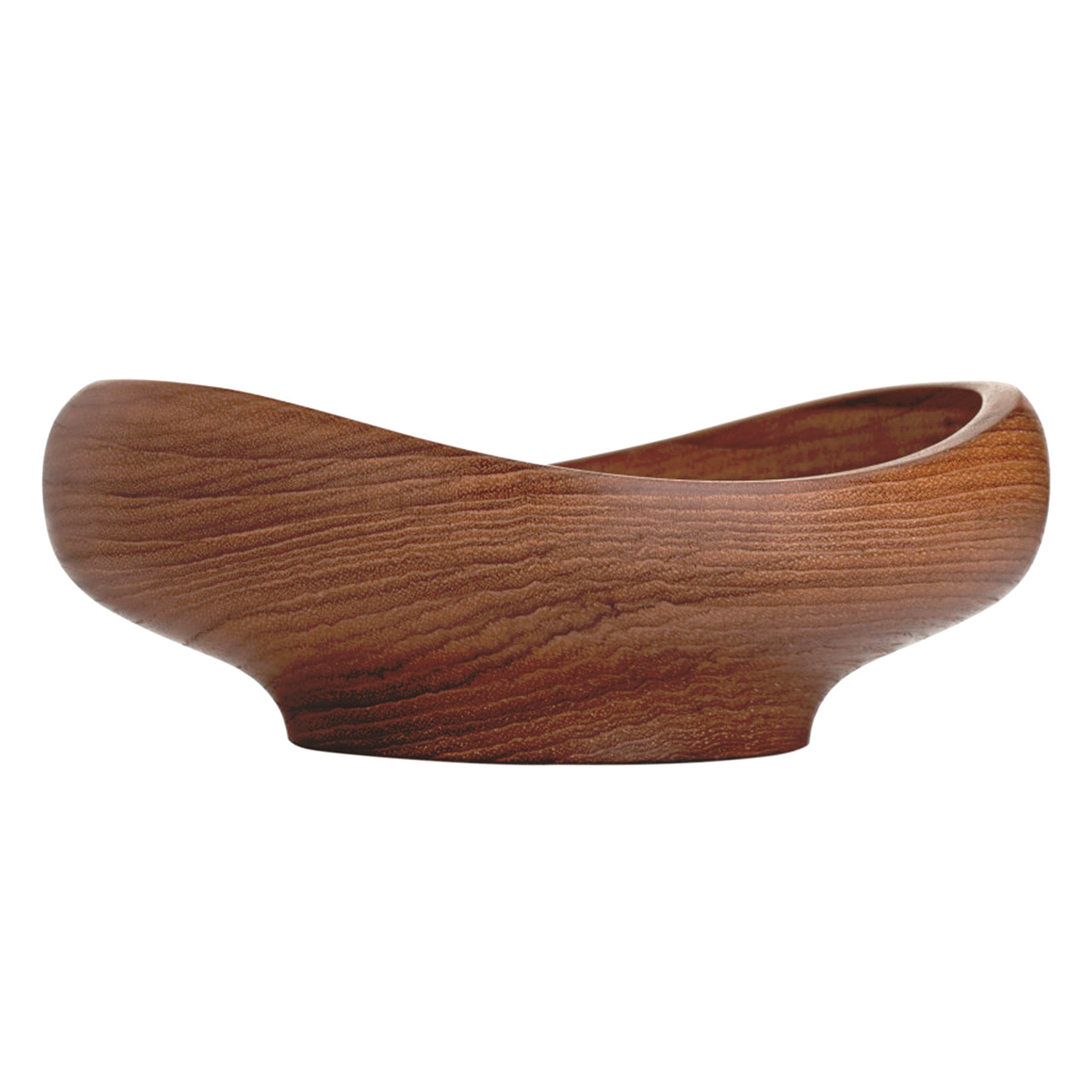
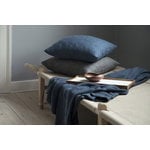
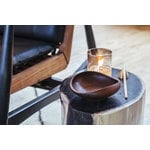
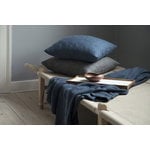
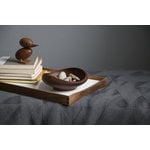
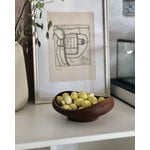
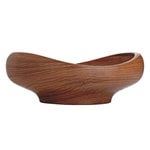
FJ Bowl, teak
Description
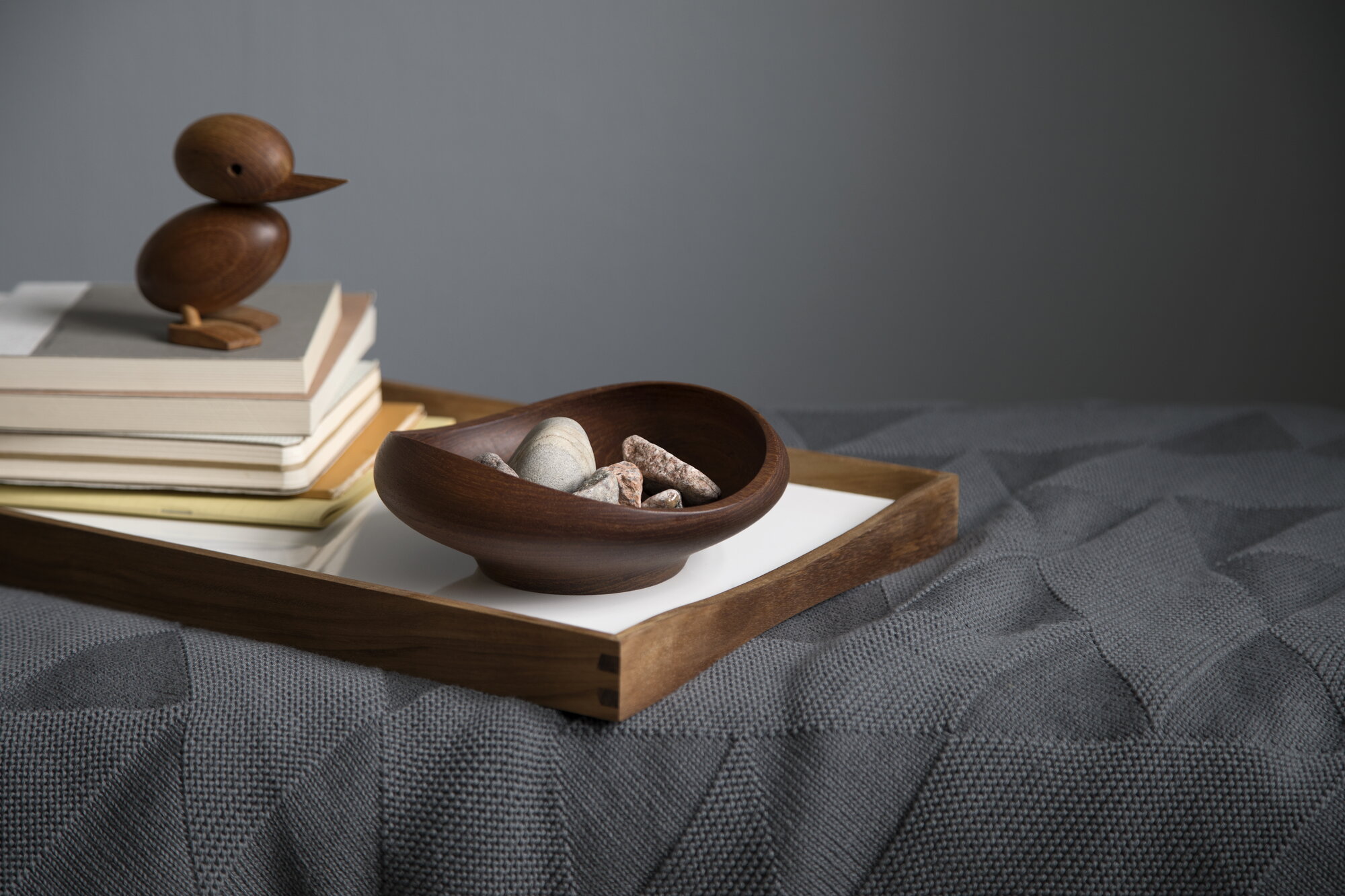
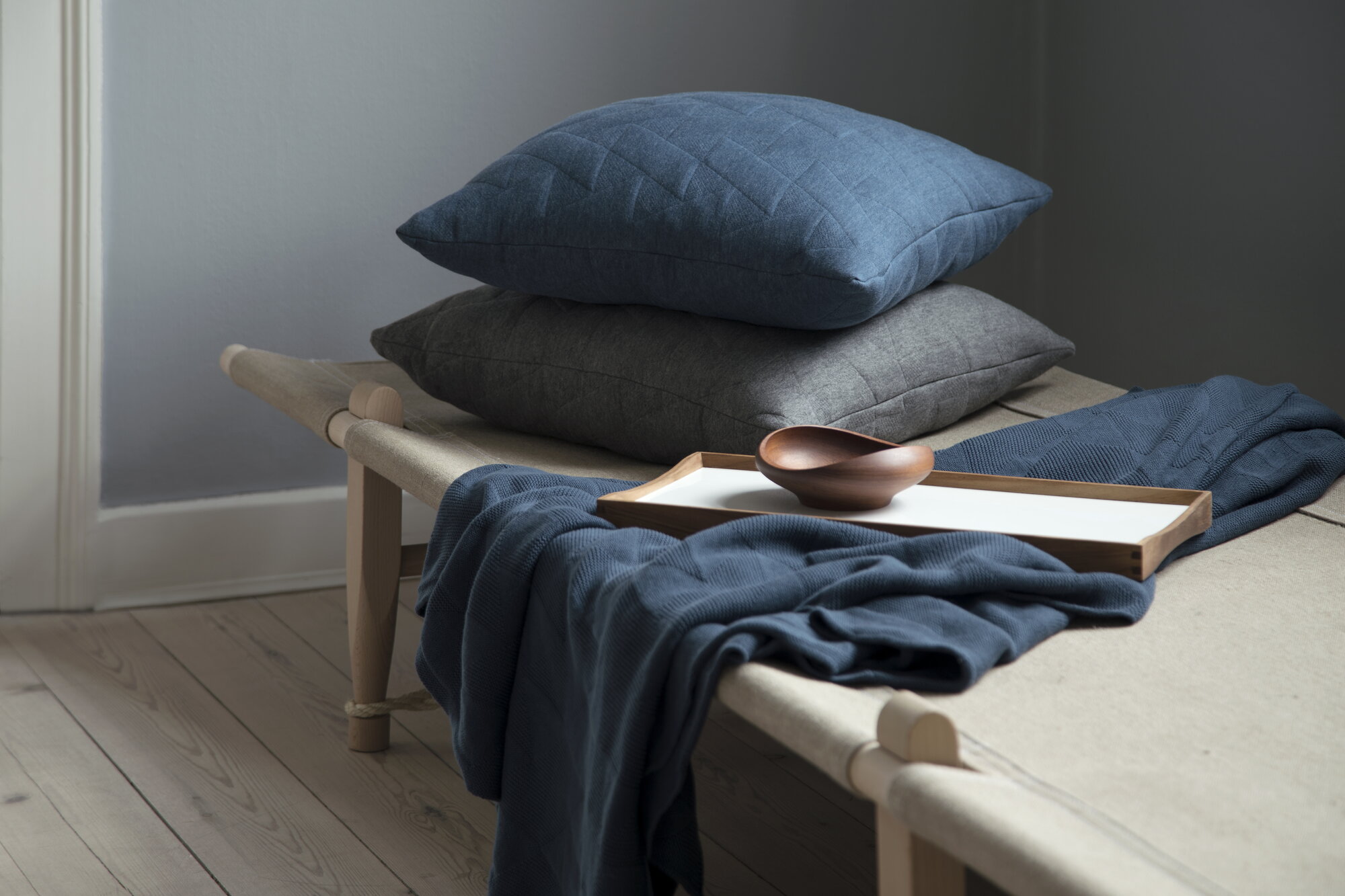
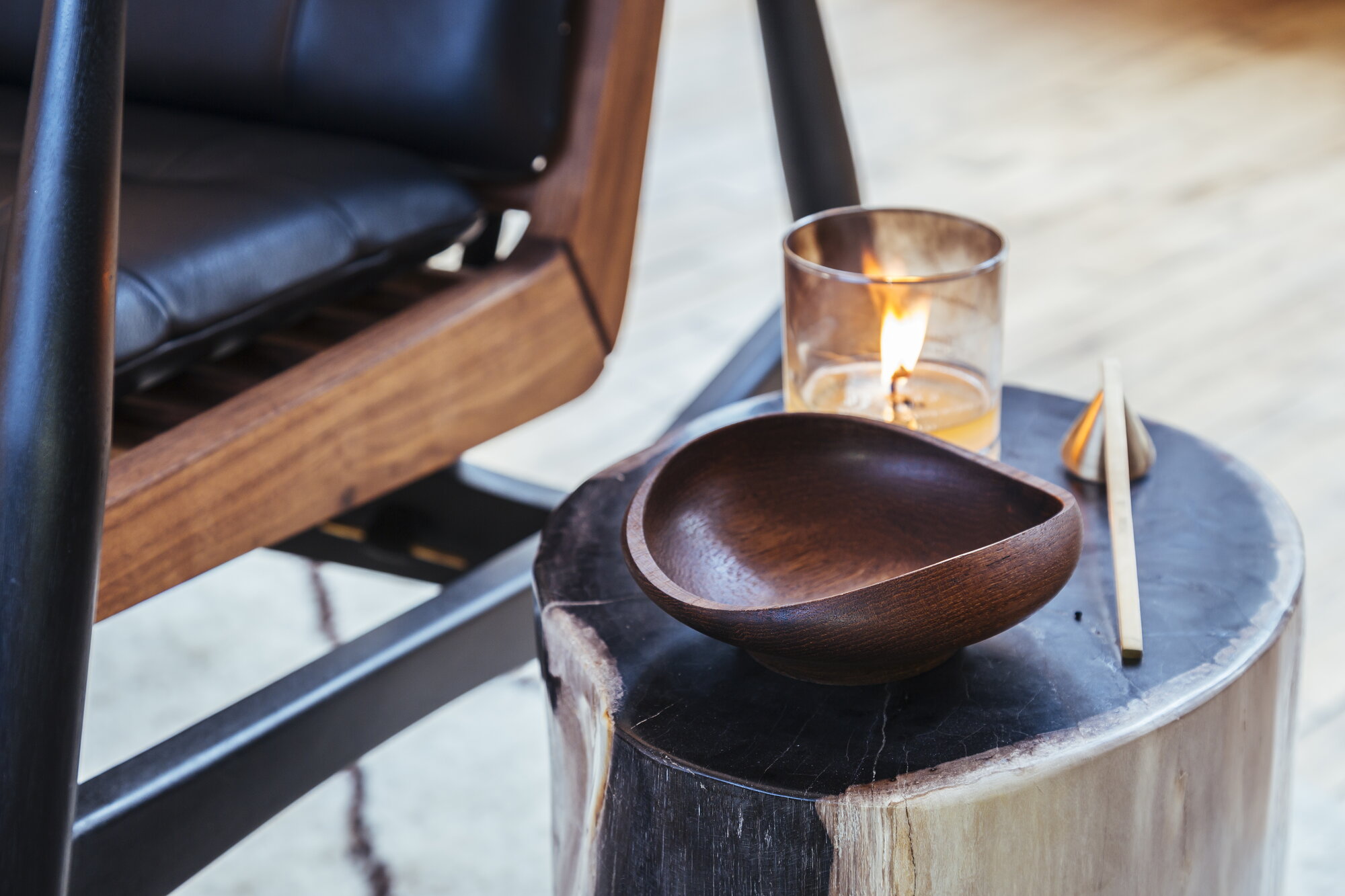
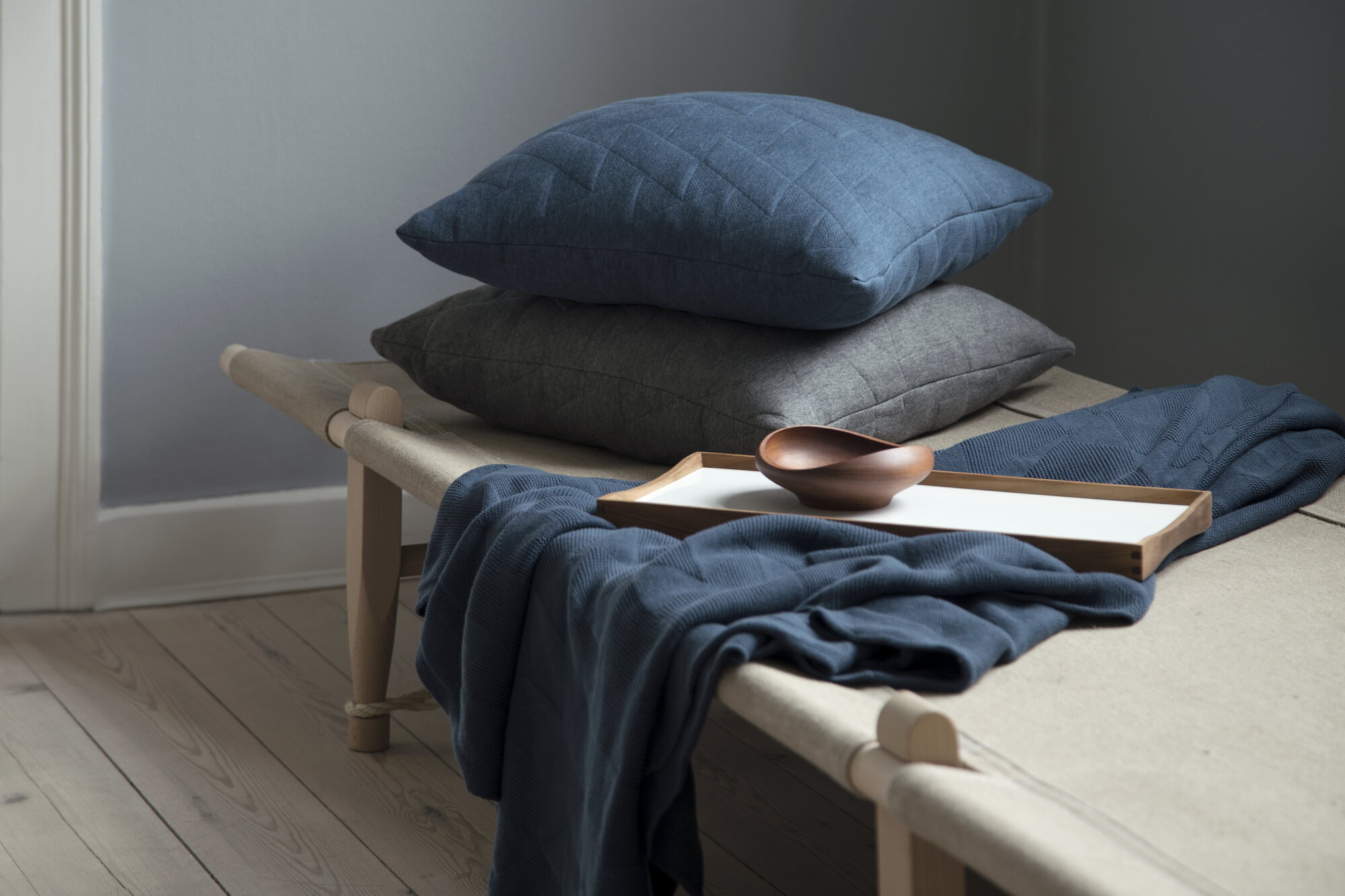
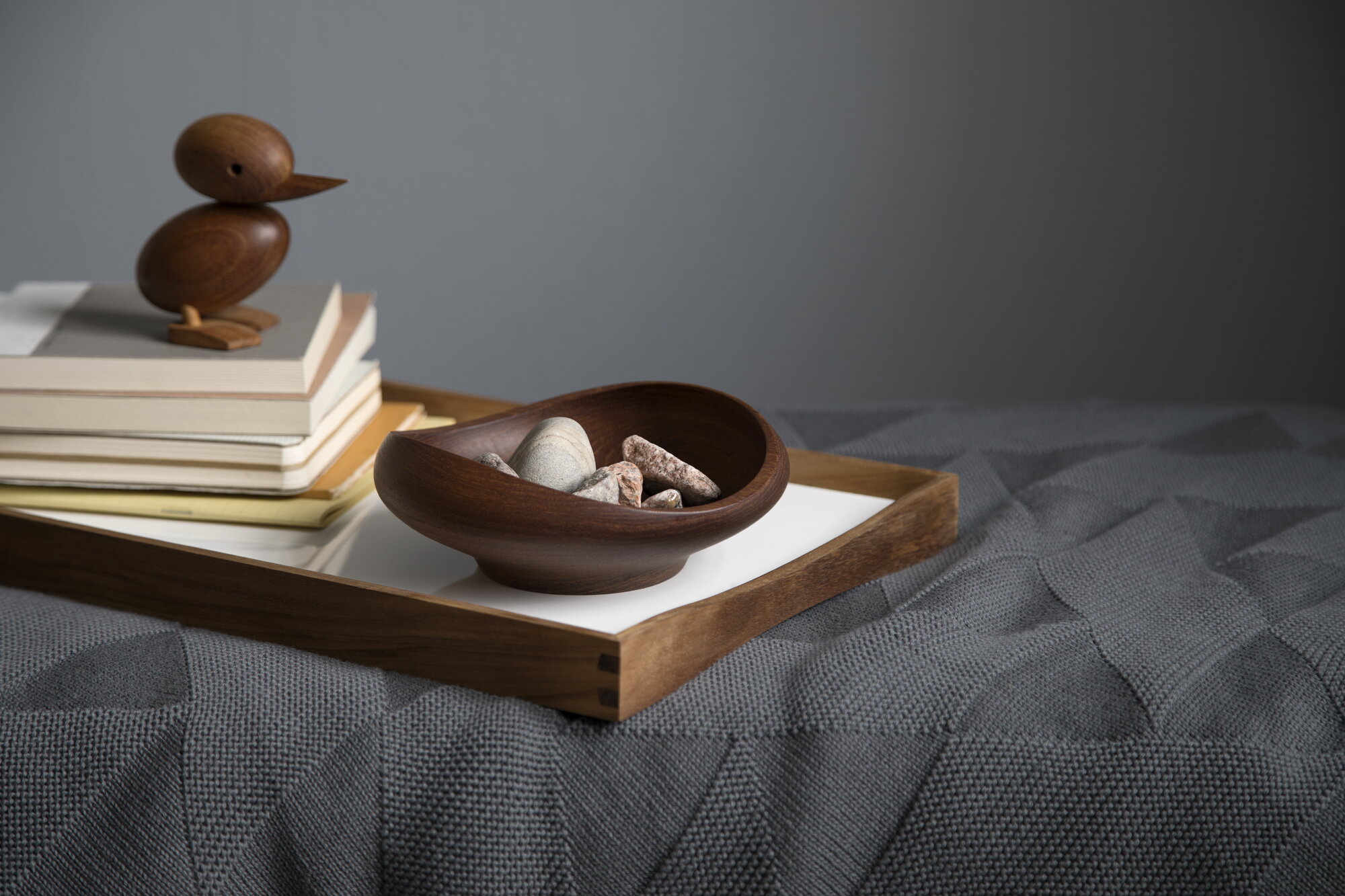
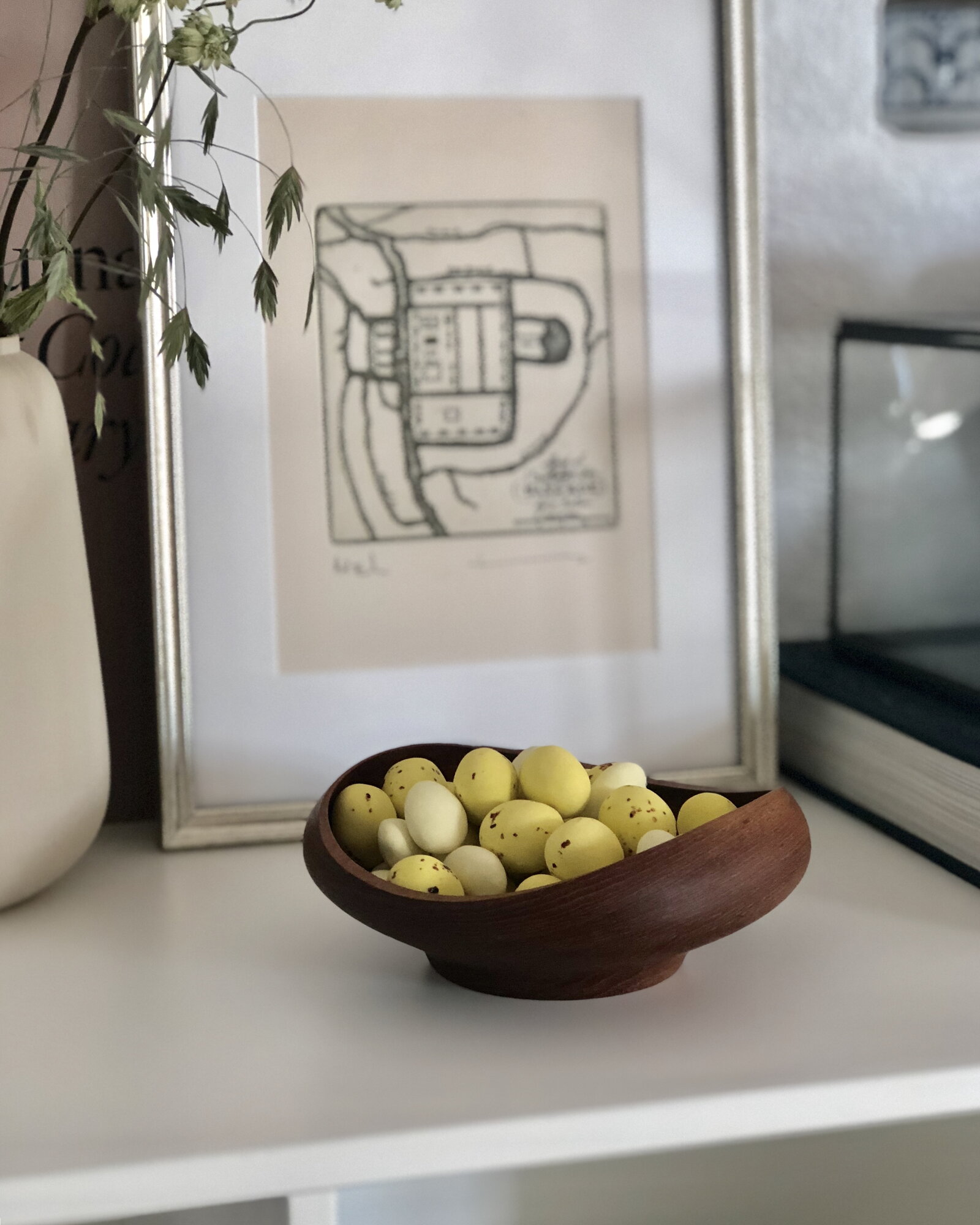
The FJ Bowl from Architectmade charms you with its natural look created by the unique shape of the bowl and the teak wood used as the material. Designed by Danish design legend Finn Juhl in 1951, the wooden bowl represents Juhl's design esthetic in its purest form: organic shapes and dark wood combine with carefully thought out dimensions that make the bowl appear to change its shape depending on viewpoint. Made from a single piece of teak wood, the bowl will create a beautiful patina over time. The FJ Bowl is ideal for storing and diplaying jewelry and other small treasures.
- Height: 1.97 in (5 cm)
- Diameter: 5.91 in (15 cm)
- Material Teak wood
- Colour Natural
- Product ID: AM000796
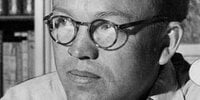
Finn Juhl (1912–1989) was a Danish architect and industrial designer, widely regarded as one of the most iconic figures of 20th-century Danish modernism. As a designer, Juhl balanced bold, sculptural forms with functional minimalism.
His style was characterized by an organic design language and a generous use of wood, with a particular preference for darker timbers such as teak. Juhl is also known as one of the key figures who introduced Danish modern design to the United States in the 1940s.
Finn Juhl – a pioneer of Danish modernism
Finn Juhl stands among the most influential figures in Danish design. He studied architecture at the Royal Danish Academy of Fine Arts under Kay Fisker and began his career while still a student in the office of architect Vilhelm Lauritzen.
As early as 1943, Juhl was awarded the prestigious Christian Frederik Hansen Medal for young architects, and in 1945 he established his own studio in Copenhagen. Although architecture formed the foundation of his training, Juhl is best remembered as a furniture and lighting designer who brought a new, sculptural dimension to the modernism of the 1940s and 1950s.
A master of organic functionalism
Unlike many of his contemporaries, Finn Juhl did not confine himself to strict functionalism. Instead, he approached furniture like a sculptor, shaping pieces into organic, flowing forms. He often spoke of “carrying” and “carried” elements – for instance, a chair seat might appear to float within its frame. These inventive structural solutions introduced a sense of lightness and challenged traditional cabinetmaking conventions.
Juhl refined the proportions of his furniture through a deep understanding of the human body and ergonomics. He demanded exceptional precision from manufacturers, ensuring that every joint felt as seamless as forms found in nature. This same philosophy extended to his lighting designs, including several classics created for Louis Poulsen.
International recognition
By the mid-20th century, Juhl’s work had gained widespread acclaim in the United States, where Danish modern design truly came into its own. One of the highlights of his career was designing the interior of the Trusteeship Council Chamber at the United Nations Headquarters in New York between 1951 and 1952.
Throughout his career, Juhl received numerous prestigious awards, including three gold medals at the Milan Triennale in 1957 and the title of Honorary Royal Designer for Industry in 1978. He also served as a visiting professor in Chicago and played a key role in shaping the international reputation of Danish design.
Who: Finn Juhl
- Danish architect and designer (1912–1989).
- Education: Architect, Royal Danish Academy of Fine Arts.
- A central figure in bringing Danish modernism to an international audience.
- Design language characterized by organic, sculptural forms.
- Notable works: FJ Elements lighting (Louis Poulsen), Pelican Chair and 45 Chair.
Read more in Design Stories
View all products5

Based on 2 reviews
-
T
Tao Y | Verified Customer
United States

1 year ago
-
L
Lennart W | Verified Customer
Jönköping, Sweden
Härlig dansk design, lätt och elegant!
2 years ago
Ideas and inspiration
This is a carousel. Use Next and Previous buttons to navigate.