How to light your home for fall – tips for cozy layered lighting
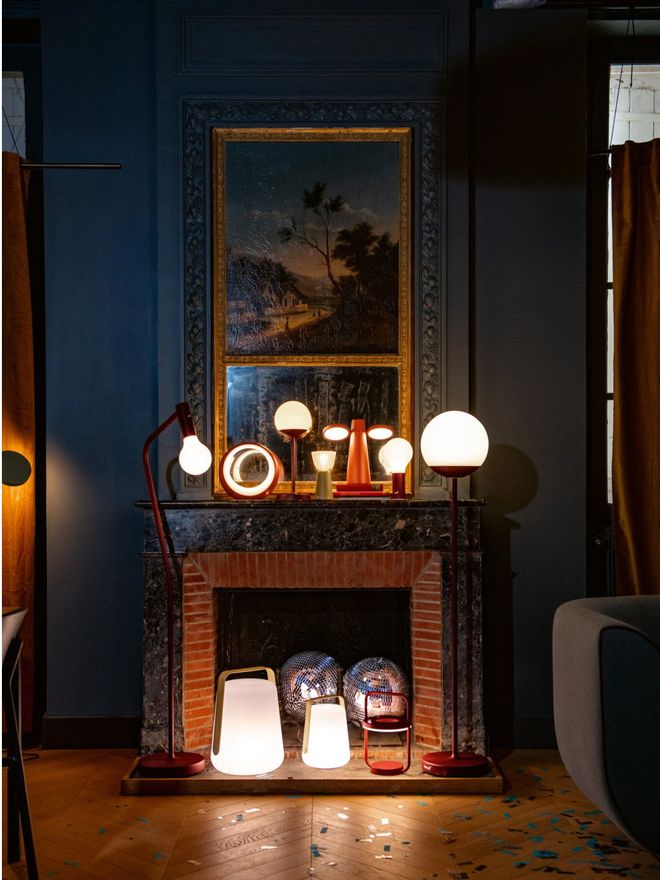
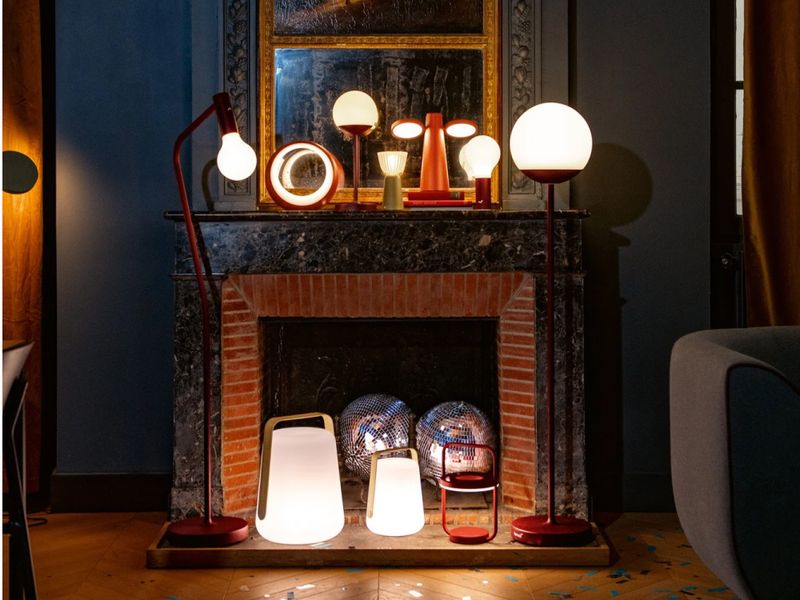
Inviting yet practical lighting for the dark season comes from building light in layers. The lantern-style Balad lamp and Fermob’s other portable lamps are dimmable, so they adapt to any time of day.
Expert tips for fall lighting:
“The most effective way to light your home for the darker months is to place a mix of ambient and mood lighting around the room. The idea isn’t to have every lamp on at once – instead, you vary the overall amount of light throughout the day as needed.
Dimmable lamps are especially handy, since a simple turn of the dimmer lets them switch from one role to another. It’s also worth making sure that lamps used in the same space at the same time share the same color temperature, so the light flows beautifully from one source to the next,” says Riikka Soini-Ferraguto, an interior designer at the Finnish Design Shop showroom.
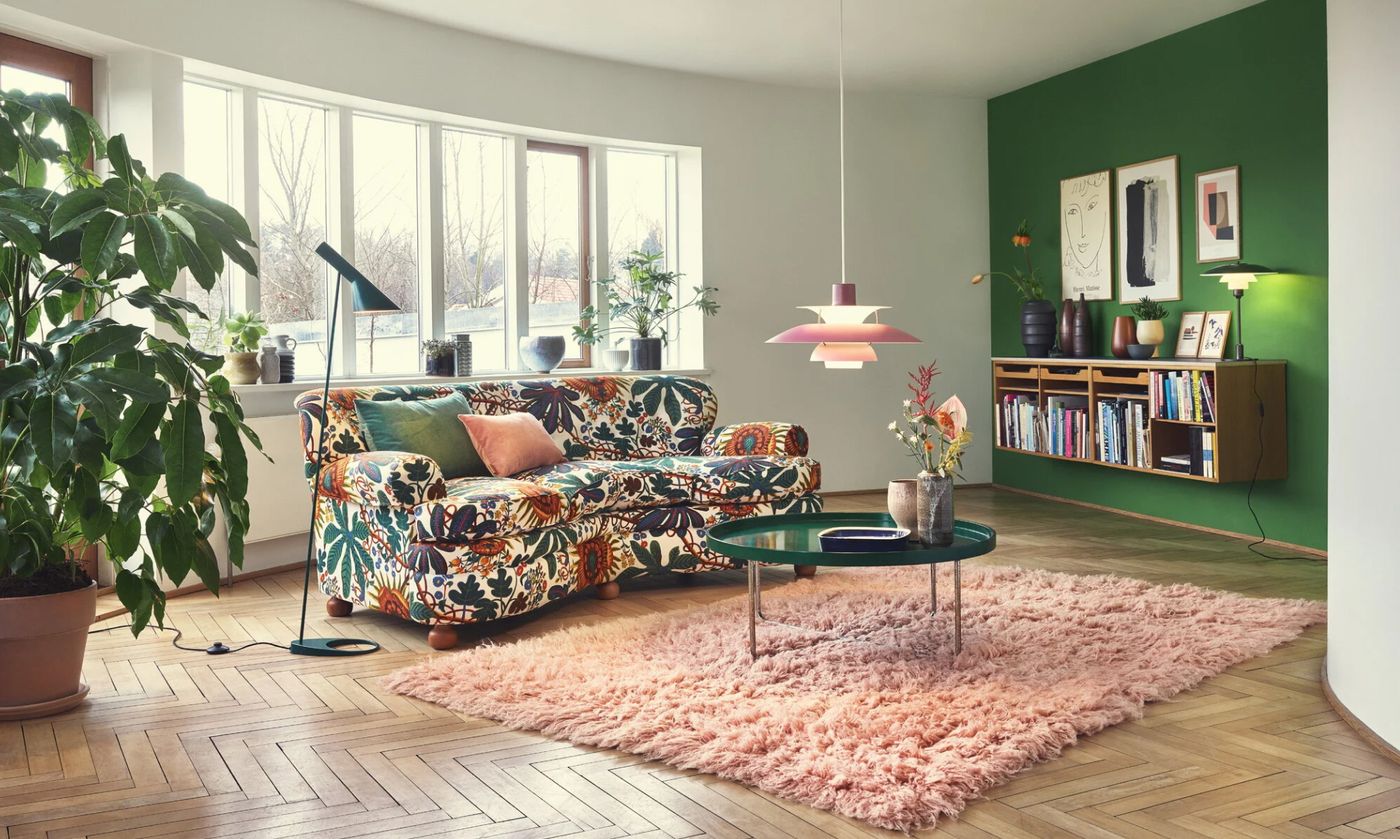
In this room, Poul Henningsen’s PH 5 pendant in a charming rose pink provides the ambient light. Arne Jacobsen’s AJ floor lamp adds accent lighting over the sofa, while the PH table lamp brings in soft mood lighting.
Layered lighting starts with ambient light
Good lighting is built from several layers that complement one another. The foundation is ambient light, which illuminates the room evenly and comfortably so that everyday chores and cleaning are easy even after dark. As the days grow shorter in fall, ambient lighting matters more than ever.
The most popular choices for ambient lighting are pendant lights and flush mount ceiling lights, which spread light over a wide area. In a larger room, a single fixture may not be enough to light the whole space, so floor and wall lamps that cast soft, indirect light can also be part of your ambient lighting.
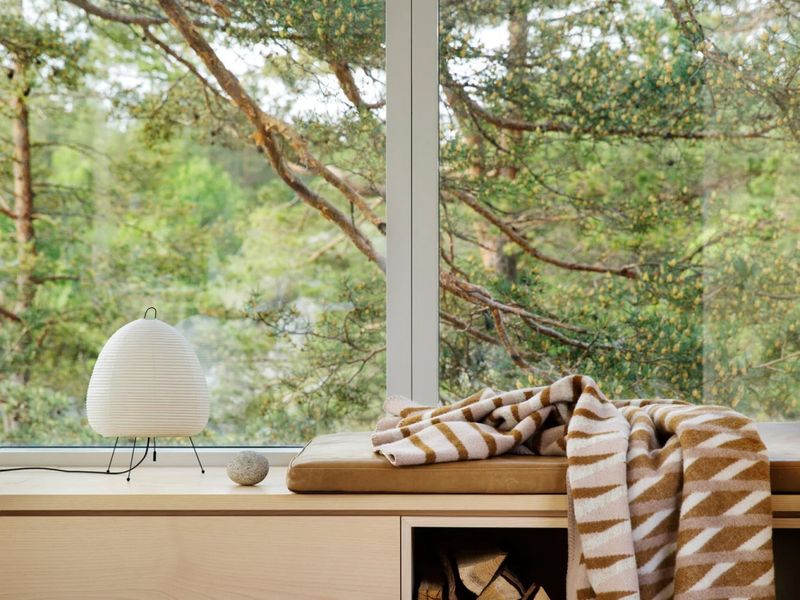
The shape and material of the shade make a big difference to whether light spreads widely or focuses on a particular spot. Shades made of opal glass, paper or fabric soften the light and diffuse it evenly around the room. Metal and other opaque shades, on the other hand, direct the light up or down and create a more defined beam.
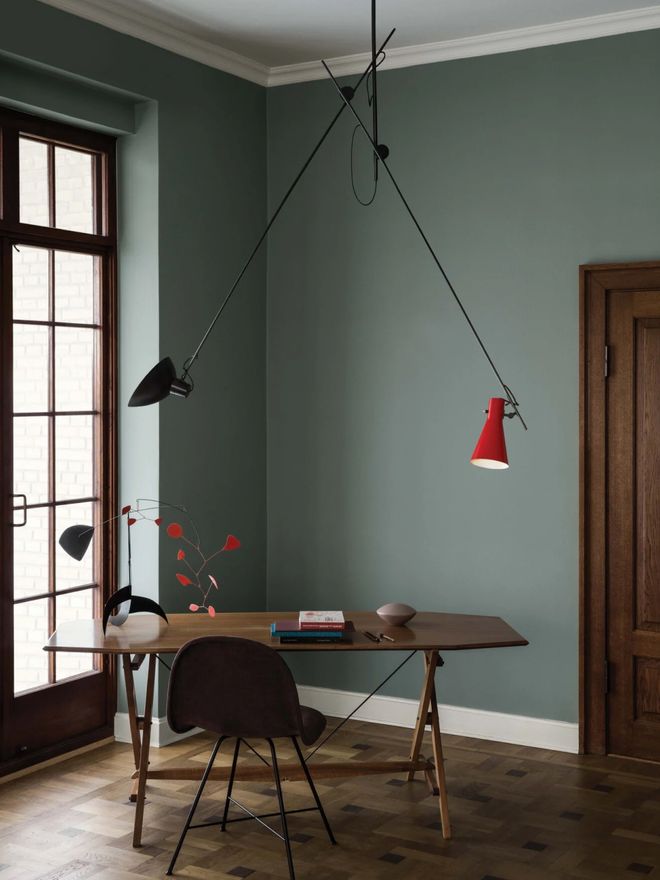
Designed by Vittoriano Viganò for Astep, the VV Cinquanta pendant offers both direct accent lighting and diffused light reflected off the wall or ceiling.
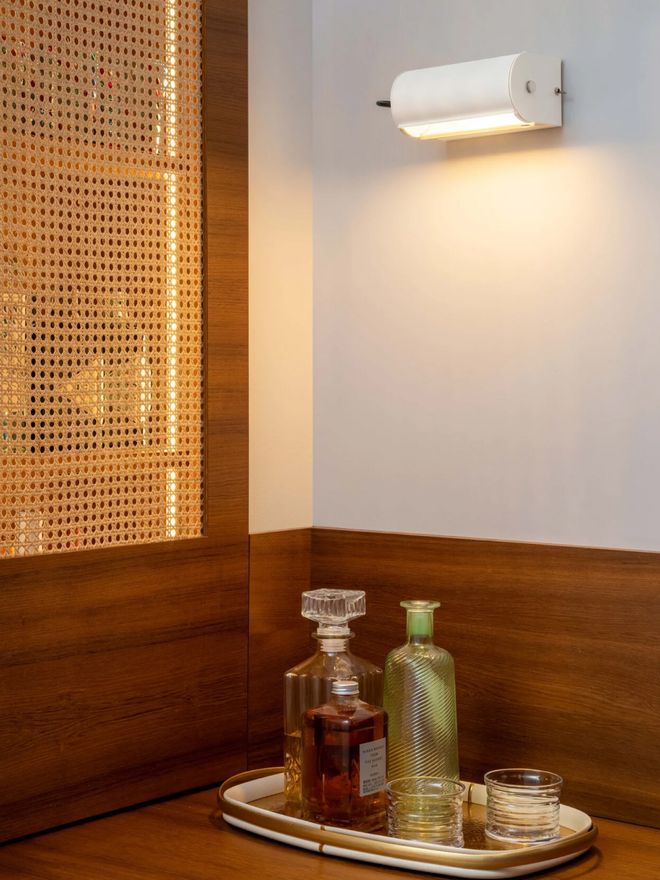
Nemo Lighting’s Applique Cylindrique Petite wall lamp also plays with the contrast between direct and indirect light. The lamp was designed by Charlotte Perriand.
Highlight with accent lighting
Accent lighting is all about directing light exactly where you want it. An adjustable wall or floor lamp can light up a reading nook or a desk, for example, while a downward-facing pendant makes a perfect accent light above the dining table.
Accent lighting also adds depth and contrast to a room, since not every corner is lit with the same intensity.
Accent lights can bring out details that might otherwise go unnoticed.
Accent lights can also bring out details that might otherwise go unnoticed – try aiming the light at a piece of art, a houseplant or architectural features such as a brick wall or ceiling beams.
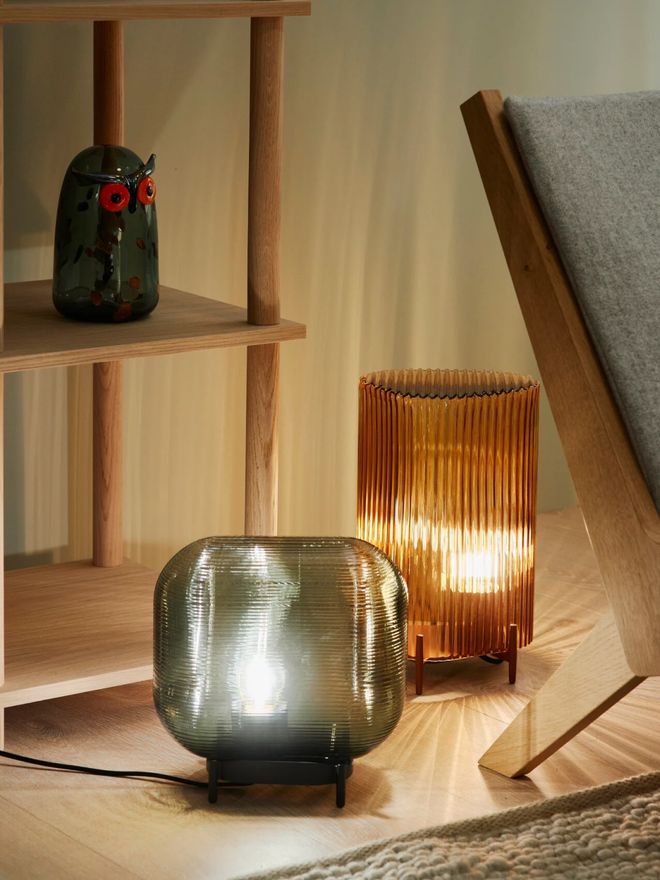
Mood lamps placed on the floor and in corners help open up a room. Designed by Matti Klenell for Iittala, the copper-toned Putki lamp is made of mouth-blown glass.
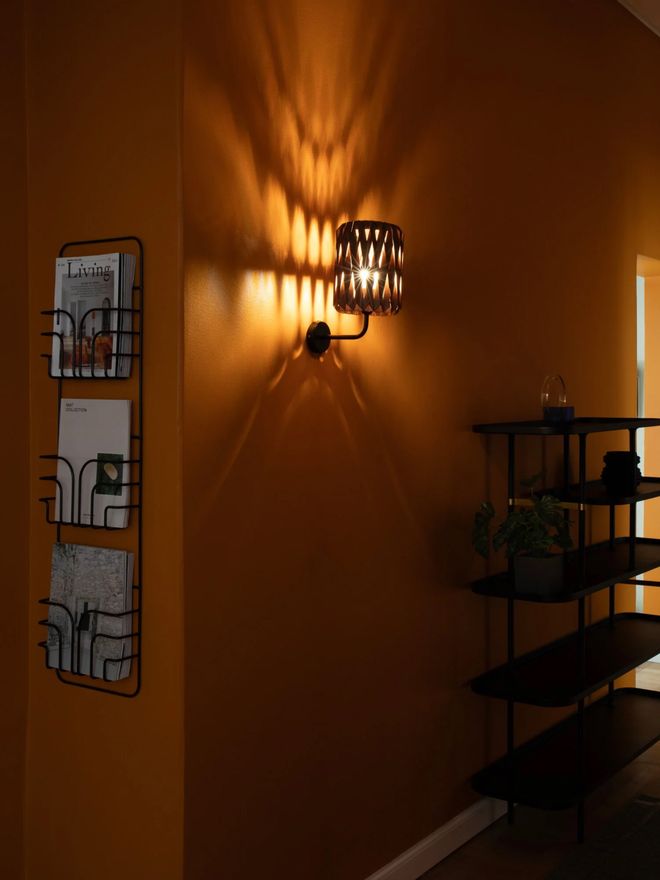
Designed by Tuukka Halonen, the Pilke Signature wall lamp casts geometric patterns onto the wall as light filters through its birch shade.
Mood lighting makes a house a home
The main purpose of mood lighting is to make a room feel warm and inviting. Indirect wall lights and small table lamps work especially well, and you can place them on a side table, dresser or shelf.
Placement is key: when light sources are spread around the room at different heights, the light is distributed beautifully and the whole space feels more alive.
Don’t forget the corners, either – dark corners can make a room feel smaller in the evening. Even a small lamp placed on the floor or a low shelf opens up the space.
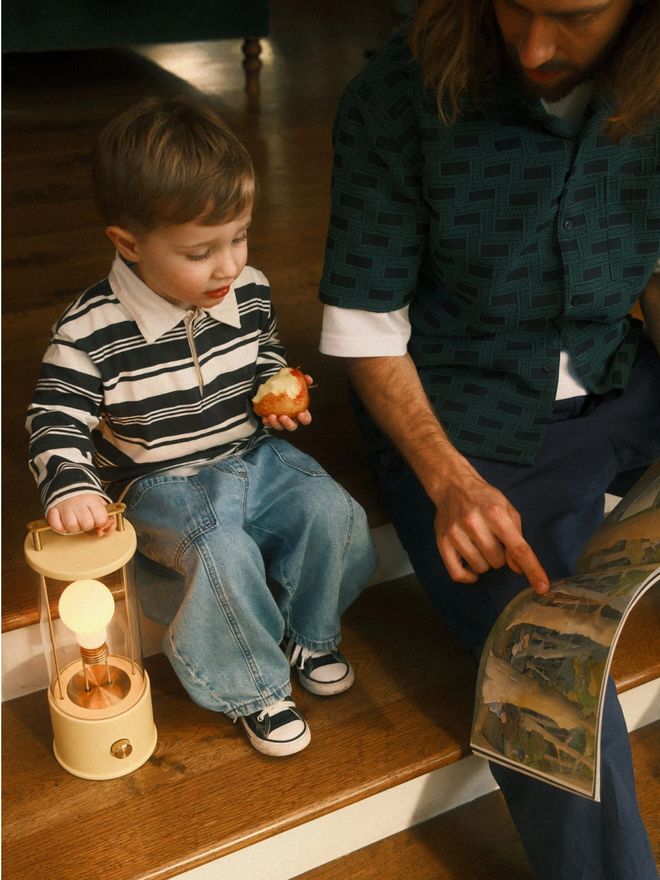
Tala’s charming The Muse lamp features a dim-to-warm dimmer that automatically shifts the color temperature to a warmer tone as the light is dimmed.

The portable version of Verner Panton’s beloved Panthella lamp has a three-step touch dimmer. Made by Louis Poulsen, the lamp is also suitable for outdoor use.
Dim to suit the moment
In fall, your lighting needs change quickly as daylight fades, and the same lighting won’t suit every situation. With dimmable lamps, it’s easy to adjust the amount of light as needed – the same lamp can serve as a bright task light during the day and a calm mood light in the evening.
Portable lamps add flexibility, too. Many cordless models come with a dimming function, and some even let you adjust both brightness and color temperature. On dark fall evenings, a portable lamp can also come with you out onto the balcony or patio.
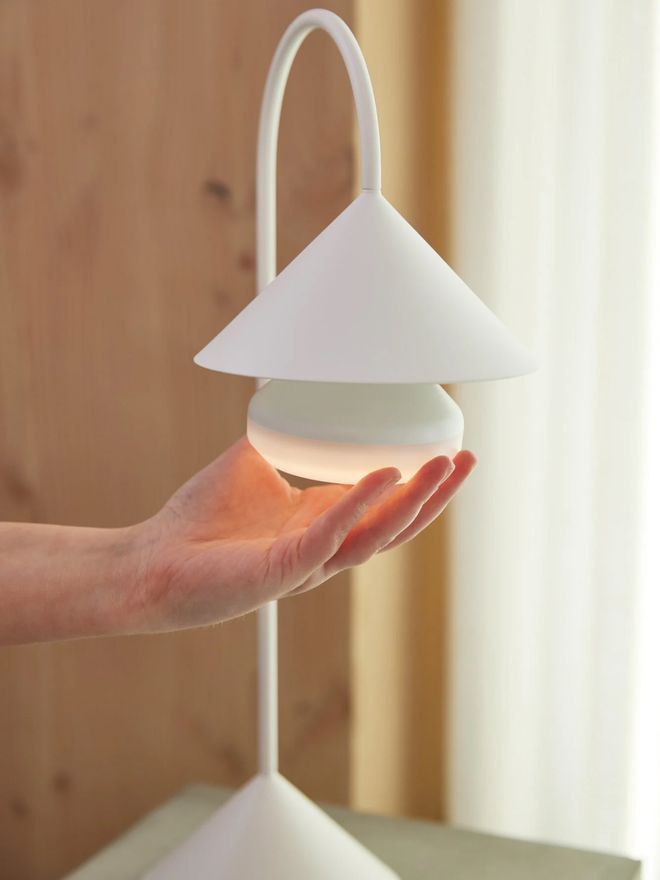
The magnetic Frandsen One light source is compatible with Frandsen’s portable lamps.
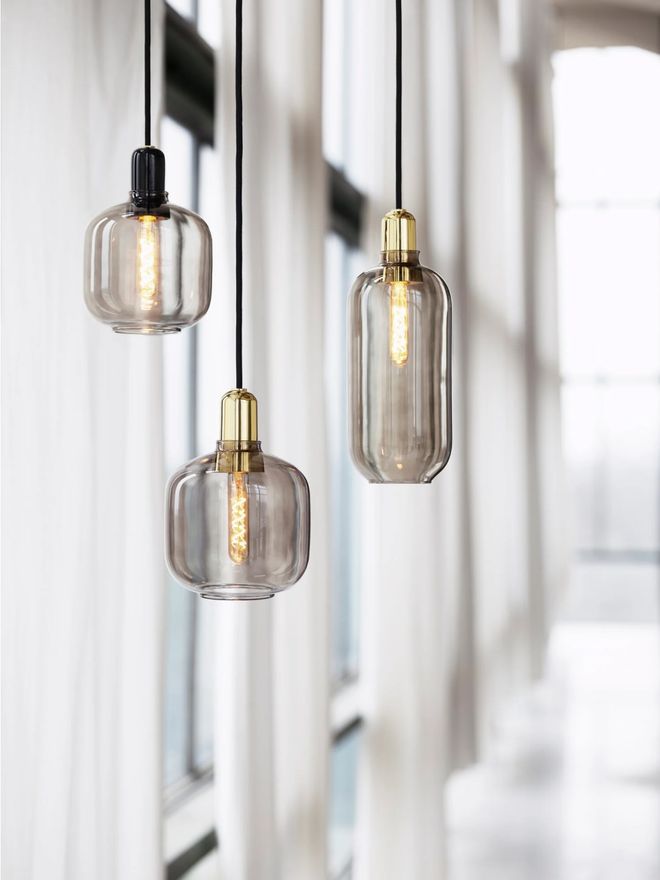
A slim spiral LED bulb creates a warm glow inside Normann Copenhagen’s Amp lamps.
Choose the right light source
When choosing a light bulb, there are a few technical details worth considering, as they affect both the mood of the light and how your interior looks.
Color temperature, measured in kelvins (K), describes the tone of the light. The less natural light there is in a room, the more pleasant a warmer tone feels. During daylight hours, a neutral white light of 4,000 kelvins can be refreshing, but once dusk falls, a warm white light below 3,000 kelvins starts to feel more inviting. Lamps used at the same time should also have matching color temperatures.
The less natural light there is in a room, the more pleasant a warmer tone feels.
Luminous flux, measured in lumens (lm), tells you how much light a bulb produces. A small mood lamp often needs only 100–300 lumens, while a reading light calls for around 400–500 lumens. Ambient lighting generally requires more: a good rule of thumb is 100–200 lumens per square meter (roughly 10–20 lumens per square foot). The right amount also depends on ceiling height, the colors of surfaces and where the lamps are placed.
Color rendering index (CRI) indicates how naturally colors appear under a light source. A CRI of 90 or above means good color rendering, which makes it the best choice for spaces where you want the colors of your interior to look as true to life as possible.
Smart lighting consists of light sources controlled by an app, a timer or voice commands. With smart bulbs, brightness and color temperature can adjust automatically to the time of day: in the morning, the light can gradually brighten before your alarm goes off, and in the evening, it can shift to a warmer tone without you having to adjust each lamp separately.
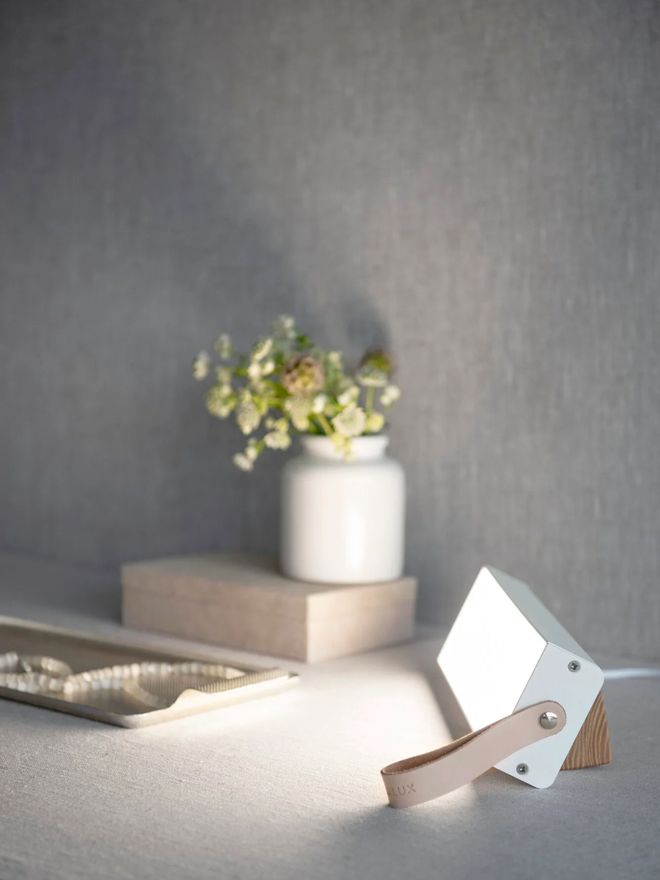
Designed by Harri Koskinen for Innolux, the Valovoima Mini light therapy lamp is easy to move wherever you need a morning dose of bright light.
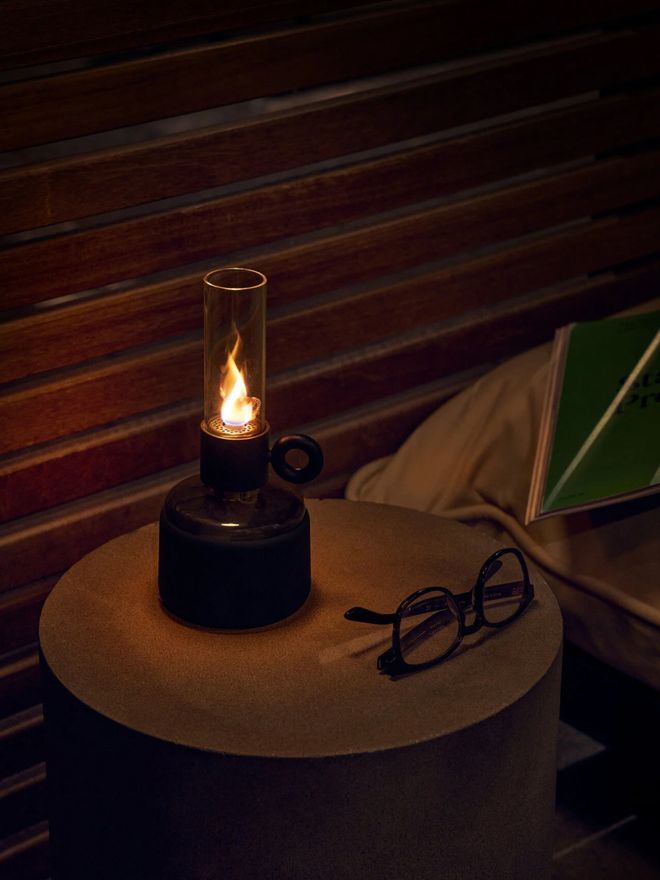
Dim evenings are made for unwinding by the glow of a real flame – here, it comes from Fatboy’s Flamtastique oil lamp.
Adjust your lighting throughout the day
In fall, it pays to adjust your lighting over the course of the day, depending on how much natural light is available.
In the morning, your lighting should give you the energy to start the day. A light therapy lamp or brighter ambient light is especially refreshing when it’s still dark outside.
During the day, natural light does part of the work, but on gloomy days, ambient lighting that mimics daylight helps make up for the weak sunlight and brings energy to your day.
As dusk falls, you can gradually soften the lighting. Dim the ambient light and switch on smaller accent and mood lamps around the room.
Later in the evening, you might leave just a few soft lights on and perhaps unwind by candlelight. Dim, warm light helps calm the mind and get ready for bed.
See also:
Read the story: Love at first light! Top tips on choosing a lamp >
Read the story: Find an ideal design lamp for each room of the house >
Images: Manufacturers
Published on 2 Oct, 2026