Poul Henningsen – master of soft light and designer of the PH 5 lamp
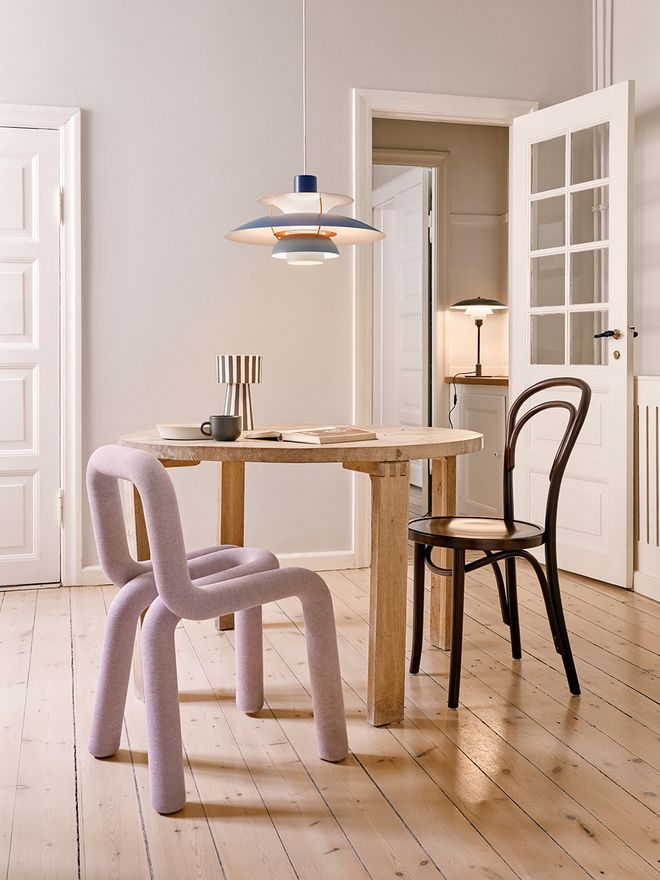
The PH 5 lamp from 1958 is so popular in Denmark that it can be found in almost every other home.
POUL HENNINGSEN HAD been busy with the mystery of light since he was 18. He had grown up in the soft glow of oil lamps and recoiled at the new culture of electric lamps and blinding light. It led to research seeking harmony in lighting.
The result was a multi-shade lamp, or a glare-free shade consisting of several parts whose size, shape and position were designed to affect the distribution and volume of light.
When the lamp was presented at the Paris World’s Fair in 1925, it was nicknamed Paris after the destination city. Henningsen applied the principles of this lamp for the rest of his career.
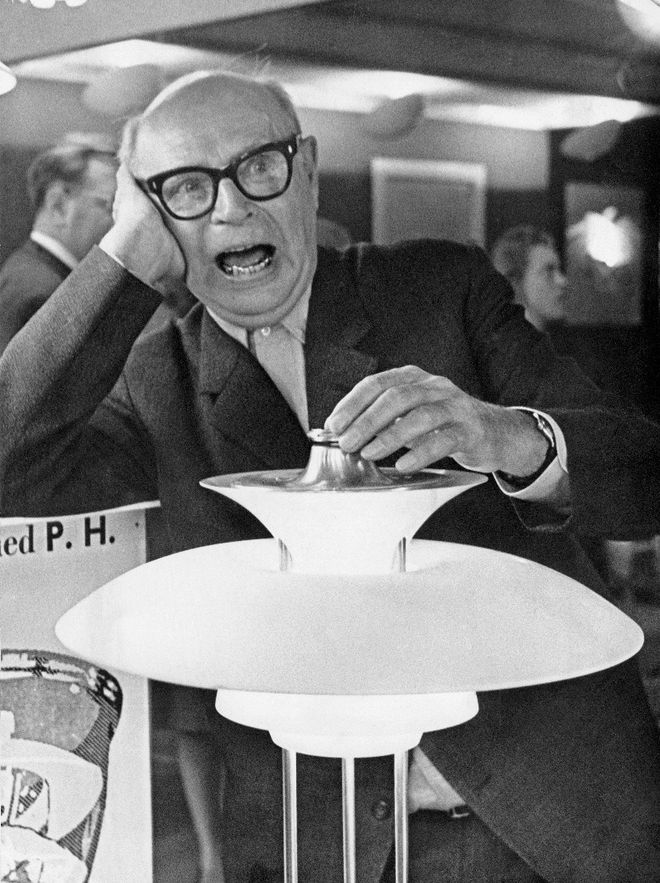
From 1925, Henningsen was a designer for Louis Poulsen Lighting.
Poul Henningsen’s mother was famous author and equality activist Agnes Henningsen. Poul was the illegitimate son of her and journalist Carl Ewald, and his childhood was spent in a tolerant and bohemian home.
Like his mother, Henningsen became a gifted penman and a sharp social critic. He wrote poetry and scripts for revues and edited articles for newspapers and magazines. In his time, he was known in Copenhagen for precisely these talents. Nevertheless, he went down in history as a lighting designer.
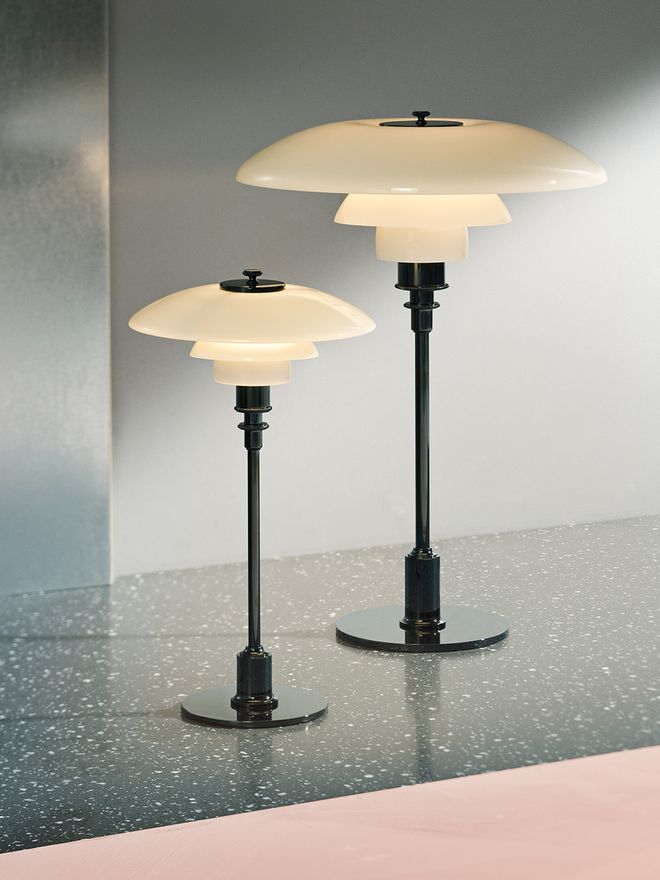
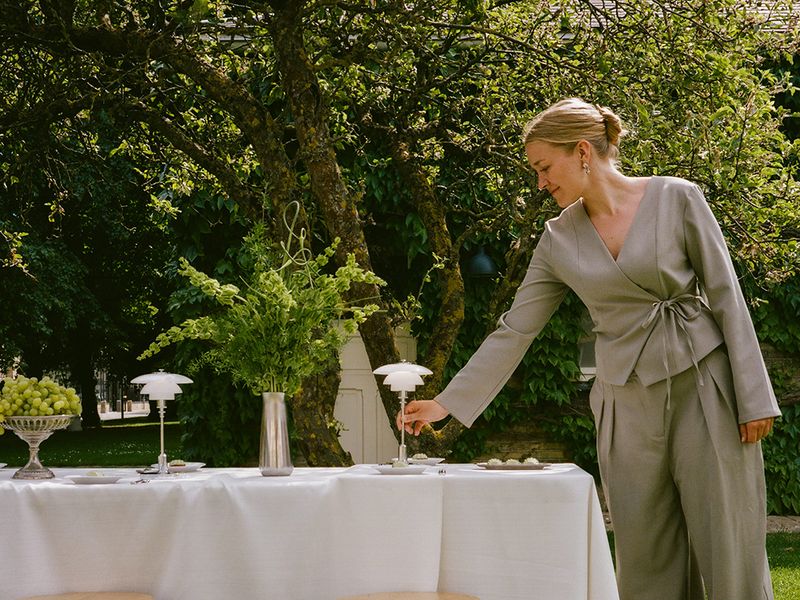
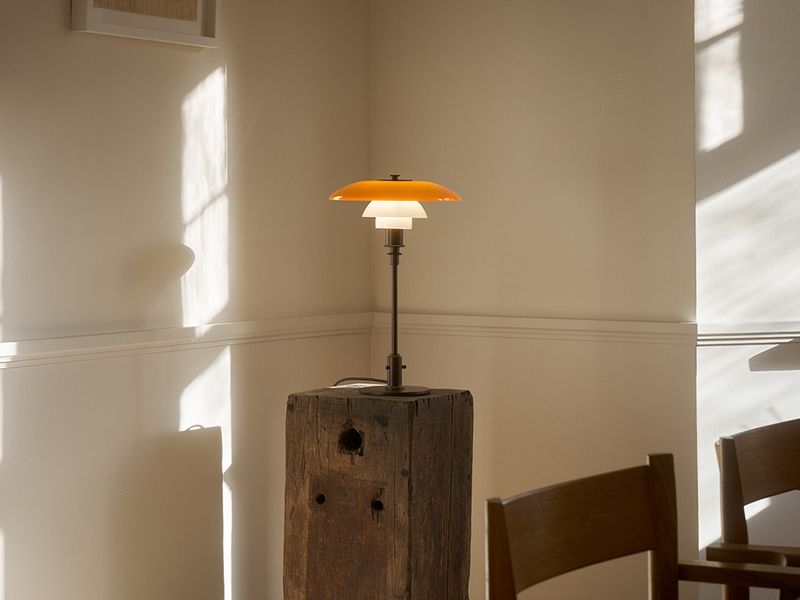
PH 3/2 is a popular table lamp. The classic design provides pleasant, glare-free light.
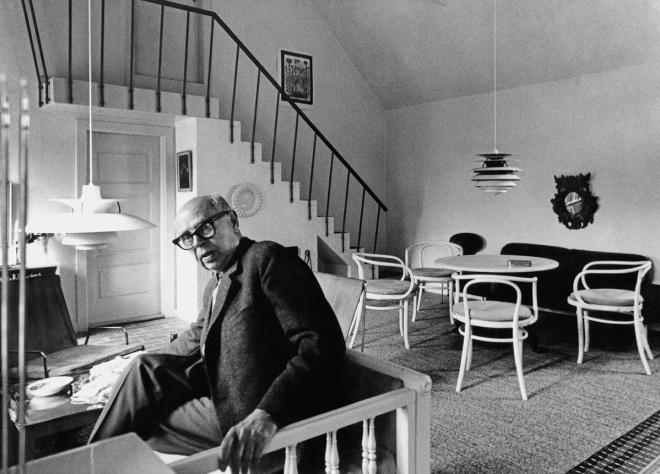
Henningsen imitated the soft light of an oil lamp.
Henningsen studied architecture and worked in Copenhagen from 1920 onwards. In addition to buildings, he designed, for example, a part of the capital’s famous Tivoli and decorated theaters.
“The correct illumination of a room does not require money, but insight.”
At the time, Henningsen had a habit of often riding on trams. He wrote: “When one looks into first-floor homes from a passing tram in the evenings, one shudders to see how gloomy they are. Furniture, style carpets, everything in a home is secondary to the importance of lighting. The correct illumination of a room does not require money, but insight.”
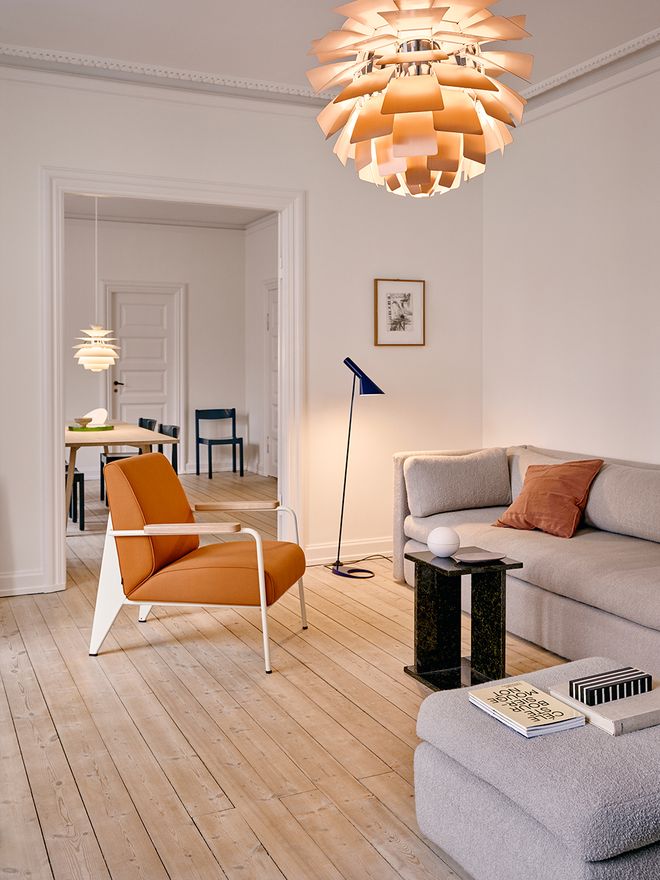
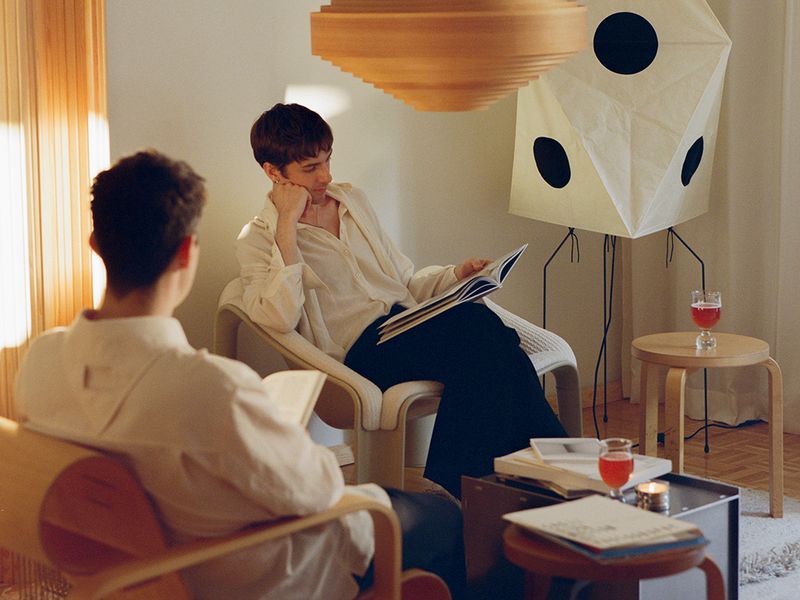
The luxurious Artichoke consists of twelve steel arches and 72 copper leaves. The floor lamp is AJ by Arne Jacobsen, above the table is Henningsen’s PH Snowball.
The popularity of the revolutionary lamp provided Henningsen with a cooperation agreement with lamp manufacturer Louis Poulsen Lighting immediately after the World’s Fair. One classic after another was born, and Henningsen’s legacy continues to guide the work at Louis Poulsen.
Henningsen’s legacy continues to guide the work at Louis Poulsen.
The year 1958 saw the launch of two top products: the grand PH Artichoke for public spaces and PH 5 for homes. The latter of the two icons can still be found in almost every other home in Denmark, and it is indeed not unknown elsewhere either.
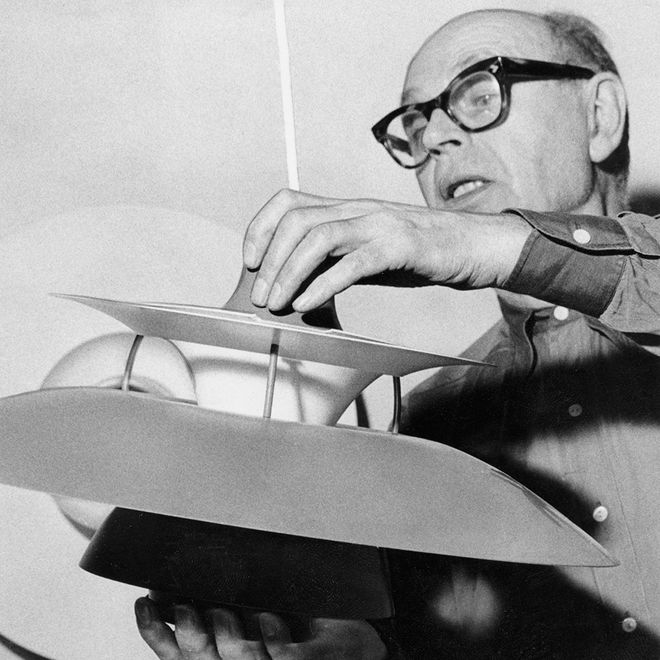
Poul Henningsen and the iconic PH 5.
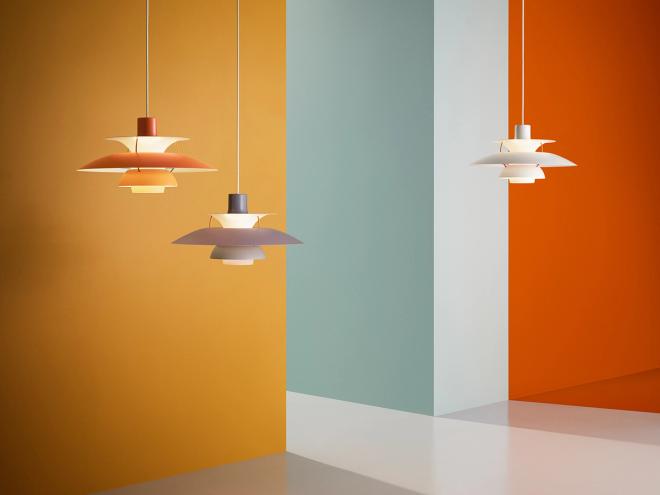
The PH 5 is available in various, contemporary colors.
There hardly exists another lighting designer who has been copied as much as Poul Henningsen. The eloquent shapes of his lamps have created an entire style of lighting. But the copyists have often forgotten Henningsen’s true guiding light: function.
In his pieces, the shapes are not an end in themselves but have emerged based on scientific analysis. Henningsen was, in a way, a romantic functionalist. He also sought ambiance; the soft, cozy light produced by the oil lamps of his childhood home.
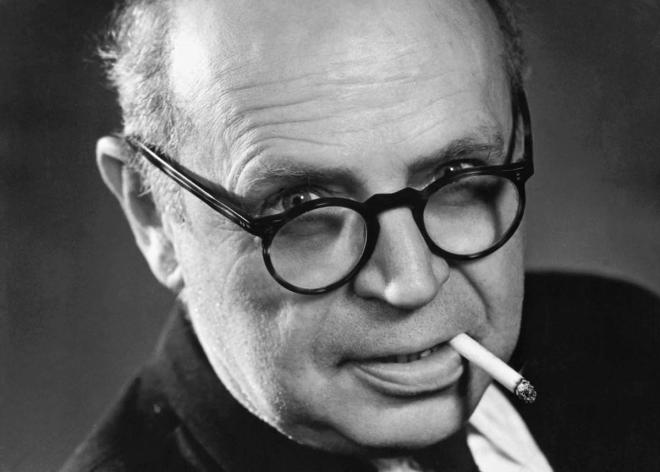
Poul Henningsen (1894–1967).
Who: Poul Henningsen
Danish Poul Henningsen was born in 1894 and died in 1967
Studied 1911–14 at a technical school in Frederiksberg and 1914–17 at a technical college in Copenhagen
The first characteristic lamp, Paris, was created in 1925
PH Artichoke and PH 5 designed in 1958, for example, are still in production
View also:
• Poul Henningsen's designs >
• Louis Poulsen's collection >
Pictures: Louis Poulsen
This article was originally published in Avotakka. The article was updated on 9/2025.
Published on 17 Sep, 2025