Paavo Tynell’s lamps can be found in surprising places – take a look at these 3 stunning sites
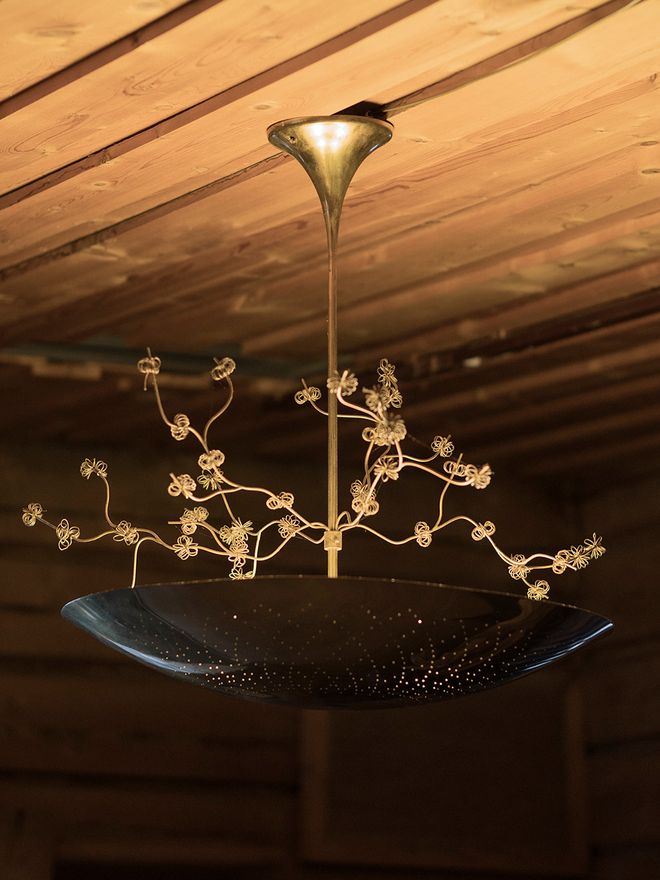
Paavo Tynell designed this brass pendant for Hotel Pallas, located in the Finnish Lapland. The bent floral ornaments tell stories of northern nature.
ONE OF THE BEST-LOVED FINNISH DESIGNERS in the field of lighting design is undoubtedly Paavo Tynell: original Tynell lamps now fetch thousands, or even hundreds of thousands of euro at auctions. The romantic look, skillful craftsmanship and gorgeous materials featured in Tynell lamps have conquered the hearts of design lovers during the current millennium in particular.
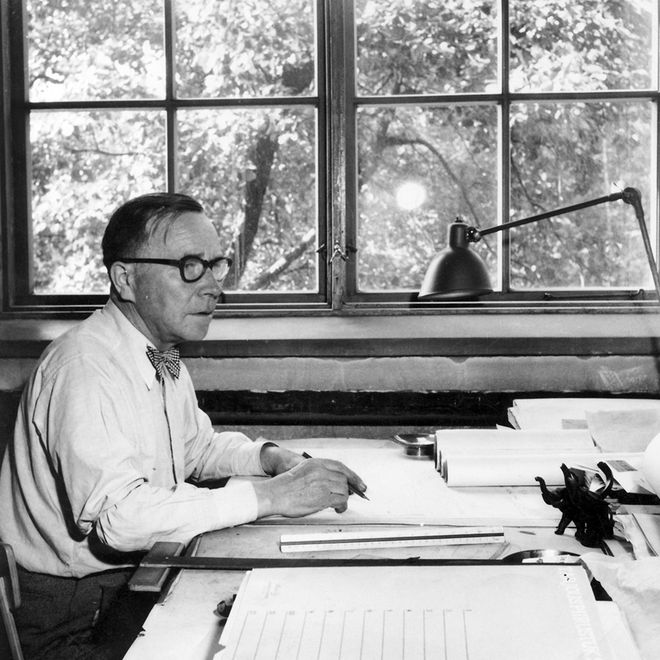
Paavo Tynell (1890–1973) was once one of the most productive Finnish lighting designers of his time in the fields of public spaces and commissions. Today, Tynell’s luminaires are coveted collector’s items.
The popularity inspired Finnish antique dealer Ville Linna to publish a book preserving the knowledge he has gathered on Tynell over the years. Chasing Light: Archival Photographs and Drawings of Paavo Tynell includes information on the origins of the lamps, and a selection of Tynell lamps on view around Finland.
In this article, we explore three architectural attractions in Finland, where Tynell lamps are integral to the original decor. All three buildings are located in northern Finland, and two are open to tourists visiting their area.
Hotel Pallas, Muonio
Hotel Pallas was the very first fell hotel in the Finnish Lapland. This representative of the clean lines of functionalism was built in 1938, at the end of a route almost wholly without roads. However, the hotel did not last long – the functionalist gem was completely destroyed by fleeing German soldiers towards the end of the Lapland War in 1944.
“The hotel was designed to be completely self-sufficient. For example, there was a generator, chicken coop, pig farm and cattle on the grounds. The interior was lovingly furbished: it had furniture by Alvar Aalto, fabrics by Aino Aalto and lamps by Paavo Tynell, representatives of purely functionalist ideals in keeping with the hotel’s style,” says Ville Linna.
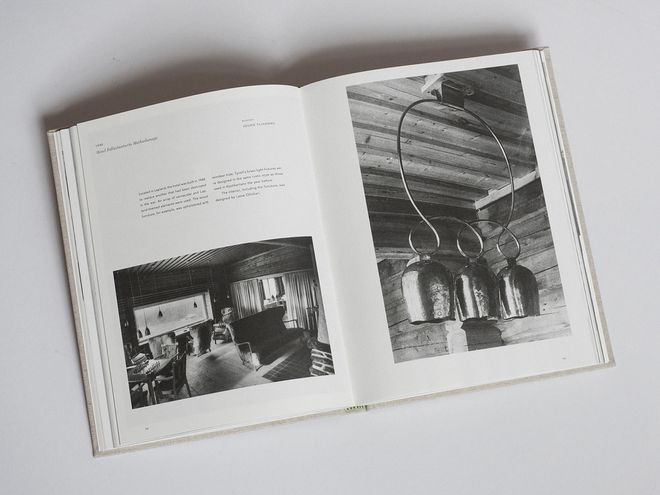
The archival photos from Chasing Light: Archival Photographs and Drawings of Paavo Tynell showcase the original interior decor of Hotel Pallas.
The ruined hotel was replaced in 1948 by a new one, designed by architect Jouko Ylihannu. Unlike the original functionalist hotel, which stood out from the fell landscape, this earthy log building on the lower slopes was influenced by the national romantic style, and Lapp and Sámi traditions. Tynell designed the lighting for the new Hotel Pallas, while interior designer Lasse Ollinkari attended to the rest of the interior and furniture.
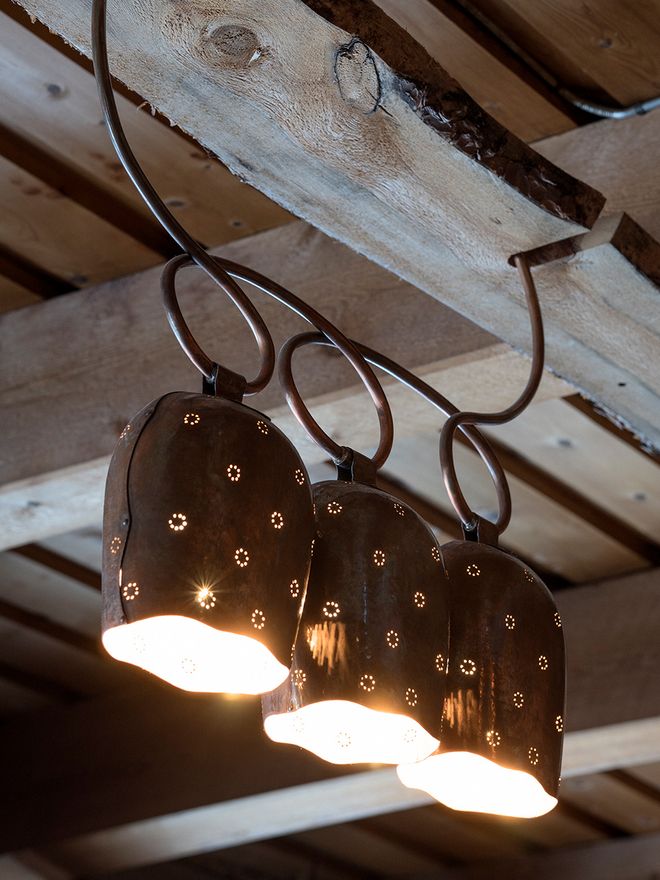
Besides brass lamps, Tynell also designed copper luminaires for Hotel Pallas.
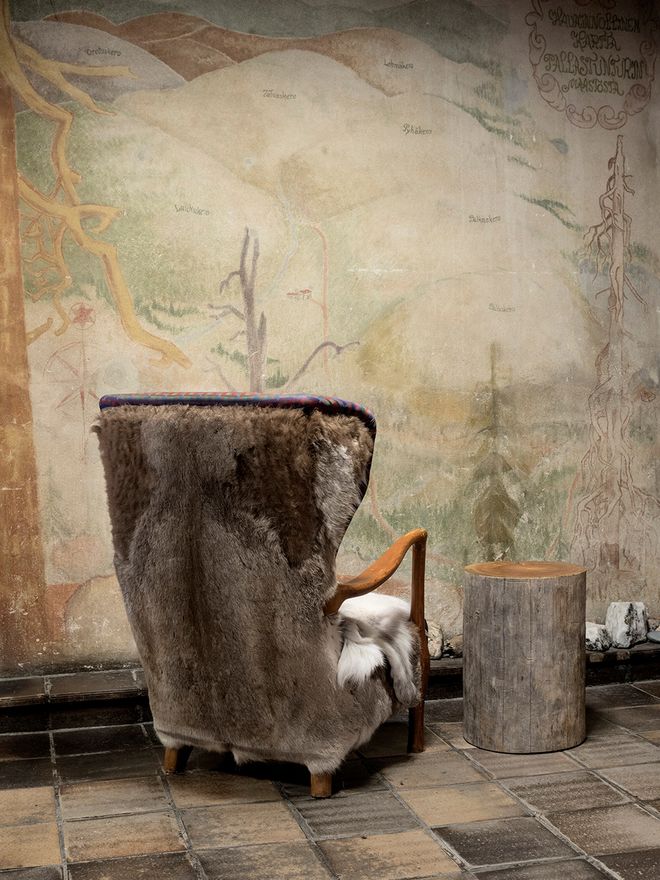
The armchair, designed by Lasse Ollinkari, is upholstered in reindeer hide. The original wall mural depicts the fells of the Pallastunturi area.
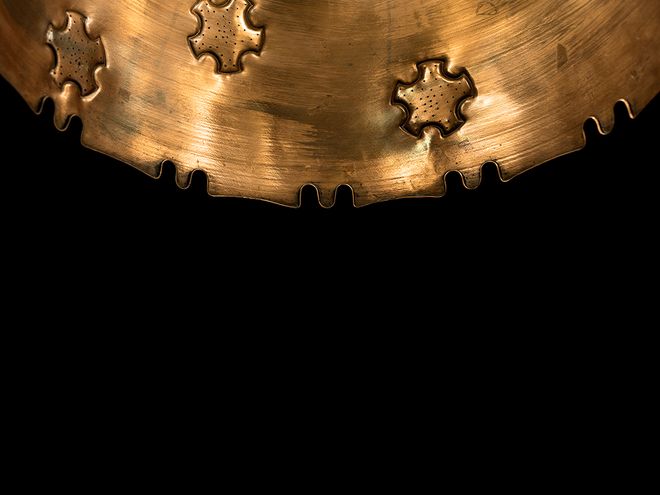
A detail from a brass lamp from the dining hall.
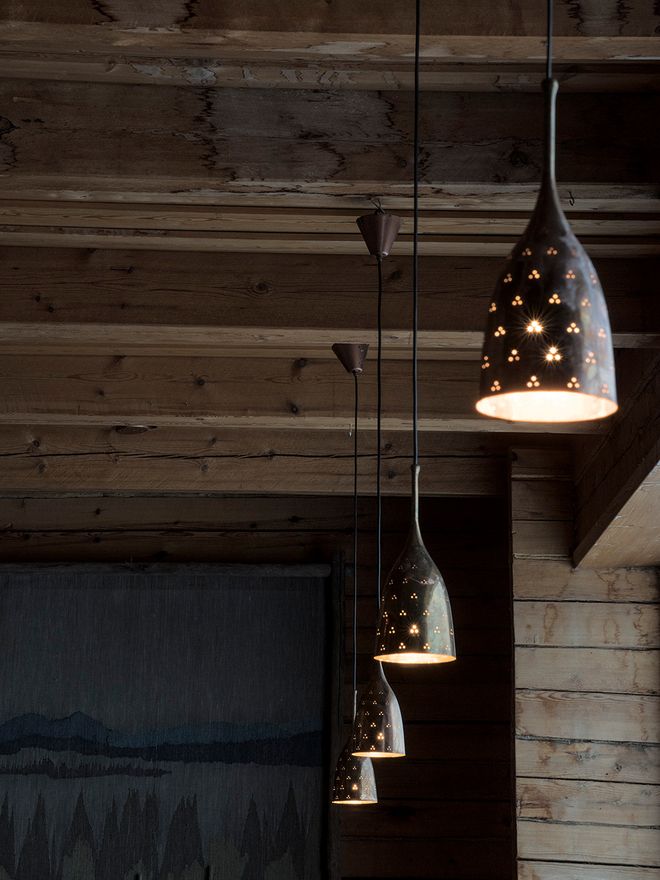
Tynell’s copper pendants fill the dining hall with warm, glowing light.
Tynell's delicate and sensual brass lamps combine with the Lapp aesthetics and reindeer hide rugs of the large log building to form a unique, wonderfully preserved whole. Linna explains that the hotel is a key surviving example of general lighting design by Tynell in a publicly accessible building.
“The hotel has undergone major alterations over the years, so it’s amazing that the lighting and some of the furniture have been spared. It’s fantastic that the owner understands the cultural value of the lamps and has refused to sell them, despite numerous offers,” Linna rejoices.
• Lapland Hotel Pallas, Pallastunturintie 560, Muonio
Leppiniemi Guesthouse, Muhos
Designed by architect Aarne Ervi, the power plants and related buildings of Pyhäkoski, in Muhos, were a major post-war reconstruction project in the Oulu region. Staff apartments and hospitality facilities, with furniture by Artek and lighting by Tynell, were built alongside the hydropower plants of Oulujoki Oy. Completed in 1948, the Leppiniemi Guesthouse provided accommodation for VIPs, ranging from industrial dignitaries to presidents.
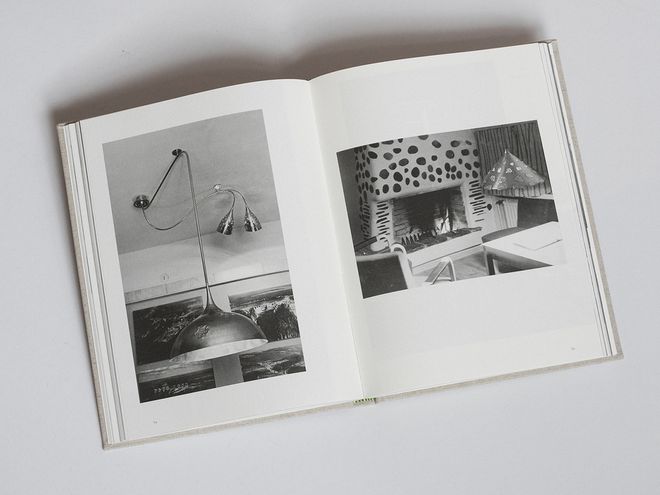
Rare archival photos from the Leppiniemi Guesthouse are featured in the Chasing Light book.
“The Leppiniemi Guesthouse has brass lamps designed by Tynell, of which the pendant above the poker table is a particularly fine example. The guesthouse at the nearby Jylhämä power plant has a more restrained, forest cabin ambience: the location features wooden-slatted blinds and painted metal, but little brass,” says Linna.
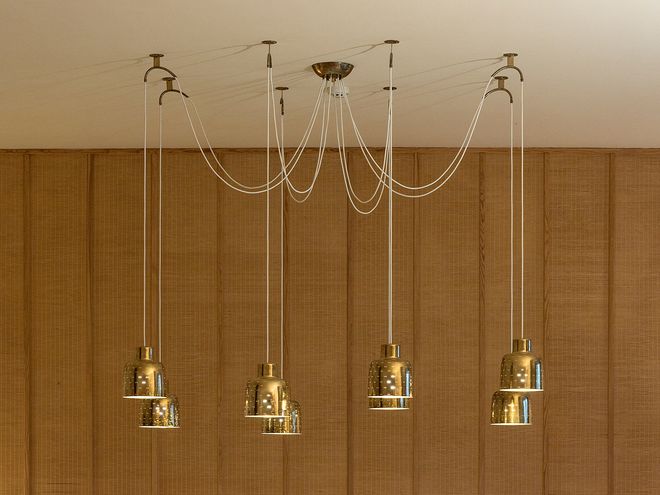
A bold brass pendant hangs above the snooker table of the Leppiniemi Guesthouse. The original wood slat wall is made from aspen.
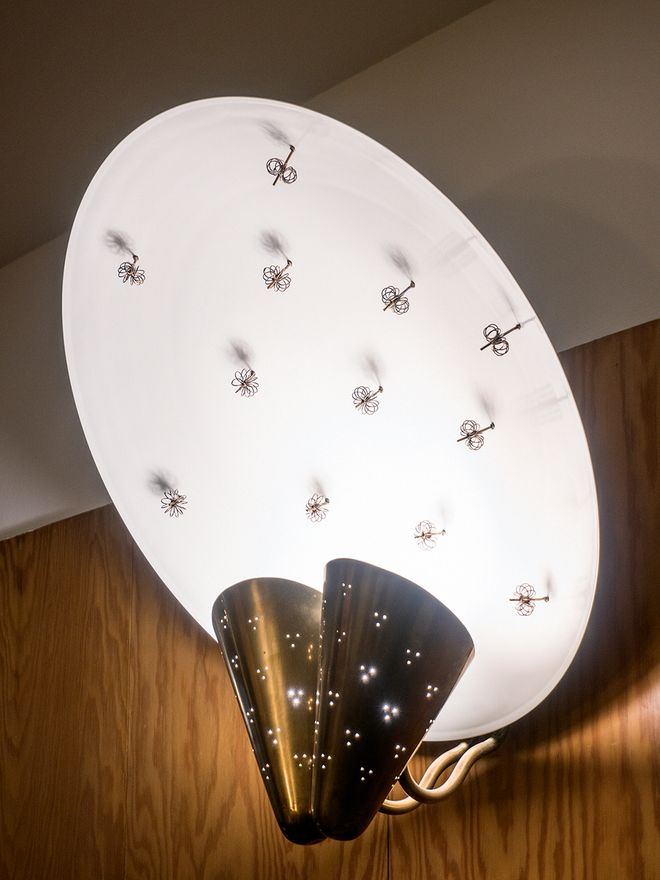
This ornamental wall lamp lights up the lobby of the Leppiniemi Guesthouse.
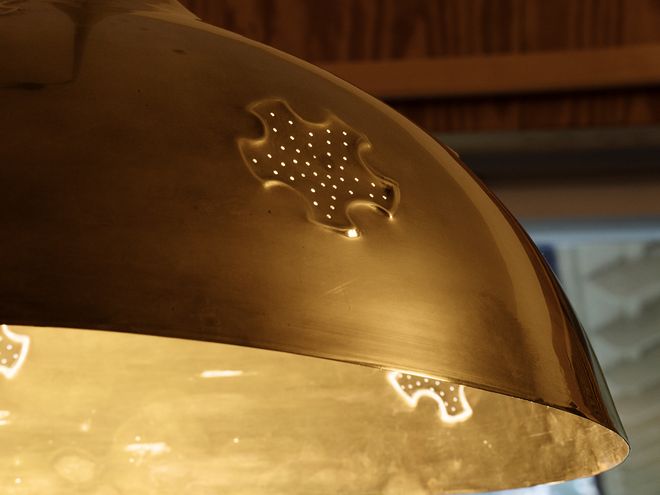
If you look closely, you might notice that the ceiling lamps of the Leppiniemi Guesthouse are decorated with the same pattern as the lamps in the Hotel Pallas dining hall.
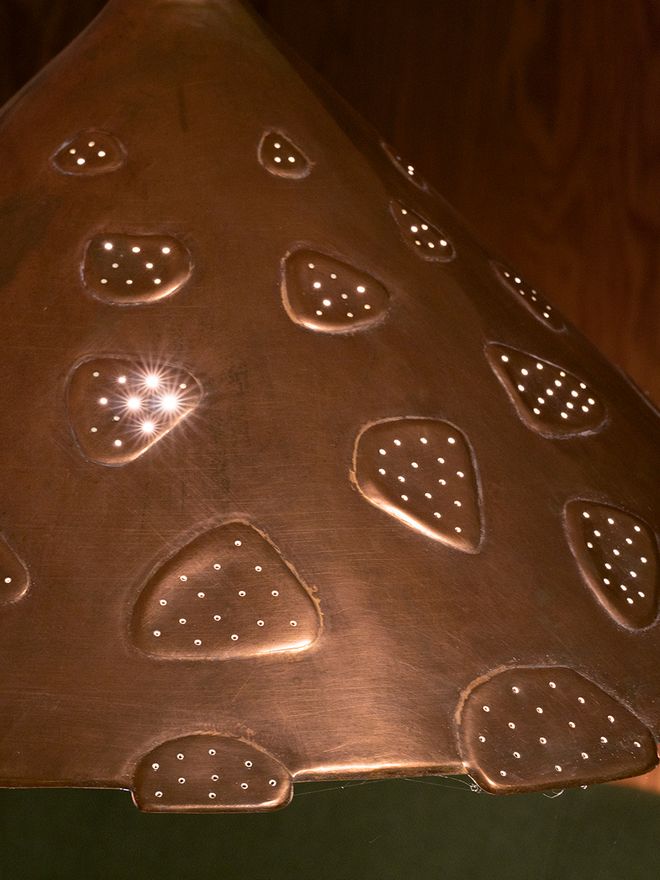
The ceiling lamp above Leppiniemi’s poker table creates a captivating play of light and organic shapes.
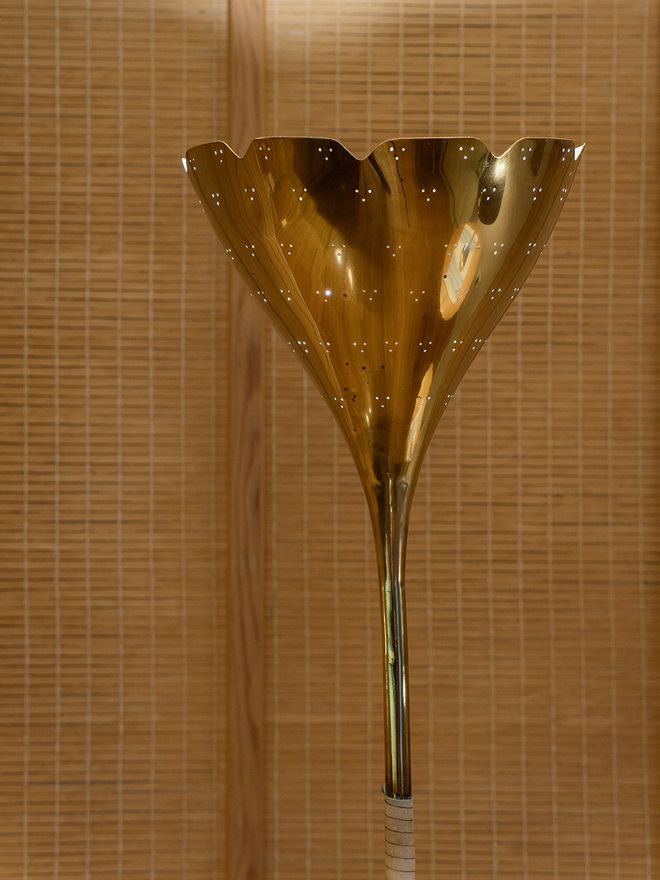
This sleek, perforated floor lamp is easy to identify as Paavo Tynell’s work.
Since 2013, the Leppiniemi Guesthouse has been owned by Jari Keinänen, who has restored Tynell's lighting and cherished the building's cultural and historical heritage. Keinänen is a local man whose parents used to work at the power plants. In 2019, Keinänen was awarded the Viisikanta Building Protection Prize by the North Ostrobothnia ELY Centre, in recognition of the building’s preservation in its original form and the restoration of the courtyard.
“Like many of Ervi's buildings, Leppiniemi seems modest in style at first glance. Its details and nuances gradually reveal themselves. A restrained decorative and light touch pervade this post-war building, as if the euphoria of Finland’s preserved independence had burst through the shackles of clean-lined modernism,” Linna describes.
• Leppiniemi Guesthouse, Saarivirrantie 33, Leppiniemi
The Leppiniemi Guesthouse is not open to the public, but companies and organizations can hire it as a hospitality venue.
Hotel Merihovi, Kemi
Hotel Merihovi, which opened its doors in 1949, is one of the landmarks of Kemi on the Gulf of Bothnia’s northern reaches. The hotel was built in the post-war style, largely from recycled materials obtained from the Muurola sanatorium, which was destroyed in the war. It is nevertheless a splendid building.
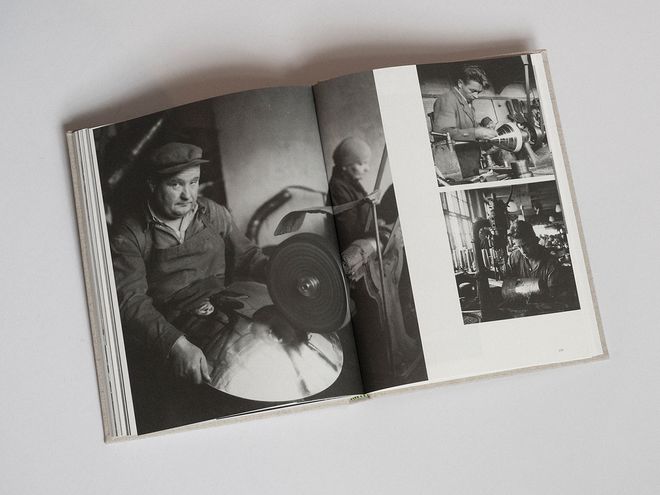
The archival photos from Chasing Light provide valuable information about the Finnish lighting company Oy Taito Ab as well as the machines and manufacturing methods used in the Tynell lamps.
The light-colored building combines functional features with art deco nuances and classic style. Tynell complemented the hotel’s festive atmosphere with lighting that featured perforated brass lamps, gorgeus chandeliers, and sconces around the white pillars in the dining room.
The city’s first television broadcasts were made from the hotel, and cosmonaut Yuri Gagarin stayed there during his visit to Kemi. President Urho Kekkonen also stayed at the hotel several times when returning from fishing trips in Lapland.
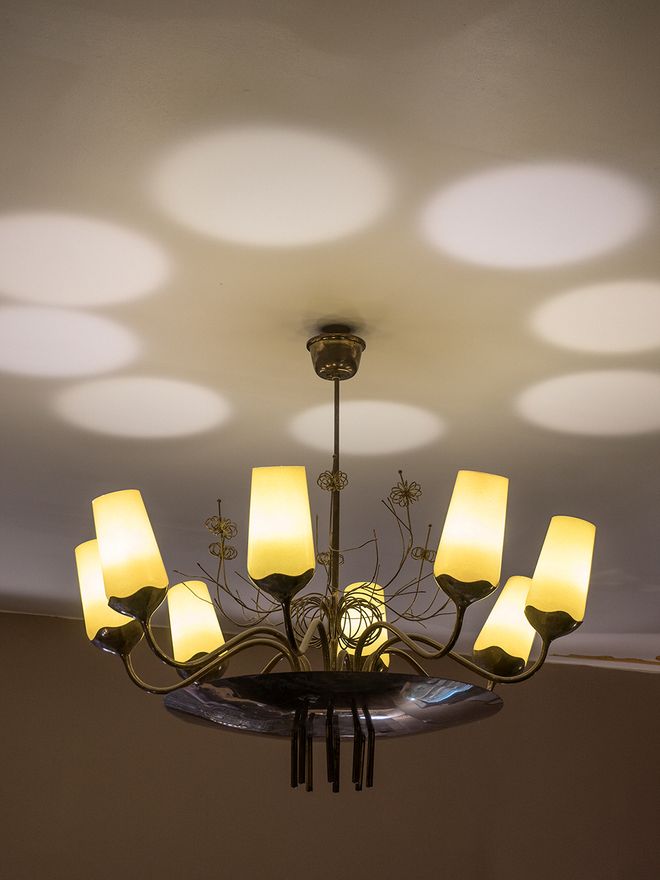
The lobby’s brass chandelier with floral motifs welcomes guests to Hotel Merihovi.
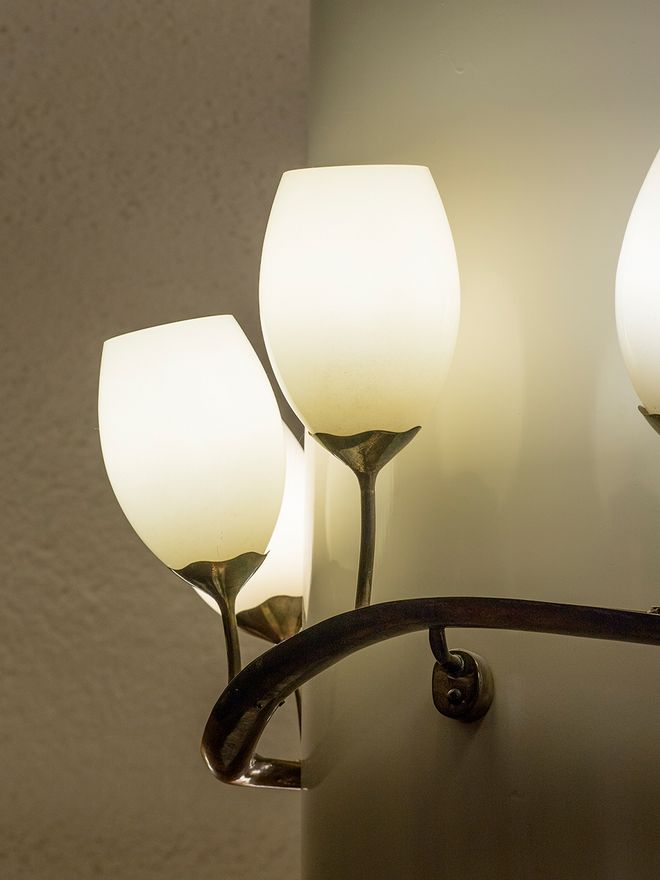
Delicate, glass-domed brass lamps decorate the pillars of the dining room.
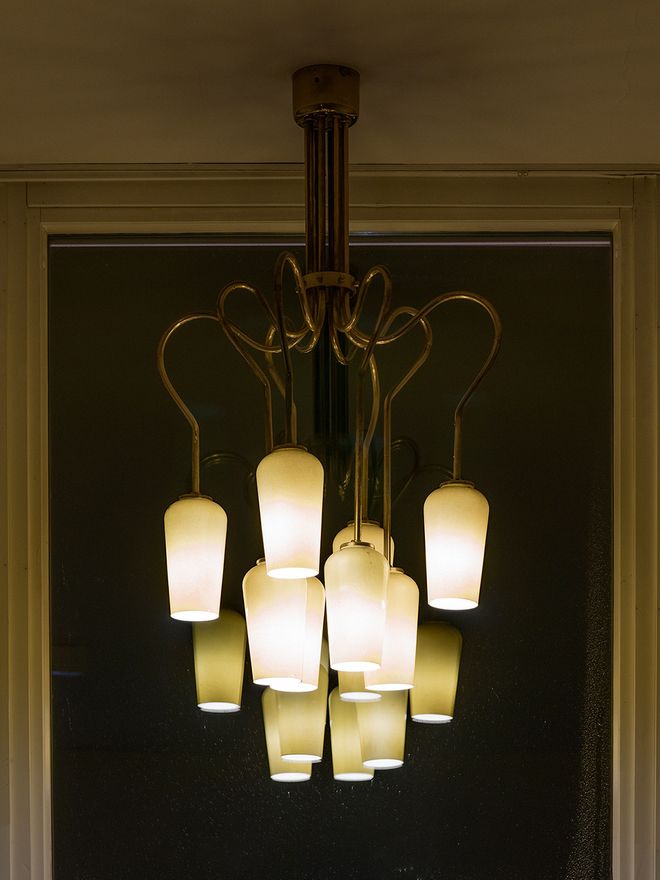
An elegant brass chandelier illuminates the staircase on the top floor of Hotel Merihovi.
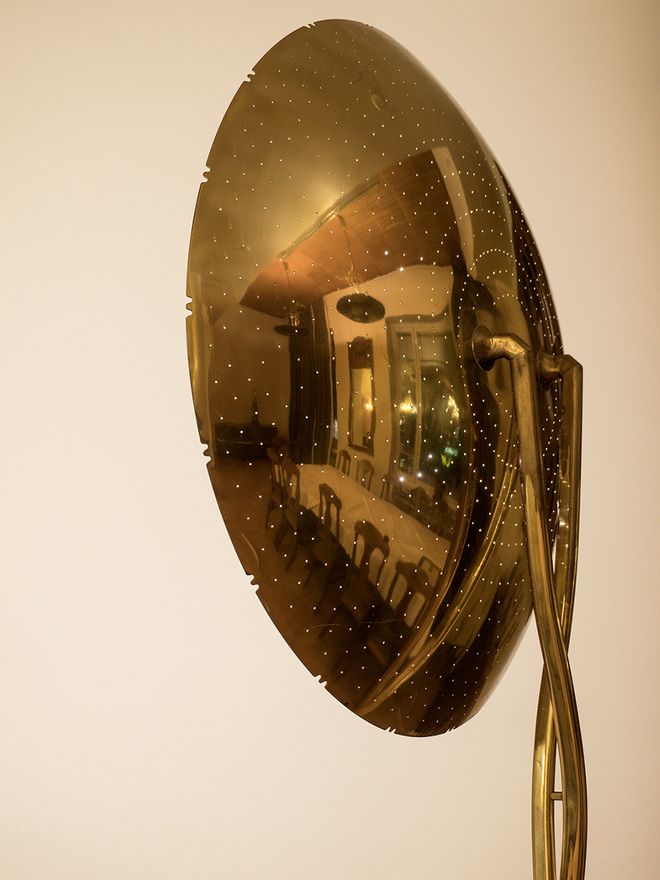
The perforated brass shade of the dining room’s floor lamp reflects the ambience of its surroundings.
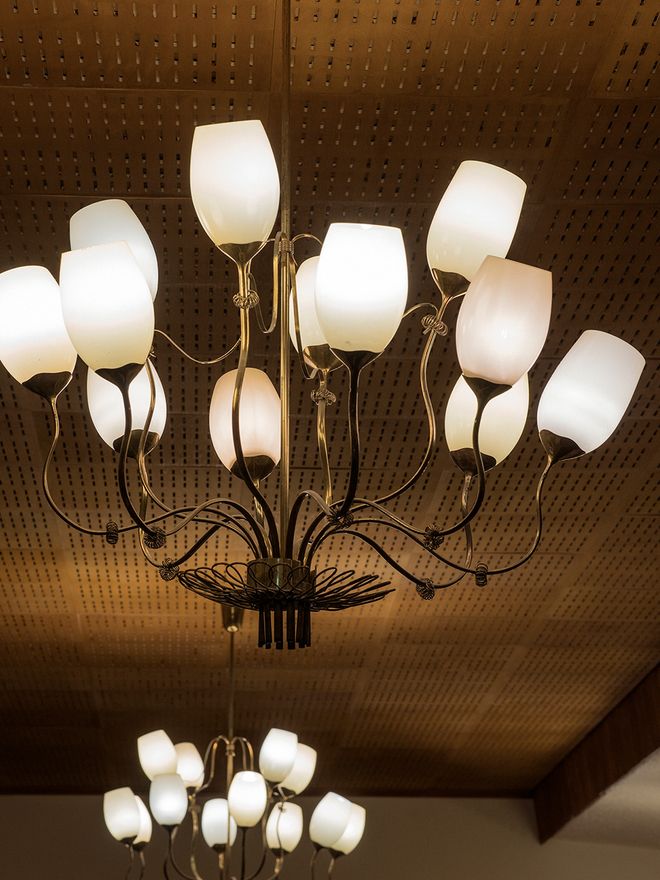
The romantic plant motifs, typical of Tynell, are also featured in the chandeliers of the dining room.
Following the 90s recession, Hotel Merihovi had to close its doors in 1997. Luckily, it gained new owners who appreciated design and architectural traditions. Päivikki Palosaari and Pekka Saari commissioned a full renovation of the hotel, which was reopened in 1999. Linna gives the new owners special praise for keeping the Tynell lamps together as a collection.
“Owners with less appreciation of style might have replaced the lamps with plastic ones. Fortunately, they understood the interior’s importance, particularly that of the original lamps, with regard to the whole.”
• Hotel Merihovi, Keskuspuistokatu 6–8, Kemi
Chasing Lightpresents a vast selection of Tynell gems
Published in 2020, Chasing Light: The Archival Photographs and Drawings of Paavo Tynell features a selection of archival photos, compiled by antique dealer Ville Linna, of both well-known and rare Tynell luminaires in their original environments, as well as an in-depth look at the stunning Snowflake chandelier.
“I have researched and studied Tynell’s work for 15 years; not because I wanted to write a dissertation, but because my livelihood has depended on it. An antique dealer notices different things in light fixtures than an academic researcher. If you are not completely familiar with all the details, it is very hard to practice this profession. Uncovering and verifying the origins and visiting archives and museums are my favorite things to do,” Linna says.
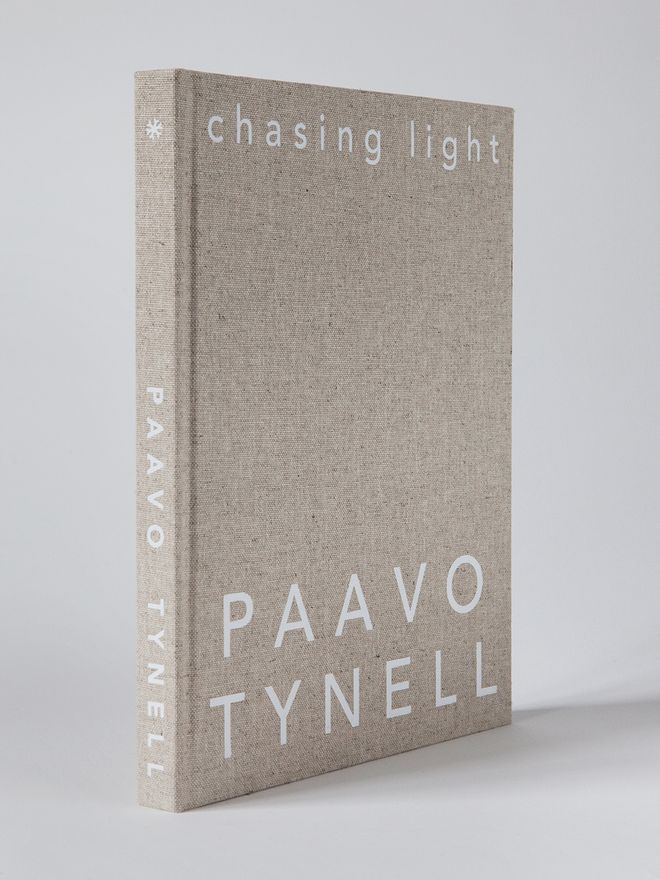
The key goal of the Chasing Light book is to feature photographs and drawings that are rich in content for the reader to get an idea of the high level of craftsmanship behind Tynell's lamps.
Tynell was one of the founders, in 1918, of the metalwork company Oy Taito Ab, which made many of his classic lamps. According to Linna, these lamps have brought him both the greatest satisfaction and biggest headaches of his career. Over the years, the general public has grown more interested in the Taito luminaires, which are often highly valuable and sought after. Also, clumsy copies have since appeared on the market.
“As prices have gone up, I have also come across the most ridiculous fakes and forgeries being sold as genuine. Tynell’s light fixtures were manufactured by a group of highly-trained metalwork professionals whose artistry is practically impossible to replicate.”
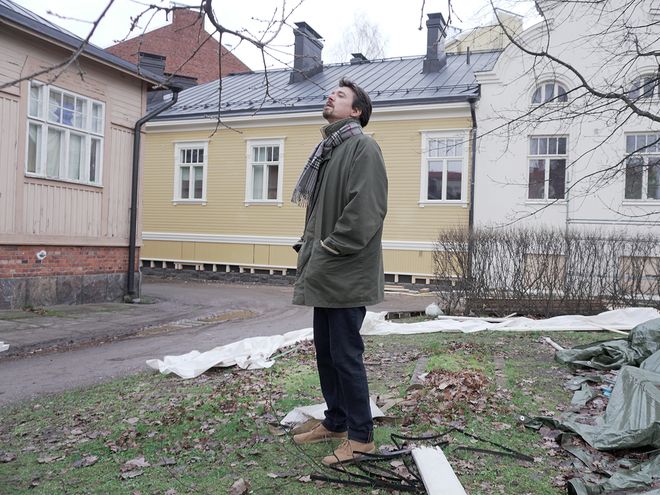
Ville Linna is a third-generation antique dealer based in Helsinki. “My grandmother specialized in oriental rugs, and my father in antique furniture, art and design. Our home was always full of beautiful things. They came and went; it was like a museum with rapidly changing exhibitions. When I first started working in this field, I was mostly interested in Finnish design furniture and light fixtures from the 1940s and 1950s.”
During his career, Tynell designed many remarkable interior decors for different locations, but only a few are now left. Linna, therefore, believes that protecting all the remaining ones is of paramount importance.
“There are still some locations in Finland where you can marvel at what is left of Tynell’s original lighting. The current legislation provides limited means of protecting interior decor, and this calls for a large-scale inventory of important sites and their original lighting — particularly Tynell lamps, which are at high risk of being swallowed up by the private market unless they are given special protection.”
See also:
• Chasing Light: The Archival Photographs and Drawings of Paavo Tynell >
• Lamps by Paavo Tynell >
• Paavo Tynell created artistic light >
Text: Nora Uotila Images: Jaana Maijala, Merita Berg
Published on 22 Dec, 2020