How to clean a wool rug – best tips for care, spot cleaning and washing

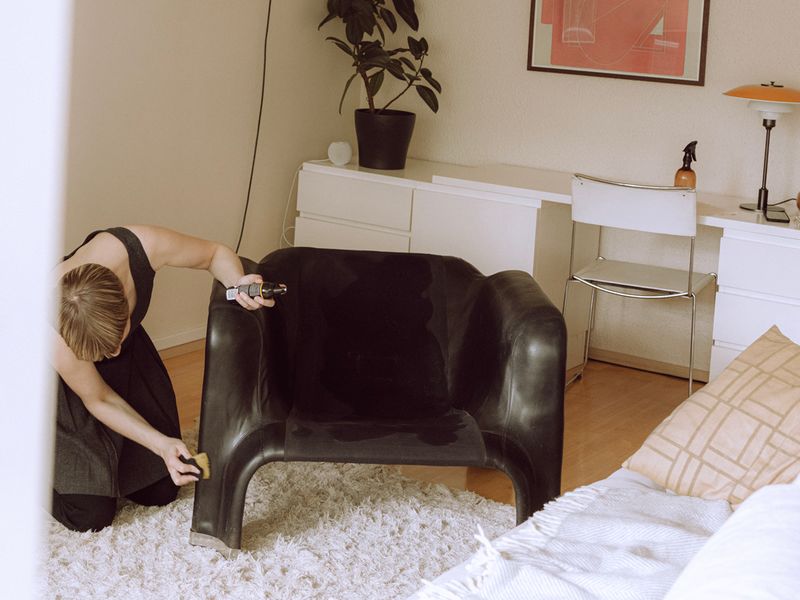
Forget the rug beater and the bottle of detergent: a wool rug often gets by with a regular vacuum and a good airing. Pictured is Finarte’s graphic Kortteli rug.
Wool rug care in brief – tips from a professional
“Wool is naturally a grease- and dirt-repellent fiber, which usually makes it easy to keep clean.
The most important part of wool rug care is regular vacuuming. Individual stains lift gently with a detergent made for wool, and if the rug needs a more thorough clean, check the right washing method with a professional.
A tightly woven wool rug is a popular choice if you want something easy to live with, and it works beautifully in all kinds of rooms.”
Maija Rasila, interior architect and Showroom Manager at Finnish Design Shop

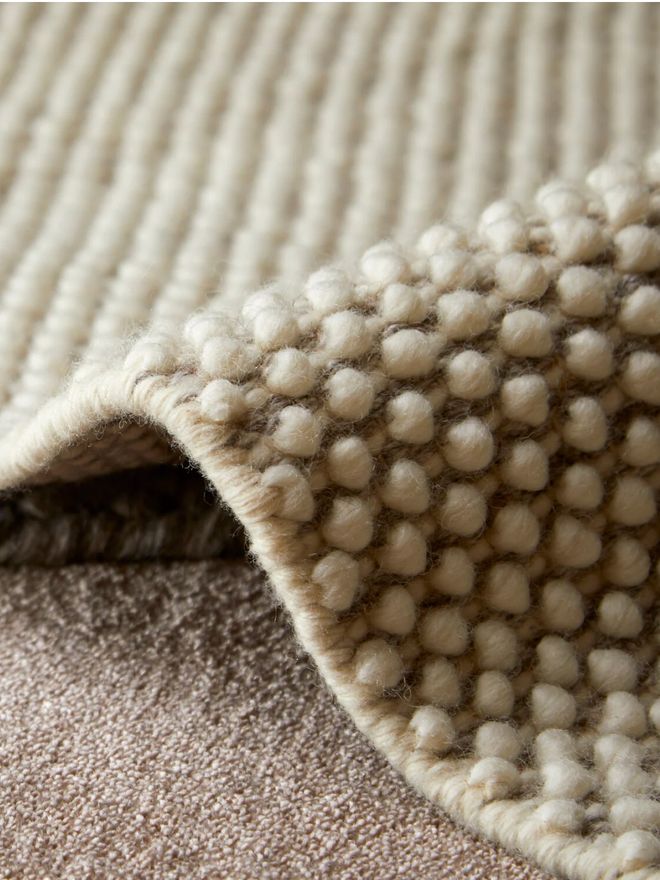
The tighter the weave, the easier the care. Nanimarquina’s Shade Palette 2 is a handwoven piece with a dense, hardworking surface.
The vacuum is a wool rug’s best friend
Regular vacuuming does more for a wool rug than anything else: it lifts dust and grit before they work their way deeper and start to wear on the fibers. Use a smooth rug nozzle on a wool area rug, and skip rotating brush heads, especially on more delicate rugs.
Vacuum a flatwoven wool rug crosswise, in the direction of the weft, and follow the direction of the pile on a pile rug. Long-pile and tufted rugs need a gentler hand and a lower setting. Give the underside of the rug a pass every now and then, too.
A new wool rug sheds a little fiber at first. That’s normal, and it eases off over the first weeks or months. If a longer thread works its way up from the surface, resist the urge to pull it – snip it level with the pile instead.

Fresh air does wool good – an airing lifts the fibers and takes any staleness with it. Here, LAYERED’s striped Teklan Diagonal catches the breeze.
Airing out a wool rug
A wool rug freshens up outdoors. Take it out on a dry day and let it air in peace.
You may not need a rug beater at all: beating strains the fibers and can even snap the warp threads. A tightly woven rug can take a light beating and a shake, but tufted, hand-knotted and long-pile wool rugs are better off without either.
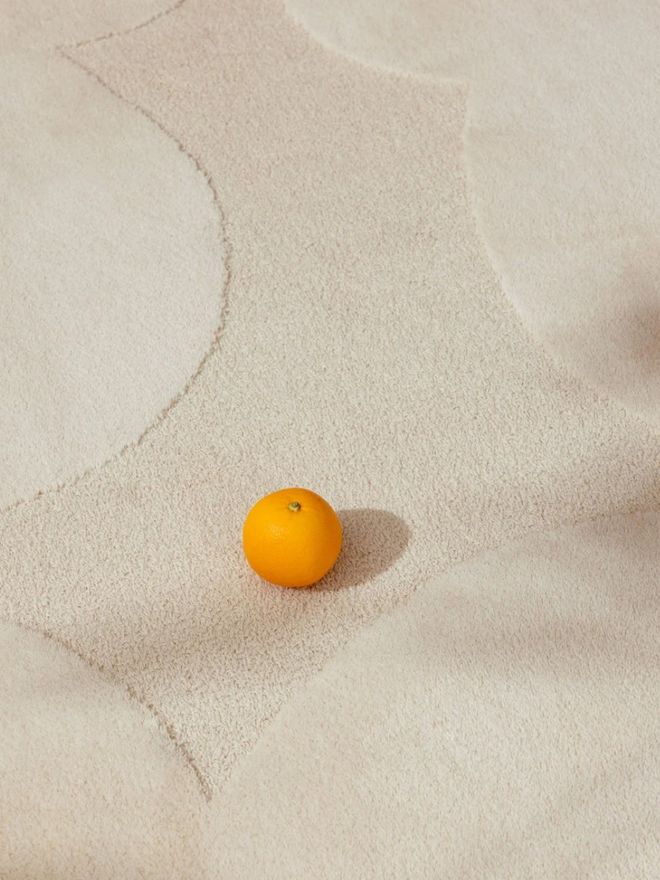
Wool holds dirt on the surface rather than soaking it up, so a quick reaction can be all a stain needs.

Occasionally, a wool rug can be refreshed with a mild wool-friendly textile spray, like this one from SEES Company.
How to spot clean a wool rug
Wool’s natural lanolin repels dirt and liquids, so a spilled drink often sits on the surface instead of soaking in. Speed is everything.
Scrape off anything solid with a spoon and blot the liquid with a dry cloth. Then dab the stain with a damp sponge or microfiber cloth, always working from the edges toward the center so it doesn’t spread.
Plain water is often enough for a fresh stain. If it isn’t, reach for Marseille soap or bile soap, which dissolve the stain without stripping wool’s natural oils. Blot the area dry when you’re done.
Cleaning products for a wool rug:
Marseille soap or a pH-neutral hand soap handles gentle cleaning and everyday stains.
Bile soap is great for greasy and protein-based stains.
Wool detergent can be used for washing the whole rug, if its care instructions allow water.
Baking soda helps with odors: to clean a wool rug with baking soda, sprinkle a thin layer over the dry rug, leave it for a few hours or overnight and vacuum it up thoroughly.
A diluted vinegar solution or a wool-friendly fabric spray can also freshen up the rug.
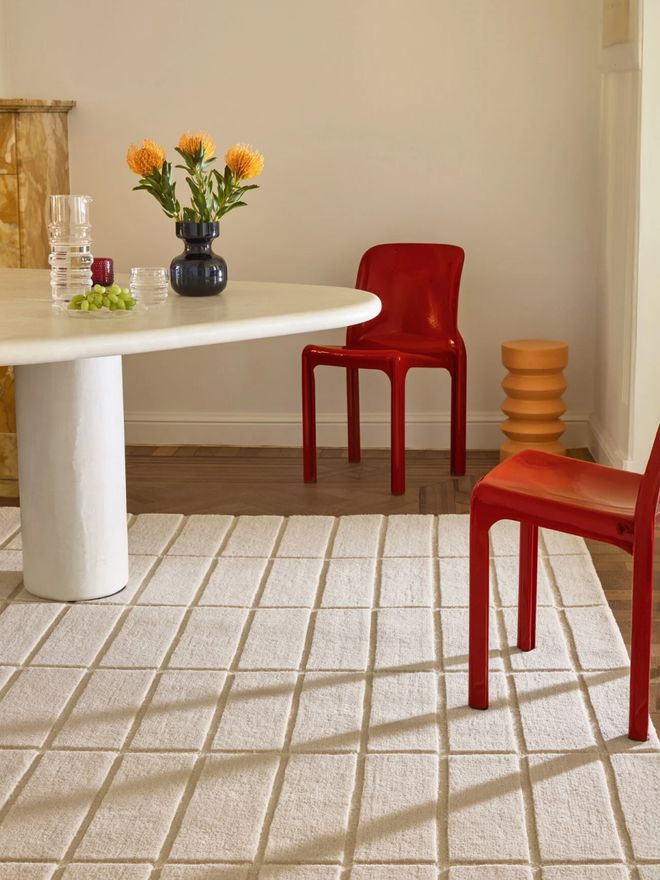
For a more thorough wash, a professional cleaner is always the best option – especially with a large tufted wool rug like Marimekko’s Tiiliskivi rug.
Washing a wool rug – professional cleaner or at home?
A wool rug that gets vacuumed regularly and has its stains treated in time rarely needs a full wash. Water dissolves wool’s natural lanolin, which can leave the rug dry and less able to repel dirt. Larger rugs are especially tricky at home: wet wool is heavy, and it takes a long time to dry.
A wool rug that gets vacuumed regularly and has its stains treated in time rarely needs a full wash.
Many wool rugs shouldn’t meet water at all, and most care labels point you to a professional rug cleaner. That’s always the safest route for valuable and older rugs, and for hand-knotted and tufted ones, where the wrong method can do permanent damage.
If the care instructions allow water and the rug is small enough, you can clean it by hand at home. Vacuum it thoroughly first and treat any visible stains separately. Use lukewarm water and a detergent or soap made for wool, and work with light strokes and a soft sponge or brush rather than scrubbing. Rinse well, then dry the rug flat in an airy, shaded spot.
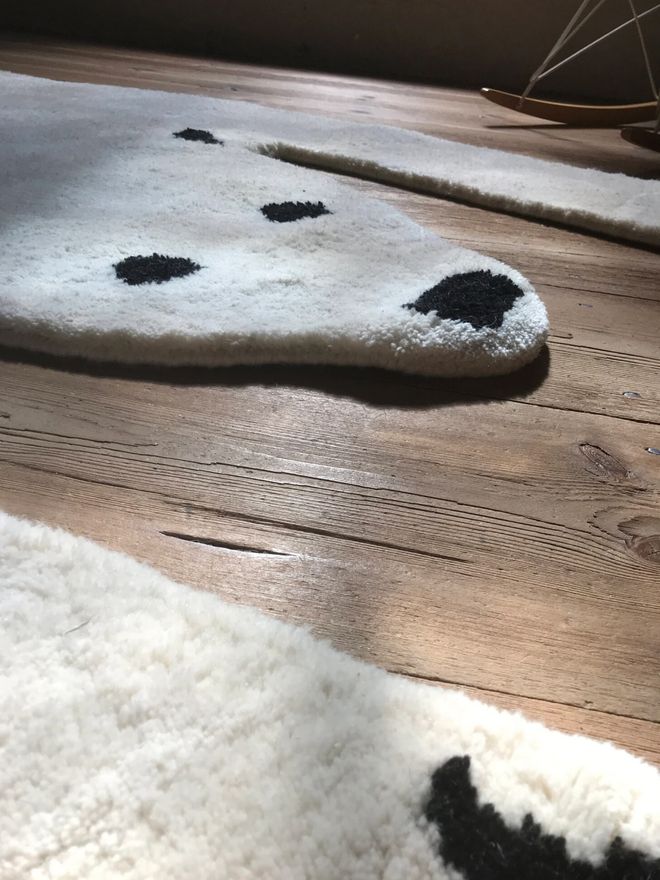
In the north, rugs have long been cleaned in the snow. The trick is proper freezing weather and clean, dry snow. The Baby Jääkarhu rug comes from MUM’s.
Snow cleaning a wool rug
Snow cleaning is a traditional Scandinavian way to freshen up a wool rug in freezing weather.
Let the rug cool down outside first, so it doesn’t melt the snow and pick up moisture. Lay it on clean, dry snow and brush fresh snow lightly into the surface, then shake or brush it all off. Let the rug dry rolled up before you spread it back on the floor.
Everything depends on the snow: it has to be clean and dry, and the weather properly below freezing. Wet snow only dampens the rug, which is exactly what you want to avoid.

Wool keeps best somewhere dry, where the temperature stays even. Pictured are rugs from the Duo collection by Finnish VM Carpet.
Storing a wool rug
Vacuum the rug and make sure it’s fully dry before it goes into storage, since moisture and leftover dirt can attract pests and mildew. Roll it with the pile facing inward and wrap it in breathable cotton or acid-free paper. Skip plastic, which can seal the moisture in.
The best spot is dry and well ventilated, with an even temperature – a damp basement and a hot attic are both bad news for wool. Store the rug lying flat, and don’t stack anything heavy on top.
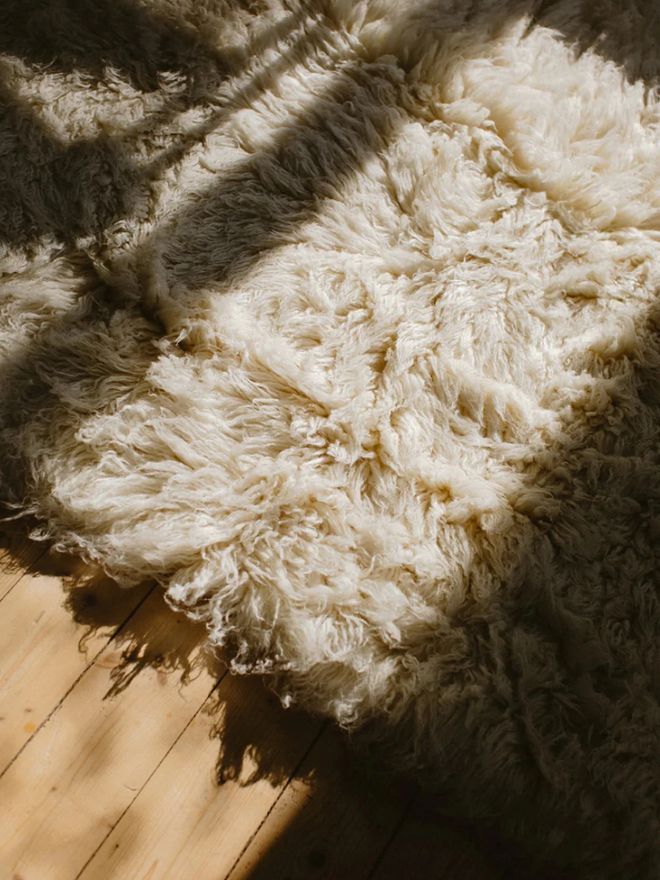
Turning a rug now and then spreads out both footsteps and sunlight. The fluffy Shaggy rug nods to Greek flokati weaves.
How to keep a wool rug looking good for years
Turn the rug around every so often so that footfall and sunlight don’t always land in the same spot. A reversible rug can be flipped over from side to side now and then as well.
The same goes for furniture: moving pieces around keeps permanent dents from forming. If a dent does appear, dampen the spot lightly and fluff the fibers with your fingers or a soft brush.
A rug brush earns its place too in wool rug maintenance: natural bristles loosen dust and dirt and lift the pile at the same time.
A rug pad is another thing to consider. It keeps the wool rug from sliding on a smooth floor, cushions footsteps and evens out wear.
See also:
• All wool rugs at Finnish Design Shop >
Photos: Manufacturers
Published on 4 Sep, 2026