This is a carousel of product images. Use the thumbnails or swipe to change the displayed image, and activate an image to open it full screen.
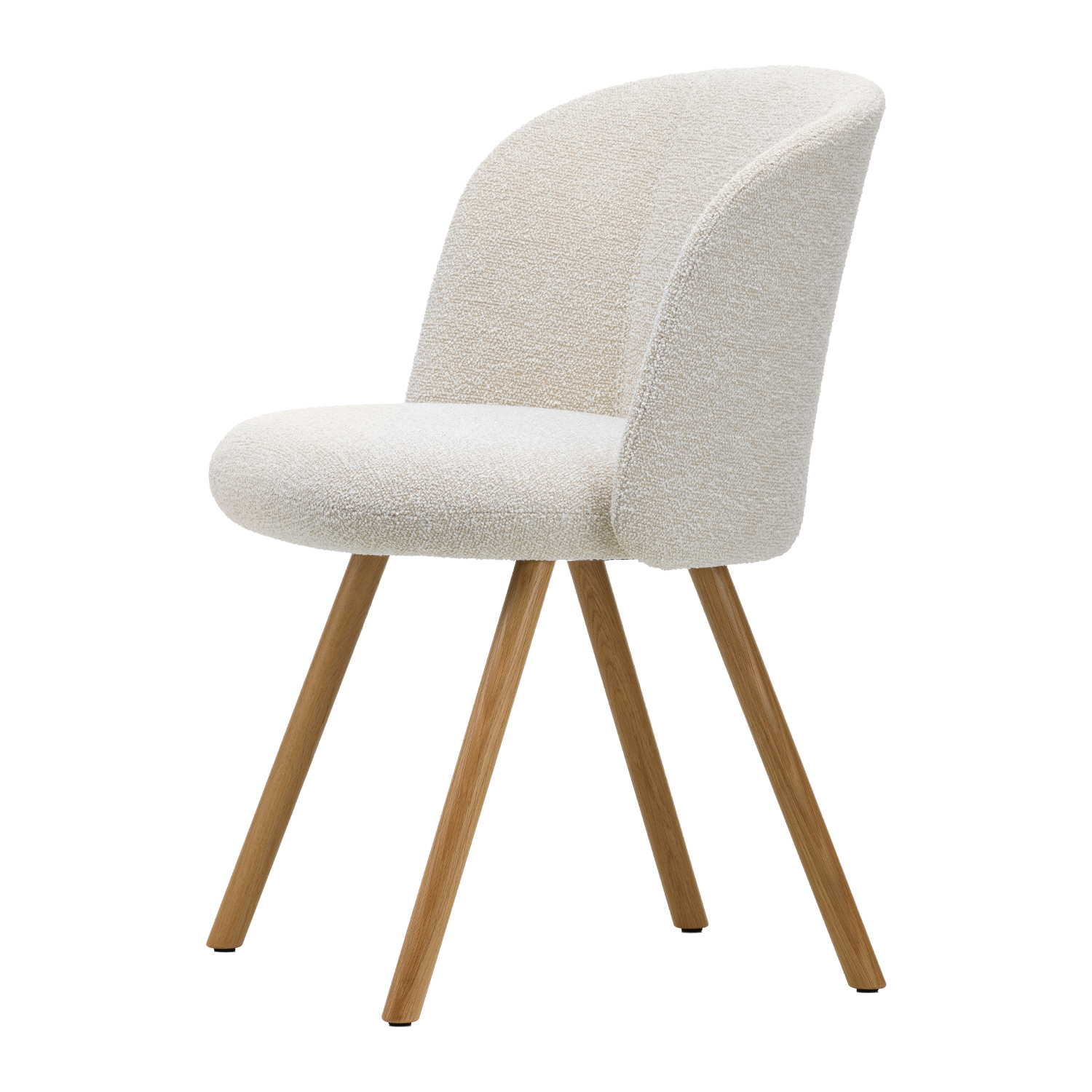
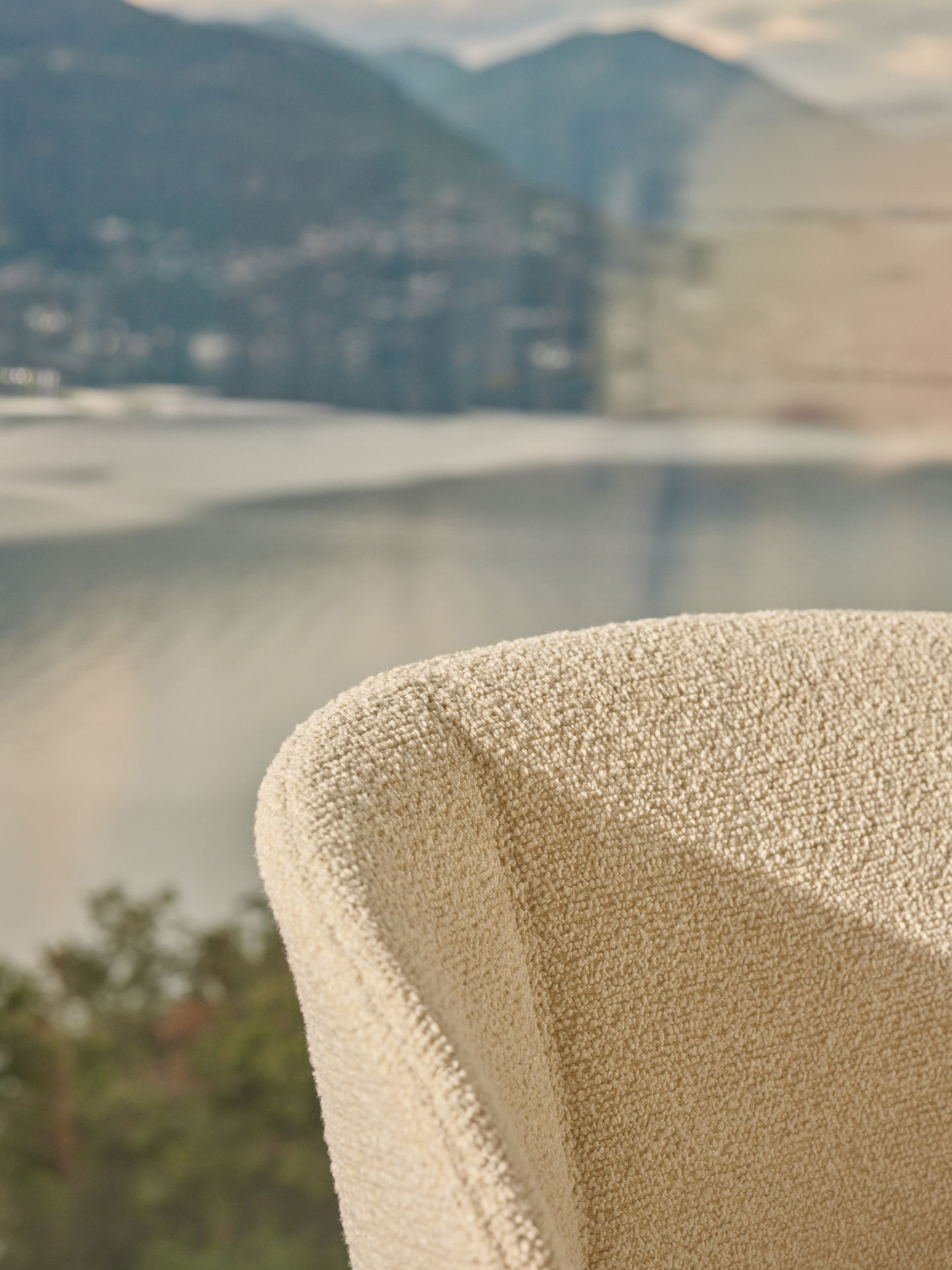
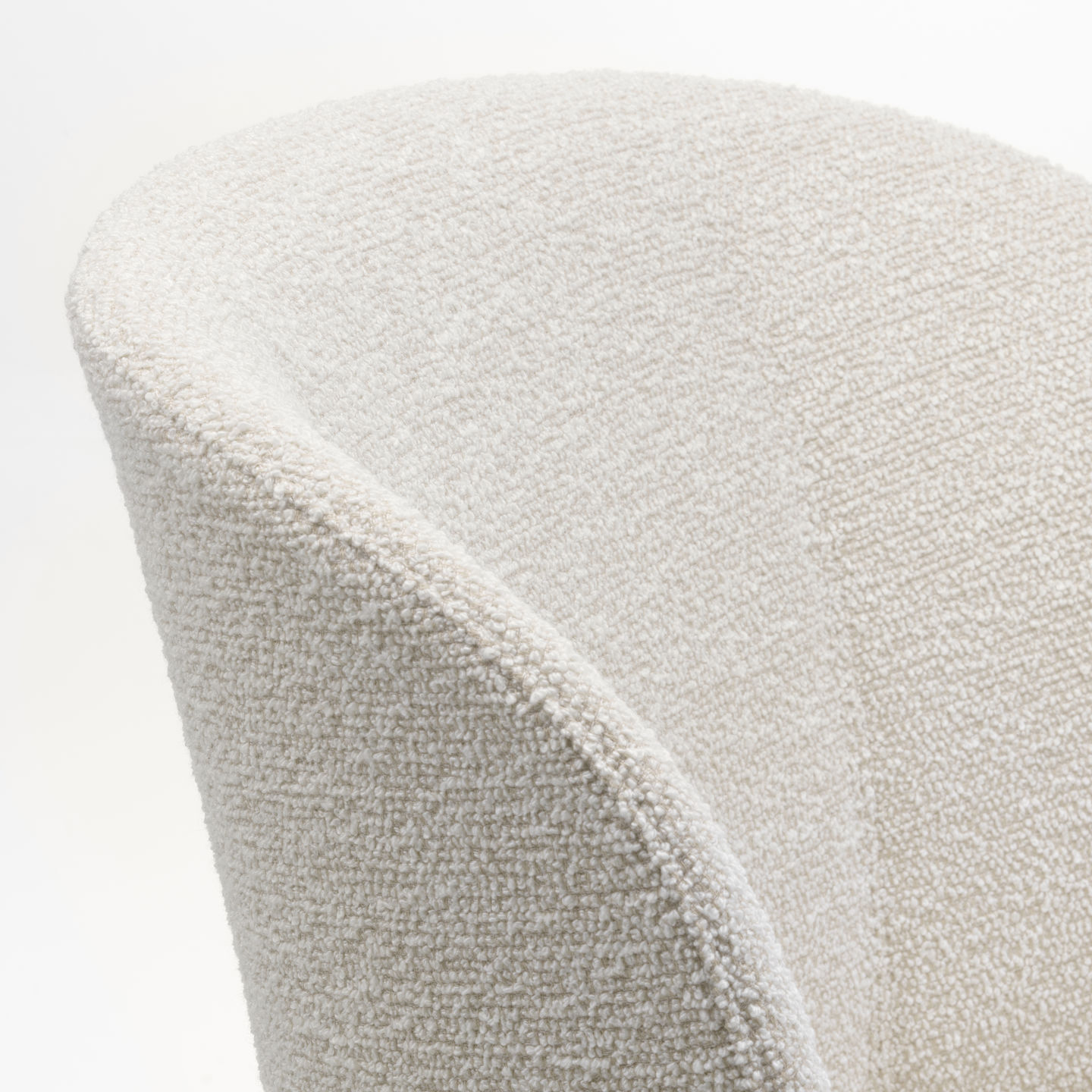
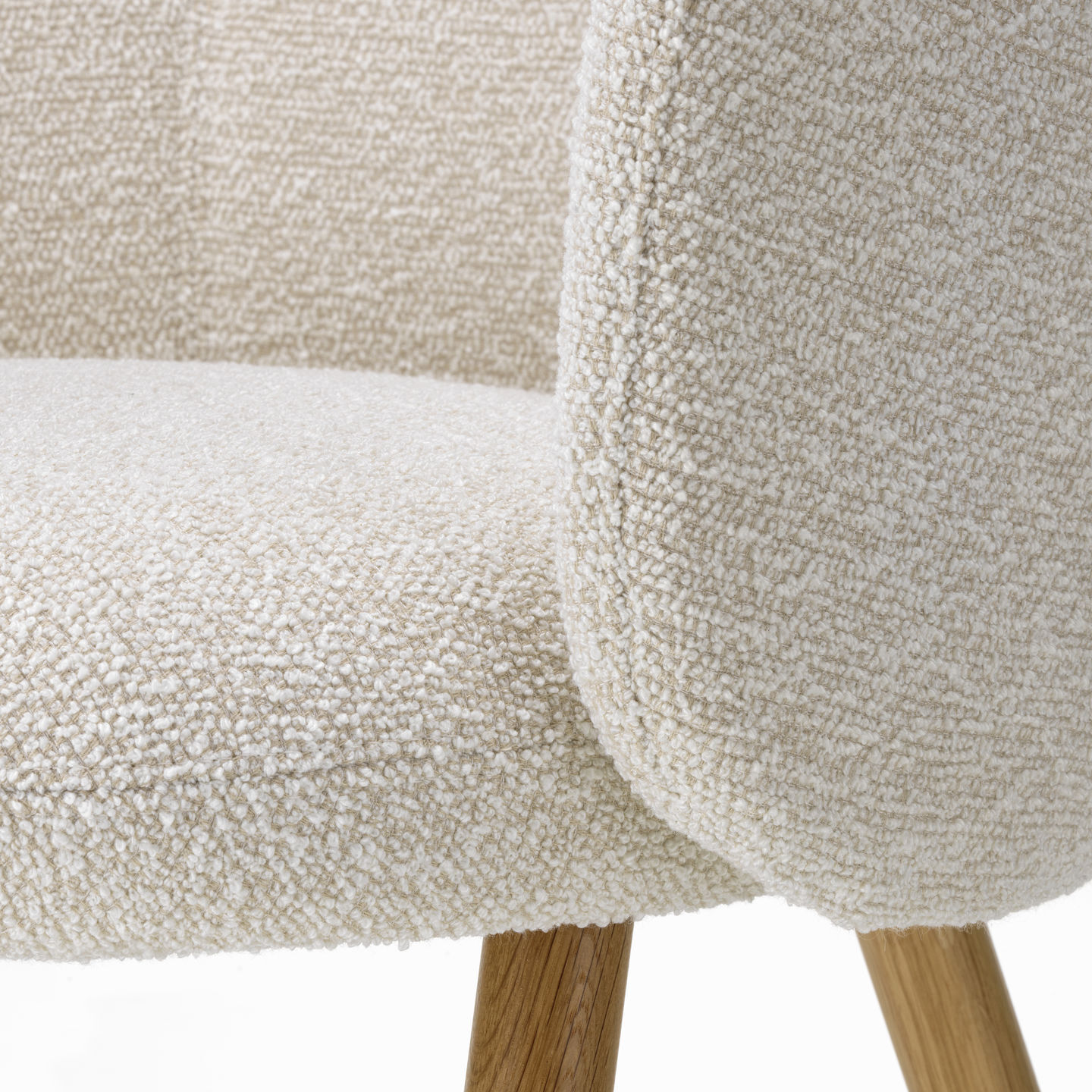
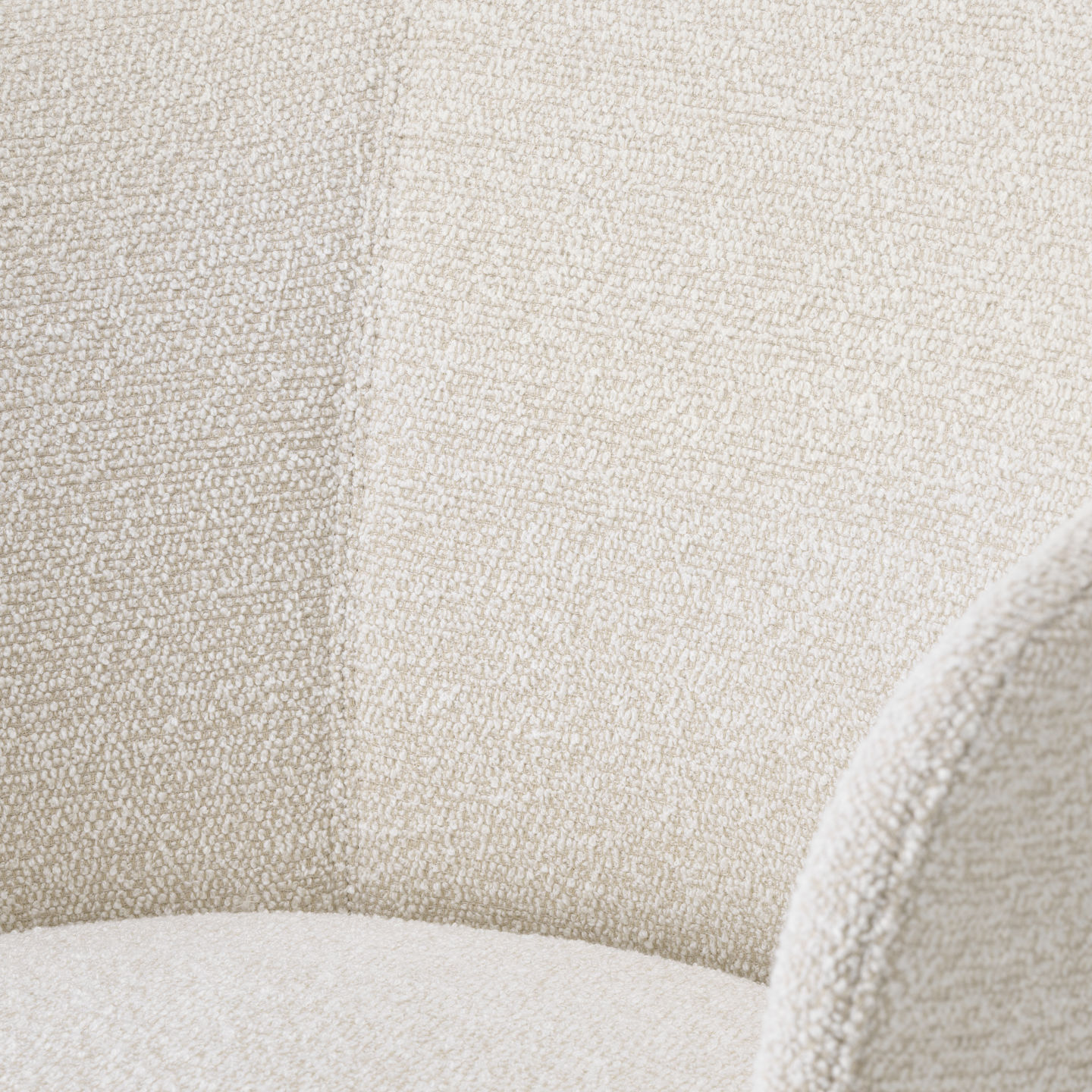
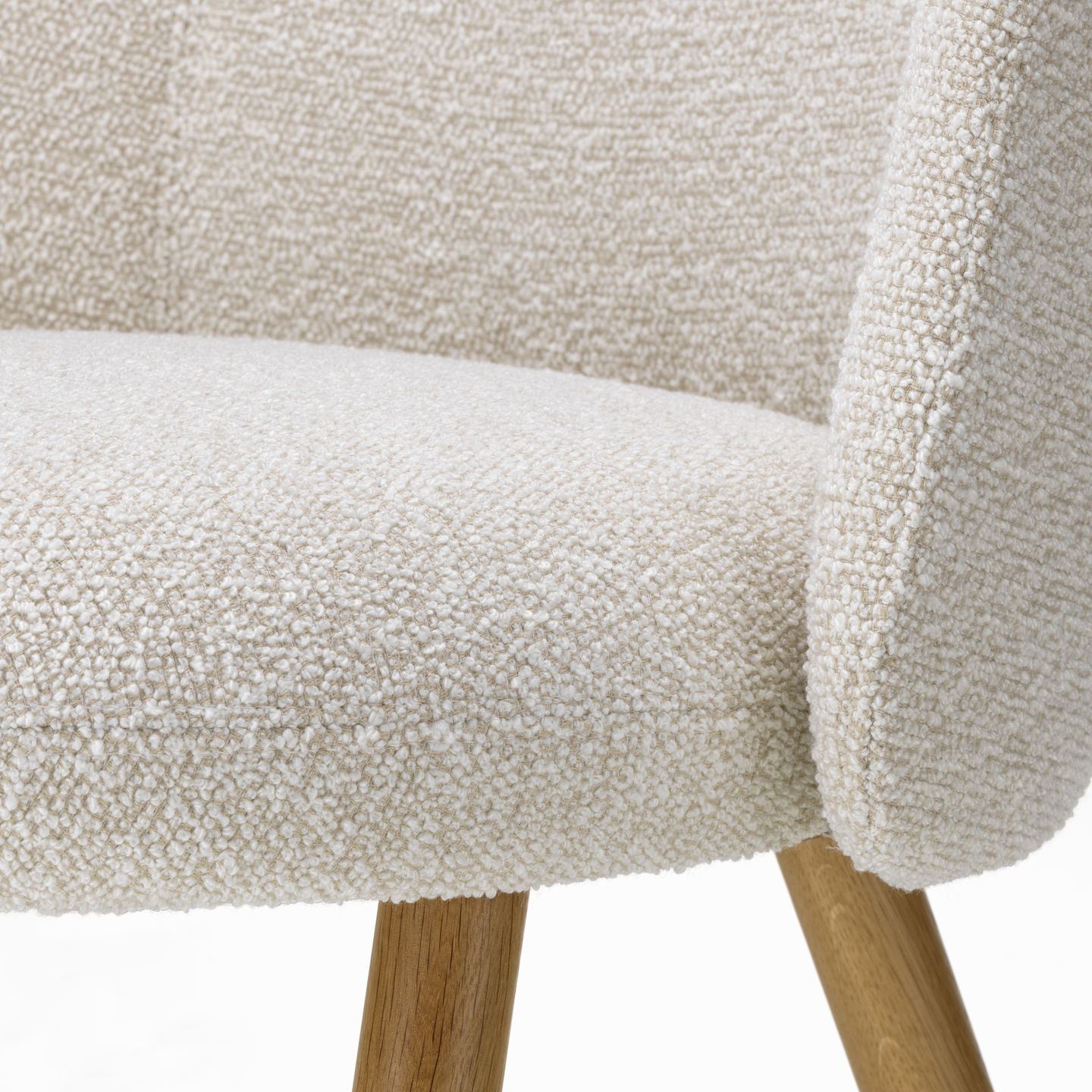
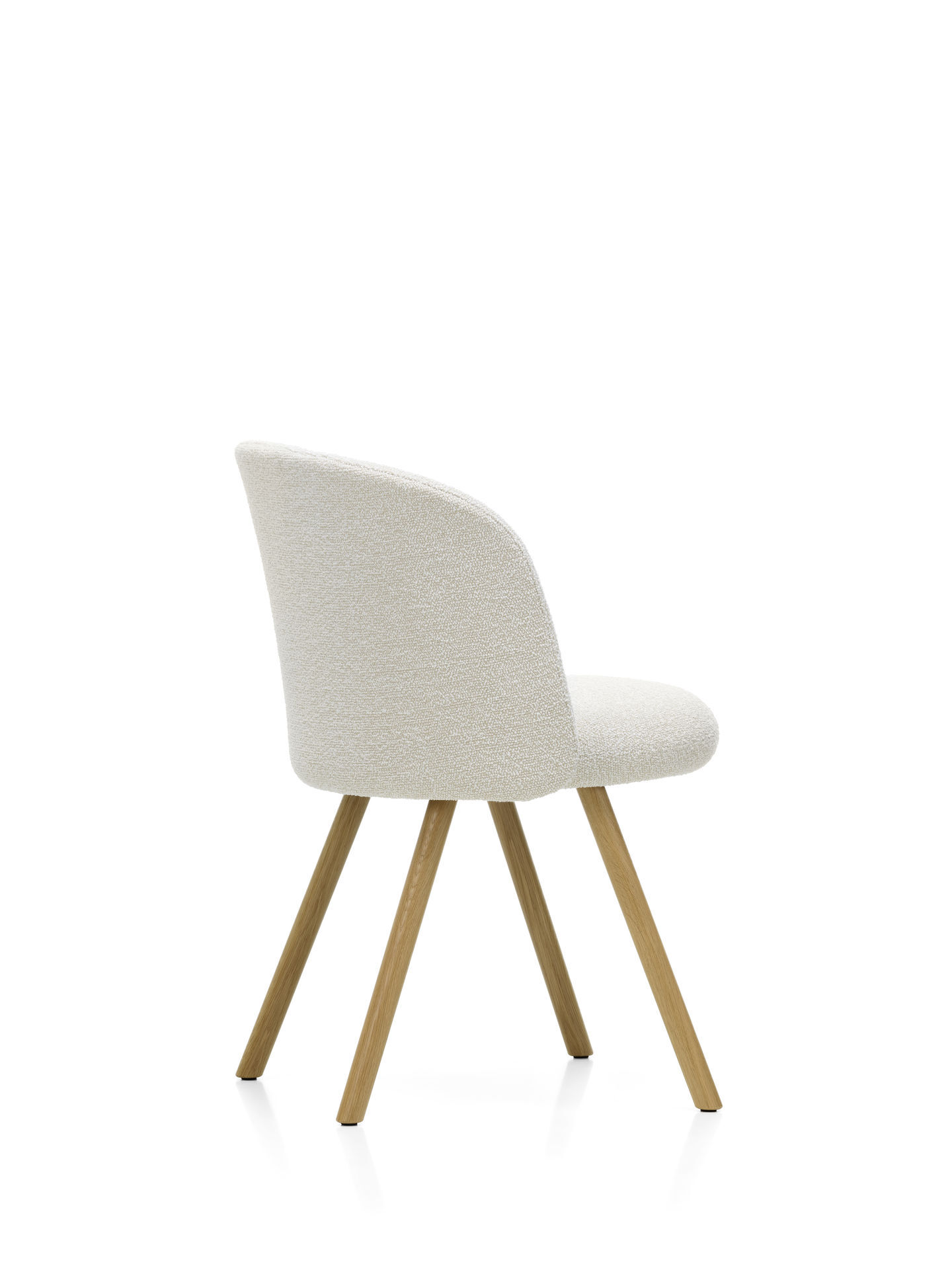
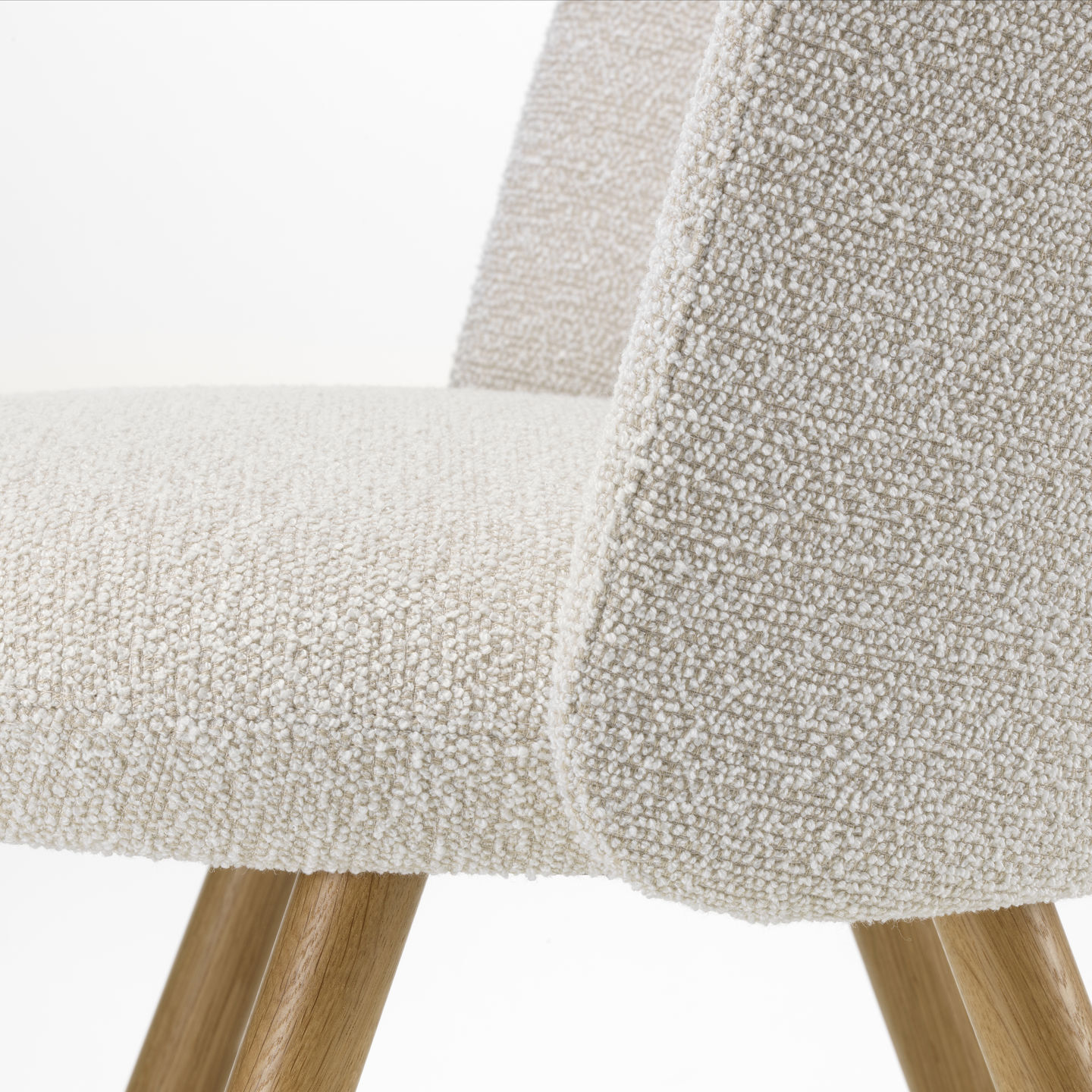
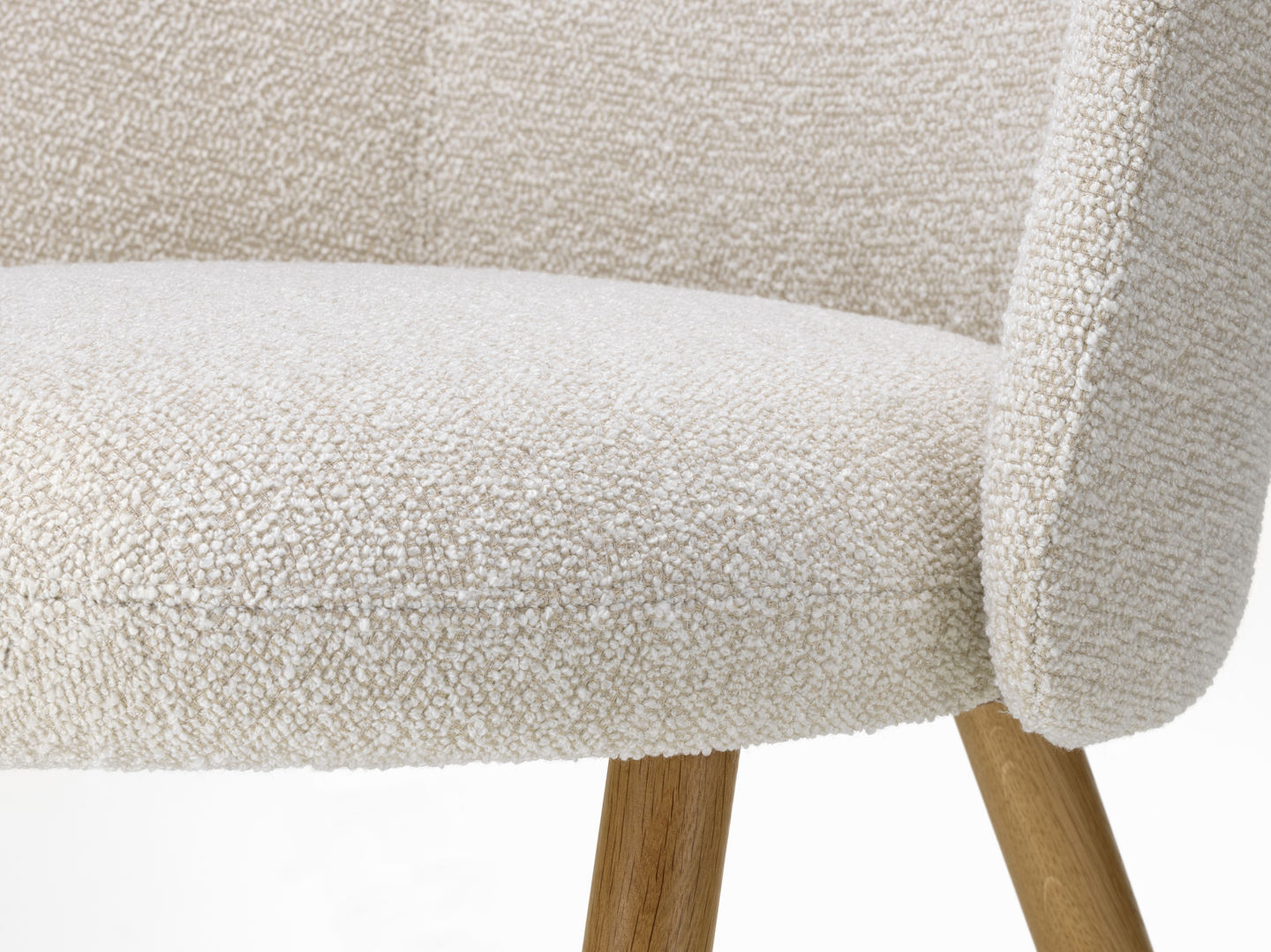
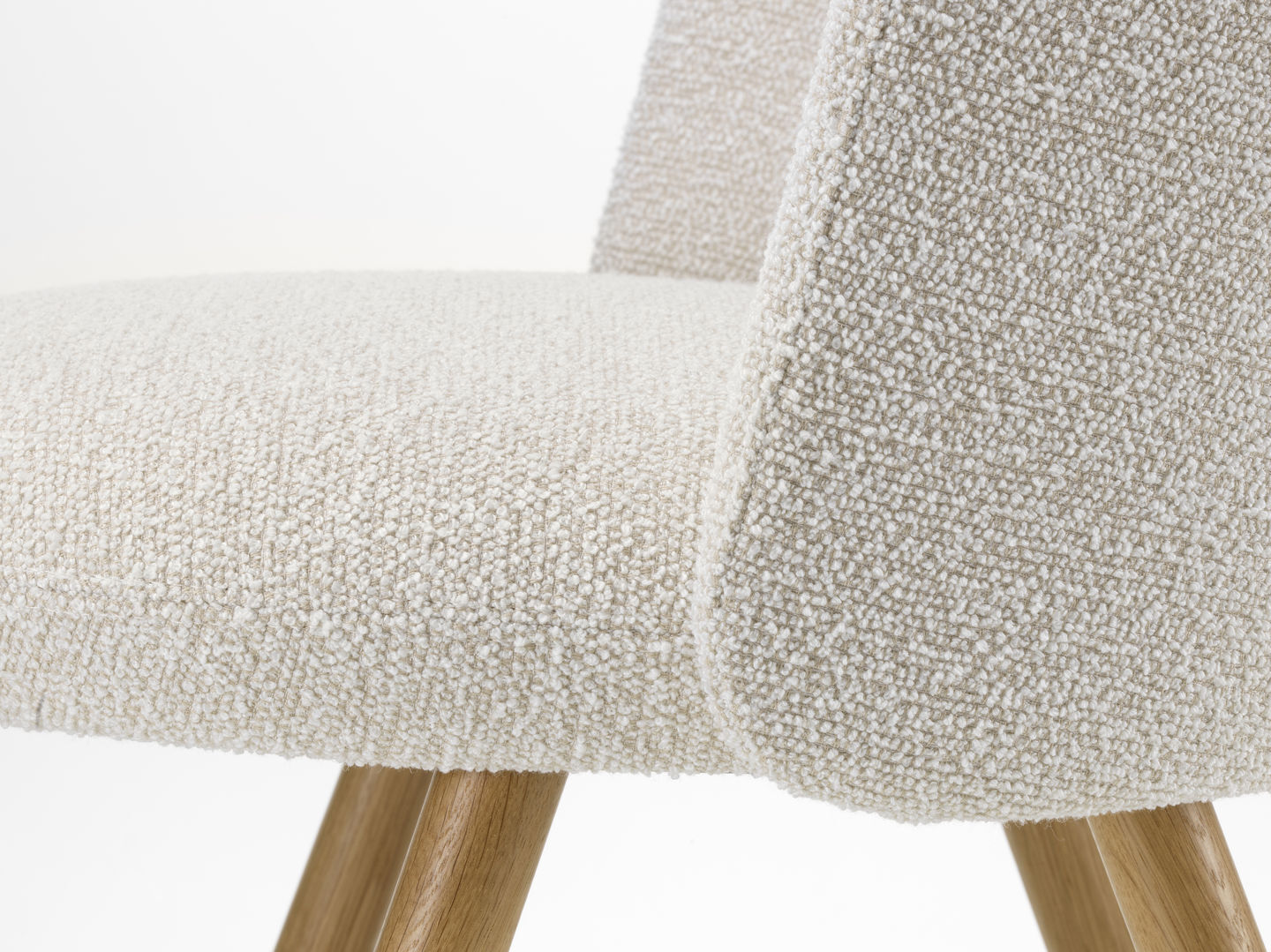
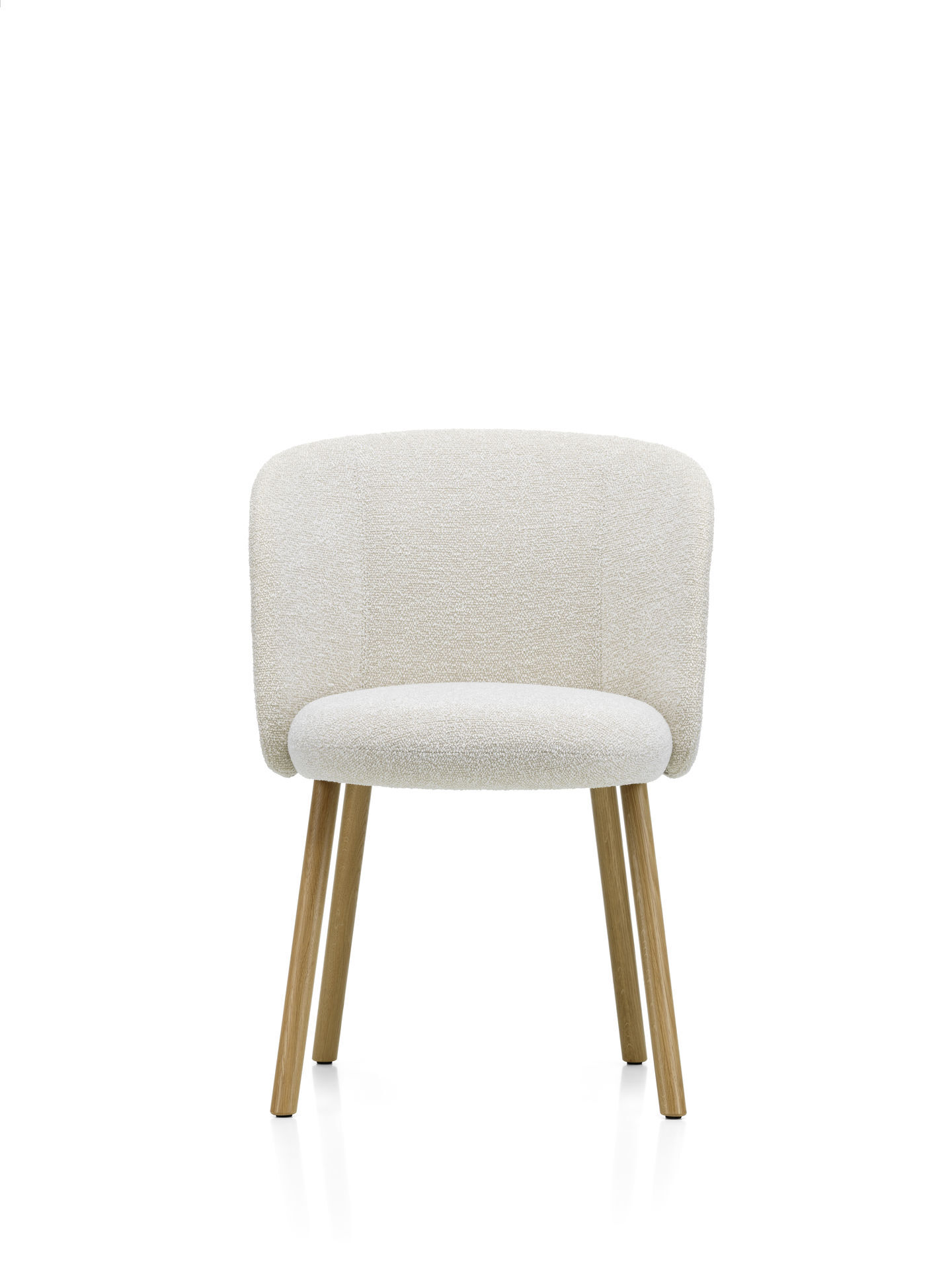
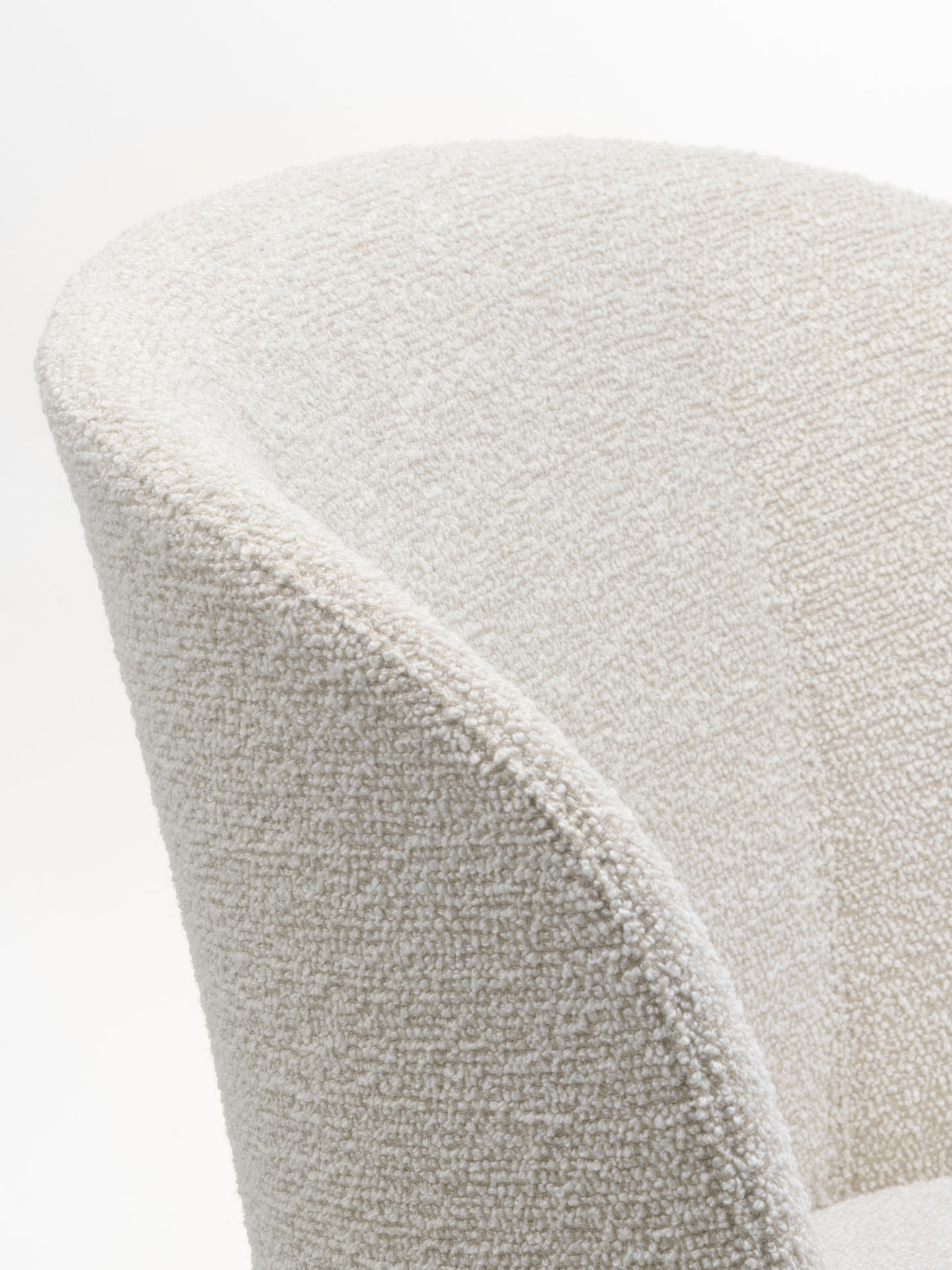
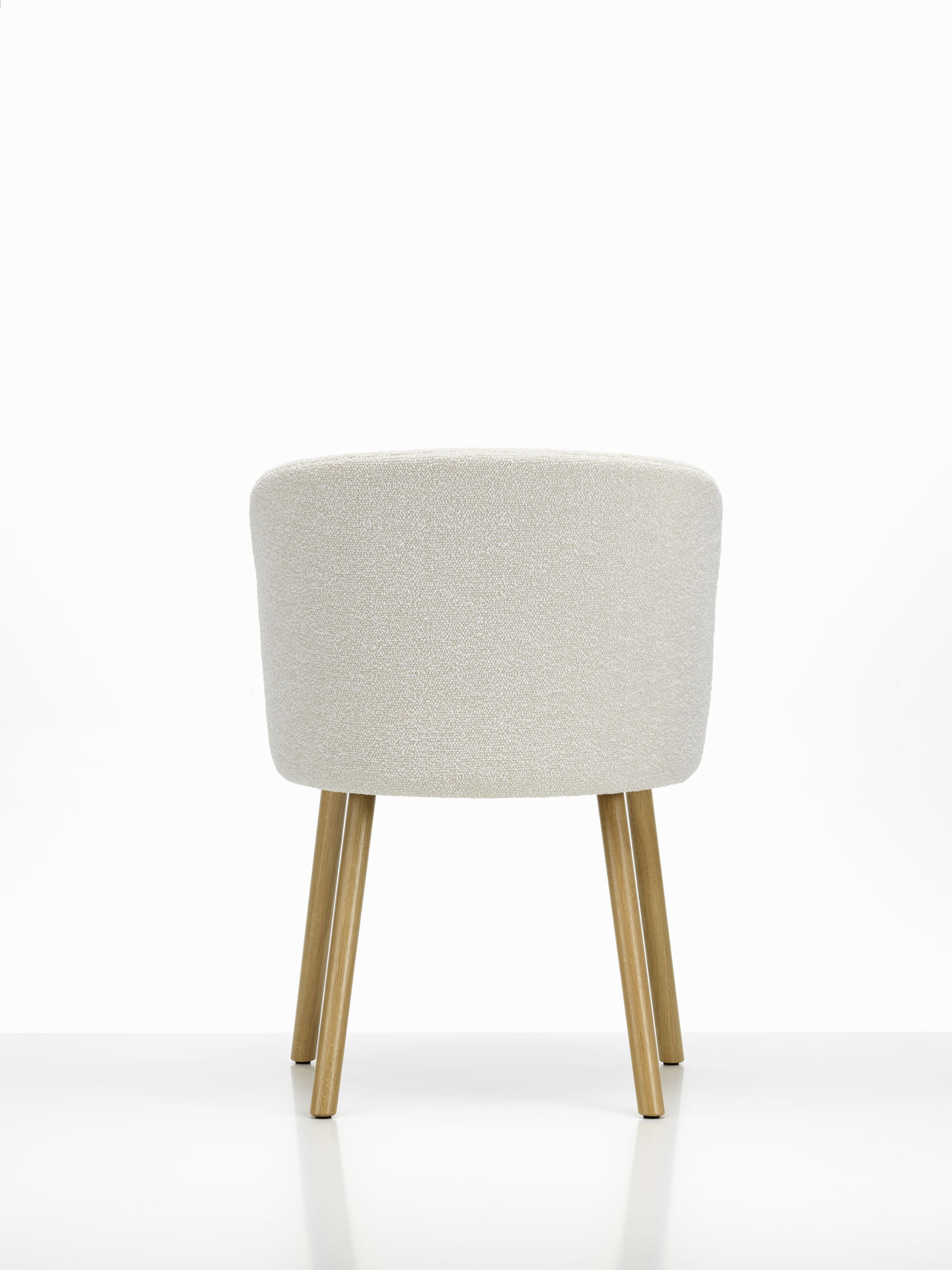
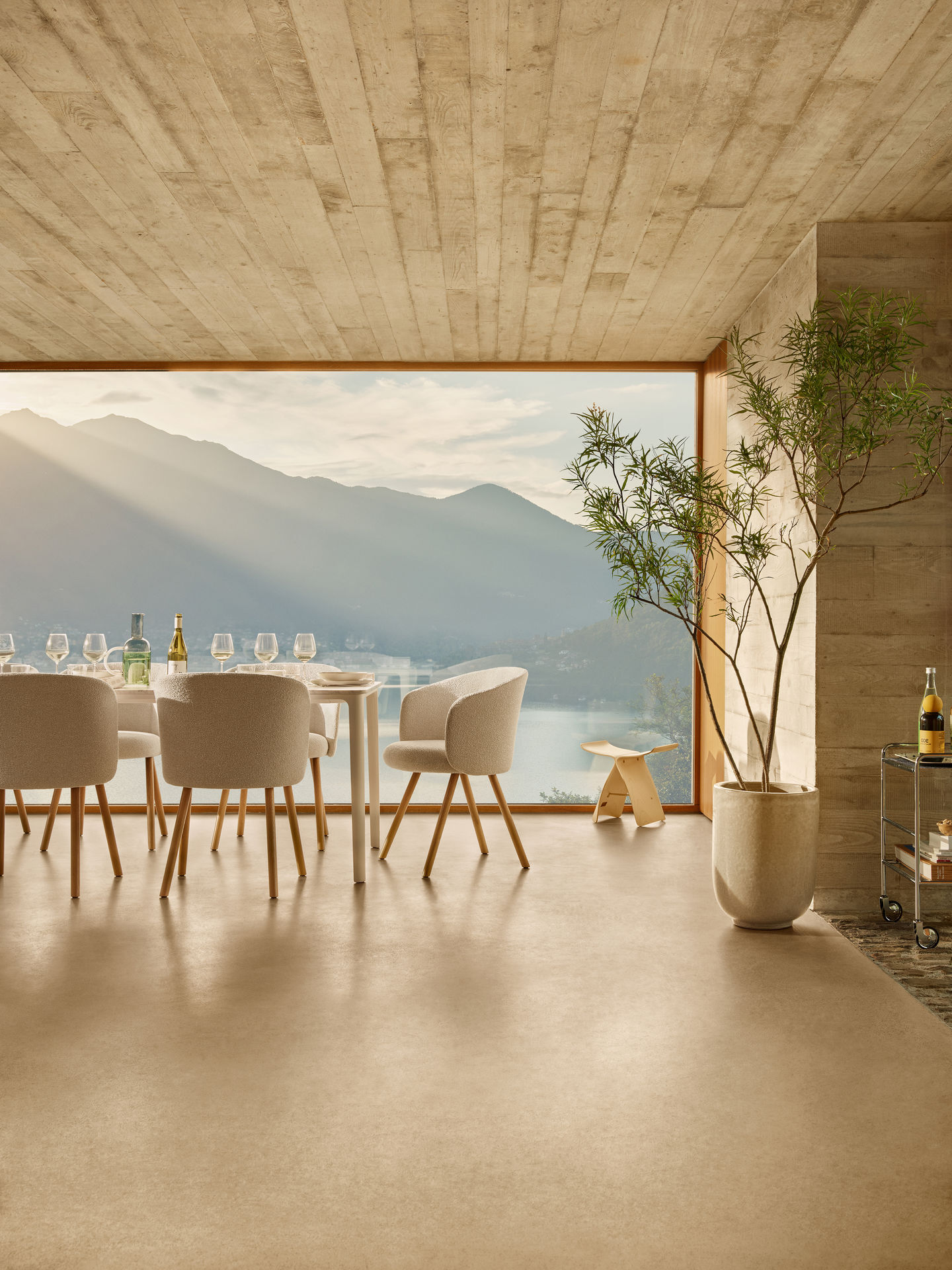
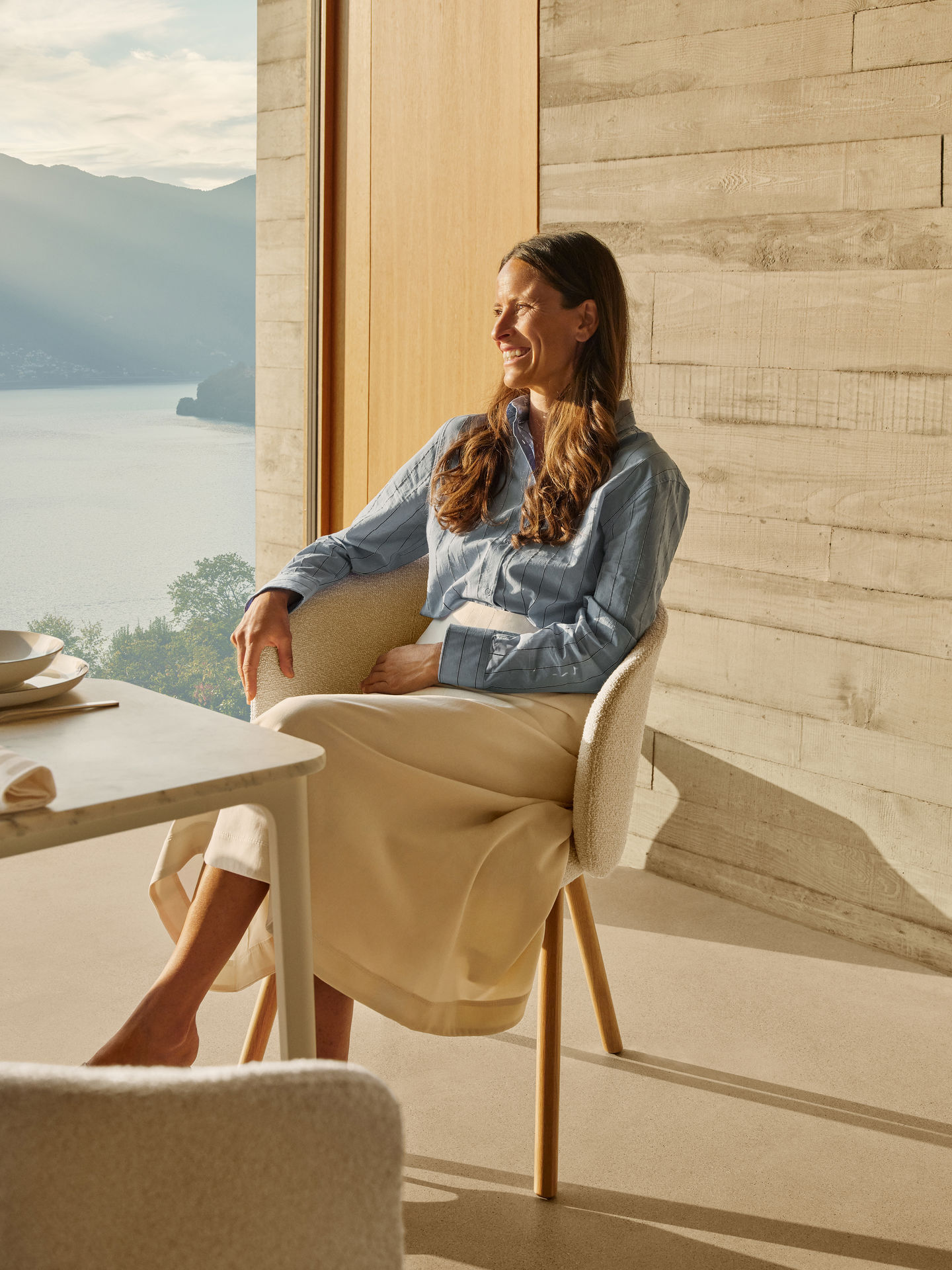
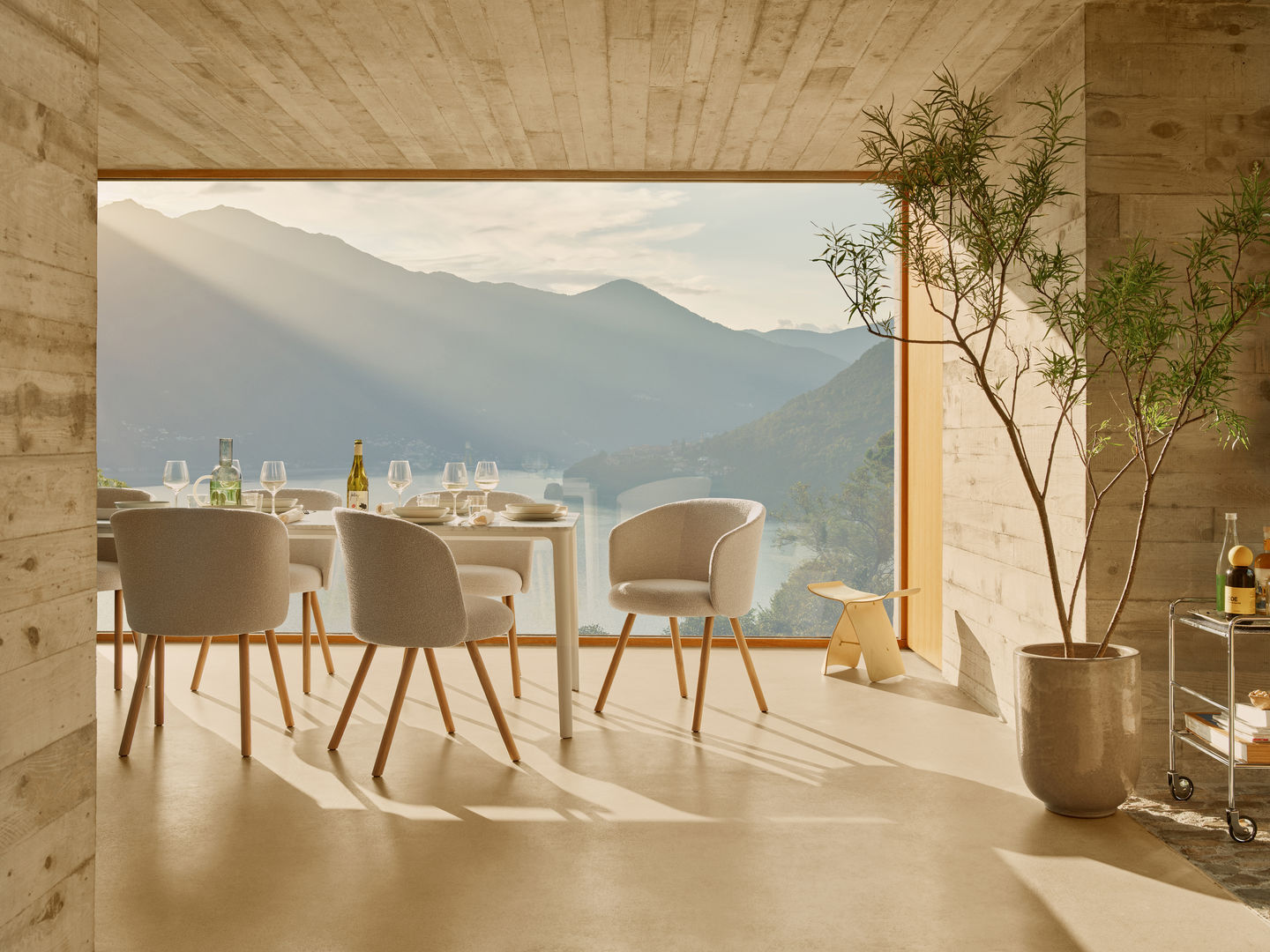
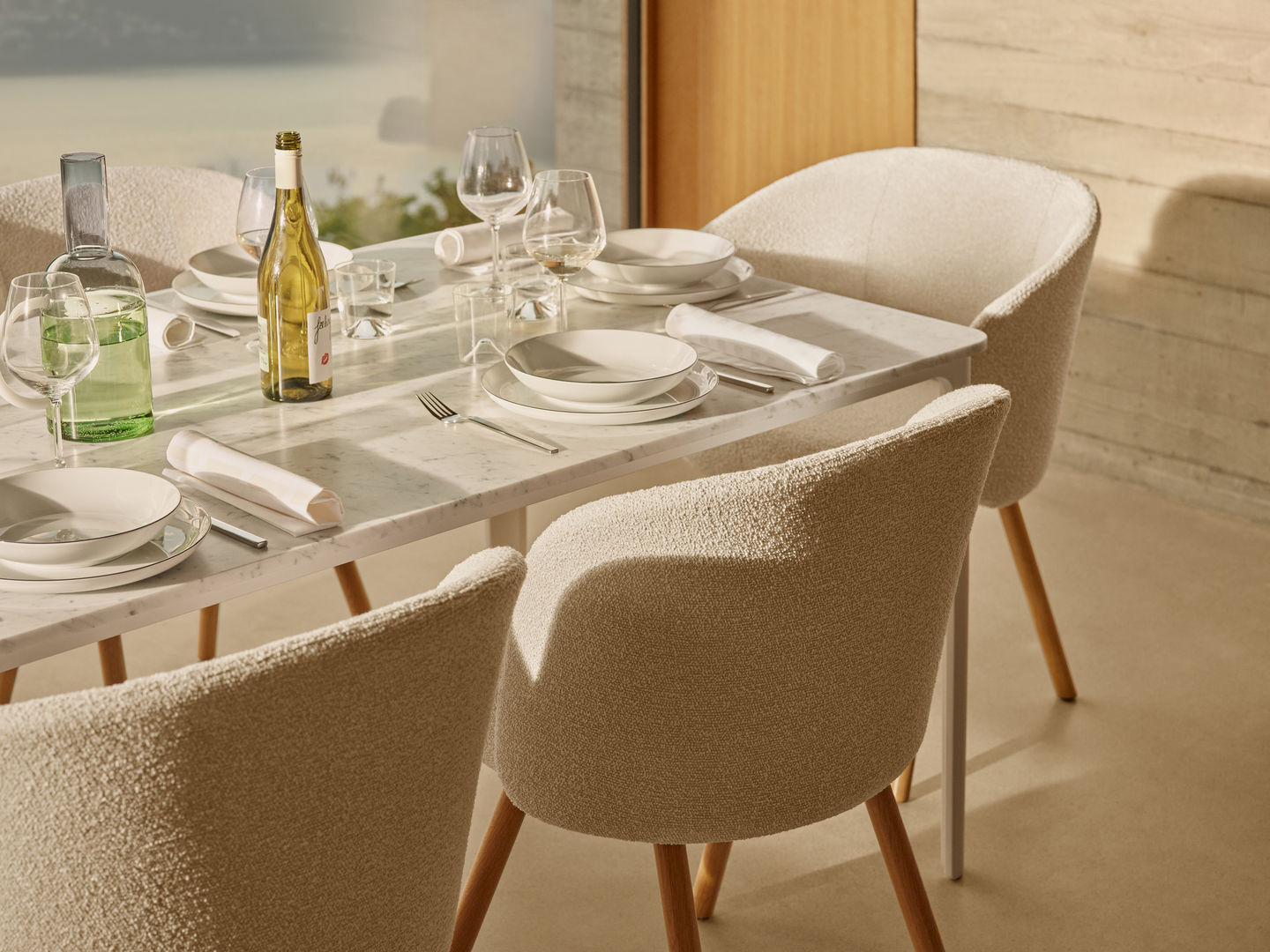
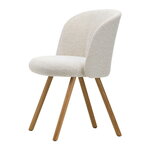
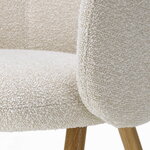
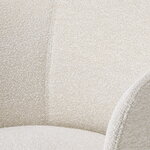
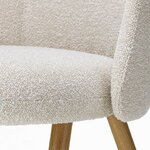
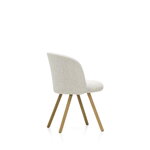
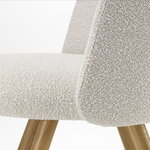
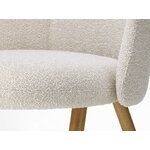
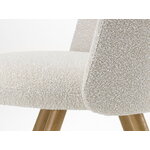
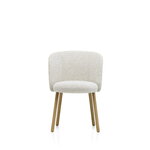
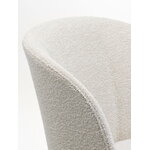
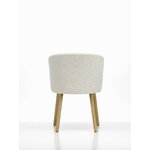
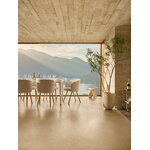
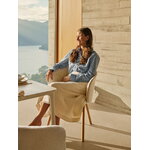
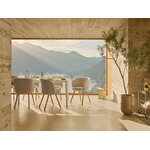
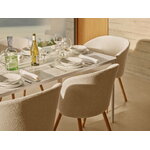
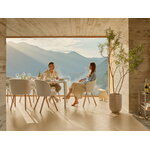
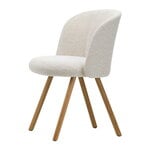
Mikado side chair, natural oak - Nubia 01 ivory/pearl
Description
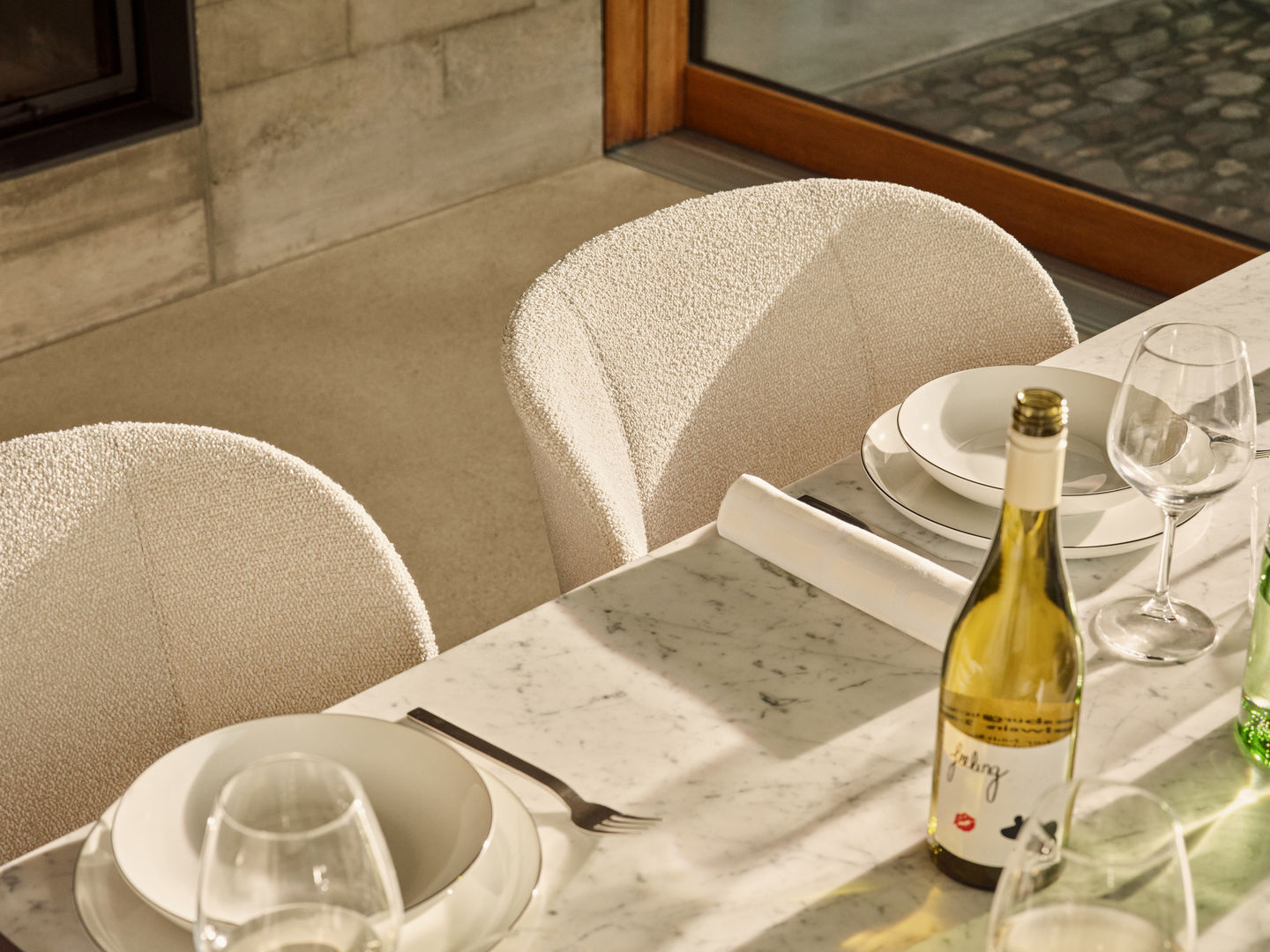
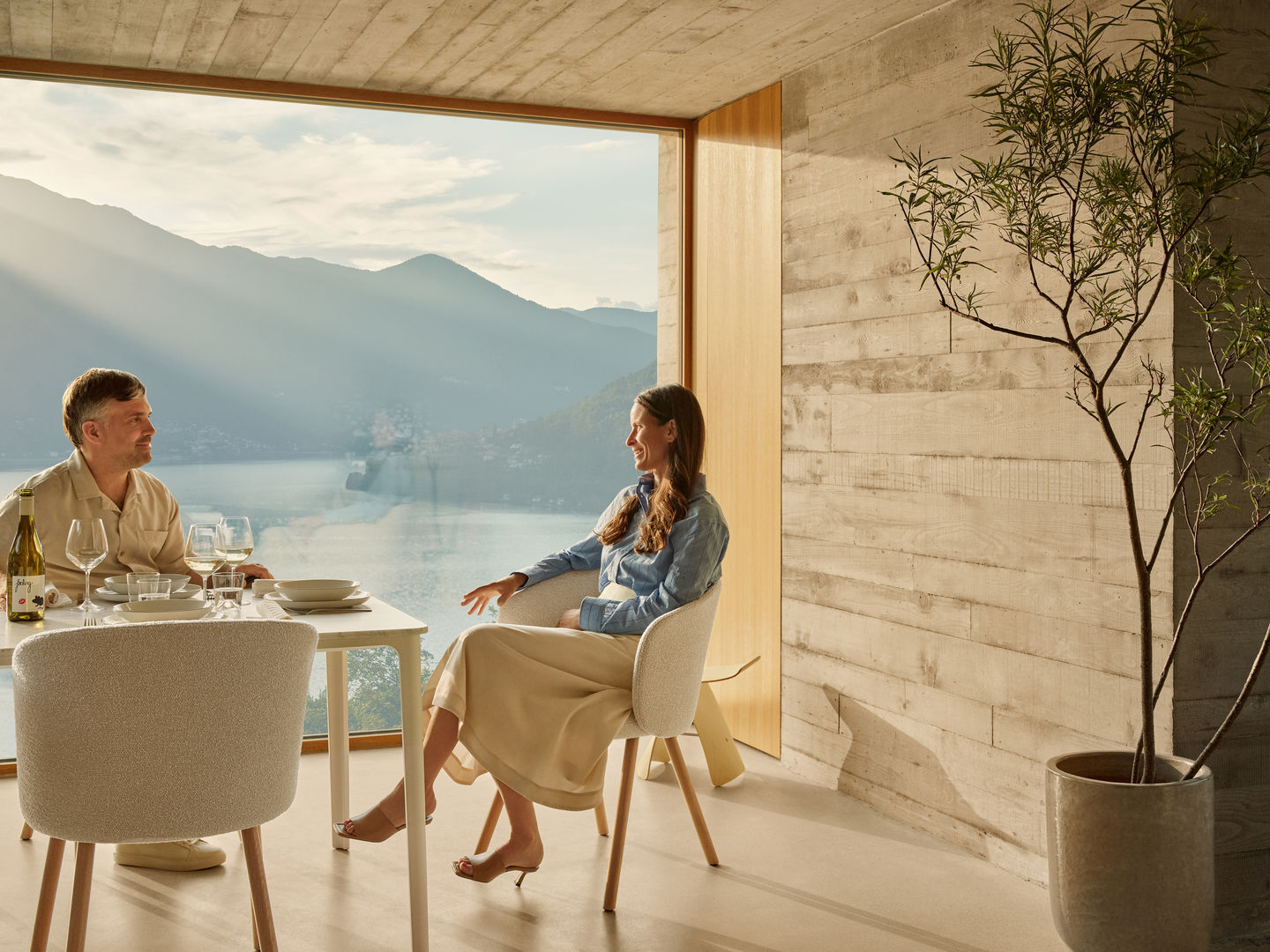
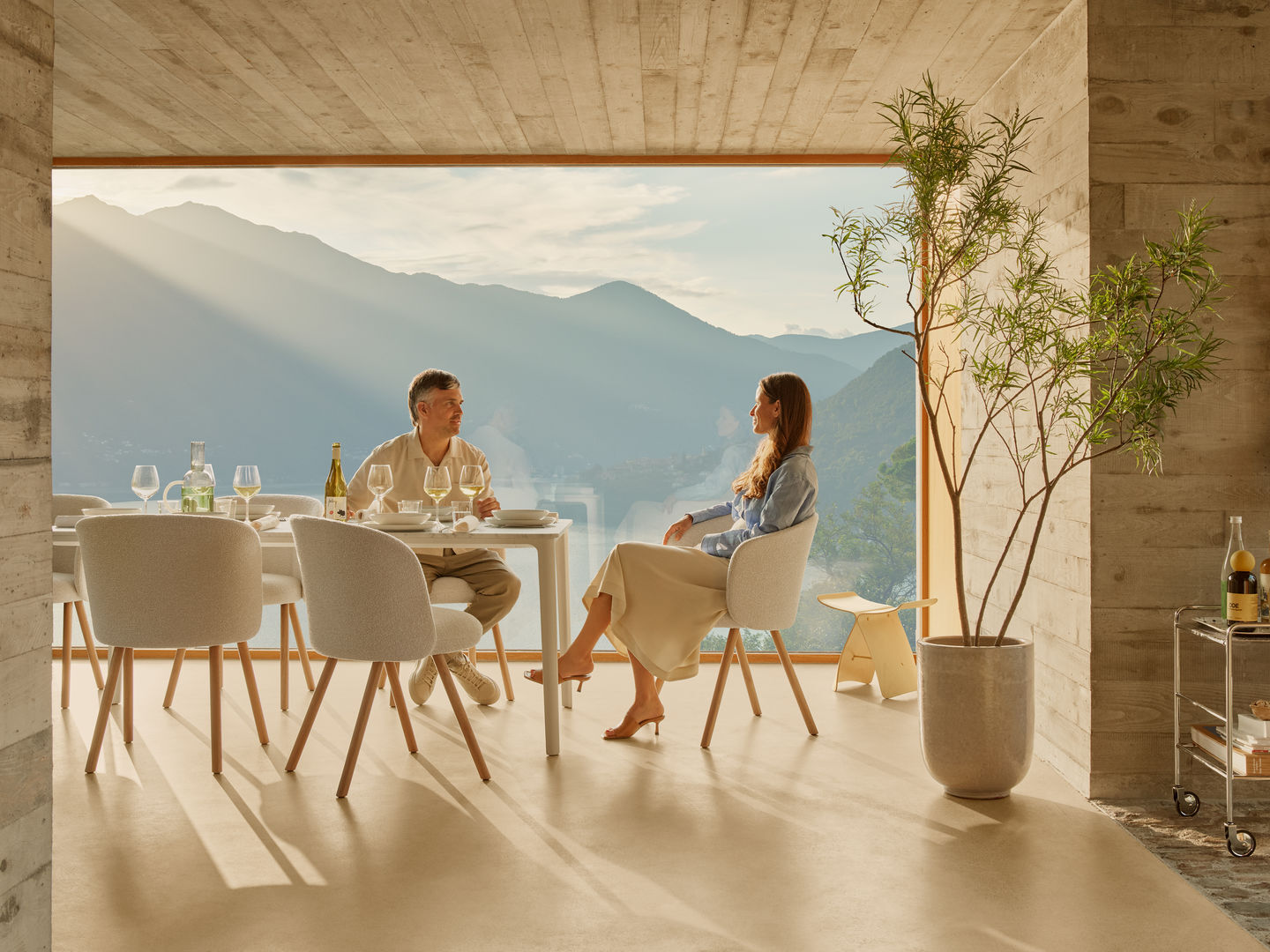
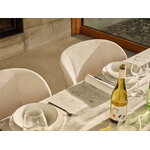
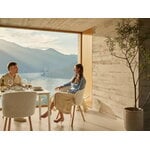
Vitra's Mikado side chair boasts soft, harmonious shapes that bring a sense of peace, making the chair the perfect addition for home kitchens and dining rooms, as well as restaurants and office meeting rooms. With its clean lines and versatility, the chair is easy to combine with different tables, but it can also serve as an eye-catcher on its own, for example as a handy additional seat in the living room.
The Mikado chair is not only esthetically pleasing but also an ergonomic masterpiece. Designed by Edward Barber and Jay Osgerby, the chair embraces the concept that no one sits still or in the same way as the others. That's why the Mikado chair features an ingenious mechanism hidden underneath the seat, allowing the curved backrest to adapt seamlessly to the sitter's current posture. The ultimate seating comfort in a stylish package? Yes, please!
- Width: 22.83 in (58 cm)
- Depth: 22.24 in (56.5 cm)
- Height: 31.89 in (81 cm)
- Seat width: 17.91 in (45.5 cm)
- Seat depth: 18.11 in (46 cm)
- Seat height: 17.32 in (44 cm)
- Measurement details: Backrest height 14.17 in (36 cm)
- Colour Light beige, natural oak
- Frame material Aluminum, polypropylene (100% recycled)
-
Seat cushion
Polyurethane
foam -
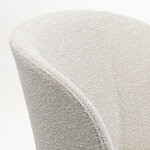
Upholstery fabric
Nubia 01 ivory/pearl: 2% polyamide,
30% new wool,
25% polyacrylics,
43% polyester - Abrasion resistance 35.000 Martindale
- Pilling 4
- Lightfastness 5
- Base material Lacquered oak
- Removable cover No
-
Notes
Recline
at a slight angle. Felt glides for hard floor. - Care instructions Hoover dust and lint regularly using an upholstery nozzle. Fresh spots and spills can usually be removed by blotting immediately with an absorbent, lint-free sponge or cloth.
- Product ID: AK43410100-F100-01-10-05

Edward Barber (b. 1969) and Jay Osgerby (b. 1969) are British designers and founders of the London-based studio Barber & Osgerby, established in 1996. Barber and Osgerby studied architecture and interior design at London’s Royal College of Art and since that, they have collaborated in the fields of industrial design, furniture design and architecture. Their clean, streamlined designs are often inspired by folding and shaping of sheet material, and a fine example of their innovative style is the Tip Ton chair published by Vitra.
The Product Sustainability Framework, our criteria of sustainable design, helps you find the most sustainable products in our selection. Read below which sustainability criteria this product has met.
-
 Equal opportunities for all employees
 -
Commitment to UN Global Compact, fair compensation for all employees
-
Corporate responsibility requirements defined and communicated for suppliers
-
Systematic work for improved inclusion and well-being in the workplace
-
Transparent supply chain
-
Suppliers' compliance to a code of conduct ensured
-
Compliance to the UN Guiding Principles on Business and Human Rights ensured in the supply chain
-
Direct suppliers audited and certified
-
Support for community involvement in the supply chain
-
Fair and resource-wise water-use in production
-
No incineration or landfilling of returned items
-
No use of endangered species as materials
-
No direct environmental emissions or waste (excl. GHGs) from production
-
Production and material sourcing that respect biodiversity, animal rights, and natural ecosystems
-
Material-efficient and ecological packaging
-
No potentially harmful chemicals used in own production
-
The sustainability of direct suppliers' production is addressed and monitored
-
Positive impact on nature’s well-being through operations that regenerate natural ecosystems
-
Company's direct greenhouse gas emissions identified and commitment to reduction
-
Product's carbon impact identified and commitment to reduction
-
Guidance on energy- and eco-efficient use of the product
-
Contribution to climate initiatives beyond the brand’s direct operations
-
Carbon footprint of the product calculated and goals set to reduce it
-
100 % renewable energy in own production and operations
-
Low-carbon or compensated transportation
-
Carbon neutral or carbon negative product
-
Sustainable and long-lasting material choices
-
No harmful or hazardous substances
-
Responsible raw material sourcing and production
-
Materials suited for circularity: monomaterials, recyclable finishings, renewable or recycled contents etc.
-
Ecological materials: natural, biodegradable, recyclable or recycled contents
-
Outstanding materials in terms of innovativeness, responsibility, sustainability and circularity: local production or sourcing, 100 % recycled content, C2C-certification etc.
-
High aesthetic quality promoting long-term use of the product
-
Technically durable product design and material choices
-
Design for enduring life-long quality
-
Design and support for product maintenance, repair and upgradability
-
Innovative circular design solutions: circular service system, resale platform, remanufacturing, collection of used products, etc.
Ideas and inspiration
This is a carousel. Use Next and Previous buttons to navigate.