This is a carousel of product images. Use the thumbnails or swipe to change the displayed image, and activate an image to open it full screen.
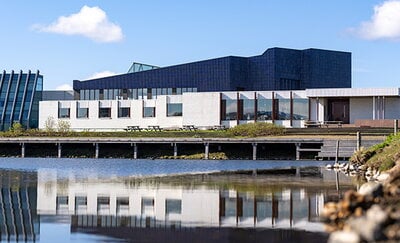
Louisiana Museum of Modern Art
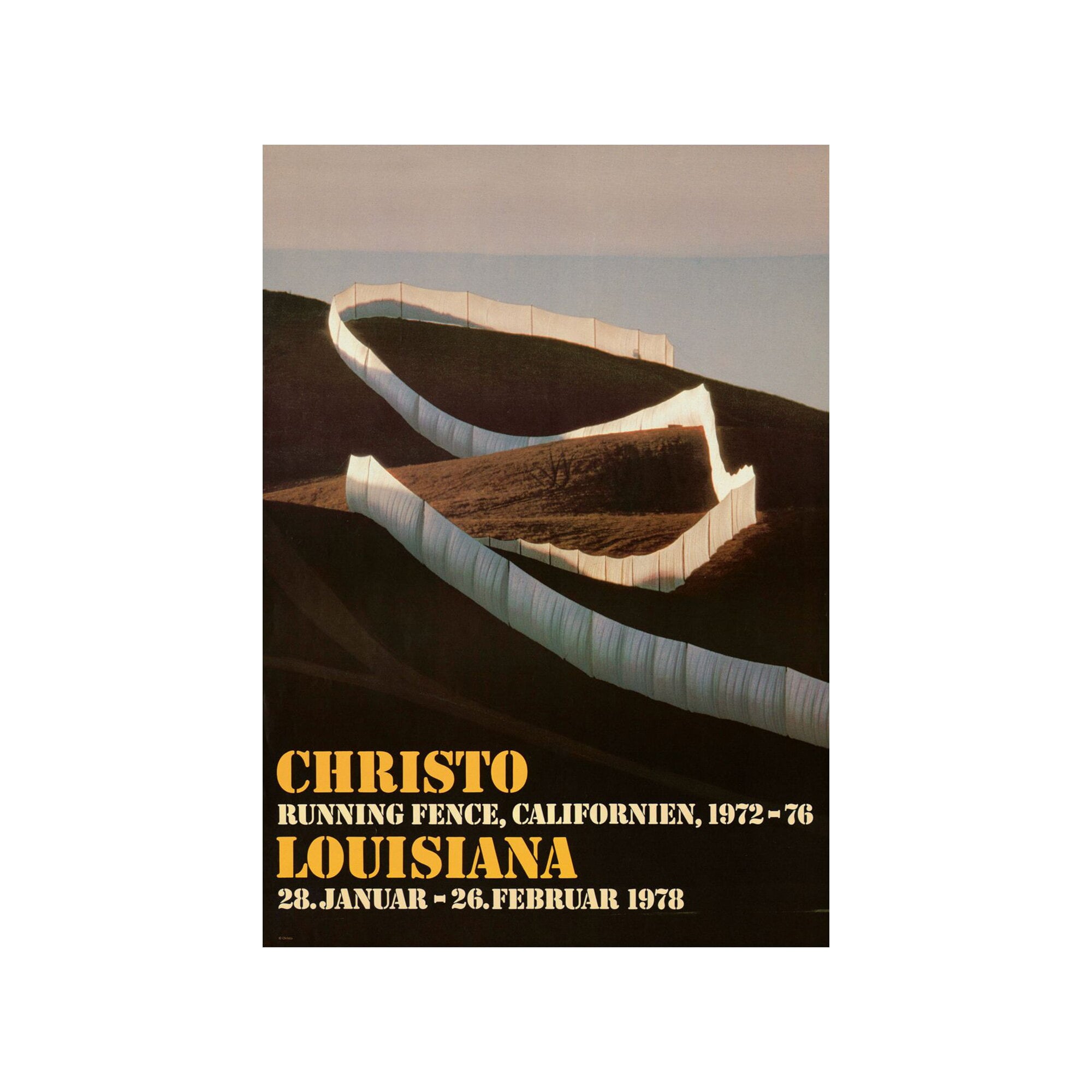
Christo - Running Fence, California, 1972-76, A2 poster
Description
Louisiana Museum of Modern Art's poster features the Bulgarian-American artist Christo’s monumental work Running Fence. The original installation consisted of a 40-kilometer stretch of white nylon fabric suspended 5.5 meters high across more than 2,000 masts, extending from the California coastline deep into the countryside. Running Fence was not only visually breathtaking but also a remarkable social and collaborative project — years in the making and reliant on countless permits, negotiations, and partnerships. The poster was released in connection with Louisiana’s 1978 exhibition dedicated to Christo’s work.
Louisiana Museum of Modern Art’s poster collection includes prints from iconic exhibitions held at the Danish museum over the years. Printed on high-quality paper, posters bring a stylish touch of contemporary art to your walls.
- Width: 16.54 in (42 cm)
- Height: 23.39 in (59.4 cm)
- Material Paper, 7.05 oz (200 g) Arctic Silk
- Colour Multicolored
- Notes Frame sold separately.
- Product ID: LNA108016
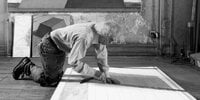
Christo (1935–2020) was a Bulgarian-born environmental artist. He studied in Sofia and at the Academy of Fine Arts in Vienna, defected from Bulgaria as a young man, and made his way through Paris to New York, which became his home for the rest of his life. It was in Paris that he met Jeanne-Claude Denat de Guillebon, who became his wife and his working partner.
Christo and Jeanne-Claude became known worldwide for their monumental environmental works, wrapping everything from small objects to famous public buildings and landmarks in fabric and rope. Among the best known are Running Fence in California, Surrounded Islands, which ringed eleven Miami islands in pink fabric, and the wrapping of the Reichstag in Berlin, a project the pair worked on for more than twenty years. The works were always temporary, and each one took years of permits, planning, and a large workforce. They were funded by the sale of Christo's own drawings and collages.

Ideas and inspiration
This is a carousel. Use Next and Previous buttons to navigate.