This is a carousel of product images. Use the thumbnails or swipe to change the displayed image, and activate an image to open it full screen.
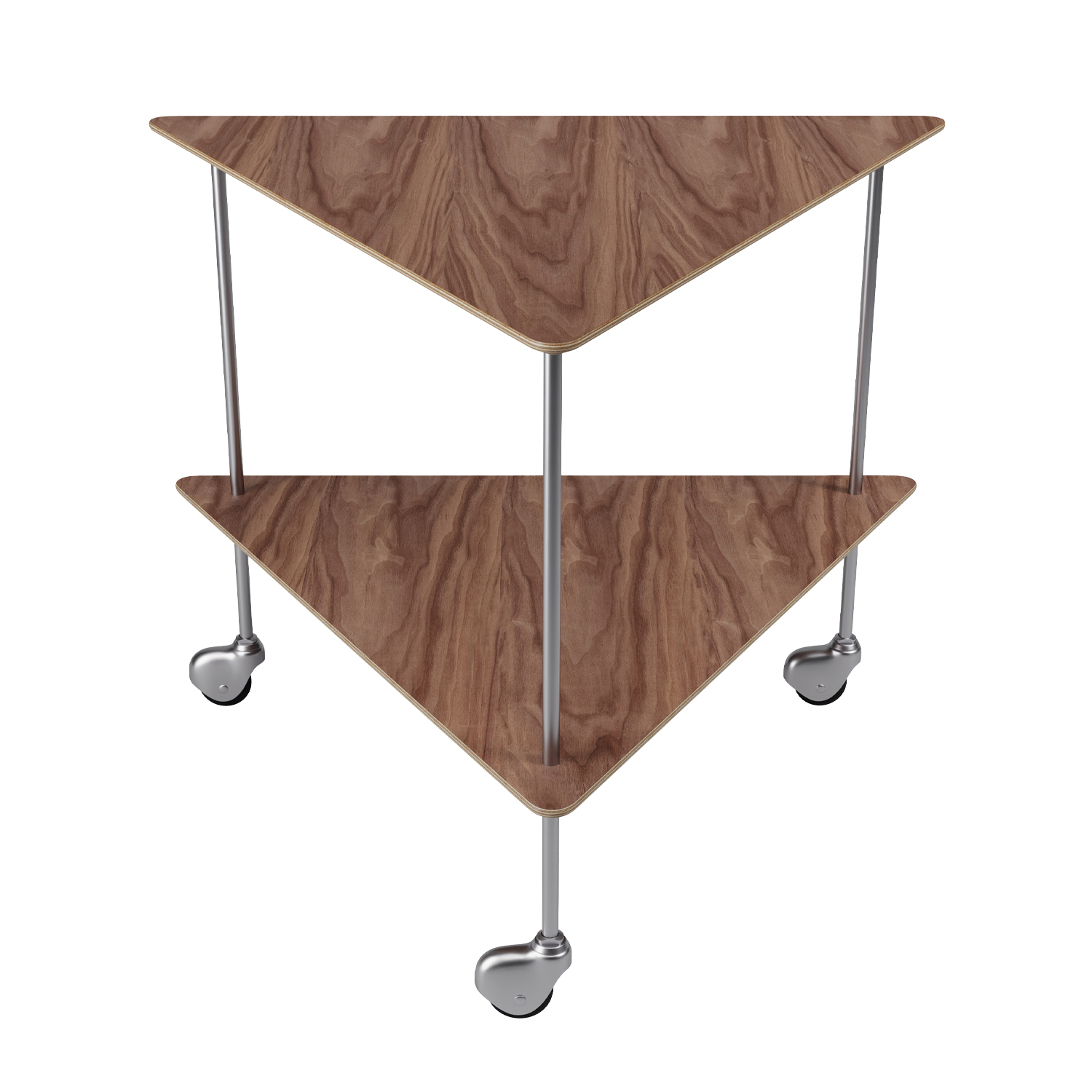
AJ Trolley, walnut
Description
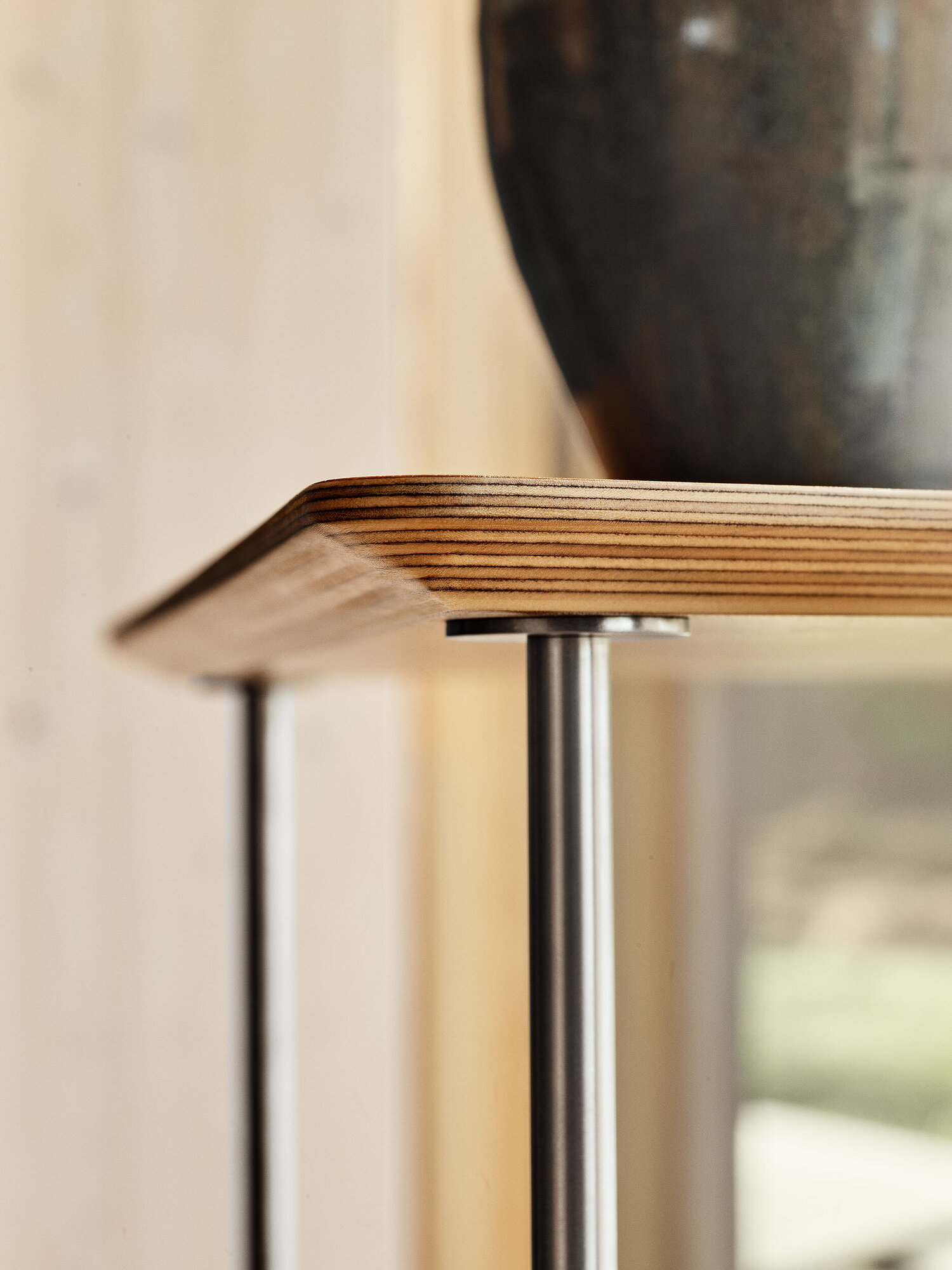
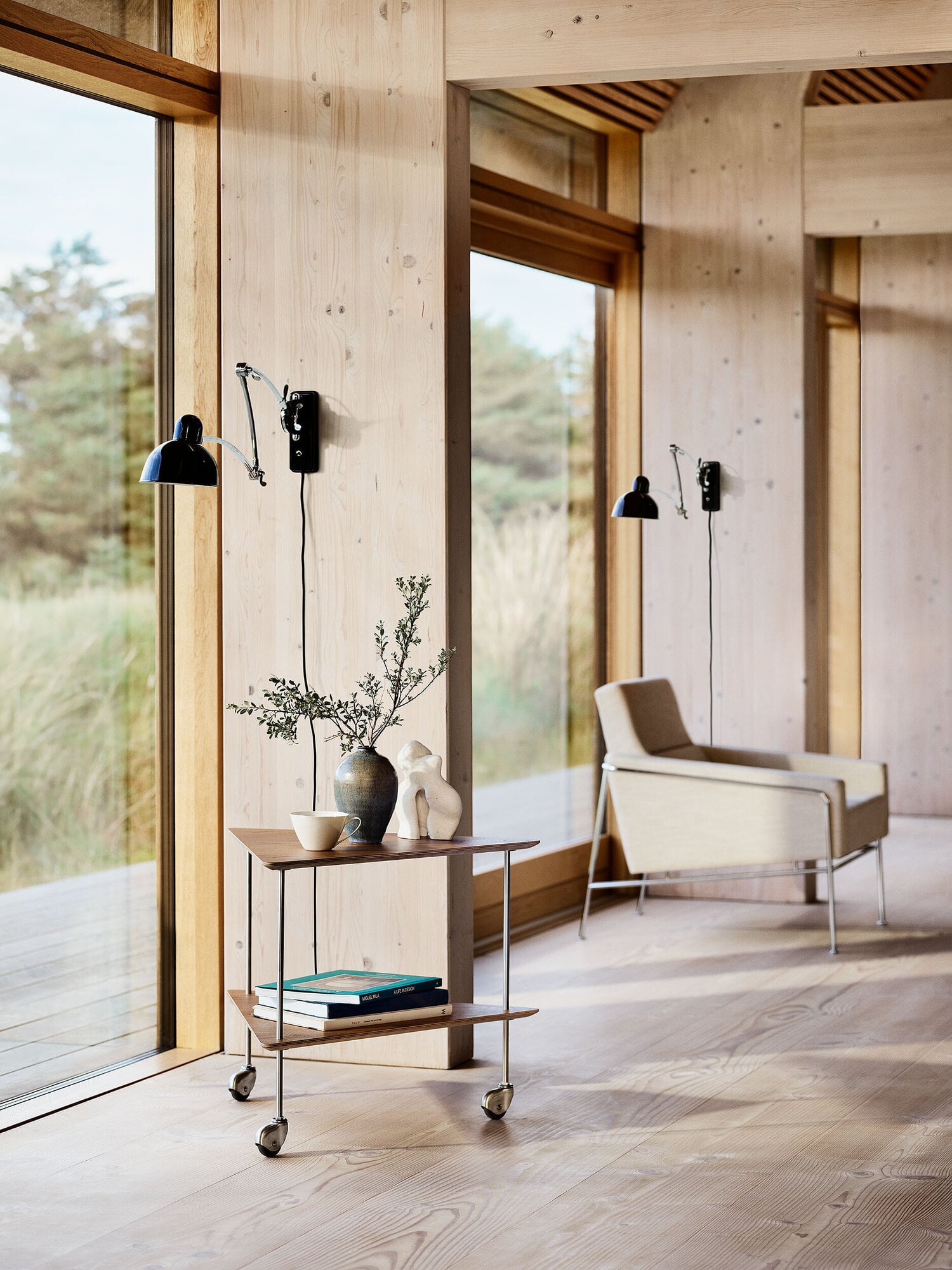
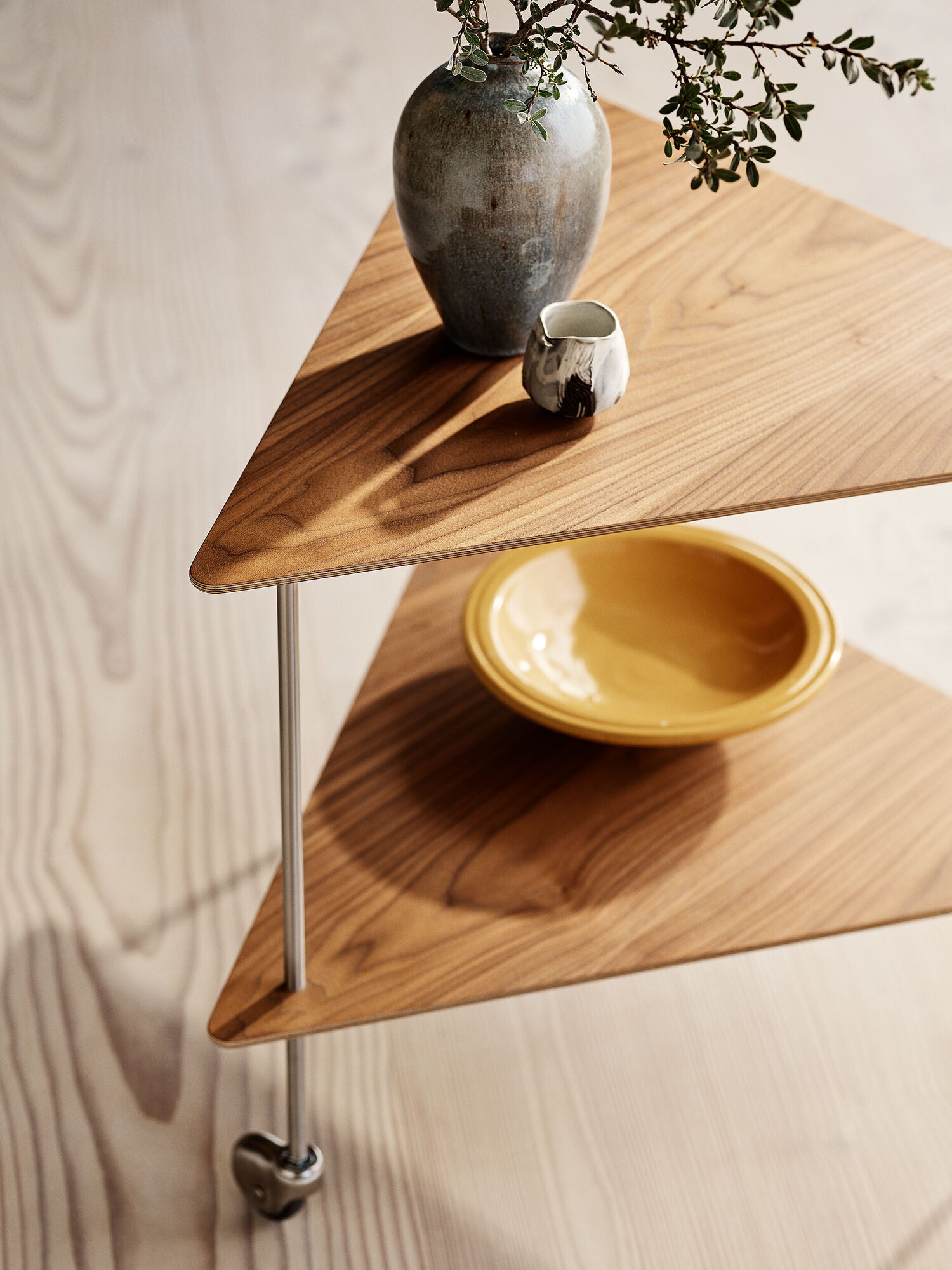
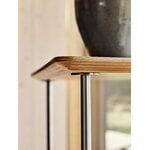
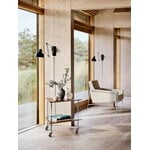
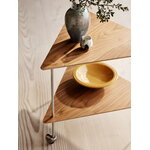
Fritz Hansen’s AJ Trolley consists of a slender metal frame with triangle-shaped ash shelves that can be used for serving tea or displaying your favourite decorative objects. Designed by legendary Danish architect Arne Jacobsen as a tea trolley for his own home, the piece has a distinctively architectural, modern appearance that still looks just as fresh and fascinating as it did back in the 1950s whether used as a practical serving trolley or sophisticated side table.
- Length: 67 cm
- Width: 59 cm
- Height: 54.7 cm
- Colour Walnut
- Material Clear lacquered walnut veneer
- Frame material Brushed stainless steel
- Weight 3.35 kg
- Notes Height of lower shelf 21.5 cm
- Care instructions Wipe with a damp cloth. Dry well.
- Product ID: FHA840412

Arne Jacobsen (1902–1971) was a master of Danish modernism and one of the most influential designers of the 20th century. Trained as an architect at the Royal Danish Academy of Fine Arts in Copenhagen, Jacobsen built an extraordinary career in both architecture and design. He is especially celebrated for his sculptural furniture, where functionality, pared-back form and architectural thinking come together in a timeless whole.
His work also earned wide international acclaim. Over the course of his career, Jacobsen received numerous design awards, including the C. F. Hansen Medal and the Grand Prix at the Milan Triennale.
Arne Jacobsen: A visionary of Danish modernism
Arne Jacobsen, who graduated as an architect from the Royal Danish Academy of Fine Arts in Copenhagen in 1927, is undoubtedly one of the most influential Danish designers of all time.
Jacobsen’s furniture design was often closely intertwined with his architectural projects. Many of his iconic works were originally created as part of larger architectural environments, yet later rose to become independent design classics in their own right.
Design as an extension of architecture
One of Jacobsen’s most famous projects was the Royal Hotel in Copenhagen, which he designed down to the smallest detail. The project was extremely important to him, as it allowed him to put his vision of integrated design into practice – an approach where not only the building and its spaces are designed, but also every element related to the interior and the building’s use, forming a harmonious and unified whole.
The AJ lamps produced by Louis Poulsen, originally designed by Jacobsen for the Royal Hotel, are a fine example of the designer’s streamlined and elegant aesthetic. The cutlery designed for the hotel and produced by Georg Jensen remains popular to this day, and the famous Egg and Swan chairs were also originally created for the hotel’s public spaces.
International influence and a timeless legacy
Arne Jacobsen played a decisive role in the international breakthrough of Scandinavian design in the 1950s and 1960s. His pared-back yet expressive design language has remained relevant decade after decade, and many of the products he designed are still in production today.
One example is the Cylinda Line collection designed for Stelton in 1967. Since its introduction, the stainless steel tableware series has become an icon of Scandinavian design and is today included in the collections of several major museums.
Jacobsen’s legacy is also preserved by Fritz Hansen, with whom he collaborated closely for many years.
Who: Arne Jacobsen
- Danish architect and designer (1902–1971), one of the central figures of Nordic modernism.
- Trained as an architect; worked with buildings as well as furniture, lighting and everyday design objects.
- Known for a clean, streamlined aesthetic combining functionality, precise proportions and carefully chosen materials.
- In many projects, he designed not only the building but also the interiors and furnishings.
- Best-known designs include the Egg and Swan lounge chairs, the Series 7 chair (Fritz Hansen) and the AJ lamps (Louis Poulsen).
Read more on Design Stories
View all products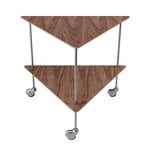
Ideas and inspiration
This is a carousel. Use Next and Previous buttons to navigate.