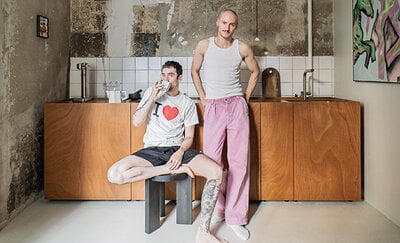
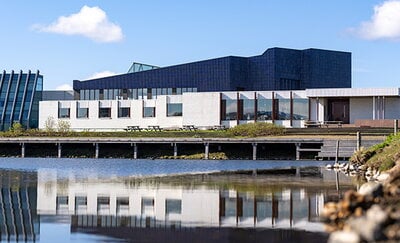
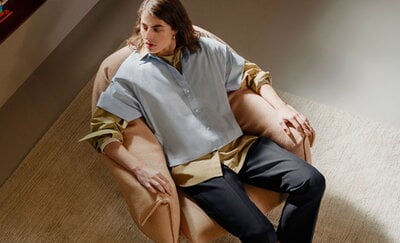
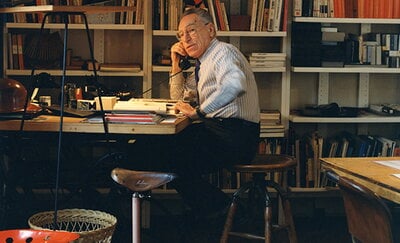
This is a carousel of product images. Use the thumbnails or swipe to change the displayed image, and activate an image to open it full screen.
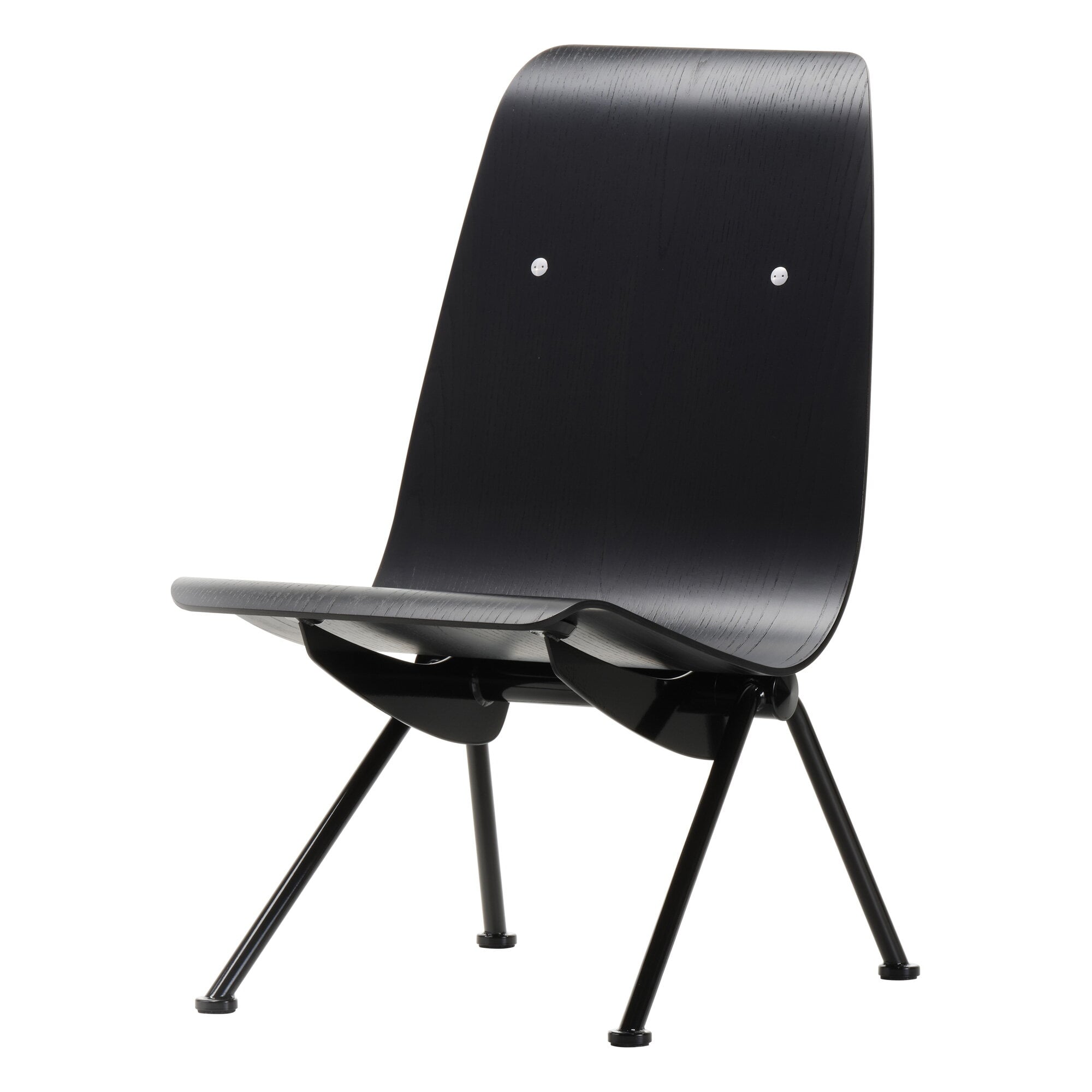
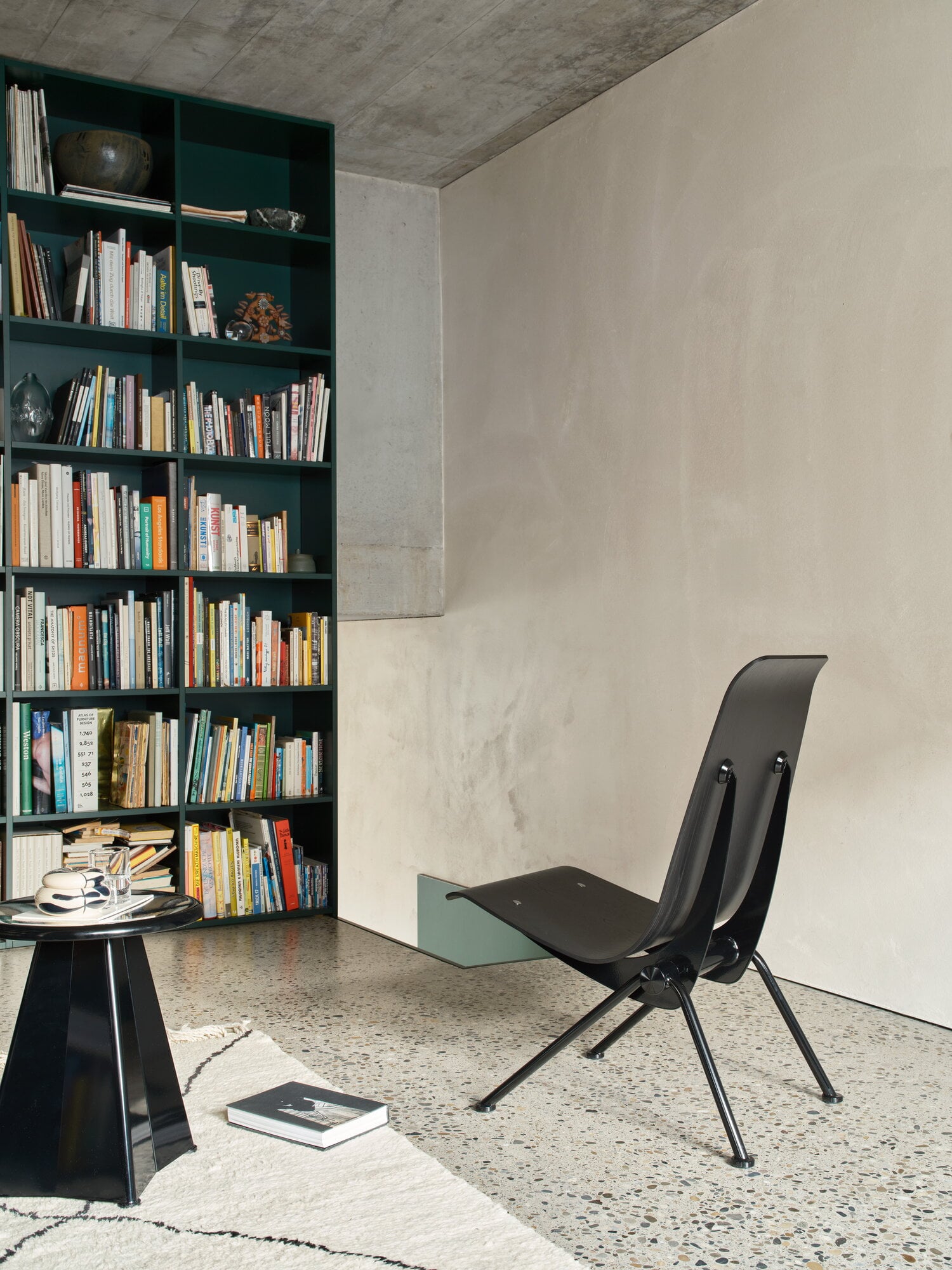
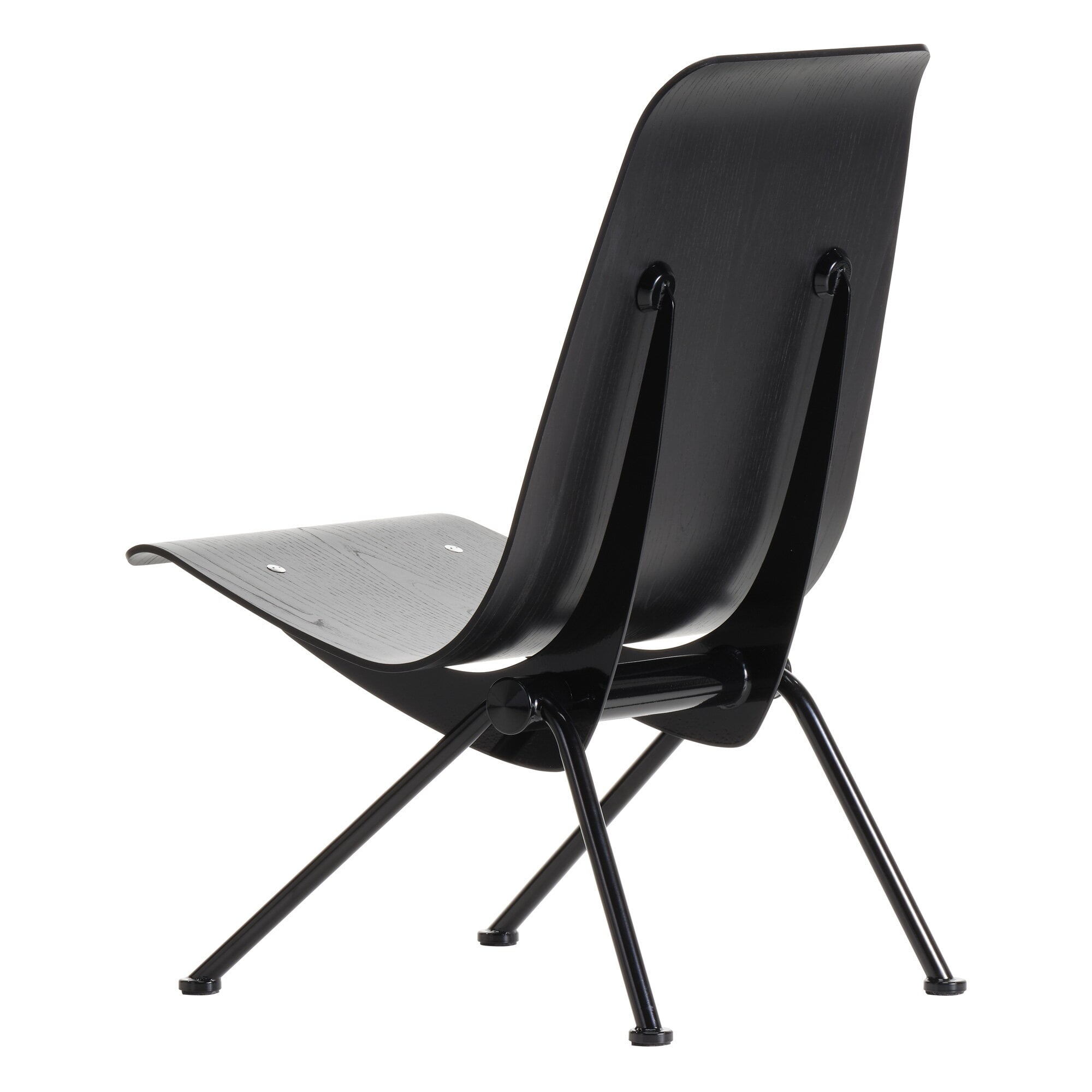
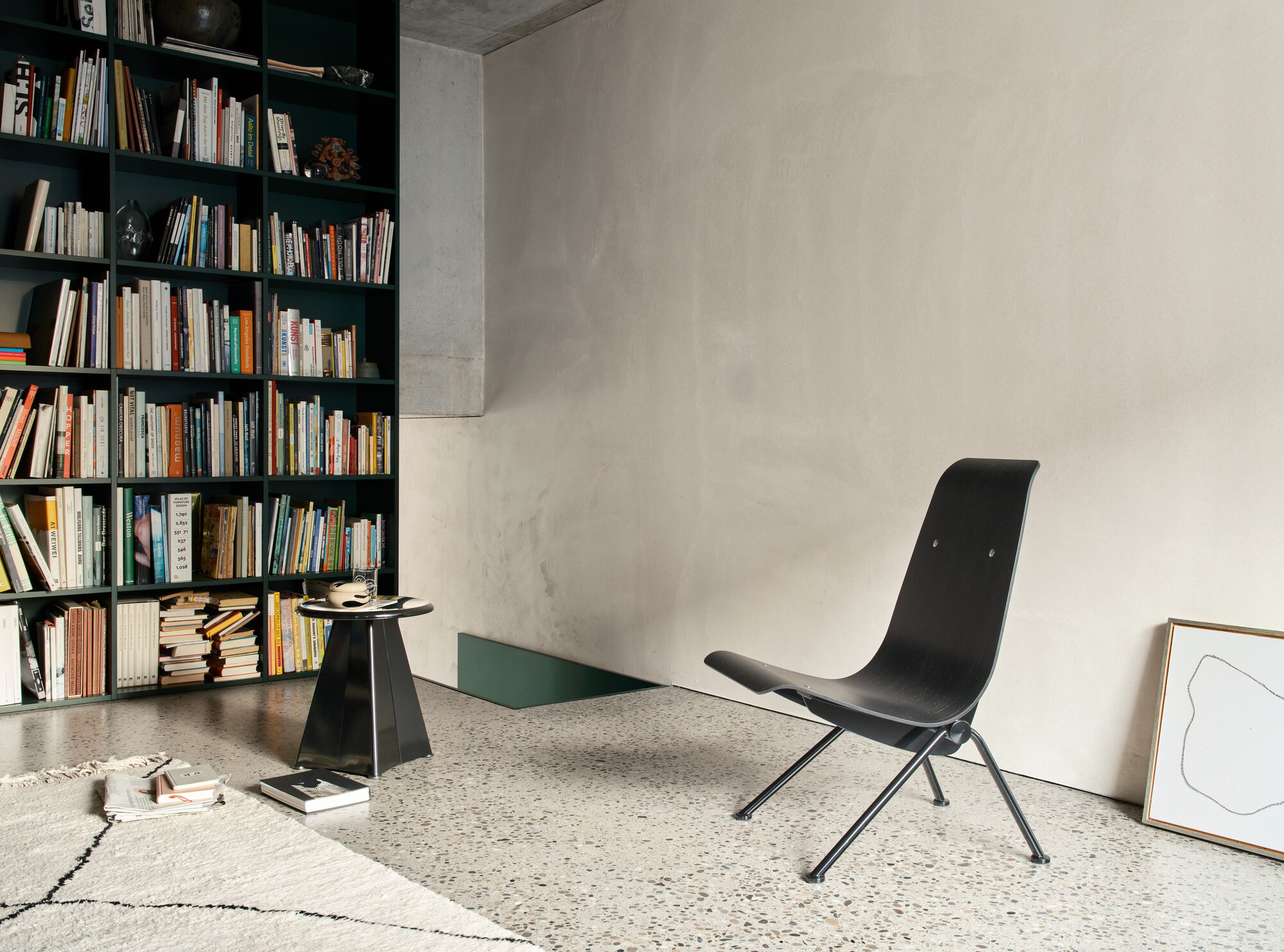
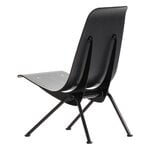
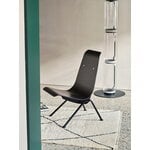
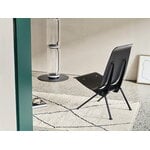
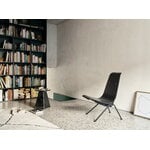
Antony lounge chair, limited edition 2026
Description
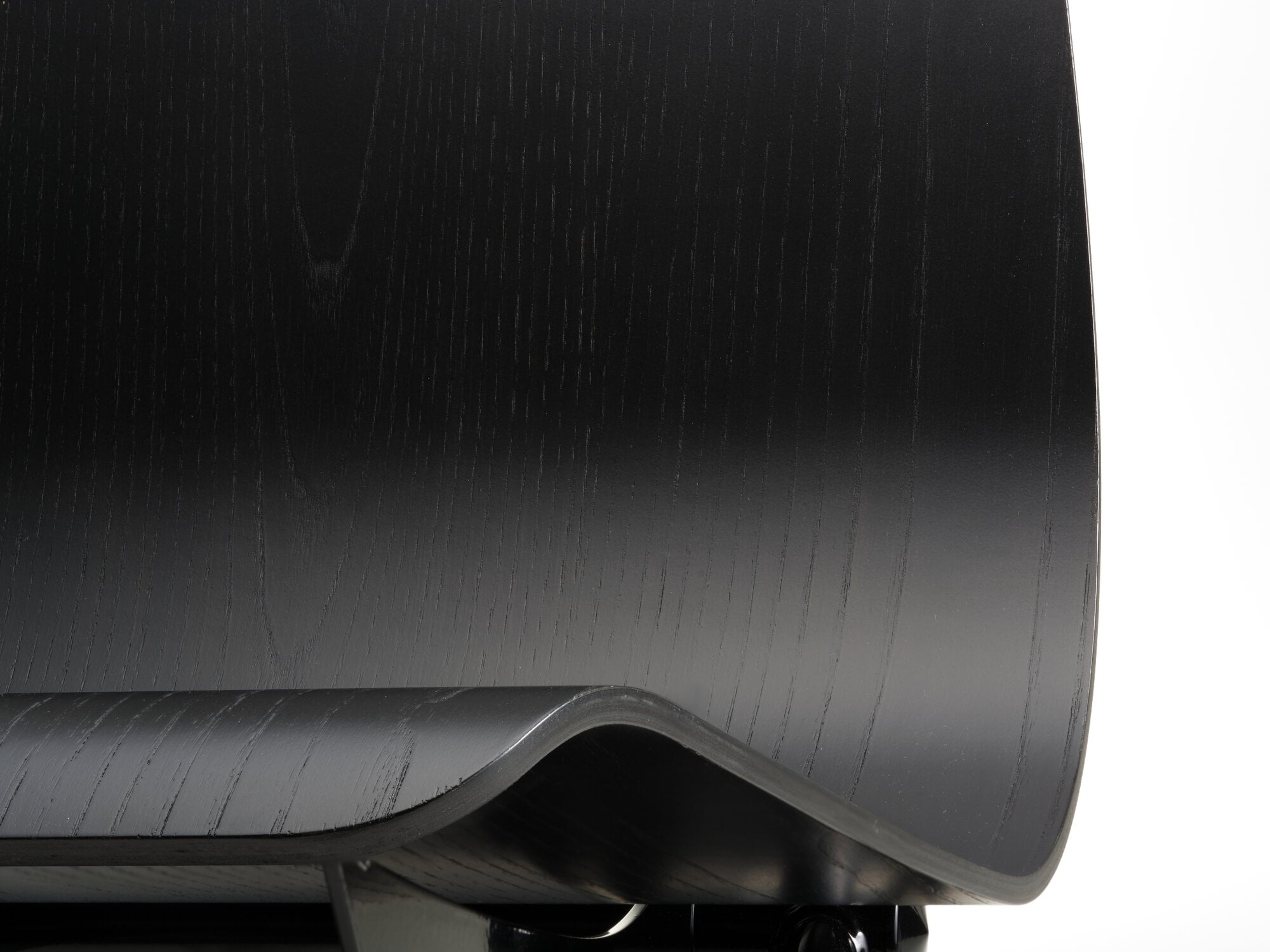
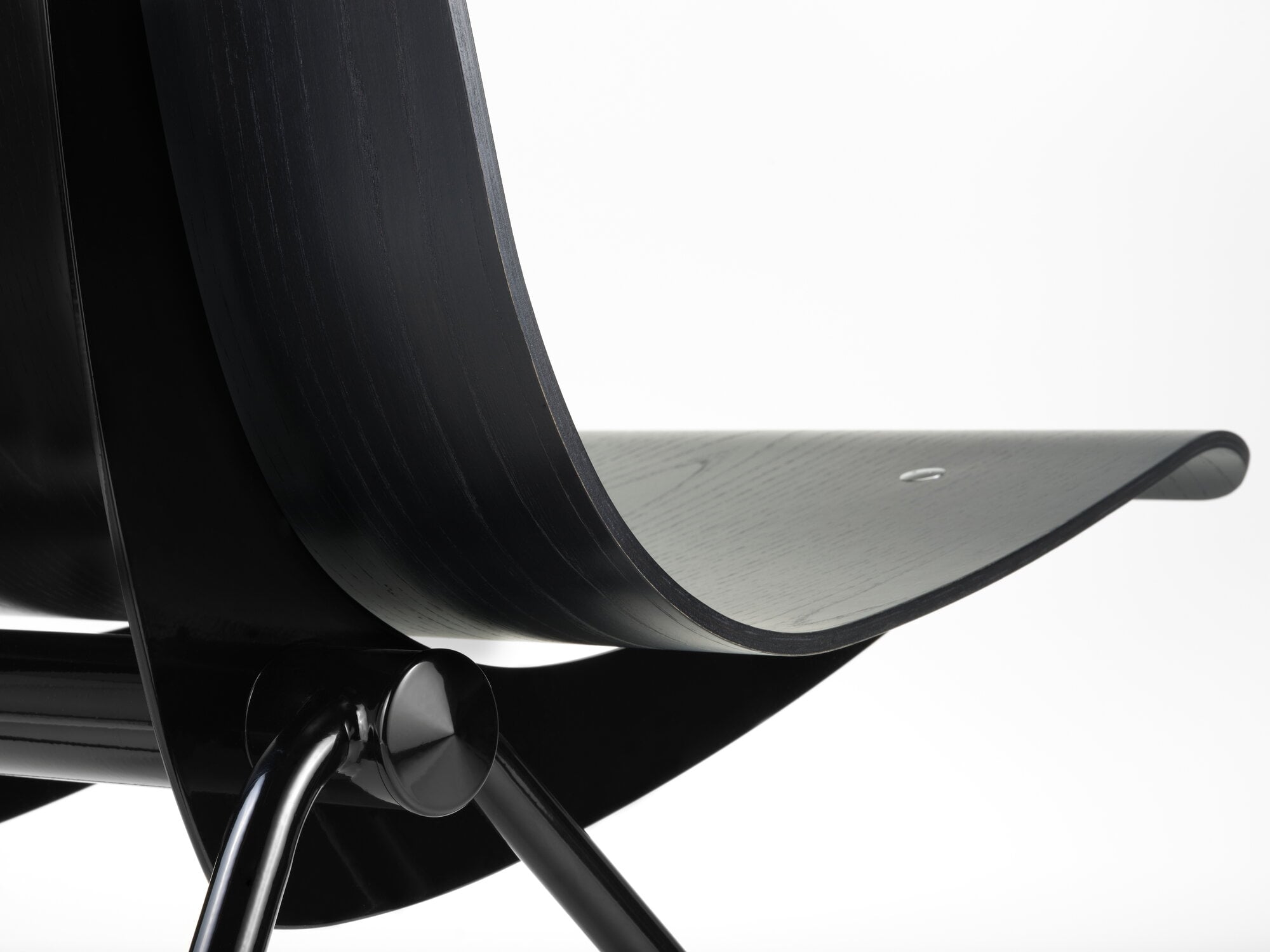
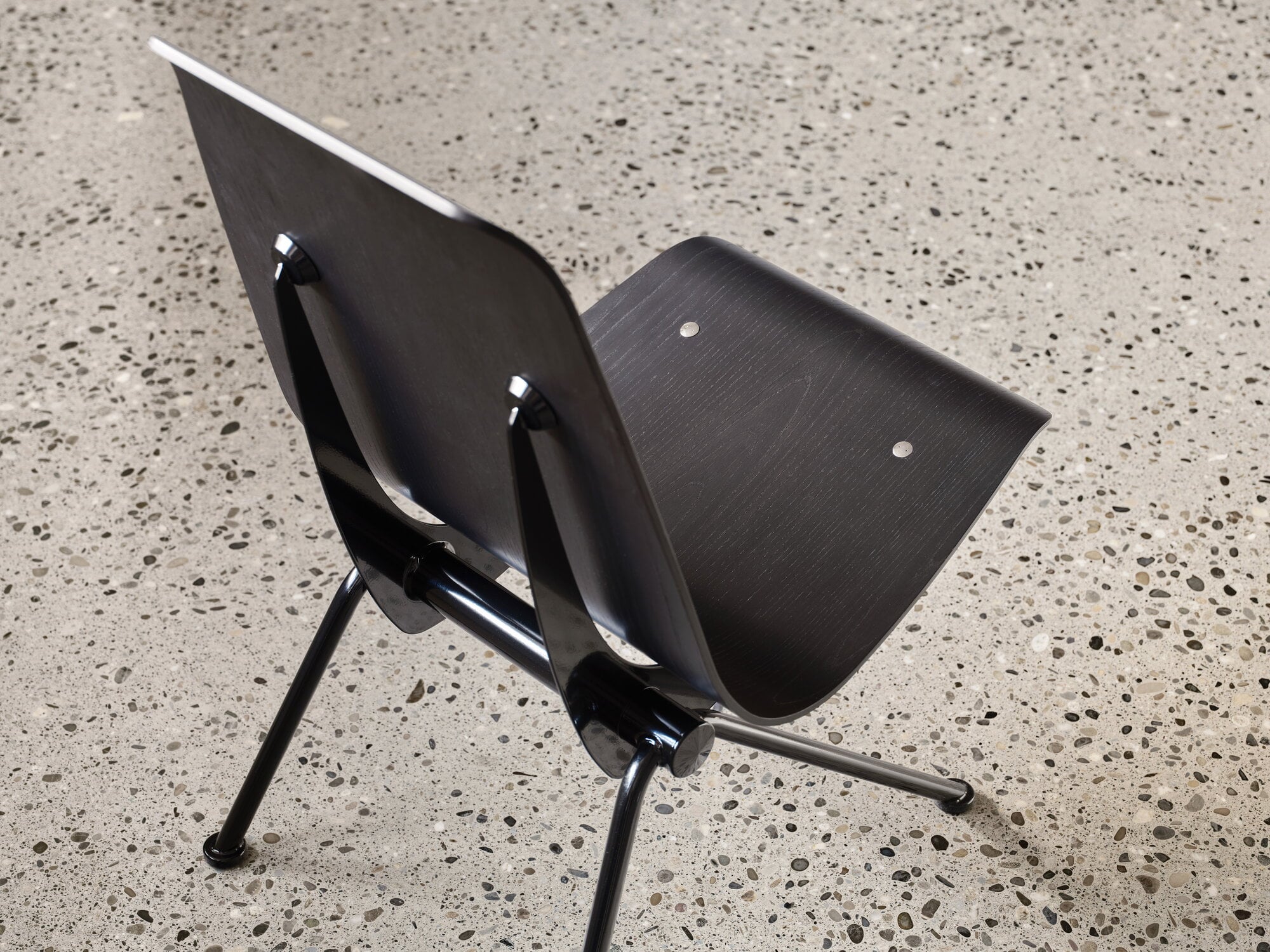
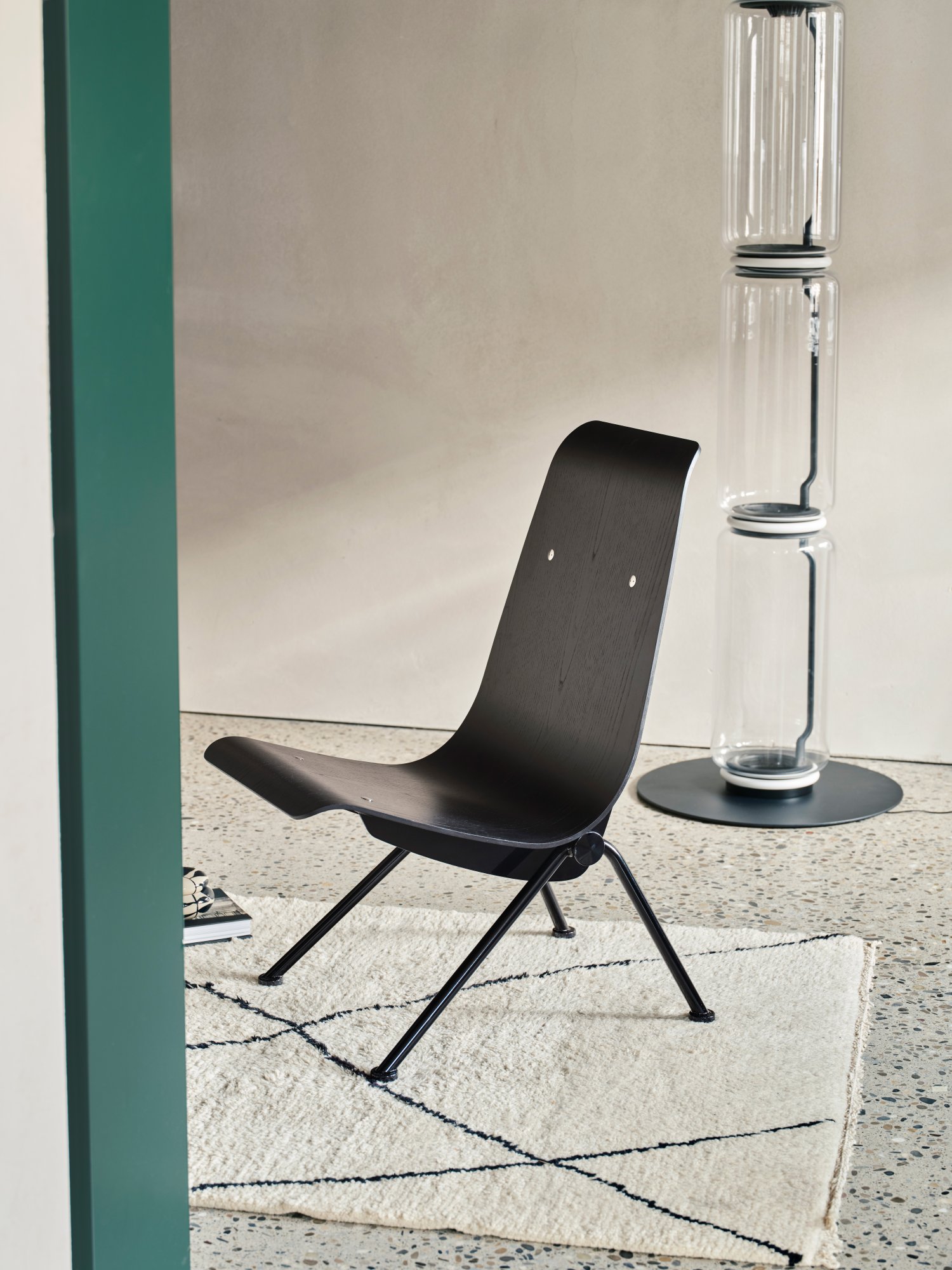
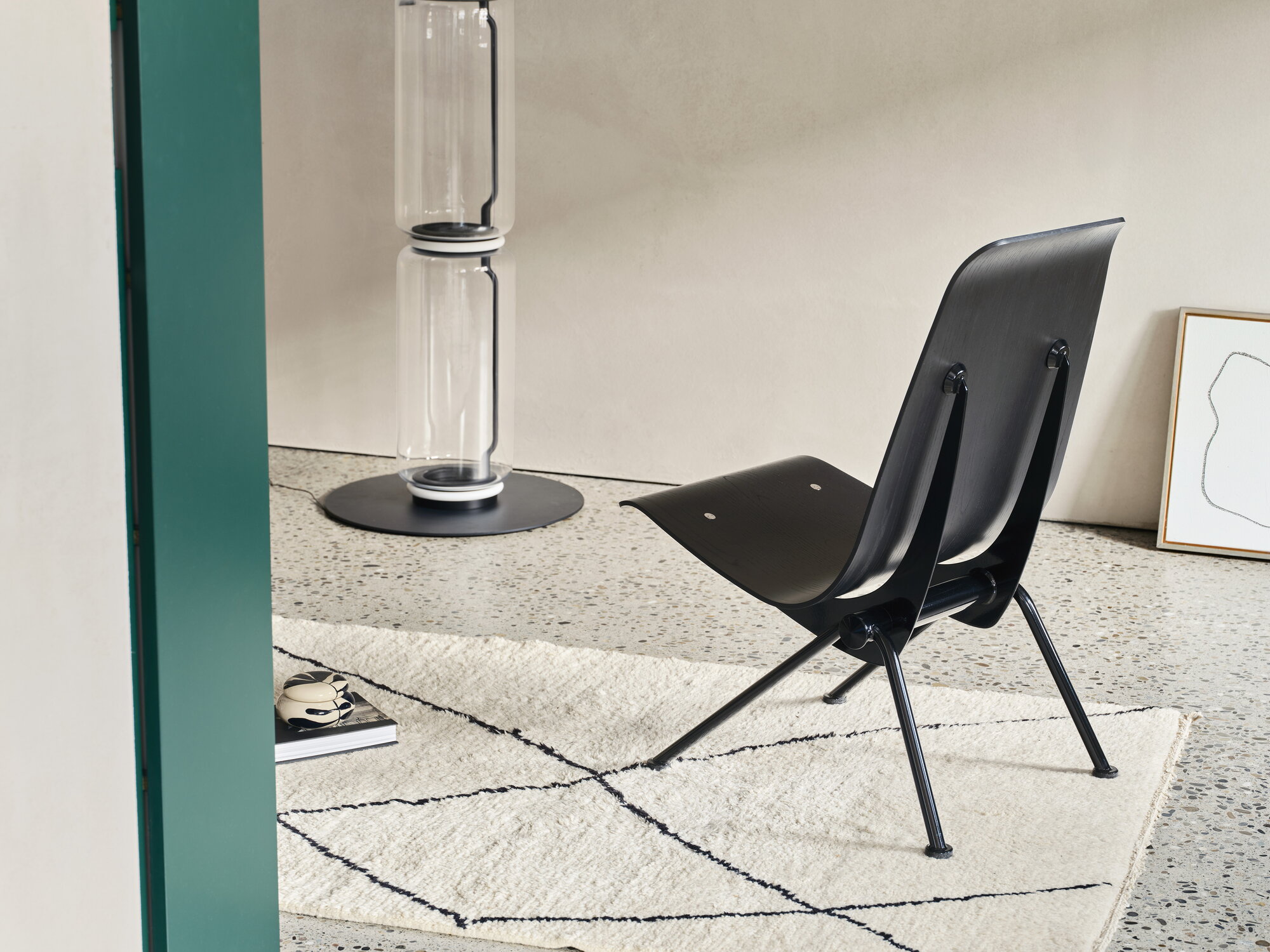
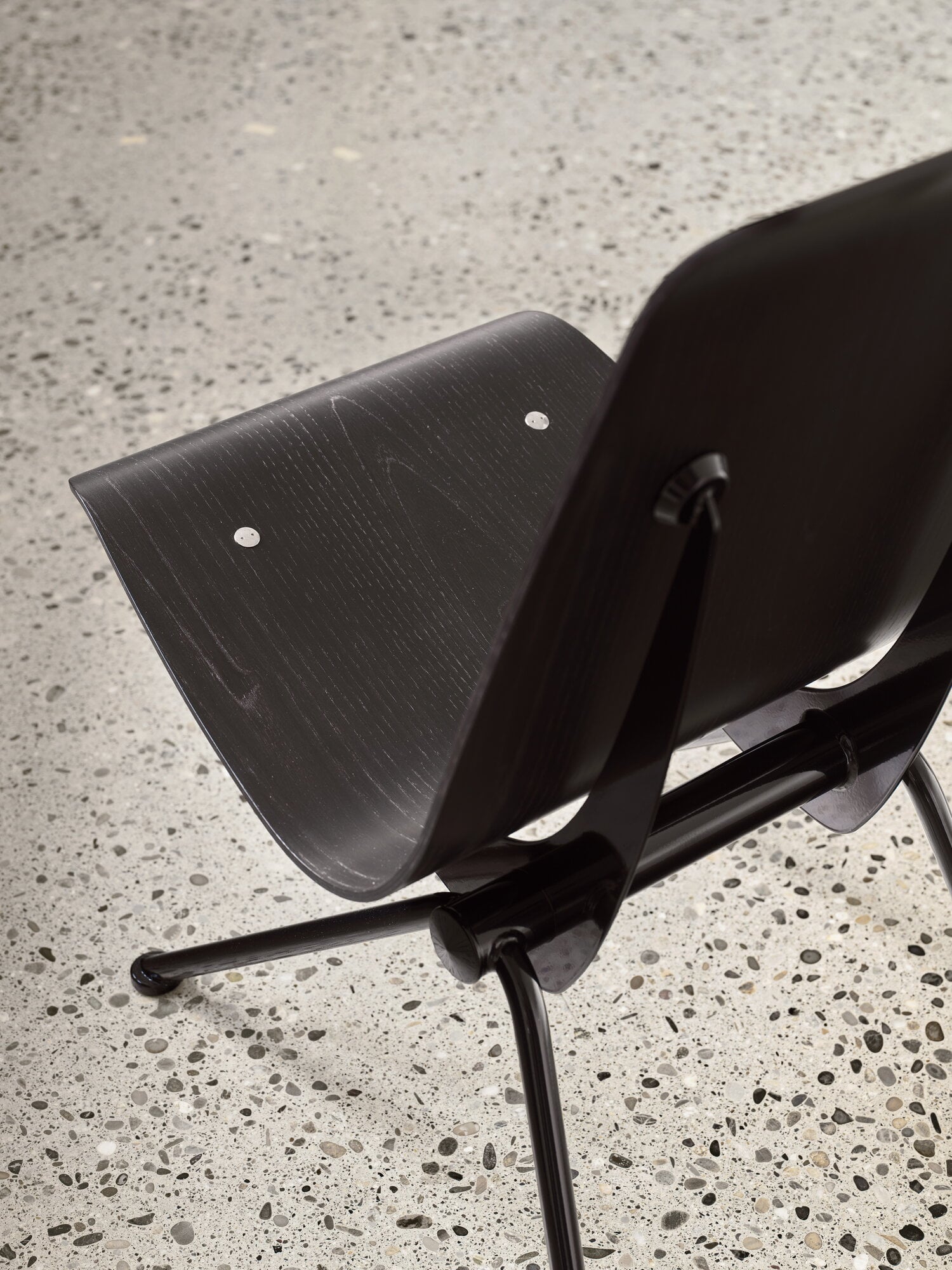
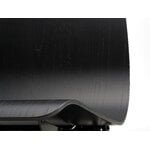
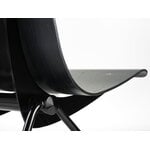
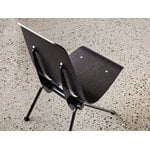
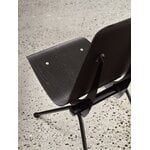
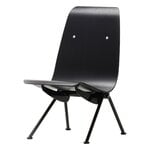
The Antony lounge chair by Vitra is French design legend Jean Prouvé’s tribute to sculptural clarity and functional esthetics. Originally created for the Cité Universitaire student residence in Antony near Paris, the lounge chair enchants with its striking silhouette that is a seamless combination of an industrial-style powder-coated steel frame and a gently curved wooden seat. Made from European pine, each seat shell showcases the natural grain of the wood, giving every chair an organic character.
Designed in the 1950s, Antony is one of Prouvé’s final furniture creations and the first chair to be included in the Vitra Design Museum collection. Now, you have the rare opportunity to bring home a unique piece of design history as the Antony chair is available as a limited and individually numbered edition only until the end of 2026.
- Width: 19.88 in (50.5 cm)
- Depth: 26.42 in (67.1 cm)
- Height: 34.65 in (88 cm)
- Seat height: 12.8 in (32.5 cm)
- Colour Black
- Frame material Powder-coated steel
- Seat material Pine veneered plywood, wax oil finish
- Warranty 10 years
- Product ID: AK41239791
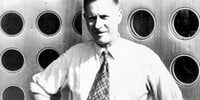
Jean Prouvé (1901–1984) was a French metalworker, engineer and self-taught architect and designer who played a pivotal role in shaping post-war European design and design philosophy. Social equality and accessible, high-quality design were central to Prouvé’s work, and he is especially celebrated as a pioneer of prefabricated architecture, modular furniture and industrial furniture production.
Prouvé’s background in metalwork and engineering is clearly reflected in his most iconic creations, including the Standard chair and EM Table, both now part of Vitra’s collection.
Jean Prouvé – a pioneer of industrial esthetics
Trained as a blacksmith, French designer Jean Prouvé recognized the potential of metal in modern construction from an early stage. In 1924, Prouvé opened his own workshop in Nancy, France, which by the 1940s had grown into an industrial-scale furniture factory.
Throughout his career, Prouvé designed a wide range of furnishings for French public institutions, while his prefabricated Maison Tropicale houses were shipped to French colonies in Africa during the mid-20th century.
Structures in the spotlight
Prouvé’s thinking had a profound influence on post-war European design and the development of prefabricated architecture. To him, there was little difference between a piece of furniture and a house: both were structures that needed to be rational, durable and suitable for industrial production.
During his career, Prouvé collaborated closely with figures such as Le Corbusier and Charlotte Perriand. He was also a member of the Union des Artistes Modernes, a movement that sought to unite art, architecture and industrial production.
Prouvé furniture: forever modern
Folded steel sheets, exposed joints and bolted frames became defining features of Prouvé’s work, creating a clear and purposeful esthetic visible in both his architecture and furniture designs.
Since 2002, Swiss manufacturer Vitra has reissued many of Prouvé’s furniture designs, reinforcing his status as a master of modern design. Among his most celebrated works are the Standard chairs and EM Table, where robust load-bearing metal structures are balanced by lighter elements.
Who: Jean Prouvé
- French designer and architect (1901–1984).
- Originally trained as a blacksmith and expert in metal structures.
- A key figure in post-war European modernism.
- Designed both furniture and prefabricated buildings, including the Maison Tropicale houses.
- Known for the Standard chairs, EM Table, Lampe de Bureau table lamp and Petite Potence wall lamp by Vitra.
Read more in Design Stories
View all products
This product does not yet have a sustainability rating.
Learn more.
Ideas and inspiration
This is a carousel. Use Next and Previous buttons to navigate.