Column: Gardens and other things
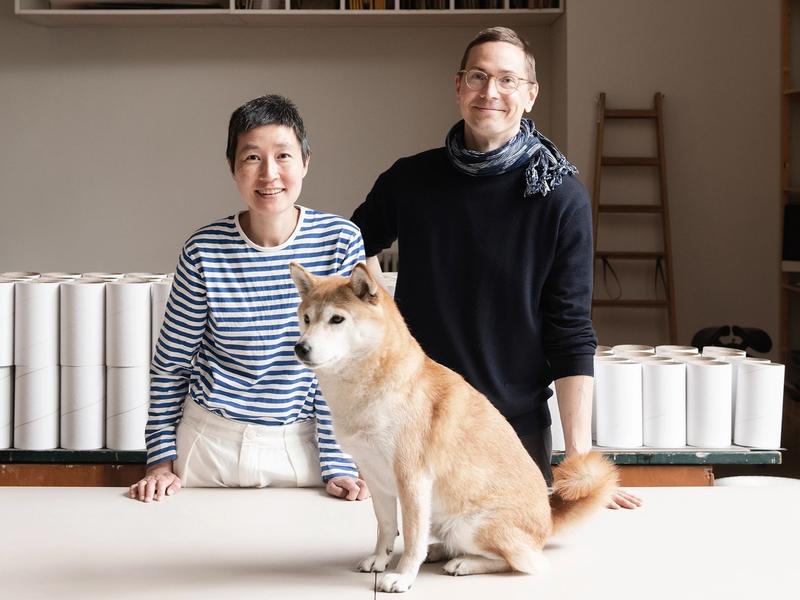
Homes are unique and it takes time to get to know a new one. “Only after we have seen what our life is like in our home can we make safe and sustainable choices,” says Hanna-Katariina Mononen.
I’M STARTING THIS SPRING in a new home where, for the first time in my life, I have a garden of my own. The novelty value makes the garden charming, but it is also a cause of immense impatience. There are so many ways to approach it, and the number of possibilities is insane. Conifers, trees, shrubs, flowers, useful garden plants: I dream about endless perennials and annuals.
I am excited, but increasingly anxious at the same time. The growing season is short, and the lush green hideaway that I suddenly find myself dreaming about would require a Mediterranean climate, knowledge that I don’t have, and time that I only have a very limited supply of. I want it all to be ready at once. Perfect and gorgeous and full-grown, immediately – not twelve years from now.
I hastily gathered seeds of all the prettiest flowers, just to have them ready and waiting, and it felt absolutely necessary to have them even before I’d seen my garden’s first summer. Having sowed numerous varieties without a clear plan, and wondered what kind of shrubs would grow fastest, I began to realize that perhaps it would be best to focus on the broad outlines and do a little at a time. Just tidying up the garden after winter, raking the area and cutting the shrubs and trees makes the garden look better and helps me get settled. Maybe this season, I could focus my resources on just growing a more beautiful and healthier lawn than last year.
“When you settle into a new home, your head starts buzzing. The empty space feels like an endless arena of possibilities.”
When you settle into a new home, your head starts buzzing. Your mind fills up with endless options for remodeling and furnishing, surface treatments and room arrangements. The empty space feels like an endless arena of possibilities. At the same time, an irrational sense of urgency arises: everything should be done already. You should start renovating before you have even had a night’s sleep at the the new home, and all furniture should be acquired at once so that you can complete every item on your imaginary to-do list.
My suggestion is: ask yourself, why all the rush? What if there were no destination, but the journey itself would be the only thing that matters – or better yet, no journey at all as you are already there. I know this sounds like an aphorism, thrown around on loose grounds. But it is offered to you by someone who intends to treat the surfaces and install new roof panels, patch and paint the walls, sand and varnish the parquet, renovate the kitchen and bathroom, and replace the windows, but who, at the same time, feels she’s very much already there. The home already exists, so it is ready.
“Plants take their time to settle into the places you make for them in the garden. In the same way, getting familiar with a space takes time, much like an apple tree.”
Plants take their time to settle into the places you make for them in the garden. They gradually adapt to the soil and the passage of light. In the same way, getting familiar with a space takes time, much like an apple tree. Most homes resemble each other, but each one is still completely unique. The ceiling height makes a huge difference in atmosphere, as do the direction of sunrise and the room you can watch sunset from, the way you walk to the kitchen and the last thing you see before going to sleep. These are all things that you can only understand when you have become rooted in the soil and stayed put, taking in your surroundings.
Just because something can be changed doesn’t mean it must be changed. Only after we have seen what our life is like in our home can we make safe and sustainable choices. I have said many times myself that the temporary provides an invaluable lesson in how to tolerate incompleteness. That said, it has a somewhat unpleasant ring to it. Crossing the magical limit into peace is more a matter of being able to observe the space with a new gentleness than gritting your teeth and violently tolerating it. Every detail may not be exactly as you would like it to be, but I dare say that in most situations, it is already good as it is. Changes can come at a calm pace once we are ready for them and have enough certainty in our lives to make the required choices.
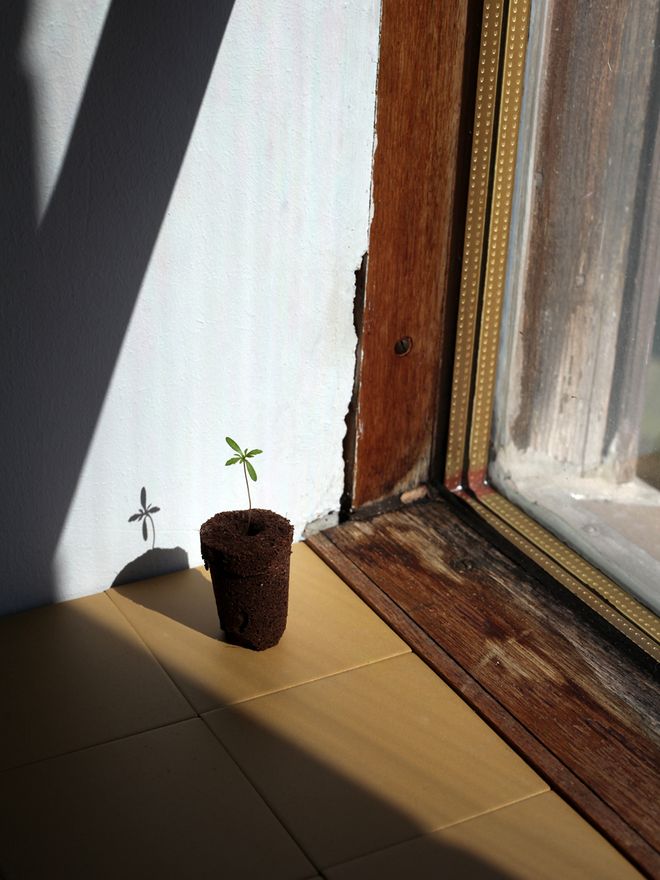
The apple tree seedling certainly brought joy to my father twelve years ago, but at present, the joy has multiplied. In most cases, time and patience bear fruit — be they real or symbolic.

The author, Hanna-Katariina Mononen, reflects on the issues of a beautiful and sustainable life in her monthly column for Design Stories. She thinks that just like in life, in the home, the most beautiful parts are unplanned – and often relatively ordinary as well.
Text and image: Hanna-Katariina Mononen
Published on 30 Apr, 2021