This is a carousel of product images. Use the thumbnails or swipe to change the displayed image, and activate an image to open it full screen.
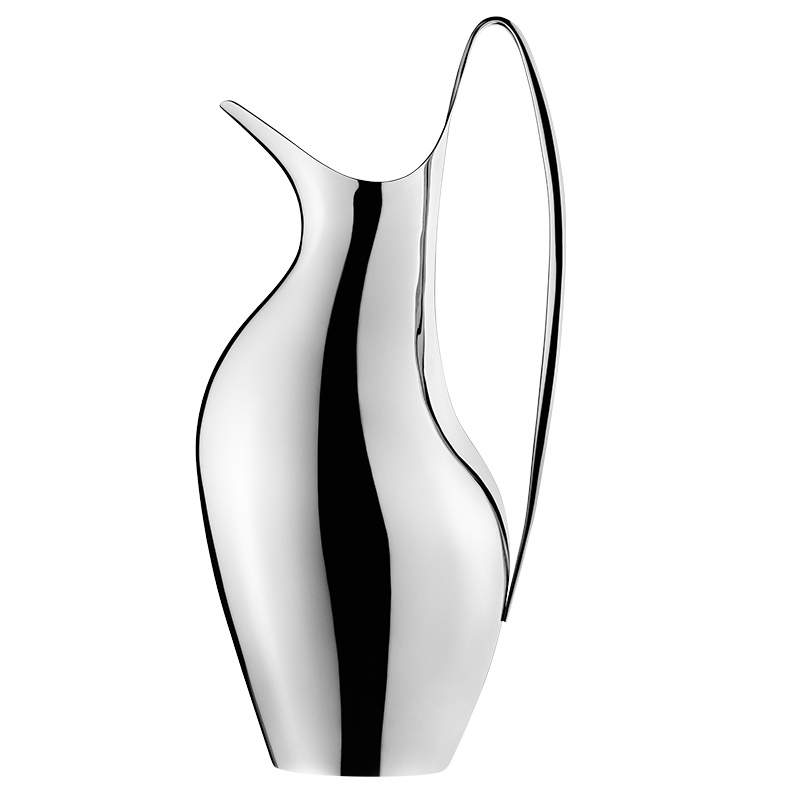
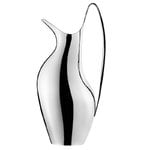
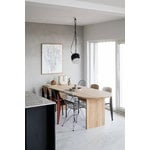
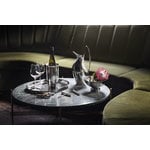
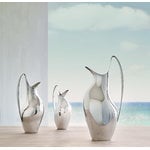
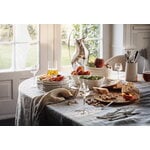
HK pitcher 1,2 L
Description
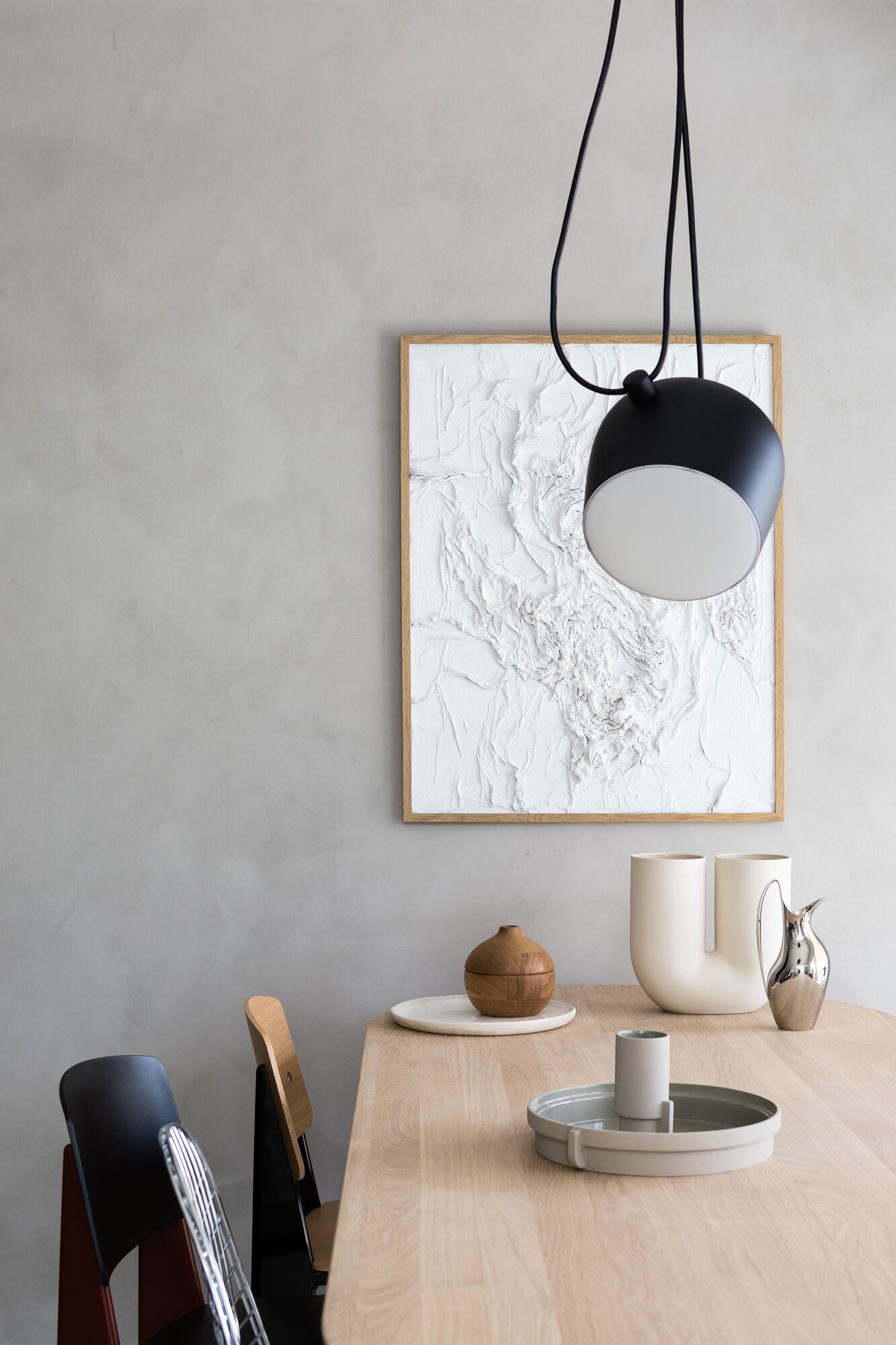
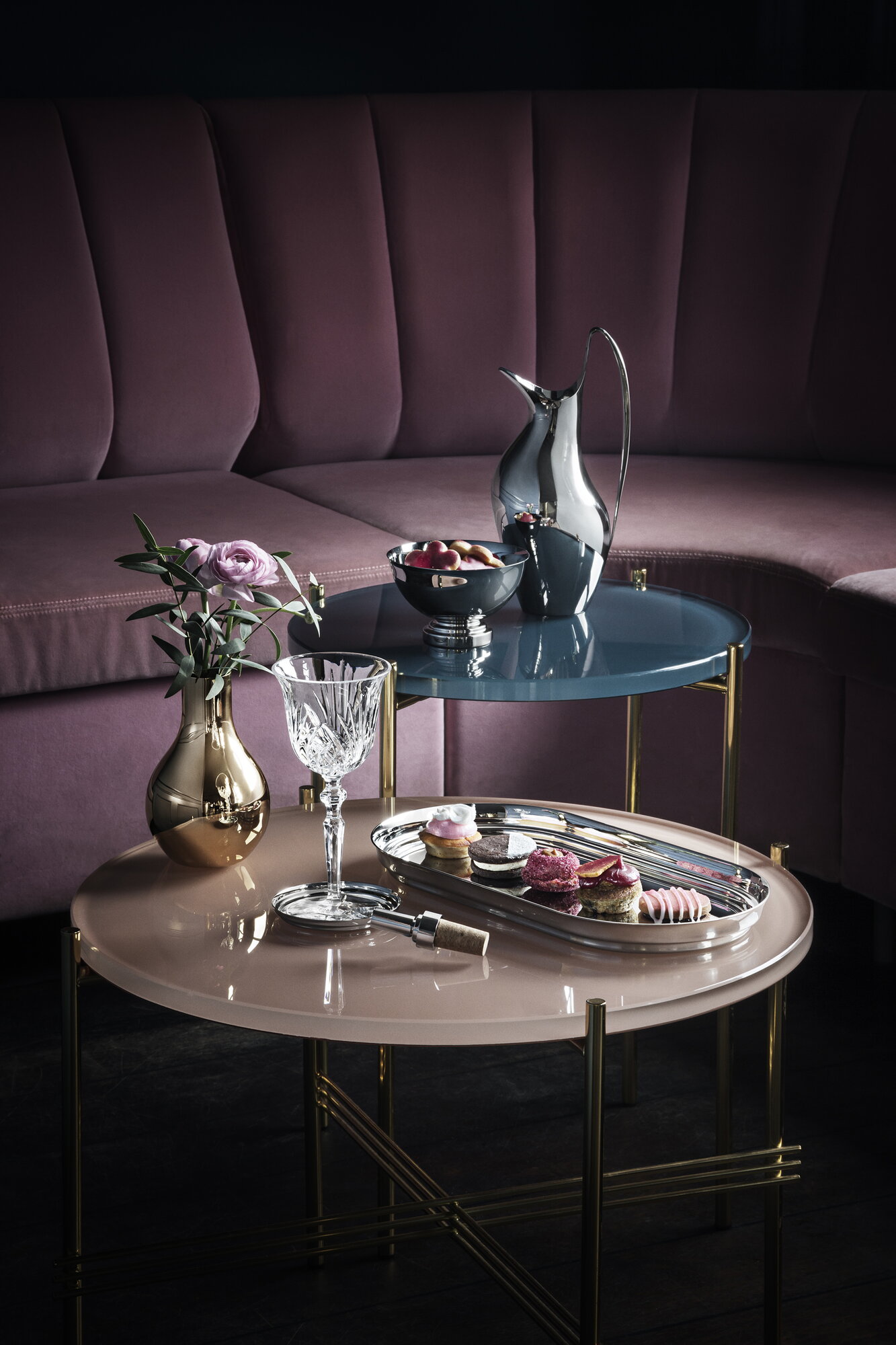
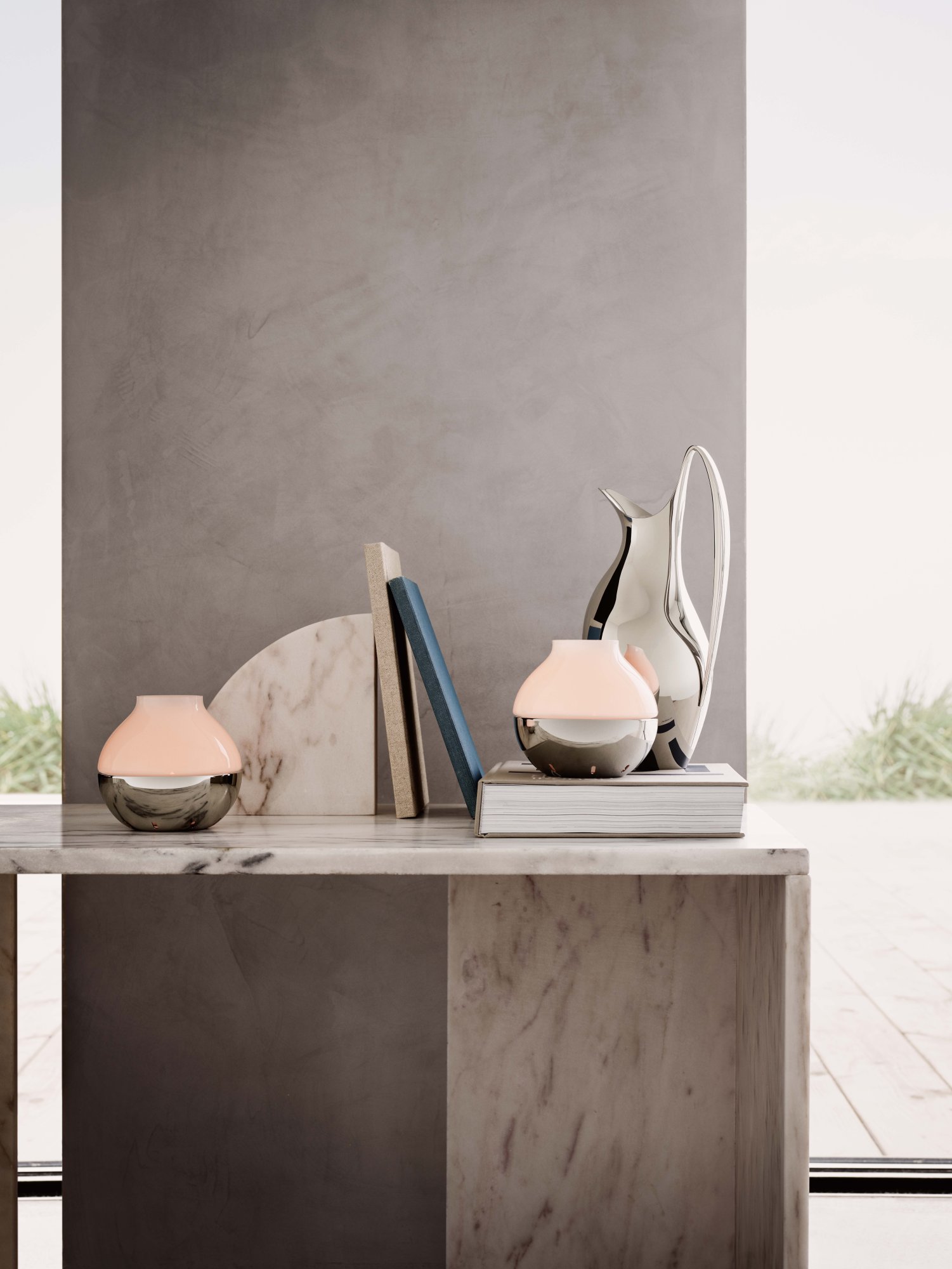
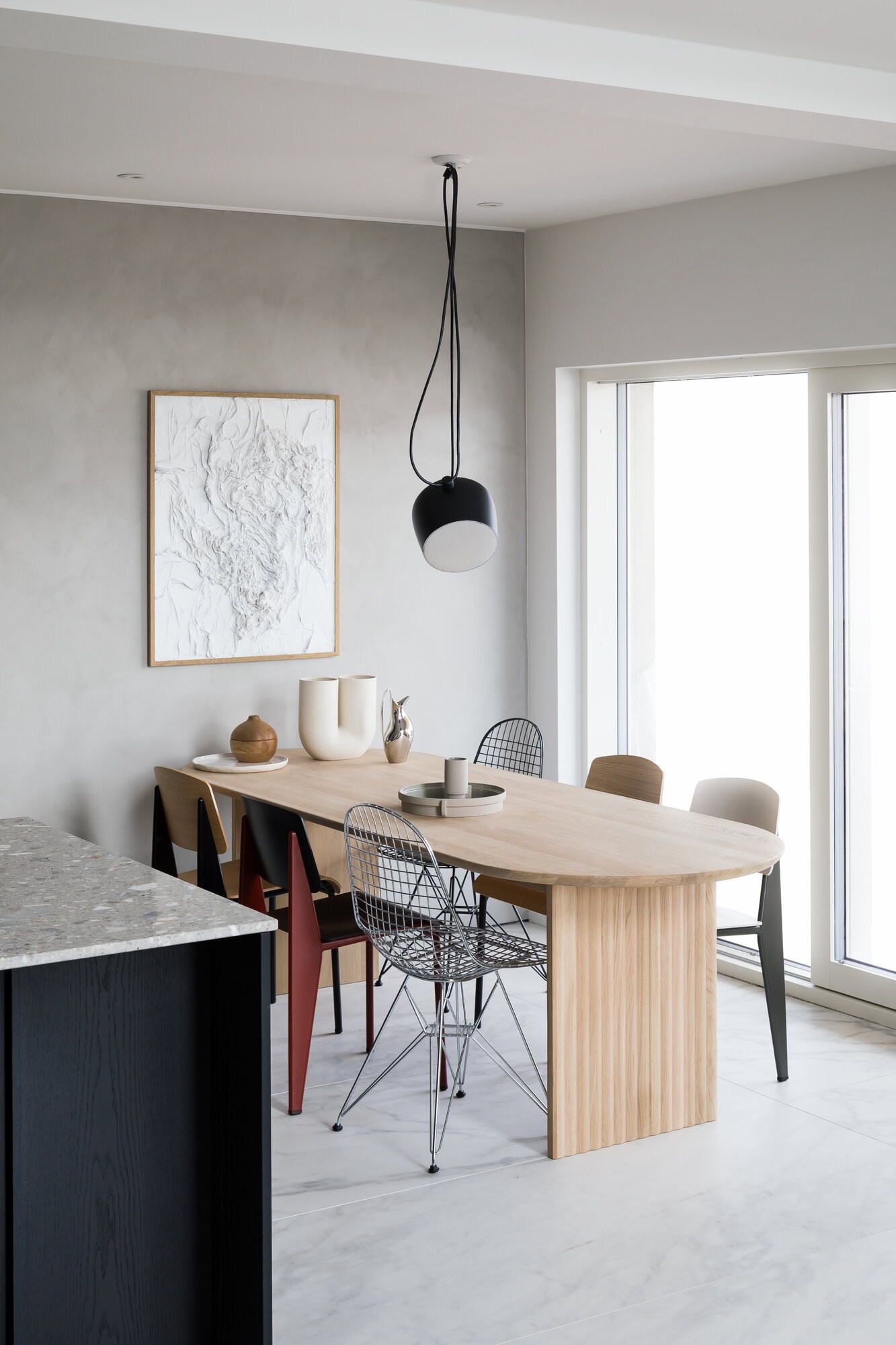
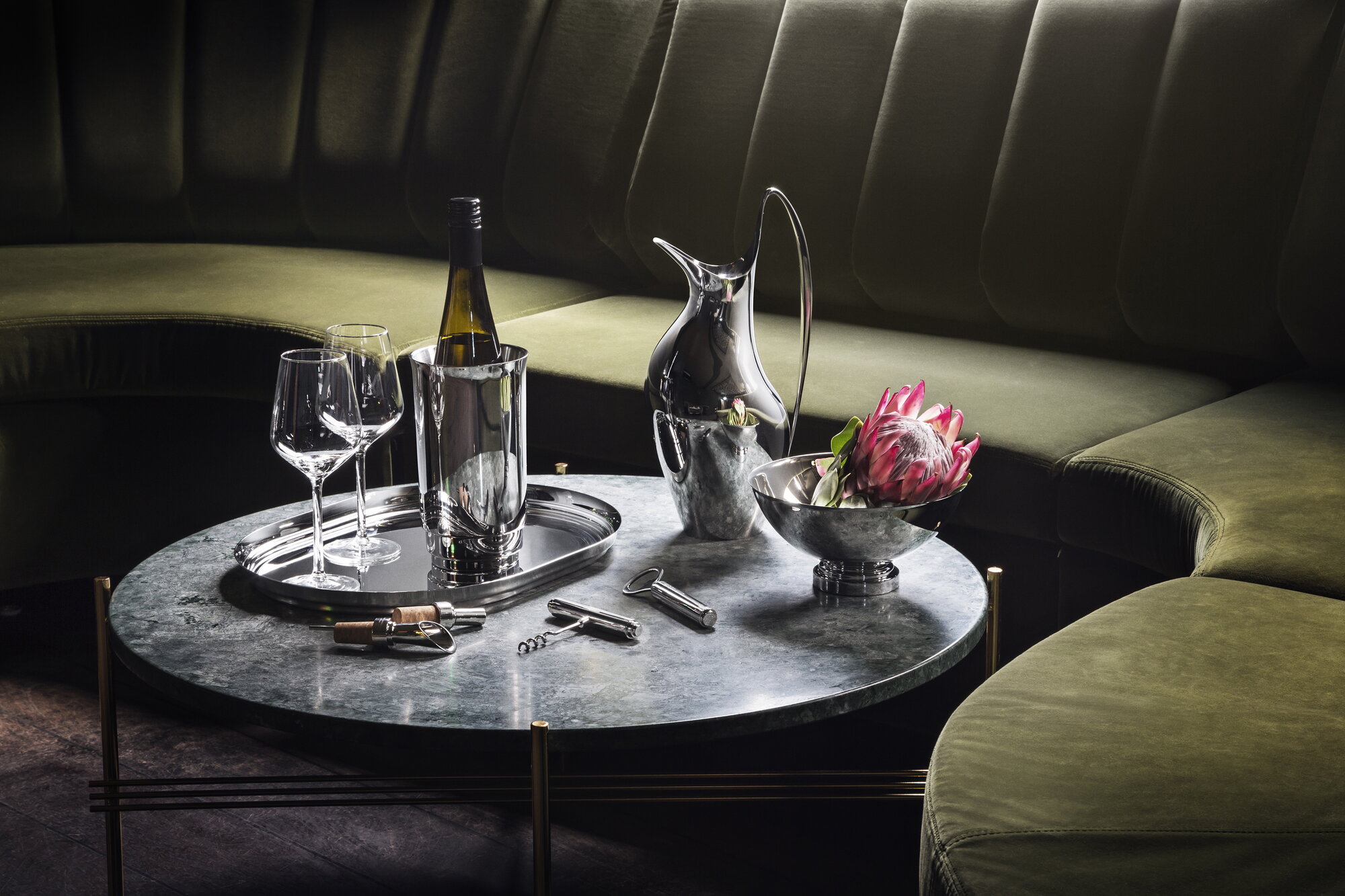
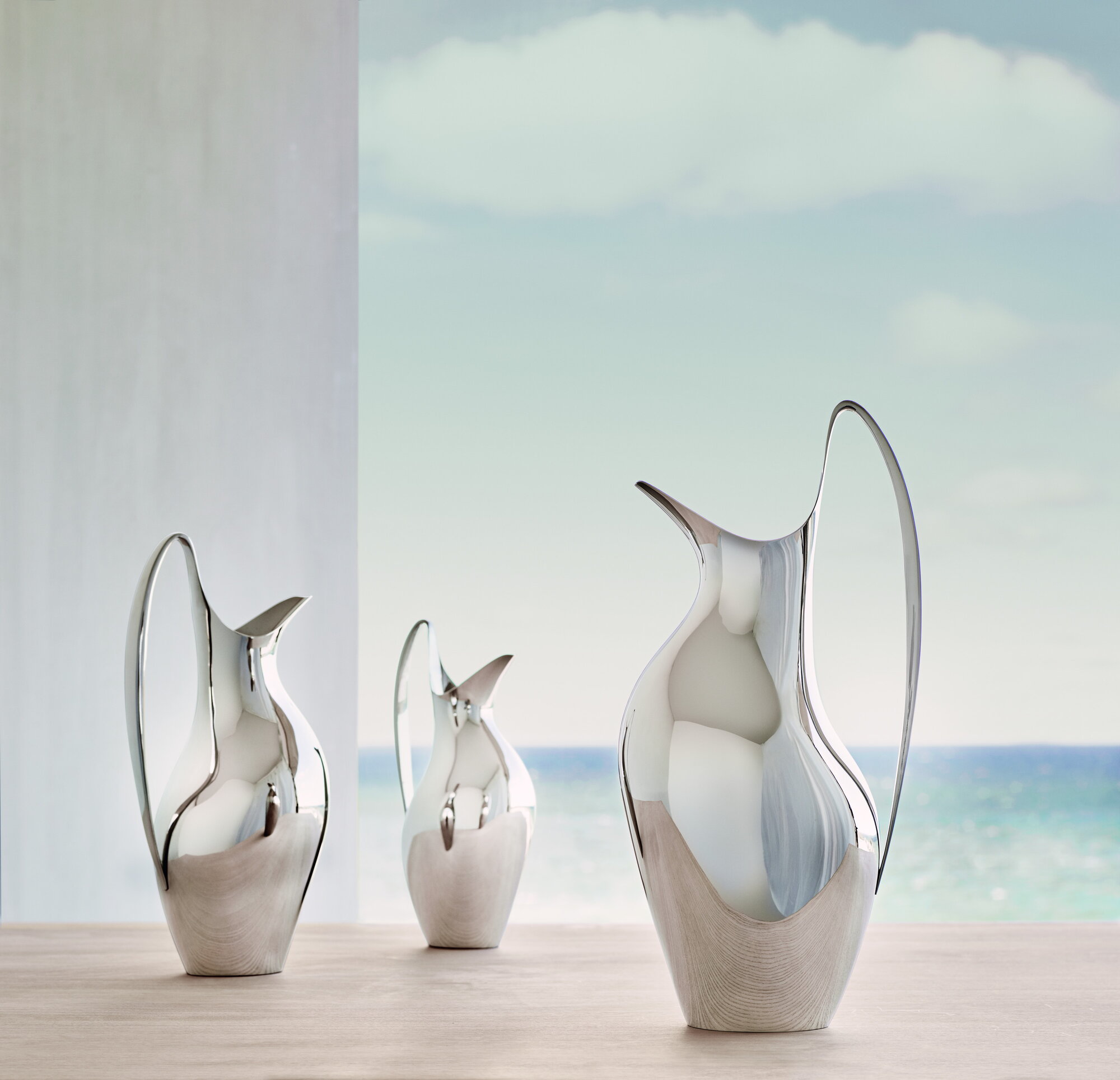
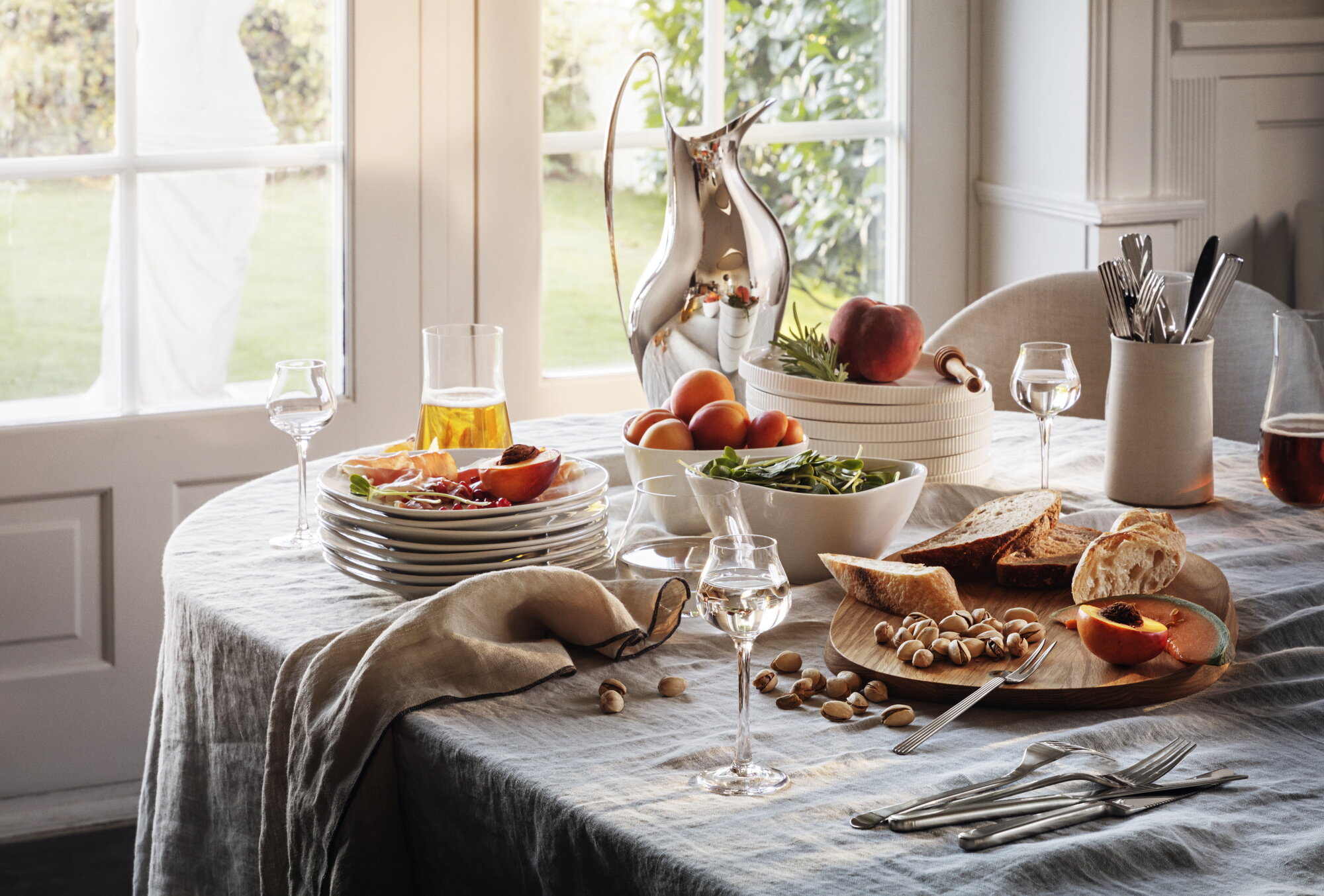
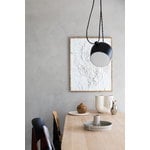
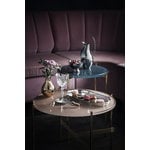
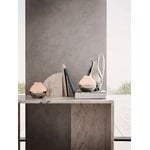
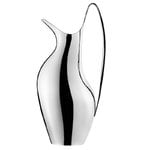
Henning Koppel designed the iconic HK pitcher for Georg Jensen in 1952. The elegant pitcher features a slim, long handle and exaggerated lip. When not in use, the pitcher makes an attractive decoration for the kitchen or dining room. HK pitcher is made of mirror polished stainless steel and available in several sizes.
- Width: 10.7 cm
- Height: 29 cm
- Capacity: 1.2 l
- Material Mirror polished stainless steel
- Product ID: GJ3586663
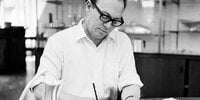
Henning Koppel (1918-1981) was a Danish designer and well-known as an earlier pioneer of functionalism in design. He studied drawing and aquarelle, and later on concentrated on sculpture at the Royal Danish Academy and then in Paris. Koppel came from a Jewish family and like many Danish Jews lived in Sweden during the Second World War.
While there he designed for Orrefors Glassworks, internationally renowned for their unique glass articles, art glass and household glass. When he went back to Denmark, Koppel began working at Georg Jensen, which marked his start in jewellery, hollowware and flatware design. His first works – a series of necklaces and bracelets resembling whale vertebrae and microscopic organisms – were small masterpieces in imaginative modeling. Henning Koppel was in every way groundbreaking and his jewellery was unlike anything ever created at the silver smithy in its first 40 years. During his carrier, Henning Koppel created an astonishing range of work: from stainless steel cutlery to magnificent one-off signature pieces such as the silver and crystal chandelier he designed to celebrate the 75-year anniversary of Georg Jensen in 1979. The HK pitcher and Caravel cutlery are among the most famous pieces he designed for Georg Jensen. Elegant and functional, both the pitcher and Caravel cutlery were originally produced in sterling silver, but are nowadays manufactured from stainless steel. Koppel designed also clocks and lighting for Louis Poulsen and postage stamps for the Danish Post Office. During his life, he won many awards including three Gold Medals at the Milan Triennial, the International Design Award of the American Institute of Designers and the Lunning Prize. Koppel’s works are represented in numerous museums worldwide.
View all products4.75
Based on 4 reviews
-
I
Indre S | Verified Customer
Kaunas, Republic of Lithuania

wonderful!!!
2 years ago
-
A
Anonymous | Verified Customer
Lisbon, Portugal

Gorgeous!
2 years ago
-
Z
Zeynep C | Verified Customer
Giessen, Germany
Absoluter Klassiker und wundervolles Accessoires für den Esstisch. Ein Muss für jedes Zuhause.
2 years ago
Ideas and inspiration
This is a carousel. Use Next and Previous buttons to navigate.