Inside the world of Alberto Alessi
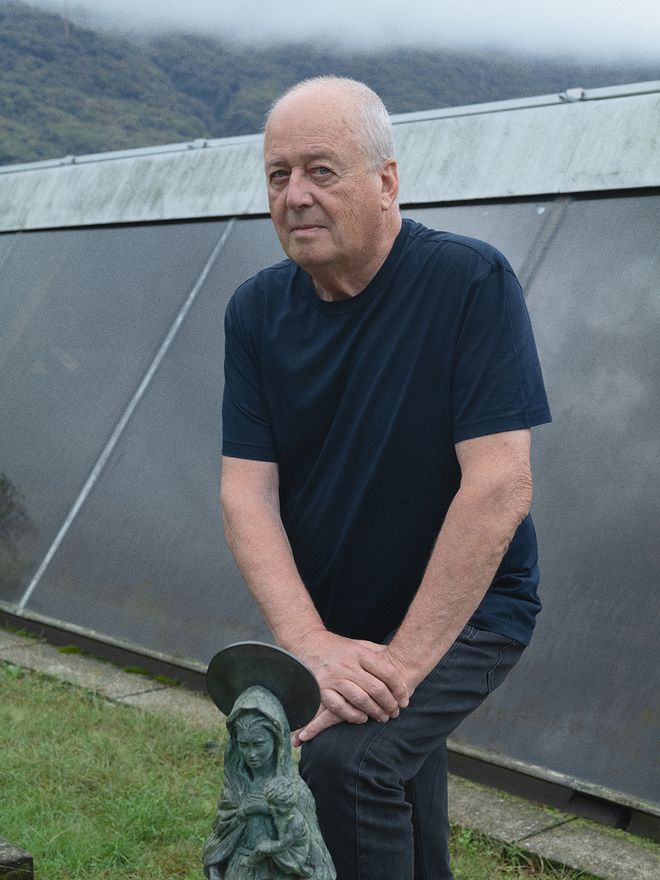
Alberto Alessi has led the company since 1970, helping transform Alessi into one of the most interesting companies in the world of design.
Who: Alberto Alessi
Born in 1946 in Arona, Italy
Joined the family company Alessi in 1970 after studying law
Third-generation leader of the company founded by his grandfather Giovanni Alessi
Known for building Alessi’s international network of designers and architects
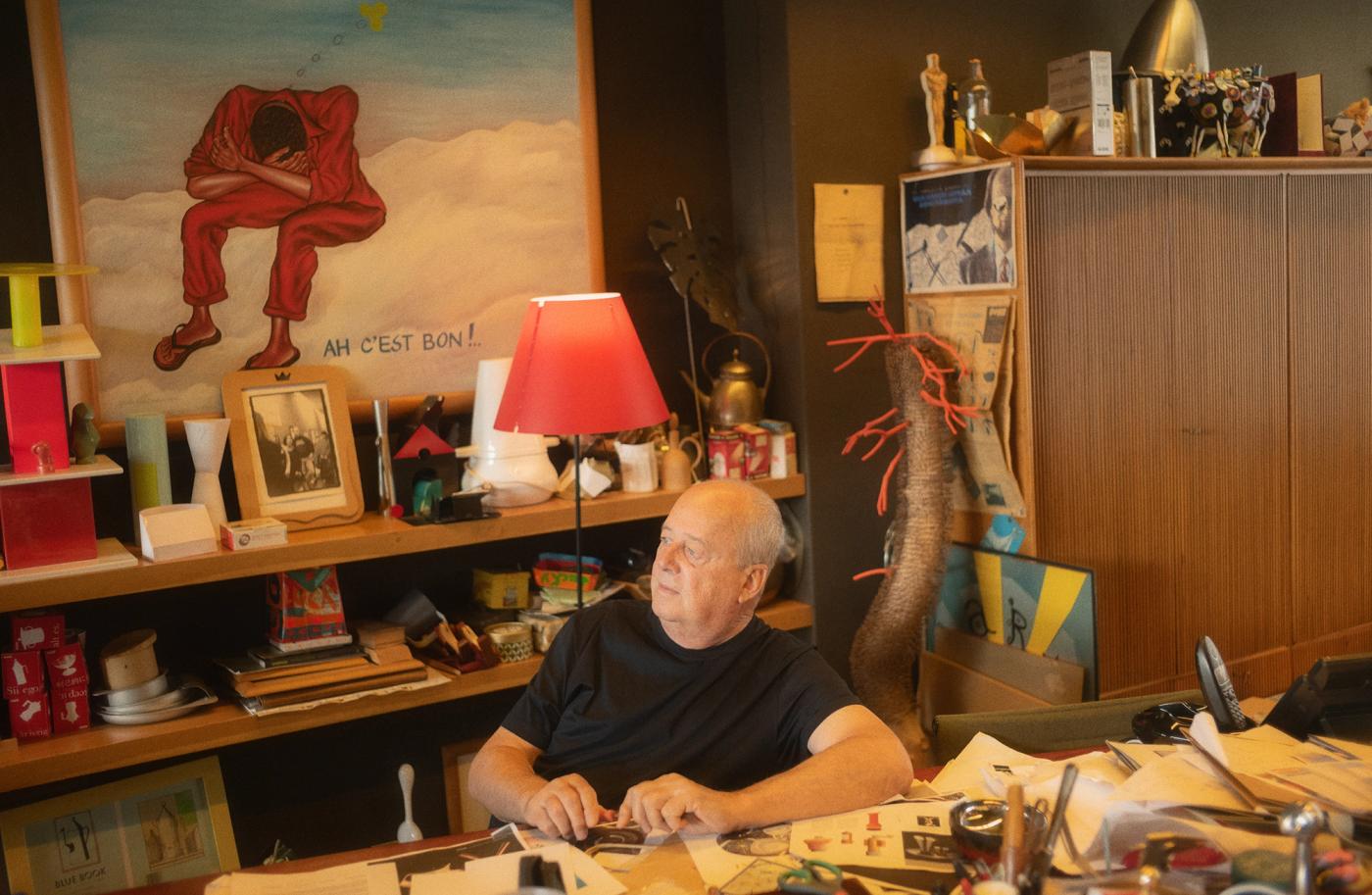
Under Alessi’s leadership, the company evolved into a “design factory” from the 1970s onwards, collaborating with designers from around the world.
ALBERTO ALESSI’S office in Omegna, in northern Italy, looks exactly like the kind of place where a design company has been run for decades. The room is filled with objects: prototypes, artworks, photographs, newspaper clippings and memories collected over a lifetime. Papers and handwritten notes cover the desks, forming small piles of ongoing ideas.
Despite the abundance of things, the atmosphere feels calm and intimate. The walls are painted a deep brown, and large windows open toward the lush hills surrounding Lake Orta.
Alessi sits behind his desk in an Eames office chair, speaking slowly and thoughtfully. At times he pauses for several seconds before answering a question, as if carefully weighing each thought. His bright blue eyes remain attentive and curious, and the conversation often turns humorous.
For more than five decades, Alberto Alessi has guided the company founded by his grandfather into one of the world’s most influential design brands. When he joined the family business in 1970, the atmosphere of the company felt, as he puts it, “a bit too grey.” His ambition was simple: to bring more joy, color and experimentation into the world of everyday objects.
Later, the story continues through photographs taken at Alessi’s home and vineyard overlooking Lake Orta. It’s a place where the longtime design impresario now spends much of his time.
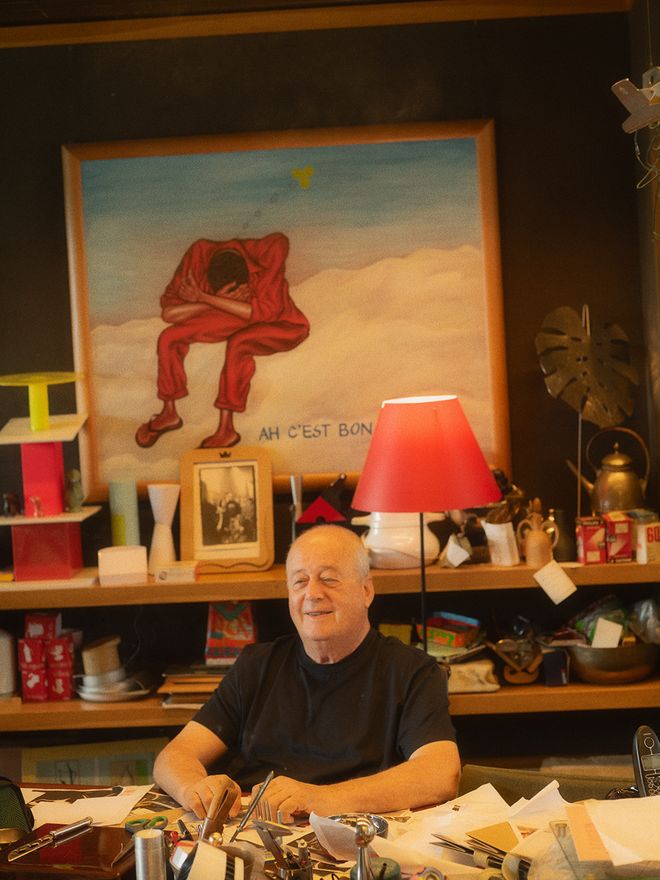
A painting in Alessi’s office carries a detail: “Ah c’est bon!”
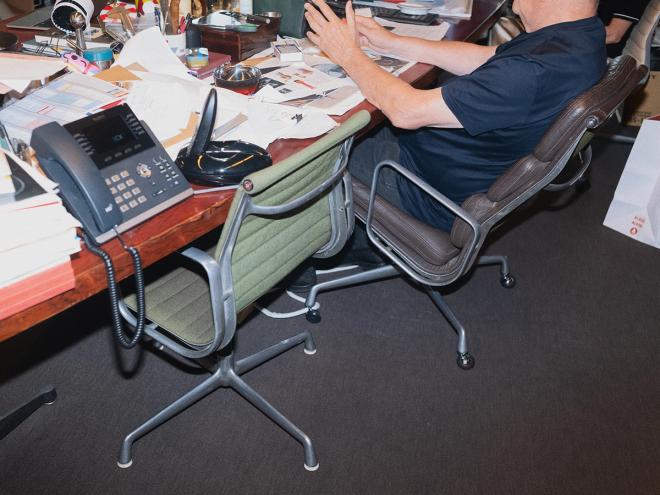
Over the course of his career, Alberto Alessi has collaborated with hundreds of designers.
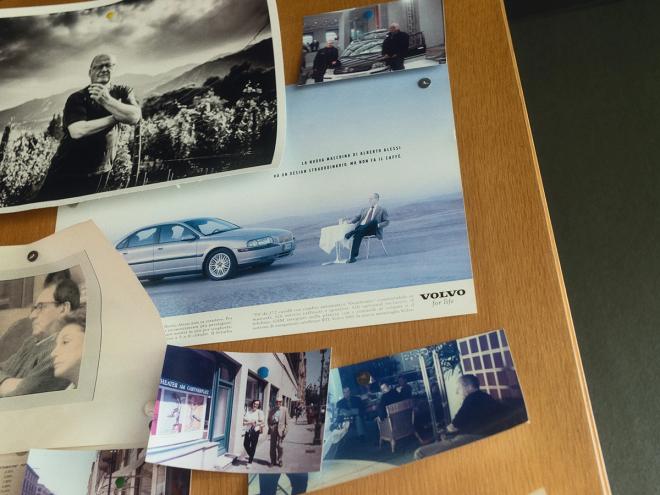
A pinboard is covered with photographs and newspaper clippings gathered over the years.
Thank you for welcoming us here in Omegna today! Alessi has always been a family company. What are your earliest memories connected to it?
“My earliest memory is from when I was two or three years old. At that time my parents and I lived in a small house very close to the factory. Every day at noon my father would walk home for lunch.
I was just learning to walk, and one day my mother encouraged me to walk toward him. It was the first time I walked by myself. I remember it very clearly.
Later, when I was about 14 or 15, my father brought me to the factory during the summer holidays. I worked in the mechanical workshop for two weeks. The workers gave me a block of steel and a file and asked me to start filing it.
The following year I came back. Not very happily, because I thought the work was quite boring. When I entered the workshop, they handed me the same steel block I had worked on the year before. Of course, they were laughing.”
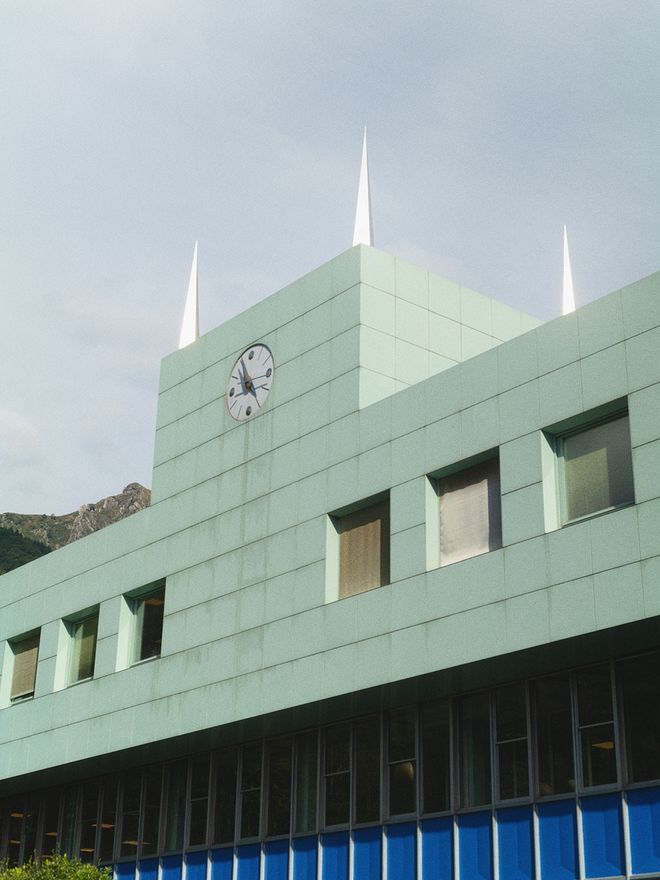
Alessi’s office and factory are located in Omegna in northern Italy, close to Lake Orta and not far from the famous lakes Maggiore and Como.
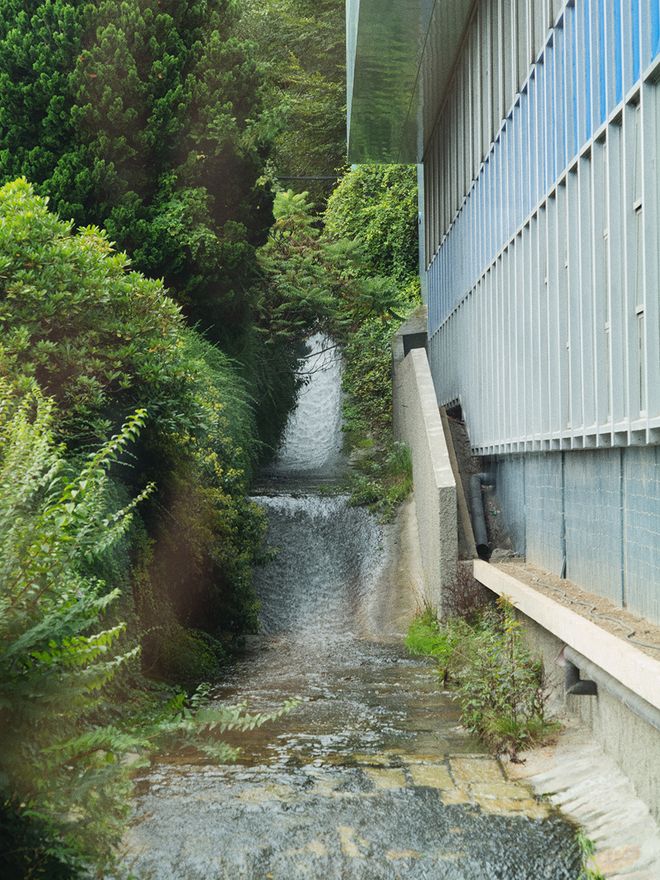
A small stream runs beside the entrance to Alessi’s headquarters, its flow changing with the seasons and rainfall.
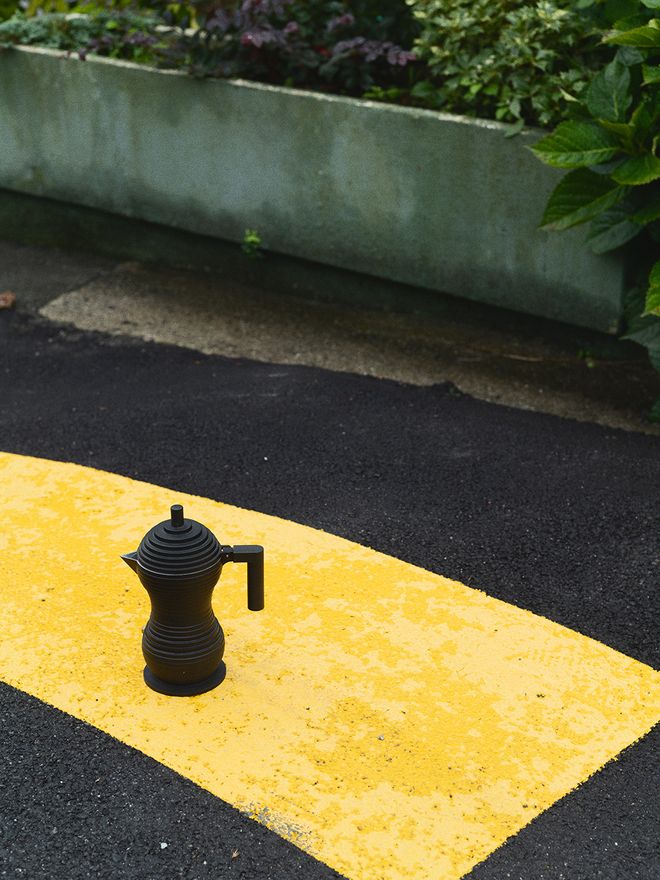
Alessi produces a wide range of household objects, from tableware to kitchen tools, many of which have become contemporary design icons.
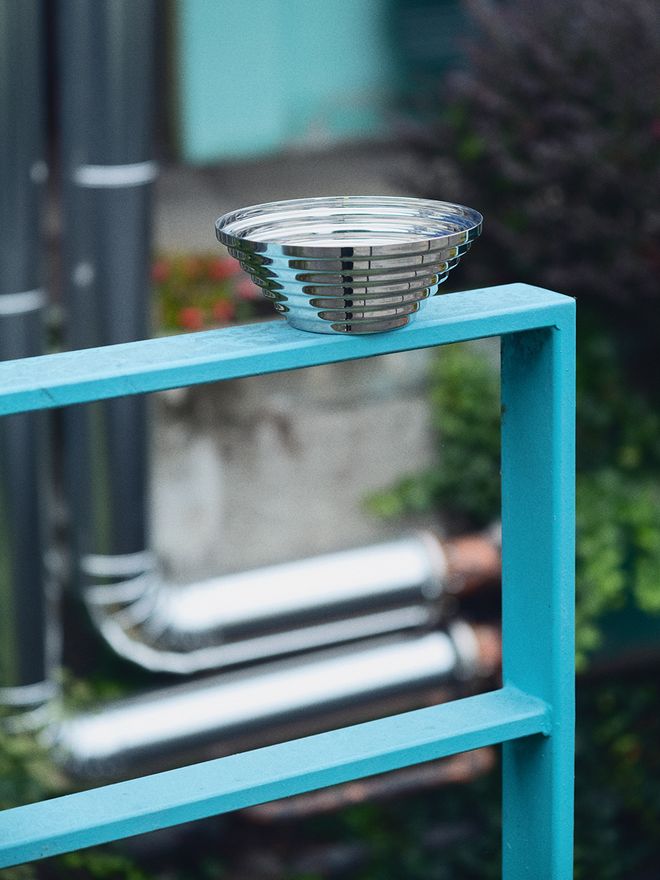
Most of Alessi’s stainless steel products are still manufactured at the company’s own factory in Omegna.
You joined the family company in 1970. What did Alessi feel like at that time?
“When I started working at Alessi, I felt the atmosphere was a bit too grey. The showroom was full of stainless steel objects with matte surfaces or mirror surfaces – everything grey.
I wanted to bring a little happiness and color into the spirit of the company.
Design collaboration was already part of the company’s culture. My father Carlo had designed several products himself in the early 1930s, and after the Second World War he began inviting outside designers to collaborate with us. So when I joined the company in the 1970s, the direction was already clear. I didn’t invent design at Alessi.”
“When I started at Alessi, everything felt a bit too grey. I wanted to bring some happiness and color into the spirit of the company.”
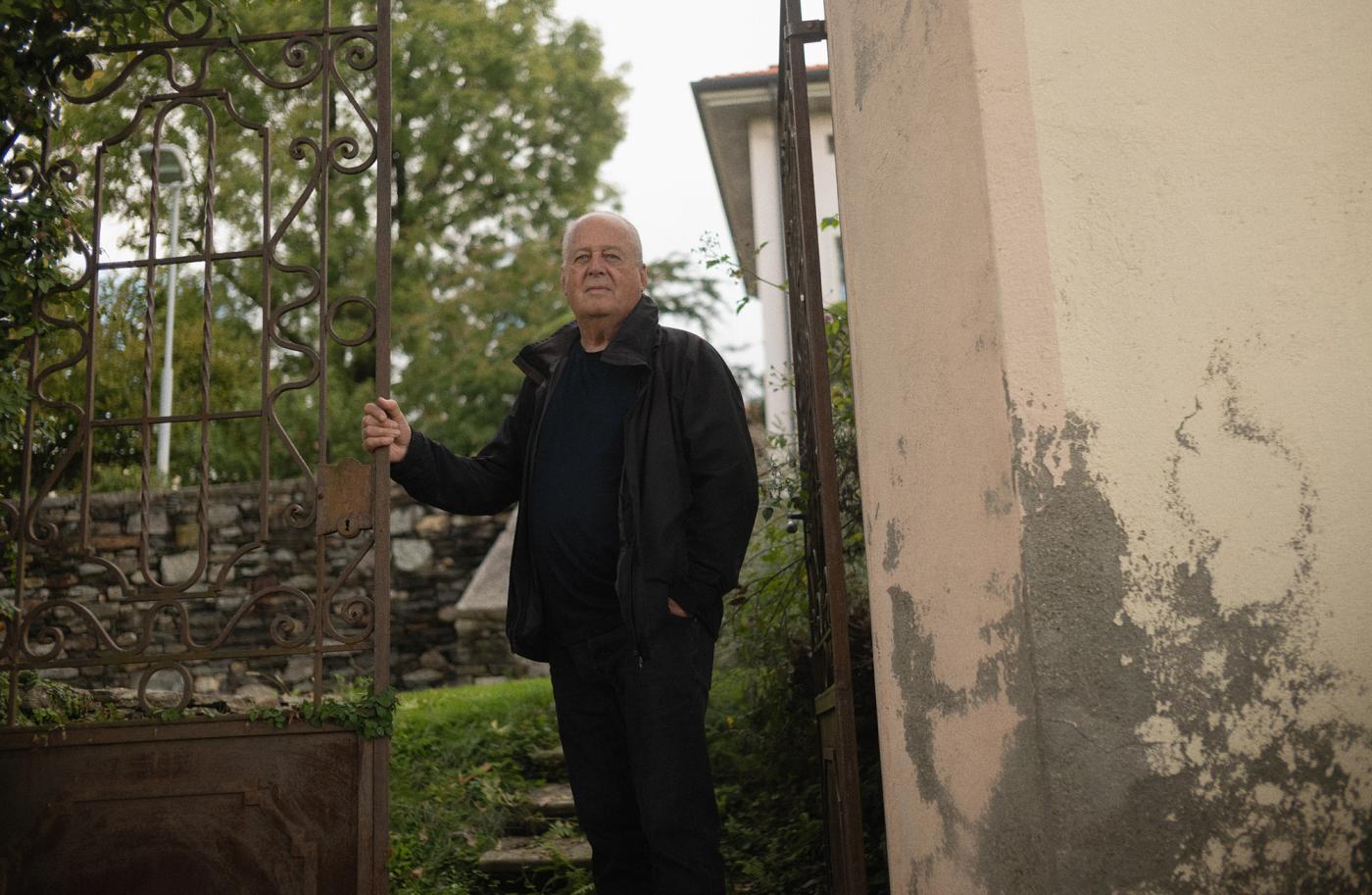
Producing wine on Lake Orta had long been a dream for Alberto Alessi. Parts of his villa date back to the 17th and 18th centuries.
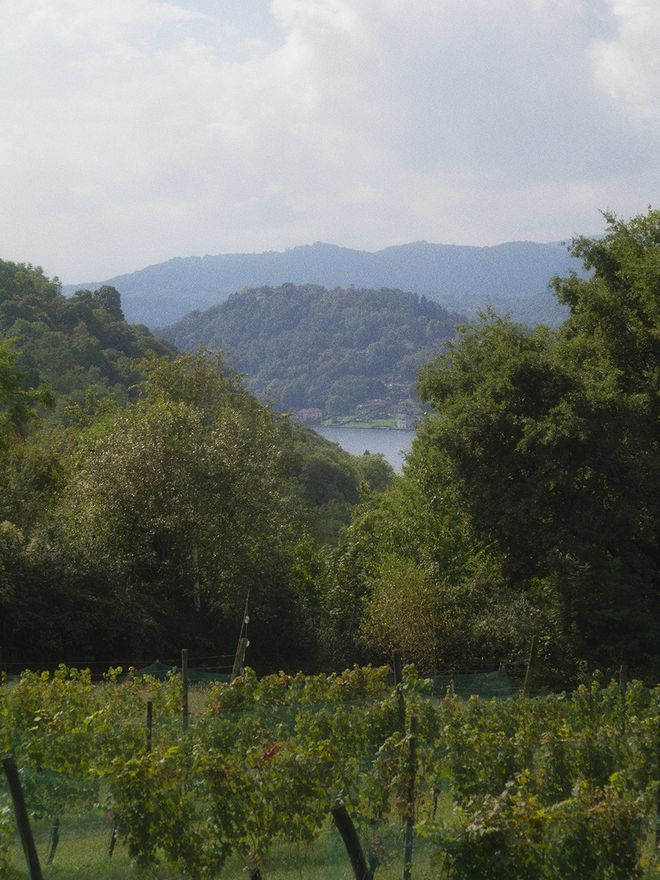
The home offers stunning views over Lake Orta.
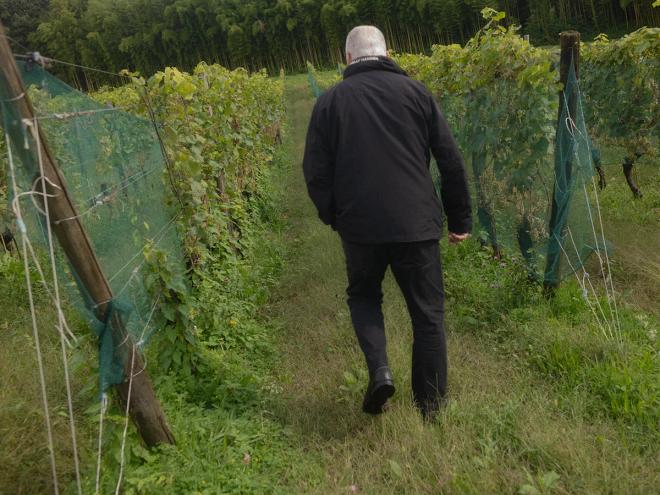
Alessi bought the old wine farm in 2000. At the time the land had been abandoned for years and was completely overgrown. The vineyard was planted a few years later, around 2005–2006.
Is it true that your first business trip abroad was to Finland?
“Yes, that’s true. At the time I collaborated with an architect from Milan, Franco Sarziani, whose wife, Eija Helander, was a Finnish graphic designer. Through them I started to discover Finnish design.
During that trip I was invited to dinner at the home of Marimekko founder Armi Ratia. We had a very nice dinner eating crabs.
I also met Timo Sarpaneva. We talked for a long time about producing his famous cast-iron pot, but it was already connected with Iittala, originally Hackman, I believe.
Later we worked with Eero Aarnio, who designed a small collection for Alessi. I also discussed producing Antti Nurmesniemi’s unusual coffee maker and we even made a prototype.
In the early 1990s I also spent some time teaching at the university in Helsinki.”
You have been with Alessi for more than 50 years. How has the company changed during that time?
“What a question! Step by step, Alessi has become one of the examples of an Italian design factory. It took a long time to reach that point. Over the years I have collaborated with around 300 designers whose work has been produced by the company.
When I started in the 1970s, design was still quite a new phenomenon in the market. Gradually it became very fashionable. Today everyone talks about design.
So what we try to do all the time is something new and different. It’s not easy. We try not to do stupid things.”
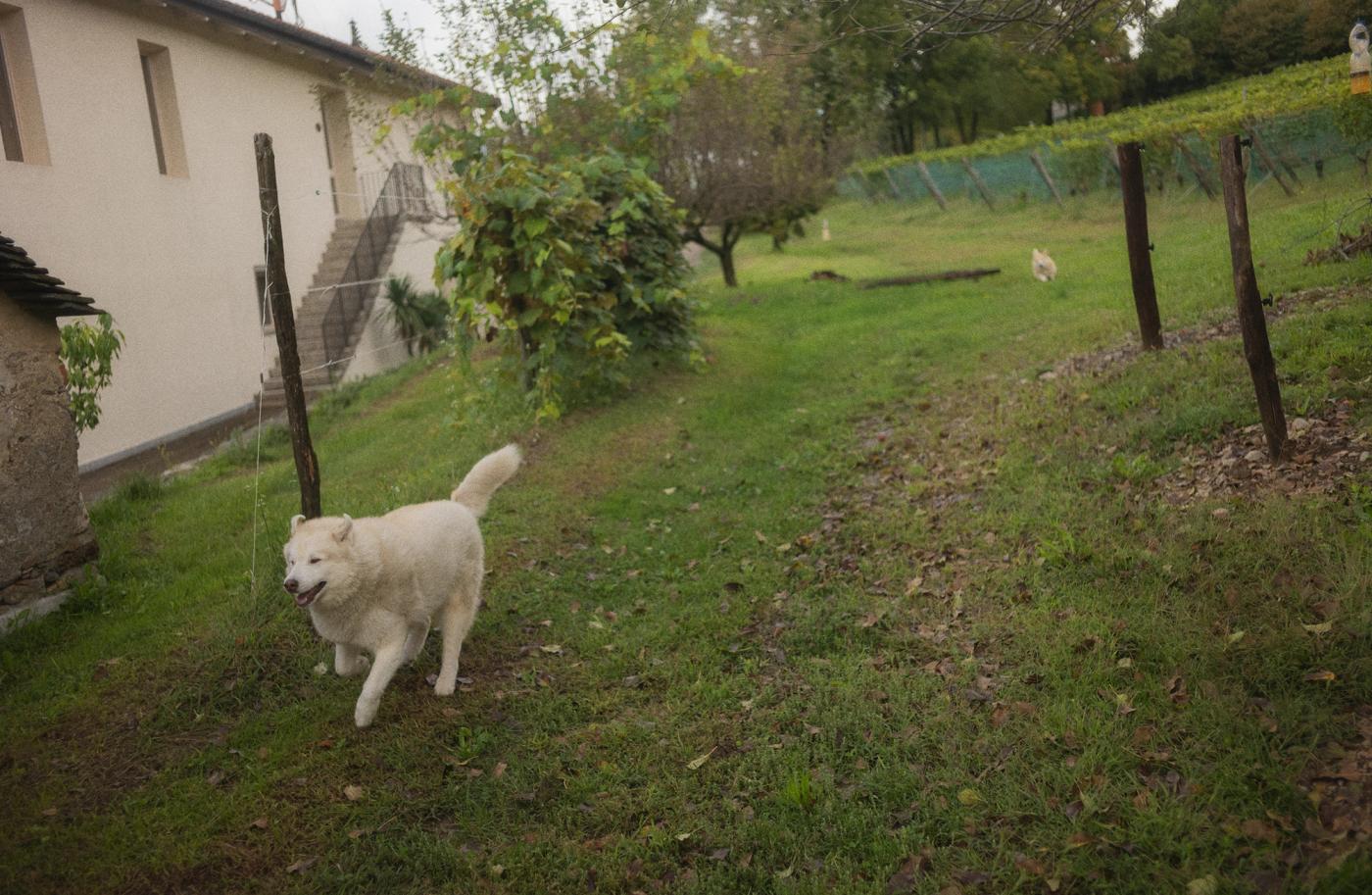
Granite-rich soil gives the vineyard its distinctive character. The dogs are called Whoopi and Splashy.
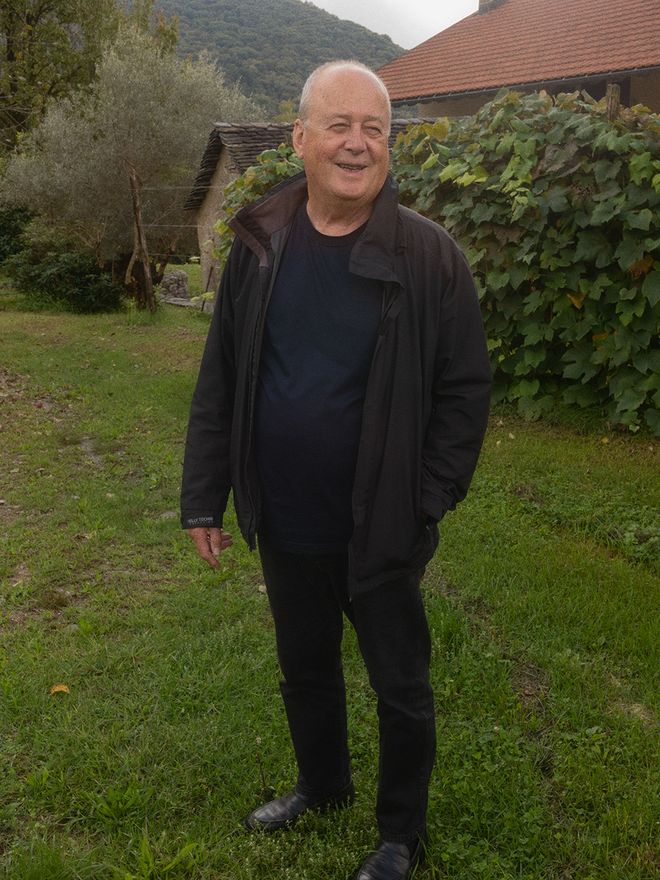
Alongside design, running his small vineyard is one of Alessi’s great passions.
Looking back, have there also been mistakes along the way?
“My career is full of mistakes! But this is connected to what I call the theory of the borderline.
As a company, Alessi lives very close to a borderline. On one side is the area of the possible: ideas that people are ready to understand, love and buy. On the other side is the impossible: objects that people simply cannot accept.
This borderline is invisible. You cannot see it. You can only try to feel it through intuition, sensitivity and the willingness to take risks.
Mass-production companies prefer to stay far away from this borderline so they don’t risk falling. Step by step they end up producing the same things again and again.
If you work close to the borderline, as we try to do, sometimes you fall into the impossible. I have done that many times. But those moments are also interesting, because for a second you can see exactly where the borderline is. And I have many favorite products that never made it into production.”
“As a company, Alessi lives very close to a borderline – between what people are ready to understand and what they cannot accept.”
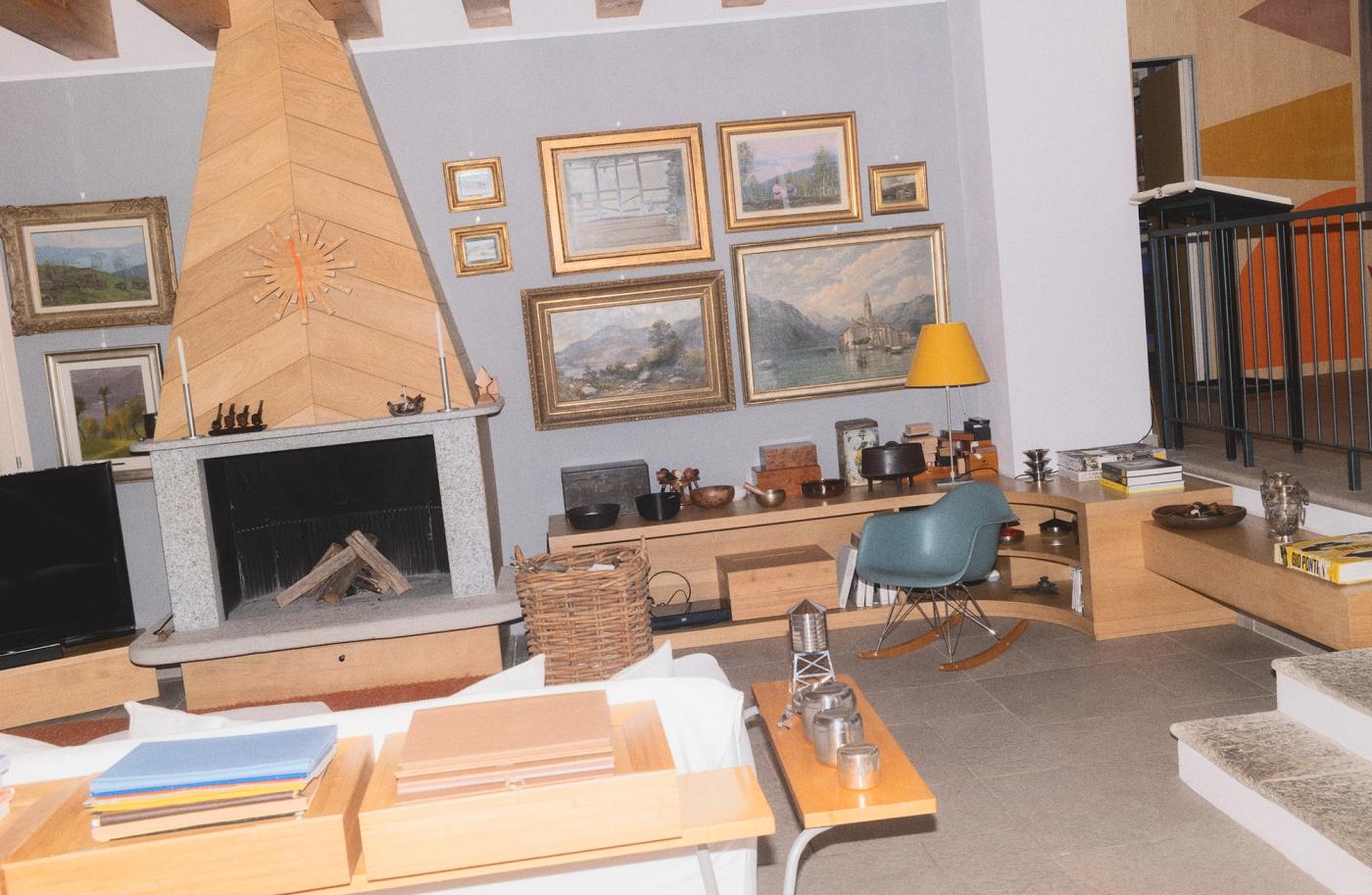
The ground floor of the house features a spacious living room and kitchen. There is also a large swimming pool.
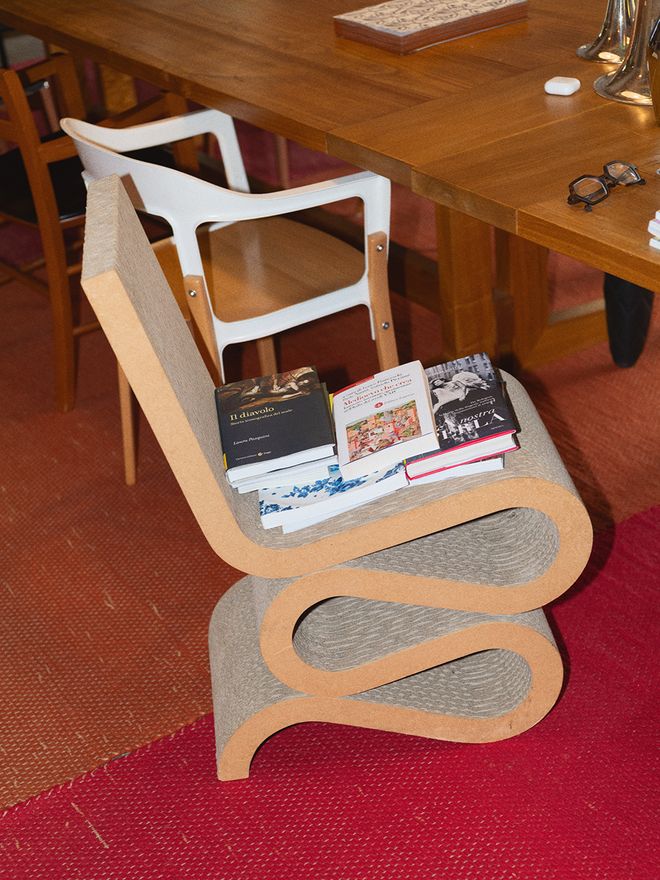
The Wiggle Side Chair is part of Frank Gehry's 1972 furniture series 'Easy Edges’.
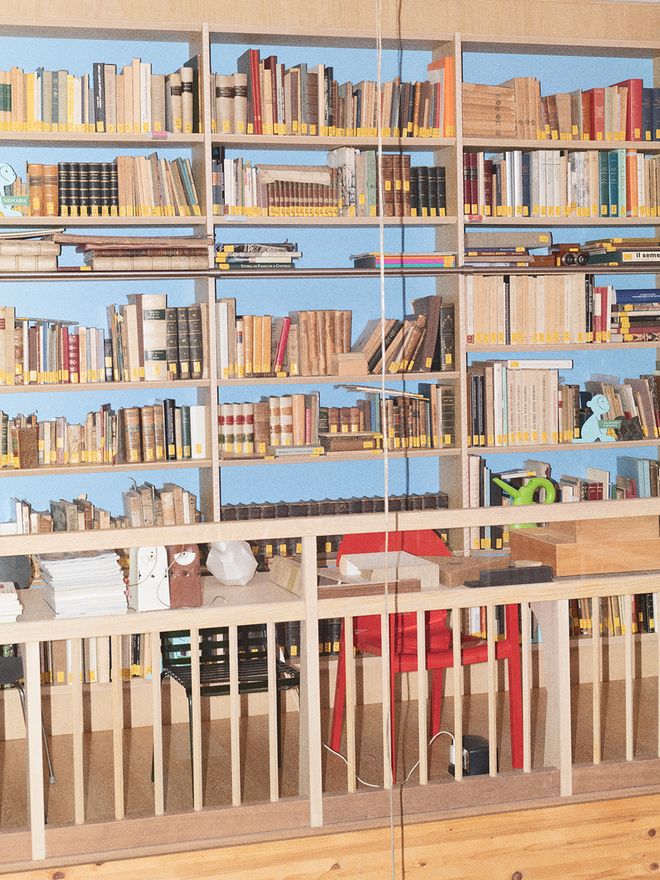
Books fill many rooms of the house. More can be found in a separate atelier, which holds Alberto Alessi’s extensive professional library.
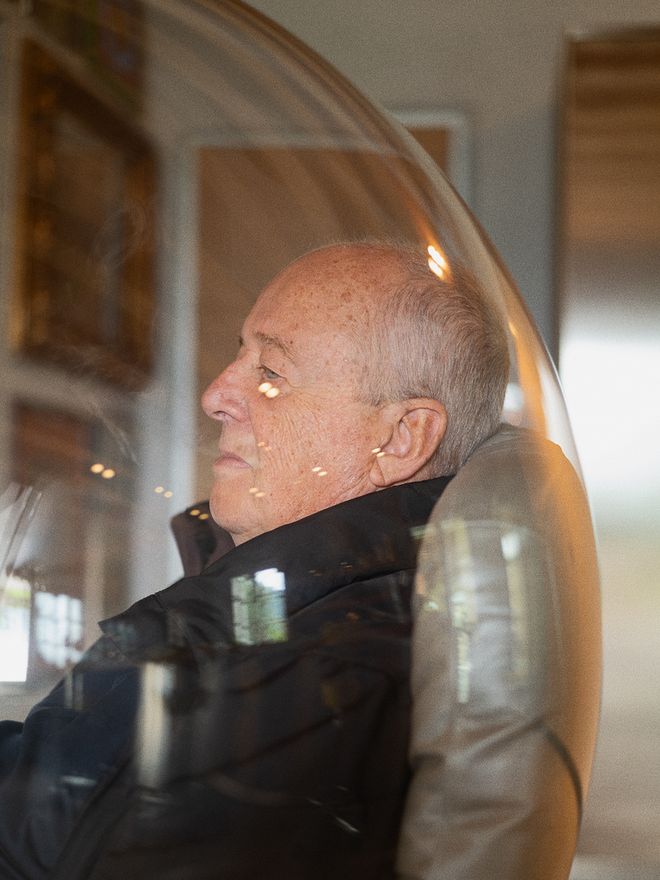
Eero Aarnio’s iconic Bubble Chair hangs in the kitchen area of Alessi’s home.
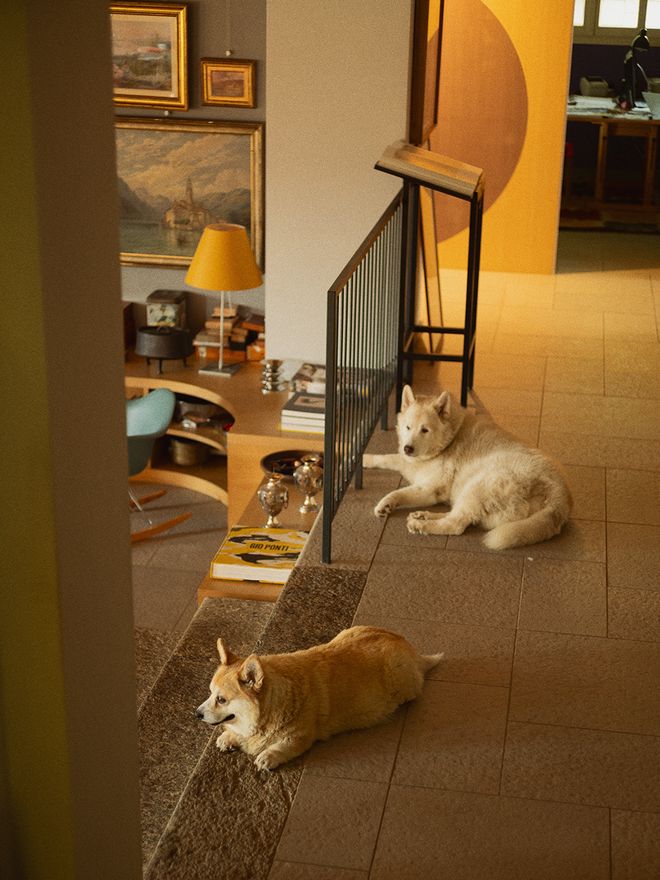
The family dogs keep a close eye on everything.
What kind of brief do you give to the designers?
“We work both ways. Sometimes it’s a tight marketing briefing, sometimes I contact designers whose work I find interesting. We are also very open to ideas coming directly from designers.”
Is there a product that perfectly captures the spirit of Alessi?
“There are several. One example is the famous Juicy Salif lemon squeezer designed by Philippe Starck.”
Has there been a product that surprised you with its popularity?
“Yes, the corkscrew designed by Alessandro Mendini in the early 1990s. At the time we were collaborating with Philips on a small collection of domestic appliances: a kettle, toaster, coffee maker and citrus squeezer. Mendini also designed a small mascot for the collection, which later became the corkscrew.
The rest of the Alessi family didn’t believe it could be a real product for us, so they didn’t want to invest in the tooling. In the end I managed to convince Philips to pay for it.
From that experience I learned that Alessi products often succeed because they surprise people.”
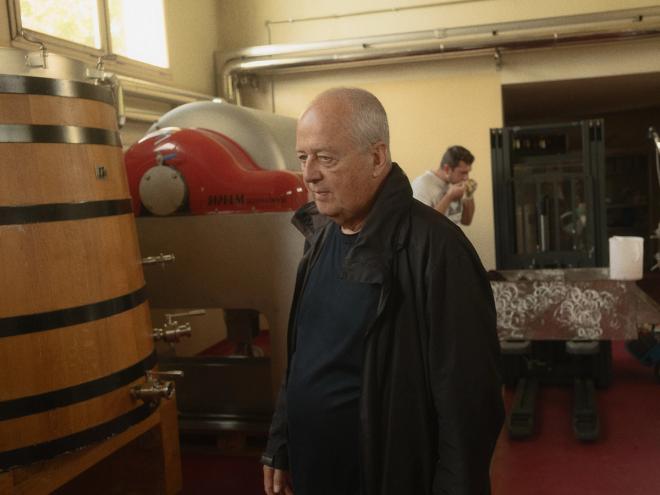
The vineyard is called La Signora Eugenia e il passero solitario, which translates as “Lady Eugenia and the solitary sparrow.”
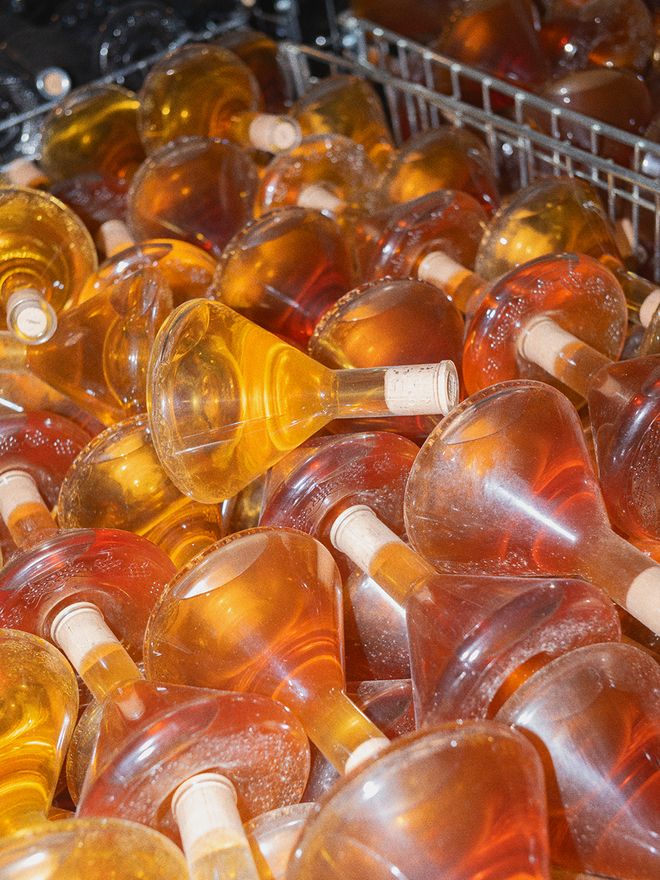
The wine bottle was designed by Alberto Alessi himself: “the only design I have made in my life,” he says.
What does a typical day look like for you today?
“I don’t come to the office every day. My atelier is up in the vineyard, so I prefer to stay there. But I usually come here two or three times a week.”
Is there an object at home you couldn’t live without – and it can’t be an Alessi product?
“Yes. At home I have a large piece of quartz that my parents found in the mountains nearby when I was eleven years old. I keep it as an object for recharging myself. If there were a fire in the house, that would be the object I would save.”
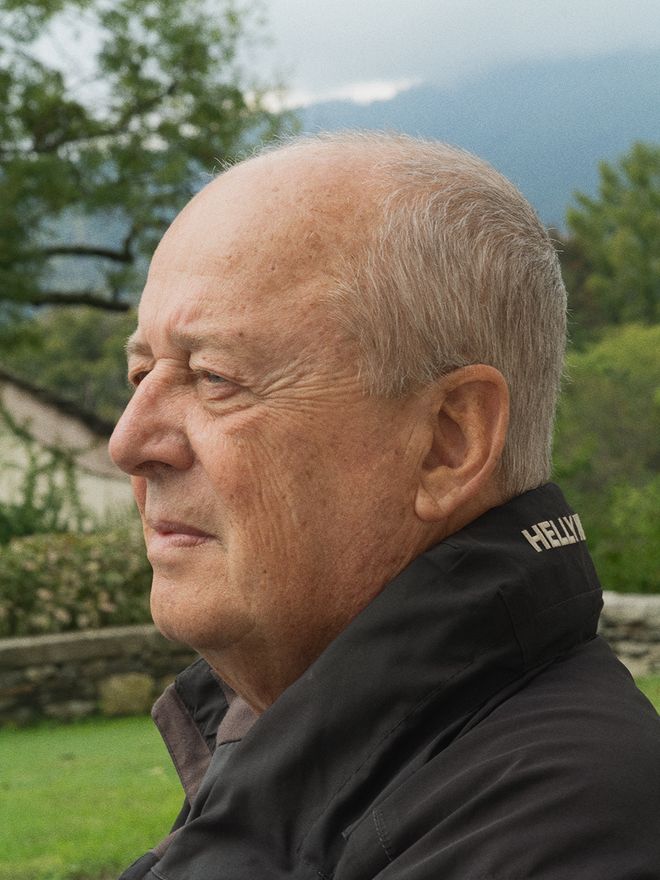
Alberto Alessi has spent more than five decades shaping the identity of the family company.
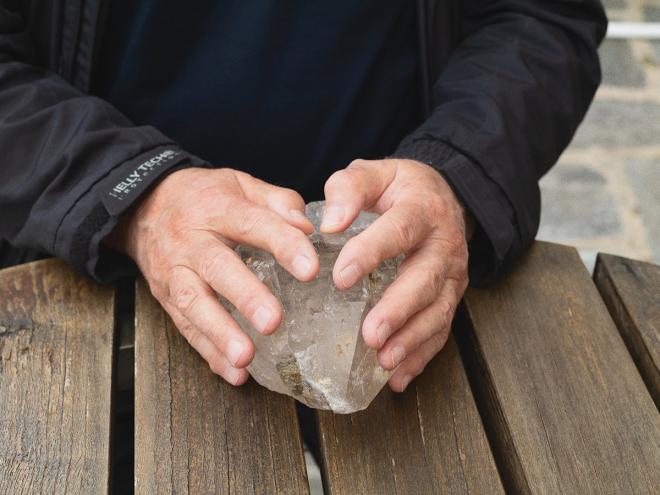
The large quartz crystal is Alessi’s most treasured object.
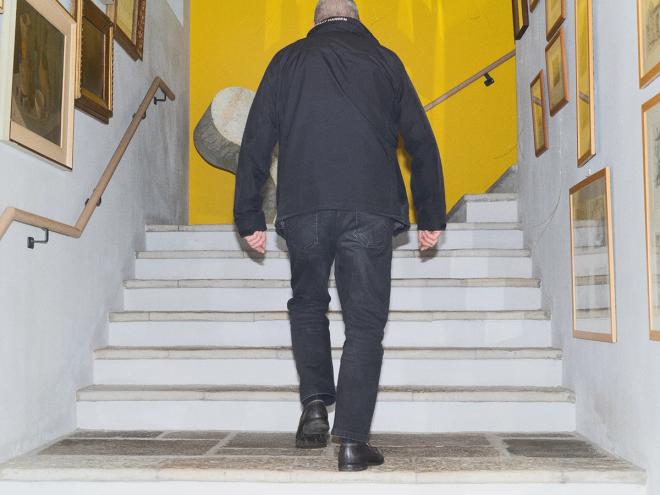
At home, Alberto Alessi is surrounded by art collected over the years.
One last question: what espresso maker do you use at home?
“That depends on the mood. I have a full collection. When I wake up in the morning, I decide which one to use that day. This morning I was choosing between two: the Ossidiana moka pot designed by Mario Trimarchi and Pulcina designed by Michele De Lucchi.”
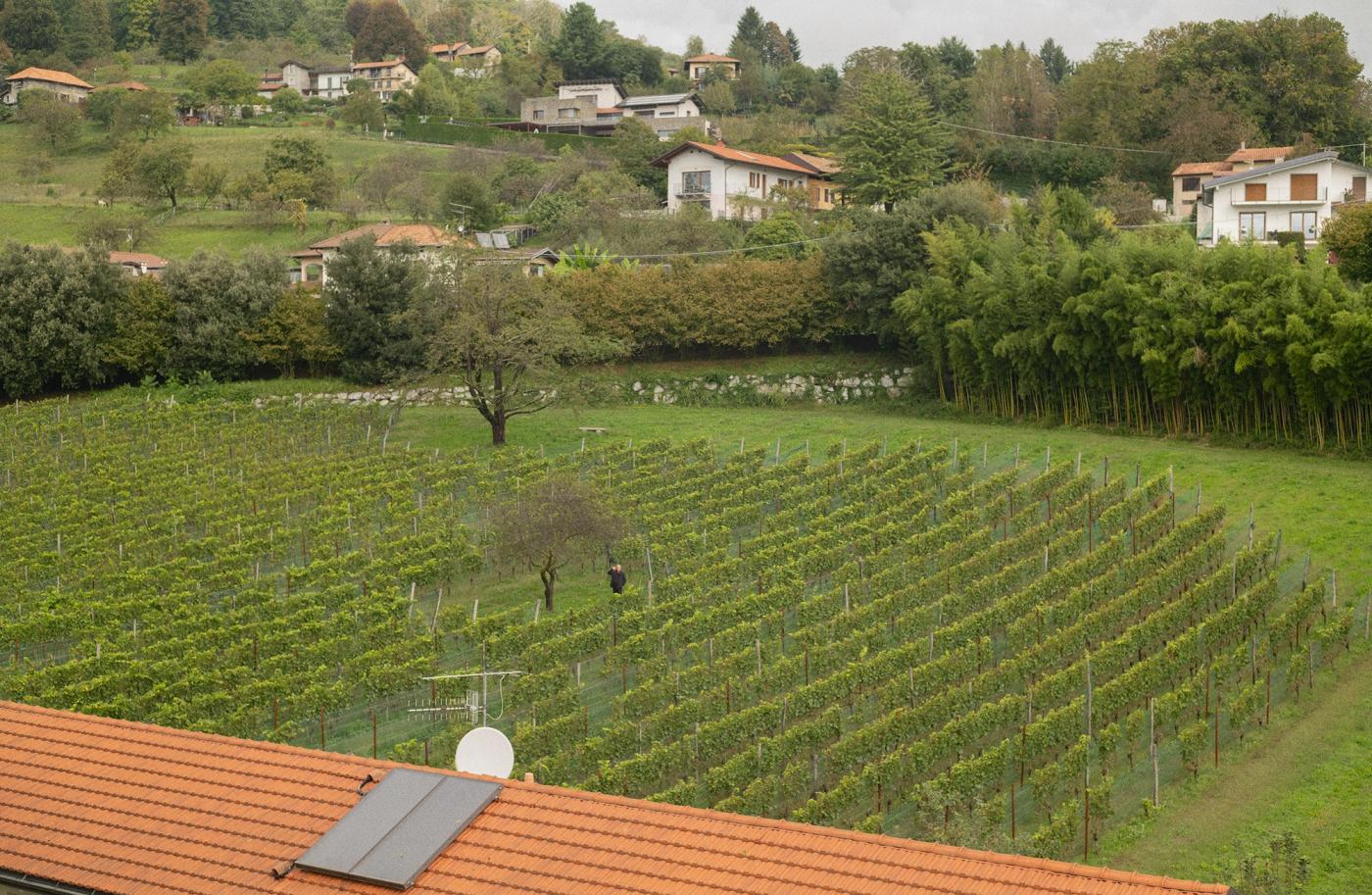
Can you spot Alberto Alessi in the photo? Thank you for having us!
What: Alessi
Italian design company founded in 1921 in Omegna, in northern Italy
Known for collaborations with leading designers such as Ettore Sottsass, Alessandro Mendini and Philippe Starck
Often described as a “design factory”, combining industrial production with design experimentation
A certified B Corporation since 2017 and a Benefit Corporation since 2020, committed to responsible and sustainable business practices
See also:
Published on 11 Mar, 2026