Inga Sempé finds beauty in the everyday – and turns it into something extraordinary
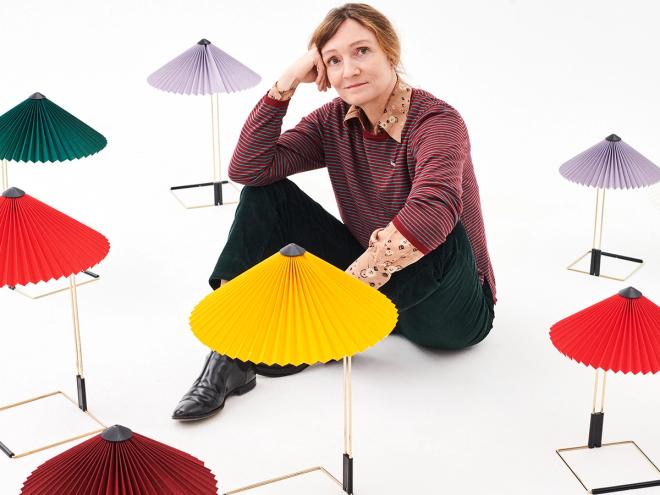
Designer Inga Sempé with her Matin table lamps for HAY. Photo: HAY
”I’M INTERESTED IN the objects of daily life,” Inga Sempé says. ”Not in designing a special bed for a star.” And that pretty much sums her up: a designer who loves life’s humble things and turns them into something quietly extraordinary.
From her Paris studio, where she designs everything from lamps and furniture to everyday objects with a mix of wit and precision, Sempé has built a world that feels as effortlessly charming as it is meticulously thought through.
If Sempé’s name sounds familiar, it’s because you’ve probably seen or even lived with one of her designs: the softly pleated Matin Lamp for HAY, the joyful Ruché sofa or armchair for Ligne Roset, or the playful Mousqueton Portable Lamp, which began, as she puts it, “from a misunderstanding.”
For all their polish, her creations never take themselves too seriously. They have a touch of humor, a kind of human imperfection that makes them feel alive. As she once said: “Sometimes, life hurts. So maybe an object can bring a little lightness and work well.”
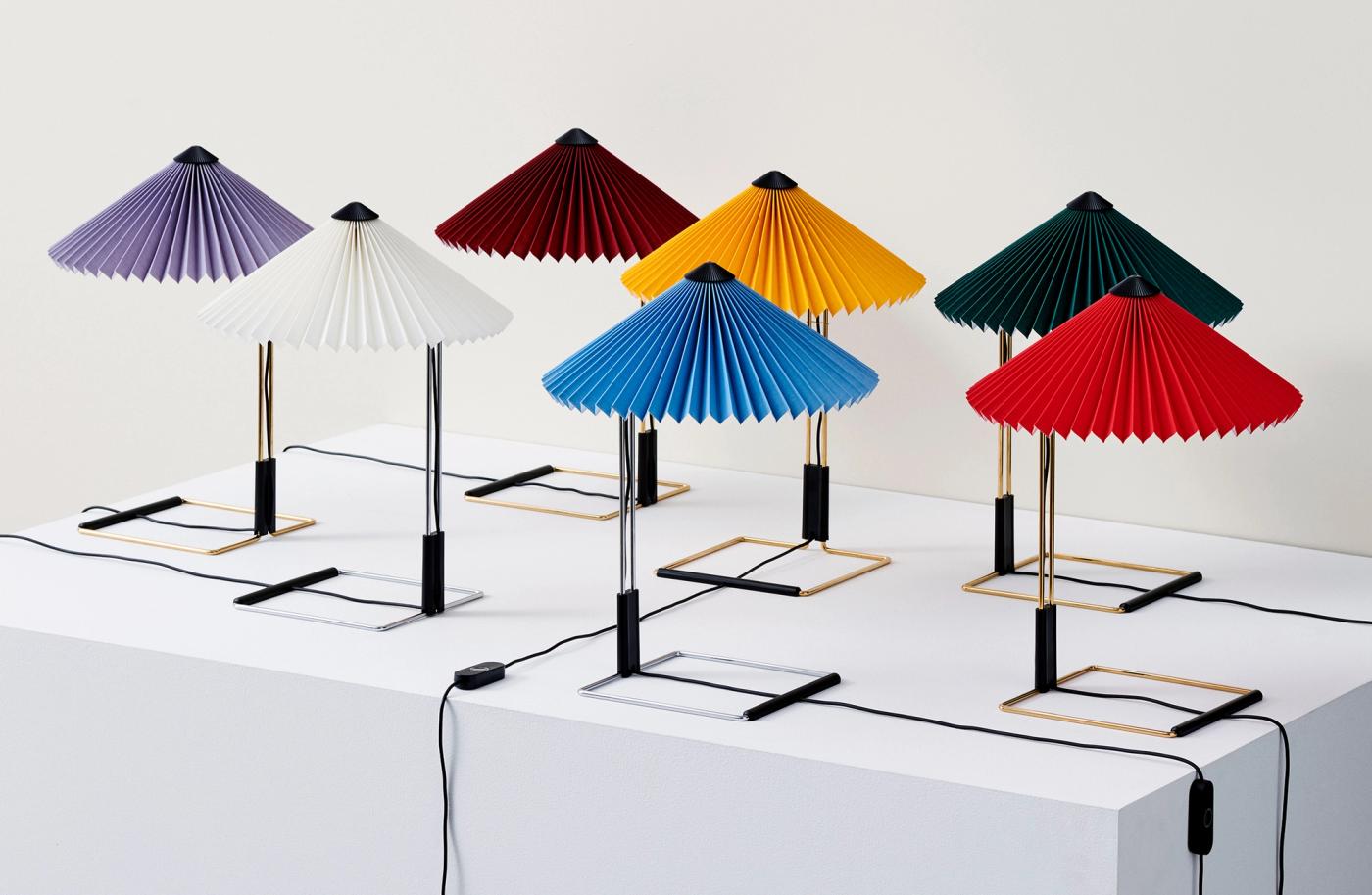
The wildly popular Matin lamp family is available in a range of colors. Photo: HAY
Everyday magic and clever design
Sempé’s work thrives on the ordinary. She finds poetry not in grand gestures but in the clamp of a lamp or the fold of a blanket.
“I like to make things that are part of daily life,” she says. “I’m not very good at following the market. I just make what interests me. Sometimes it works, sometimes not.”
Her design process, however, is anything but random. In her Paris studio, she and her small team operate with the rigour of civil servants.
“We have strict office hours, like a ministry,” she laughs. “We finish every day at six.”
Yet within this disciplined rhythm lives something deliciously chaotic. She calls it bordel et bricolage, a beautiful mess of sketching, mockups, and hands-on experiments.
“There is not one right way to execute,” she says. “We make countless mockups to find exactly the right form.”
In other words, intuition rules. “We are talking about feelings,” she adds. “And then you have to change things for economic or technical reasons which often dictate when a product is ready.”
That spirit of trial and error gave birth to the w153 Île lamp for Wastberg+. “I wanted to make a clamp lamp that didn’t look like one,” she says. “Usually they look like wounded animals when you place them on a table.” Her version can sit, clip, or hang, clever but never pretentious.
Sempé insists that a designer must be more than just talented, one must be clever.
“One has to be a clever designer,” she says, “and timing matters too.”
“If I contact a company with an idea, it usually never works,” she admits. “Every time I’ve approached one, it’s failed.” Instead, her best projects come through relationships built on trust and timing.
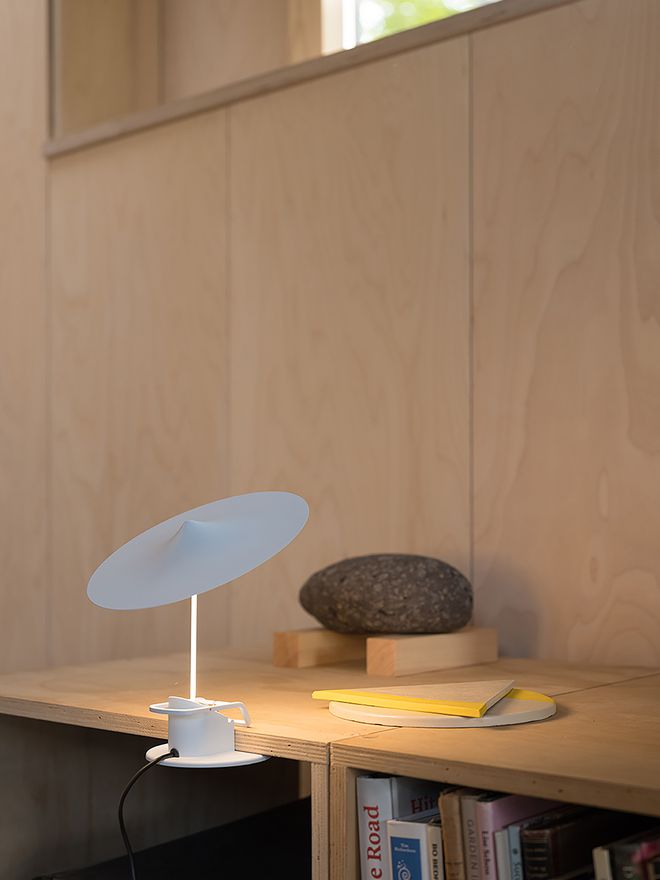
The île table lamp for Wastberg+ was inspired by clamp lamps from the designer’s childhood. Photo: Wastberg+
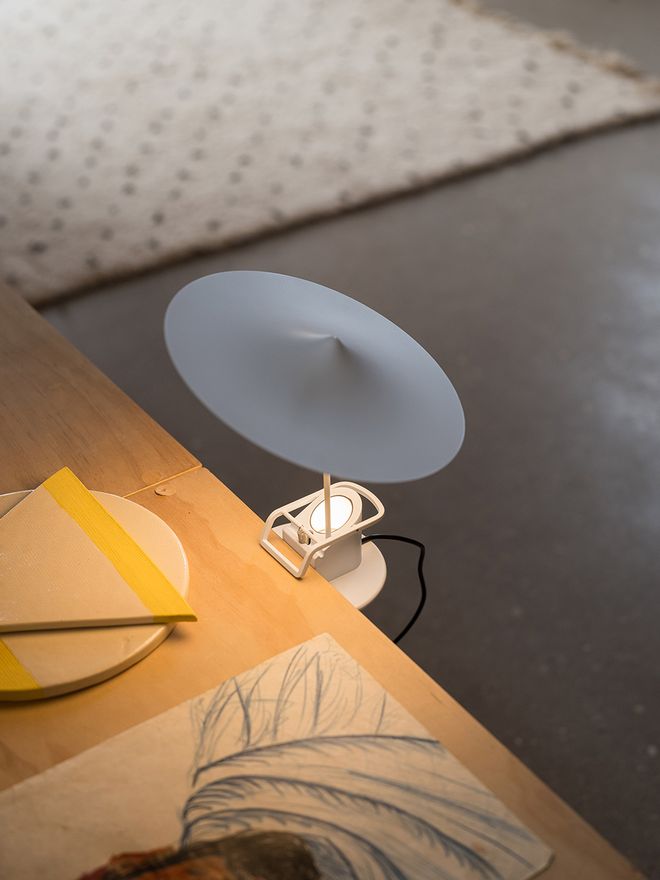
In addition to the edge of a desk, the lamp can also be placed on top of it or even mounted on the wall. Photo: Wastberg+
The painful joy of making things
Sempé doesn’t romanticize design. “The process of every product is often long and painful,” she says. “Maybe 20 percent of the ideas make it to production and the rest stay in sketchbooks, which doesn’t mean they are bad. Many products on the market are bad ideas too.”
The Matin Lamp, for example, went through “a very long process.” “It’s simple, but the process was not,” she laughs. “We made a huge amount of mockups to keep the price reasonable. Lighting design is full of tests. Different continents have different regulations. It’s exhausting!”
Even so, she continues to evolve the Matin family with endless variations. “Sometimes I can’t even remember which ones are currently in production,” she admits. “And the collection keeps growing!”
Her pragmatic outlook extends to materials and sustainability too. “Designers don’t have power over materials,” she explains. “Companies decide. If you don’t want to make compromises, you can’t be an industrial designer.”
It’s a refreshingly honest view in a field often clouded by marketing slogans.
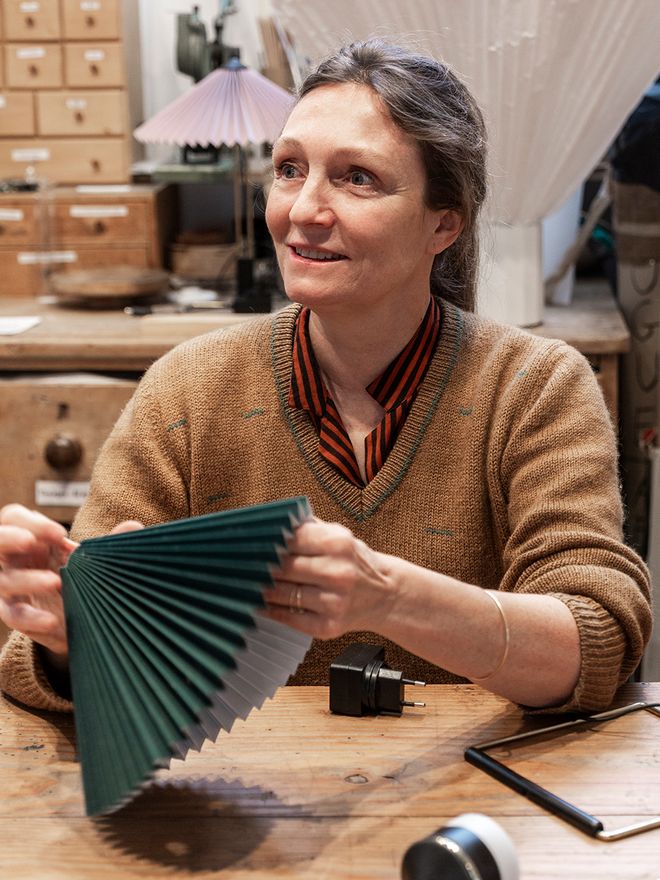
Inga adjusting the lampshade of one of her Matin lamps. In the background, the pleated Vapeur lamp, designed for Moustache.
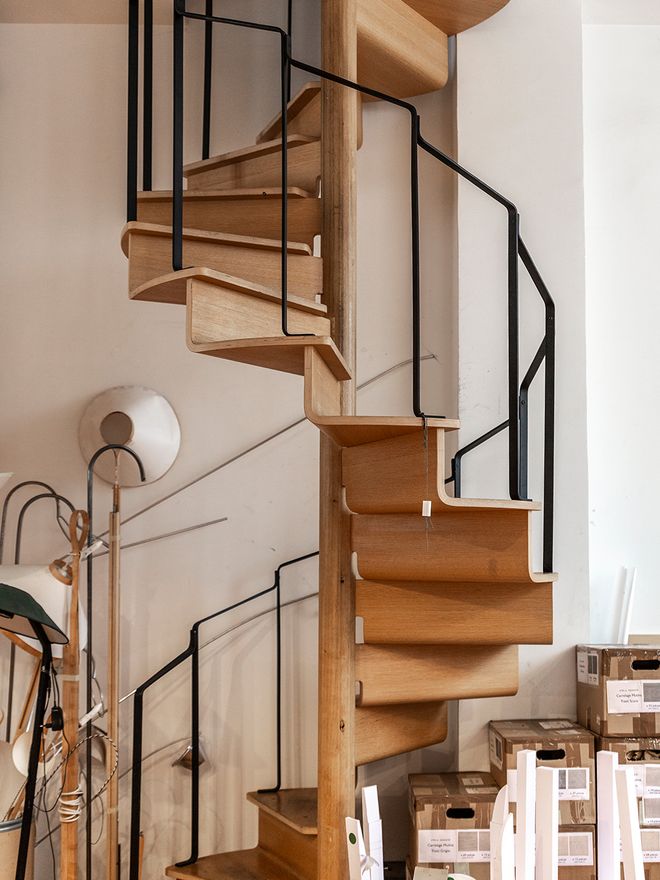
The studio sits just below Sempé’s apartment, connected by a wooden staircase.
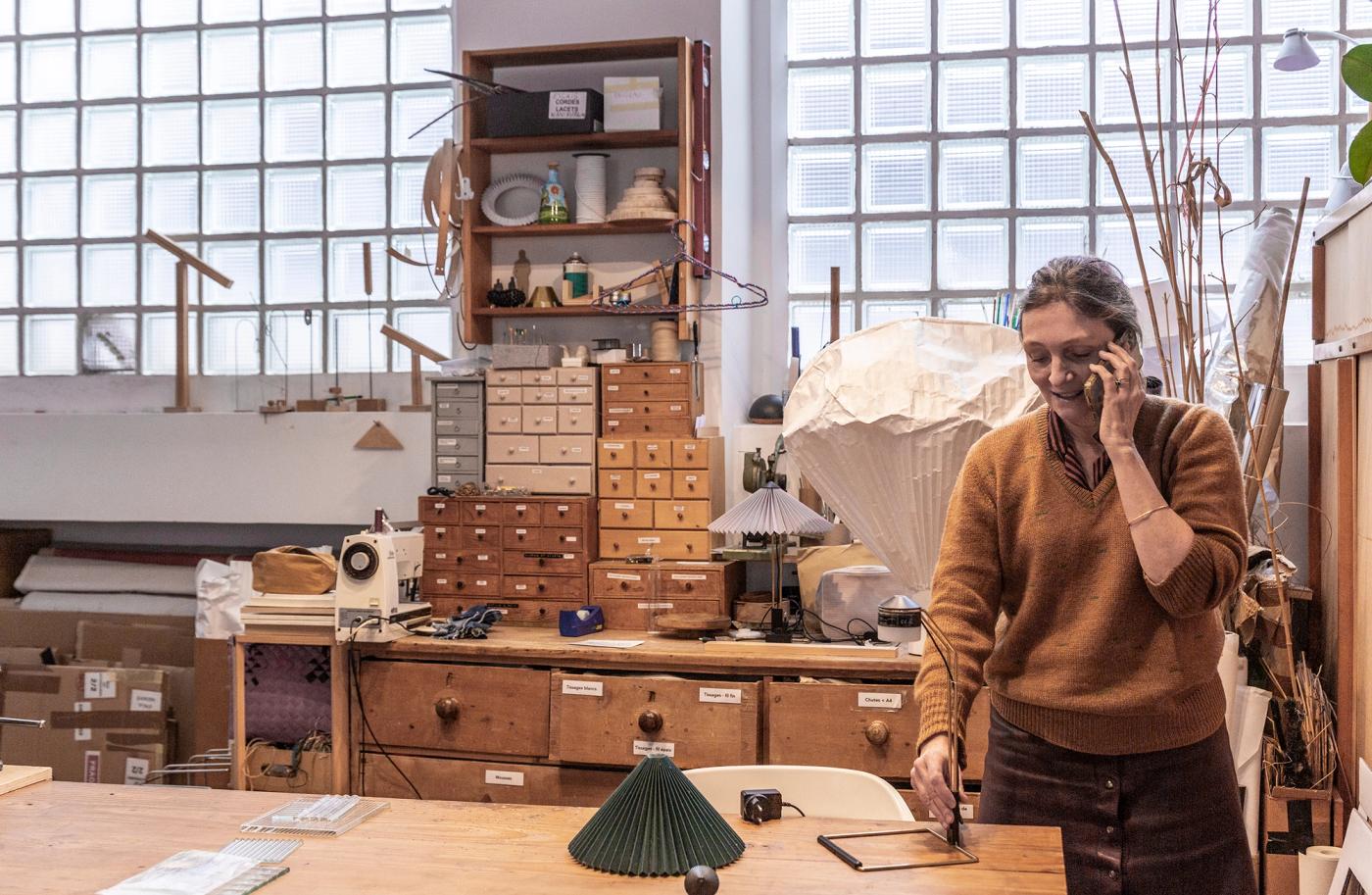
Sempé has designed furniture, lighting, objects and fabrics for companies such as Cappellini, Luceplan, Ligne Roset, Alessi, Svensk Tenn, Wästberg, HAY and Magis.
Home, work, and the rest of the world
Sempé’s studio sits just below her apartment, connected by a wooden staircase a setup that blurs the line between home and work. “I grew up like this,” she says. “Both my parents worked from home. As a child, I found it exotic that parents would go and work in an office where there was a director!”
When asked how design should respond to the current world and its growing instability, Sempé’s first instinct is to shrug. “You shouldn’t think so negatively. Otherwise, you might as well start designing gravestones,” she says – then catches herself with a smile:
“Actually, I would design graves. It’s an interesting subject, and a big, infinite market! But what I meant was that I don’t feel able to fight all the world’s dramatic events through design. Still, that doesn’t mean frivolous activities should stop.”
In her mix of irony and sincerity lies her worldview: design can’t save the planet, but it can make daily life lighter, kinder, and more human.
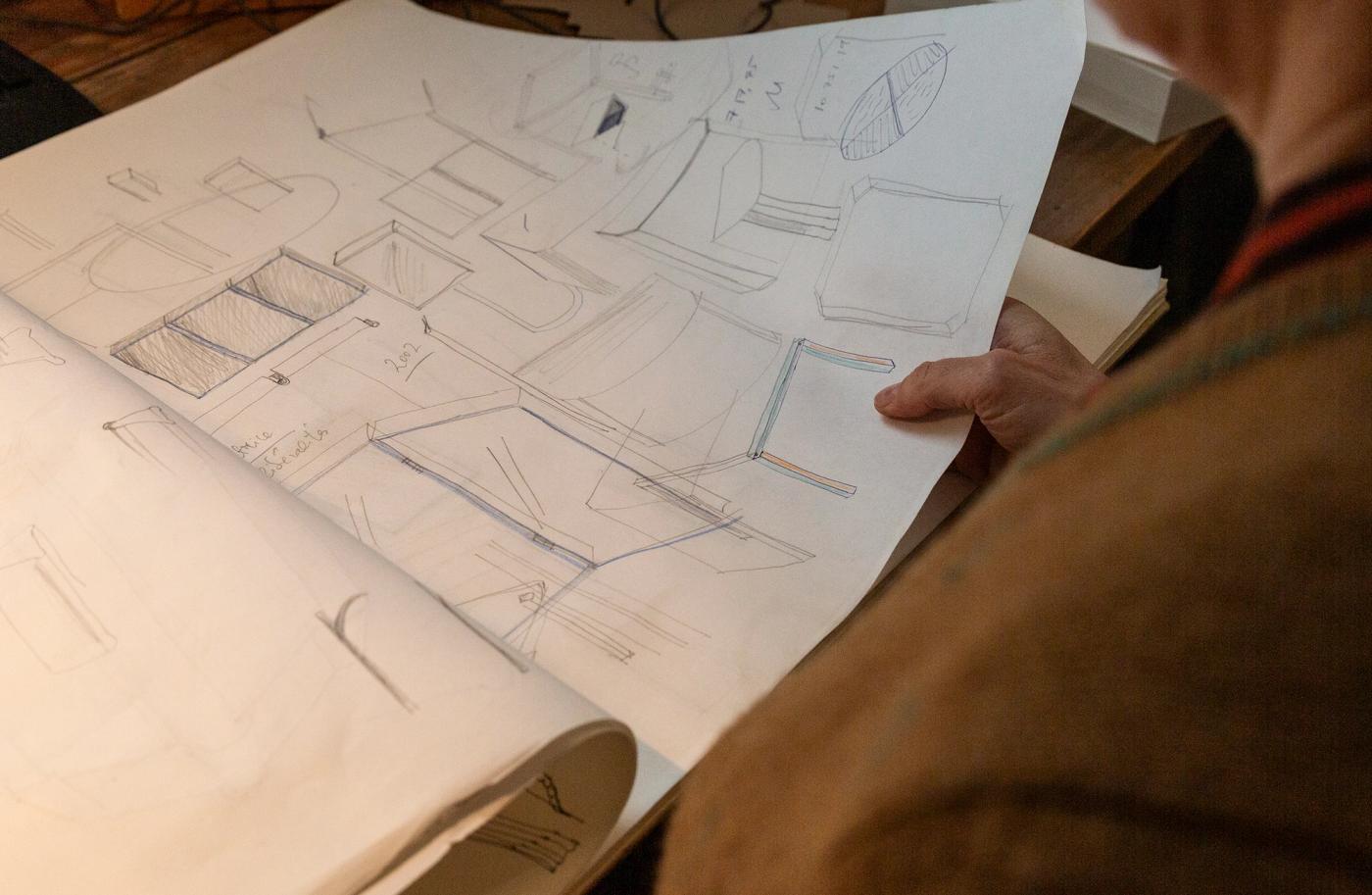
A glimpse into one of Inga Sempé’s sketchbooks.
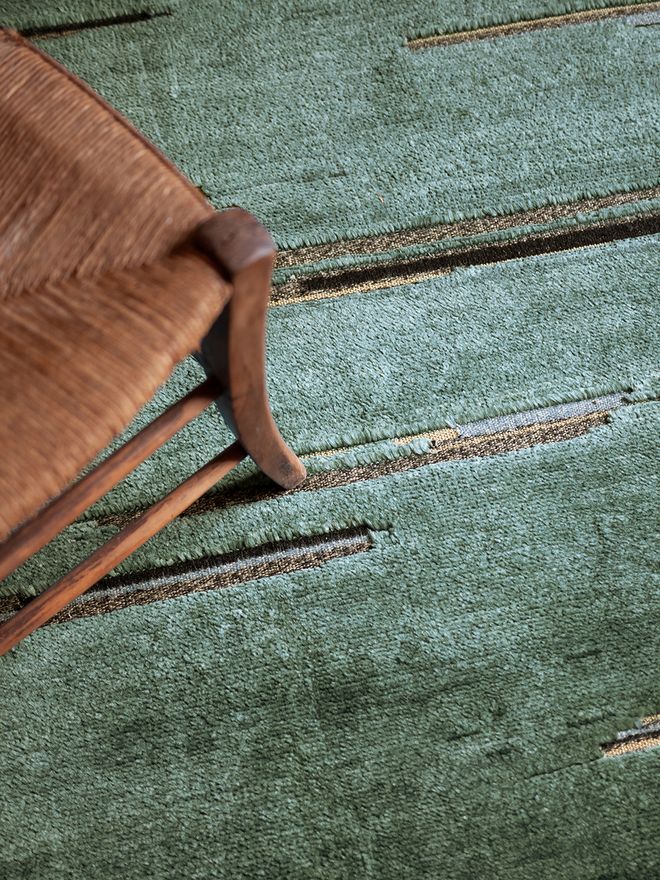
The Colorado rug for Nanimarquina alternates between traditional chobi and kilim techniques. Photo: Nanimarquina
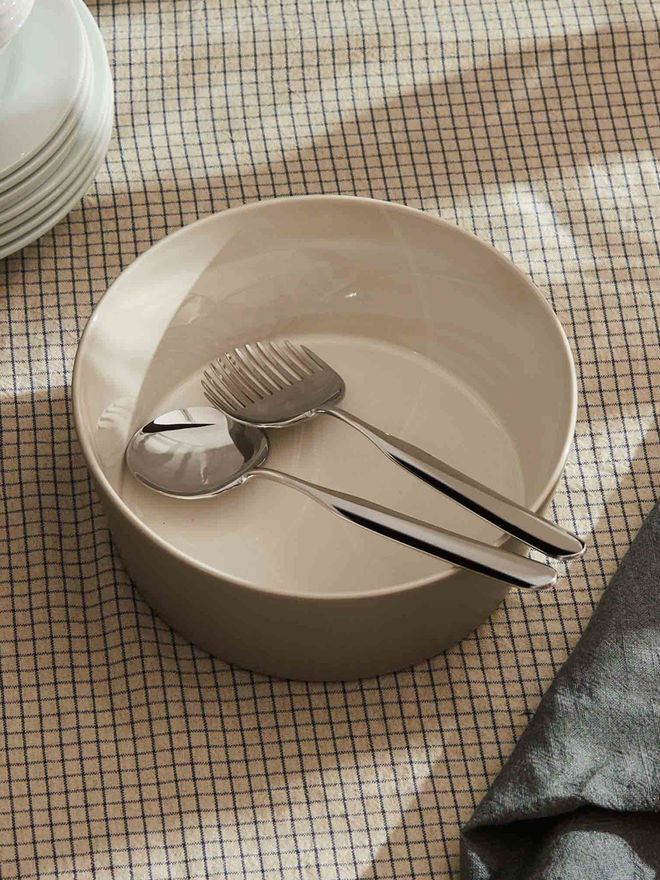
The Collo Alto salad server set for Alessi combines style and functionality in a delightful way. Photo: Alessi
Life beyond design
Despite her success, Sempé doesn’t consider herself a “famous designer.”
She avoids exhibition openings and fashion-week photo ops. “I never understood why actresses want to sit in the front row of fashion shows,” she says. “Everyone thinks it’s normal. I find it ridiculous.”
Her independence extends to gender politics too.
“I’ve often been asked to appear in articles about women in design,” she says, “but I’ve declined. I’m too pretentious for that. I prefer to be featured with men. I think I deserve it.”
Outside work, her pleasures are refreshingly simple: Paris, one-on-one conversations, and peach ice cream “when it’s really nicely made.”
And, of course, tennis which she describes as “a happy sport.” “I’m not sporty or competitive,” she says. “I started ten years ago. It’s funny! You run, you laugh a lot, and you mostly play outside.”
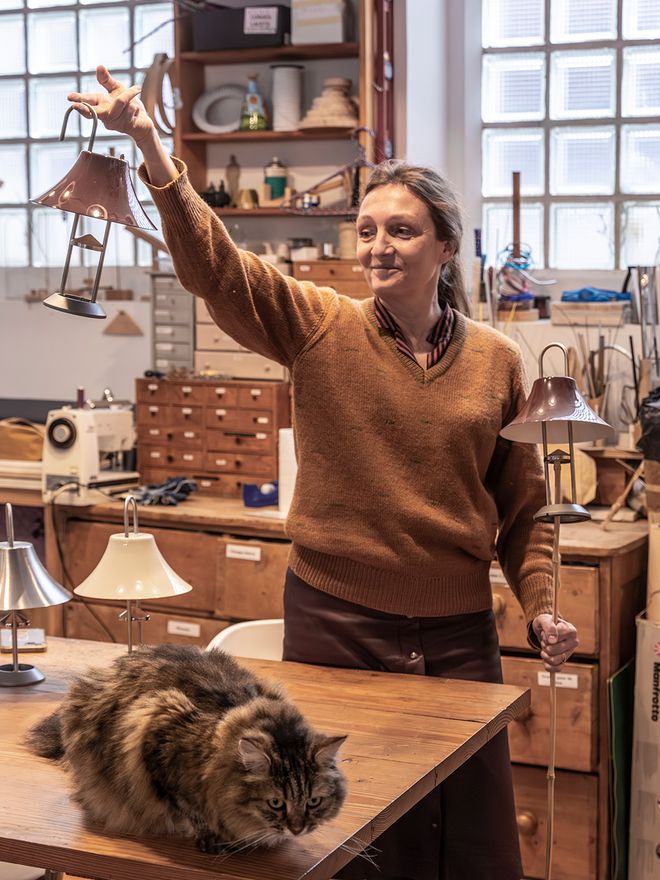
Inga Sempé with the Mousqueton portable lamps she designed for HAY.
Victory in small things
If there’s one thing that ties together all of Sempé’s work, it’s her refusal to glorify design or to make it heavier than it needs to be. Her objects remind us that beauty and functionality can live together with wit, grace, and a touch of humility.
“Design follows fashion,” she says. “Some objects never become bestsellers but live much longer just like books. Some bad books can be bestsellers for a while, but the classics stay.”
Inga Sempé’s classics are already here quietly, cleverly, and with just the right amount of mischief.
See also:
• More designs by Inga Sempé >
Published on 9 Jun, 2026