Greta Magnusson Grossman paved the way for female designers
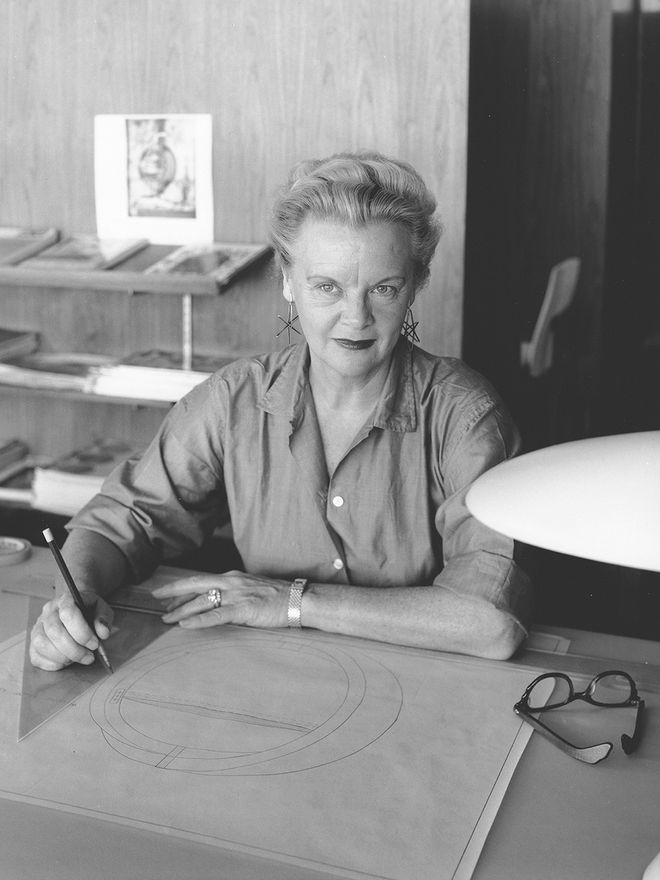
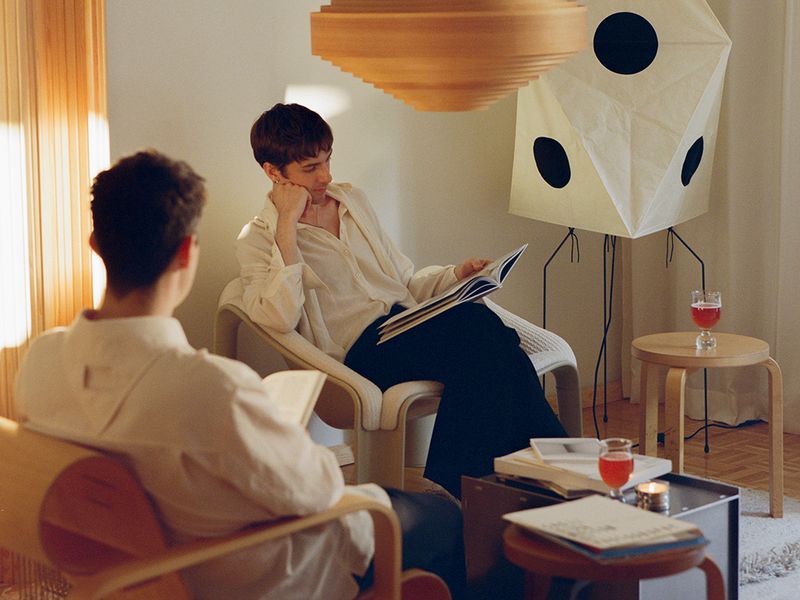
The successful career of Swedish designer Greta Magnusson Grossman (1906–1999) spanned four decades and two continents – Europe and North America. Image: GUBI.
Who: Greta M. Grossman
Born in Sweden in 1906, Grossman was the first woman to win a prize from Stockholm’s cabinetmakers’ guild.
In 1940 she moved to Los Angeles, where her Rodeo Drive shop drew Hollywood clients such as Greta Garbo.
Her Gräshoppa and Cobra lamps, now reissued by GUBI, remain her best-known designs.
She also designed around 14 homes in California before turning to painting in the 1960s.
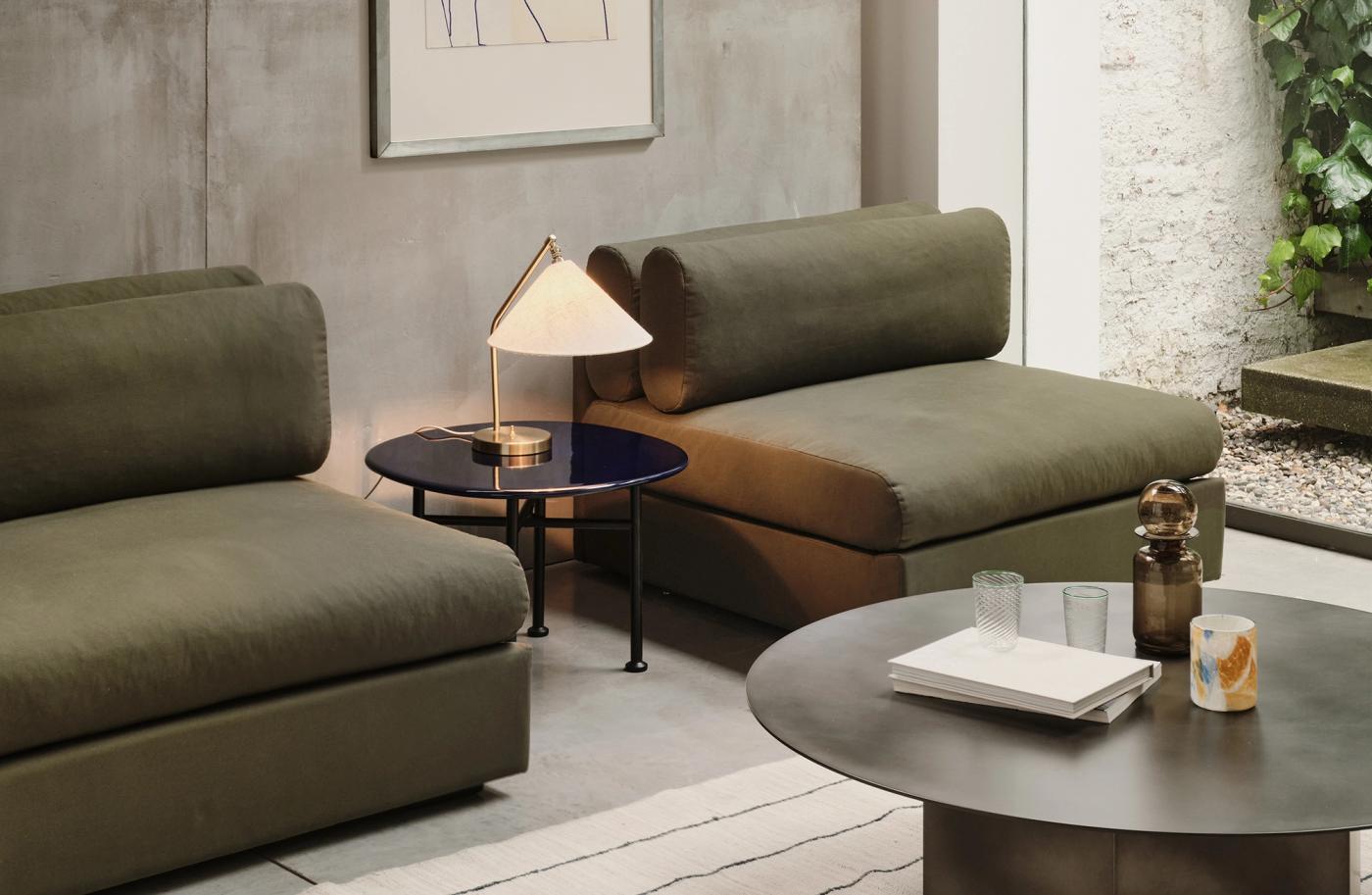
The newest addition to GUBI’s Gräshoppa lighting family is a table lamp with a canvas shade.
A VISIONARY TRAILBLAZER – these words perfectly describe Greta Magnusson Grossman (1906–1999).
When she graduated from Stockholm’s Konstfack in the early 1930s, she was one of Sweden’s first formally trained female furniture designers. She also became the first woman in the country to receive a design award and, during the 1940s and 1950s in California, was the only woman leading her own design studio in the Los Angeles area. Throughout her career, Greta Magnusson Grossman shattered multiple glass ceilings.
Grossman’s career in design began in Sweden. After graduating from Konstfack in the early 1930s, she ran Studio – a combined shop and design office – for seven years with her fellow student Erik Ullrich.
At Studio, the duo showcased their functionalist-inspired creations, while Magnusson also designed interiors and custom-made furniture, primarily for affluent clients. The young female designer’s fresh aesthetic was met with enthusiasm, drawing significant attention and coverage in the press.
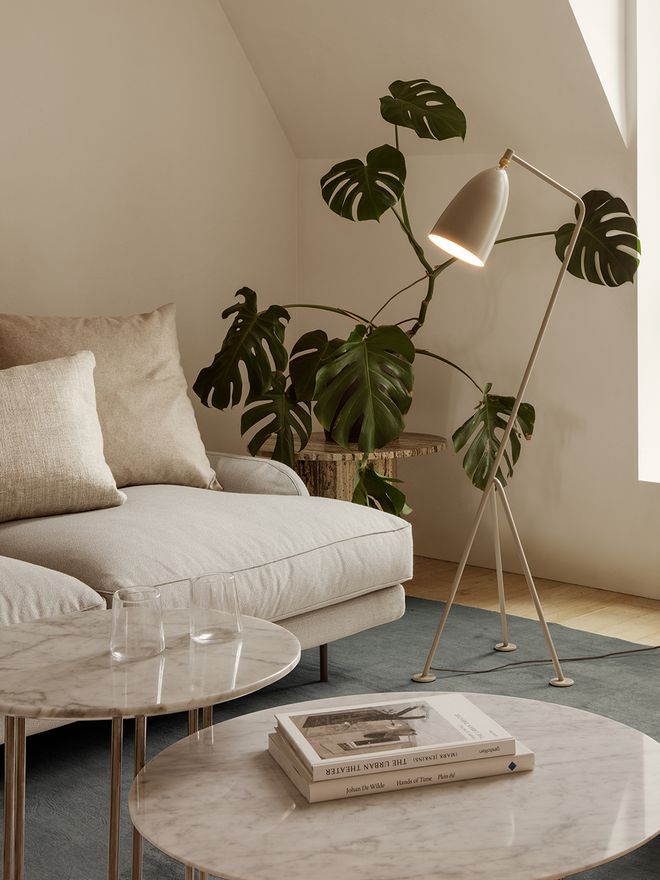
Grossman originally designed the three-legged Gräshoppa floor lamp for the lighting company Ralph O. Smith. Today, it is part of GUBI’s collection.
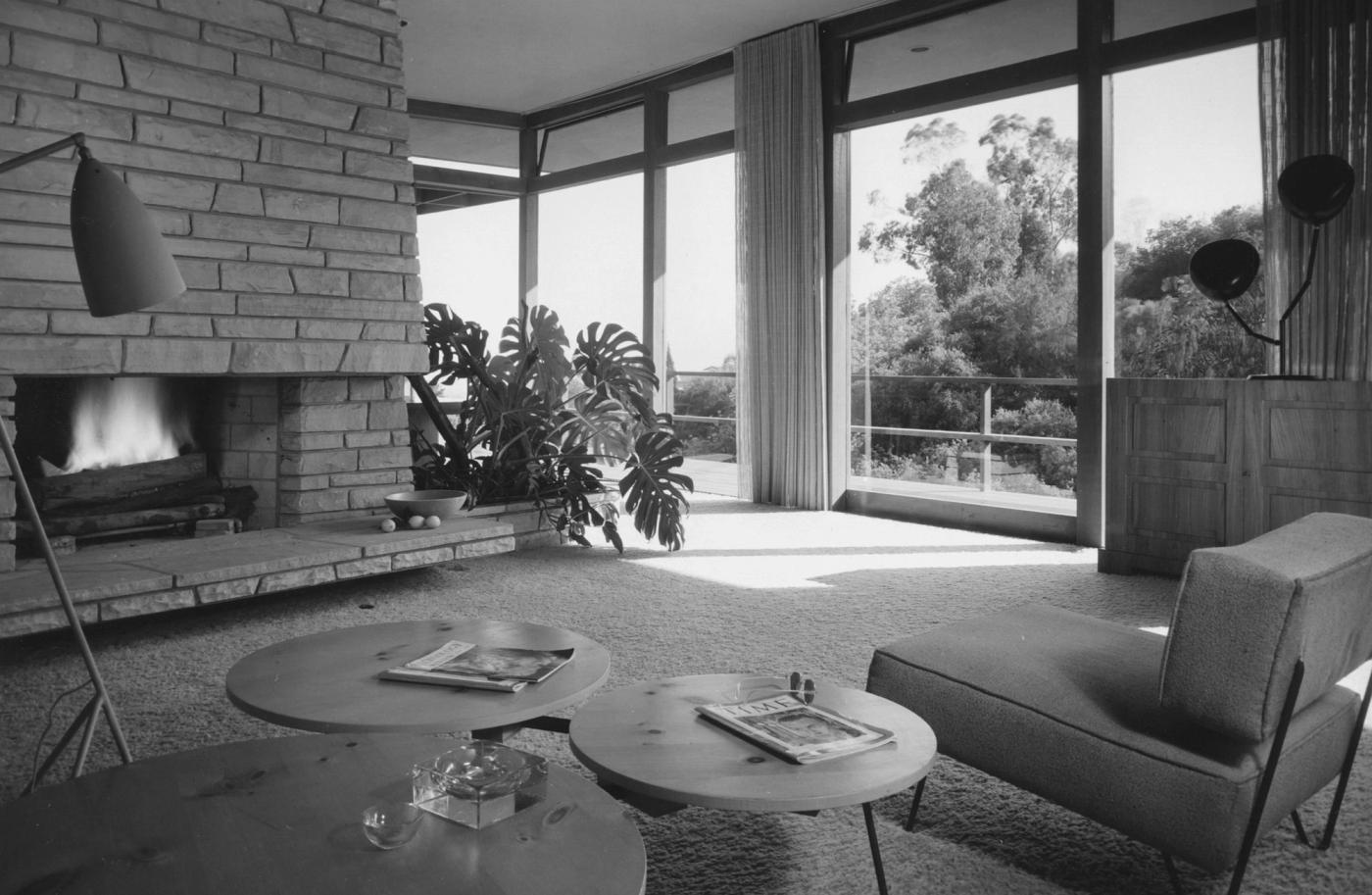
An interior designed by Greta M. Grossman in 1949–50 at 677 Nimes Road, Bel Air Estates, Los Angeles, California. Image: GUBI.
Fortune also smiled on Greta Magnusson Grossman in her personal life. In 1933, she married British jazz drummer and bandleader Billy Grossman. The couple met at a restaurant where Grossman’s orchestra performed, which was a popular spot among Konstfack students looking to unwind.
Amid the turmoil of World War II, opportunities for an interior architect and a musician were scarce in Sweden. In a bold move, the Grossmans decided to take a new direction in life and relocated to the United States in 1940.
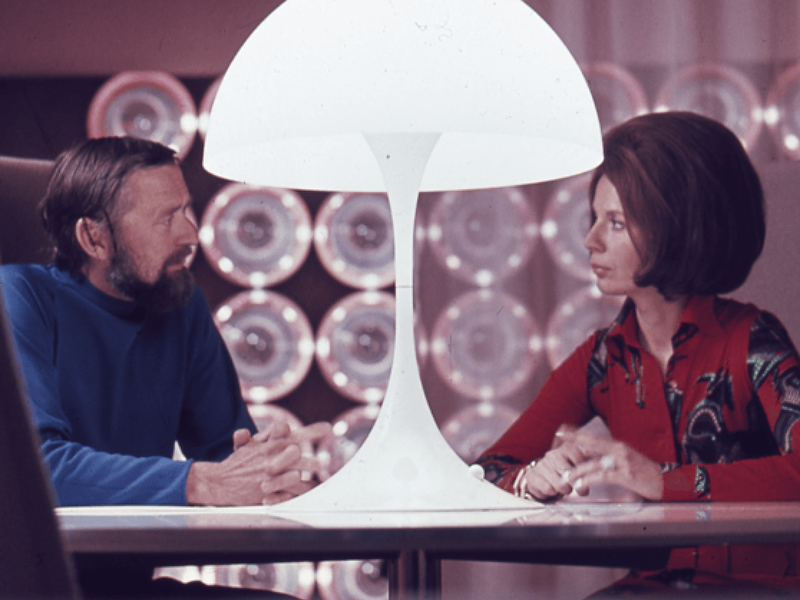
Greta M. Grossman gained media attention in the United States and attracted Hollywood stars as her clients.
Their original plan was to settle in New York, but fate had other ideas. Just days after arriving in the United States, Greta Magnusson Grossman attended an interior design exhibition, where she happened to meet the head of the Los Angeles-based furniture company Brown-Saltman. Impressed by the Swedish designer, he wanted one of her sofas in their collection. California was off to a promising start.
Only a few months later, Greta Magnusson Grossman opened her own studio and shop on the famed Rodeo Drive in Beverly Hills. The modern boutique quickly attracted attention. Its minimalist furniture and decorative objects, paired with a designer who carried a touch of movie-star allure, made for an irresistible story. Soon, Grossman’s clientele included Hollywood luminaries such as Ingrid Bergman and Greta Garbo, and her furniture even found its way onto film sets.
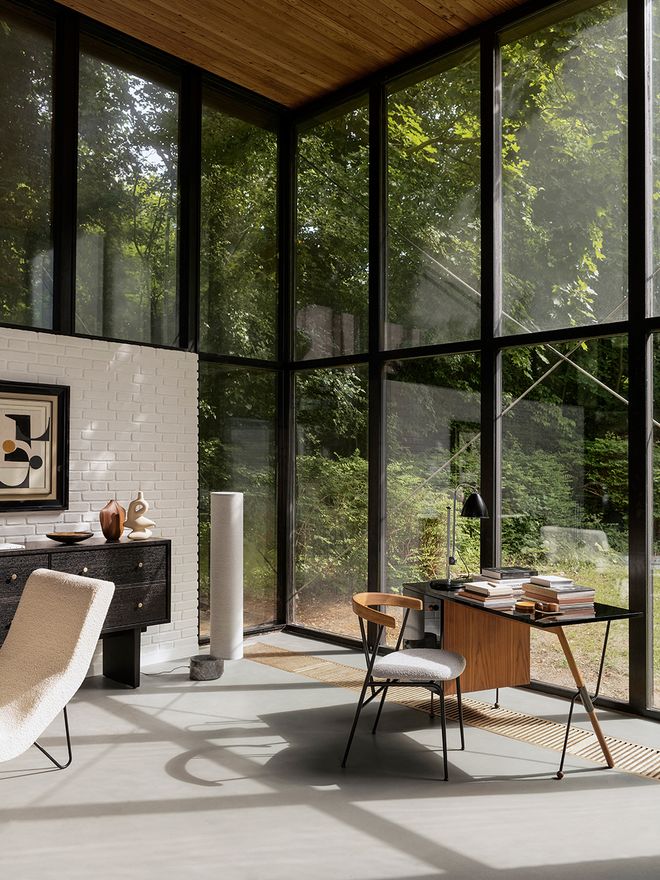
GUBI has also reintroduced Grossman’s furniture, including the playful 62 Desk with its distinctive ball-shaped knobs and legs, as well as a gracefully slender upholstered chaise longue from the 1950s.
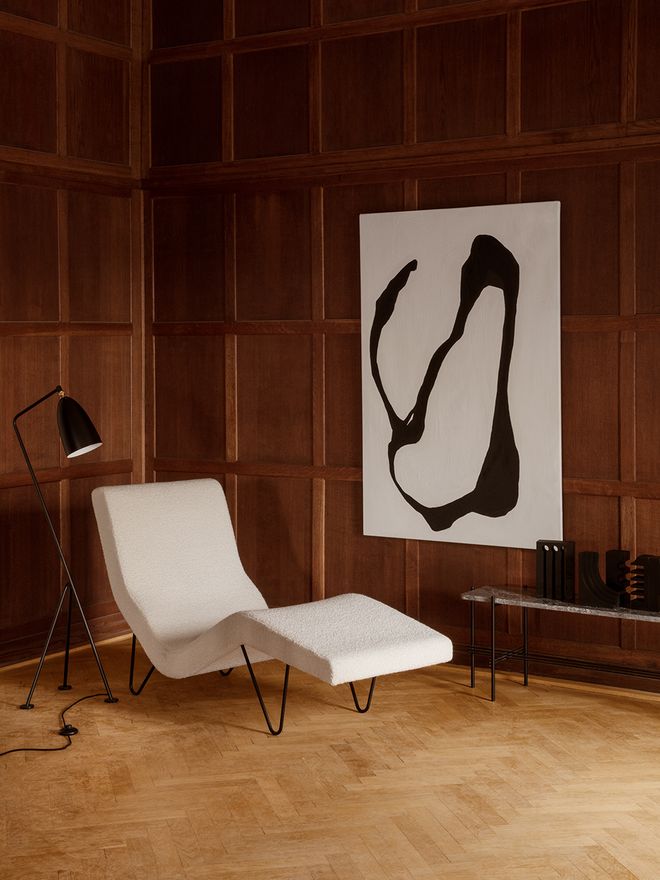
The GMG Chaise Longue from 1951 blends Scandinavian design traditions with American influences.
Grossman’s career in California gained further momentum in the early 1940s when she was invited to design furniture for Barker Brothers, a major Los Angeles-based furniture retailer. She had a remarkable ability to create modern yet softly contoured and commercially successful pieces that appealed to American consumers. In the end, Grossman’s furniture and lighting designs were featured in the collections of more than ten manufacturers across the United States.
Designed by Greta M. Grossman in 1952, the 62 Series was named for its forward-thinking design, believed to be a decade ahead of its time.
Grossman became a key figure in the California Design Movement (1945–65), which, in the wake of World War II, rejected tradition in favor of fresh, functionalist-inspired ideas tailored to the affluent, sun-soaked California lifestyle. Through her collaboration with Barker Brothers, Grossman also gained opportunities in more comprehensive interior design projects, as architects began commissioning her to design interiors for the private homes they were building.
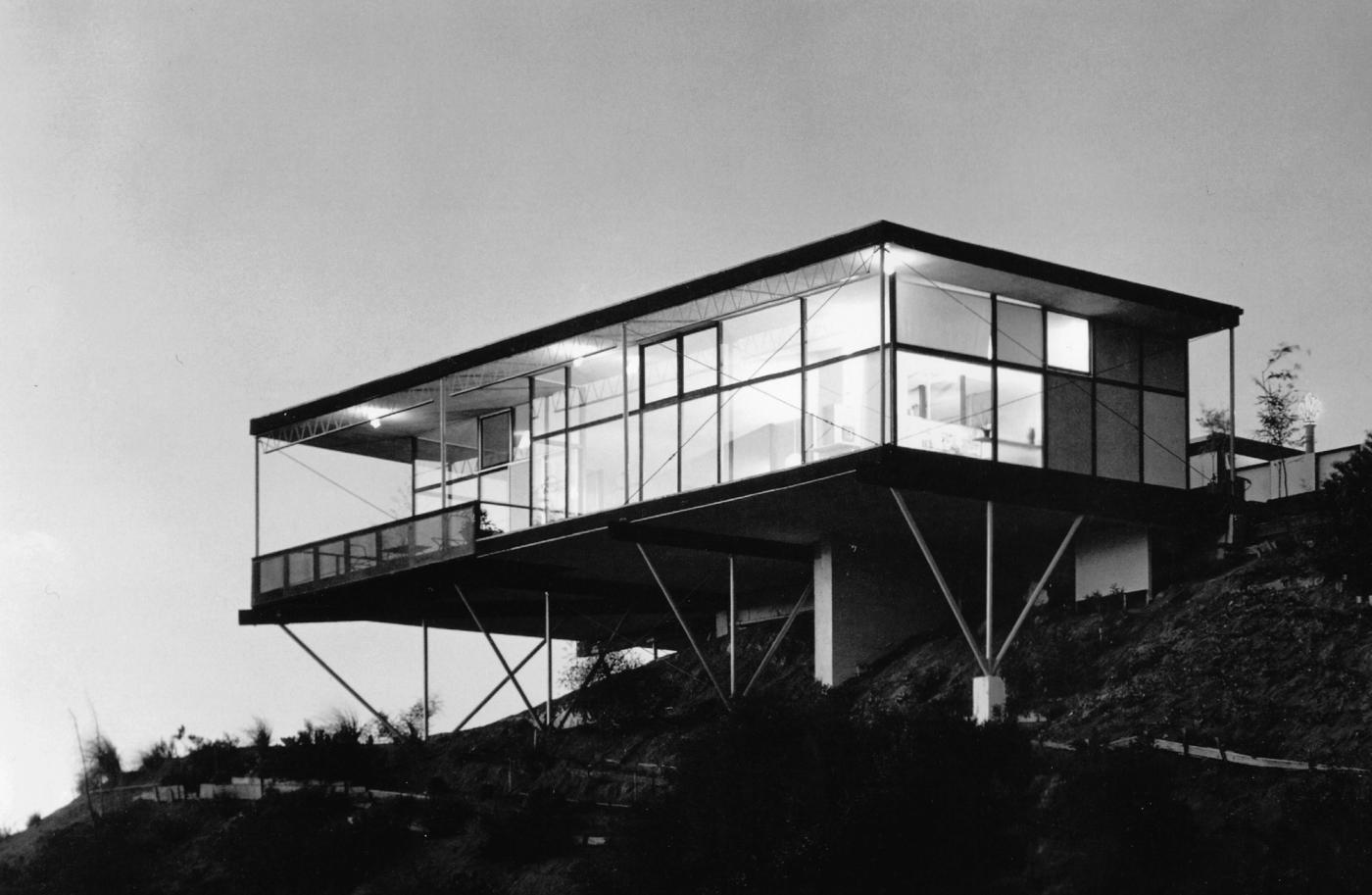
Between 1949 and 1959, Greta M. Grossman designed 14 single-family homes in Los Angeles and its surrounding areas. Image: GUBI.
In the late 1940s, Greta Magnusson Grossman expanded her work to architecture, designing a total of 14 single-family homes that exemplified pure mid-century modern style. These compact hillside residences were defined by clean modern lines, open floor plans, sun-drenched balconies, and expansive windows that framed breathtaking views of the rolling landscape.
By the mid-1960s, Grossman withdrew entirely from design. She relocated to another town and shifted her focus to painting. She passed away in 1999.
Today, Grossman is best known for her lighting designs, as the Danish brand GUBI has reintroduced several of her creations, including the Gräshoppa and Cobra lamps.
It wasn’t until the early 2000s that her extensive, transcontinental body of work was rediscovered. Danish brand GUBI first reintroduced the Gräshoppa and Cobra lamps, later expanding the collection to include furniture. Across all of her designs, Magnusson Grossman’s elegant yet playful and experimental approach to form remains unmistakable.
See also:
• Greta M. Grossman’s designs >
Images: GUBI
Published on 4 Mar, 2025