From radical to classic: the timeless design of Verner Panton
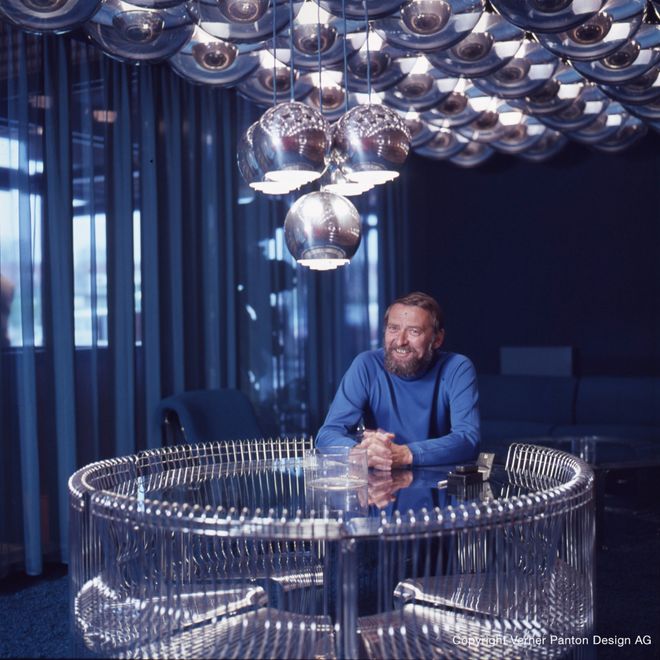
Verner Panton was a visionary, a challenger, and a radical pioneer whose ideas permanently reshaped the course of Scandinavian design.
IN THE 1960s, fresh and fearless ideas swept through Nordic design. A new generation of designers – among them Danish designer Verner Panton (1926–1998) – began to challenge the restrained aesthetic of Scandinavian modernism, introducing bold colors, playful forms, and a distinctly space-age spirit.
Panton became known as the designer behind the first one-piece moulded plastic chair, aptly named the Panton Chair.
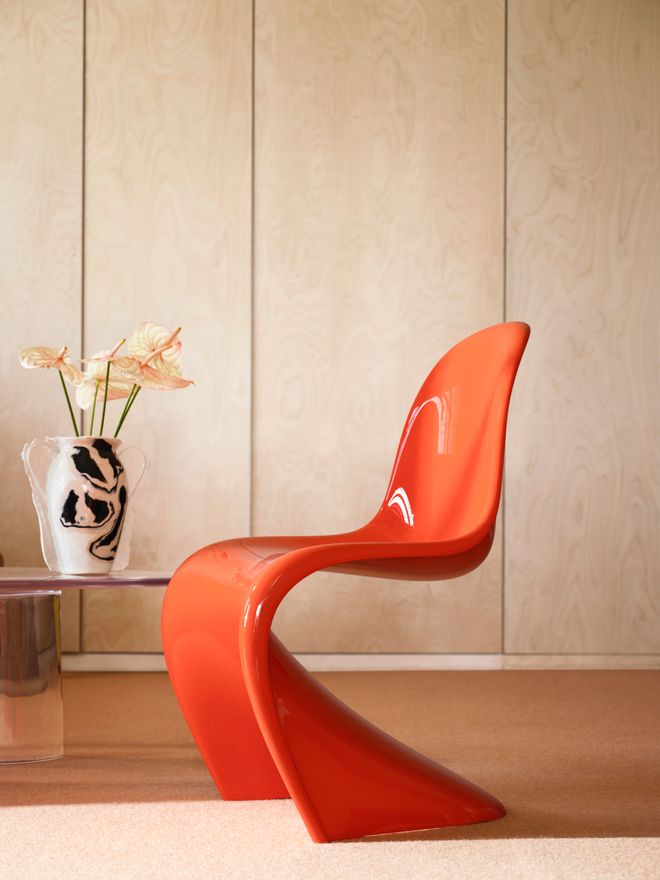
In 1960, Panton designed the world’s first one-piece moulded plastic chair.
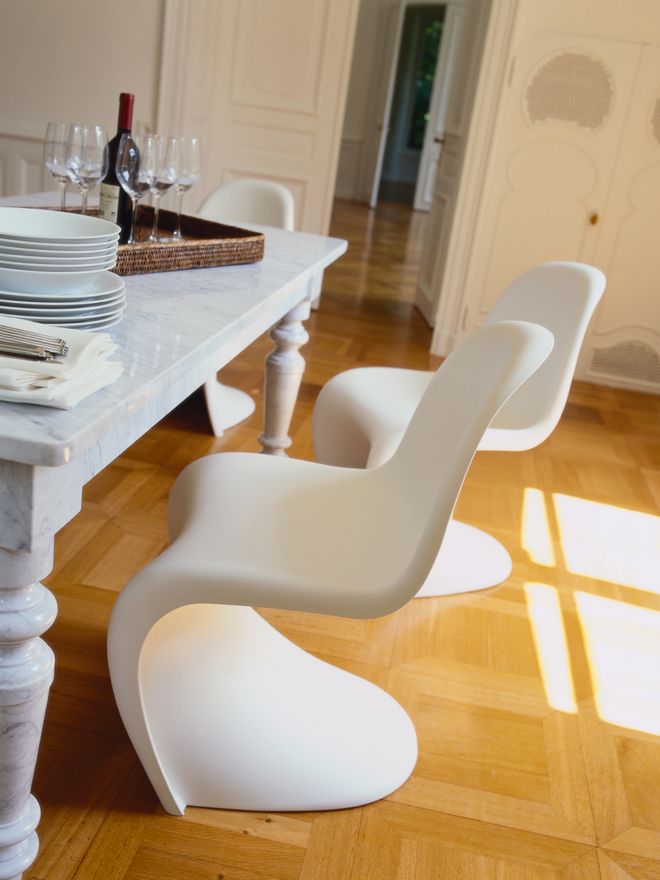
Over the years, the chair has been produced in several different versions. In 1999, however, Vitra began manufacturing it according to Panton’s original design using durable, through-dyed polypropylene.
Verner Panton enjoyed a long and prolific career, designing furniture, lighting, textiles, and smaller objects for more than five decades. His choice of materials ranged from plastic to metal and from textiles all the way to mother-of-pearl.
Many of Panton’s designs have become much-loved classics that remain in production today in the collections of leading design brands such as Louis Poulsen, Montana, &Tradition, Vitra, and Verpan.
So what makes Verner Panton’s design so enduring and timeless? We asked Trine Roed, Marketing and Brand Director at Montana Furniture, and Monique Faber, Chief Design Officer at Louis Poulsen – both of whom work closely with Panton’s legacy on a daily basis.
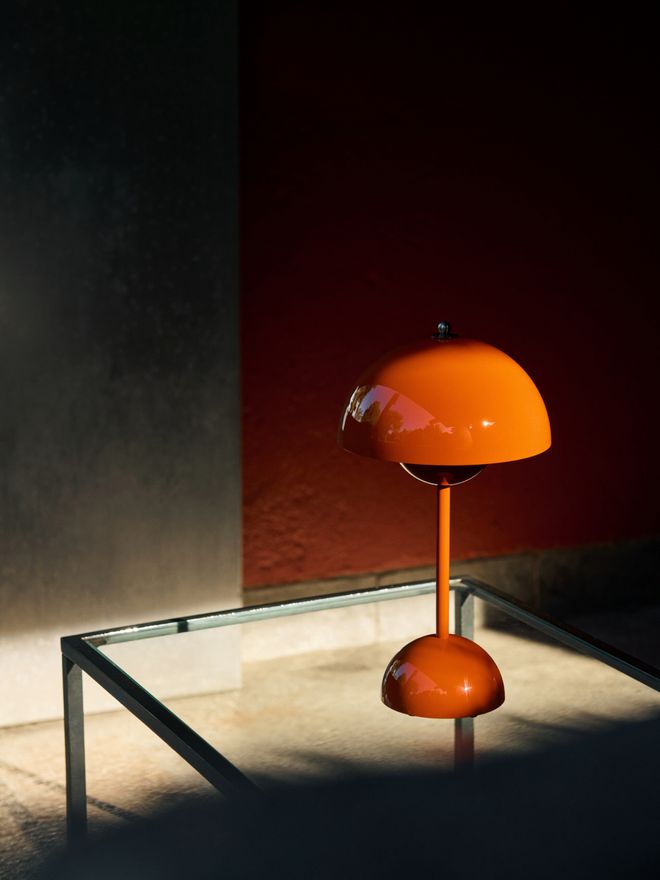
Designed in the 1960s, the Flowerpot is a true classic that perfectly captures the essence of Danish designer Verner Panton’s style: soft, rounded forms, vibrant colors, and a boundary-breaking sense of optimism.
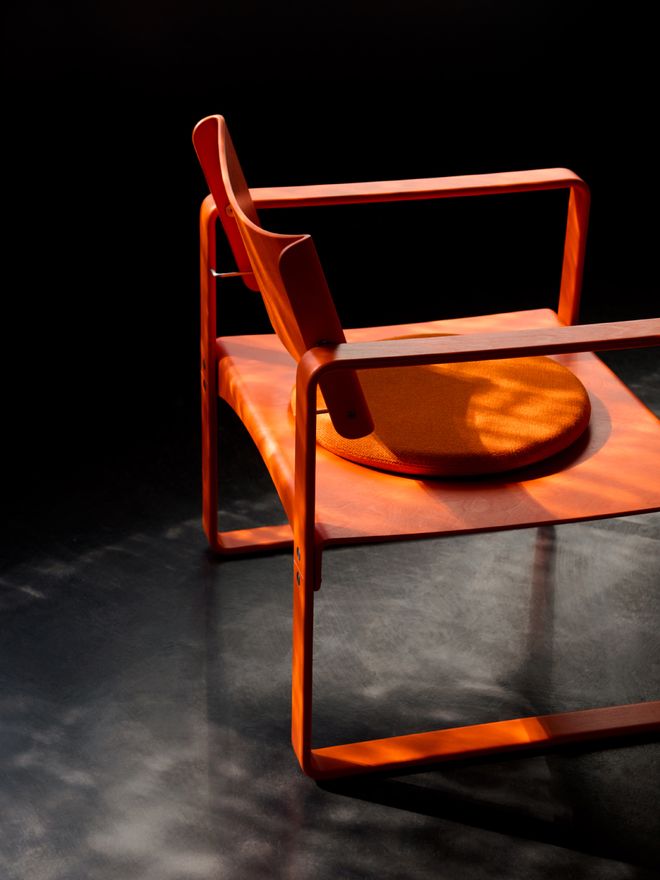
The Series 270 F lounge chair, designed in the late 1960s, showcases Panton’s innovative and open-minded interpretation of the possibilities of bent plywood. The chair is produced by Verpan.
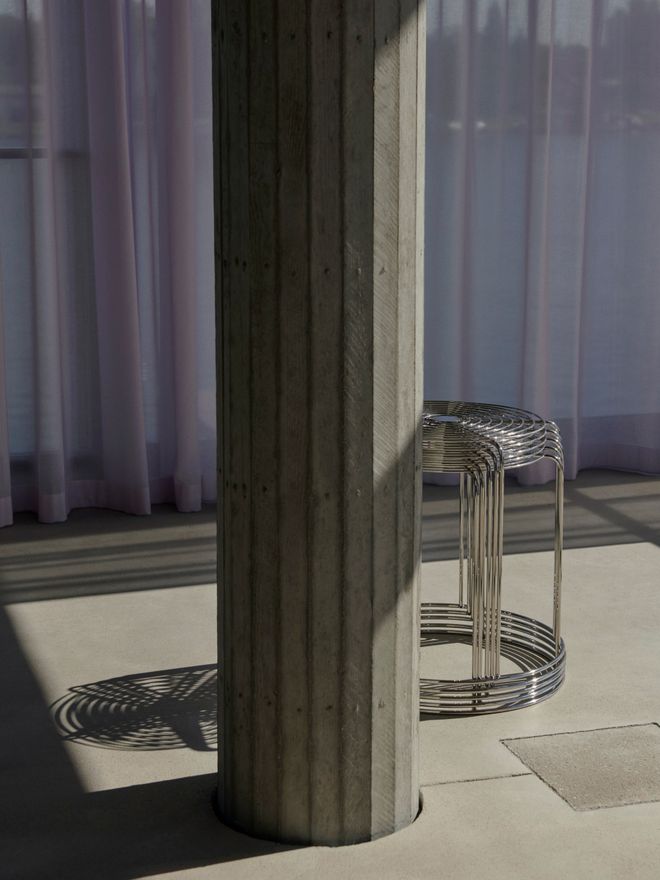
A slightly different side of the Danish designer’s work can be seen in the later Wire stool. Panton designed the metal stool back in the 1980s, but it wasn’t put into series production until the 2020s, when it joined &Tradition’s collection.
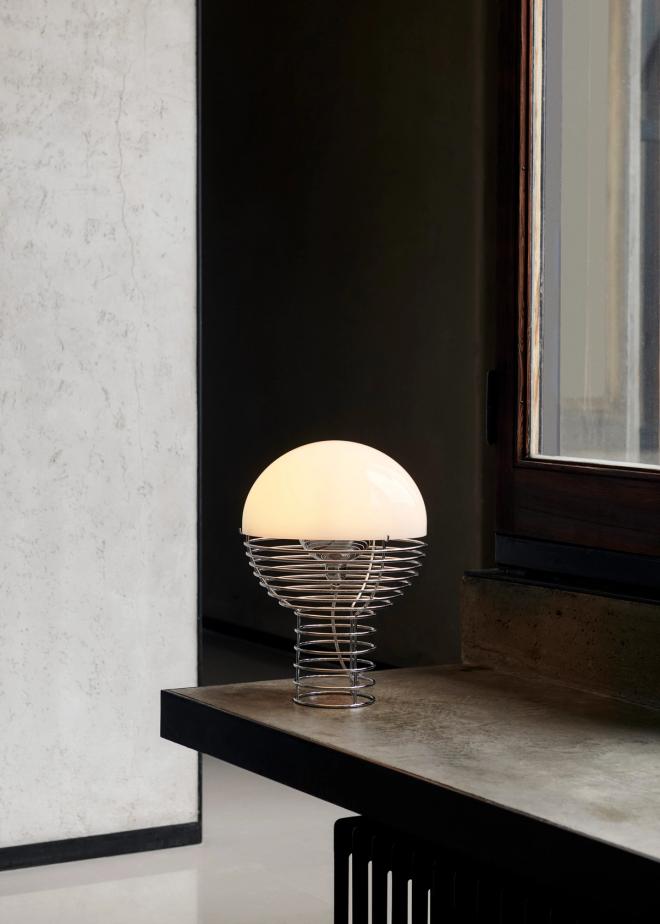
Although Panton is often associated with bright, vivid colors, his designs also embrace the neutral tones favored in Scandinavian interiors. The Wire lamp is currently part of Verpan’s collection.
Decades pass, but Panton’s design still seems to be suitable for today’s interior design. Why has his design stood the test of time?
“Verner Panton’s strength was that he never designed for a specific moment in time. He designed from a way of thinking.
Rather than following trends, he questioned how furniture and interiors could shape the way we feel, move, and interact in a space. His designs were often radical when they were first introduced, but they were also very clear in their logic.
That clarity is what makes his work feel relevant today. Even decades later, his designs do not feel nostalgic but intentional,” Trine Road explains.
In the early 1950s, Panton worked in the studio of design legend Arne Jacobsen. In lighting design, his mentor was Poul Henningsen, who had already created many iconic luminaires for Louis Poulsen in the 1920s.
Despite all its rebelliousness and colorfulness, is there still something that connects Panton’s products to the Scandinavian design tradition?
“Despite his radical expression, Panton never abandoned the importance of functionality. Even in his most rebellious designs, his exploration of new materials and organic shapes was often highly ergonomic.
In this sense, his work is still grounded in the Scandinavian design principle of form follows function. Although his designs are expressive and at times attention-seeking, they are never decorative for decoration’s sake. Every element serves a purpose, and each form is justified by function,” explains Monique Faber of Louis Poulsen.
Verner Panton’s use of colors was bold and joyful, and it differed from the previous restrained Scandinavian line. What new did he bring to the use of color?
“Panton treated color as an architectural element, not as decoration.
He showed that colour could define space, create atmosphere, and influence how we experience an interior,” Trine Road says.
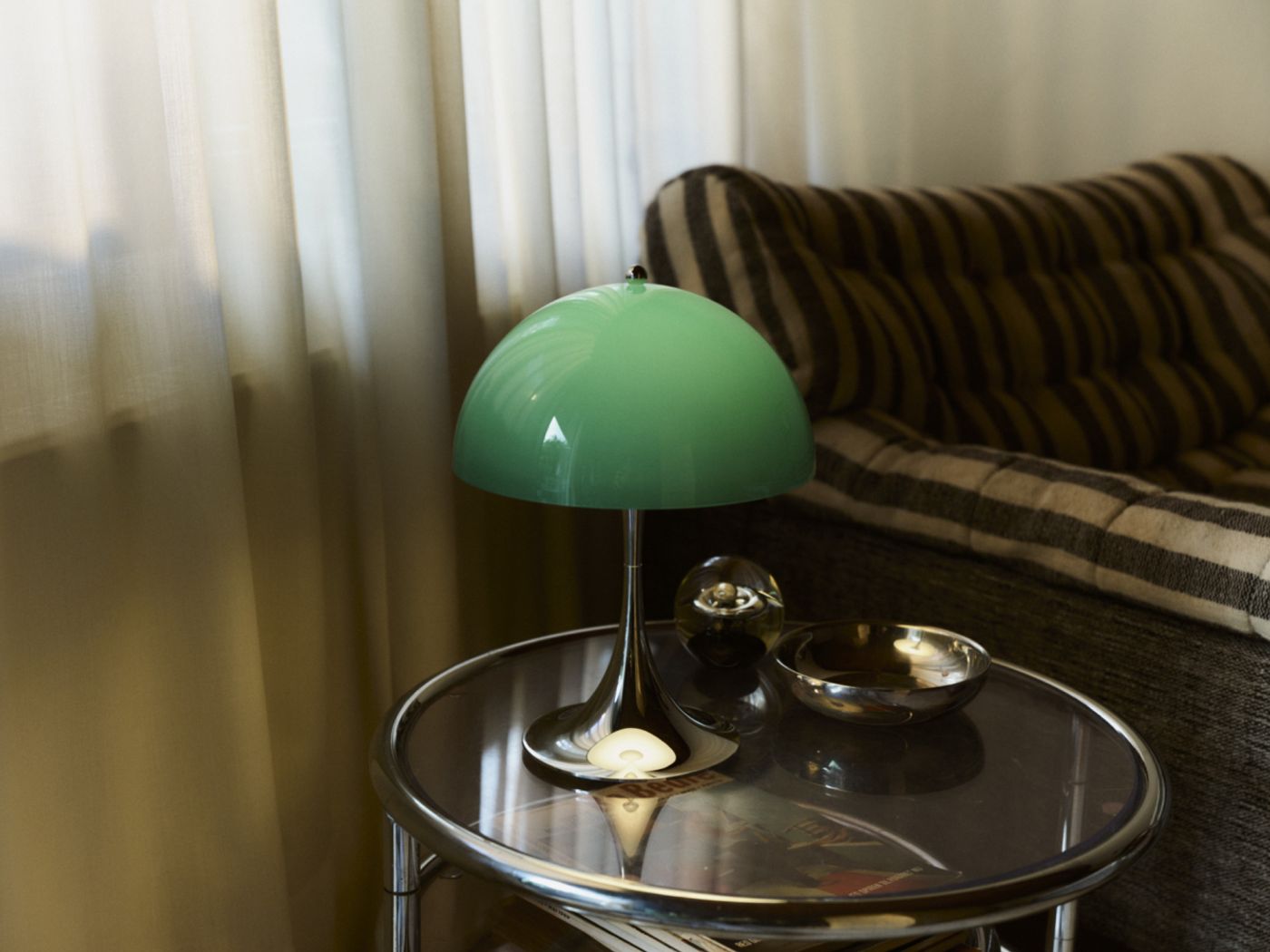
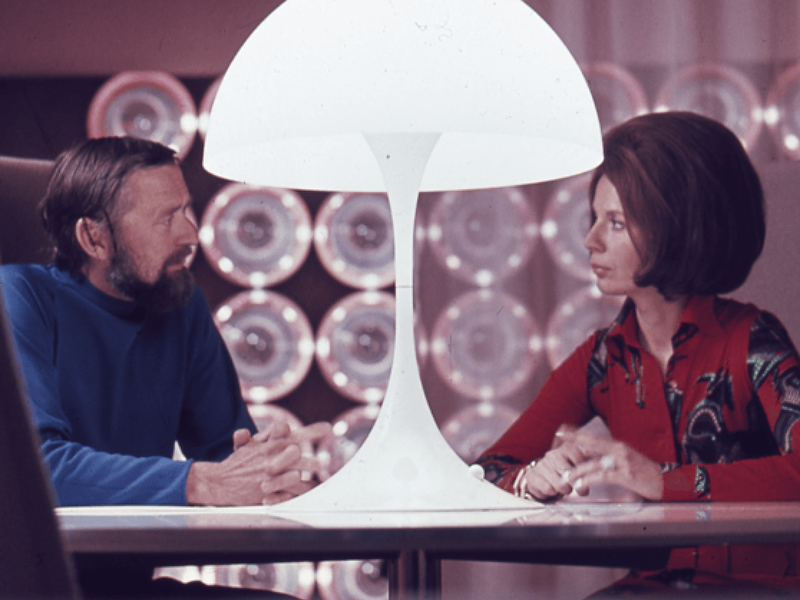
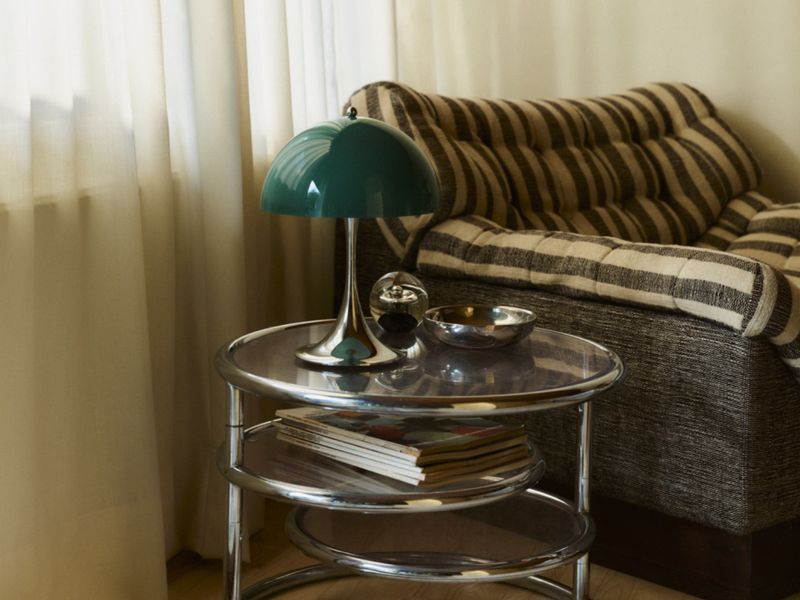
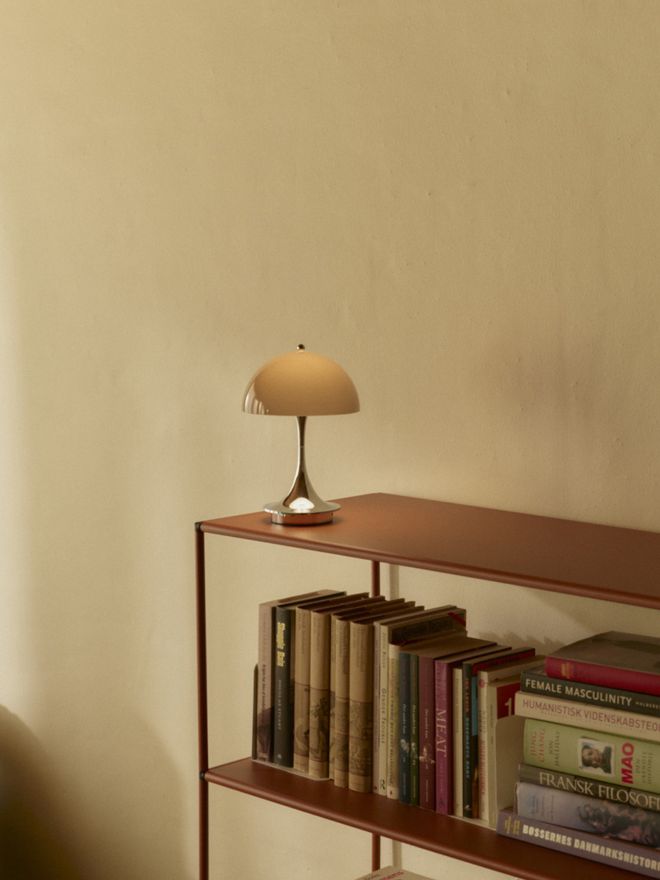
Verner Panton combined playfulness with carefully considered forms in his designs. This balance is especially evident in his lighting from the 1960s and 1970s, like the Panthella lamp, produced by Louis Poulsen.
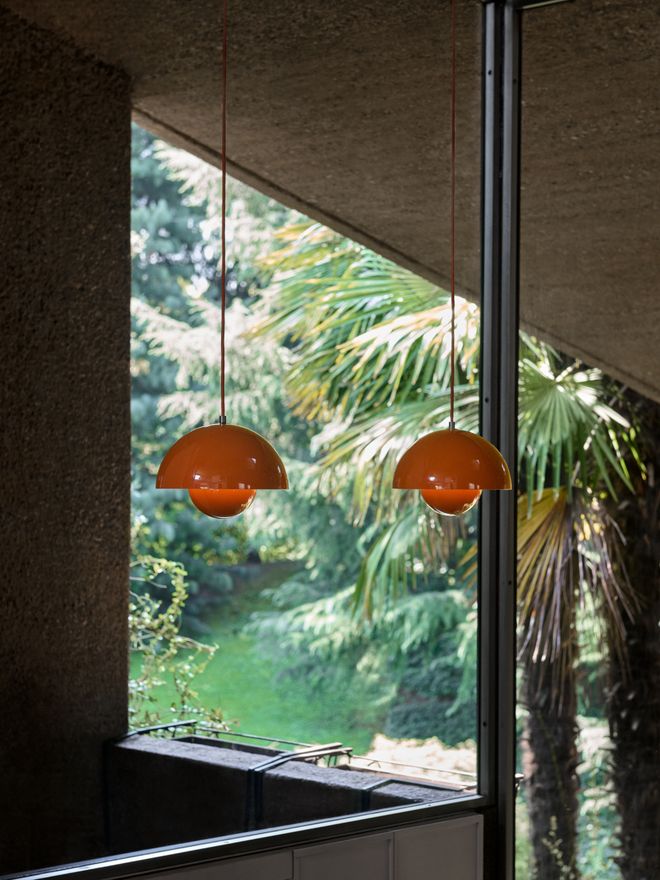
The same playful spirit lives on in the Flowerpot lighting series. With its charming, rounded shapes and bold colors, it creates an easy-going feeling.
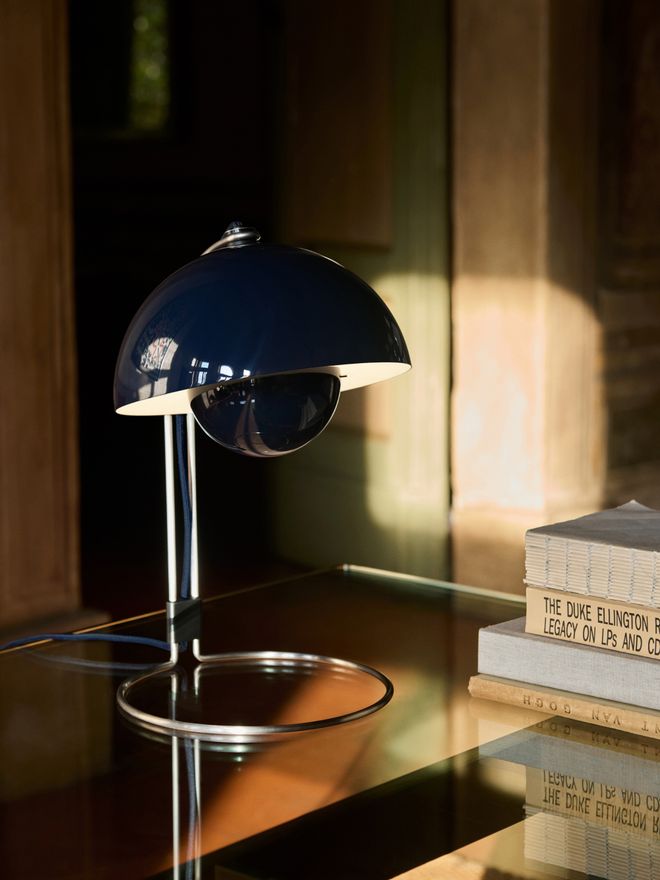
The Flowerpot lamp was reintroduced into production by &Tradition in 2010. Alongside the original pendant, the collection now includes table, wall, and floor versions as well as rechargeable, cordless models in many different colors.
What makes Panton’s luminaires still so popular and timeless?
“Verner Panton designed many expressive and innovative lamps during the late 1960s and the 1970s. At first glance, his lighting designs can appear more playful than functional, but Panton mastered a fine balance between the two. His designs blur the line between sculpture and functional object, yet never at the expense of usability,” Monique Faber tells.
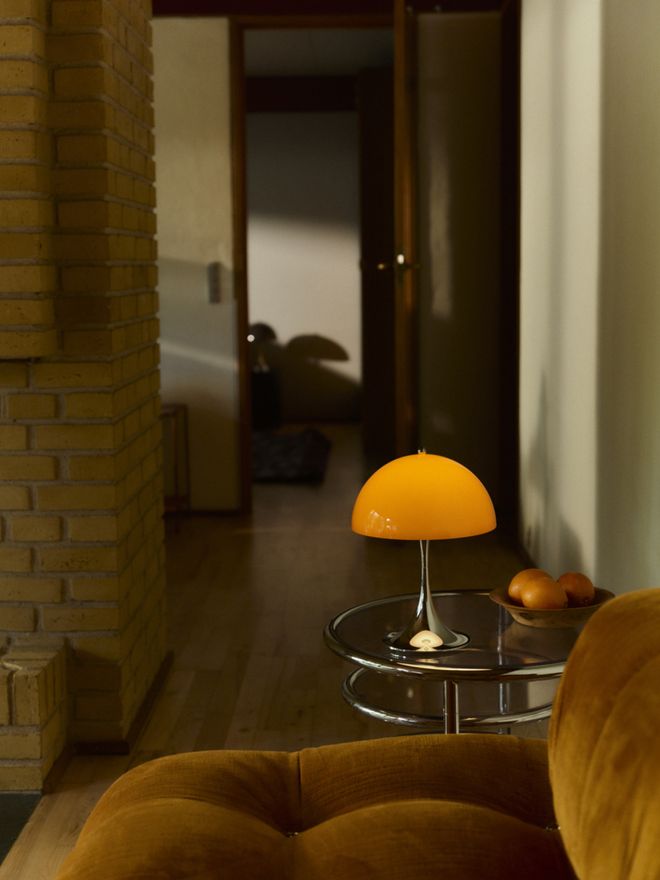
Panton paid careful attention to the character of light in his luminaires. He often worked with soft, indirect light.
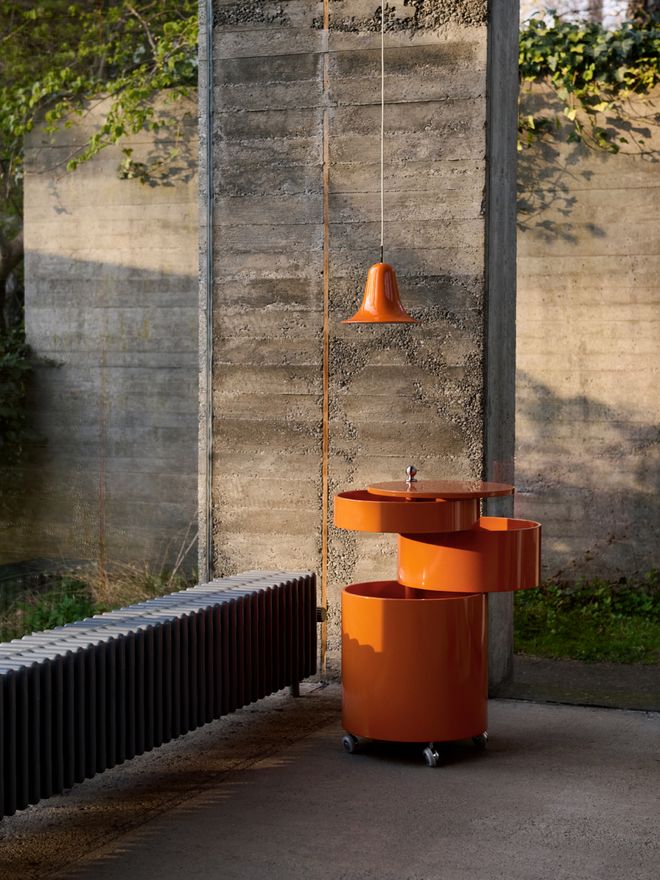
While the eye is first drawn to their flowing, sculptural forms and fresh colours, the luminaires are also highly practical. The Pantop pendant, a fine example of Panton’s later style, is produced by Verpan. The Barboy trolley is also one of his creations.
Among the most spectacular works of Verner Panton’s career were his colour-saturated, almost psychedelic interiors that challenged conventional ideas of how we inhabit and experience space.
For these environments, he developed sculptural modules that could be combined in different ways to create imaginative, immersive settings for living and lounging.
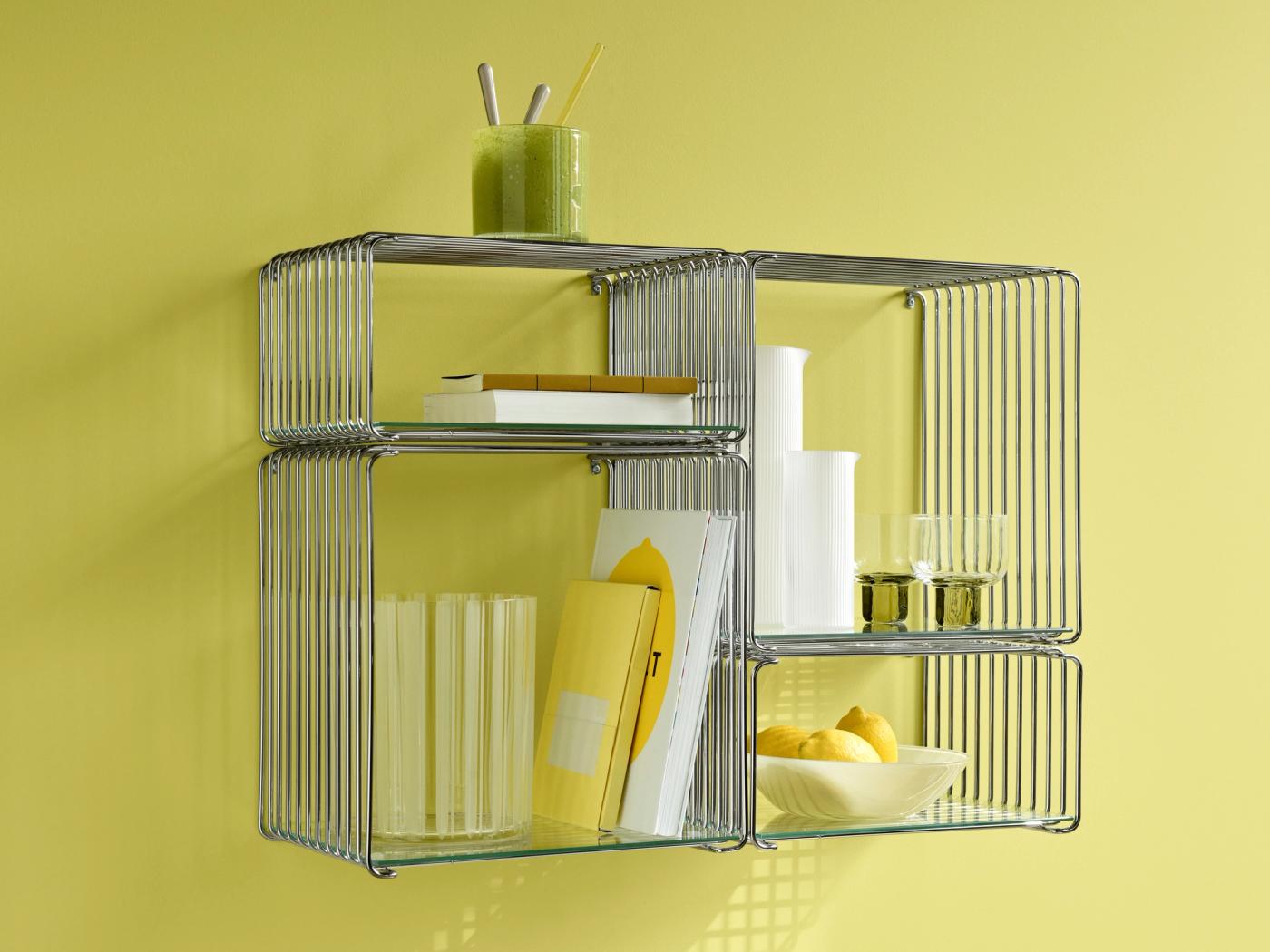
Verner Panton’s modular thinking is evident in Montana’s Wire series, whose versatile modules can be combined into a configuration that suits your space and needs.
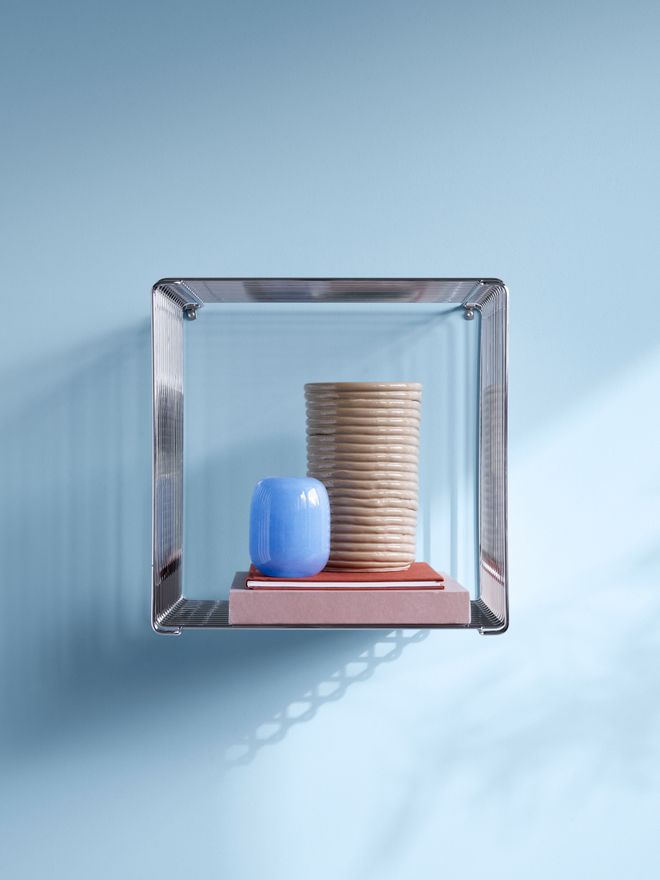
The Wire series is a personal favourite of Montana’s Trine Roed, as it feels just as relevant today as it did in the 1970s.
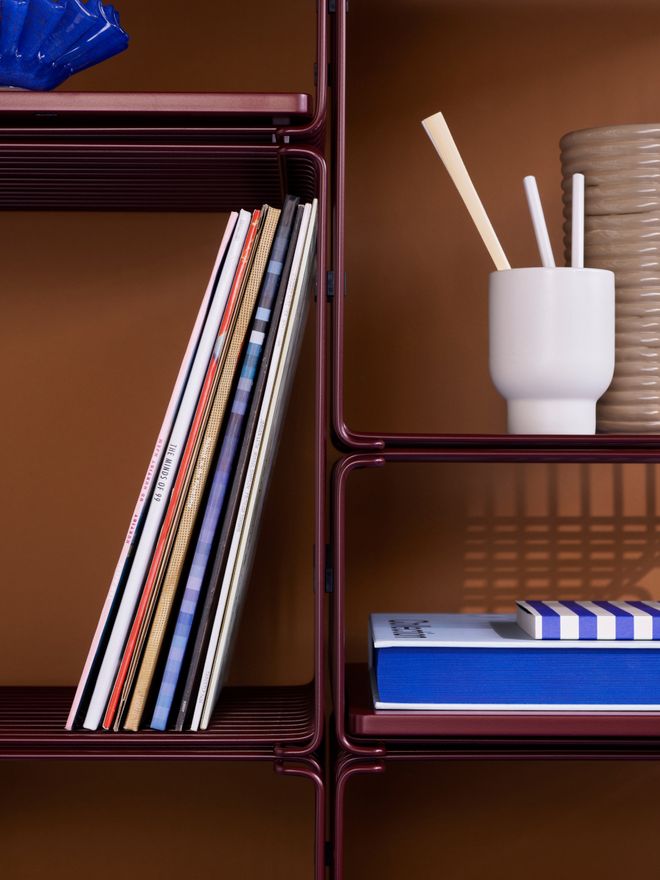
“Panton Wire is light, almost graphic, and very flexible. It works quietly in a space, but still has a strong presence,” he describes.
Panton designed very experimental, sculptural, and avant-garde spaces that were built from multifunctional modules. Did this design approach bring any special characteristics to the products he designed?
“Yes, very much so. Panton thought in systems and environments rather than individual objects. His pieces were designed to be combined, repeated, or rearranged, allowing spaces to change character depending on how they were used. The modular thinking created a sense of movement and flexibility, even in very sculptural designs.
This approach also meant that his furniture often feels open-ended. It invites interpretation rather than prescribing a single use,” Trine Roed describes.
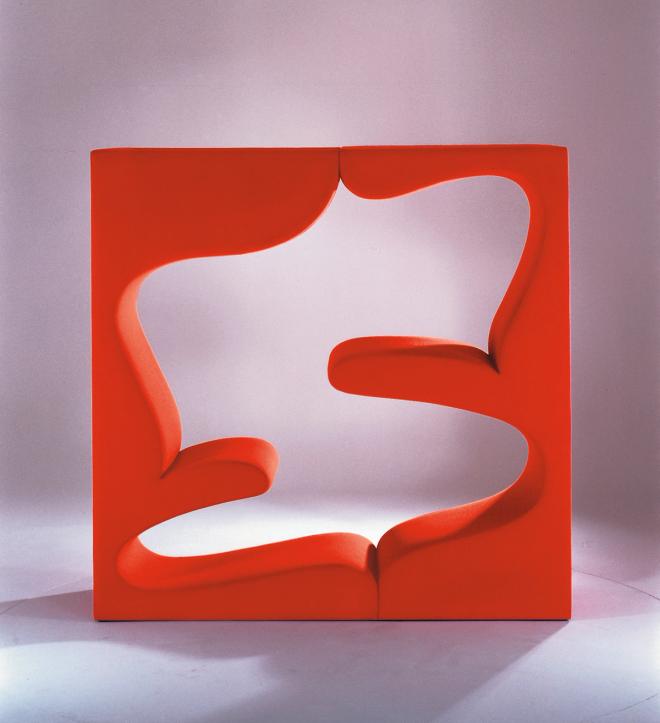
Verner Panton’s modules ranged from functional building blocks, such as the Wire series mentioned above, to soft “living sculptures”, a striking example being the futuristic Living Tower, produced by Vitra.
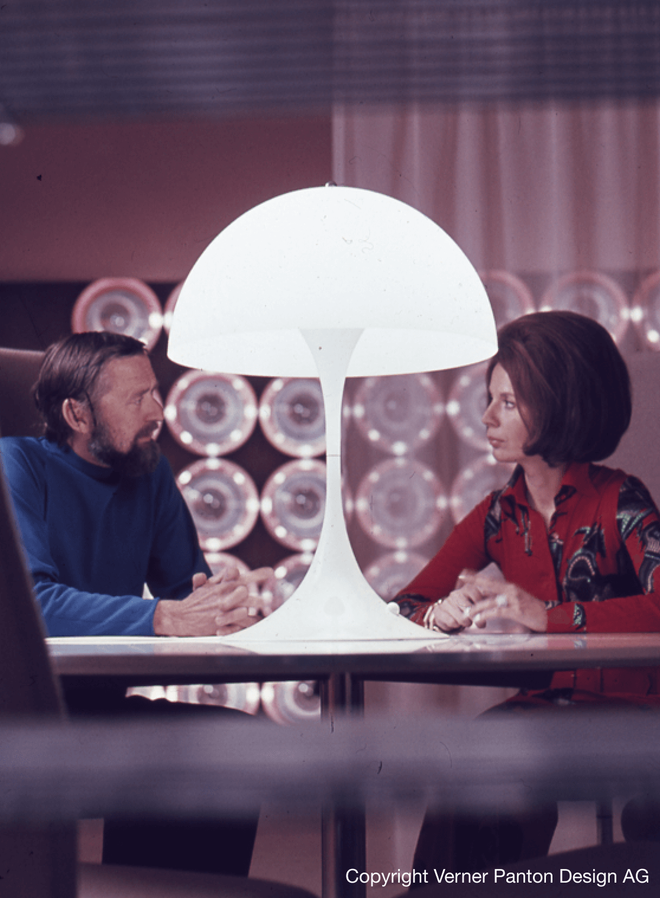
Panton expanded the understanding of what Scandinavian design could be. He wanted to make everyday environments more playful and imaginative.
For some, Panton’s designs were almost too bold – for others, they felt like a refreshing breeze from a new, more liberated era. How has he influenced furniture design in the Nordic countries generally?
“Panton helped expand the understanding of what Scandinavian design could be. He challenged the idea that Nordic design had to be restrained, muted, or minimal in expression. By doing so, he opened the door for a more playful, experimental, and expressive approach, without abandoning quality or craftsmanship.
Today, that broader definition is clearly visible across Nordic design, where colour, form, and individuality are much more widely embraced,” Trine Road sums up.
See also:
• All products designed by Verner Panton >
Images: Manufacturers
Published on 12 Feb, 2026