Kuusijärvi smoke saunas win Finlandia Prize for Architecture
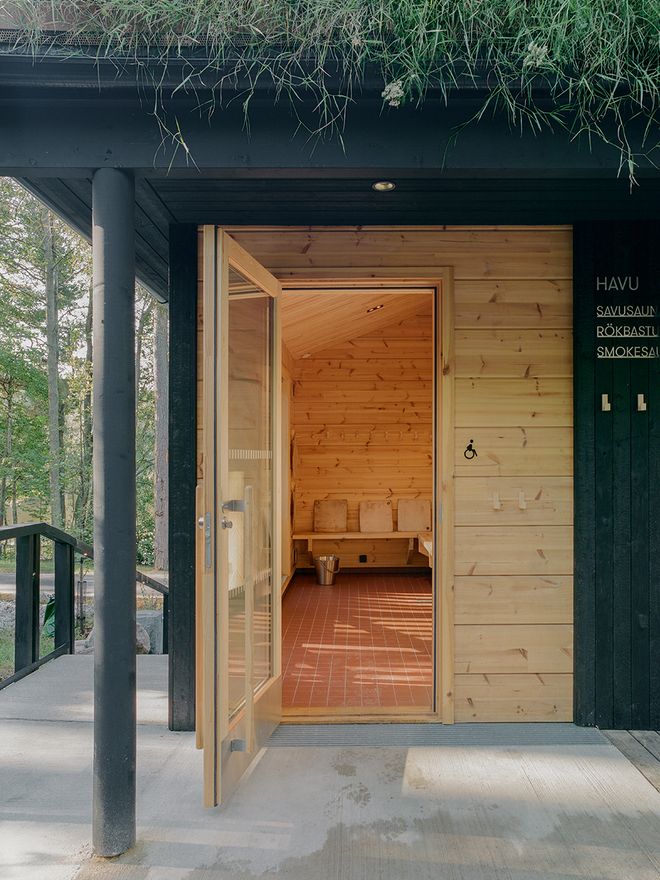
The Kuusijärvi smoke saunas were recognized for their architecture.
THE KUUSIJÄRVI smoke saunas in Vantaa have won the Finlandia Prize for Architecture. The buildings were designed in collaboration between Mer Architects and Talli Architects. This year marks the 13th time the Finlandia Prize for Architecture is presented by the Finnish Association of Architects (SAFA).
The winner was chosen from a shortlist of four projects by Timo Miettinen, an author and scholar specialising in European philosophy and intellectual history, who is also known as a public commentator on European politics.
What: Smoke sauna
Traditionally, no chimney. A classic smoke sauna is heated with a wood-burning stove that has no flue, so the smoke fills the room while the fire burns.
A slow burn. Heating takes several hours, until the stones and walls have absorbed enough heat to last through the evening. At Kuusijärvi, the saunas are heated for 5 to 6.5 hours a day.
Air first, then bathe. Once the fire dies down, the smoke is ventilated out. What remains is a warm, clean-aired space with darkened walls and a faint smoky scent.
A softer heat. Unlike a modern electric sauna that heats up in under an hour, the stored heat feels mellow and enveloping, and the steam (löyly) is gentle.
Sauna as ritual. Considered the oldest form of the Finnish sauna, it’s less a quick routine and more an unhurried, afternoon-long tradition.
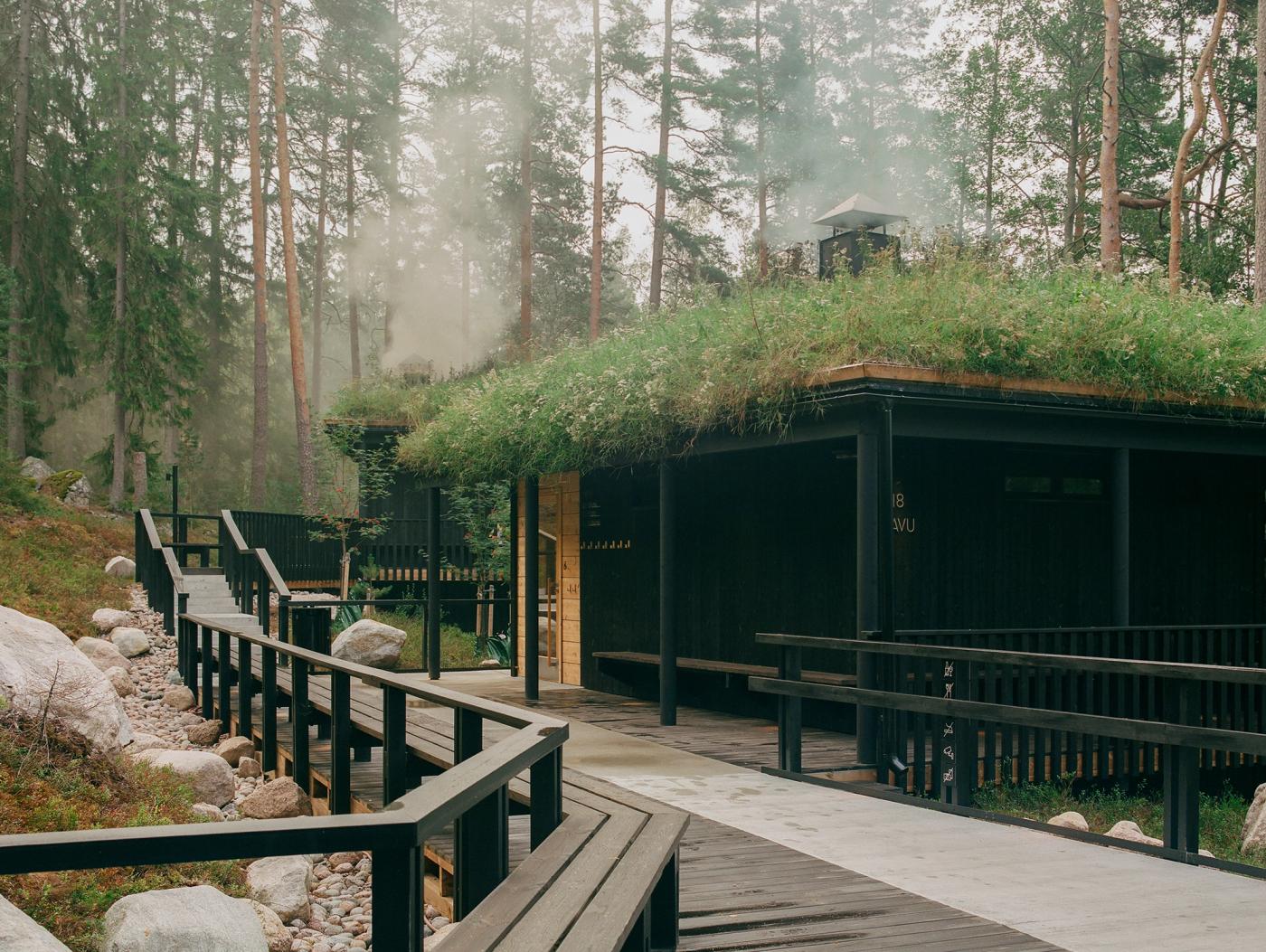
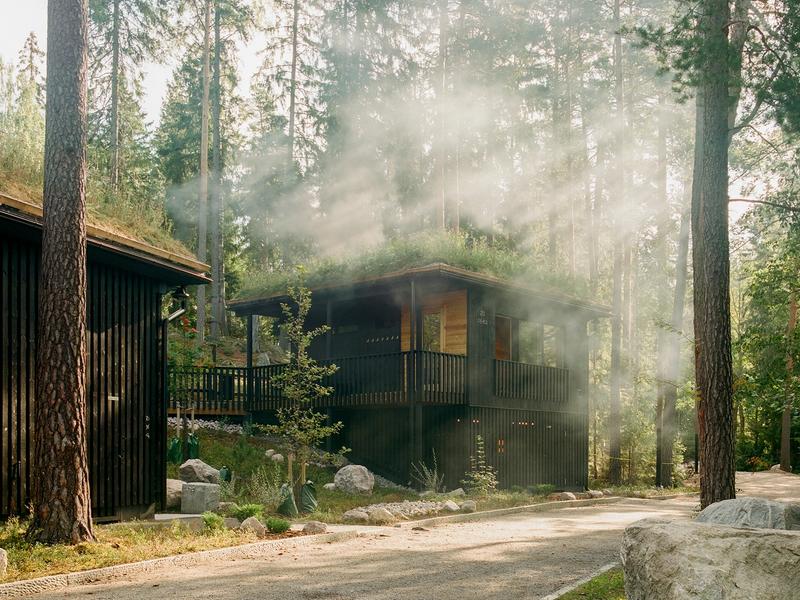
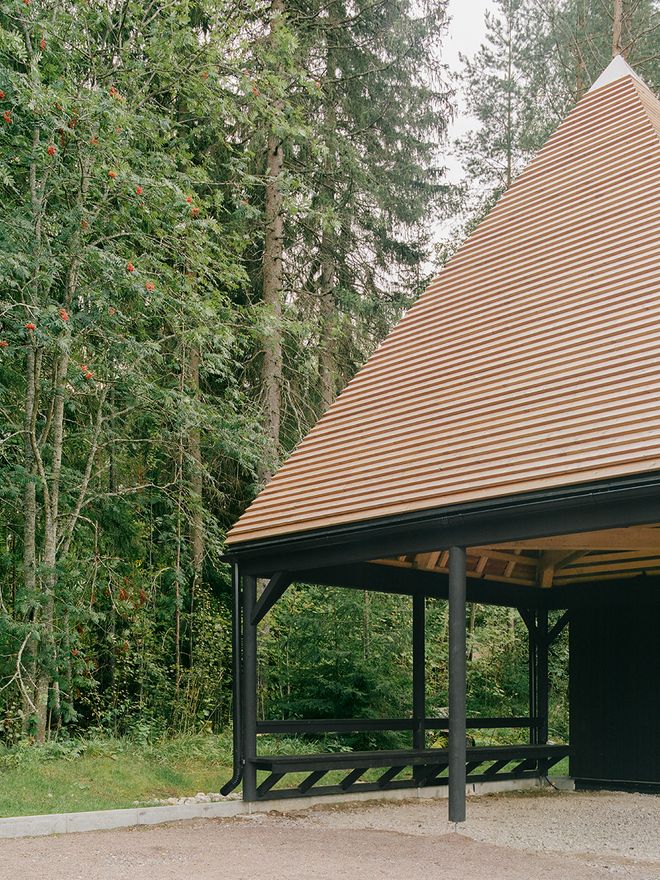
The saunas' green roofs blend into their surroundings.
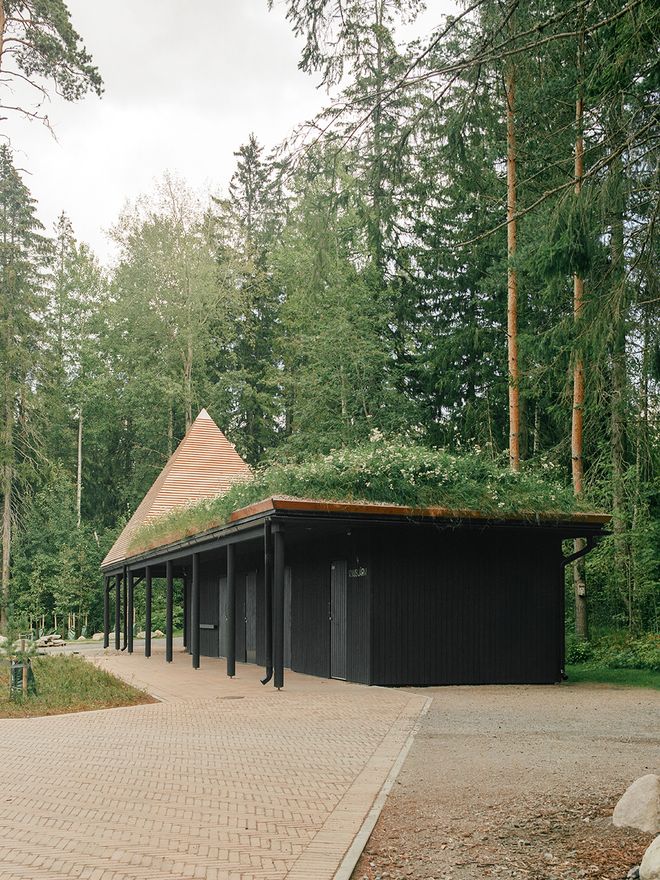
The dark facades are clad in wood.
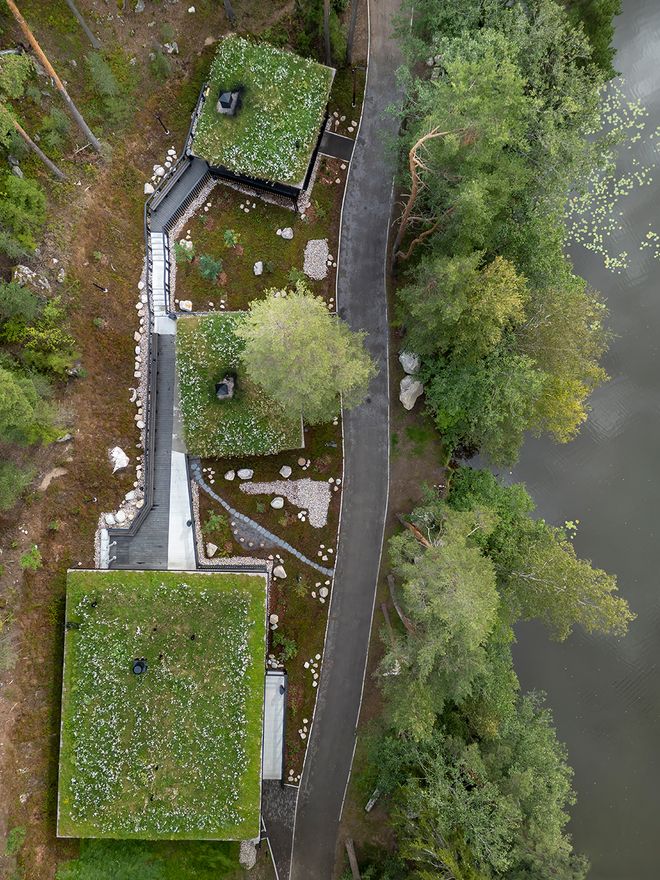
The architecture settles into the landscape. Photo: Marc Goodwin, Archmospheres
In selecting this year’s winner, Timo Miettinen says he considered which of the shortlisted candidates best reflected the qualities that define Finnish people as a nation and the qualities we would like to see define us.
“The smoke saunas at Lake Kuusijärvi represent public architecture at its finest. They stand as proof positive that beauty, sustainability and quality can, and do, belong to everyone,” Miettinen said.
“This project combines a rich aesthetic sensibility with obvious technical flair, genuine commitment to community building, respect for nature and accessibility. It offers us all an opportunity not only for calm and relaxation but socialising and community too.”
In his comments, Miettinen chose to highlight the sense of ritual the buildings succeed in engendering as part of the experience and the way the bathers are invited to move within the buildings and between them.
“From the changing rooms you are first brought outdoors into the fresh air, then to the sauna and, afterwards, to the lake beyond it. The scent of the forest, the cool air, the soft smoke and the dark expanses of wood all contribute to a carefully thought-out ritual. The low lighting and the intimate scale within the saunas create a protective cocoon from which you emerge into the forest and the vast expanse of lake that spreads out in front of you,” he concluded.
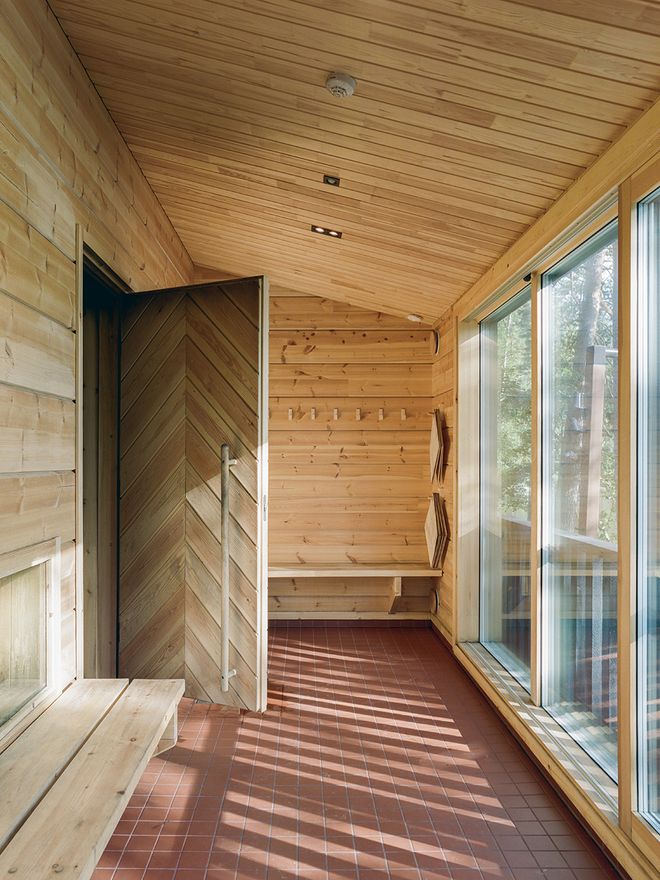
The pre-jury praised the careful use of materials and the timeless atmosphere of the smoke saunas.
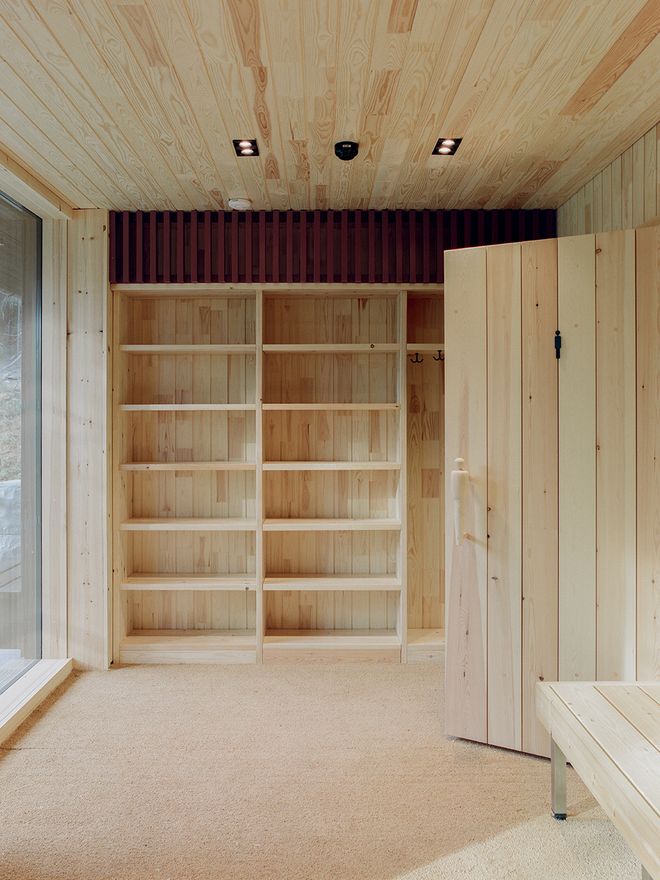
From the changing rooms and showers, visitors step outside to reach the saunas.
The newly added saunas, changing facilities and visitor centre complement the existing recreational provision at Lake Kuusijärvi in Vantaa. Complete with dark-hued, timber-clad facades and living, hipped roofs, they blend effortlessly into the surrounding landscape.
Julia Hertell, architect at Mer Architects, who oversaw the building design, is delighted that in this globalised era a project like the Lake Kuusijärvi saunas – relatively modest in scope and decidedly local – can still be in contention for, and go on to win, a prestigious prize like the Finlandia.
“The Finnish sauna architecture and design tradition is very much alive and well and constantly reinventing itself, and that’s definitely something to be proud of,” Hertell said.
Architect Jenni Hölttä, who oversaw the project’s principal design and building design at Talli Architects, praises the client, the City of Vantaa, for their visionary approach.
“The brief from the client was for a series of distinctive, high-specification buildings. It meant that, as the designers, we were free to take an inventive and open-ended approach to the Finnish smoke sauna building tradition,” she said.
“I hope that the saunas we have created will bring people together and allow them opportunities to connect with the natural world. It is also our hope that we have succeeded in enhacing Lake Kuusijärvi’s unique atmosphere and perhaps brought a new dimension to it.”
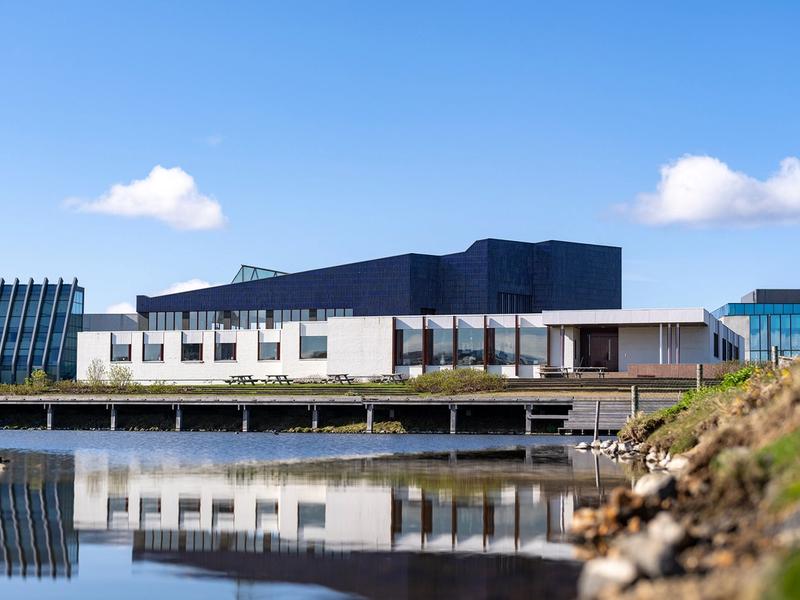
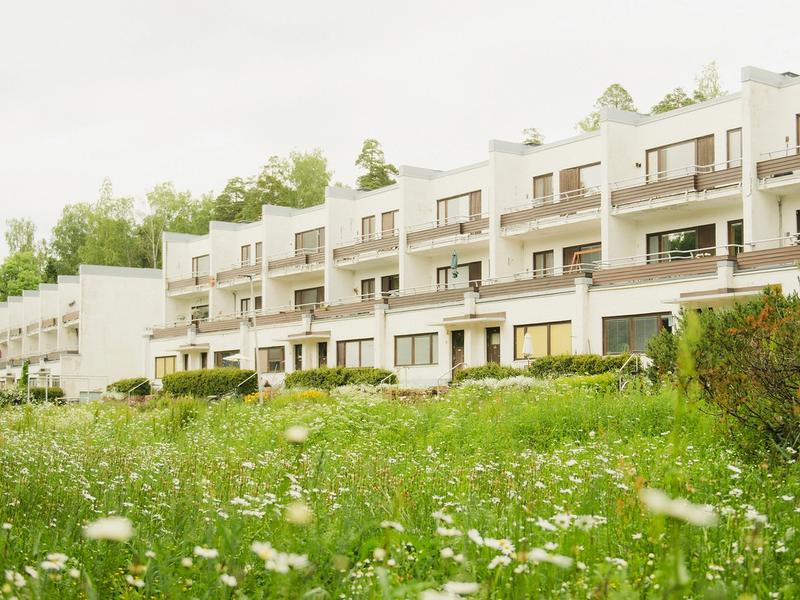
Alongside the winner, the 2026 Finlandia Prize for Architecture shortlist comprised the Muurarimestari residential building in Helsinki, the Swedish Cultural Foundation’s SKiB campus in Pori and Lost Shtetl, the Jewish history museum in Lithuania.
The 2026 prize was the 13th Finlandia Prize for Architecture.
About the Finlandia Prize for Architecture
FIRST PRESENTED in 2014, the Finlandia Prize for Architecture is the most prestigious architecture award in Finland. The purpose of the prize is to promote the appreciation of high-quality architecture and to highlight the importance of architectural design in generating cultural capital and promoting wellbeing.
The prize is awarded for the design of a new building or group of buildings completed within the past three years by a Finnish or international architect in Finland or to a Finnish architect for a design located abroad.
The prize shortlist is selected by a Pre-Selection Jury appointed by the SAFA board. The winner of the Finlandia Prize for Architecture is then chosen by a Finnish public figure from a non-architecture background selected each year for the role.
See also:
• More sauna products at Finnish Design Shop >
Published on 6 Oct, 2026