This is a carousel of product images. Use the thumbnails or swipe to change the displayed image, and activate an image to open it full screen.
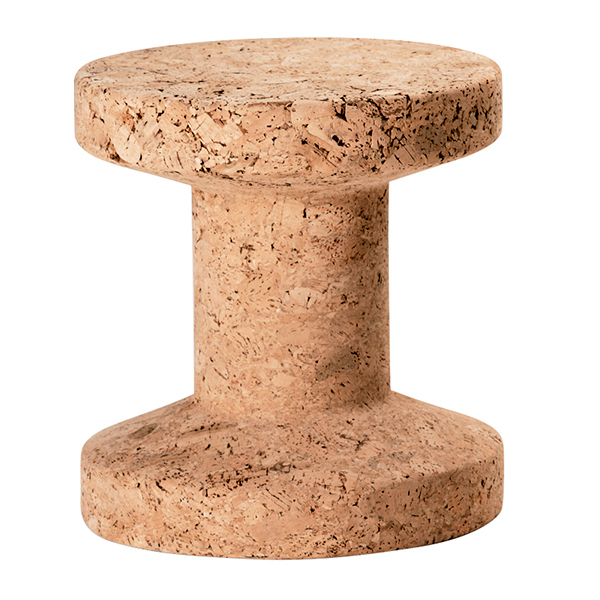
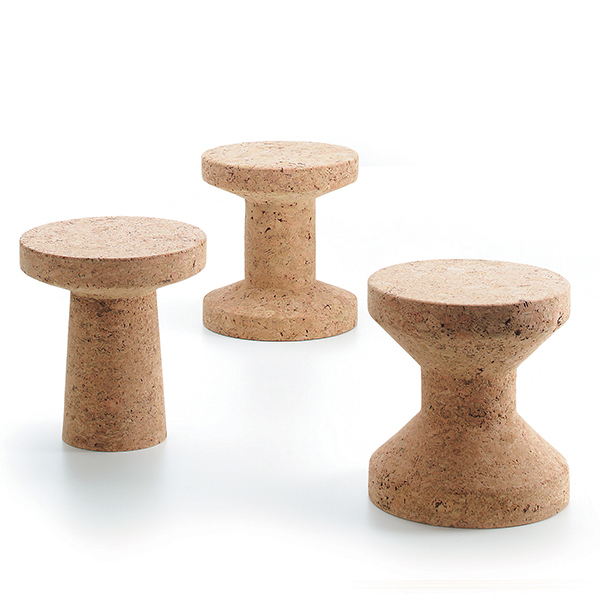
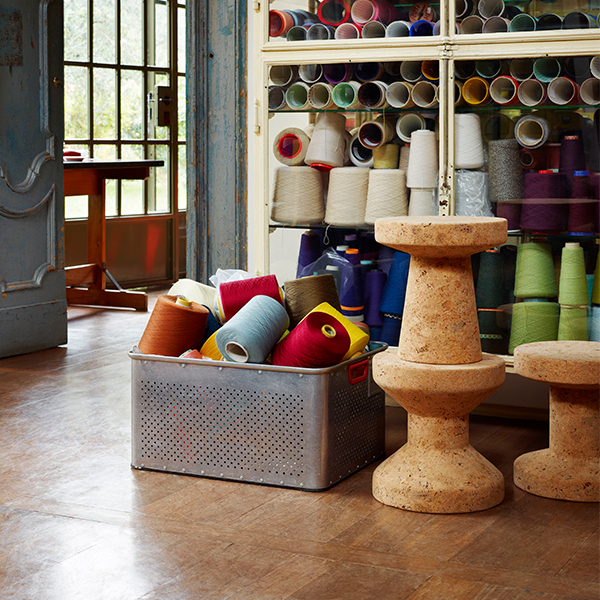
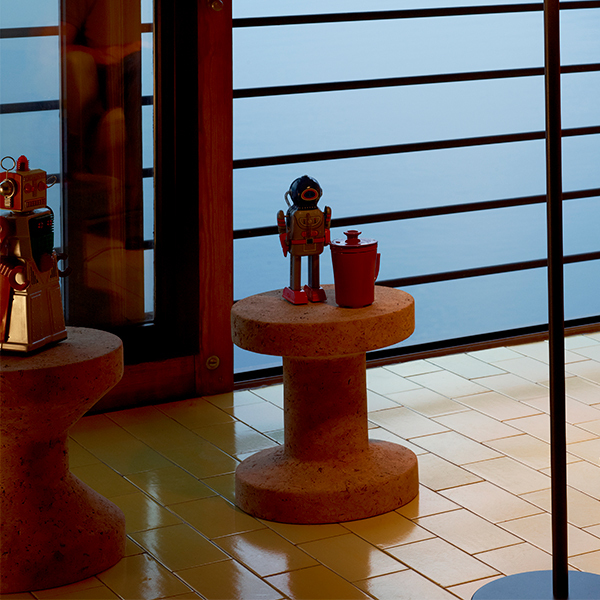
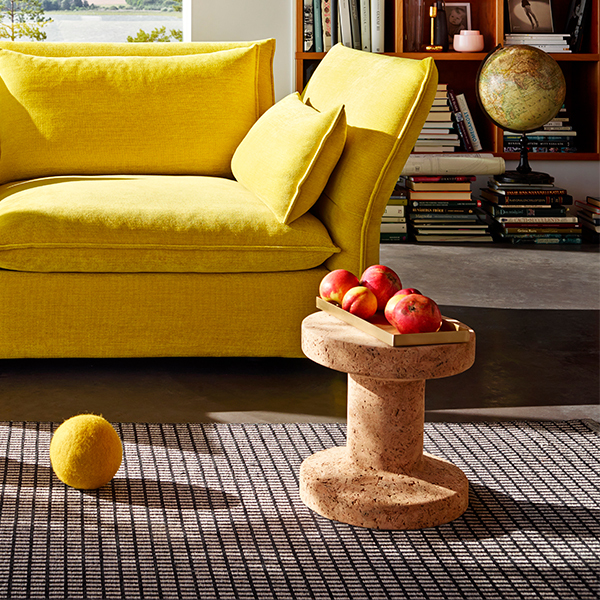
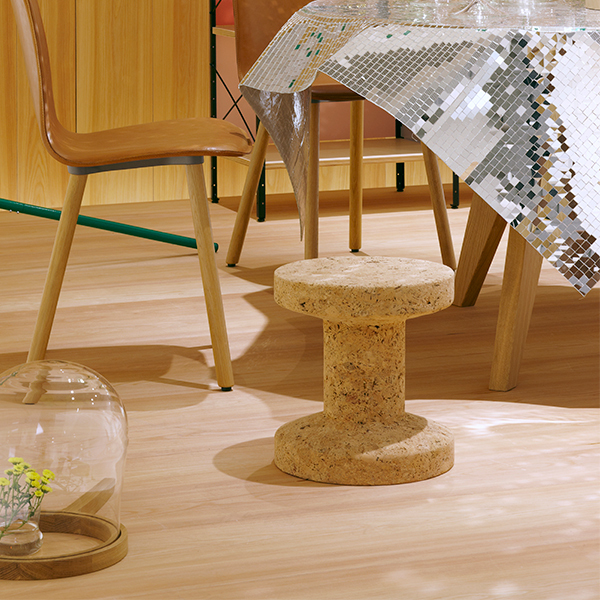
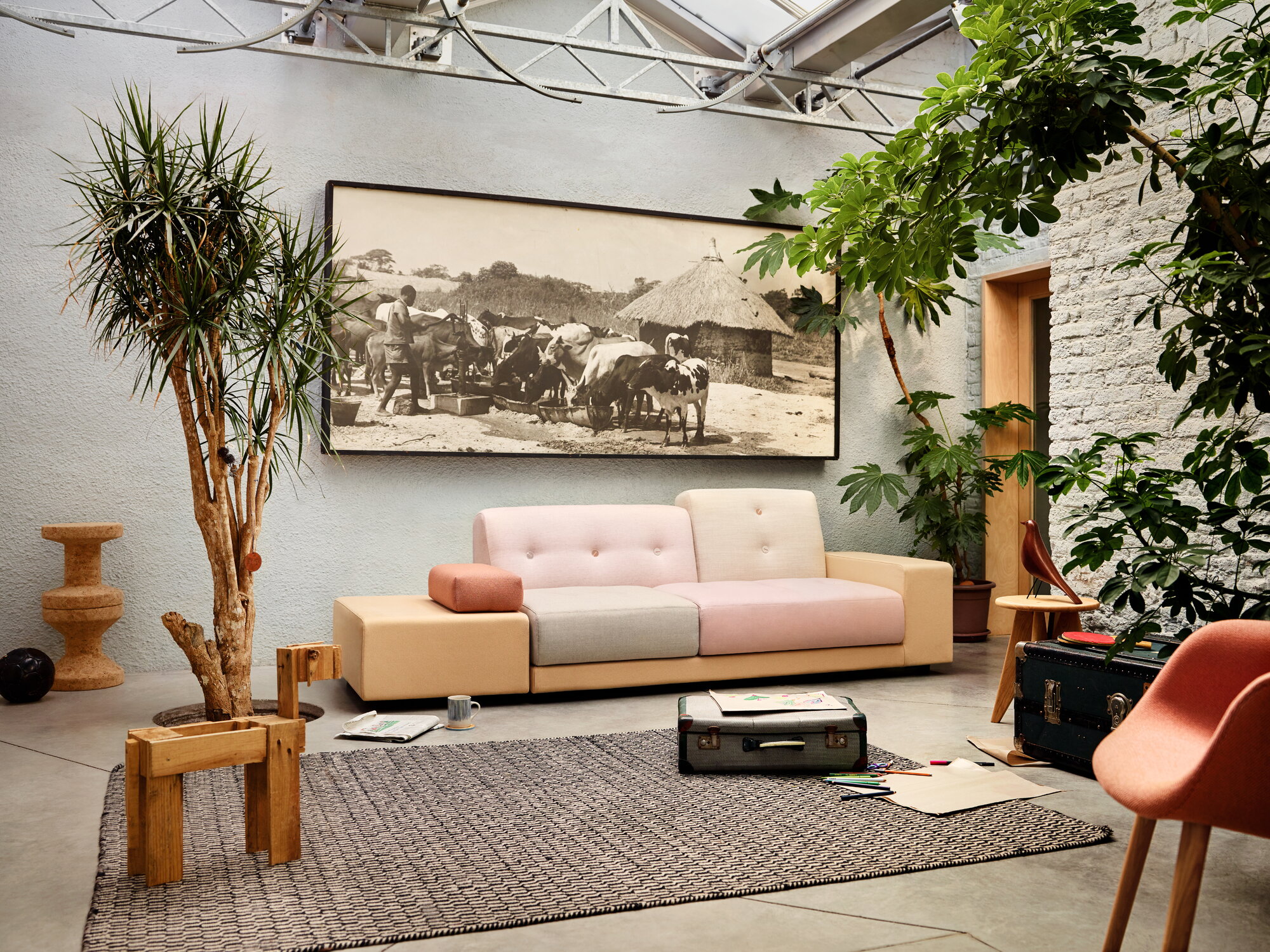
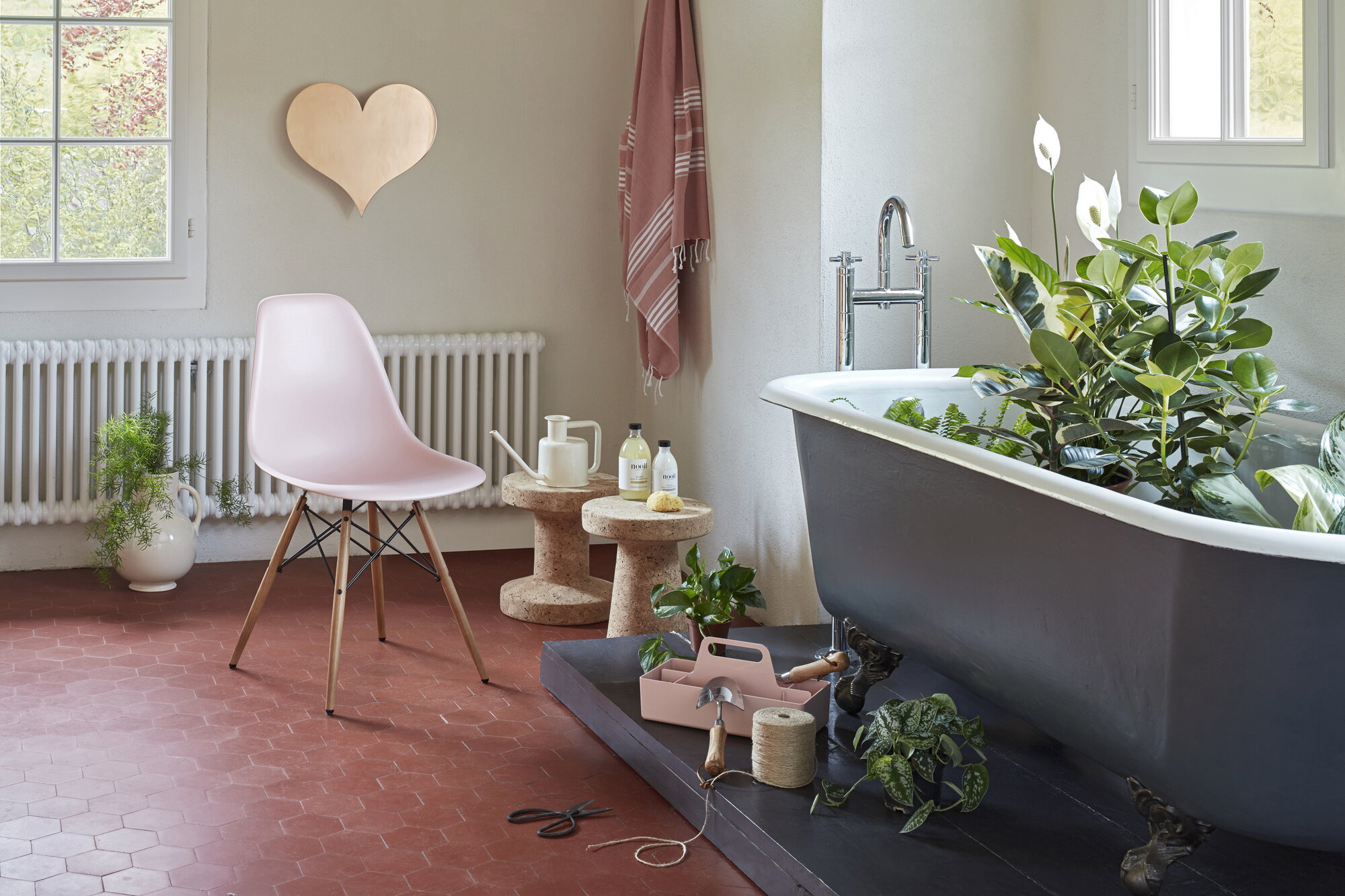
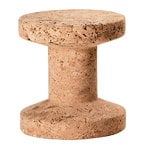
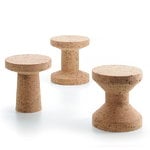
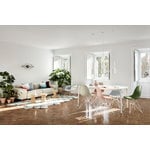
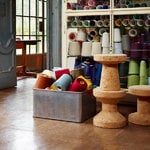
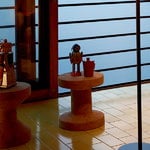
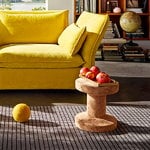
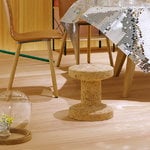
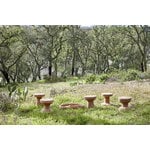
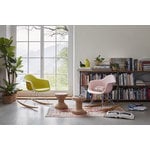
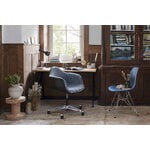
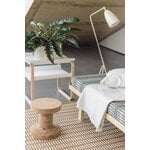

Cork Family side table/stool, Model B
Description
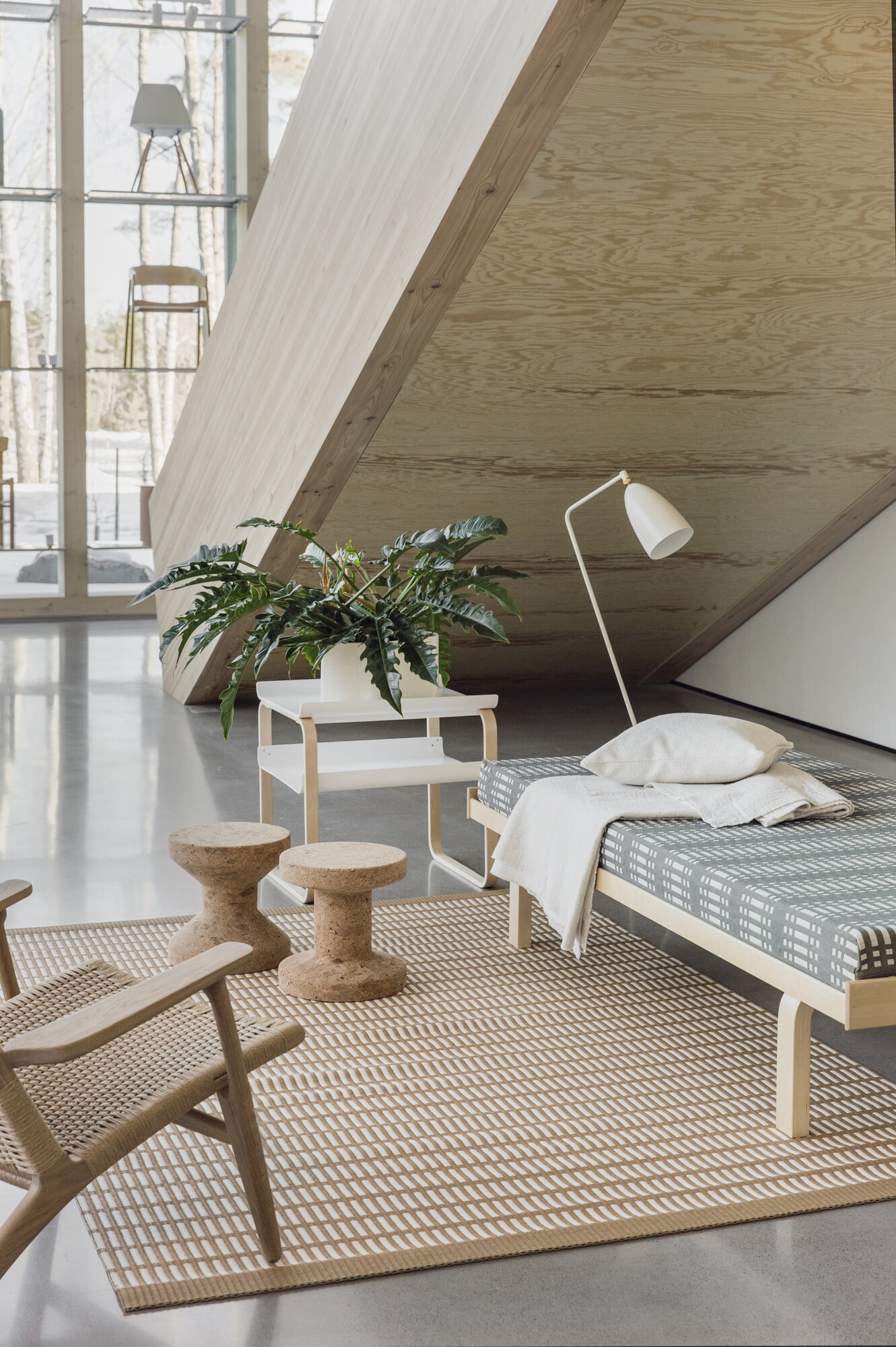
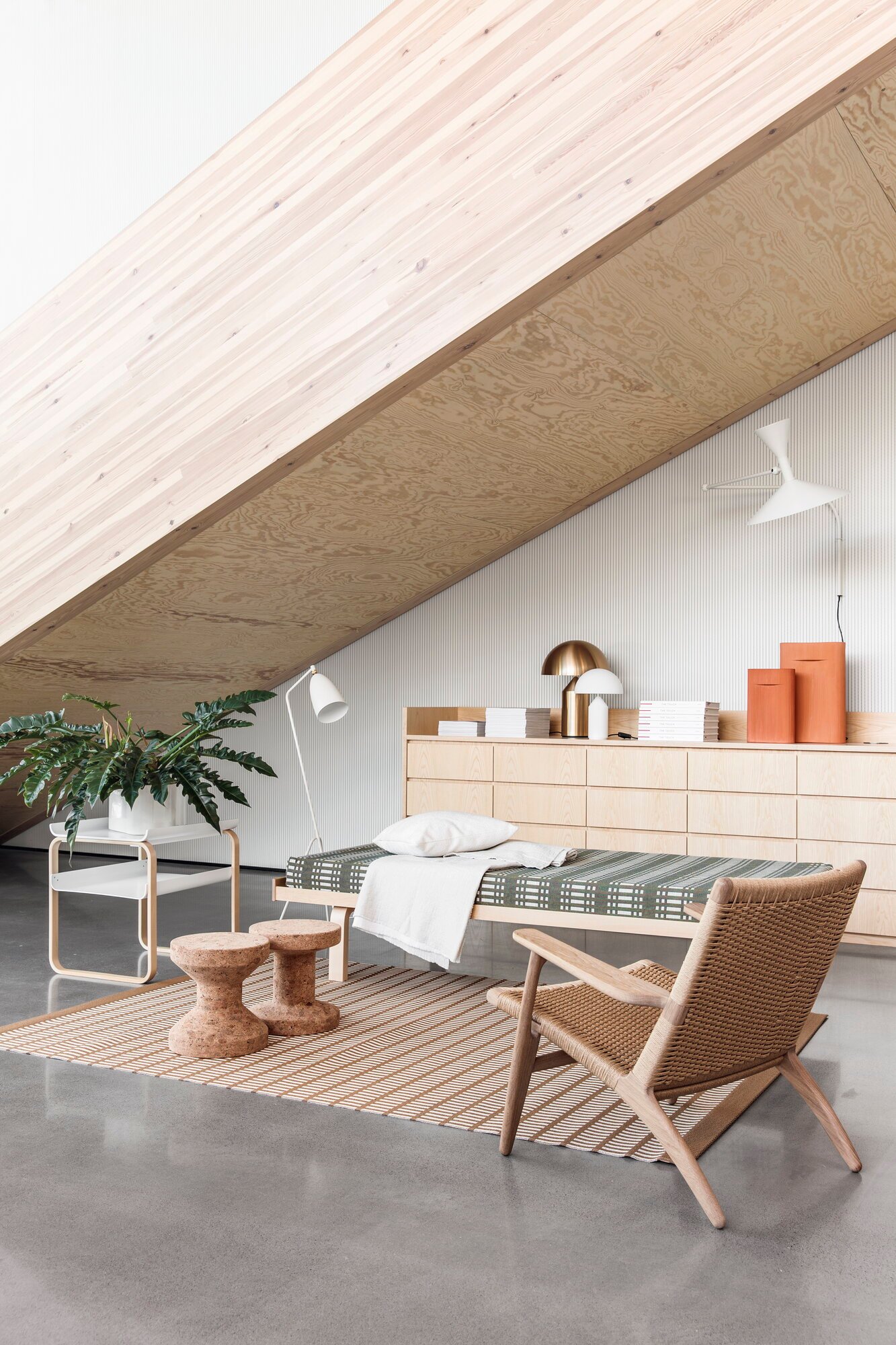
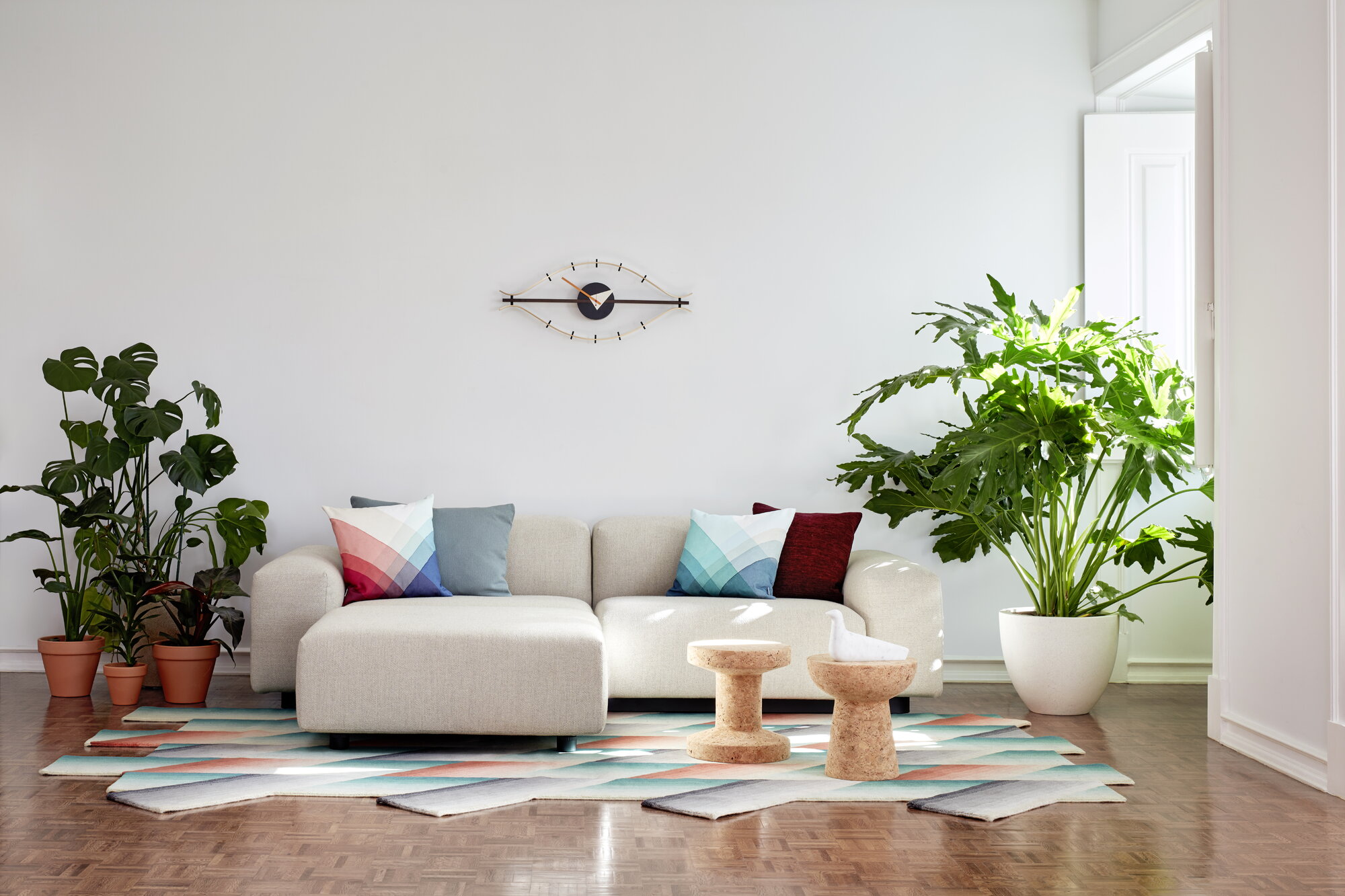
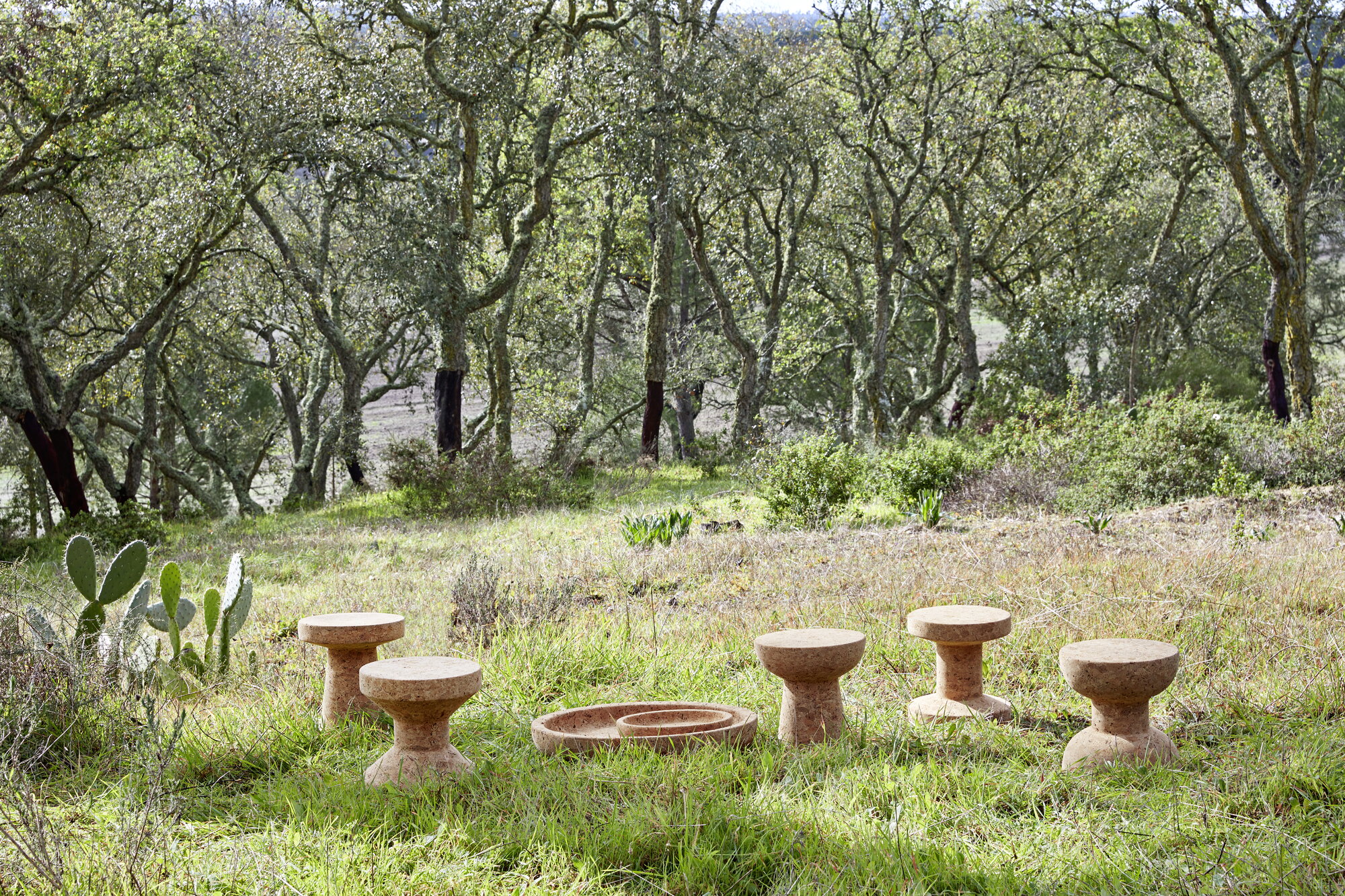
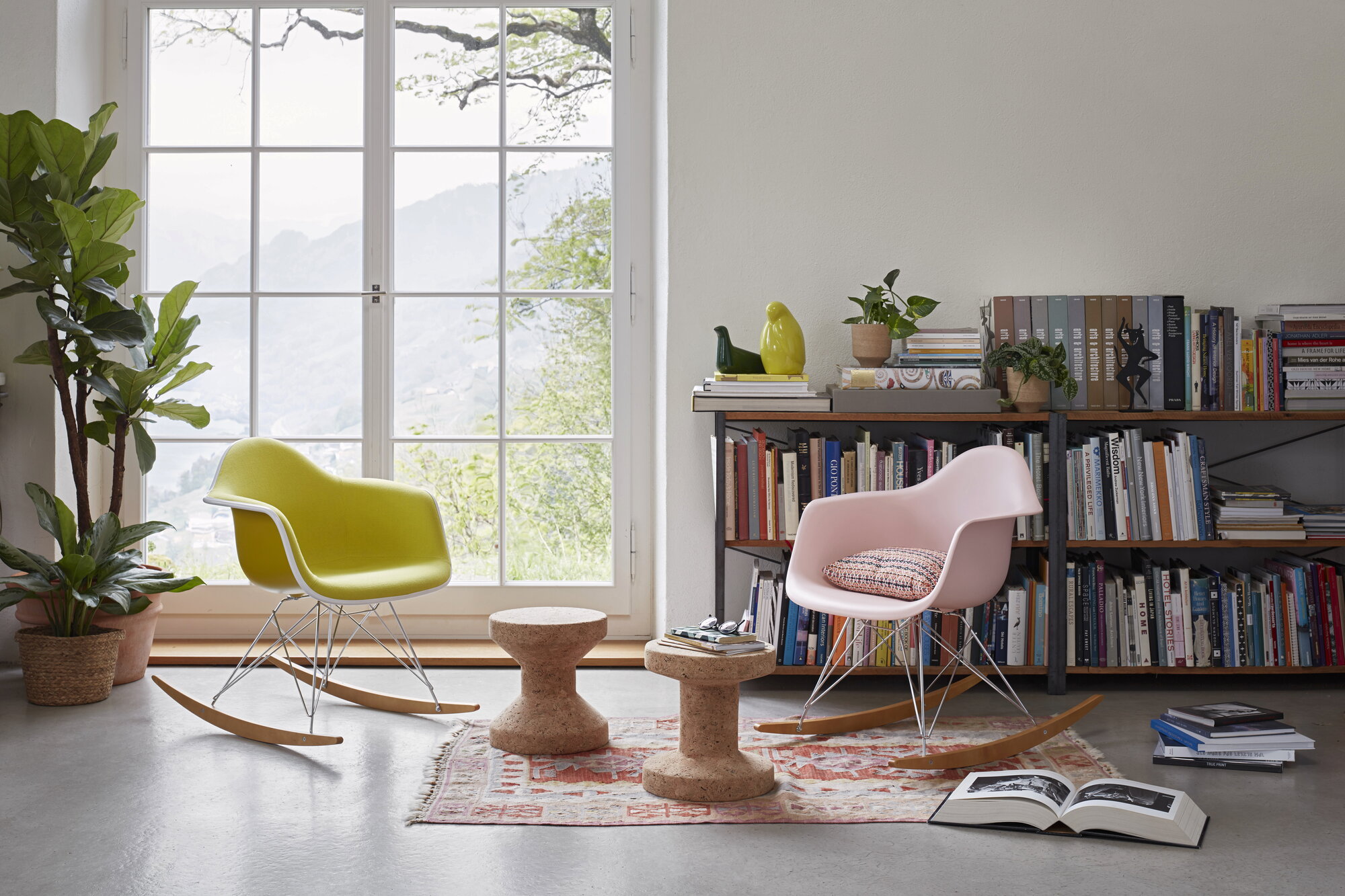
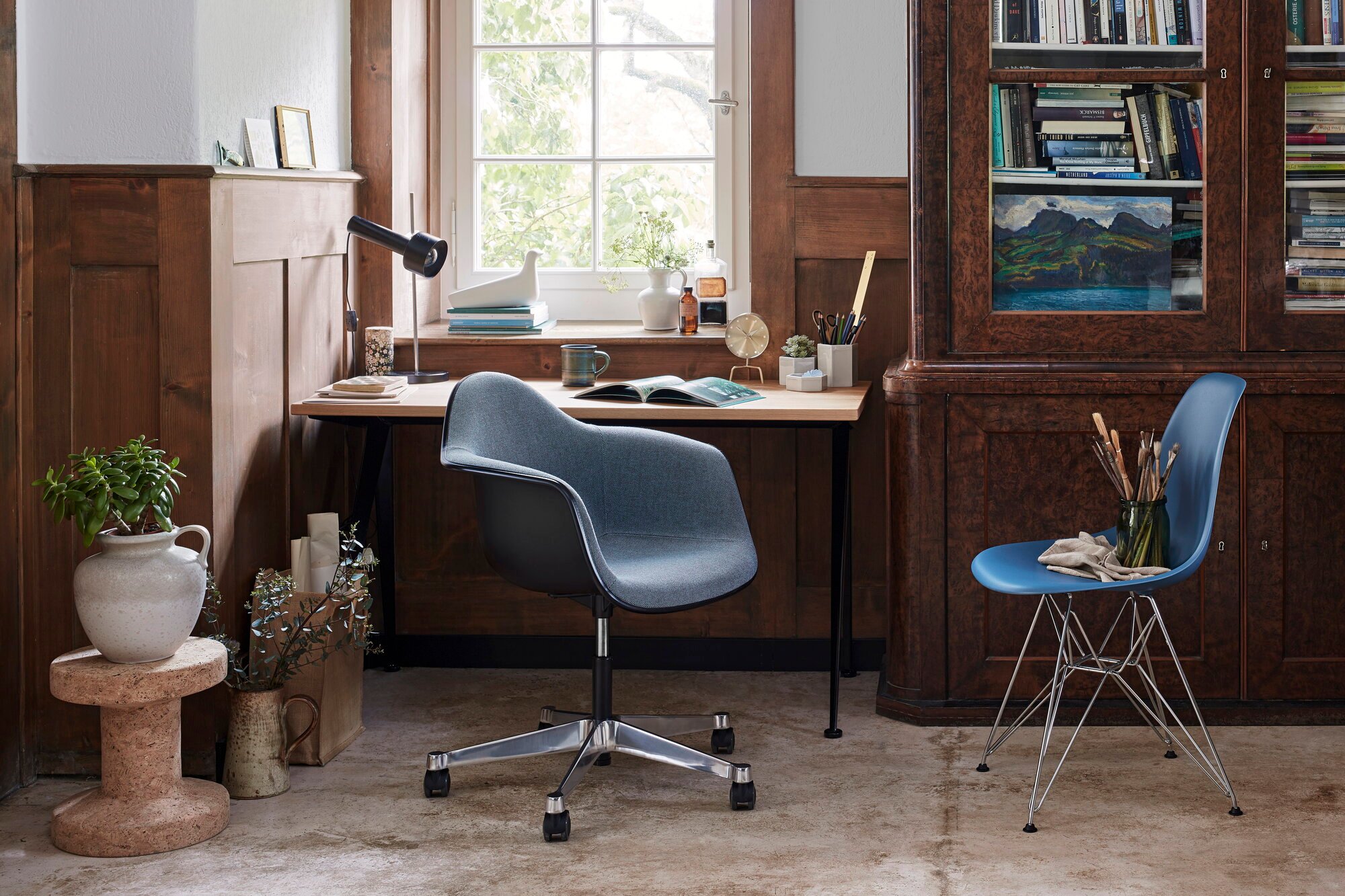
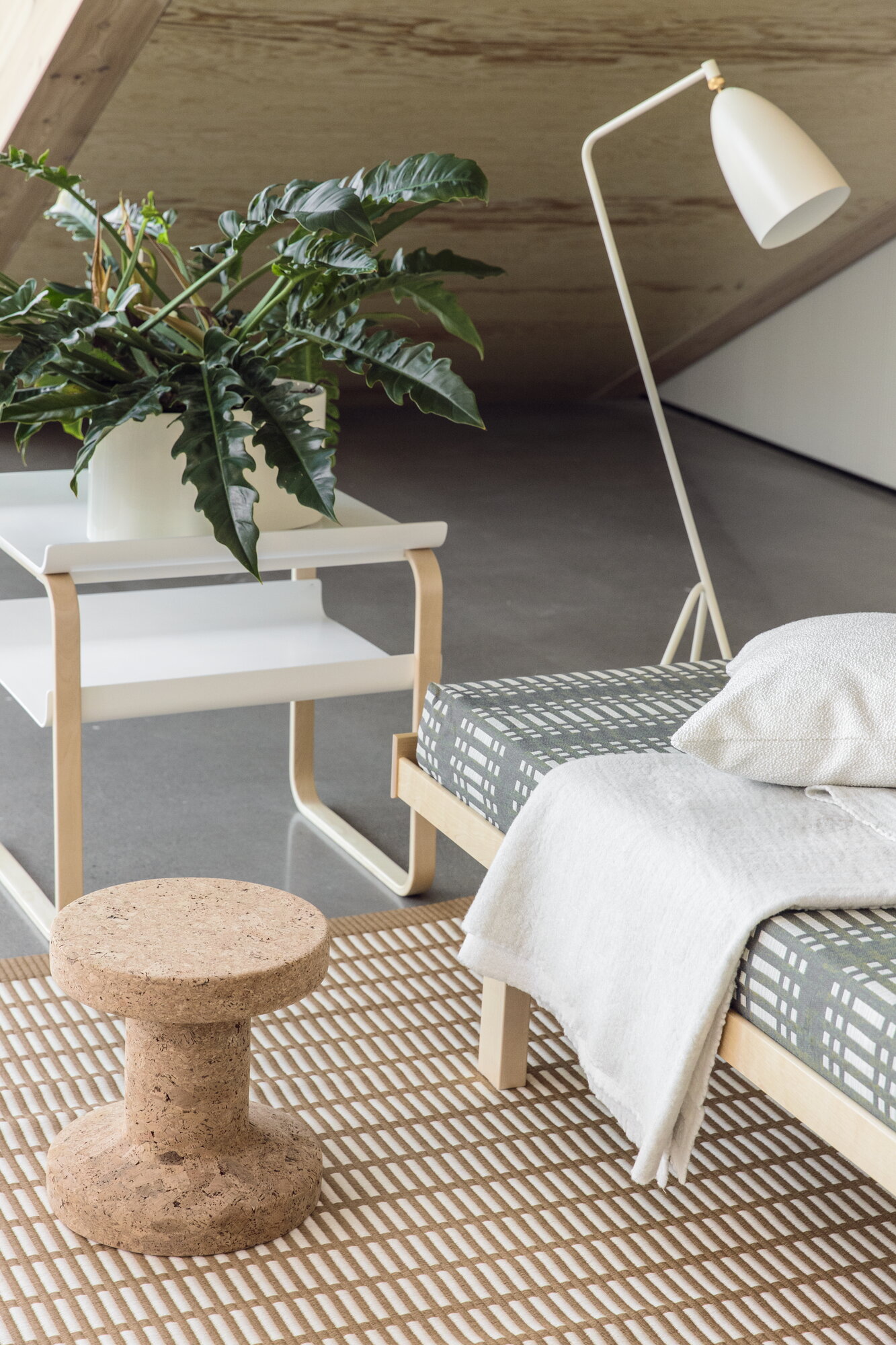
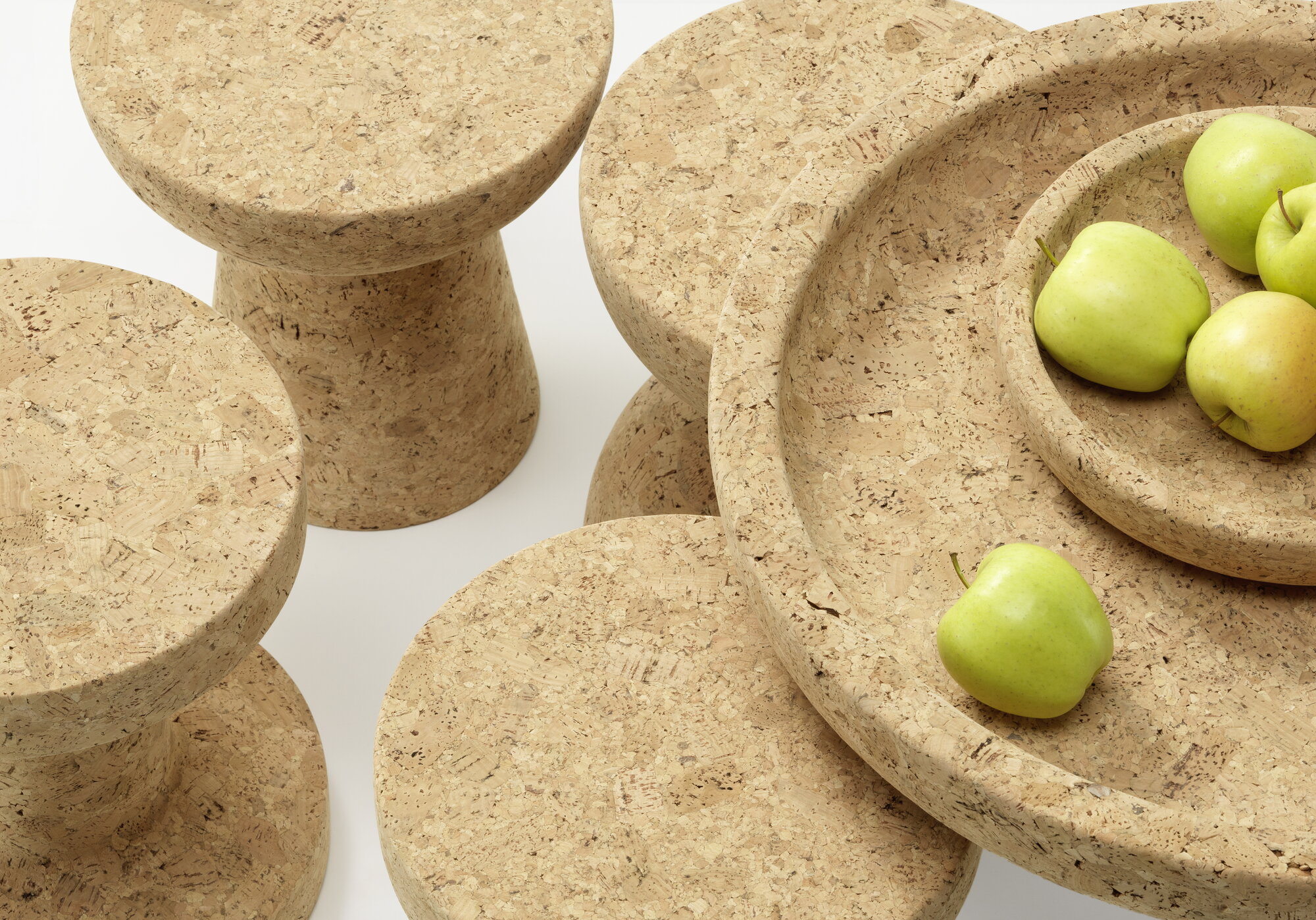
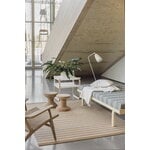
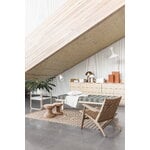
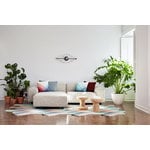
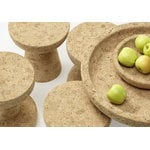
Vitra’s Cork Family is a delightful collection of side tables entirely made of cork. The designer Jasper Morrison gave the Cork Family tables clear, geometrical shapes with vertical, horizontal and diagonal lines, which contrast vividly with the natural shades and velvety surface of cork. Thanks to the lightweight and durable properties of cork, the members of the Cork Family also function perfectly as stools.
- Height: 12.99 in (33 cm)
- Diameter: 12.2 in (31 cm)
- Colour Cork
- Material Cork
- Product ID: AK21002301

British designer Jasper Morrison (b. 1959) is one of the most successful industrial designers of his generation. He is known for his esthetic and subtly humorous style, often characterized by a pursuit of refined simplicity and everyday functionality.
After studying at Kingston Polytechnic and the Royal College of Art in London, Morrison opened his own design studio in London in 1986. Today, he also has studios in Paris and Tokyo.
Jasper Morrison – in pursuit of the extraordinary ordinary
British designer Jasper Morrison is best known for his understated and refined design language. His philosophy can be summed up in a single idea: “objects should never shout”. Rather than demanding attention, Morrison’s designs quietly enhance everyday life through clarity, functionality and balance.
From tableware to tram systems
Morrison studied at Ravensbourne, Kingston Polytechnic (BA 1982), the Royal College of Art in London (MA 1985) and Berlin University of the Arts. Over the course of his career, he has designed everything from tableware to tram systems, collaborating with brands such as Alessi, Vitra, Nikari, Flos, Fredericia and Iittala.
Morrison also serves as lead designer for Swiss company Punkt., where he helped develop the minimalist MP01 and MP02 mobile phones.
Super Normal
Morrison’s work can be found in the collections of institutions including the Museum of Modern Art in New York and London’s Victoria and Albert Museum. He has received numerous accolades, among them the Compasso d’Oro, the Good Design Award and several iF Product Design Awards. In 2001, he was awarded the prestigious Royal Designer for Industry title in the UK.
In 2006, Morrison curated the Super Normal exhibition together with Naoto Fukasawa. The exhibition showcased 200 anonymous everyday objects free from branding or visual excess, celebrating quiet usefulness and timeless appeal. Since then, the term “super normal” has become closely associated with Morrison’s design philosophy.
Who: Jasper Morrison
- British product and furniture designer (b. 1959).
- Studied at Kingston Polytechnic Design School and the Royal College of Art in London.
- Works internationally across furniture, lighting, electronics and everyday objects.
- Known for minimalist forms, restrained esthetics and a design philosophy rooted in usability.
- Notable designs include the Air Chair for Magis, the Glo-Ball lighting collection for Flos, the All Plastic Chair for Vitra and the December chair for Nikari.
Read more in Design Stories
Would you like to read more about Jasper Morrison and his work? Discover our books:
View all products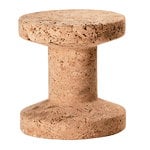
Ideas and inspiration
This is a carousel. Use Next and Previous buttons to navigate.