This is a carousel of product images. Use the thumbnails or swipe to change the displayed image, and activate an image to open it full screen.
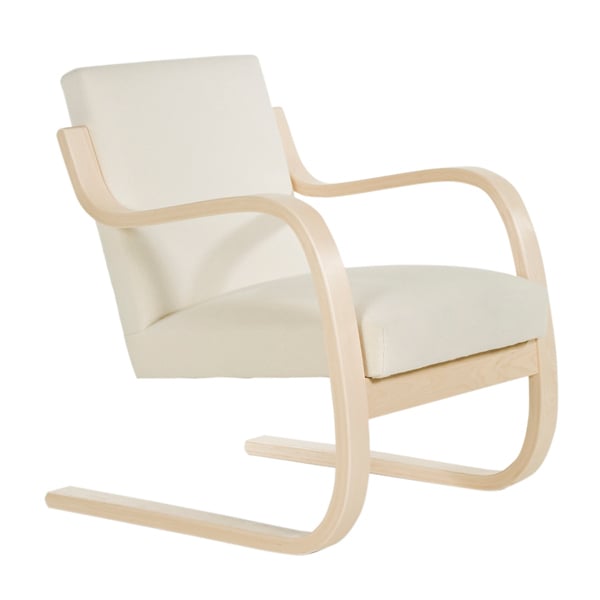
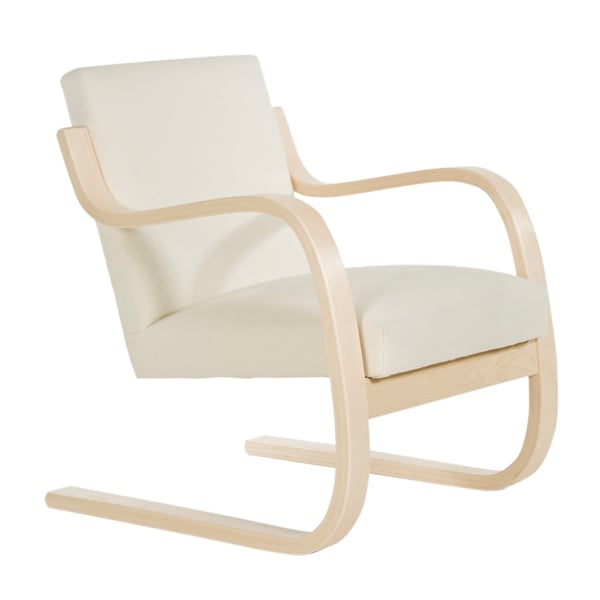

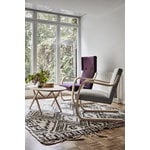
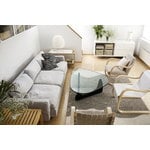
Aalto armchair 402, birch - white Hallingdal 100
Description
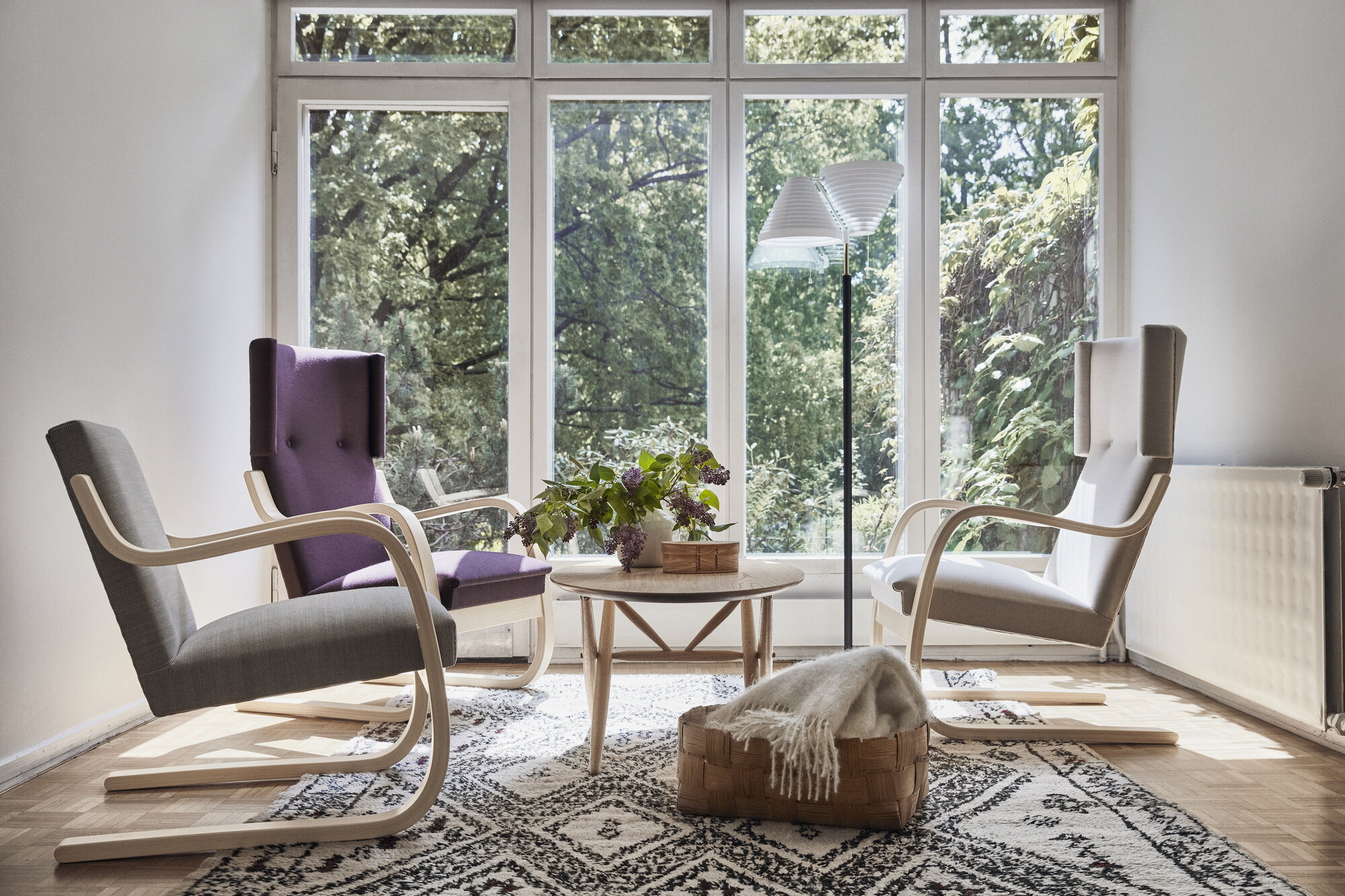
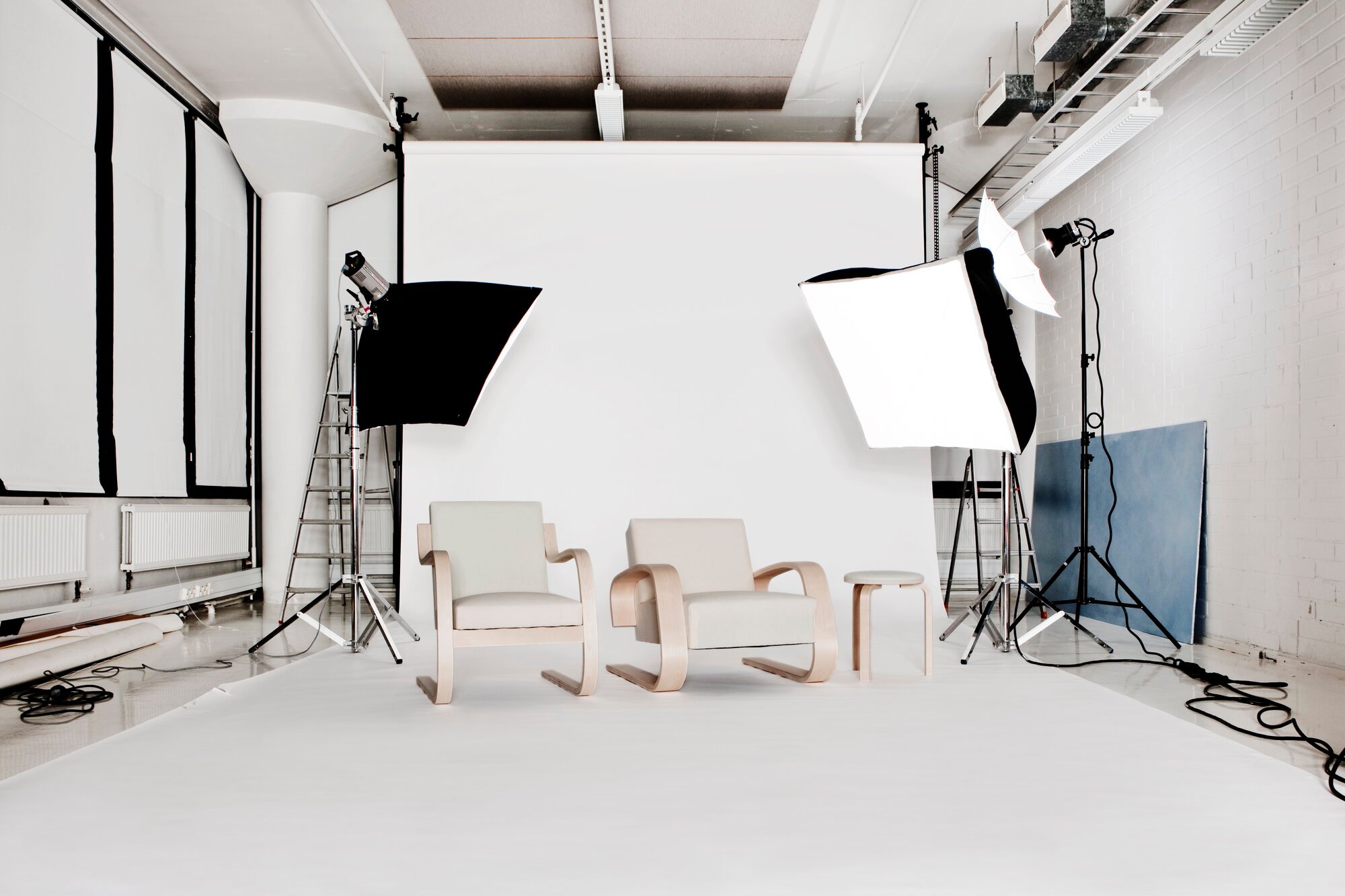
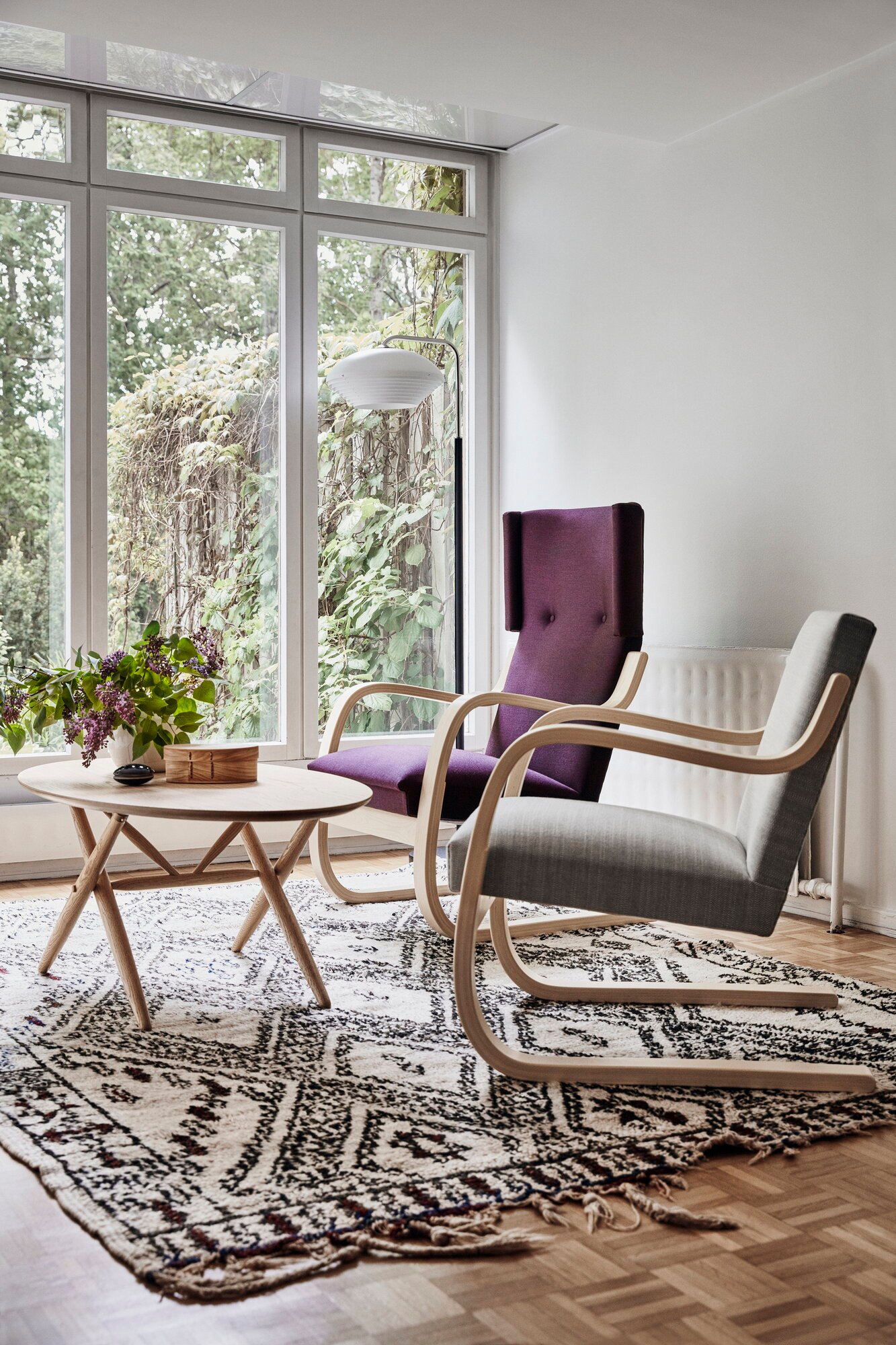
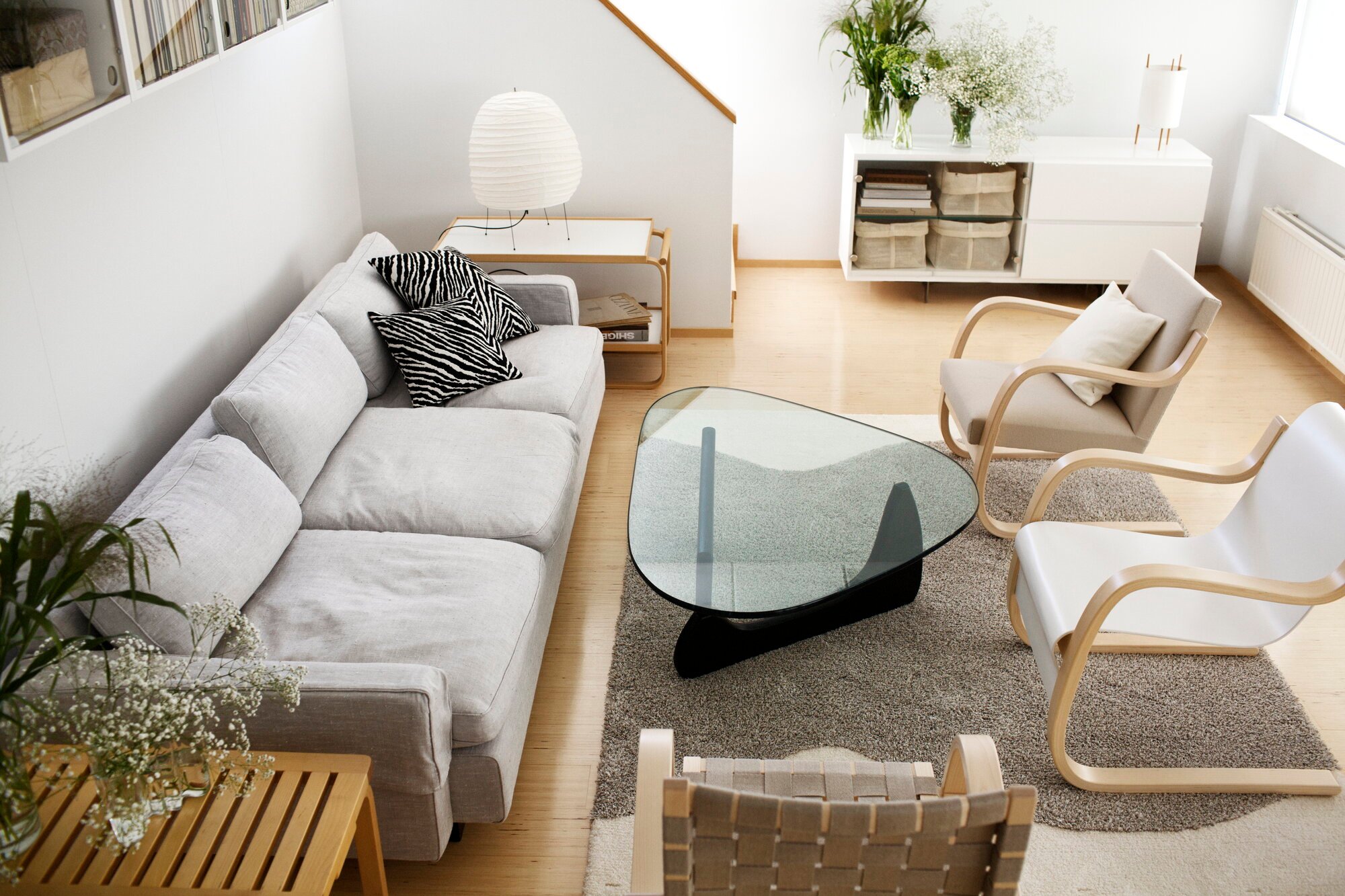
Designed by Alvar Aalto for Artek, the Armchair 402, also known as Atelje, has a more lightweight structure than the famous Tank chair. Moreover, the seat height is five centimetres higher than in the Tank chair, giving it a larger use range. The flexible wood frame makes the armchair extremely comfortable. The armchair 402 is one of those pieces of furniture introduced by Alvar Aalto in 1933 in London at the Fortnum & Mason department store’s exhibition.
- Width: 61 cm
- Depth: 70 cm
- Height: 76 cm
- Seat height: 42 cm
- Armrest height: 57 cm
- Colour Off-white, birch
- Frame material Lacquered form-bent solid birch lamella
- Seat cushion Steel springs, PU foam, polyester padding
- Upholstery fabric Kvadrat Hallingdal 65 100 (70% new wool, 30% viscose)
- Abrasion resistance 100,000 Martindale
- Pilling 3-4
- Lightfastness 7
- Product ID: AK402-H100

Alvar Aalto (1898–1976) was a celebrated Finnish architect and designer whose work shaped the very essence of modern Finnish design on an international scale. As a designer, he is especially renowned for his nature-inspired forms, human-centred approach and remarkably wide-ranging body of work, spanning architecture, furniture and lighting. Aalto’s legacy continues to live on in the collection of Artek, founded in 1935.
Alvar Aalto: The master of humane modernism
Alvar Aalto is without question the most internationally renowned Finnish architect and designer of all time. He graduated as an architect in 1921 and quickly rose to become one of the key reformers of modern architecture. Alongside clear-cut functionalism, Aalto developed a softer, more humane expression that emphasised human scale, natural materials, light and the experiential quality of space. His buildings and objects often form holistic environments in which architecture and design work in harmony to support one another.
One of Aalto’s most celebrated architectural works is the Paimio Sanatorium, completed in 1933 and designed as a hospital for tuberculosis patients. Created in close collaboration with his wife Aino Aalto, the project was designed down to the smallest details, including furniture and lighting. Paimio also marked the beginning of Aalto’s career as a furniture designer. Other iconic architectural works include the Viipuri Library, Villa Mairea in Noormarkku, Finlandia Hall in Helsinki, Säynätsalo Town Hall, and La Maison Carré in France.
Aalto’s Artek furniture changed everyday life
In 1935, Alvar Aalto founded Artek together with Aino Aalto, Maire Gullichsen and Nils-Gustav Hahl. Today, Artek is one of Finland’s most influential design companies. The company was established primarily to produce and sell furniture designed by the Aaltos, which still form the backbone of Artek’s collection.
One of Aalto’s most ingenious innovations is the so-called L-leg, patented in 1933. Aalto himself considered this bent wooden leg one of his greatest achievements – a technical and aesthetic breakthrough that had a far-reaching impact on furniture design well beyond Finland. Thanks to the L-leg, table, chair and stool legs could be attached directly to the frame, forming the structural foundation of many of Aalto’s Artek designs.
Light, glass and organic forms
Freely flowing lines and the fusion of craftsmanship with industrial production are recurring themes in many of Aalto’s lighting designs, including iconic pieces such as the Beehive (A331) and Golden Bell lamps.
Aalto’s glass design has likewise achieved a timeless status. Most notably, the undulating Aalto vase – now produced by Iittala – has become one of the most recognisable international symbols of Finnish design.
Who: Alvar Aalto
- The most famous Finnish architect and designer of all time (1898–1976).
- A key developer of modern, human-centred design and co-founder of Artek.
- Known for his architecture, furniture, lighting and glass design.
- Iconic designs include the E60 stool, pendant lamp A331 “Beehive” and armchair 400 “Tank” for Artek, and the Aalto vases for Iittala.
Read more in Design Stories
- Artek’s classics are the foundation of Finnish design – introducing 7 timeless gems by Alvar Aalto >
- Humane from design to finish – Alvar Aalto’s armchairs are hand-made in Finland >
- Alvar Aalto’s Finlandia Hall enters a new era >
Would you like to read more about Alvar Aalto and his work? Discover our books:
- Alvar Aalto Homes
- Alvar Aalto Libraries
- Alvar Aalto – The Mark of the Hand
- Alvar Aalto – A Gentler Structure for Life
- Alvar Aalto Architect vol. 18
- Iittala
- Atlas of Mid-Century Modern Houses
- Mid-Century Modern Design
Ideas and inspiration
This is a carousel. Use Next and Previous buttons to navigate.