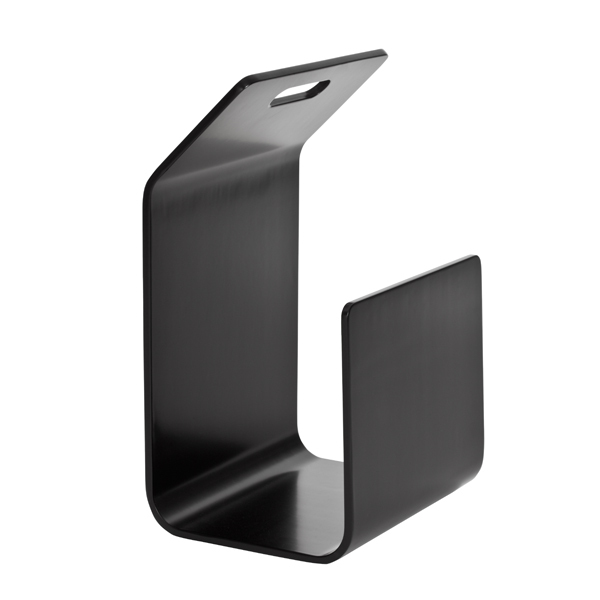
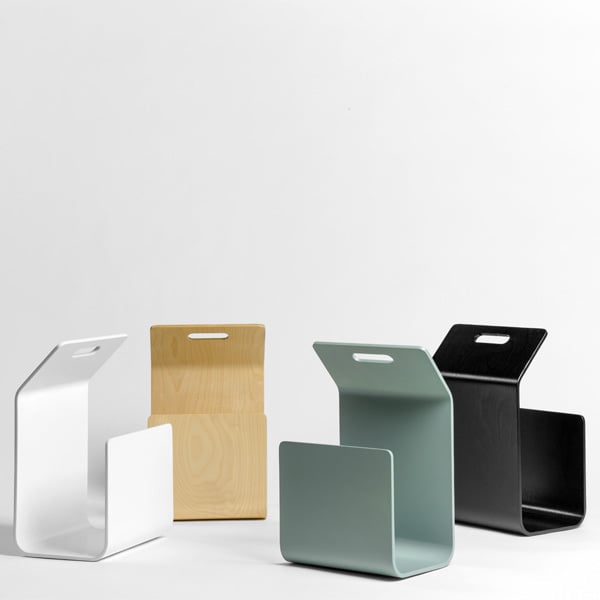
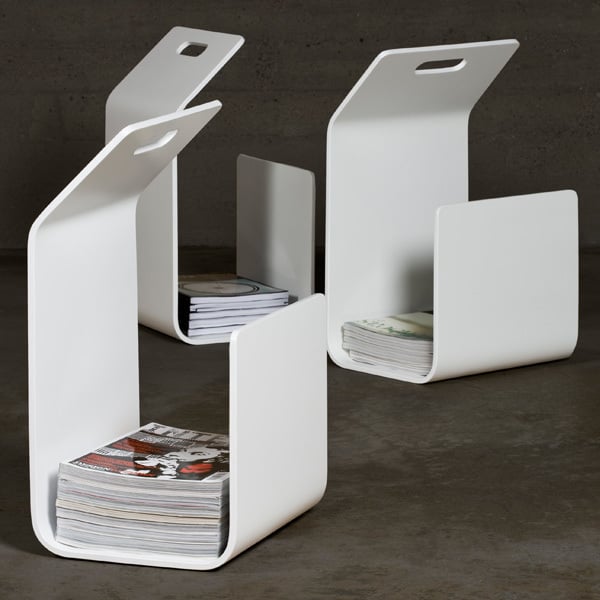
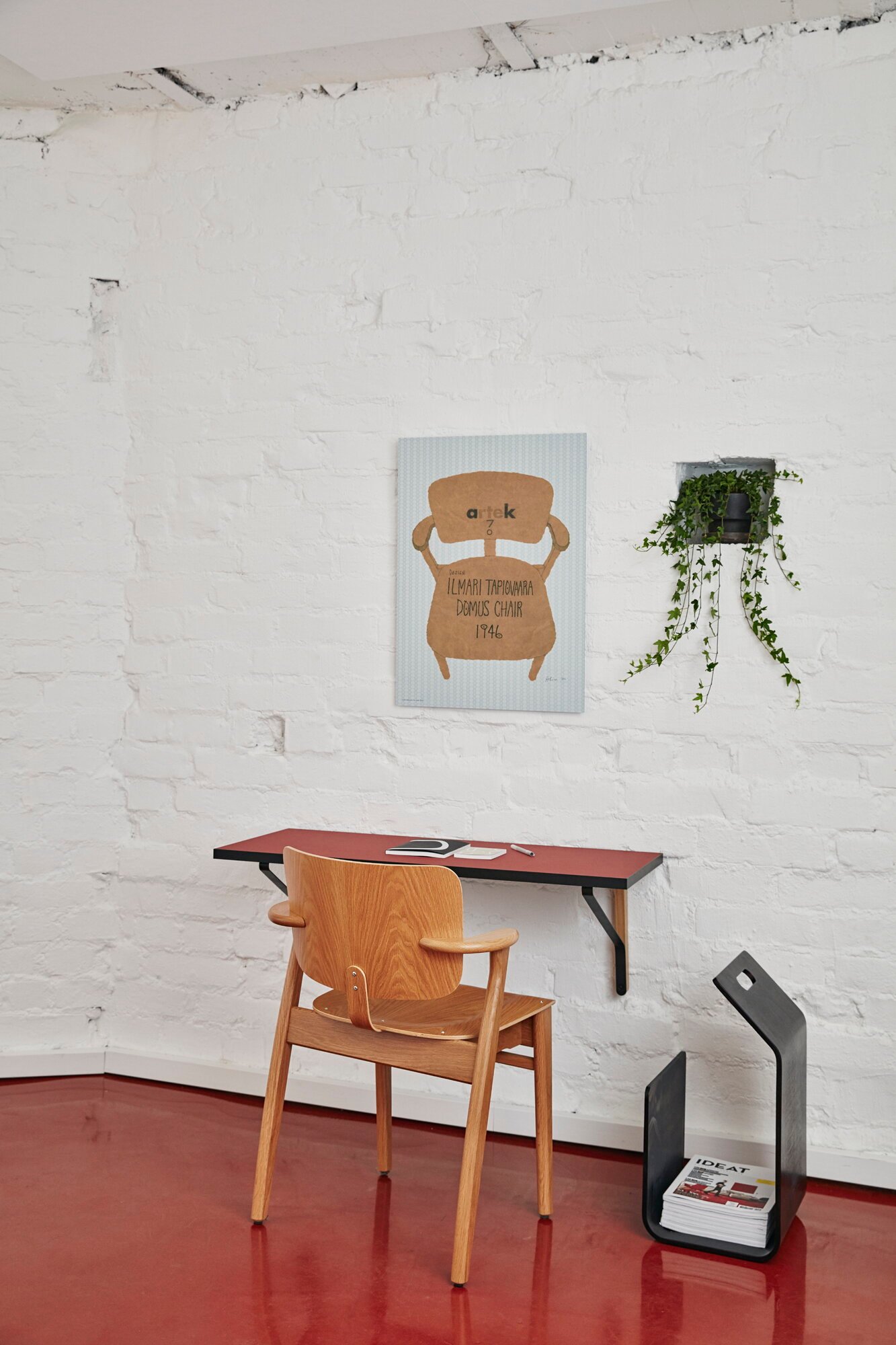
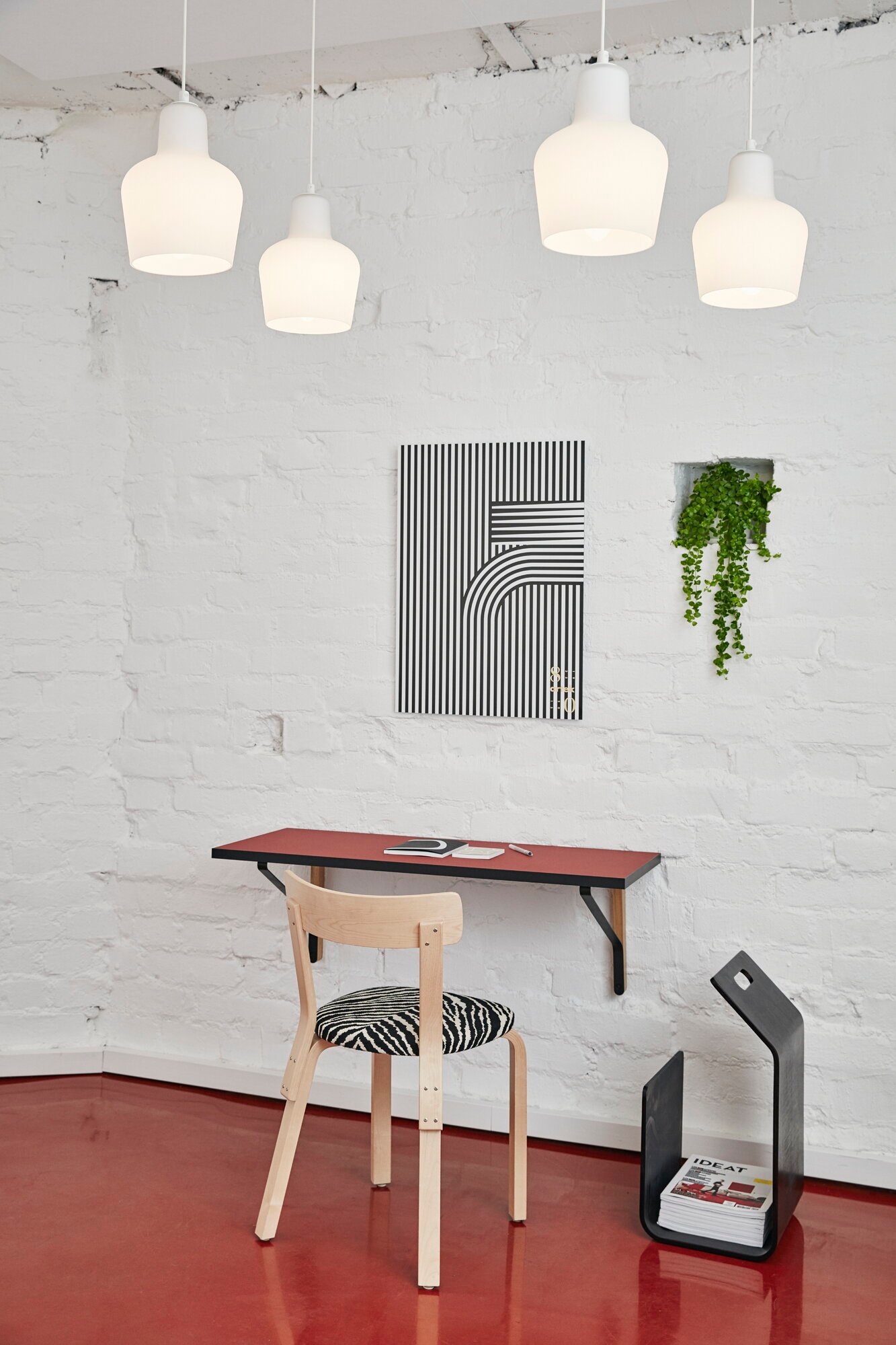
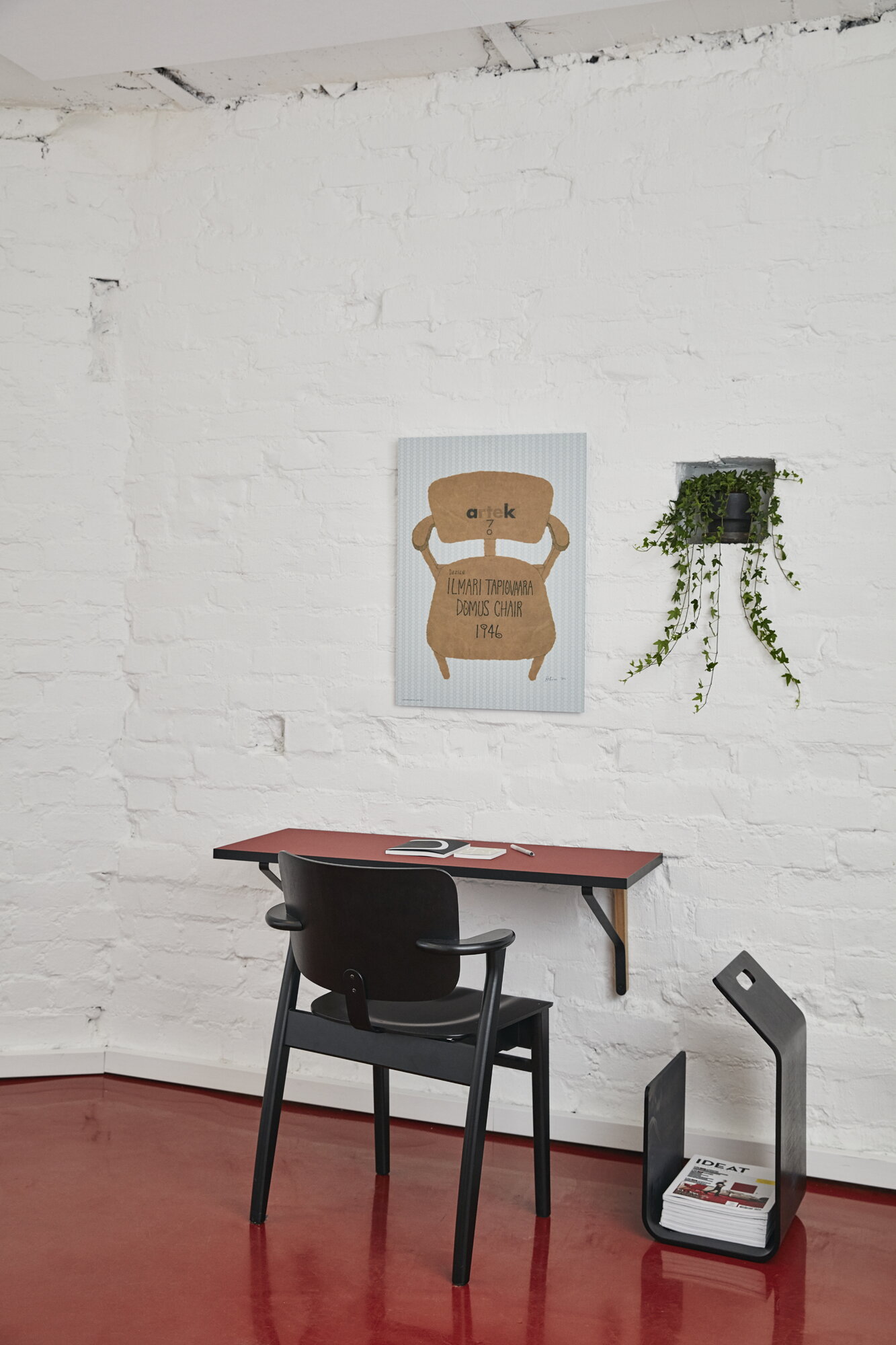
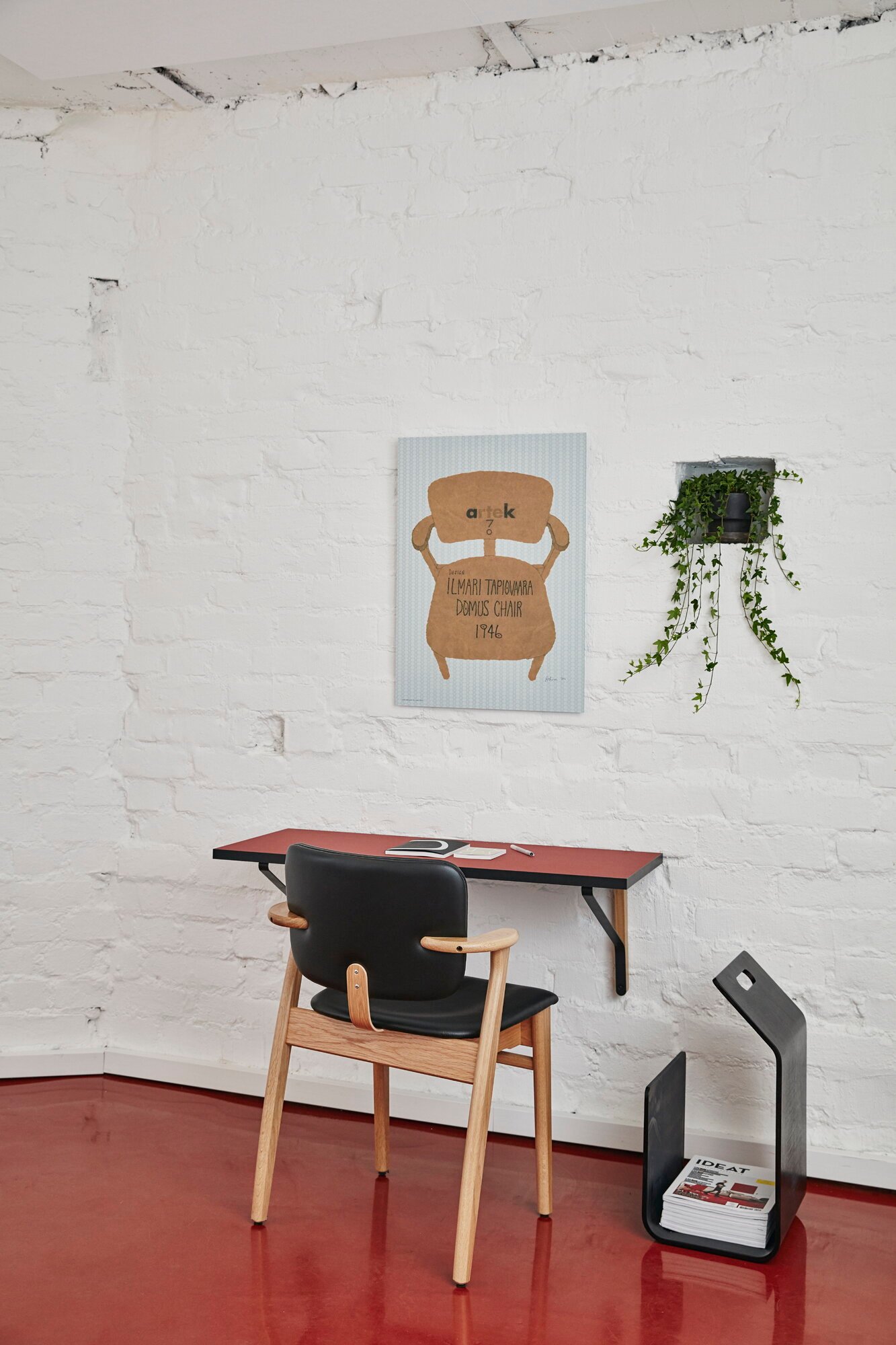
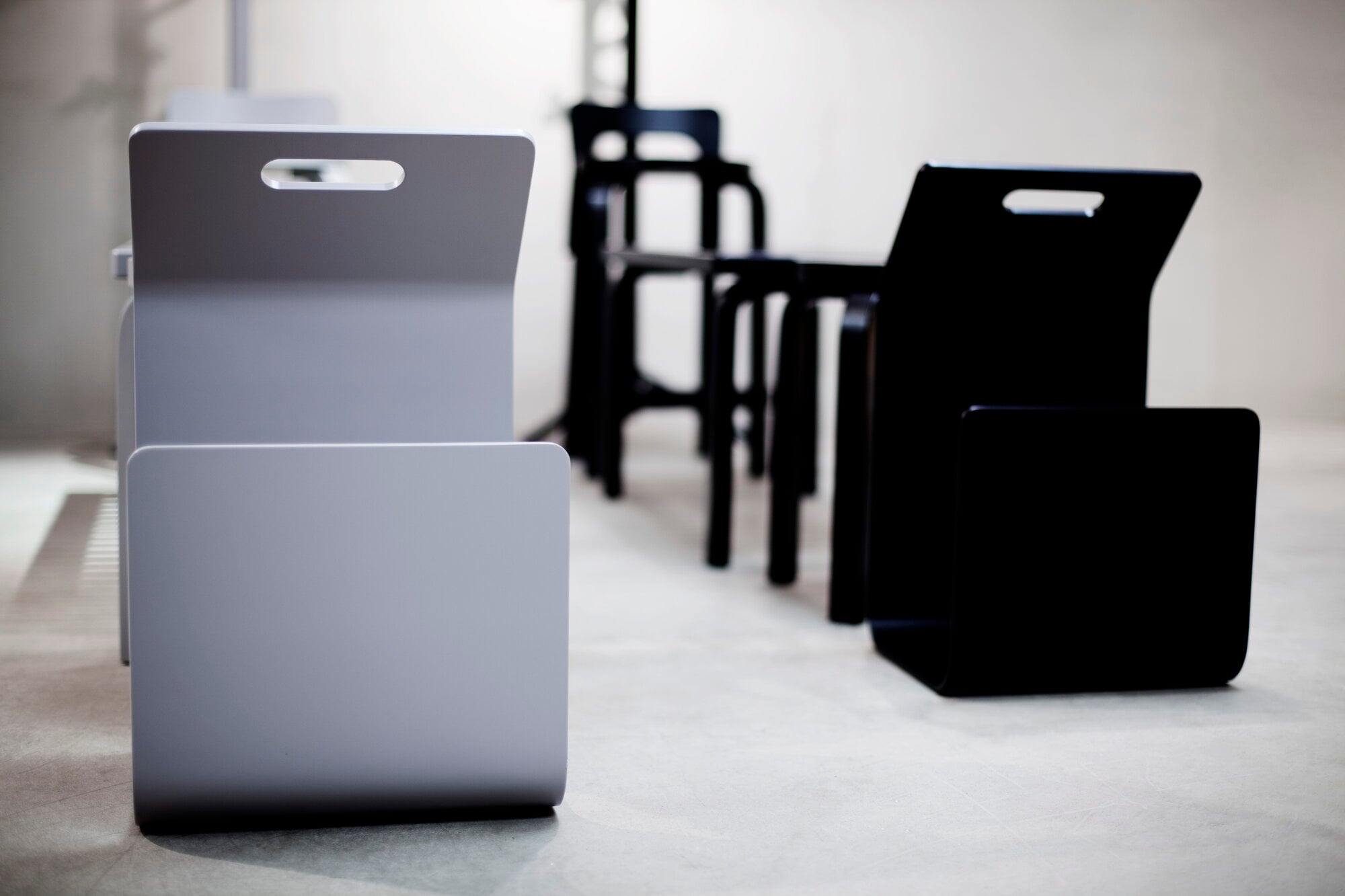
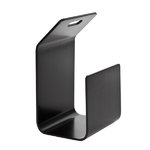
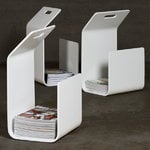
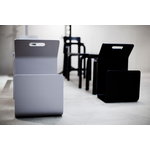
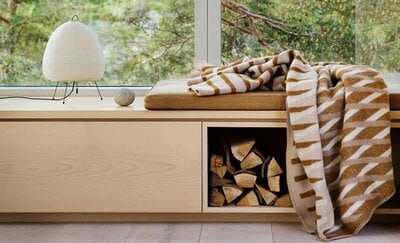
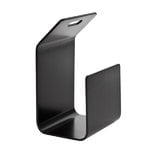
Kanto is an incredibly simple and visually pleasing object: a minimalist magazine stand or firewood rack made from a single sheet of form-pressed birch plywood. Kanto, designed by Pancho Nikander in 2004, continues Artek's tradition of timeless bent wood products.
This is a carousel. Use Next and Previous buttons to navigate, or select a thumbnail to jump to a slide.
Kanto magazine / firewood rack, black
Artek
Description
Kanto is an incredibly simple and visually pleasing object: a minimalist magazine stand or firewood rack made from a single sheet of form-pressed birch plywood. Kanto, designed by Pancho Nikander in 2004, continues Artek's tradition of timeless bent wood products.
- Width: 13.39 in (34 cm)
- Depth: 11.14 in (28.3 cm)
- Height: 22.24 in (56.5 cm)
- Material Form-pressed birch plywood
- Colour Black
- Product ID: AK262006

The Finnish designer and boat builder Pancho Nikander (b. 1981) was born in Mexico, but lives in Finland. His most famous work is the innovative Kanto magazine/firewood rack designed for Artek in 2004.
5
Based on 3 reviews
-
K
KAMP A | Verified Customer
Tallinn, Estonia
Good design, practical also to use.
2 years ago
-
A
Anonyymi | Verified Customer
Iisalmi, Finland
Tyylikäs ja yllättävän kevyt
2 years ago
-
A
Anonyymi | Verified Customer
Helsinki, Finland
2 years ago
The Product Sustainability Framework, our criteria of sustainable design, helps you find the most sustainable products in our selection. Read below which sustainability criteria this product has met.
-
Equal opportunities for all employees
-
Commitment to UN Global Compact, fair compensation for all employees
-
Corporate responsibility requirements defined and communicated for suppliers
-
Systematic work for improved inclusion and well-being in the workplace
-
Transparent supply chain
-
Suppliers' compliance to a code of conduct ensured
-
Compliance to the UN Guiding Principles on Business and Human Rights ensured in the supply chain
-
Direct suppliers audited and certified
-
Support for community involvement in the supply chain
-
Fair and resource-wise water-use in production
-
No incineration or landfilling of returned items
-
No use of endangered species as materials
-
No direct environmental emissions or waste (excl. GHGs) from production
-
Production and material sourcing that respect biodiversity, animal rights, and natural ecosystems
-
Material-efficient and ecological packaging
-
No potentially harmful chemicals used in own production
-
The sustainability of direct suppliers' production is addressed and monitored
-
Positive impact on nature’s well-being through operations that regenerate natural ecosystems
-
Company's direct greenhouse gas emissions identified and commitment to reduction
-
Product's carbon impact identified and commitment to reduction
-
Guidance on energy- and eco-efficient use of the product
-
Contribution to climate initiatives beyond the brand’s direct operations
-
100 % renewable energy in own production and operations
-
Low-carbon or compensated transportation
-
Carbon footprint of the product calculated and goals set to reduce it
-
Carbon neutral or carbon negative product
-
Sustainable and long-lasting material choices
-
No harmful or hazardous substances
-
Responsible raw material sourcing and production
-
Materials suited for circularity: monomaterials, recyclable finishings, renewable or recycled contents etc.
-
Ecological materials: natural, biodegradable, recyclable or recycled contents
-
Outstanding materials in terms of innovativeness, responsibility, sustainability and circularity: local production or sourcing, 100 % recycled content, C2C-certification etc.
-
High aesthetic quality promoting long-term use of the product
-
Technically durable product design and material choices
-
Design for enduring life-long quality
-
Design and support for product maintenance, repair and upgradability
-
Innovative circular design solutions: circular service system, resale platform, remanufacturing, collection of used products, etc.