This is a carousel of product images. Use the thumbnails or swipe to change the displayed image, and activate an image to open it full screen.
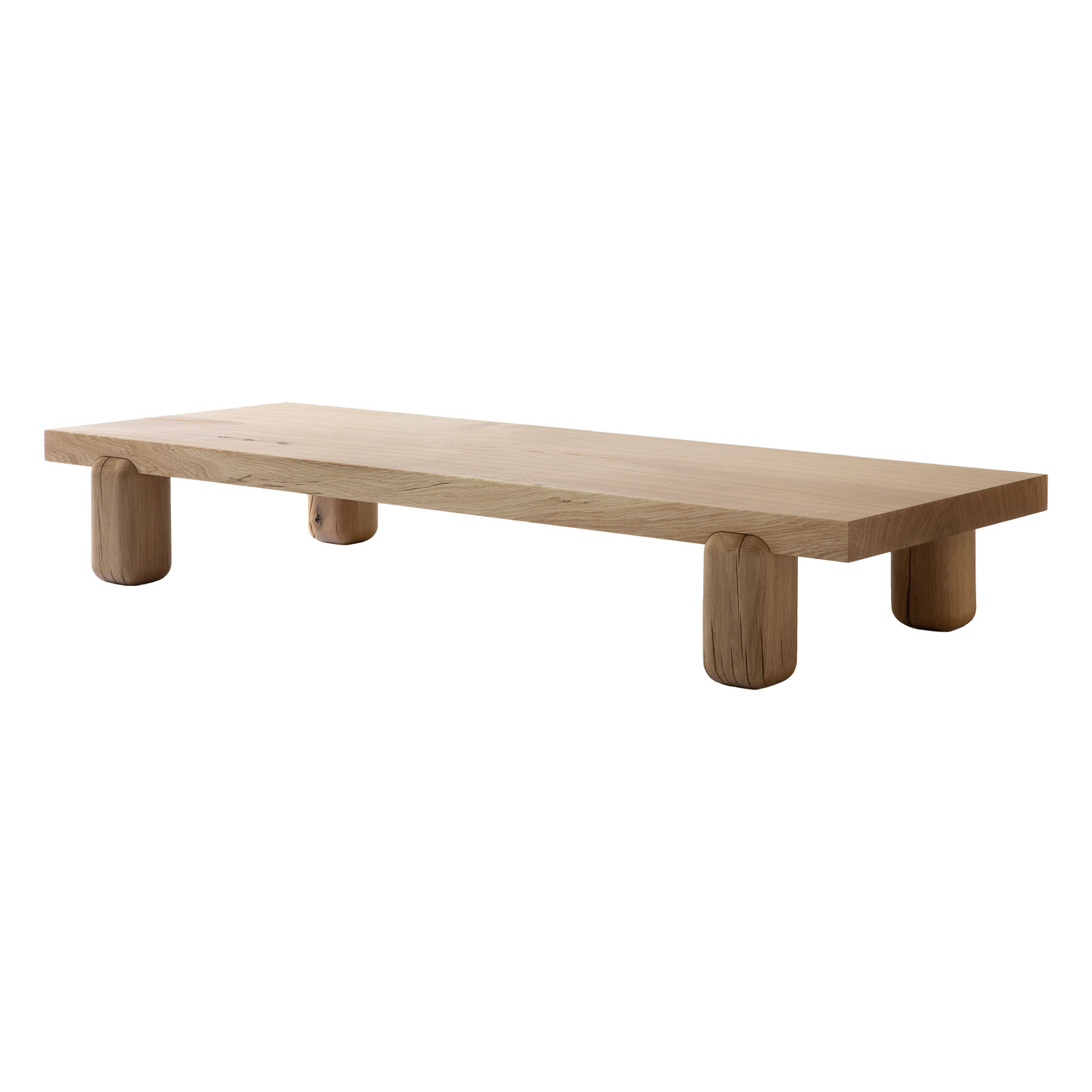
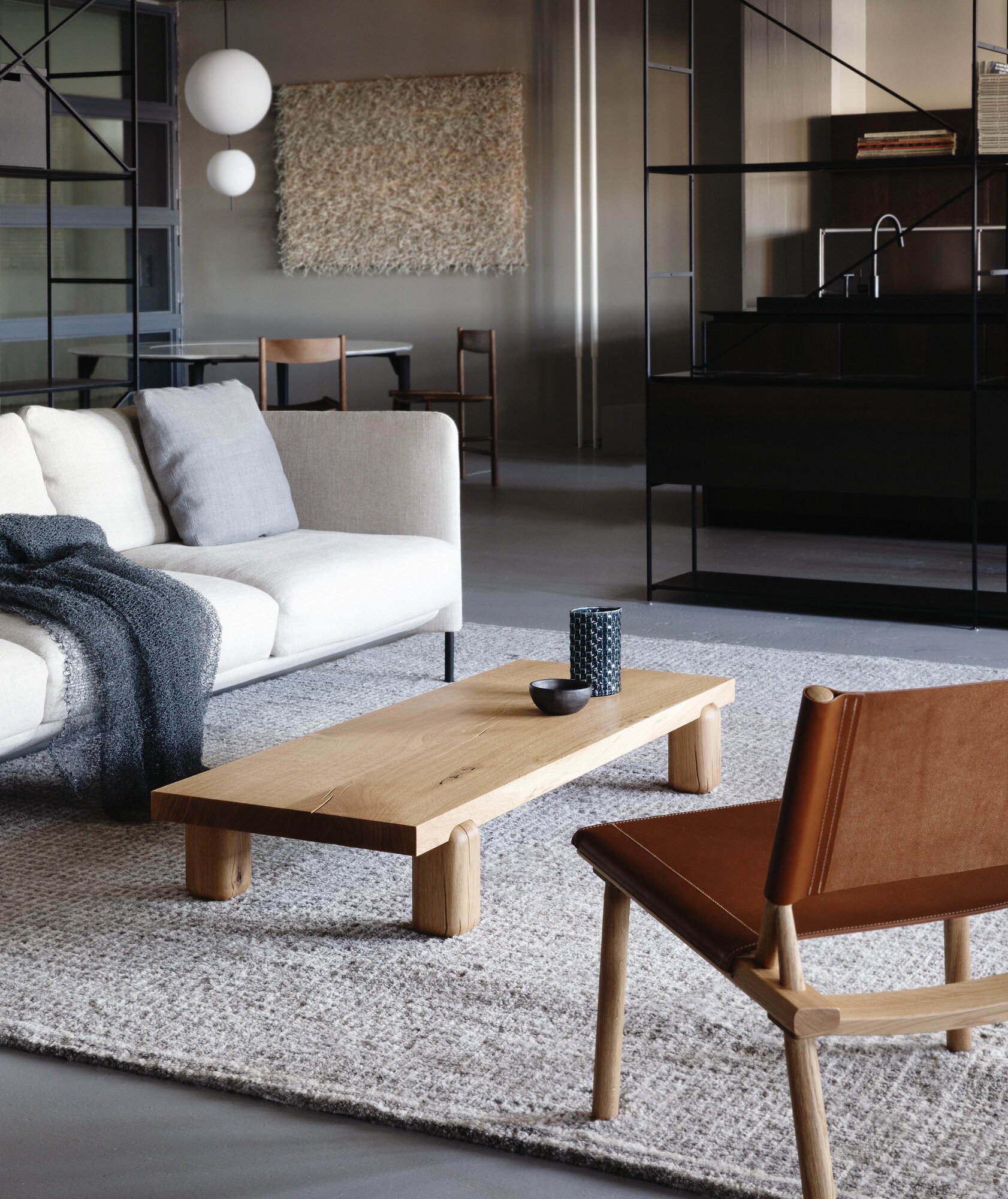
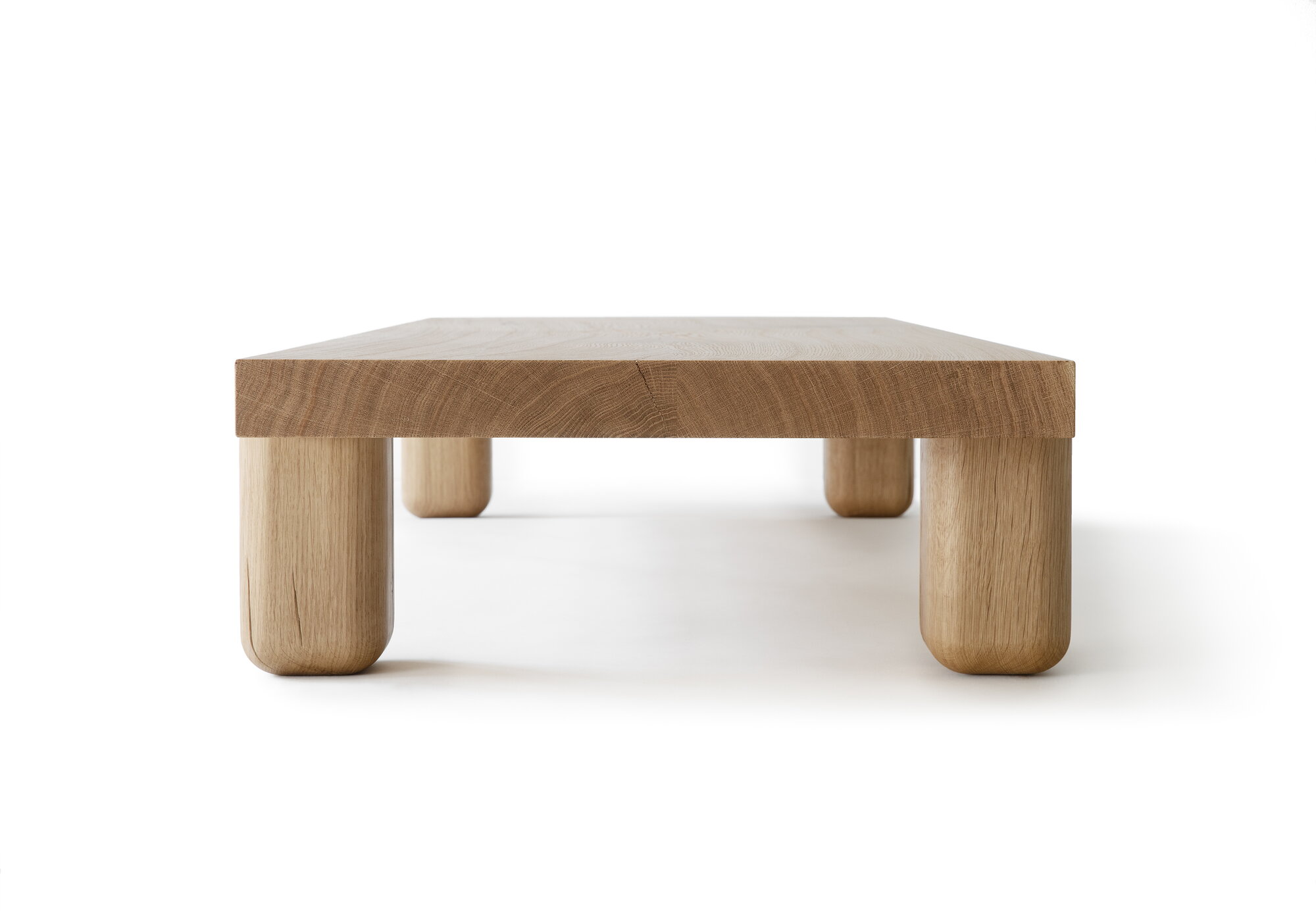
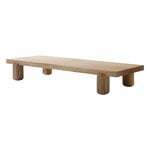
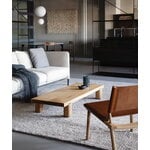
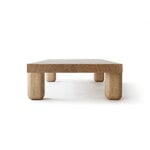
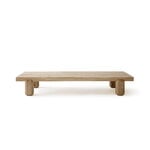

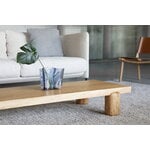
Centenniale coffee table, oiled oak
Description
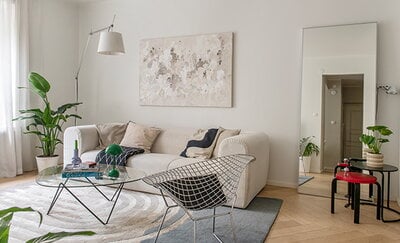
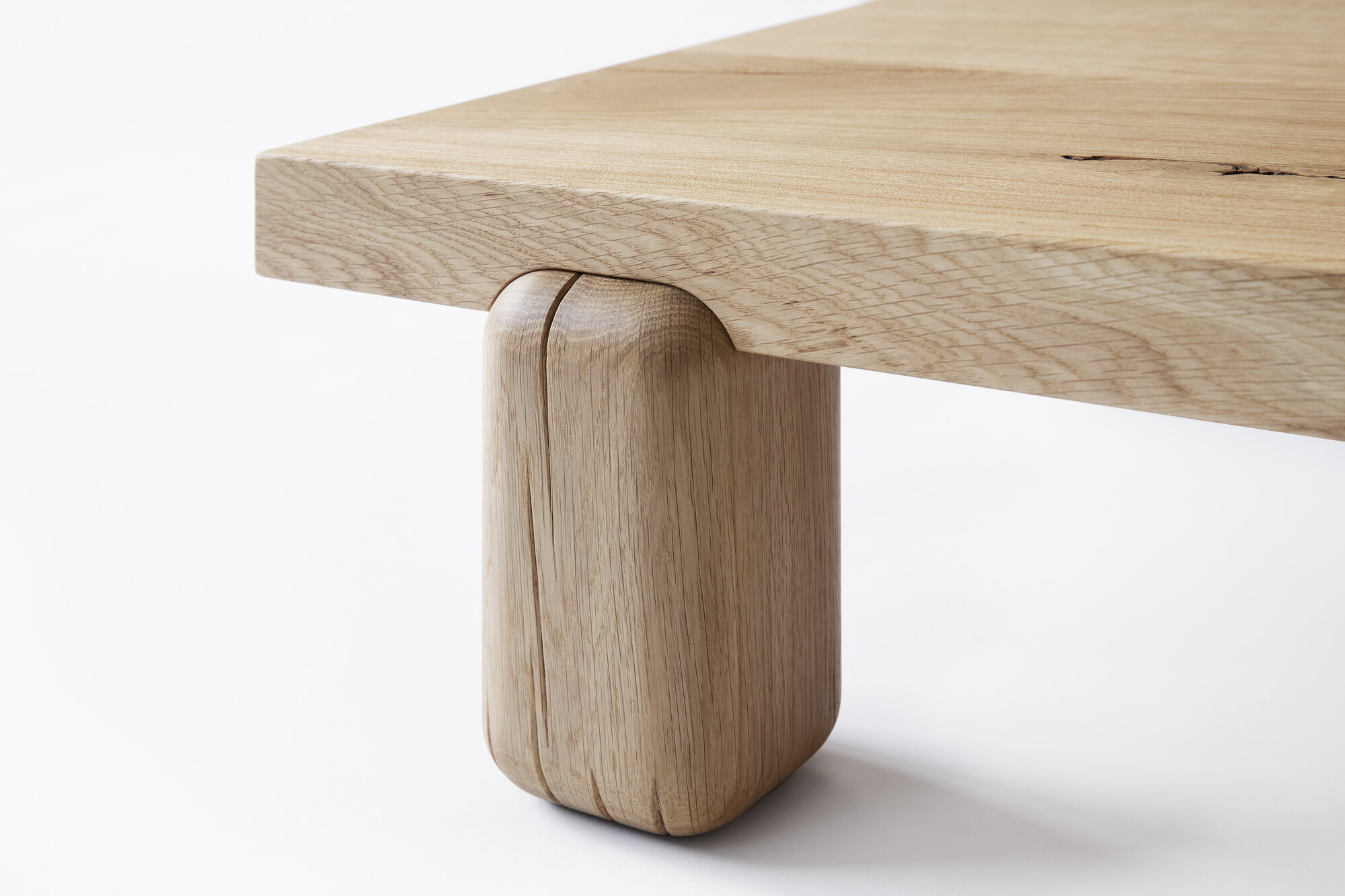
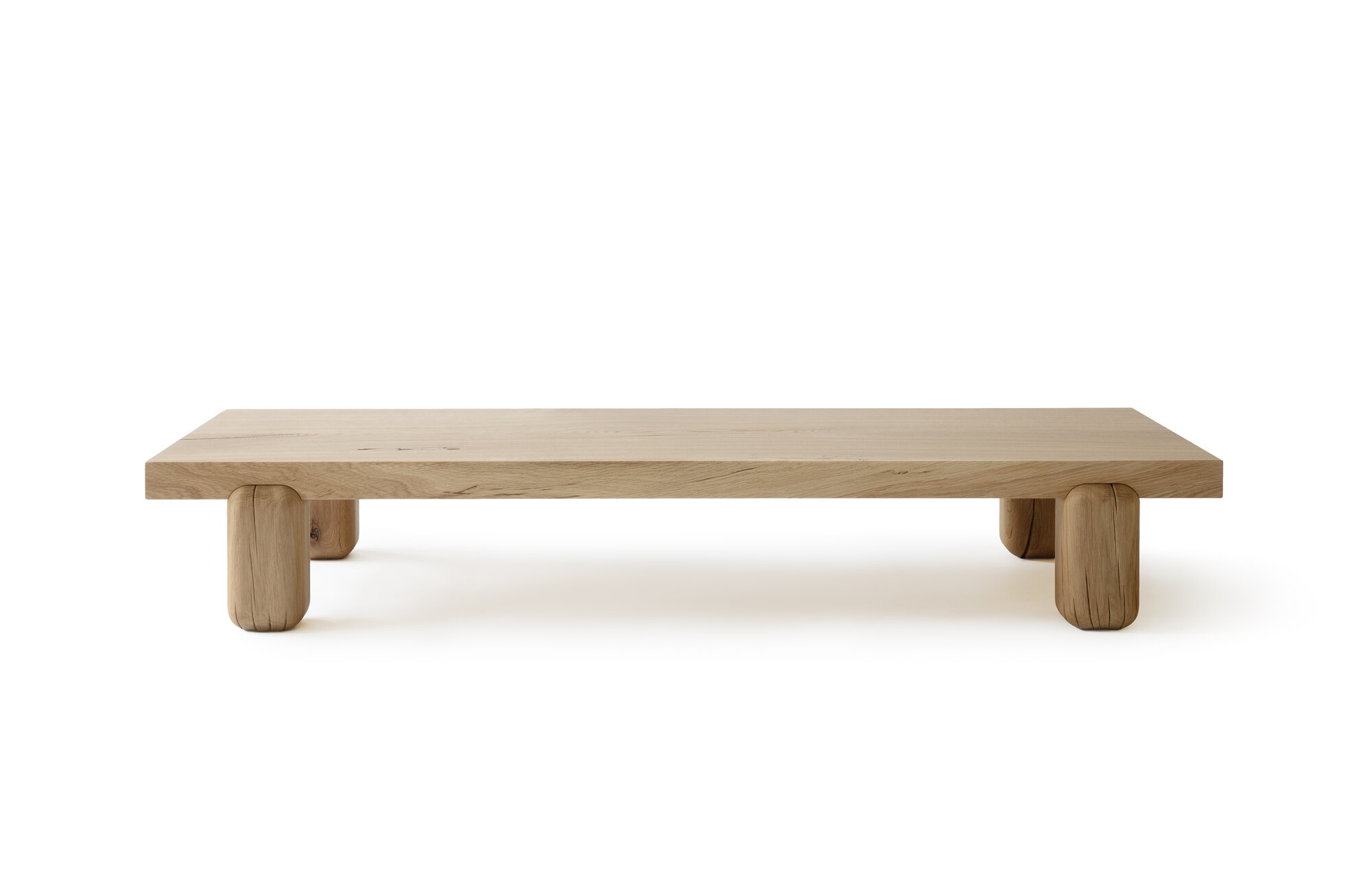
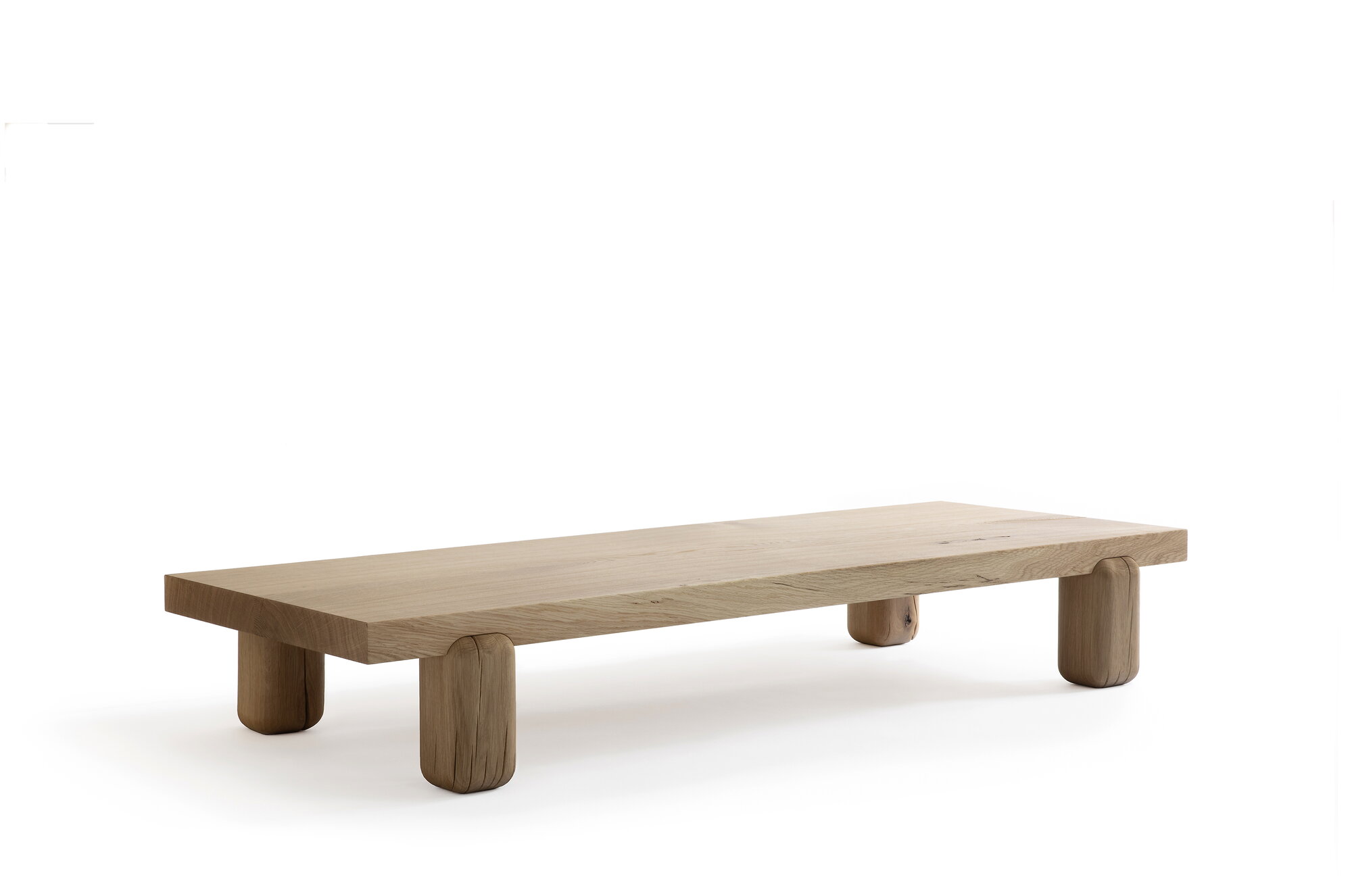
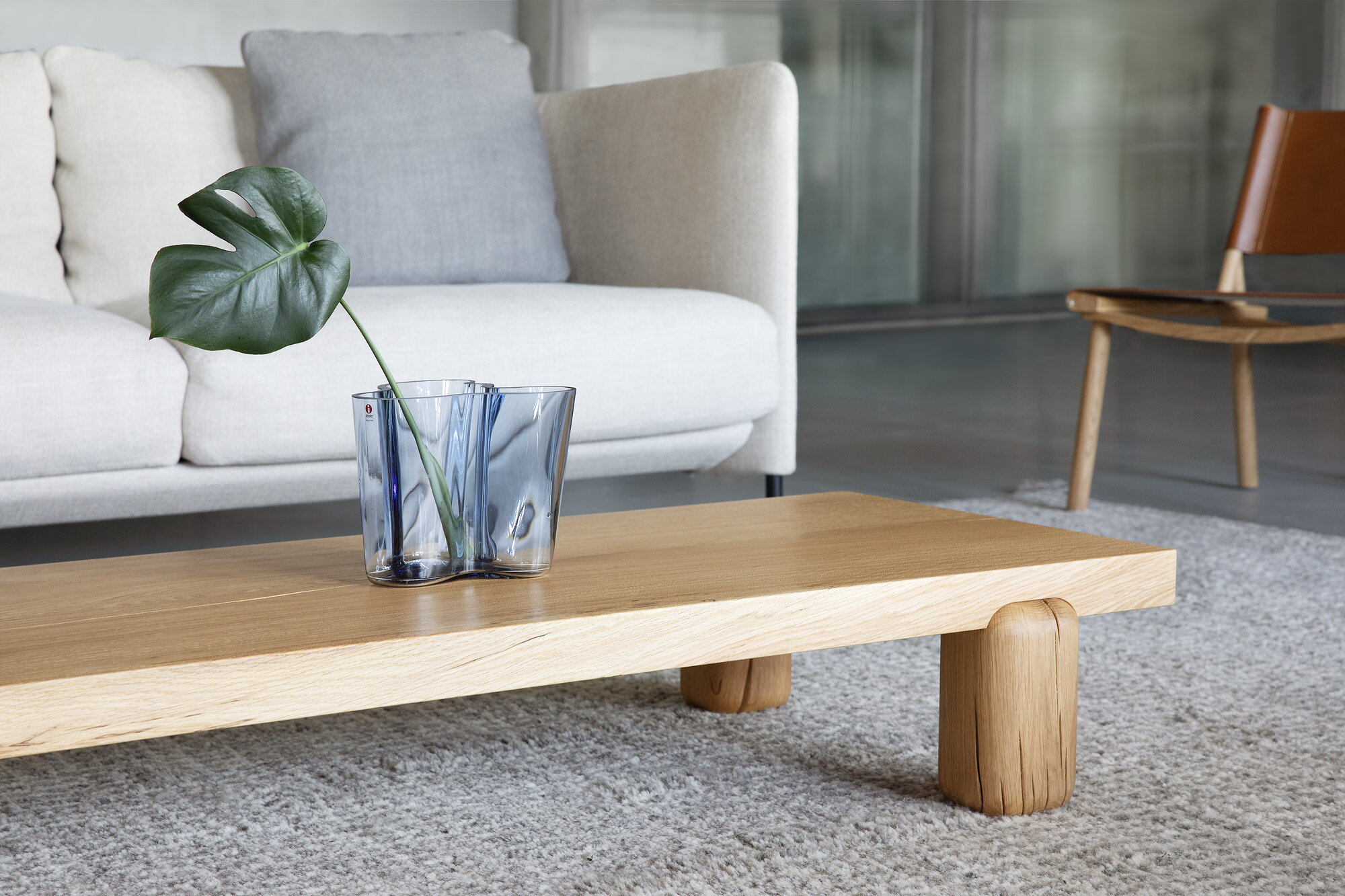
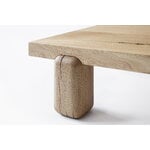
Nikari's Centenniale coffee table exudes a captivating and organic aesthetic that charms any space. The low coffee table consists of robust, gently contoured legs that provide sturdy support for the thick, sharp-edged tabletop. Designed by Joanna Laajisto, the Centenniale table is made from 100-year-old oak, exhibiting charming colour variations, cracks, marks and distinctive wood grain patterns intentionally left visible on the table's surface. While some may perceive these variations as flaws, the designer herself regards them as inherent qualities of the material, deserving to be highlighted. The name of the table, Centenniale, refers both to the age of the material used and to the table's expected lifespan of centuries.
- Length: 55.12 in (140 cm)
- Width: 20.87–23.23 in (53–59 cm)
- Height: 8.66–9.06 in (22–23 cm)
- Colour Oiled oak
- Material Solid oak
- Weight 85.98 lbs (39 kg)
- Notes The Centenniale table is made of solid oak, with colour variations, cracks and marks that make each piece unique. The size of the table also varies depending on the wood.
- Care instructions Please note that surfaces should always be wiped clean and dry as soon as possible, within 15 minutes at the latest. Clean the surface with a damp cloth and use organic detergents. To keep your furniture in the best possible condition, have it maintained every 2 years.
- Product ID: NI-CEN1-O

Joanna Laajisto is a Finnish interior architect – and a former professional snowboarder. In 2010, she founded Studio Joanna Laajisto in Helsinki, a design studio renowned for its sophisticated public spaces, including restaurants, retail environments and workplaces. The studio’s acclaimed projects include the offices of internationally celebrated Finnish gaming company Supercell as well as the showroom spaces of Atelier Torbjörn Tillander.
Studio Joanna Laajisto is also behind the interior architecture of Finnish Design Shop’s logistics centre in Turku, opened in 2021.
Joanna Laajisto: From snowboarding to interior architecture
Joanna Laajisto is a Helsinki-based interior architect and designer who, before turning to interiors, carved out a career as a professional-level snowboarder. Laajisto studied at the Interior Design Institute in Los Angeles and, after graduating, spent five years at Gensler Architects before returning to Finland. Studio Joanna Laajisto was founded in 2010.
Climate first
Laajisto’s design philosophy is rooted above all in sustainability: solutions that stand the test of time both visually and physically, a love of natural materials and a deep connection to architectural and cultural context.
In recent years, the climate crisis has brought a shift in Laajisto’s work. She has begun to look critically at her own earlier practices, steering her design ever more firmly towards existing structures and recycled materials.
Product design and accolades
Alongside interior architecture, Laajisto also works as a designer. She designs and produces her own lighting collection, and has created products and concepts for well-known design brands – including the Airisto seats for Finnish brand Made by Choice and the System storage boxes for Lundia.
In 2018, the Finnish Association of Interior Architects SIO named Joanna Laajisto Interior Architect of the Year.
Who: Joanna Laajisto
- A Helsinki-based interior architect and founder of Studio Joanna Laajisto (2010).
- Works across interior architecture and design.
- Her design philosophy centres on sustainability, timelessness and a user-focused approach.
- Notable projects include Supercell’s headquarters in Helsinki and Finnish Design Shop’s logistics centre in Turku.
- Named Interior Architect of the Year in 2018.
Read more in Design Stories
View all products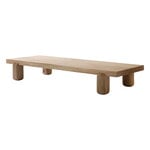
Ideas and inspiration
This is a carousel. Use Next and Previous buttons to navigate.