The union of craft and design – Nikari’s cabinetmakers create furniture built to last
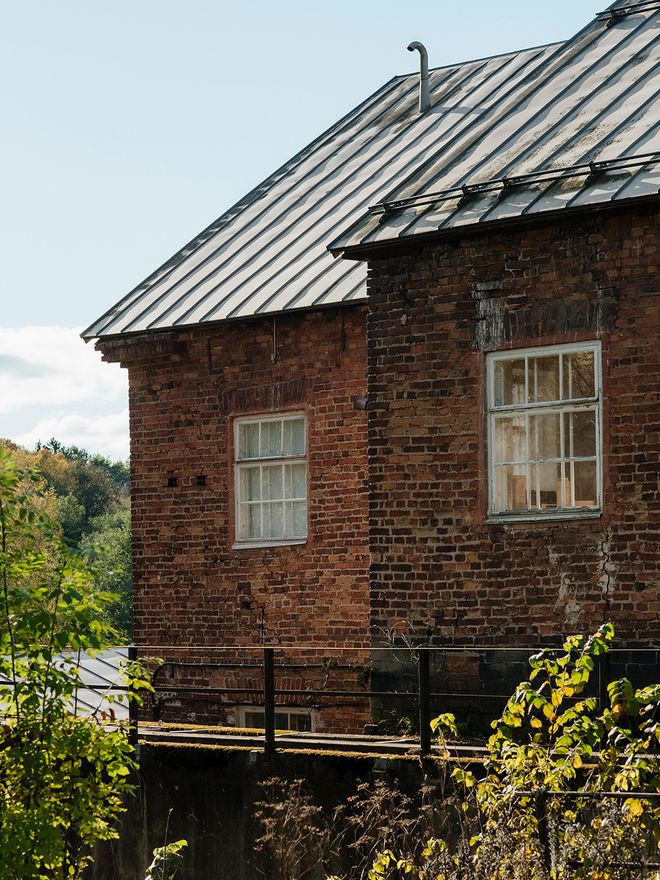
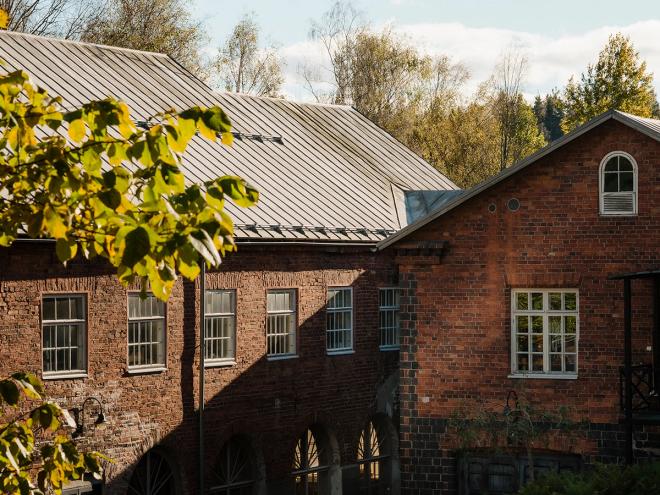
Nikari has operated since 1993 in an old red-brick industrial building, originally constructed in 1837 as a machine workshop for the Fiskars ironworks.
AT THE POINT where Lake Degersjö flows into the Fiskars River stands a red-brick industrial building, constructed nearly two centuries ago to serve as a machine workshop. Since 1993, behind its small-paned windows, the space has been home to Nikari, a Finnish company renowned for its solid wood furniture.
Today, eight cabinetmakers work in the production space downstairs. The air is filled with the pleasant scent of freshly cut wood, and the soundscape is dominated by the rhythmic hum and screech of woodworking machines. Wearing hearing protection, the craftsmen concentrate on their individual tasks across the workshop.
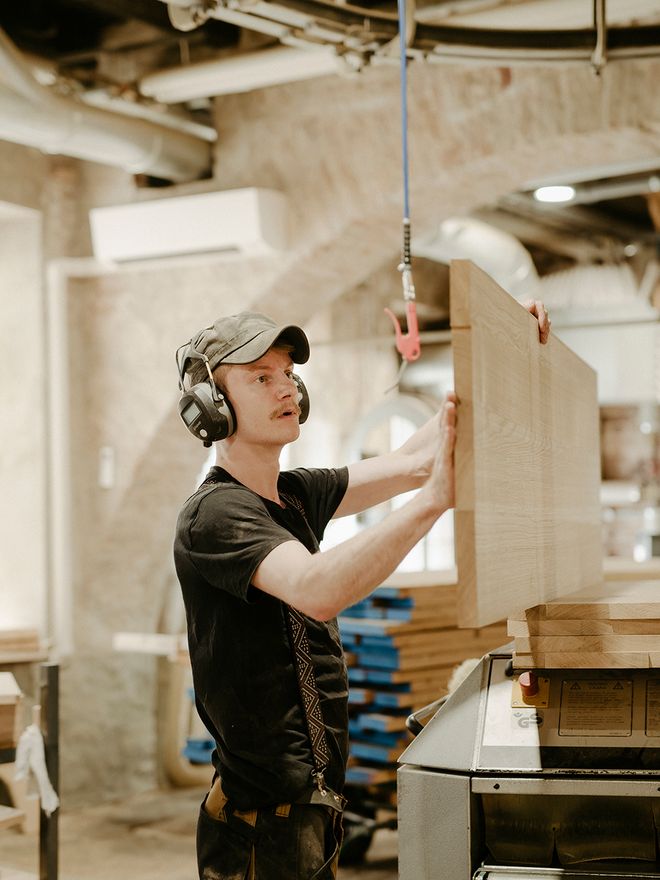
Nikari’s cabinetmakers craft each piece of furniture from start to finish, rather than focusing on just one stage of the process.
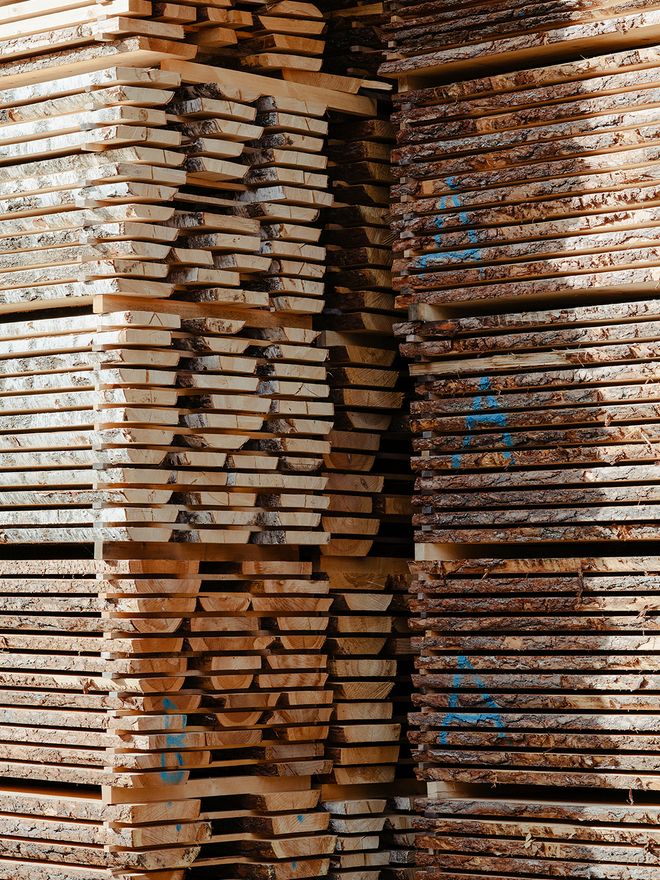
In the same courtyard as Nikari’s workshop operates a sawmill, where the cabinetmakers select the timber for their furniture. For solid wood pieces, it is essential that the wood is carefully and properly dried before production begins.
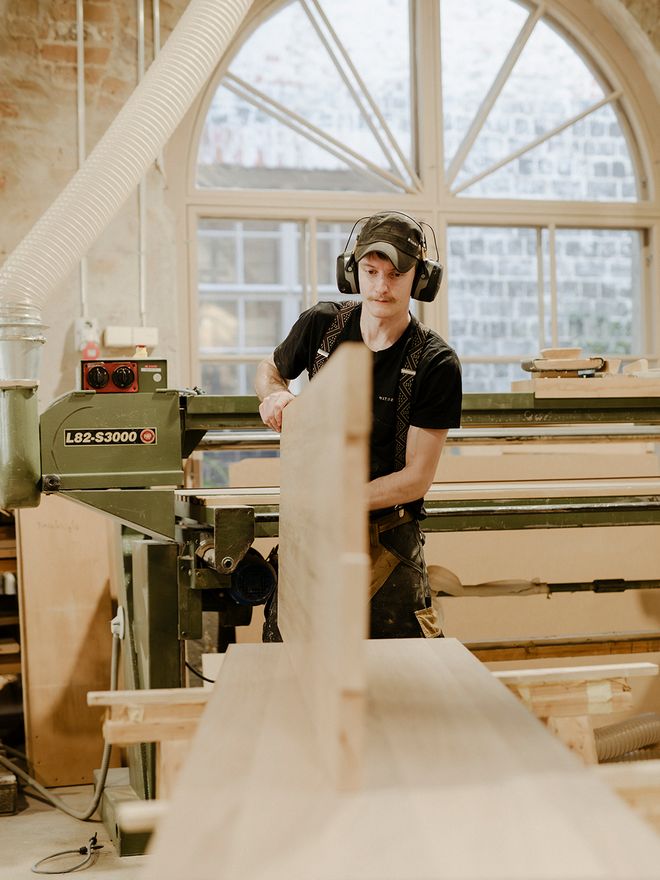
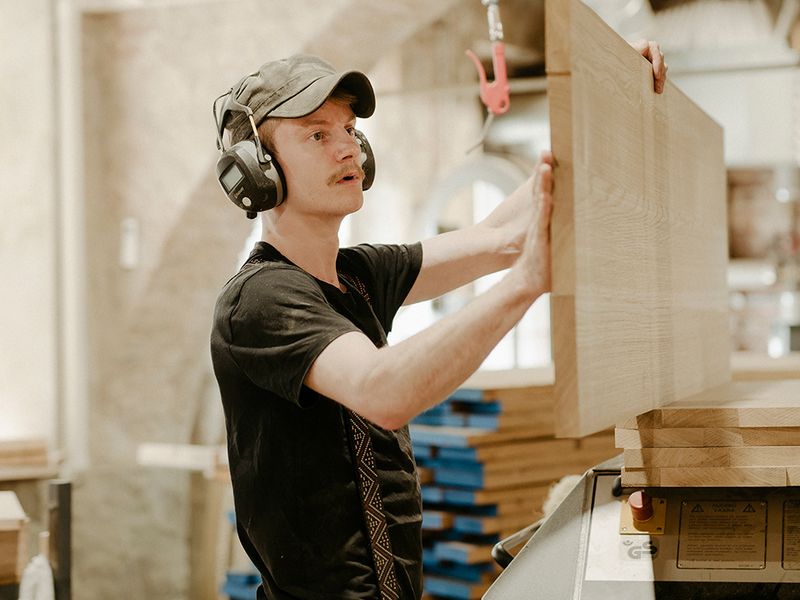
Nikari’s furniture is made from solid wood. The most popular choice is oak: it’s a hard, durable material that withstands wear and time. The craftsmen also work with birch, ash, and alder. Pictured: cabinetmaker Ilo Pesonen.
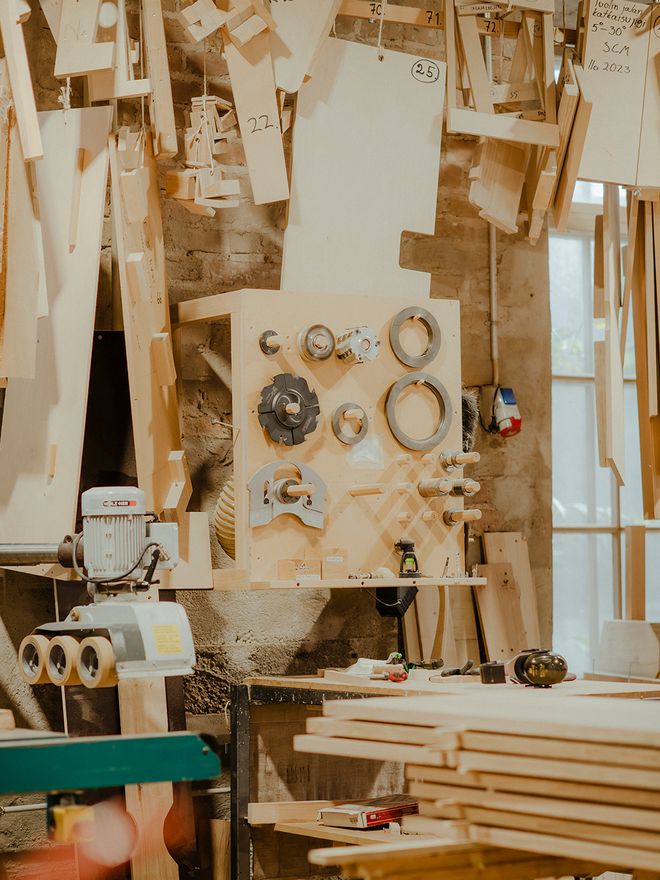
Nikari’s collection includes around a hundred different furniture pieces, and the workshop walls are lined with numbered templates used in their making.
When a new furniture order is about to take shape, the cabinetmakers usually walk across the yard to the local sawmill, Fiskarin Laatupuu. From the tall stacks of timber, they select the pieces they need and wheel the materials back to the workshop. There, through numerous stages of work, they craft solid wood furniture whose joints are made using traditional techniques.
A high-quality piece of furniture is created using traditional woodworking techniques, through numerous stages that require skilled handcrafting.
The workshop is the heart of the company, as Nikari firmly believes in preserving time-honored woodworking skills and methods.
“At Nikari, each cabinetmaker creates a piece from start to finish. They complete every stage of the process themselves, rather than working on just one part. Because our craftsmen must master many different techniques, it usually takes them several years to learn how to build every piece in our collection,” says Johanna Vuorio, CEO and owner of Nikari.

“At the core of Nikari lies a deep understanding of craftsmanship and the proper way to work with wood. We consider many aspects of how the material is used, what is sensible and responsible, so that unnecessary waste can be avoided,” says Johanna Vuorio, CEO of Nikari.
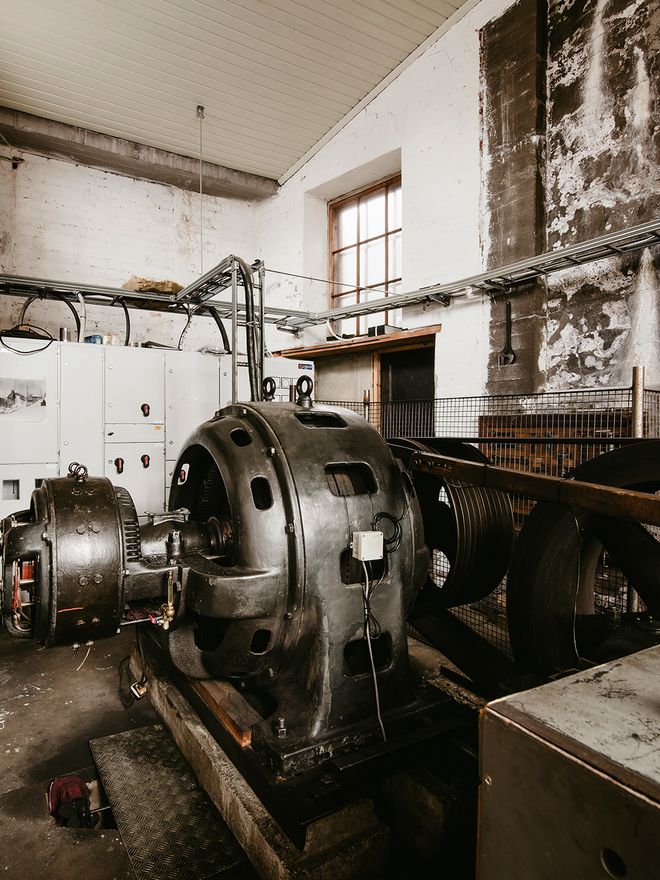
Since 2014, Nikari’s production has been powered by renewable energy generated by a hydroelectric plant operating in the same building, using the flow of the nearby Fiskars River.
Another defining feature of Nikari’s furniture is its minimalist design language and close collaboration with renowned designers. This approach dates back to the company’s earliest clients. When master cabinetmaker Kari Virtanen founded Nikari in 1967 in southern Ostrobothnia at the age of 19, his first customers included two legends of Finnish design: architect Alvar Aalto and designer Kaj Franck.
• Read also: Nikari’s Biennale stool is made masterfully and meticulously >
Working with uncompromising designers set the direction for Nikari’s future. The company became known for furniture stripped of anything unnecessary: pieces where the clarity of form highlights the natural beauty of wood and the refinement of each detail.
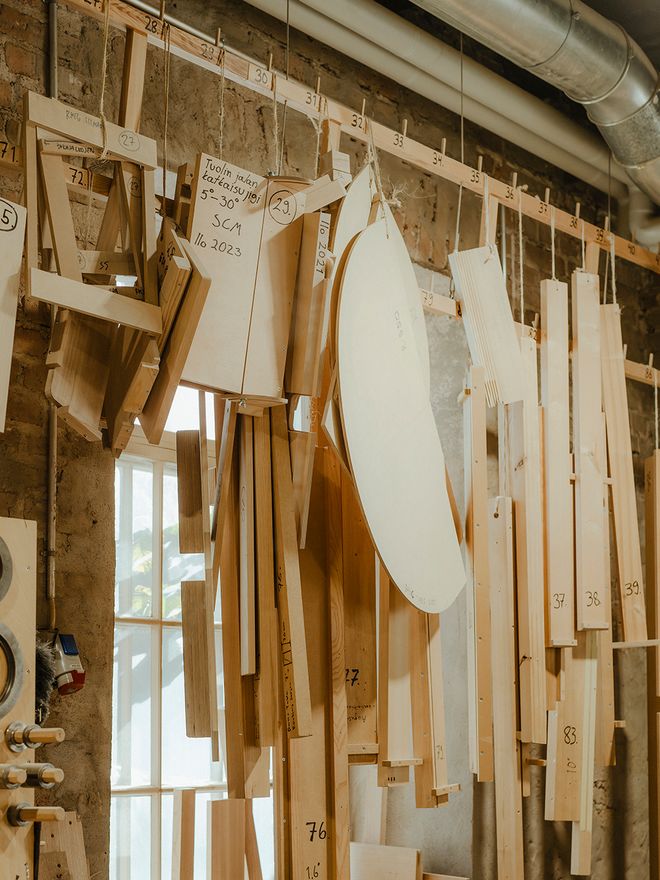
When a new piece of furniture enters production at Nikari, it is meant to stay in the collection for a long time. Each design is created to be timeless in appearance and durable in structure.
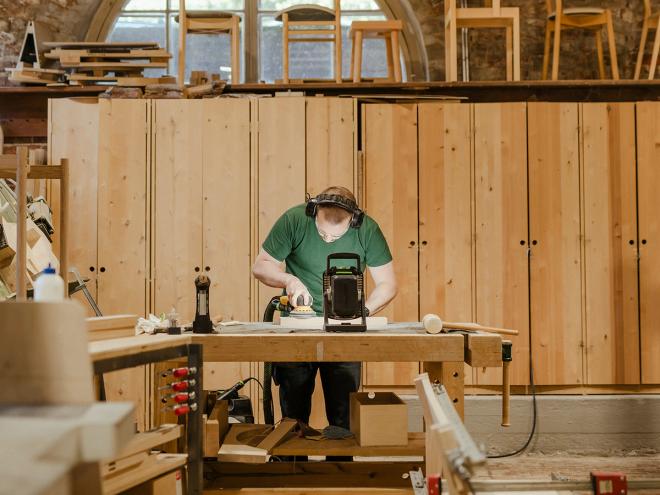
At Nikari’s workshop, product development takes place and the most technically demanding pieces, as well as small production runs, are made in-house. For larger series, such as chairs, Nikari also works with selected subcontractors. Pictured: cabinetmaker Väinö Kuurila.
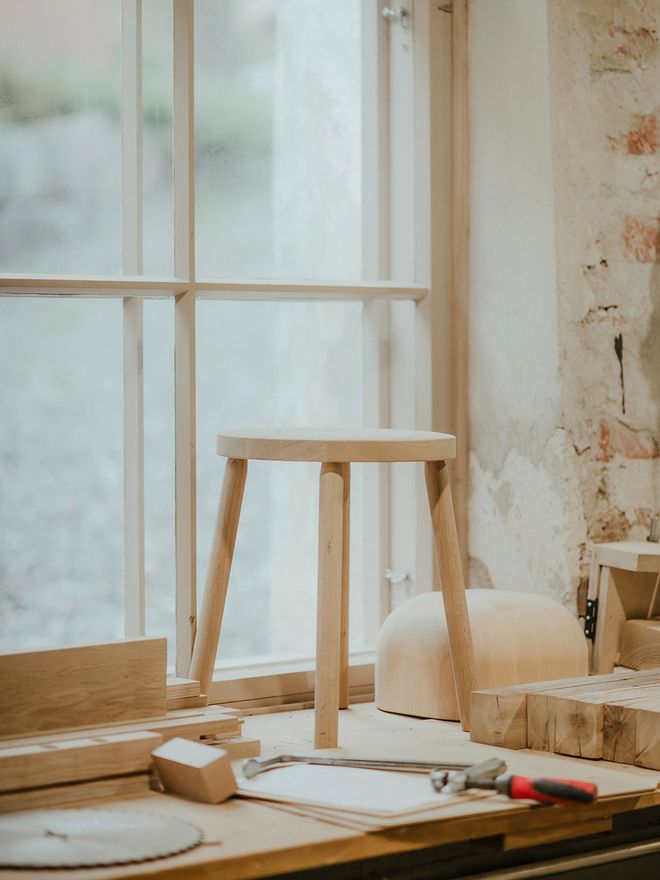
Nikari’s workshop operates in a nearly two-hundred-year-old former machine shop, filled with a timeless atmosphere all its own. On the table sits the Storia stool, designed by Kari Virtanen.
ABOUT TWENTY years ago, Kari Virtanen decided it was time to step back from leading the company and began looking for someone to carry Nikari forward. He reached out to Johanna Vuorio, who had previously worked in the furniture industry.
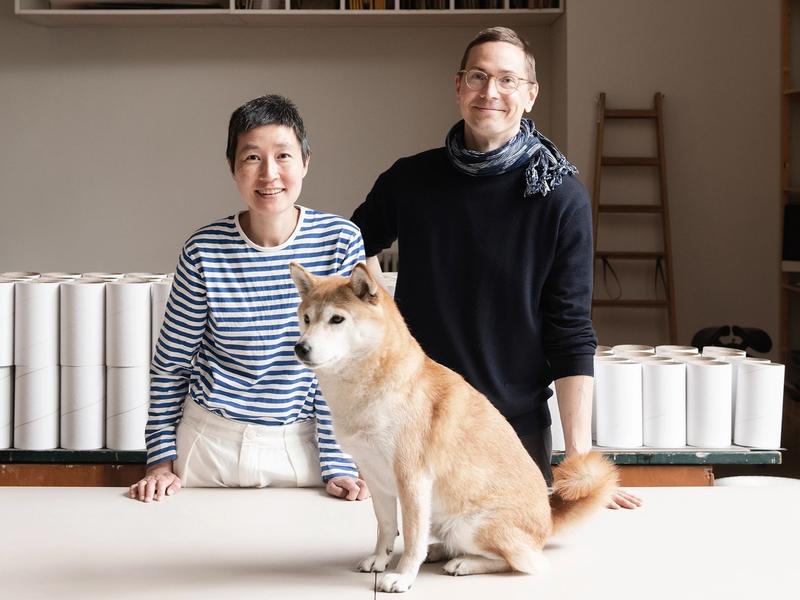
Vuorio has led the company since 2009 and is now its principal owner. At her suggestion, interior architect Jenni Roininen joined as creative director and co-owner. The two had already formed a strong partnership in their previous workplace.
Nikari is led by Johanna Vuorio and Jenni Roininen, with a strong focus on international markets where Nordic, timeless minimalism continues to resonate.
“We had been thinking about starting our own company, but Nikari already had a beautiful history and the same values – quality, longevity, design, authenticity, and sustainability – that would have formed the foundation of our own,” say Vuorio and Roininen.
For a couple of years, they worked closely with Kari Virtanen to ensure that the craftsmanship and deep knowledge of wood accumulated over four decades would remain within the company. At the same time, they refined Nikari’s direction, deciding to focus on developing their own furniture collection and expanding internationally.
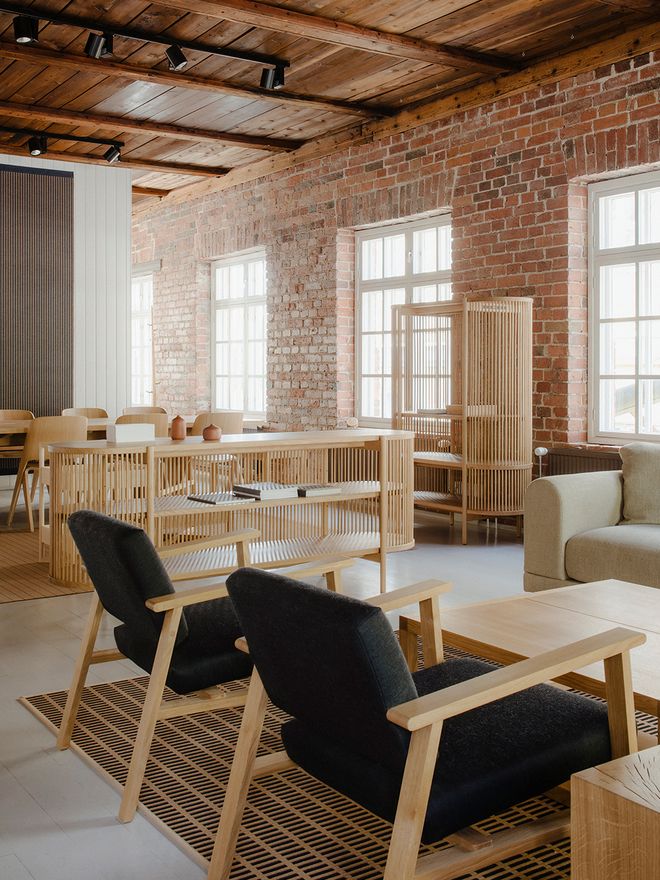
In Nikari’s minimalist furniture, the natural beauty of wood and the refined details take center stage. In the showroom, Nikari’s own designs are displayed side by side with the furniture of Poiat, which became part of the company in 2025.
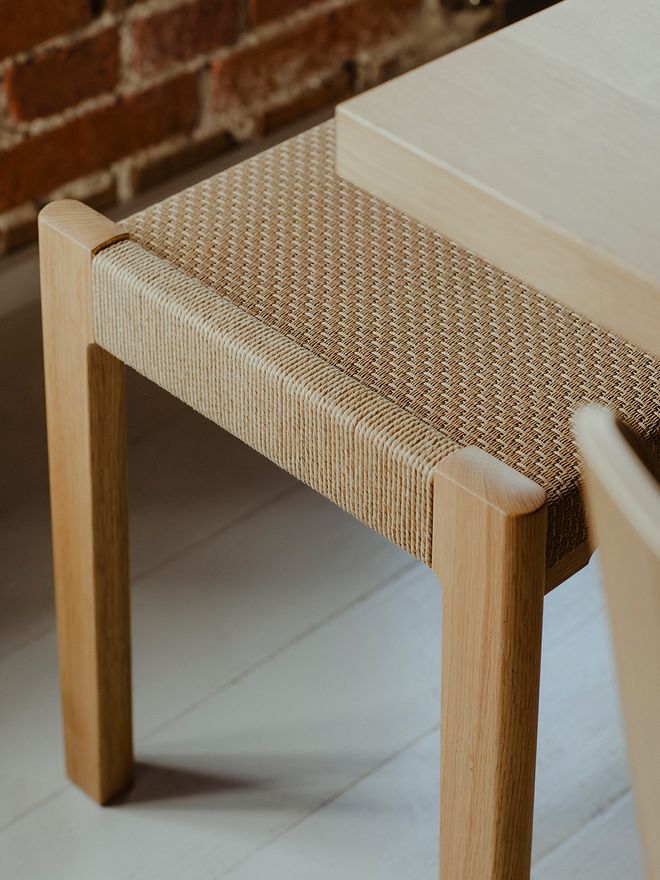
The distinctive feature of the Detalji bench is its seat, upholstered with paper yarn. The form of the bench was designed by Jenni Roininen, while the Woodpecker paper yarn fabric was created by Ritva Puotila and produced by Woodnotes.
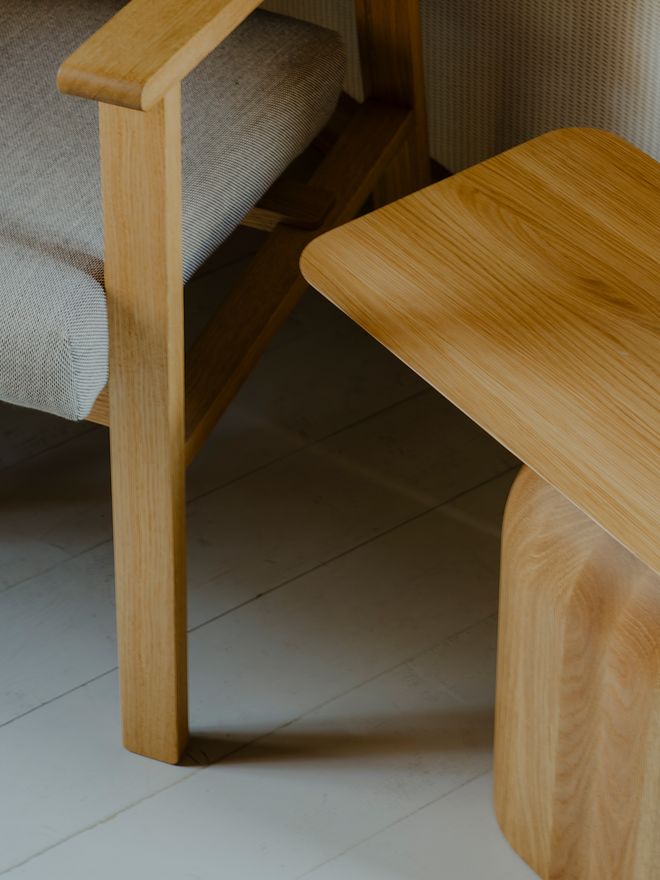
The popular April table, designed by Alfredo Häberli, is part of the 12 Designs for Nature collection launched in 2012.
The new direction took shape in 2012, when Vuorio and Roininen reached out to twelve designers in Finland and abroad with collaboration proposals. The result was the captivating furniture collection 12 Designs for Nature, with each piece named after a month of the year.
Some of them have already become contemporary classics, such as the December chair family by Jasper Morrison and Wataru Kumano, the sculptural April table by Alfredo Häberli, and the July stool by Nao Tamura. The collaboration with designers has continued ever since.
In recent years, Nikari has also strengthened its partnership with the rug manufacturer Woodnotes, and in 2025, the company incorporated the furniture line of Poiat, another design brand based in Fiskars. This expansion brought new upholstered pieces and striking wooden designs to Nikari’s collection, including works by designer Antrei Hartikainen.
Nikari’s high-quality solid wood furniture has found its way into both private homes and public spaces – even some of the world’s most renowned restaurants and museums.
FROM THE RED-BRICK building in Fiskars, Nikari’s wooden furniture now travels to homes that value quality as well as to public spaces, including top restaurants and some of the world’s most renowned museums.
Alongside its well-loved classics, Nikari introduces new pieces with careful consideration. There is no pressure to renew the collection every year, as the furniture is designed to endure both time and use.
“Our pieces must be so durable, both aesthetically and technically, that they can still be used two hundred years from now,” say Vuorio and Roininen.
See also:
Published on 29 Oct, 2025