Living with Fredericia, part 2: Three Danish homes, three ways
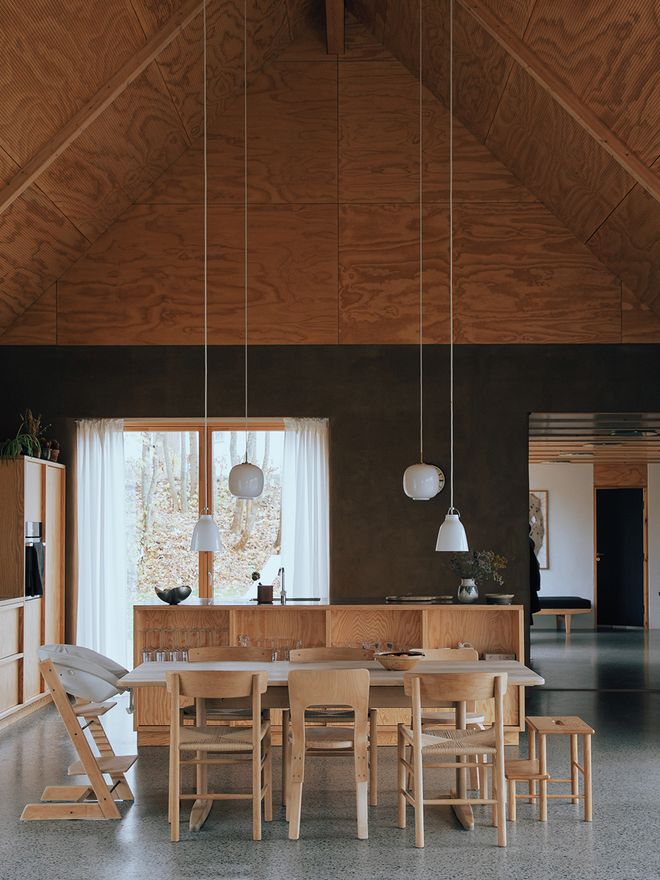
Fredericia’s J39 chairs pair beautifully with Artek’s Chair 66.
ACROSS DENMARK, these three homes approach living with design in very different ways, yet share a common thread. Fredericia’s furniture connects the spaces, chosen not to follow trends but to support everyday life – to age well, adapt over time, and carry meaning beyond aesthetics.
From sustainable building practices to handcrafted details and a deep appreciation for classic design with patina, each home reflects its inhabitants’ values and ways of living. Together, they show how thoughtfully made furniture can quietly shape daily routines and create a sense of continuity.
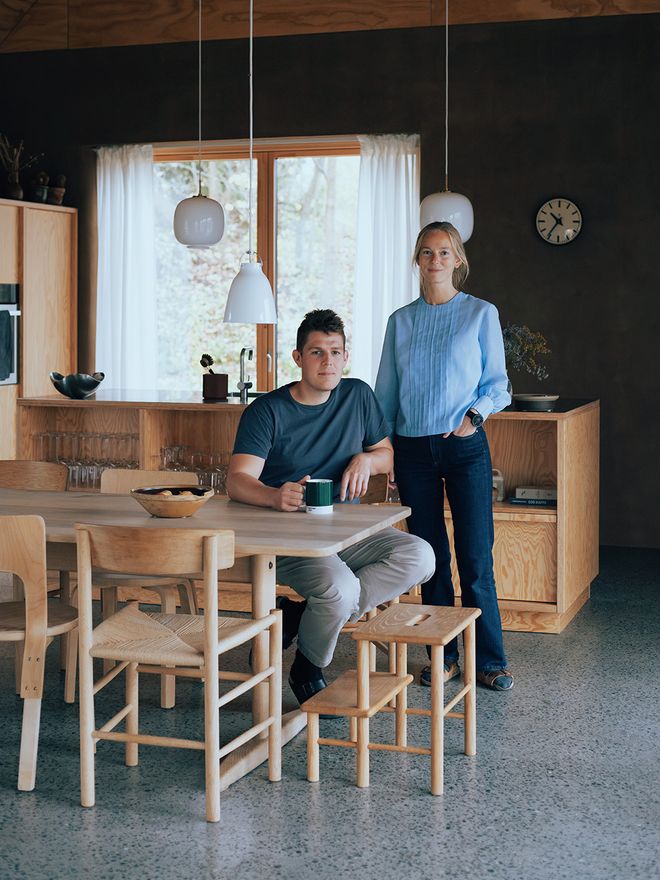
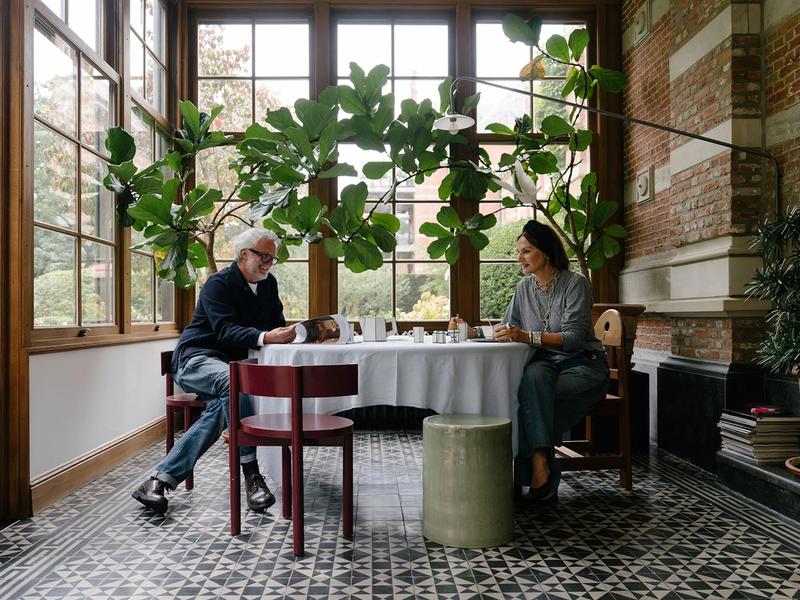
The home owners, Casper and Alexandra Borg-Møller in their open dining room.
A sustainable home rooted in tradition
From the outset, Alexandra and Casper Borg-Møller envisioned a home that would challenge conventional ideas of new construction. Surrounded by nature and the architectural heritage of their charming village Karlebo, they set out to build a contemporary interpretation of a traditional Danish half-timbered house: one rooted in natural materials, craftsmanship, and a deep respect for the planet.
With backgrounds in biology and landscape architecture, sustainability was never an add-on but the foundation of the project.
“In general, we wanted to create a home where the building materials would both minimise the CO₂ footprint and serve as a CO₂ deposit,” they explain.
Timber forms the load-bearing structure of the house, while hemp bricks, clay, chalk, and grass insulation contribute to both low emissions and a healthy indoor climate.
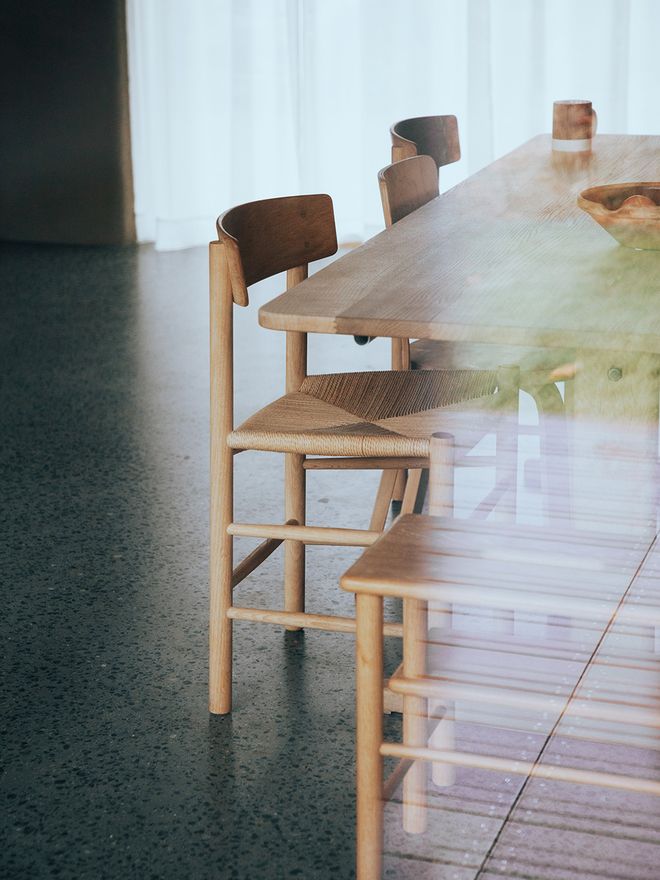
Fredericia’s J39 chair is a classic design made from solid wood and hand-woven paper cord, designed by Danish architect Børge Mogensen in 1947.
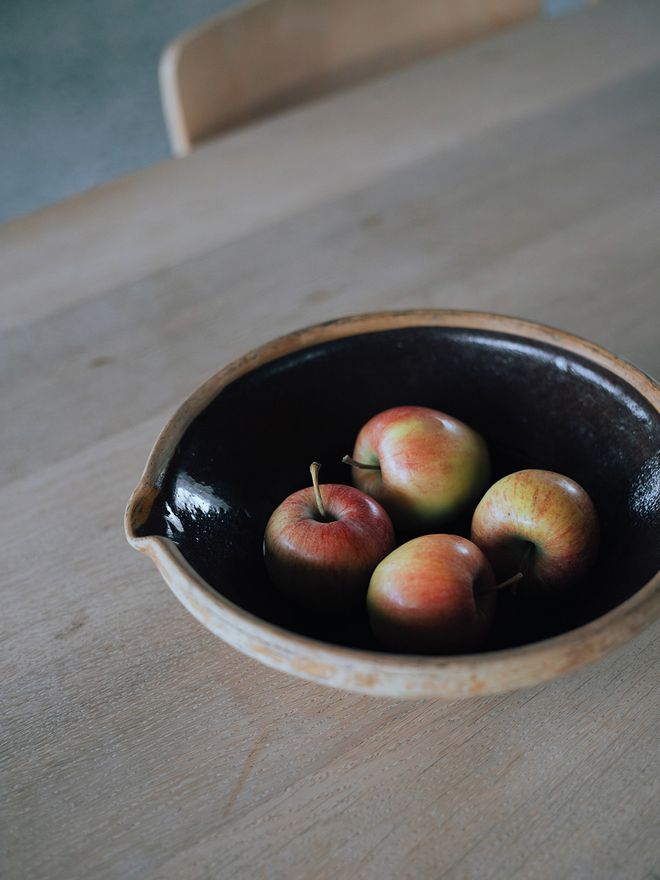
“All the light fixtures and furnishings were either purchased used, inherited, or upcycled, and the furniture is primarily made of wood,” they say.
Rather than standing out, the house was designed to sit quietly within its historical surroundings, harmonising with nearby buildings such as the old village school and the local inn.
Inside, the diffusion-open structure and natural materials help regulate humidity and air quality – a quality the couple particularly value during long Danish winters spent indoors.
The same principles guide the interior. Clay walls are left exposed or finished with chemical-free clay paint, and most furnishings and lighting are second-hand, inherited, or upcycled.
For Alexandra and Casper, sustainability also means choosing robust, timeless design made to last.
“Our vision was to demonstrate that one can build a new house without a guilty conscience,” they say, without compromising comfort or aesthetics.
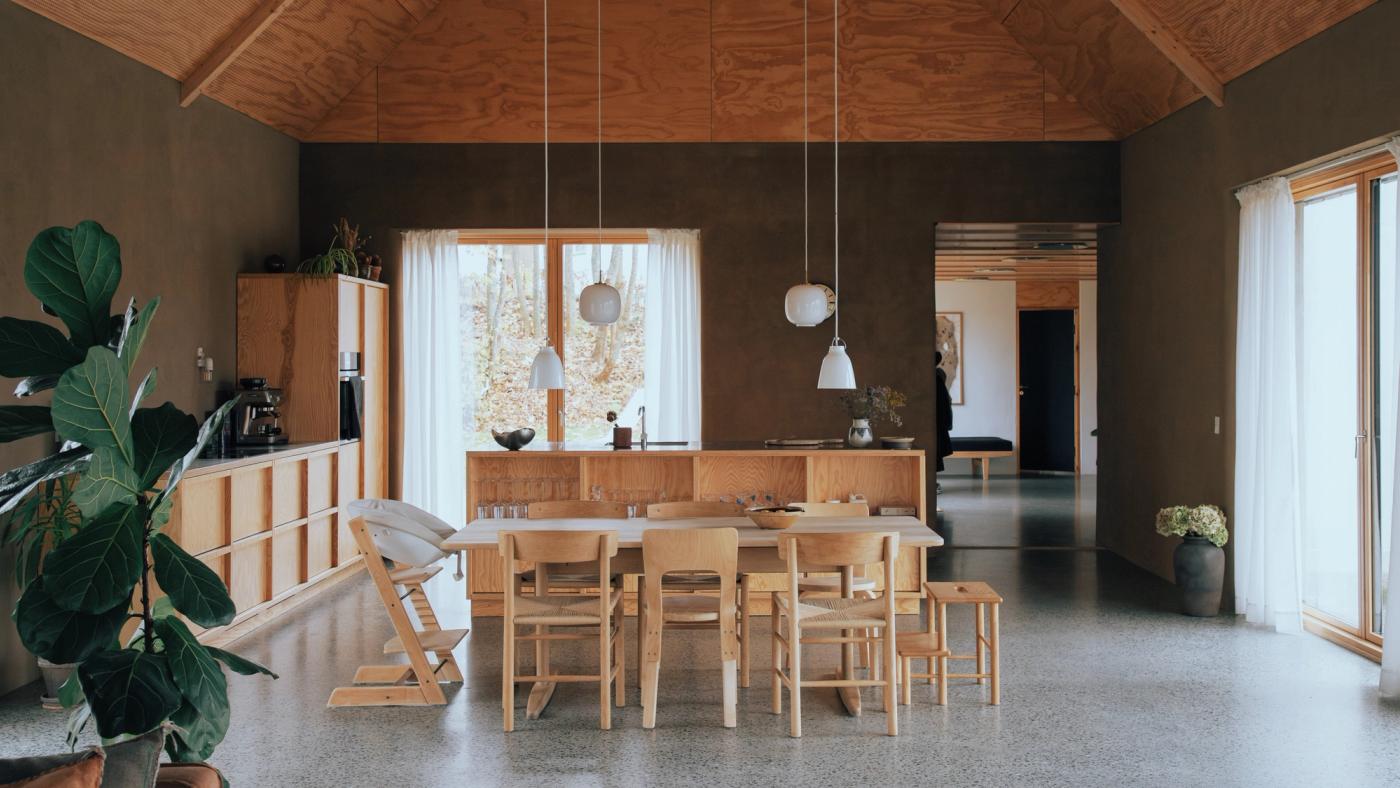
“We believe that design, including furniture, should be timeless, created with a focus on functionality rather than decoration.”
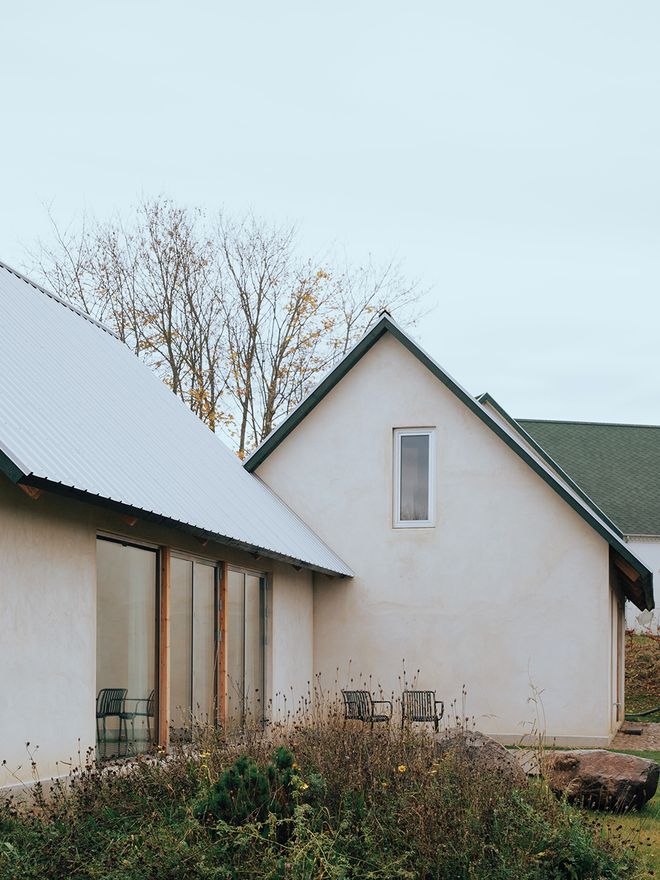
The house, Karlebo Landsted, is a modern version of a traditional Danish half-timbered house.
Living in the house has exceeded their expectations. The tactile qualities of hemp and clay, combined with thoughtful design, create an environment that feels both calm and surprisingly comfortable.
The couple believes that sustainable choices can enhance everyday life rather than limit it.
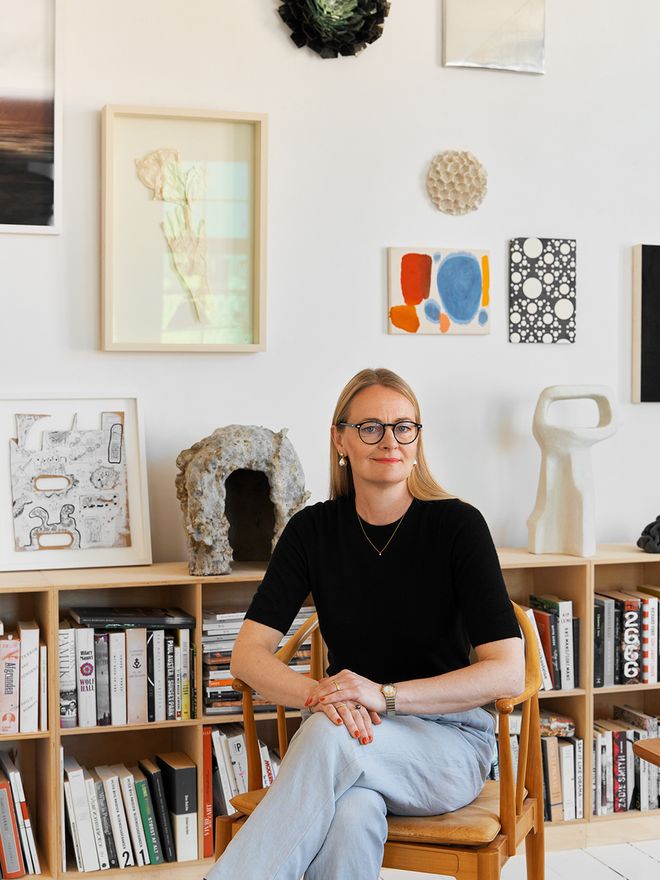
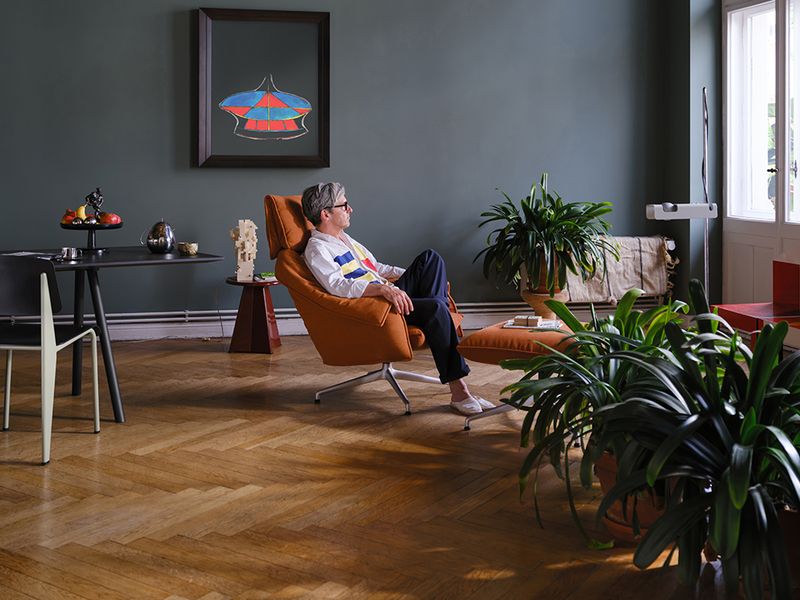
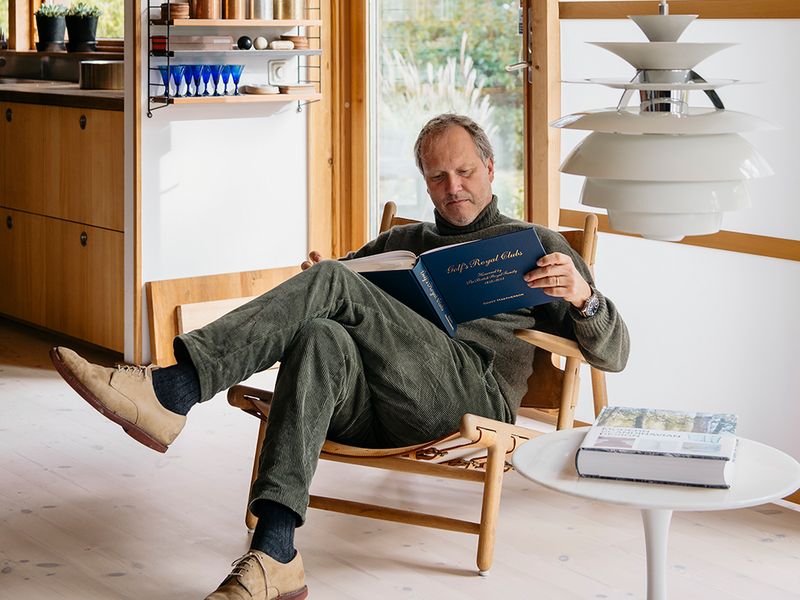
Anne Aarsland’s home also functions as a gallery.
Living with art and patina
Art, design, and everyday life come together in the Frederiksberg home of Anne Aarsland, art dealer and founder of Anne Aarsland Gallery.
Bathed in natural light and overlooking Frederiksberg Allé, the apartment functions both as a private residence and a setting for exhibitions, meetings, and gatherings.
Surrounding herself with beautiful and interesting objects has always been essential to Anne. Her home is furnished primarily with classic designs, chosen for their timeless quality and ability to age with grace.
Patina is not seen as something to avoid, but as an integral part of good design. “My Børge Mogensen dining room chairs BM61 are timeless and, in my eyes, become even more beautiful with patina,” she says.
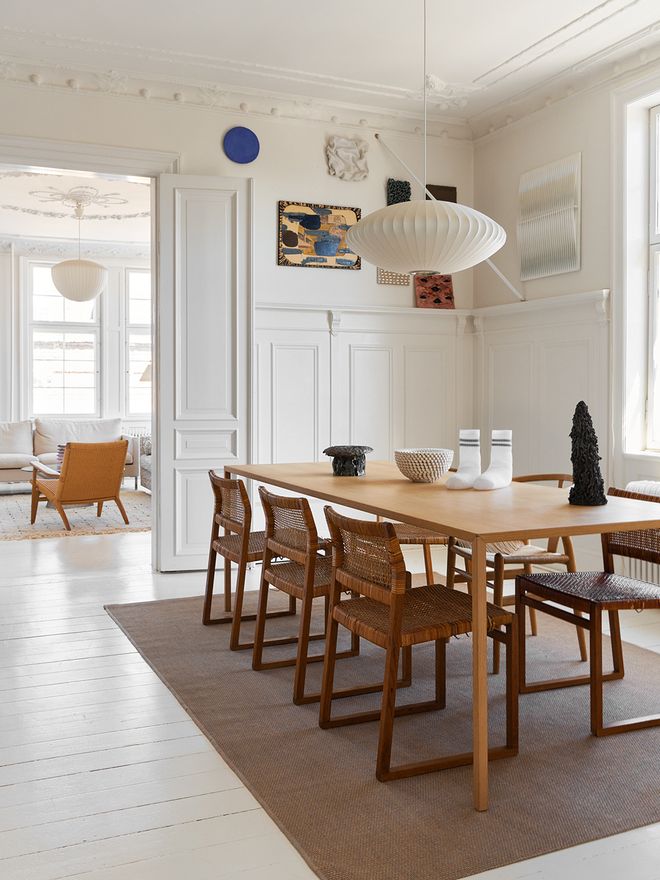
The vintage Børge Mogensen BM61 dining chairs were bought at an auction.
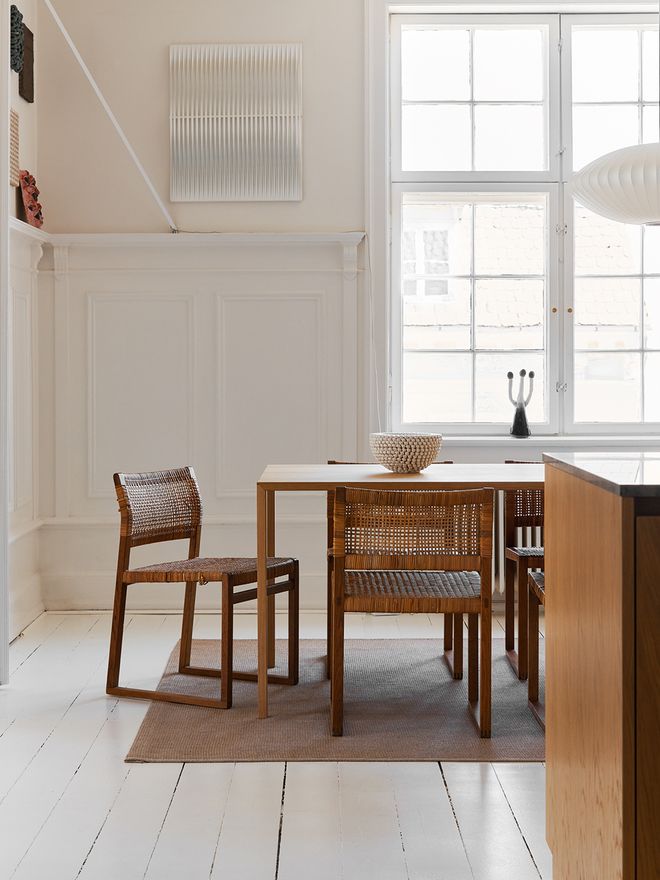
The BM61 chair’s structured design is balanced by exceptional comfort and finely crafted details.
Anne values furniture that retains its relevance regardless of trends, and she believes that visible signs of use make a home feel more welcoming.
“It doesn’t matter that you can see that the furniture and the home are being used,” she explains.
“A little patina does not damage beautiful designs, and a home where you can see life is being lived brings an inviting and open atmosphere.”
Because the apartment also serves as a gallery, it plays multiple roles. Together with her colleague Mette Helena Rasmussen, Anne runs Kunstsalonen, a pop-up gallery concept that brings contemporary art into private homes. The works shown in her own space are always hand-picked, pieces she would happily live with herself.
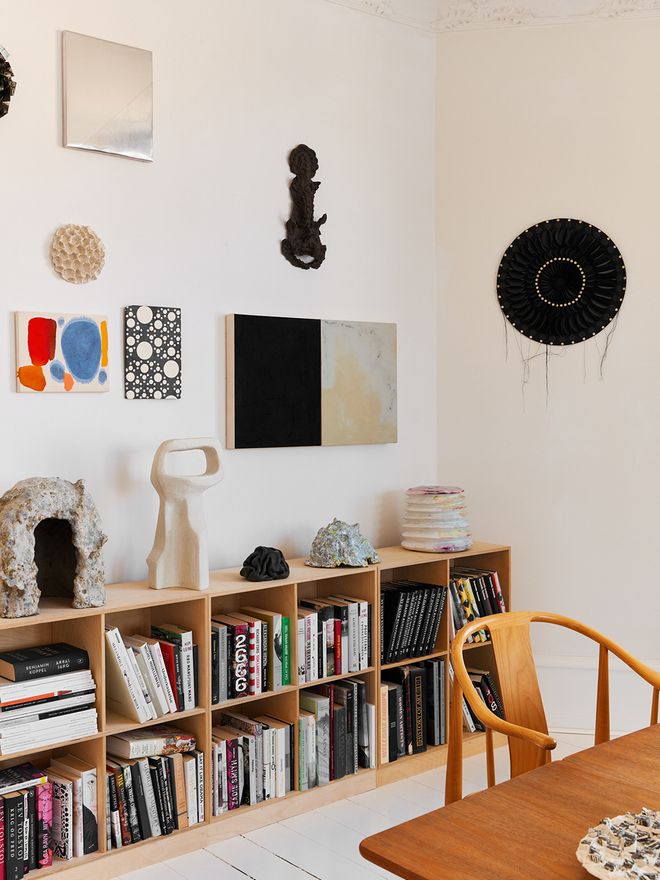
“My home is both my private residence and my workplace. It’s a space I also open to the public, making the gallery deeply personal.”
Despite its public function, the home remains deeply personal. It is the setting for family life and her children’s childhood memories, as well as a place where guests are welcomed with ease.
Balancing art, design, and daily routines, Anne’s home reflects a belief in living with objects that carry both beauty and history.
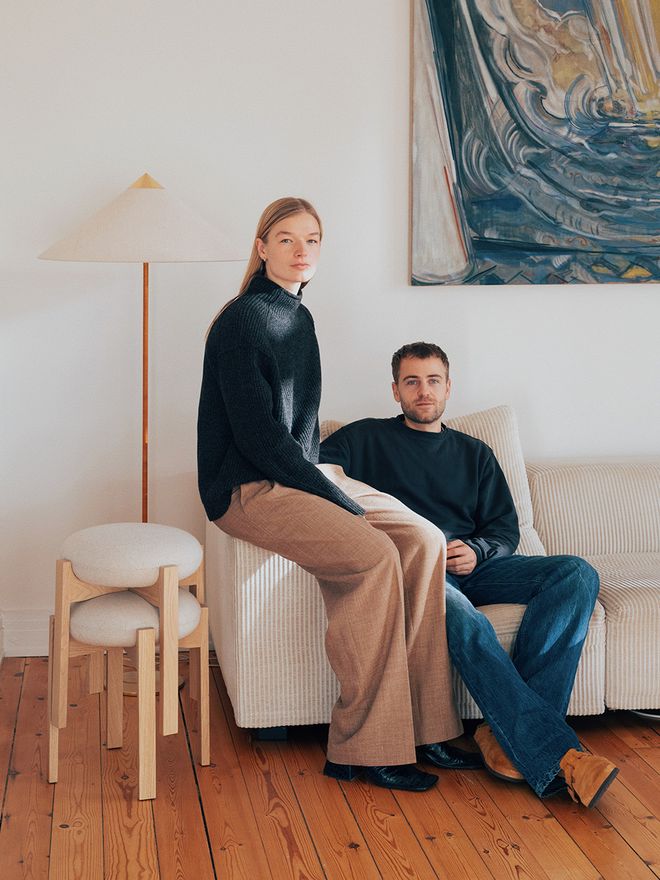
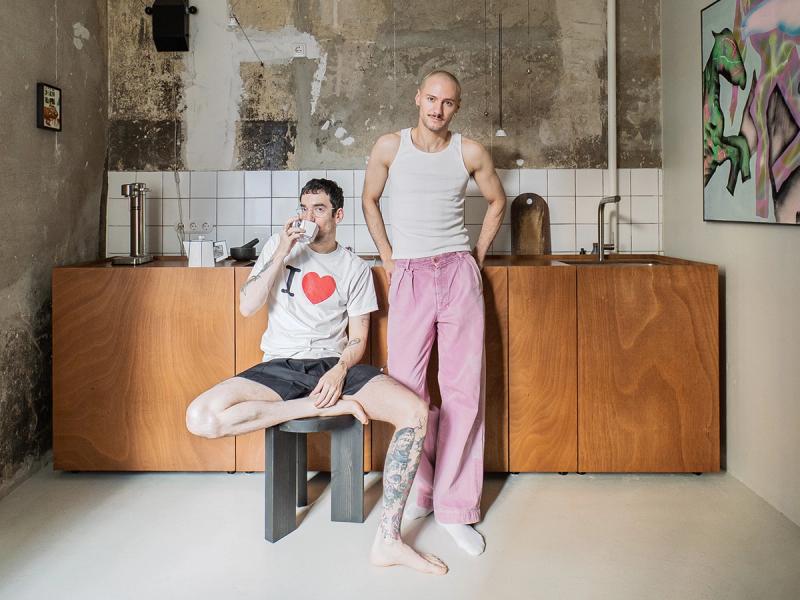
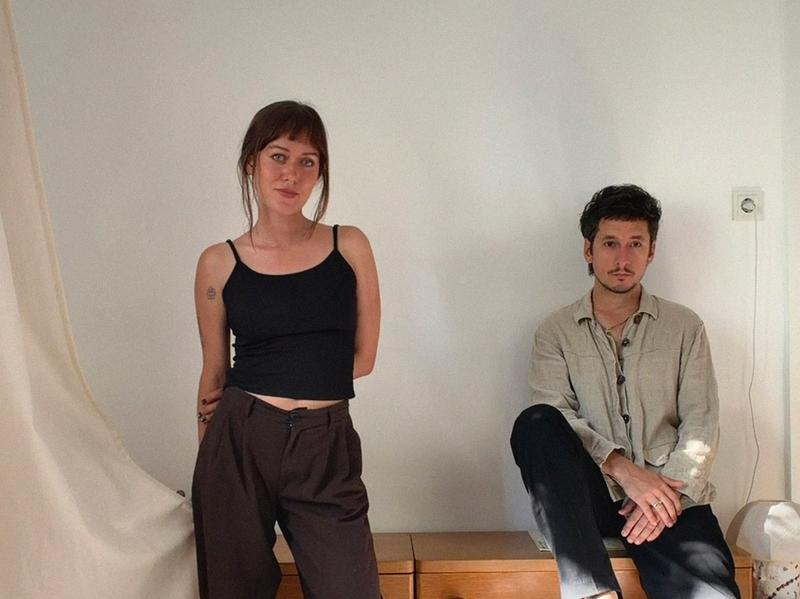
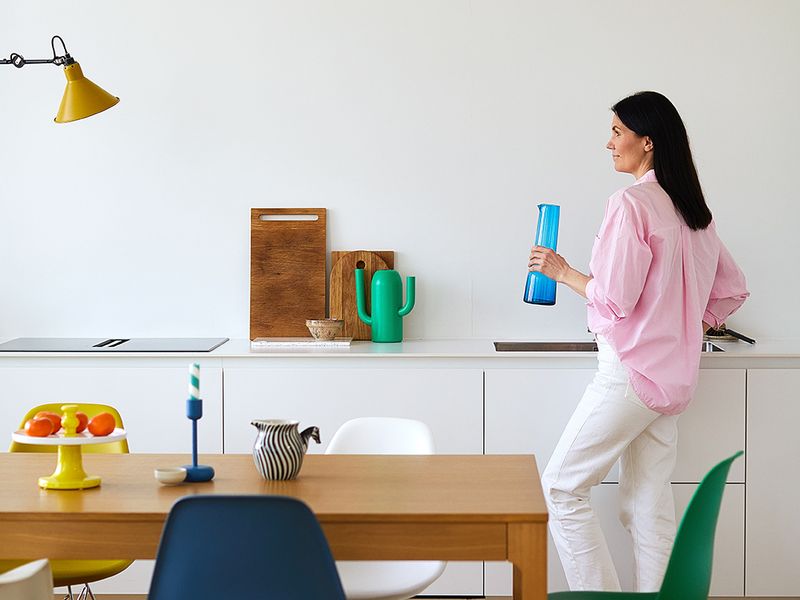
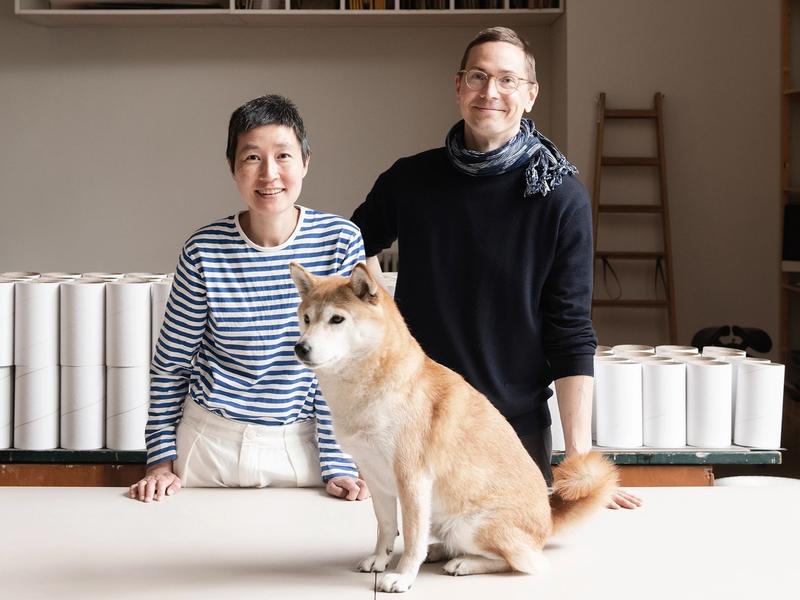
Designer couple Luna Schulze and Jeppe Vidstrup live in Copenhagen.
A home filled with stories
In their Copenhagen apartment, designers Luna Schulze and Jeppe Vidstrup have created a home defined by warmth, craftsmanship, and personal meaning. Every object has been carefully chosen, resulting in a space where family heirlooms and travel finds blend seamlessly with contemporary design.
Luna, a multidisciplinary designer with a background as a cabinetmaker and currently studying at the Royal Danish Academy, shares the home with her partner, jewellery designer Jeppe Vidstrup.
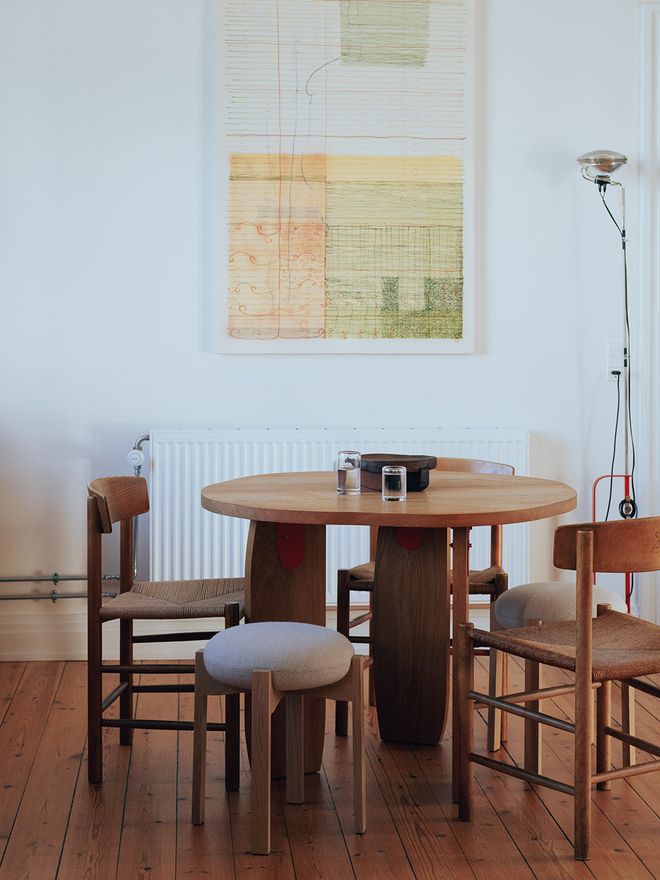
Among the cherished pieces in their home are vintage J39 chairs, brought by both Luna and Jeppe when they moved in together.
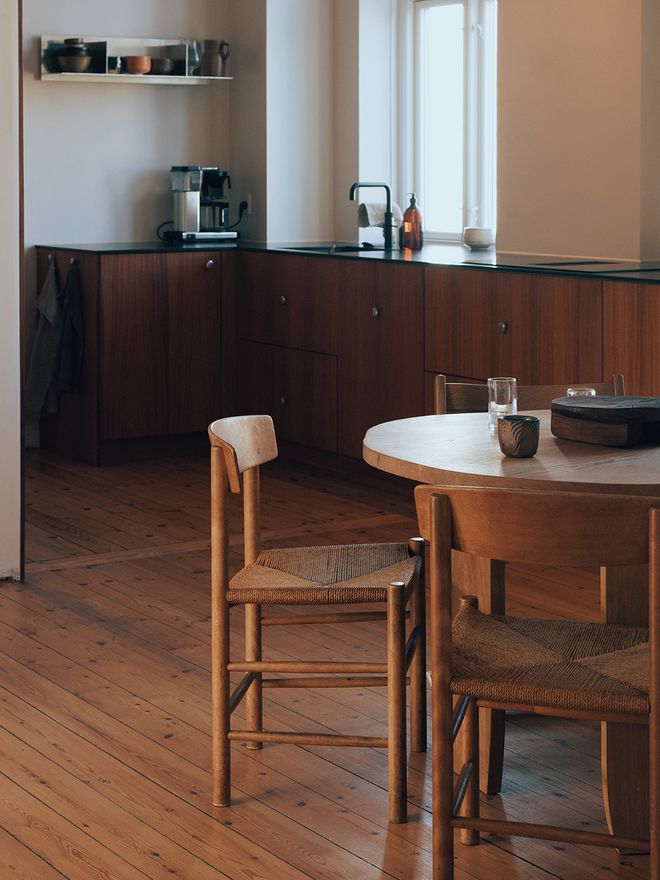
The J39 chair was created in 1947 by architect Børge Mogensen.
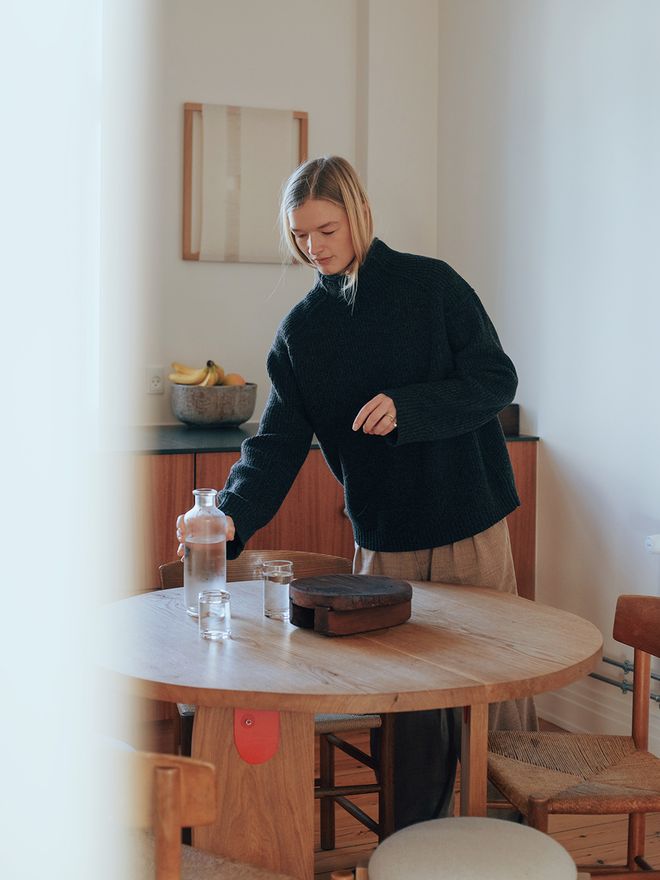
“I take pride in maintaining my furniture, but I let our J39 chairs wear their marks and scuffs with pride. It only makes them more beautiful,” Luna says.
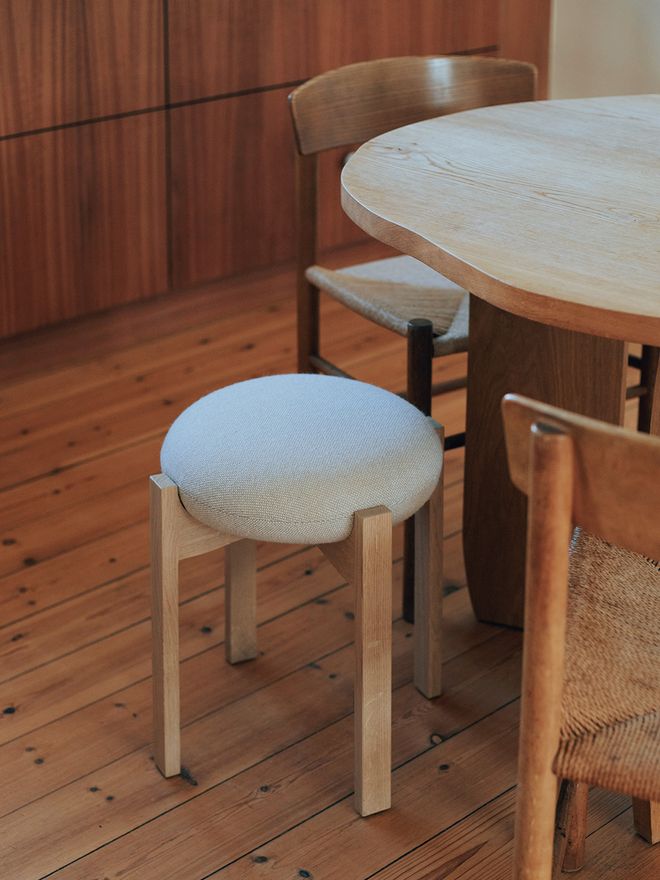
The Pioneer stool is a versatile addition, perfect for the dining room, bedroom or as an extra seat in the living room.
Together, they have curated an interior that feels calm and intimate, shaped by warm tones, soft lighting, and materials that age gracefully. Wood plays a central role, valued for the way it develops patina and carries traces of everyday life.
“The best part of our home is that every object holds a special significance,” Luna says.
“From treasures we’ve picked up on our travels to cherished family heirlooms, each holds meaningful memories and stories.”
For her, maintaining and repairing furniture is an essential part of living with it, a way of ensuring that the objects surrounding them are made to last.
Several bespoke elements add another layer of personality to the home. Luna has designed custom kitchen handles originally created for her Project100 series, as well as a small shelf that doubles as a bedside table with a carved pocket for jewellery.
At the heart of the apartment stands a dining table Luna built herself, a deeply personal piece that has become central to the couple’s everyday life.
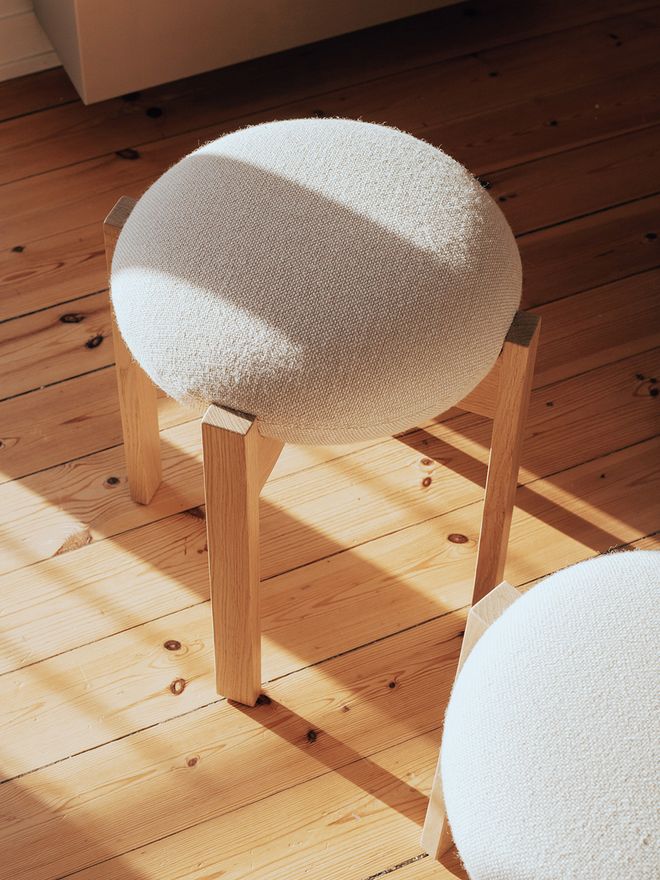
Fredericia's Pioneer stool showcases the sculptural minimalism familiar to Danish designer Maria Bruun's work.
Among the most cherished items are vintage J39 chairs, brought into the home by both partners and carrying a strong sense of continuity. Their worn surfaces are embraced rather than hidden.
Flexibility also plays a role: Maria Bruun’s Pioneer Stool moves freely through the space. “Pioneer doesn’t have a fixed place in our home,” Luna explains. “It’s easy to move around, from the dining table to the sofa, wherever it’s needed.”
See also:
• All products by Fredericia >
• Living with Fredericia, part 1 >
Published on 2 Feb, 2026