The Pool exhibition dives into the relationship between skateboarding and architecture
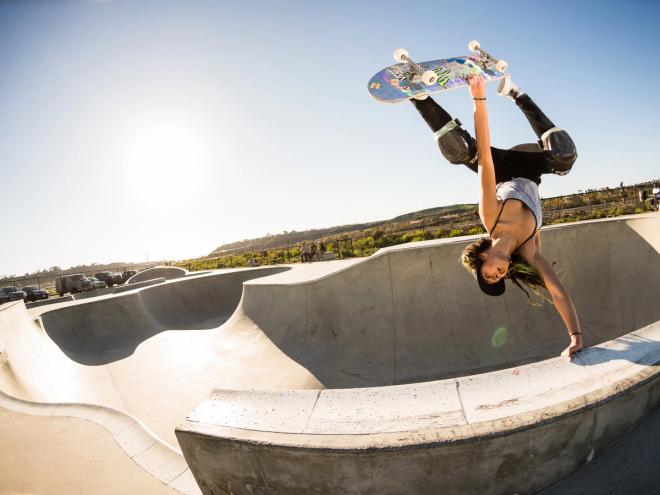
The asymmetrical shape of Aalto’s pool has inspired pool skateboarding ramps all over the world. Here, Finnish-American Lizzie Armanto showcases her skills.
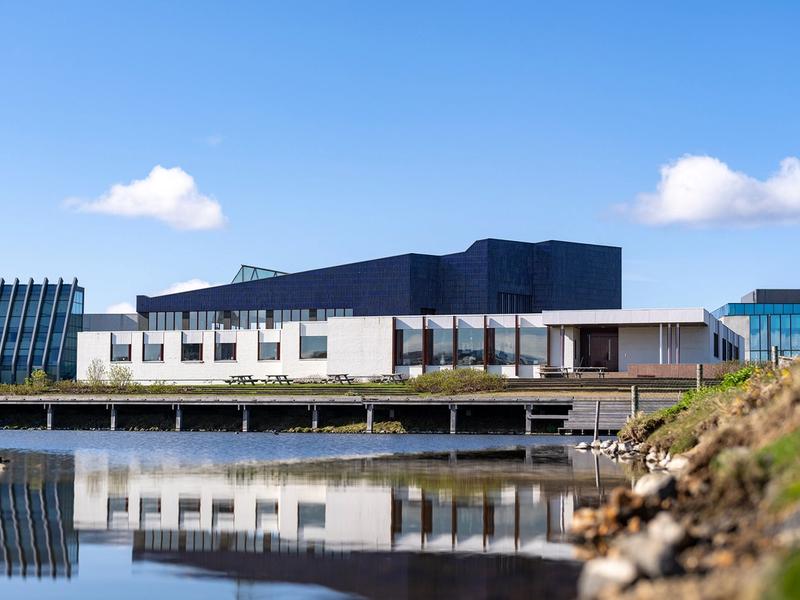
THE NEW EXHIBITION at Jyväskylä’s Aalto2 Museum Centre, The Pool – The Origin of Pool Skateboarding, examines the intersections of skateboarding, urban culture, and architecture from surprising Finnish perspectives.
The exhibition showcases three skateboarding-themed displays, all connected by Alvar Aalto’s asymmetrical swimming pool design. Additionally, it features an exhibition highlighting the vibrant rap and hip-hop scene of Central Finland.
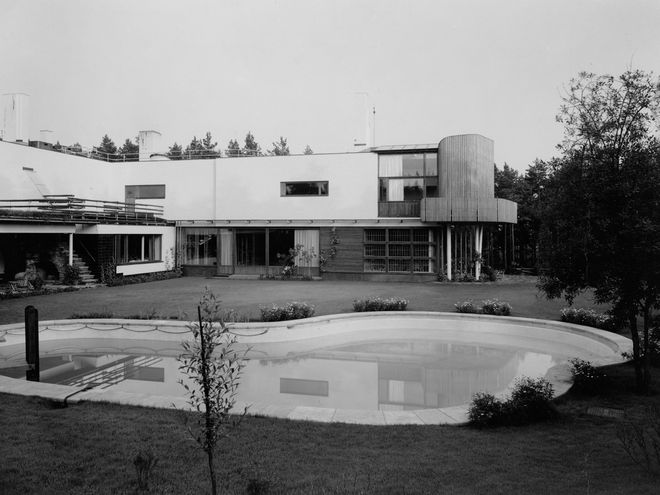
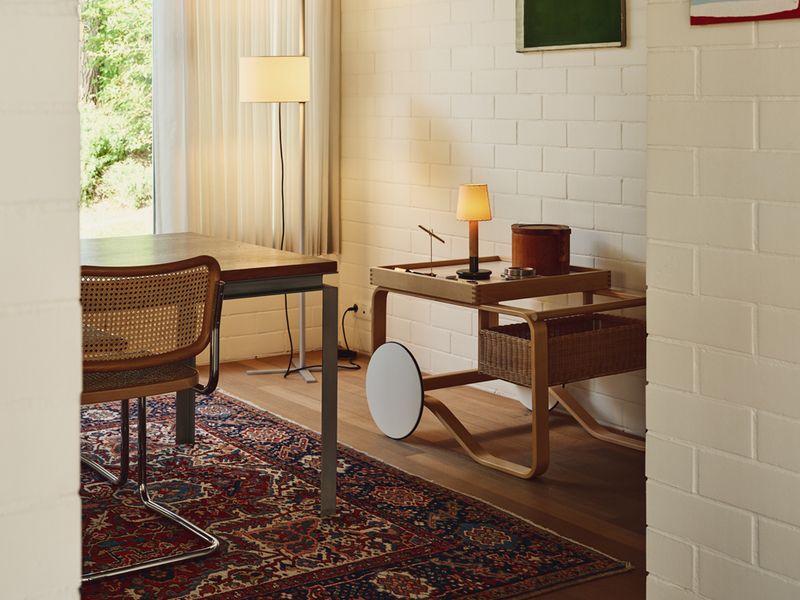
Alvar Aalto’s Villa Mairea, located in Noormarkku, is a modern architectural masterpiece completed in 1939. Nowadays, guided tours are available for visitors.
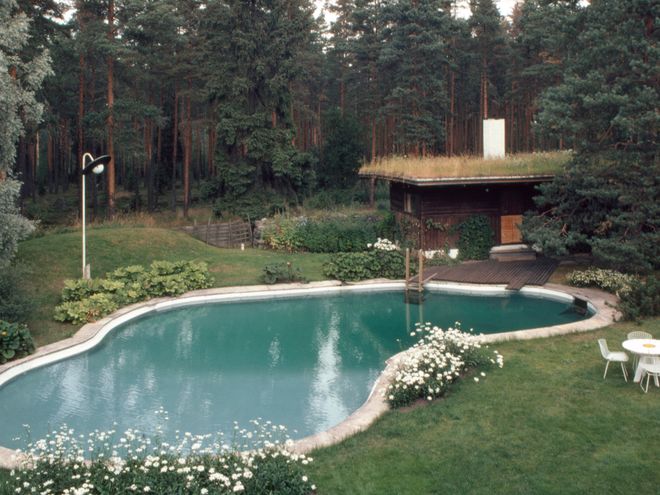
Villa Mairea’s pool, built in 1938, inspired the curved pools that began appearing in California in the mid-1940s.
From the Surf to the Sidewalk – When Skateboarding Culture and Architecture Meet
When designing a swimming pool in the late 1930s for Villa Mairea, located in Noormarkku in western Finland, Alvar Aalto had no idea of the far-reaching effects this kidney-shaped pool would have. In the next decades, the pool would go on to inspire the burgeoning skate culture in California and ultimately become a symbol of pool skateboarding.
The From the Surf to the Sidewalk exhibition delves into the relationship between skateboarding and Aalto’s architecture from the early days of skate culture, while also exploring skate culture’s aesthetics through music, magazines, films, fashion, and skateboard graphics.
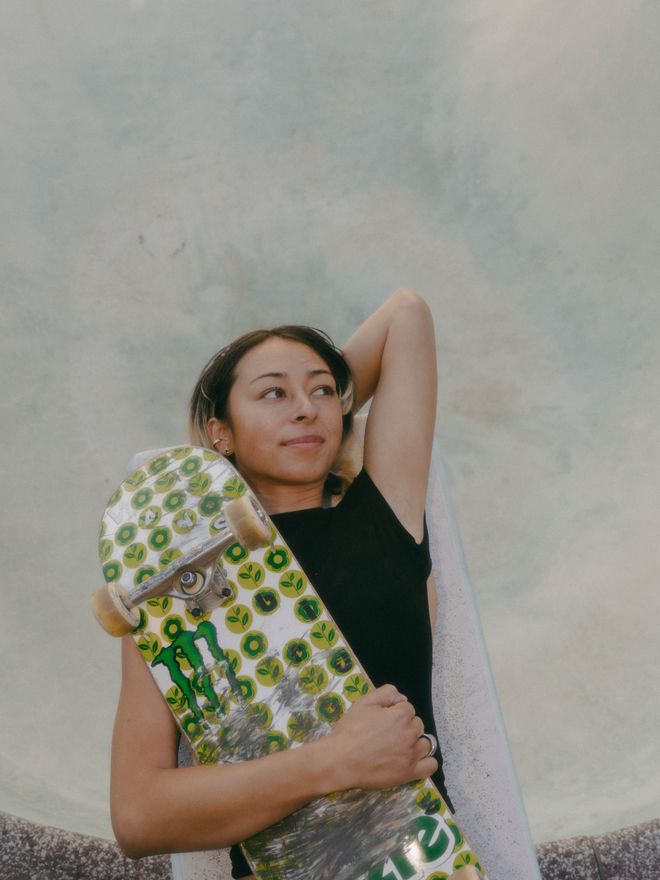
American-Finnish Lizzie Armanto represented Finland in the women’s park skateboarding competition at the Tokyo 2021 Olympics.
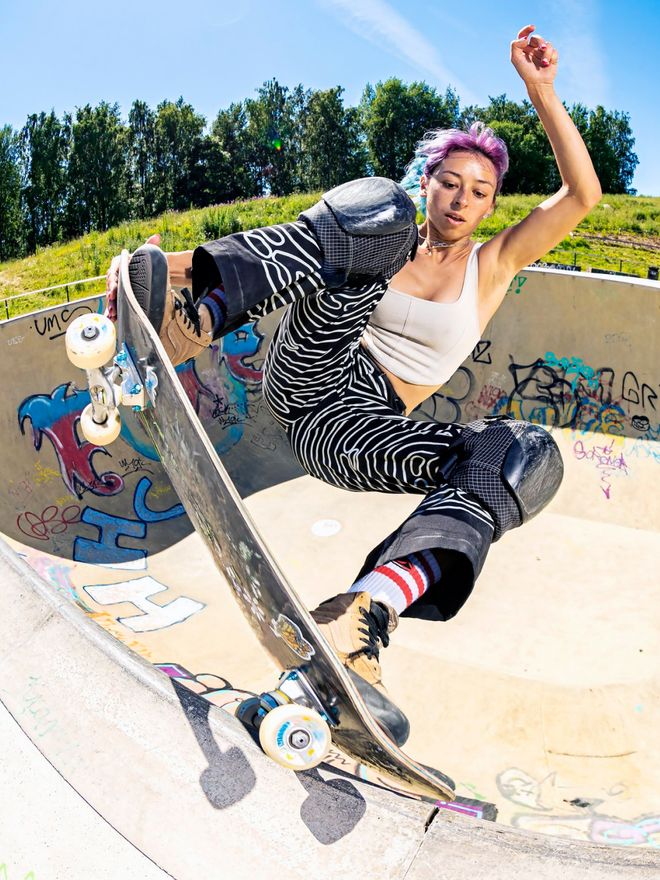
“Skateboarding is so much about personal expression. It allows you to be a part of a community while continuing to be yourself through the style and tricks you choose,” Lizzie Armanto summarizes.
Lizzie Armanto: Colors
The pools inspired by Villa Mairea have also shaped the life of Finnish-American skater Lizzie Armanto. An Aalto enthusiast who has competed in the Olympics for Finland, Armanto showcases some of her favorite spots and skateboard designs in her Colors exhibition.
The exhibition emphasizes the vibrant possibilities of self-expression in skateboarding and its diverse, inclusive community. Armanto sees self-expression, rather than competition, as the core of skateboarding.
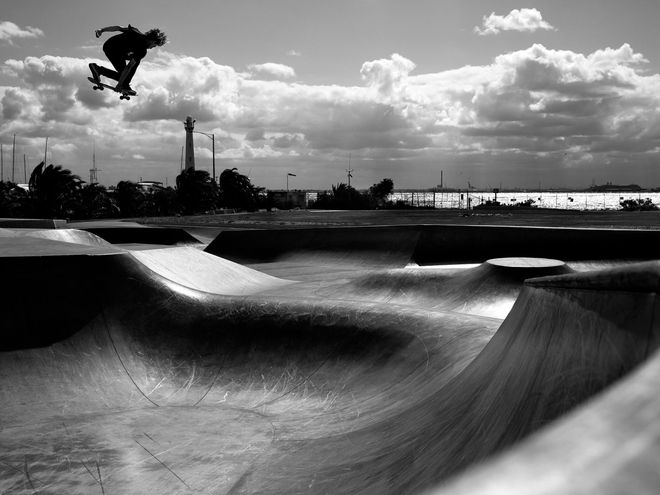
The photographs in the Concrete Currents exhibition were taken by former professional skateboarder Arto Saari.
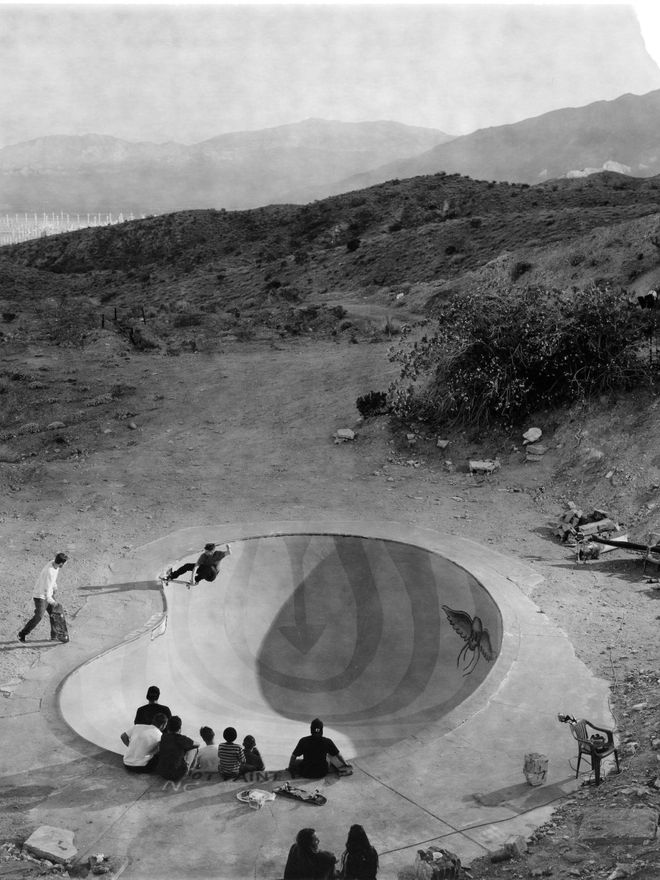
Skateboarding originated in California during the 1940s and 1950s. When there were no waves in the ocean, surfers began to look for empty, curved swimming pools to practice in.
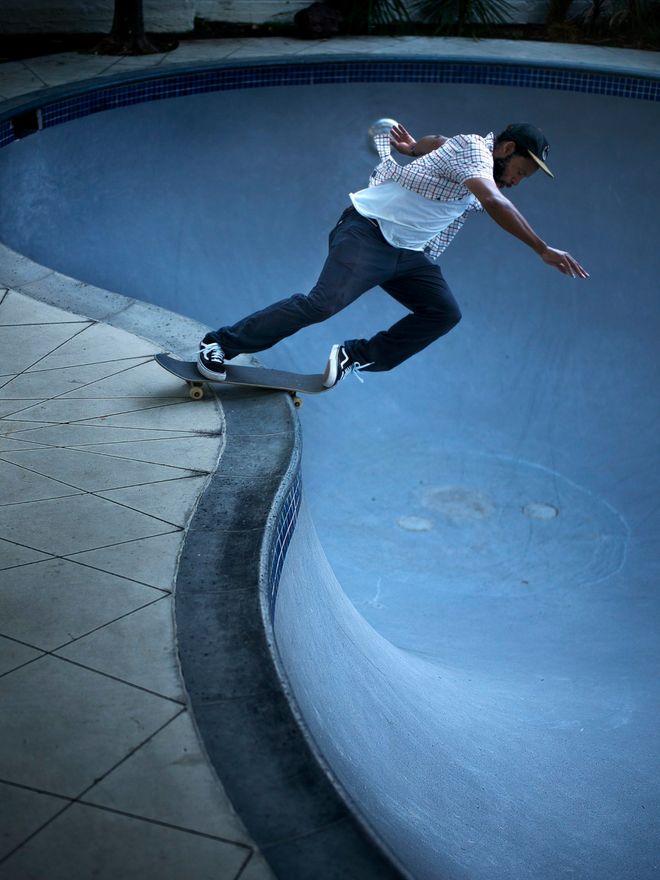
“These photographs at the Aalto2 Museum Centre represent my small personal glimpse into a subculture called skateboarding – a subculture that has evolved from backyard pools and city wastelands into an Olympic sport,” Arto Saari says.
Concrete Currents – Photographs by Arto Saari
Arto Saari’s photo exhibition Concrete Currents captures the unique energy of skateboarding and street culture. Saari’s career has spanned from the quiet streets of the town of Seinäjoki in the 1990s to the skate ramps of California, and in the early 2000s, he became one of the world’s most renowned professional skateboarders.
Now focused on photography, Saari’s images convey not only the intense emotional focus of skateboarding but also the experiences of freedom and rebellion birthed by street culture in all their human richness.
The Pool exhibition will be on display from May 18 to September 15, 2024, at Jyväskylä’s Aalto2 Museum Centre.
Edit: Nora Uotila Images: Martti Kapanen / Alvar Aalto Foundation, Arto Saari and Aalto2 Museum Centre
Published on 21 May, 2024