Milan Design Week 2026: The exhibitions, moments and Milan magic we loved this year
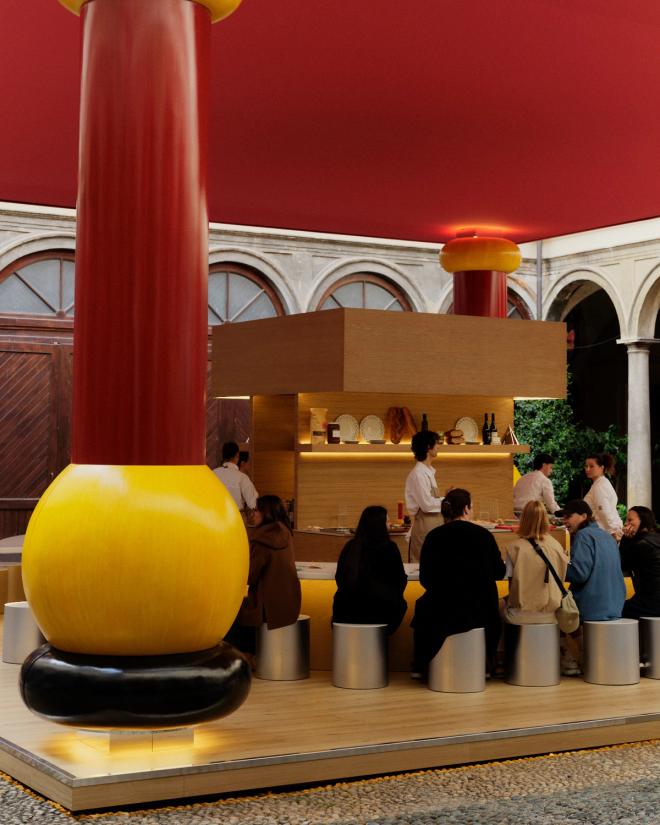
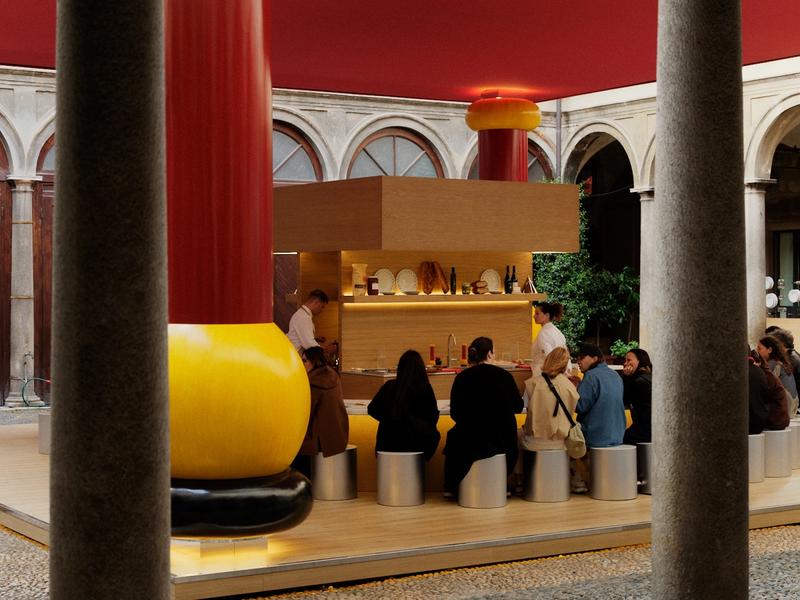
Alessi’s La Bella Tavola installation during Milan Design Week 2026.
DURING MILAN DESIGN WEEK 2026, held from April 20 to April 26, the city came alive with exhibitions, installations and design events across its neighborhoods.
Our photographer Bernhard Forstén set out to capture the atmosphere and standout moments around Milan – but with so much to see, it’s impossible to cover it all! Instead, this visual roundup offers a glimpse of the exhibitions and experiences we loved most during a spring week in the city. Andiamo!
Alessi: La Bella Tavola
At Palazzo Stampa di Soncino, Alessi presents La Bella Tavola, an immersive installation that pays tribute to legendary Ettore Sottsass through a bold, oversized setting. Curated by Andrea Incontri, the exhibition reimagines the table as a place of interaction and shared experience, bringing together Sottsass’s iconic designs for Alessi alongside newly reintroduced collections.
During Milan Design Week 2026, Alessi also unveils a renewed flagship store in Milan, redesigned by Naoto Fukasawa.
• Read also: Interview with Alberto Alessi >
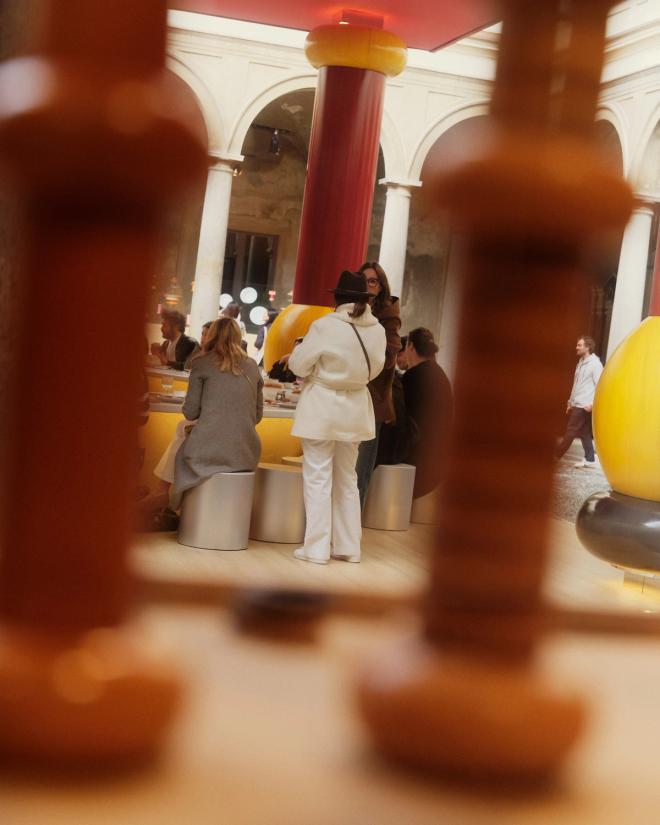
Oversized objects from the Twergi collection.
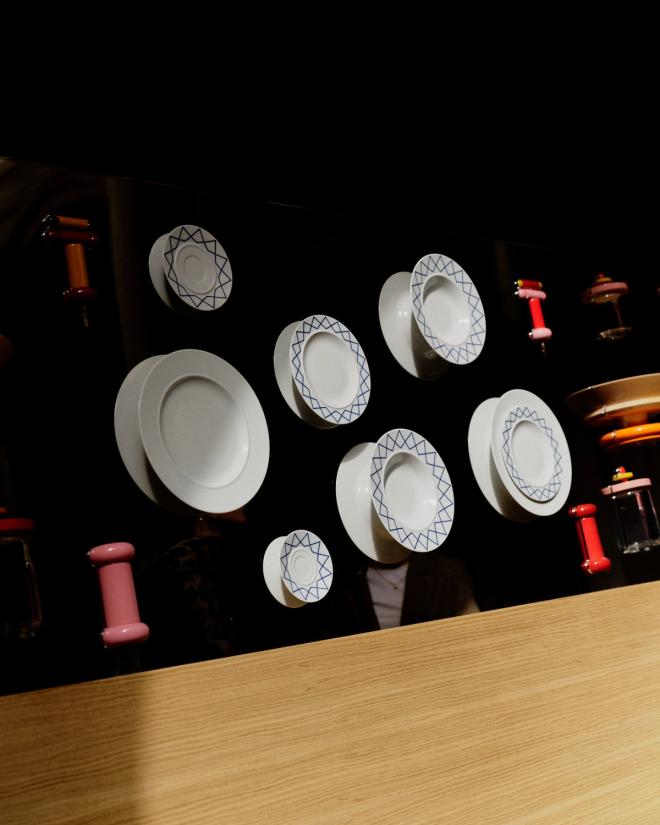
Ettore Sottsass’s La Bella Tavola and My Beautiful China tableware.
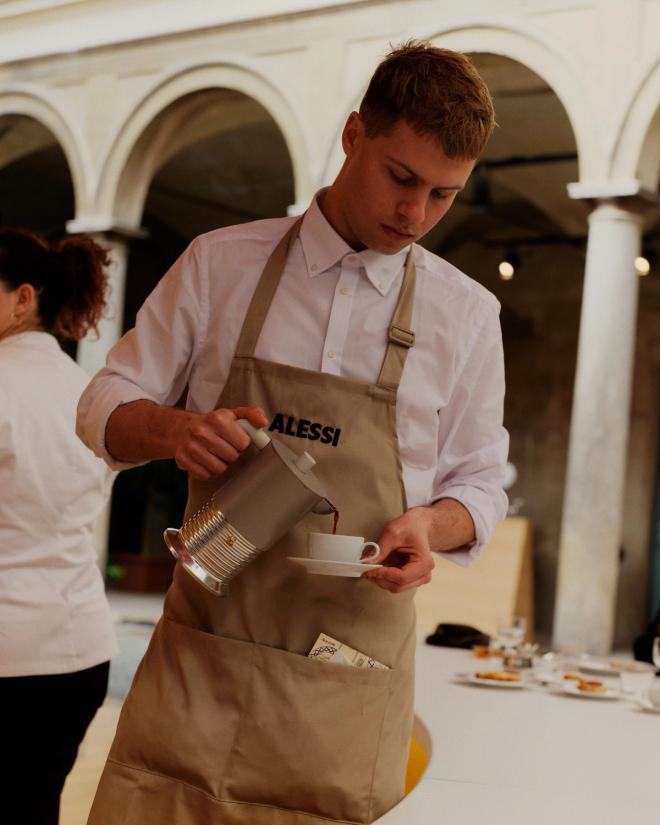
Breakfast and aperitivo were both on offer.
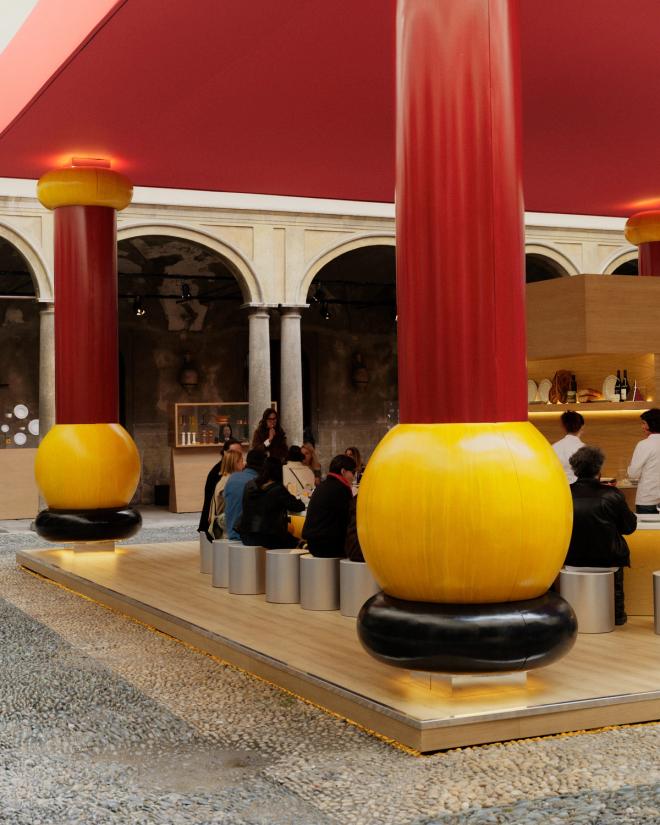
The Twergi collection by Ettore Sottsass was first introduced in 1989.
Astep at Carpanese Home
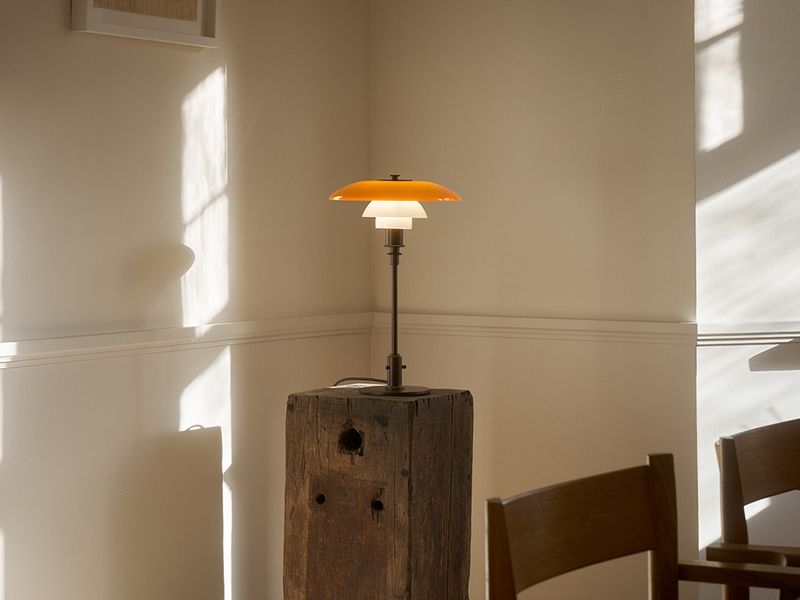
Astep presents its latest designs alongside iconic lighting pieces in an intimate setting at the Carpanese Home showroom in Brera. Among the highlights is the new Filamento lamp by Mayice Studio, where light itself appears almost immaterial as it moves through the fixture’s refined geometry.
The presentation also features Astep’s classic designs, including works by Gino Sarfatti.
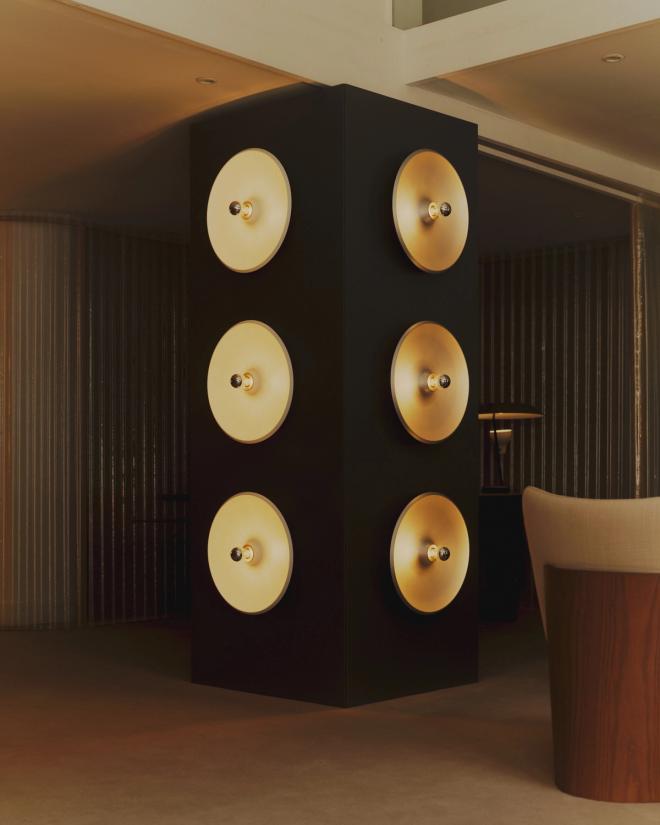
Astep's Model 262 is an Italian lighting classic designed by Gino Sarfatti in 1971.
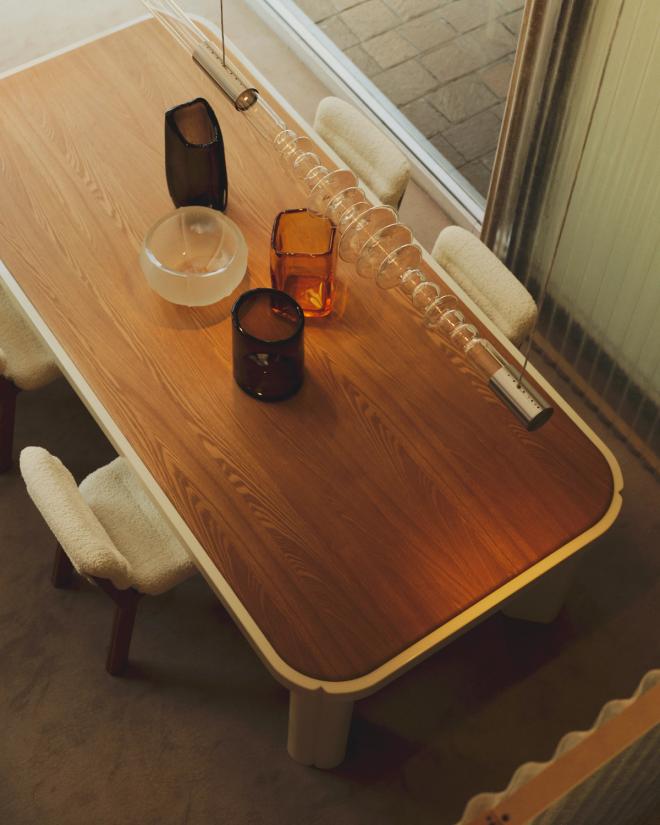
The new Filamento Suspension Horizontal by Mayice Studio.
Bene Bene: ALBUM launch
Evenings during Milan Design Week take on a different rhythm at the popular Bene Bene bar. The space becomes a lively meeting point for designers, creatives and friends, gathering around drinks and conversation.
During the week, the bar hosts the launch of ALBUM, a new platform founded by Nacho Alegre, Paul Cournet and Marco Velardi, with Apartamento closely involved. Rather than a traditional publication, ALBUM positions itself as “an evolving space for ideas, focusing on the early stages of creative thinking and the people behind it”. Very interesting!
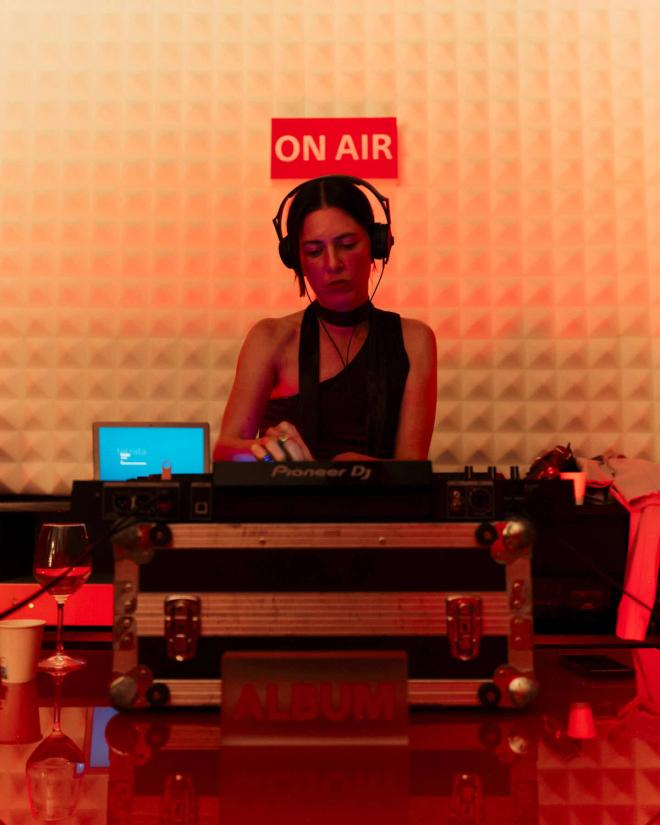
The launch of ALBUM, a new platform, was celebrated at Bene Bene bar.
Carl Hansen & Søn: Balanced Principles – Visions of Wegner
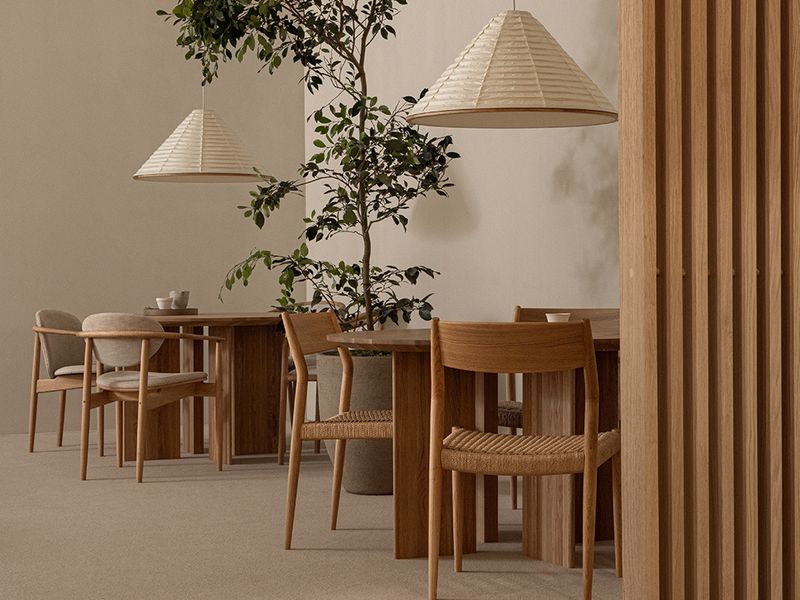
Carl Hansen & Søn focuses on Balanced Principles – Visions of Wegner, an exhibition dedicated to Hans J. Wegner’s enduring legacy. Set within an authentic Milanese home on Via Solferino, the presentation brings together both classic pieces and new introductions, interpreting how the designer might decorate his home and live today.
By placing the collection in a domestic setting rather than a traditional showroom, the exhibition highlights the quiet relevance of Wegner’s work, showing how his designs (including one of our favorites, the CH25 Lounge chair) continue to shape contemporary interiors with their clarity and timeless appeal.
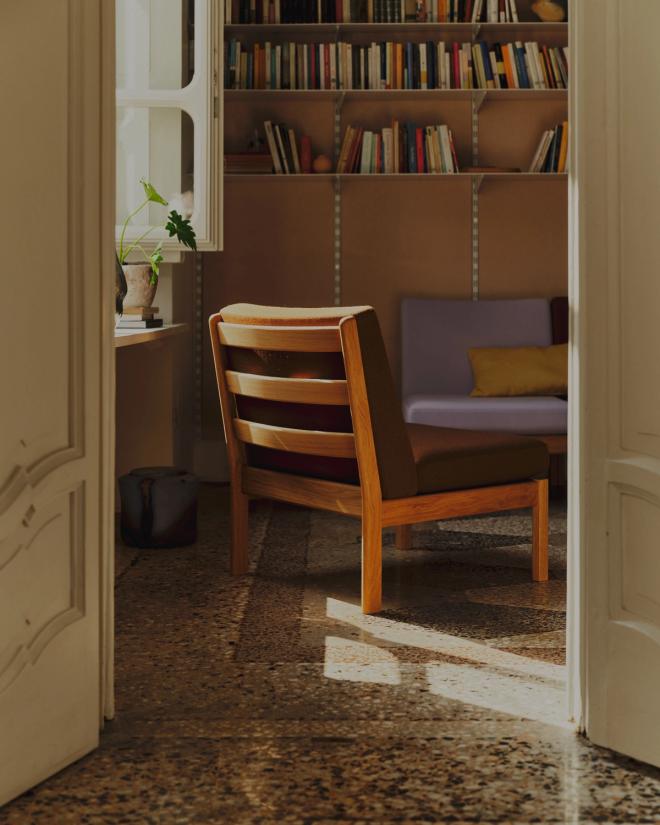
The exhibition explores how Hans J. Wegner might furnish his home today.
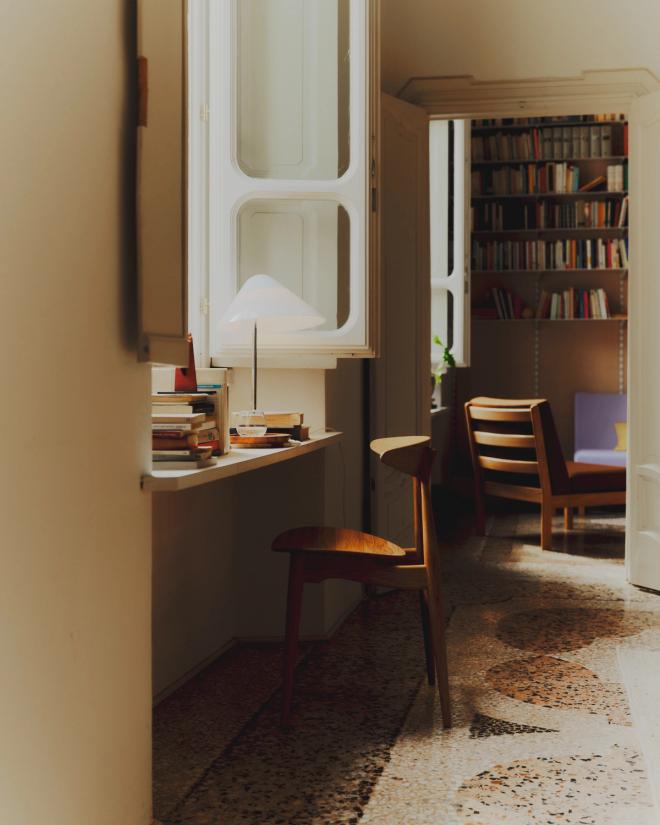
Classic designs from Carl Hansen & Søn.
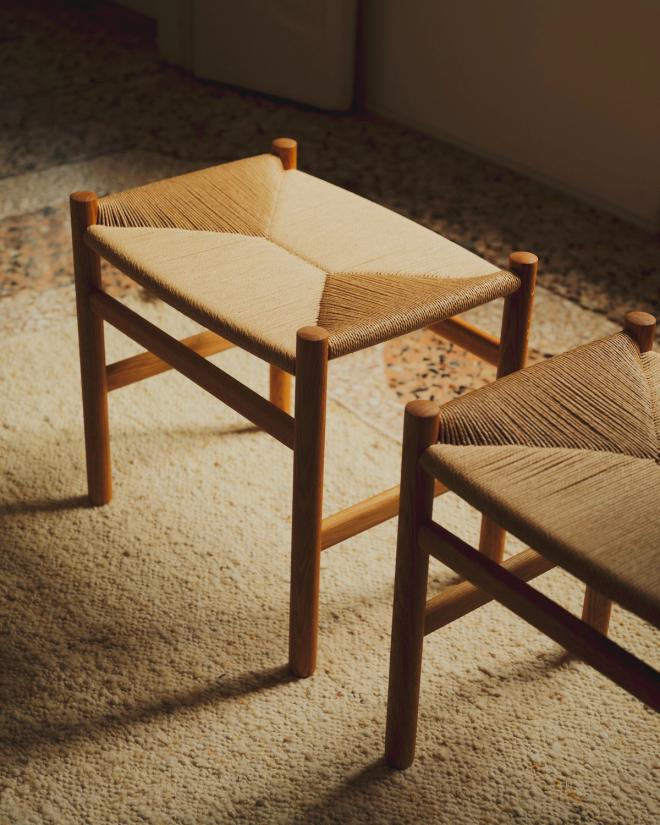
Hans J. Wegner created the CH53 footstool in 1966.
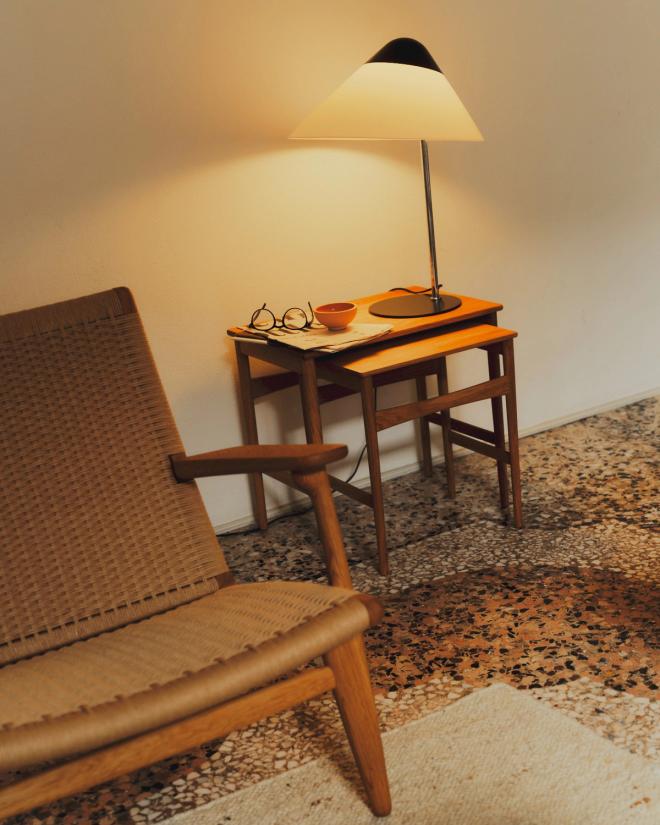
The CH25 lounge chair was first introduced in 1950.
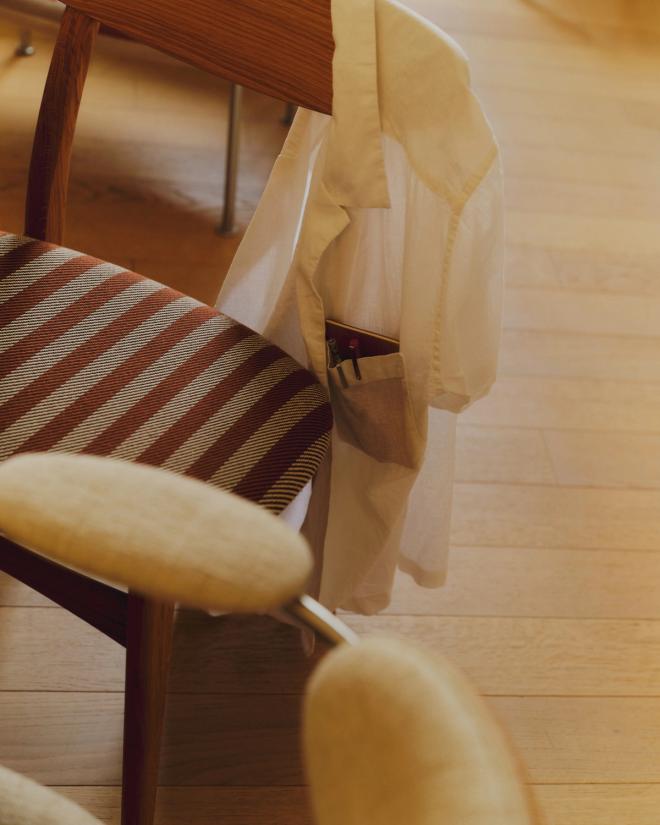
A relaxed, lived-in atmosphere at the Carl Hansen & Søn exhibition.
Fredericia: A Chronicle of Danish Design
At Triennale Milano, A Chronicle of Danish Design traces the evolution of Danish furniture through the lens of Fredericia, the family-owned design house known for classics like the Spanish Chair and the J39 chair. The exhibition brings together archival material and contemporary works, highlighting a century-long dialogue around craftsmanship and everyday living.
Spanning generations from Børge Mogensen and Nanna Ditzel to today’s designers, the presentation reflects the values that continue to define Danish design.
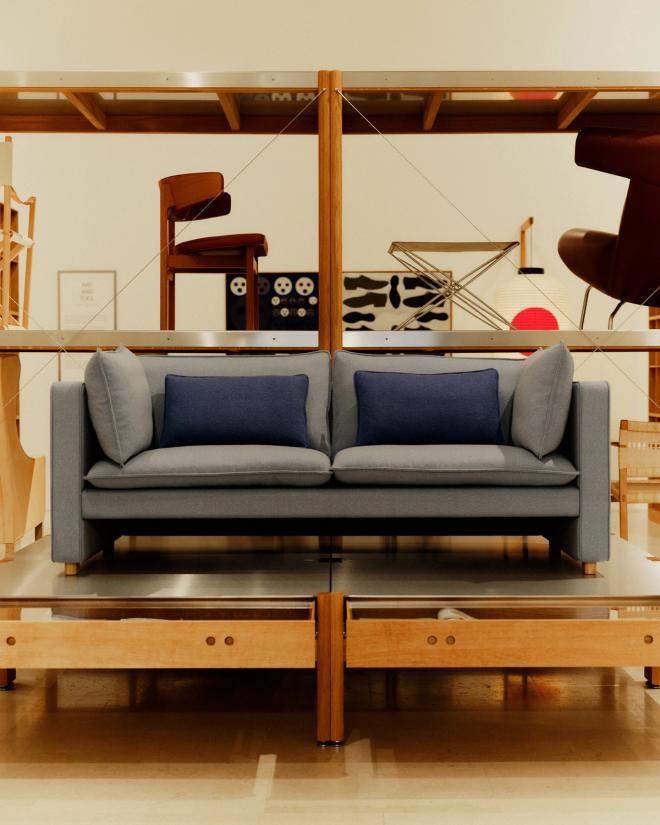
Fredericia: A Chronicle of Danish Design at Triennale.
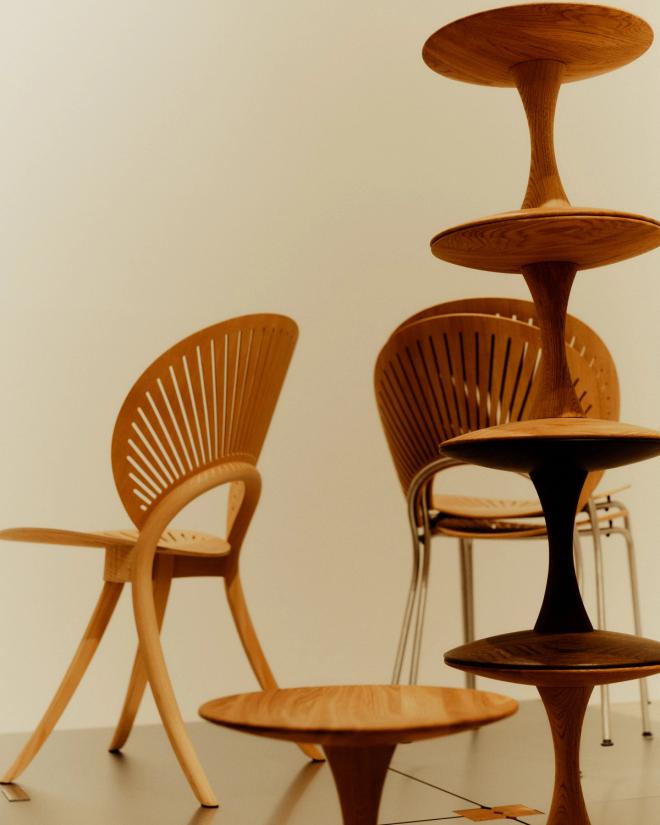
Fredericia showcased design classics by Børge Mogensen, Nanna Ditzel and Hans J. Wegner.
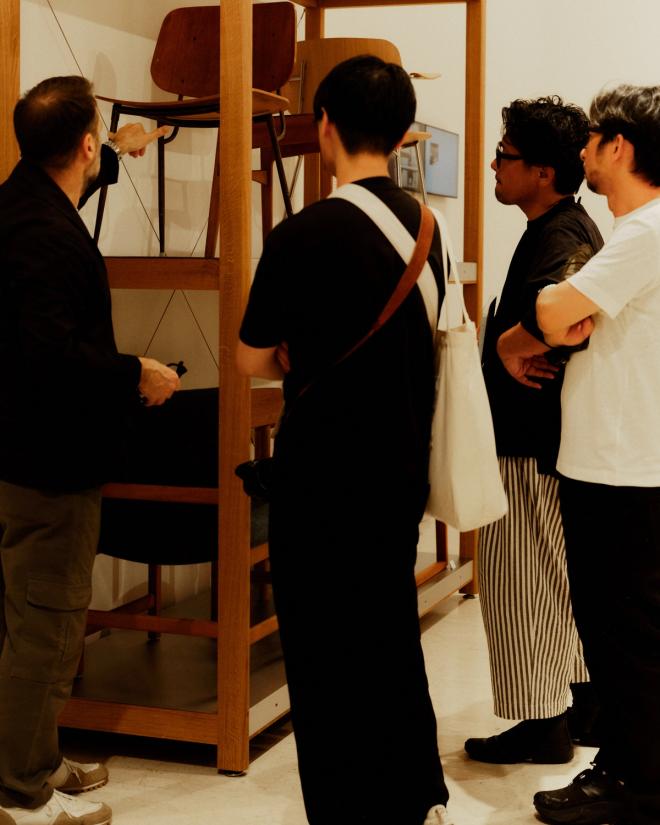
The exhibition also featured works by contemporary designers, including Jasper Morrison, Edward Barber & Jay Osgerby and Cecilie Manz.
Marimekko: Osteria Fiori di Marimekko
Marimekko’s Osteria Fiori di Marimekko transforms into a vibrant floral installation and Finnish-inspired aperitivo spot. Bold, oversized blooms fill the space with color, bringing the brand’s signature prints to life in a setting that feels both playful and immersive. This is also a natural continuation of Marimekko’s presence in Milan over the past years.
At the heart of the installation is Erja Hirvi’s Kukasta kukkaan pattern, unfolding across textiles and ceramics. Helsinki-based restaurant Maukku, led by chef Maud Saddok, adds to the atmosphere with bright aperitivos and small bites.
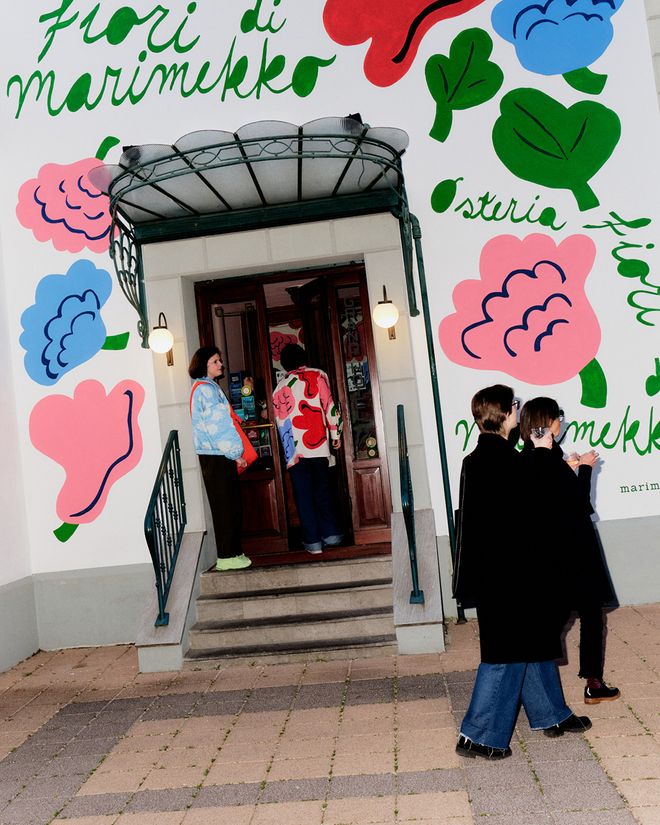
A floral welcome at the entrance to Osteria Fiori di Marimekko.
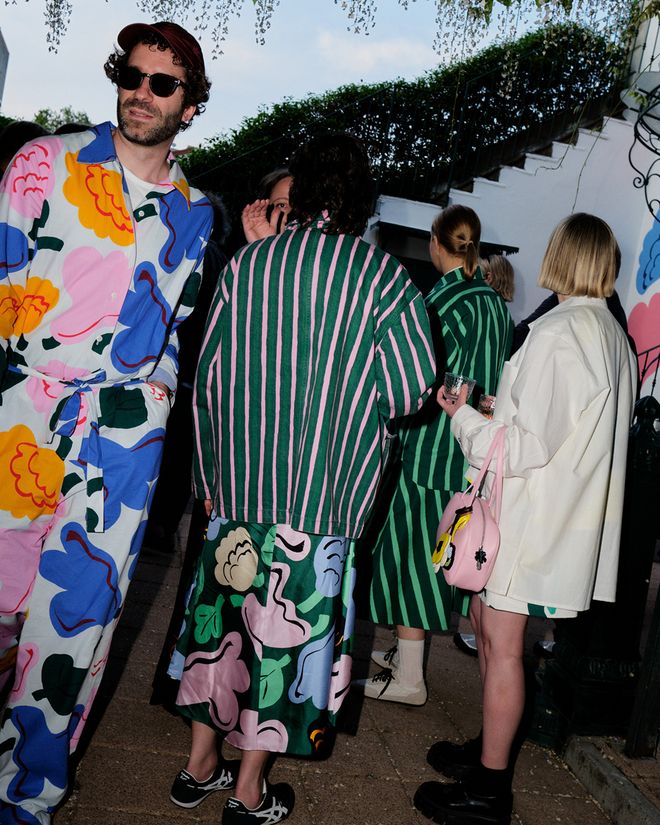
Guests dressed in Marimekko prints bring the space to life.
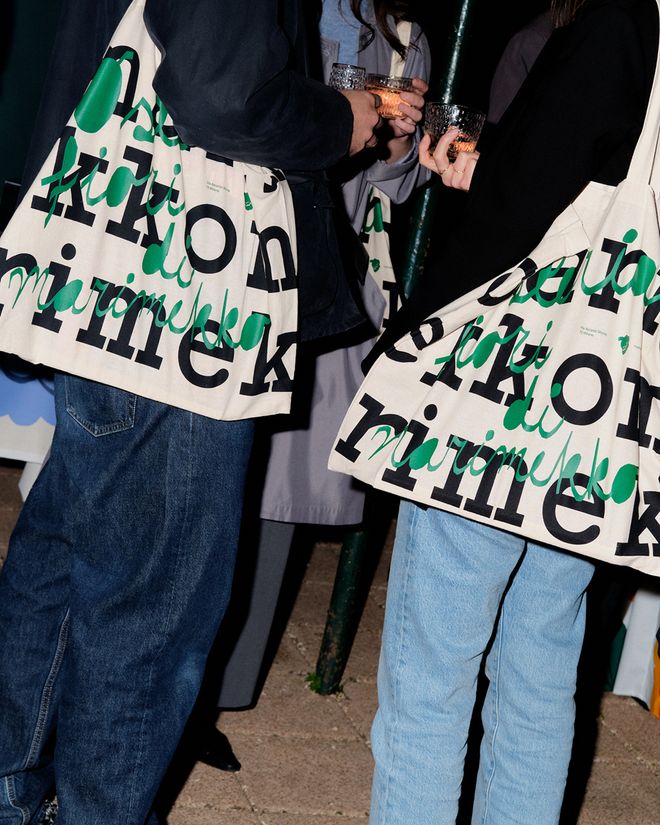
Marimekko’s tote bags, a Finnish everyday favorite, are spotted among the guests.
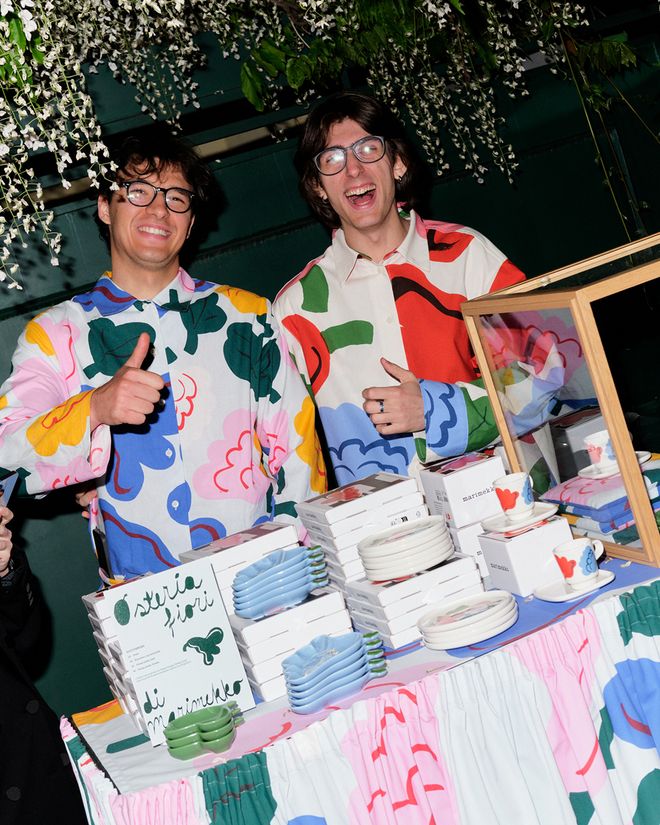
Special products created for Milan Design Week are available on site.
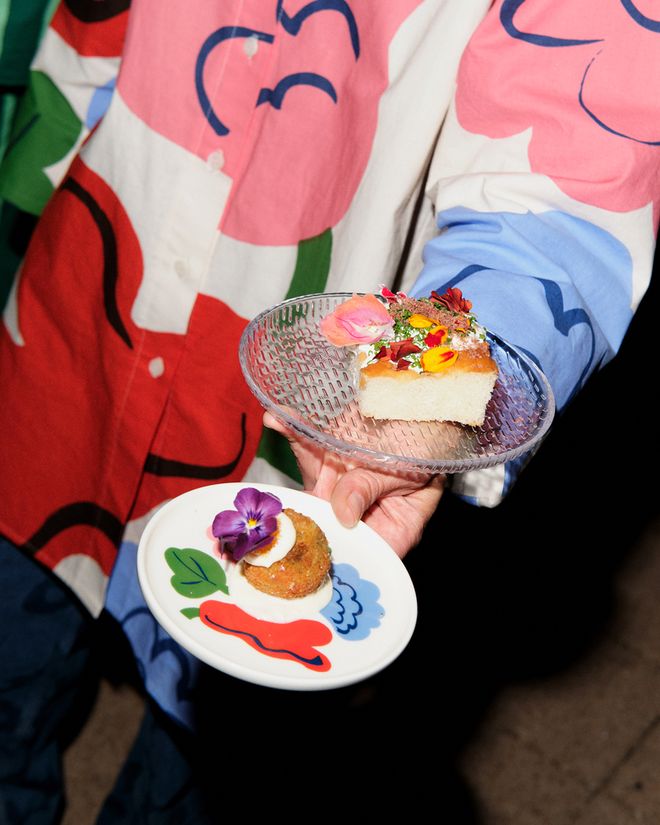
Helsinki-based restaurant Maukku serves aperitivos and small bites during the day.
Mutina: Neri&Hu and the Josef & Anni Albers Foundation
Mutina showcases new collaborations that explore form and color within contemporary ceramics. Working with Neri&Hu, Mutina introduces Weaving, a series of ceramic surfaces inspired by the craft of bamboo weaving, translating its patterns and rhythms into architectural scale.
Alongside this, Mutina also collaborates with the Josef & Anni Albers Foundation, extending the exhibition’s exploration of color and perception.
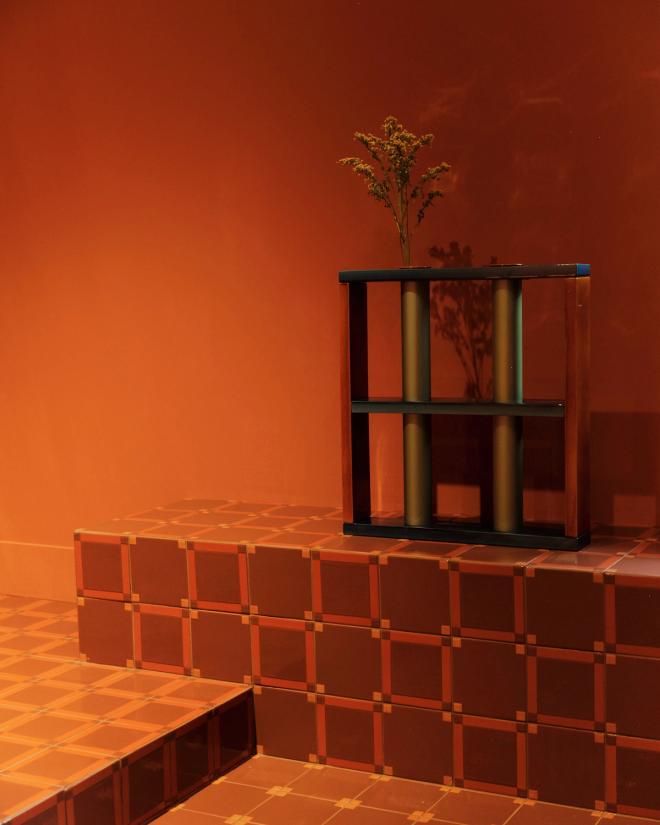
Mutina is an Italian ceramics brand known for its collaborations with contemporary designers.
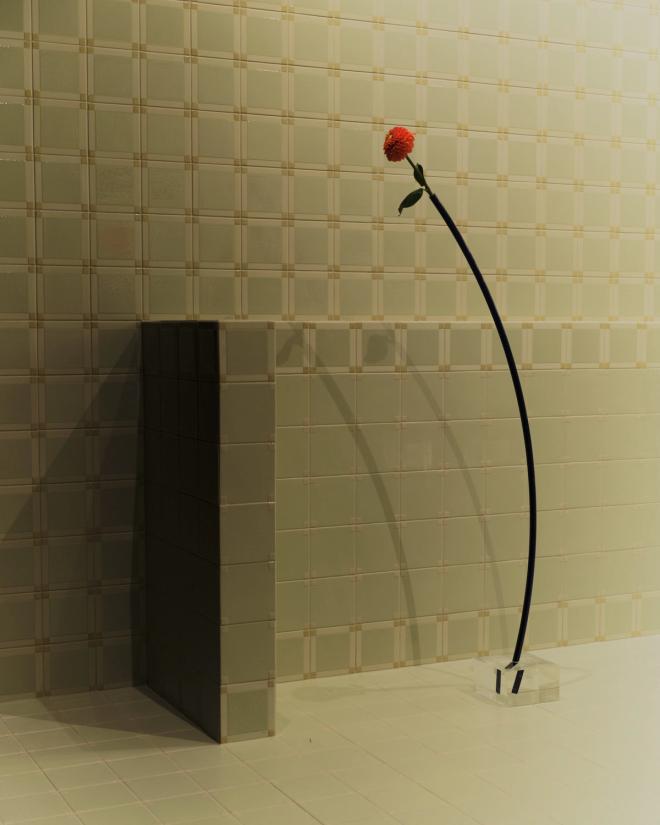
Homage to the Square in collaboration with the Anni and Josef Albers Foundation.
Muuto Milan Apartment: The Art of Belonging
Muuto’s Milan Apartment explores The Art of Belonging through a lived-in setting that reflects how design shapes everyday life. Rather than a polished showcase, the space feels warm and personal, where light and colorful Muuto designs come together to support daily routines and a sense of connection.
The Muuto Milan Apartment highlights how design can quietly enhance the way we live. Among the new pieces on view is the Coltre Modular Sofa by Milan-based Studiopepe (launching later this year), adding a very comfortable layer to Muuto’s vision of home.
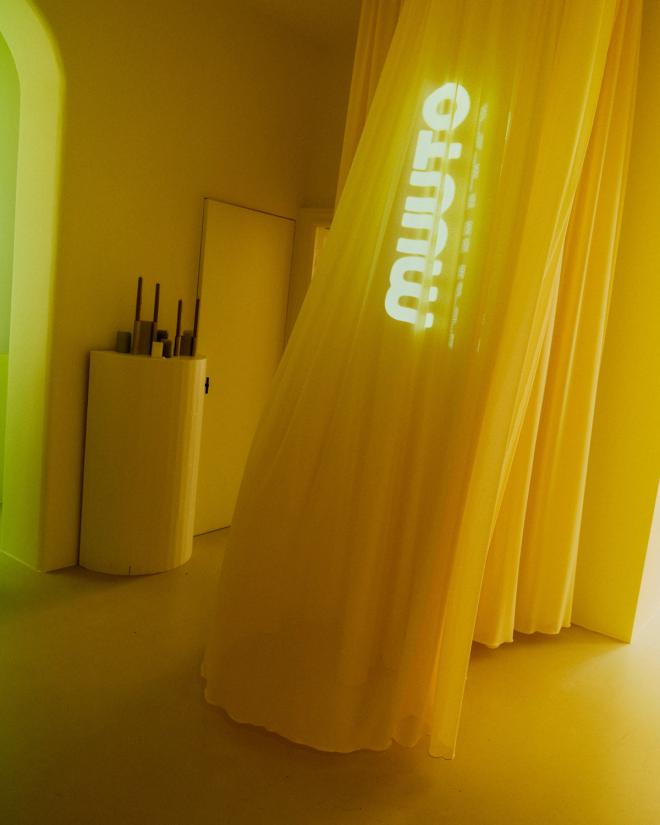
Muuto brought its product range into a home-like setting.
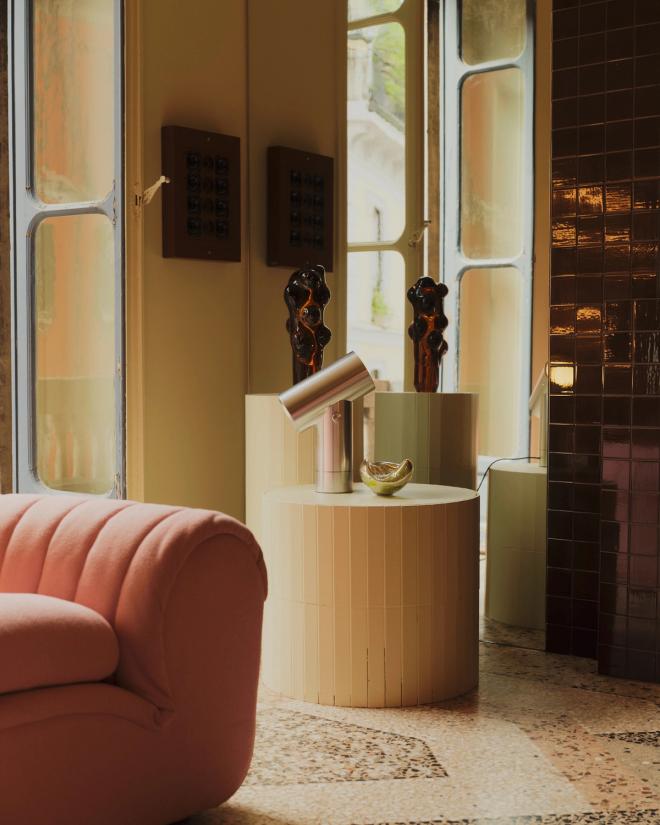
The blush pink Coltre Modular Sofa will be available later this year.
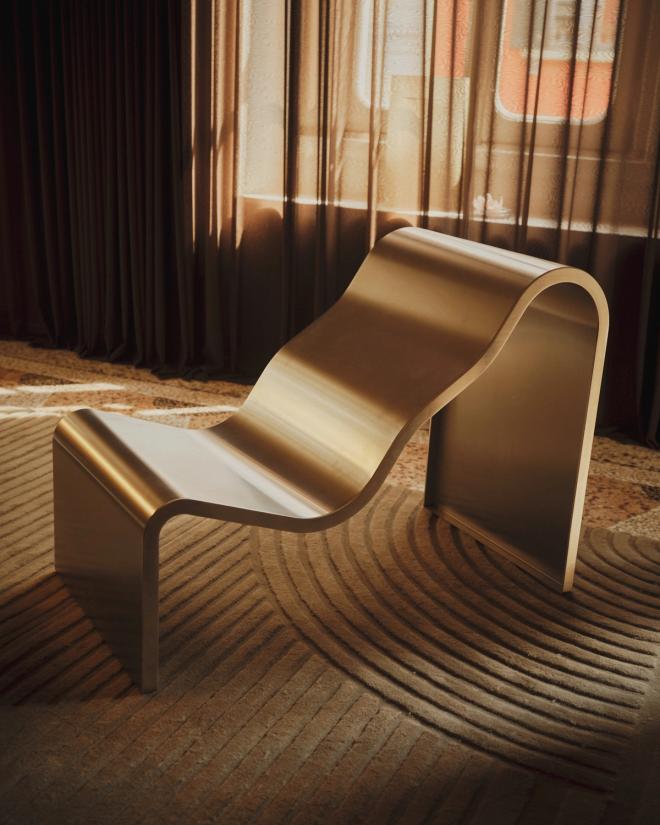
Muuto’s Dream View bench is made of brushed steel.
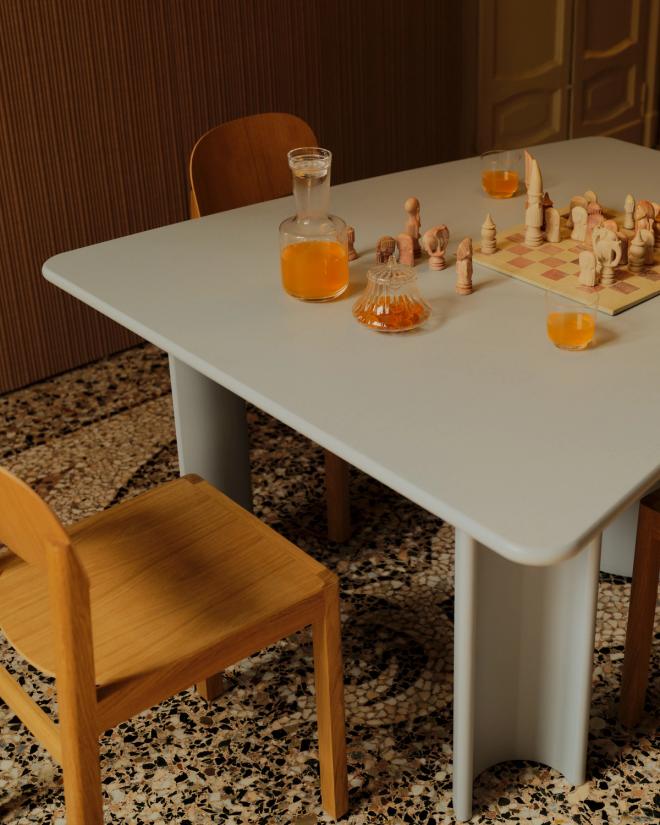
The Re-norm table is designed by Maria Bruun.
nanimarquina x Lucia Eames: Make the everyday sacred
The Spanish textile brand nanimarquina presents the Lucia Eames™ Rug Collection in collaboration with the Eames Office. Titled Make the everyday sacred, the exhibition introduces the work of Lucia Eames, daughter of Charles Eames, through a series of textiles that translate her original artworks into tactile, woven forms.
Rooted in nature and intuition, Lucia Eames’s work brings together motifs such as birds, suns and organic shapes, now reinterpreted as rugs. The collection will be available at Finnish Design Shop later this year.
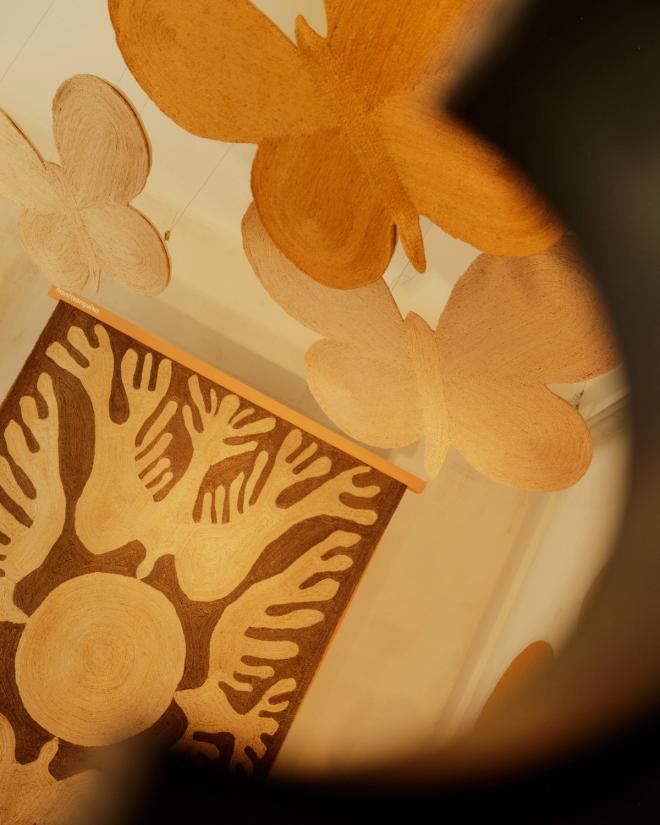
The Sunbirds rug from the nanimarquina x Lucia Eames collection.
Eames Houses at Triennale Milano
The Eames Houses exhibition at Triennale Milano is one of this year’s highlights, especially if you haven’t had the chance to visit the Eames House in Los Angeles.
The exhibition offers a comprehensive look at Charles and Ray Eames’s approach to residential architecture. Developed by the Eames Office in collaboration with Kettal, the installation explores themes of prefabrication and modularity, central to the designers’ work. Notably, the first concept for the Eames House was developed together with Finnish-born architect Eero Saarinen, adding another layer to the story behind one of modern architecture’s most iconic homes.
At the heart of the exhibition are full-scale pavilion structures alongside newly produced models of the Eameses’ houses from the 1940s and 1950s, some of which are presented publicly for the first time. Archival drawings, films and photographs further open up the thinking behind one of the most influential design legacies of the 20th century.
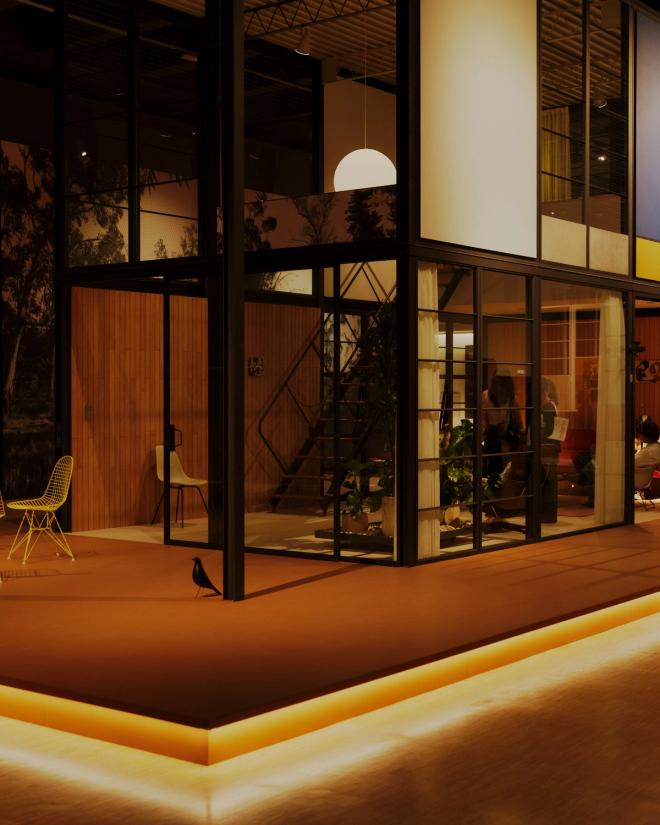
Full-scale structures bring the Eameses’ architectural ideas into the present.
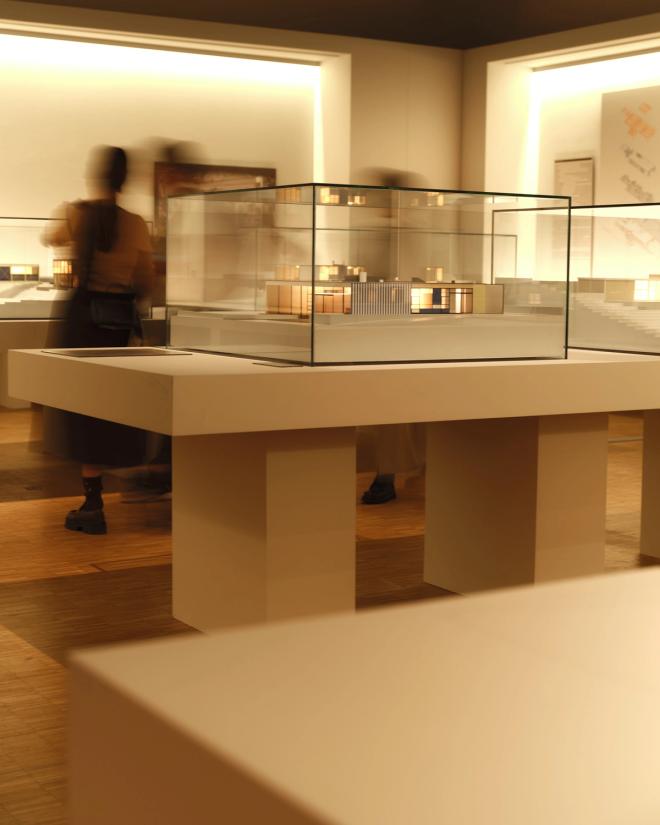
Scale models reveal the diversity of Charles and Ray Eames’s residential projects.
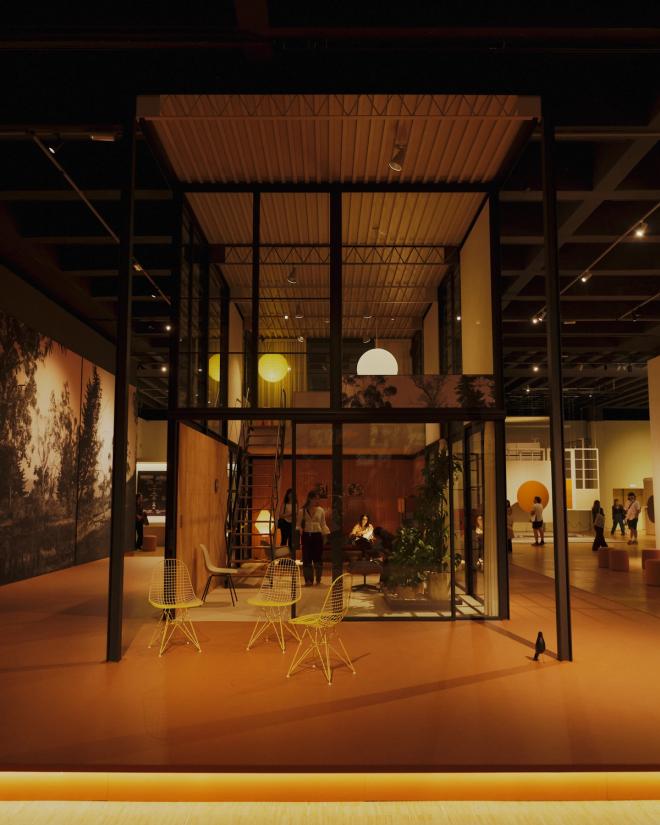
A closer look at the modular thinking behind the Eames House.
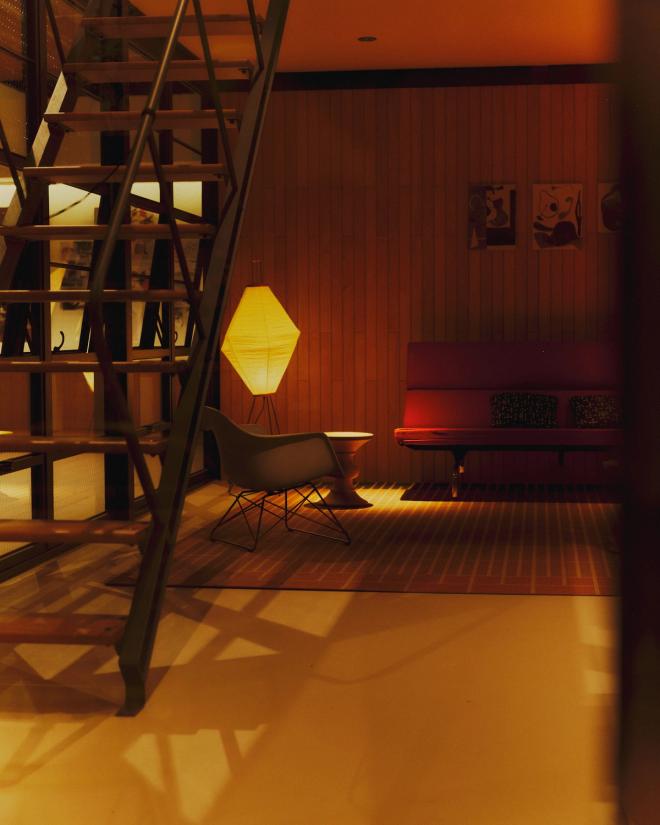
Inside, Eames classics bring the house to life. The exhibition is open until May 10, 2026.
Tom Dixon at Mulino Estate
At the Mulino Estate on Via Aosta, Tom Dixon introduces one of the most immersive installations of Milan Design Week 2026. Set within a historic 1920s complex, the Mua Mua Hotel unfolds as a twelve-room micro hotel.
Rather than a traditional exhibition, the space invites visitors to move through hotel bedrooms, lounges and shared areas where design is experienced in use. The installation blurs the boundaries between showroom and everyday life and brings together new Tom Dixon pieces alongside earlier designs and collaborations.
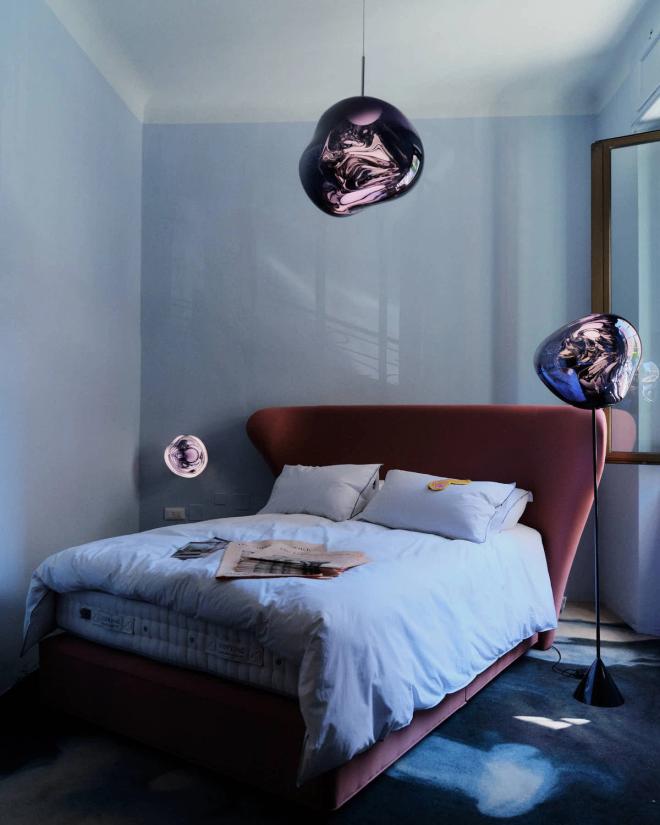
A hotel room in Tom Dixon style.
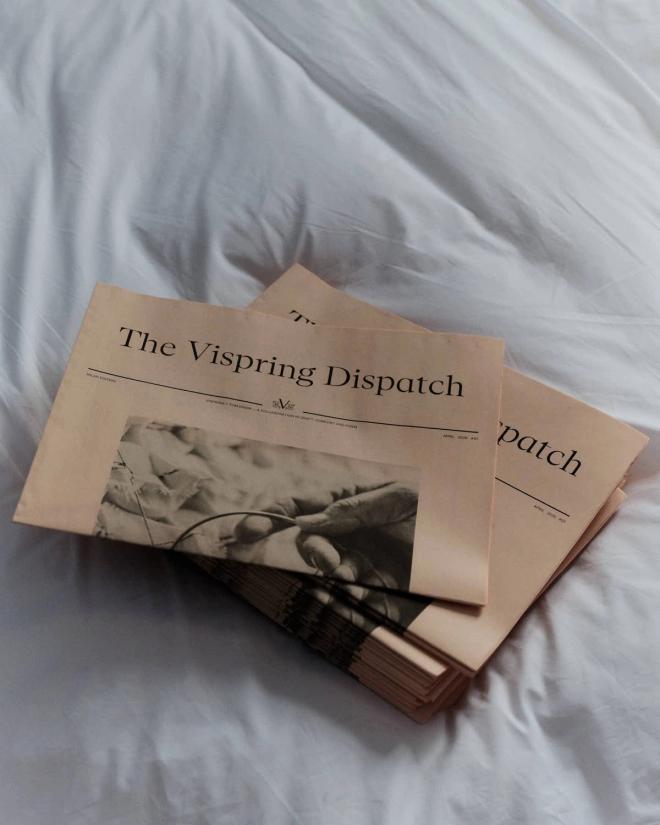
The hotel concept was developed in collaboration with partners.
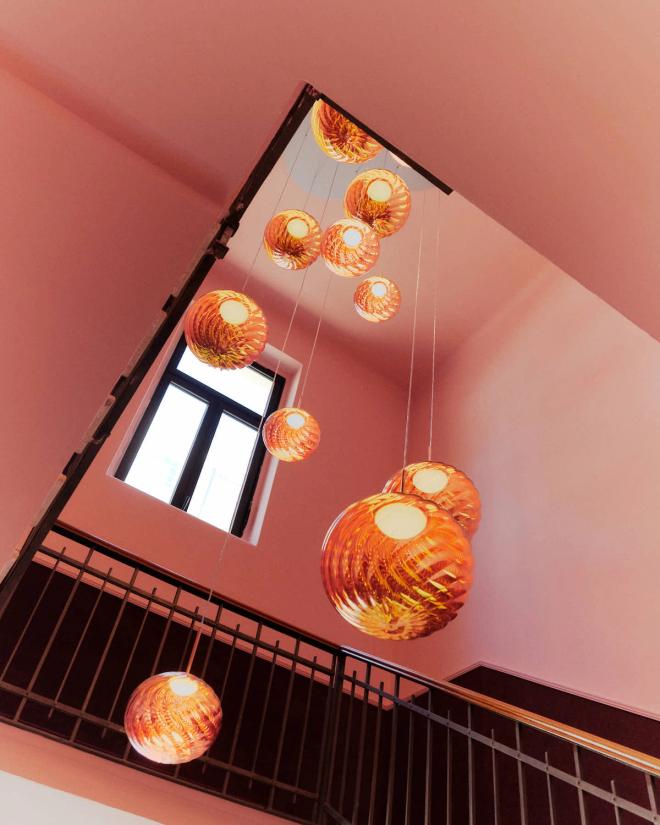
Tom Dixon’s designs were, of course, also on display, including the Whirl pendant lights seen here.
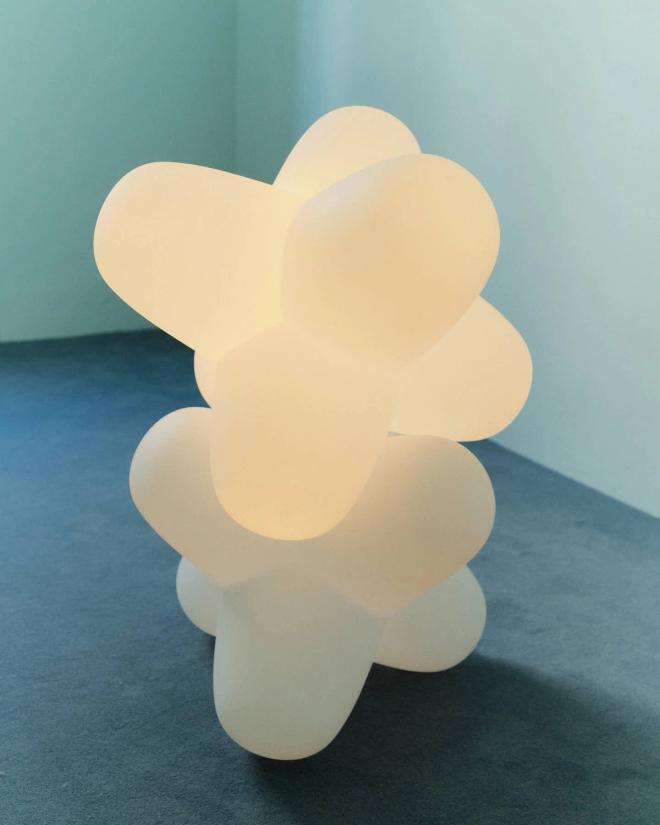
The Jack lamp can be used both indoors and outdoors.
USM: Renaissance of the Real
At Fondazione Luigi Rovati, USM offers Renaissance of the Real, a multisensory installation created in collaboration with Snøhetta and artist Annabelle Schneider. Set in the museum’s courtyard, the installation takes the form of a translucent, bubble-like structure that visitors can step inside.
Best known for its modular shelving systems, USM brings its iconic structures into the installation as architectural elements. Positioned as a response to digital overload, the project explores how physical space, light and sound can restore a sense of presence and connection in an increasingly mediated world.
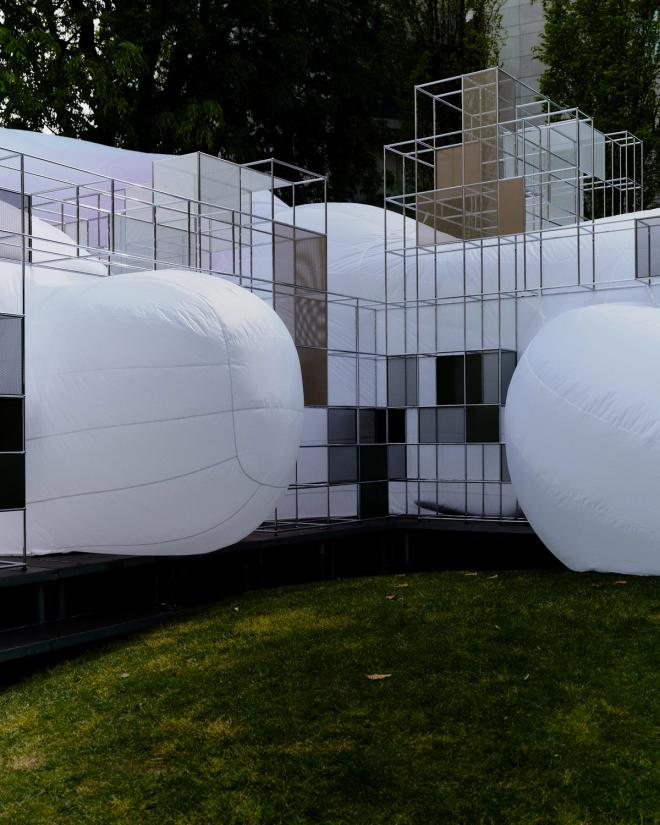
A cloud-like structure draws visitors in at Fondazione Luigi Rovati.
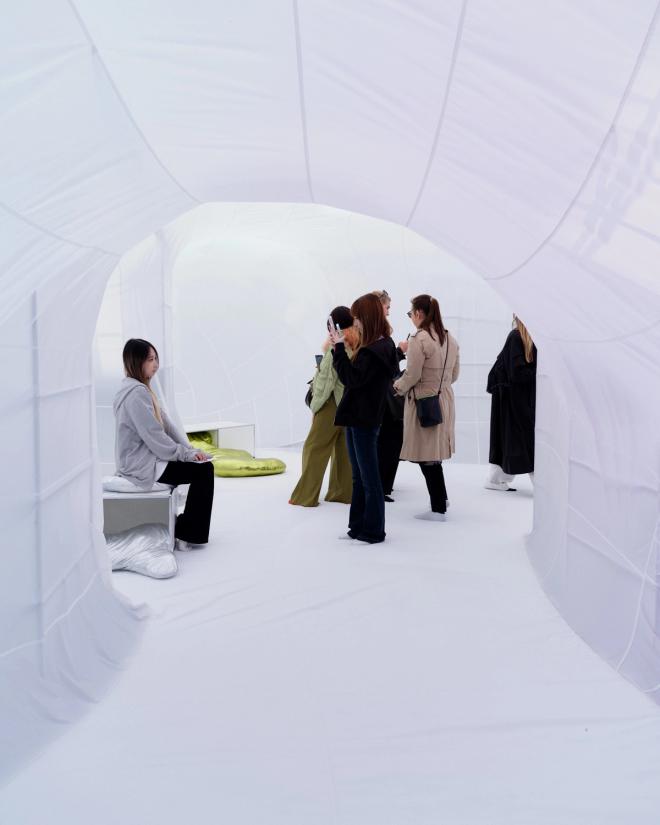
Visitors move through the immersive environment, capturing shifting light and reflections.
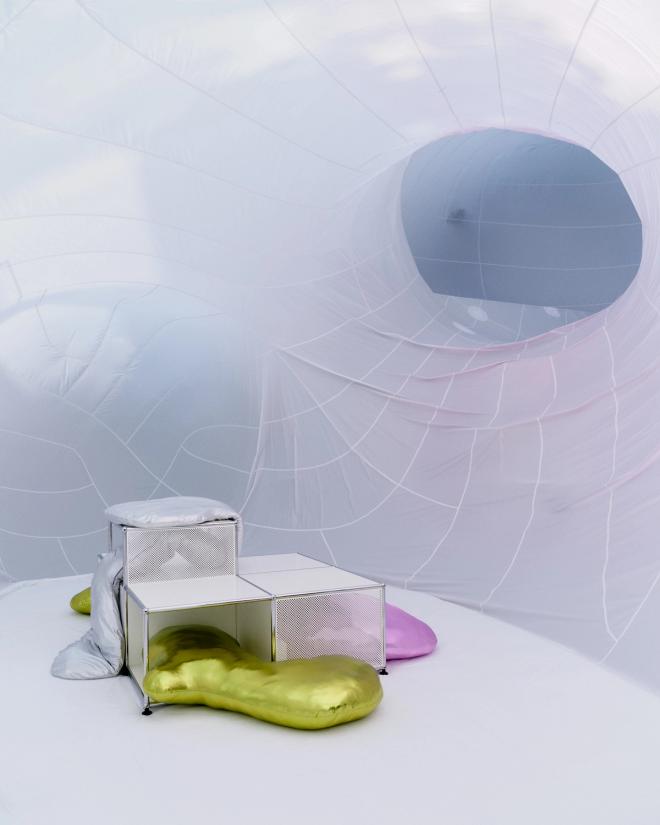
Fluid, sculptural forms seem to flow from a USM module.
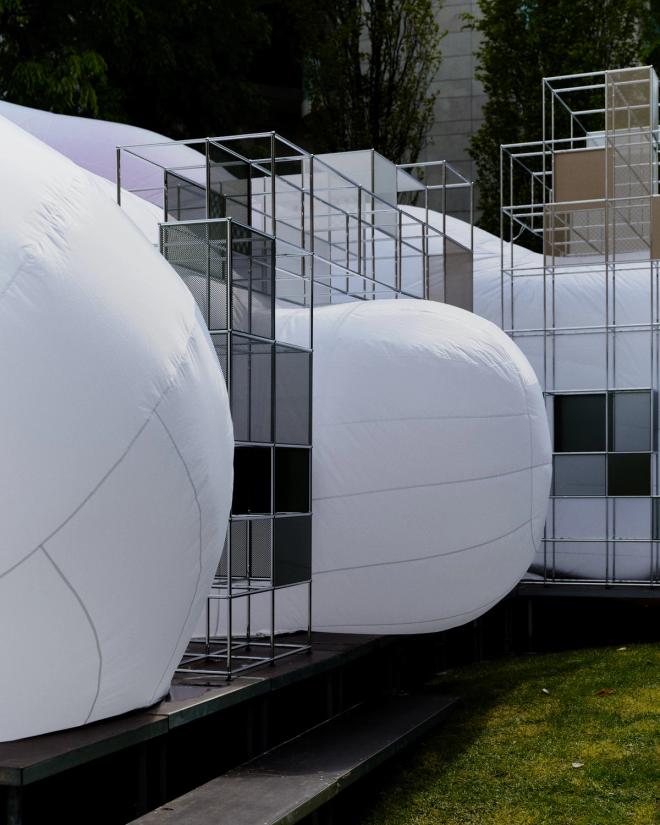
USM’s modular structures form a visible framework for the installation.
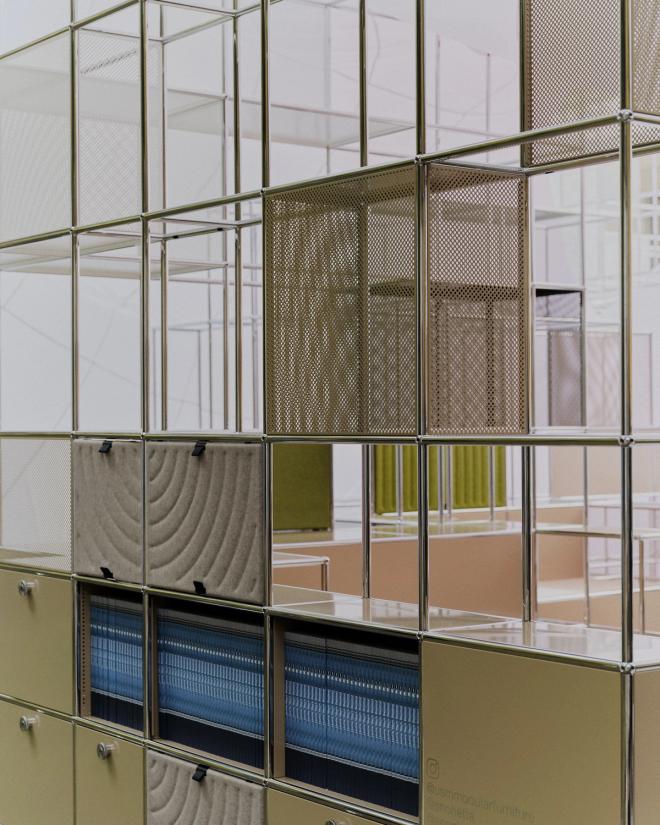
Close-up details highlight the precision and versatility of USM’s iconic shelving system.
valerie_objects: Metro Lamps
Deep underground at Rovereto metro station, valerie_objects presents Metro Lamps, a new lighting collection by Milan–Brussels-based studio Piovenefabi. Set within the raw, functional surroundings of the metro, the exhibition pays tribute to Milan’s iconic transit design, translating familiar elements into playful lighting pieces.
Originally conceived as a floor lamp inspired by the metro’s distinctive handrails, the design has evolved into a full collection of floor, table and pendant lamps in bold, transport-inspired colors. The setting adds an extra layer to the experience, placing the Metro Lamps back into an environment that feels both familiar and unexpected.
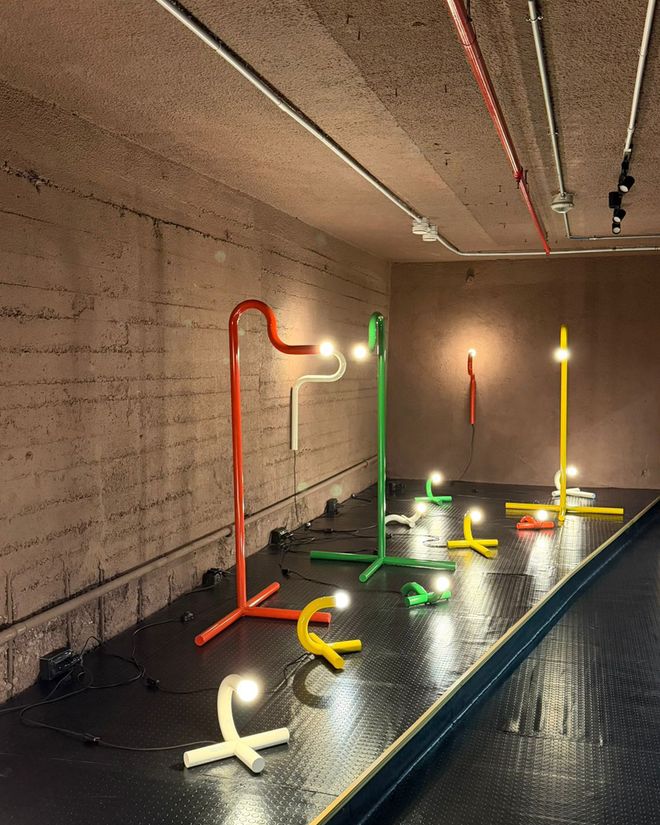
The underground exhibition places the lamps in a familiar yet unexpected context.
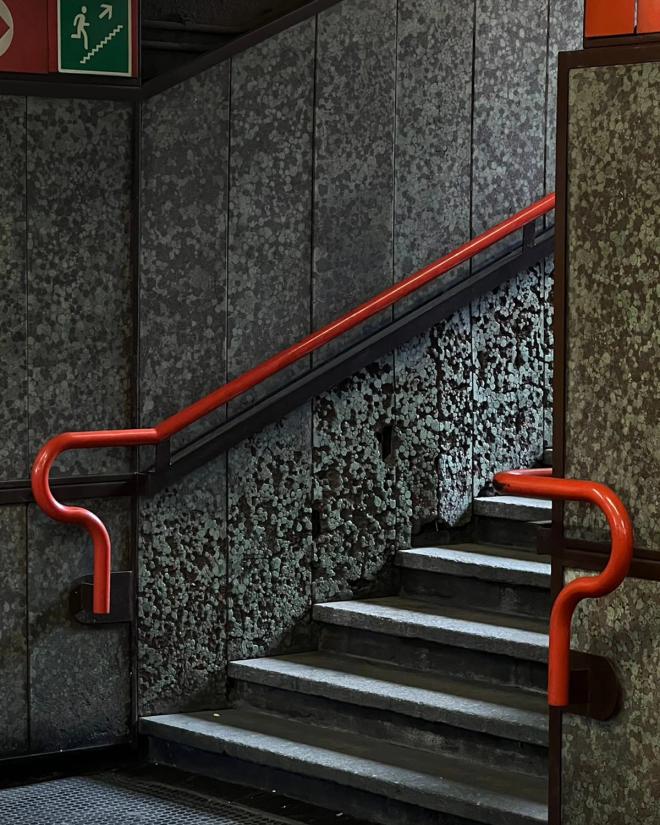
Milan’s iconic metro handrails inspire the Metro Lamps collection.
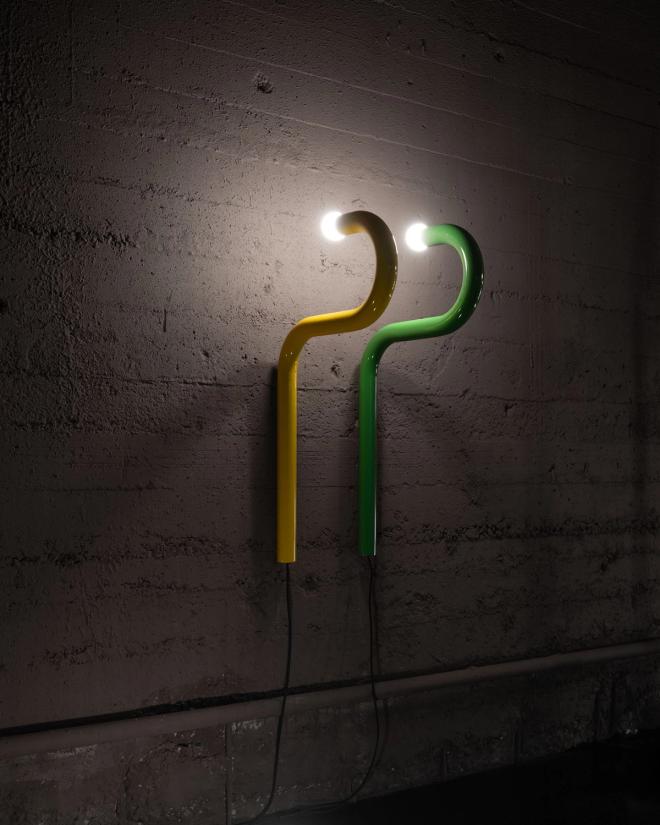
Lighting pieces are displayed within the raw setting of Rovereto metro station.
Villa Pestarini by Alcova
At Villa Pestarini, Alcova unfolds within a rare example of Italian Rationalist architecture. The villa opened to the public for the first time during Milan Design Week 2026. Designed by Franco Albini in the late 1930s, the Villa Pestarini is his only residential project of this kind in Milan and has remained a private home for decades.
For its 2026 edition, Alcova spans two locations and brings together over 130 international designers, with a larger presentation set within the former Baggio Military Hospital. At Villa Pestarini, the focus is on an exhibition curated by Patricia Urquiola in collaboration with Haworth and Cassina.
Centered around designs by Franco Albini, produced by Cassina in partnership with the Franco Albini Foundation, the presentation places historic designs in dialogue with contemporary works. Set within a villa that still preserves many of Albini’s original architectural details, the exhibition creates a layered encounter between past and present.
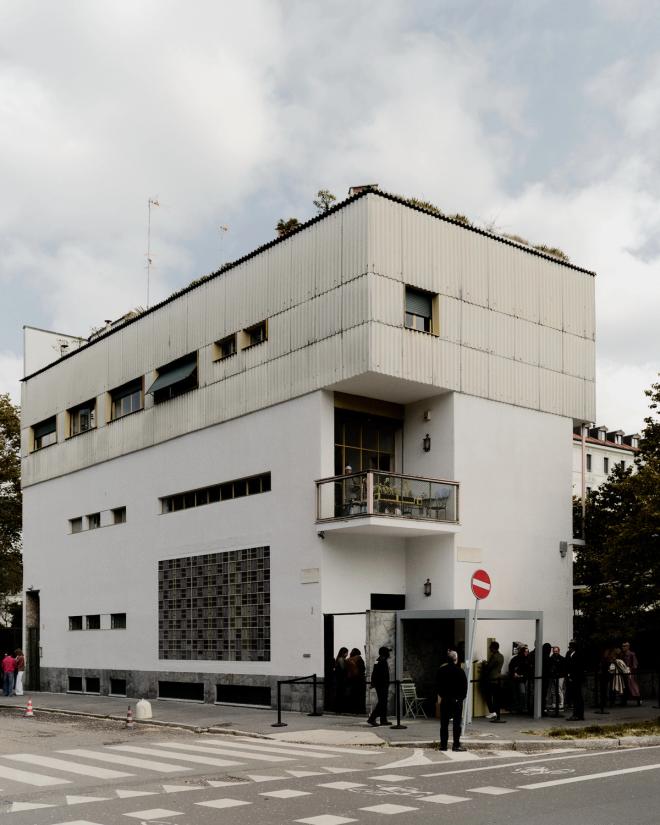
Villa Pestarini, designed by Franco Albini, opens to the public for the first time during Milan Design Week 2026.
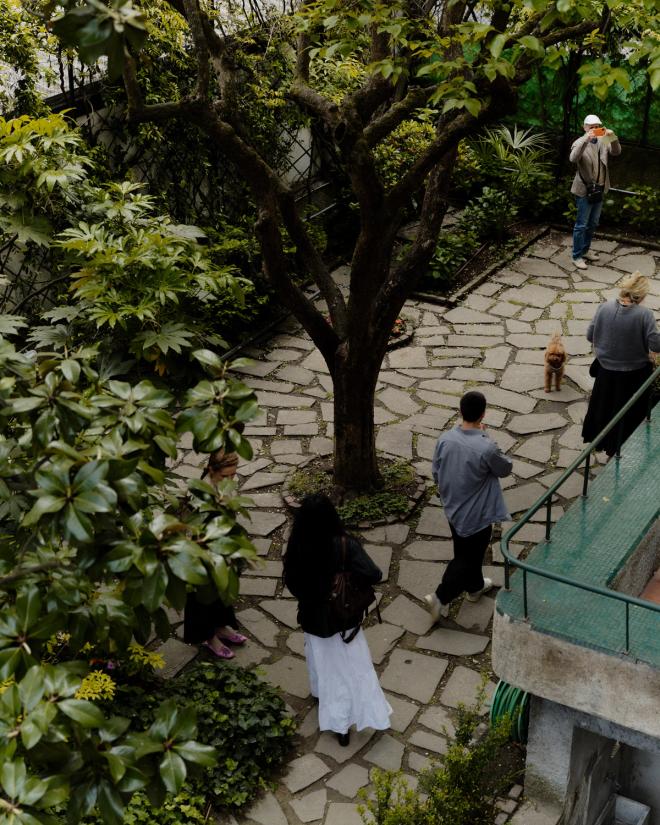
One of the most talked-about Alcova locations, Villa Pestarini draws visitors with its rare architectural setting.
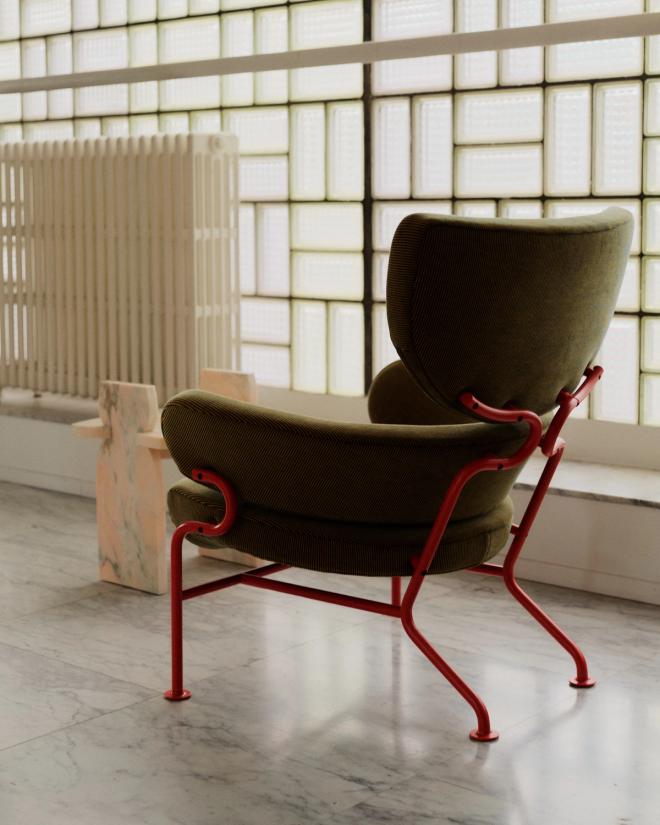
“Albini in Present Tense,” curated by Patricia Urquiola, is presented at Villa Pestarini during Alcova 2026.
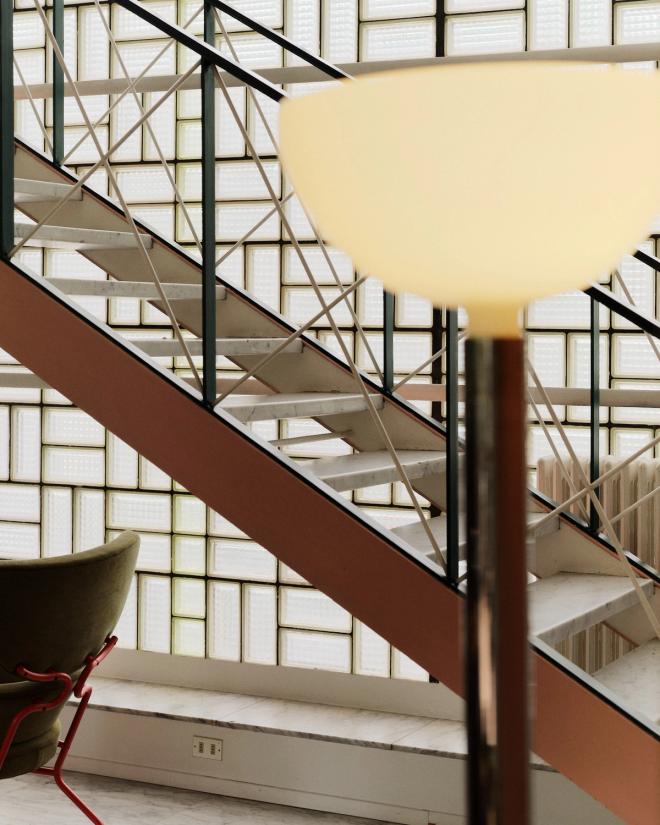
Albini’s open-plan architecture creates a dialogue between space, light and objects.
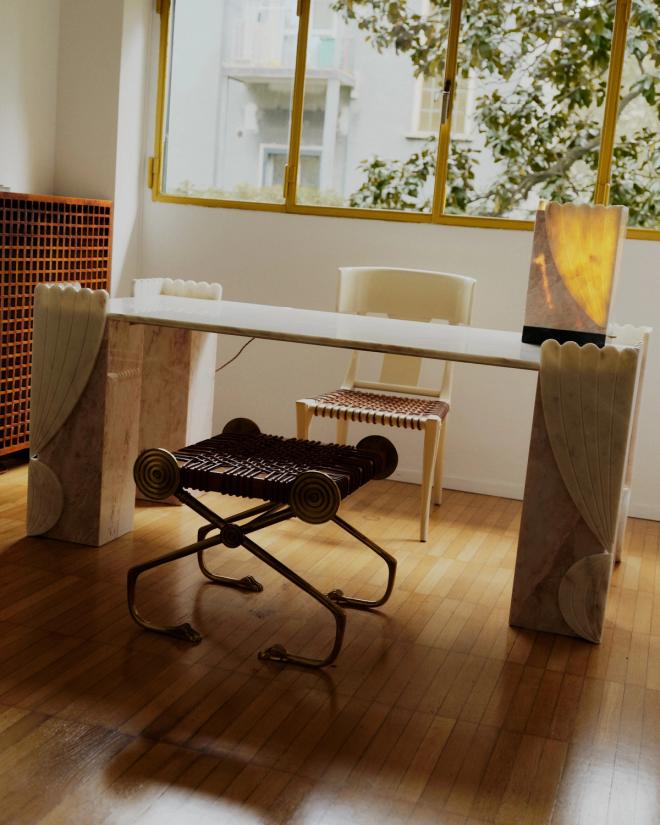
The installation places Albini’s designs within a lived-in setting, without adding an external narrative.
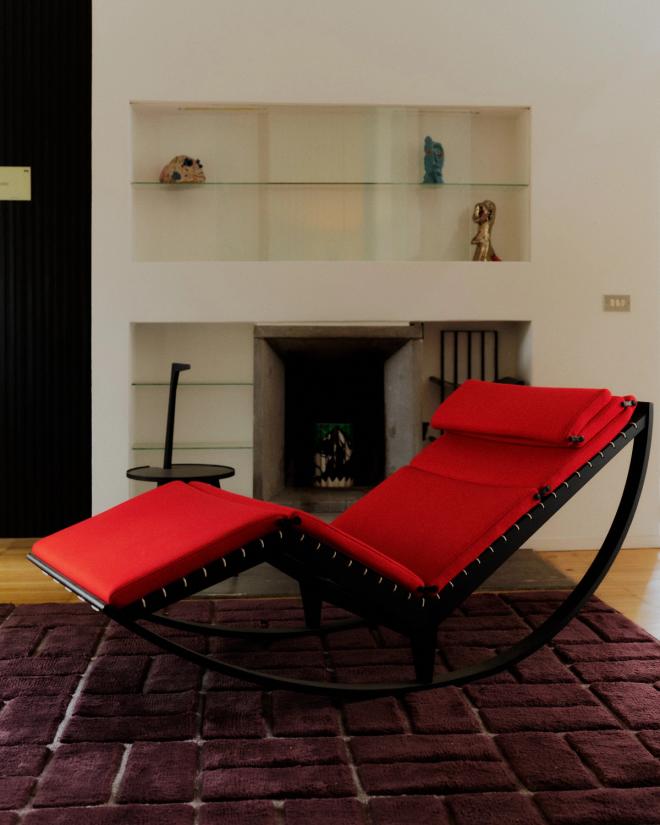
Historic pieces and new interpretations meet within Albini’s carefully preserved interiors.
Grazie Milano – we barely scratched the surface, but loved every moment!
See also:
• New arrivals at Finnish Design Shop >
Published on 24 Apr, 2026