This is a carousel of product images. Use the thumbnails or swipe to change the displayed image, and activate an image to open it full screen.
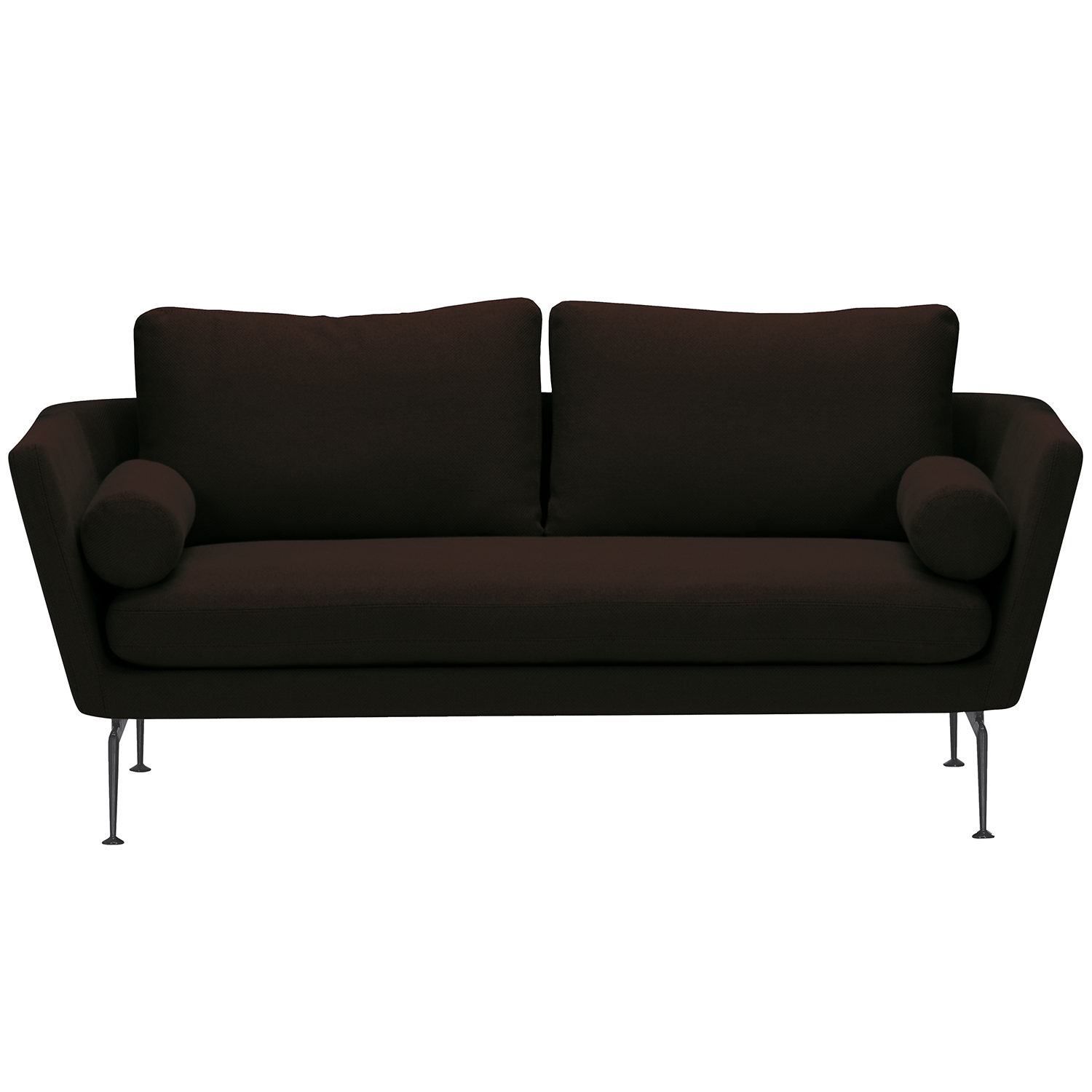
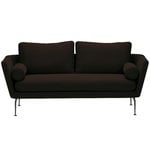
Suita sofa, 2-seater, basic dark - black/brown
Description
Vitra’s Suita sofa is a member of the versatile sofa system Suita designed by Antonio Citterio in 2010. A balanced combination of soft, light forms and industrial, technical aesthetics, Suita is Citterio’s tribute to modern American design of the mid-twentieth century. The most essential elements of the collection are a slim metal frame and generous yet light seats and cushions. Use the pieces of the Suita collection as independent elements or combine them freely together to create a unique, functional group for any kind of space.
- Width: 188 cm
- Depth: 88 cm
- Height: 88.5 cm
- Seat height: 46.5 cm
- Colour Basic dark, black, brown
- Frame material Metal
- Material Legs: powder-coated die-cast aluminium. Seat: metal frame, polyurethane foam, polyester fibre. Upholstered in Laser fabric (flame retardant Trevira CS polyester).
- Seat cushion Polyurethane foam, polyester fibre
- Upholstery fabric Laser fabric (flame retardant Trevira CS polyester)
- Base material Powder-coated die-cast aluminium
- Notes Please note that the sofa is sold without the bolster cushions.
- Product ID: AK21028600-30-00-00-03-50
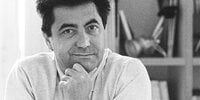
Antonio Citterio (b. 1950) is an Italian designer and architect who is renowned internationally. He graduated in architecture from the Milan Polytechnic and since 1972 has worked for many leading manufacturers such as B&B Italia, Kartell, Vitra and Iittala.
Between 1987 and 1996 he worked in association with Terry Dwan and, together, they created buildings in Europe and Japan. Among his most significant works the restyling of a block in the historical centre of Seregno, Esprit headquarters in Amsterdam, Antwerp and Milan, industrial plants for Vitra, in Germany, and for Antonio Fusco, in Milan. He has also been engaged in architectural works dealing with construction projects and interiors both in Italy and abroad. He holds lectures and conferences all over the world and his work has been extensively exhibited and published. For Iittala he has designed, together with Glen Oliver Löw, the Citterio 98 cutlery in 1998 and the utensils for the kitchen Collective Tools in 2000. Antonio Citterio has won many prizes, among which the prestigious Compasso d’Oro in 1987 and 1995. His products are part of the MoMA permanent collection and of the Centre Georges Pompidou in Paris.
The Product Sustainability Framework, our criteria of sustainable design, helps you find the most sustainable products in our selection. Read below which sustainability criteria this product has met.
-
 Equal opportunities for all employees
 -
Commitment to UN Global Compact, fair compensation for all employees
-
Corporate responsibility requirements defined and communicated for suppliers
-
Systematic work for improved inclusion and well-being in the workplace
-
Transparent supply chain
-
Suppliers' compliance to a code of conduct ensured
-
Compliance to the UN Guiding Principles on Business and Human Rights ensured in the supply chain
-
Direct suppliers audited and certified
-
Support for community involvement in the supply chain
-
Fair and resource-wise water-use in production
-
No incineration or landfilling of returned items
-
No use of endangered species as materials
-
No direct environmental emissions or waste (excl. GHGs) from production
-
Production and material sourcing that respect biodiversity, animal rights, and natural ecosystems
-
Material-efficient and ecological packaging
-
No potentially harmful chemicals used in own production
-
The sustainability of direct suppliers' production is addressed and monitored
-
Positive impact on nature’s well-being through operations that regenerate natural ecosystems
-
Company's direct greenhouse gas emissions identified and commitment to reduction
-
Product's carbon impact identified and commitment to reduction
-
Guidance on energy- and eco-efficient use of the product
-
Contribution to climate initiatives beyond the brand’s direct operations
-
100 % renewable energy in own production and operations
-
Low-carbon or compensated transportation
-
Carbon footprint of the product calculated and goals set to reduce it
-
Carbon neutral or carbon negative product
-
Sustainable and long-lasting material choices
-
No harmful or hazardous substances
-
Responsible raw material sourcing and production
-
Materials suited for circularity: monomaterials, recyclable finishings, renewable or recycled contents etc.
-
Ecological materials: natural, biodegradable, recyclable or recycled contents
-
Outstanding materials in terms of innovativeness, responsibility, sustainability and circularity: local production or sourcing, 100 % recycled content, C2C-certification etc.
-
High aesthetic quality promoting long-term use of the product
-
Technically durable product design and material choices
-
Design for enduring life-long quality
-
Design and support for product maintenance, repair and upgradability
-
Innovative circular design solutions: circular service system, resale platform, remanufacturing, collection of used products, etc.
Ideas and inspiration
This is a carousel. Use Next and Previous buttons to navigate.