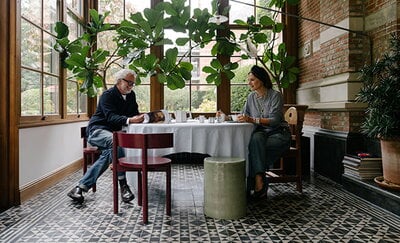
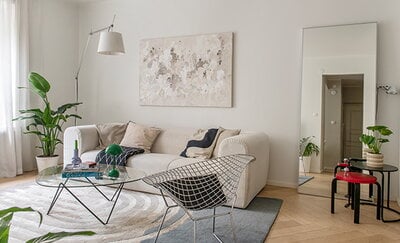
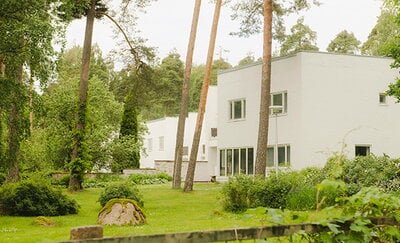
This is a carousel of product images. Use the thumbnails or swipe to change the displayed image, and activate an image to open it full screen.
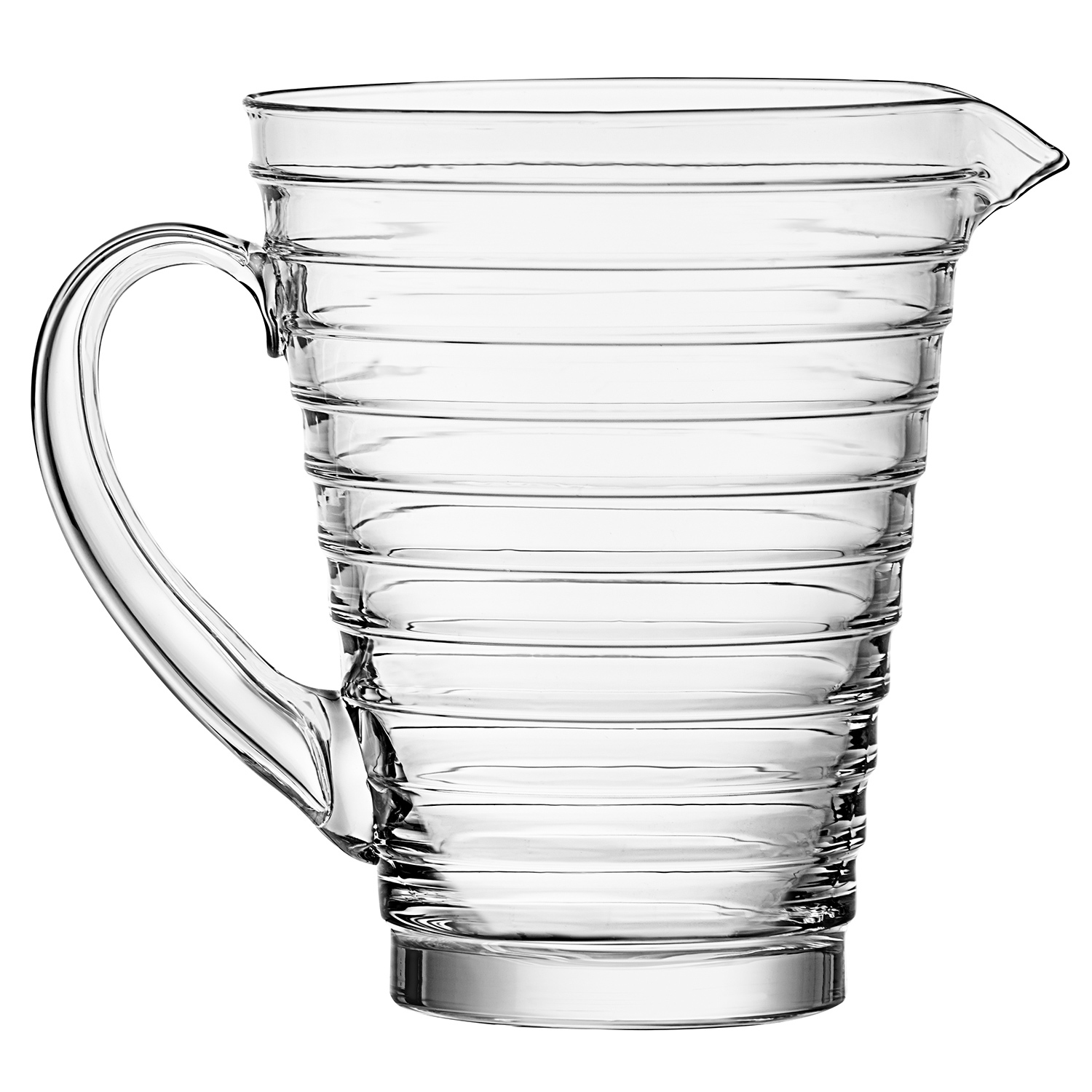

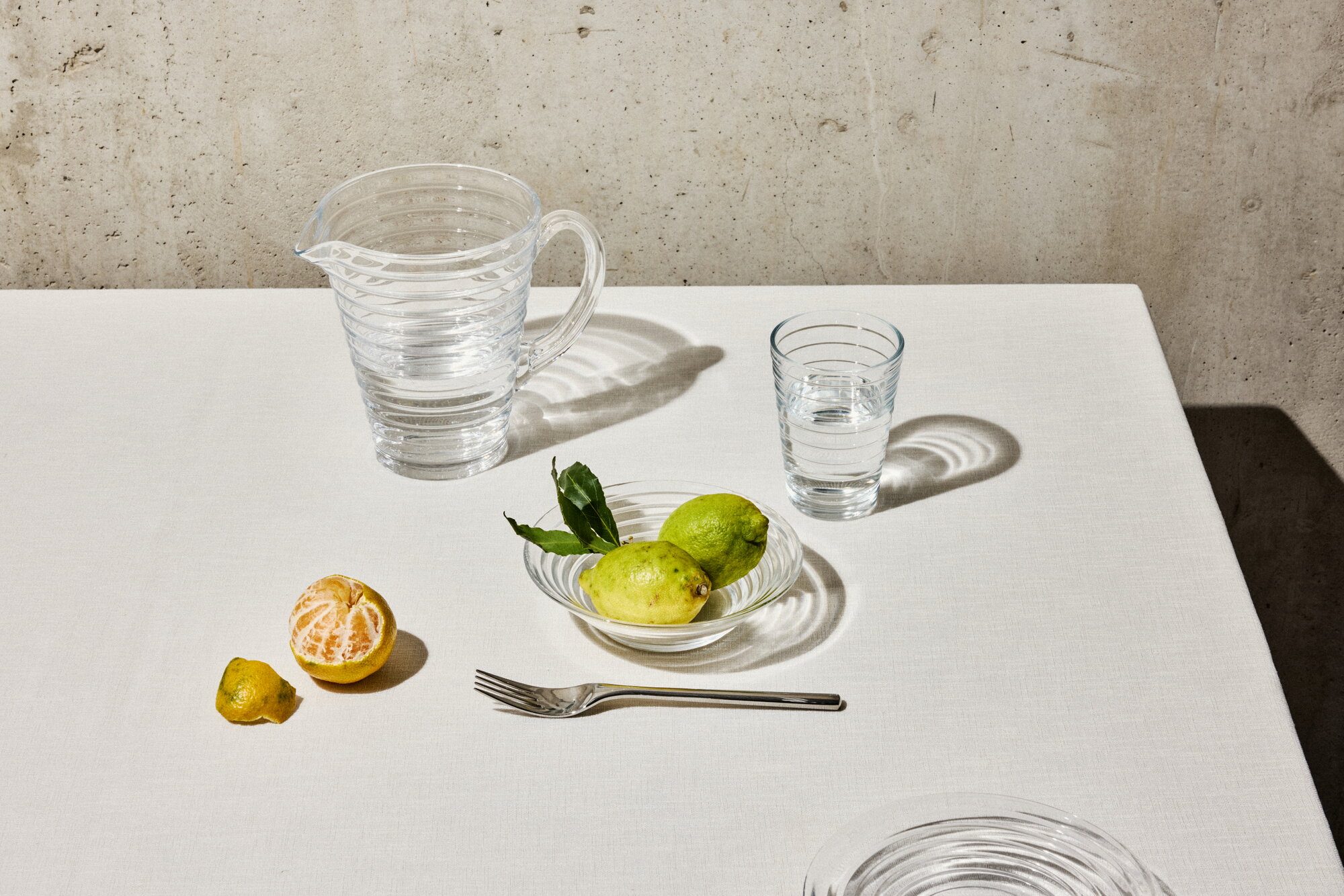
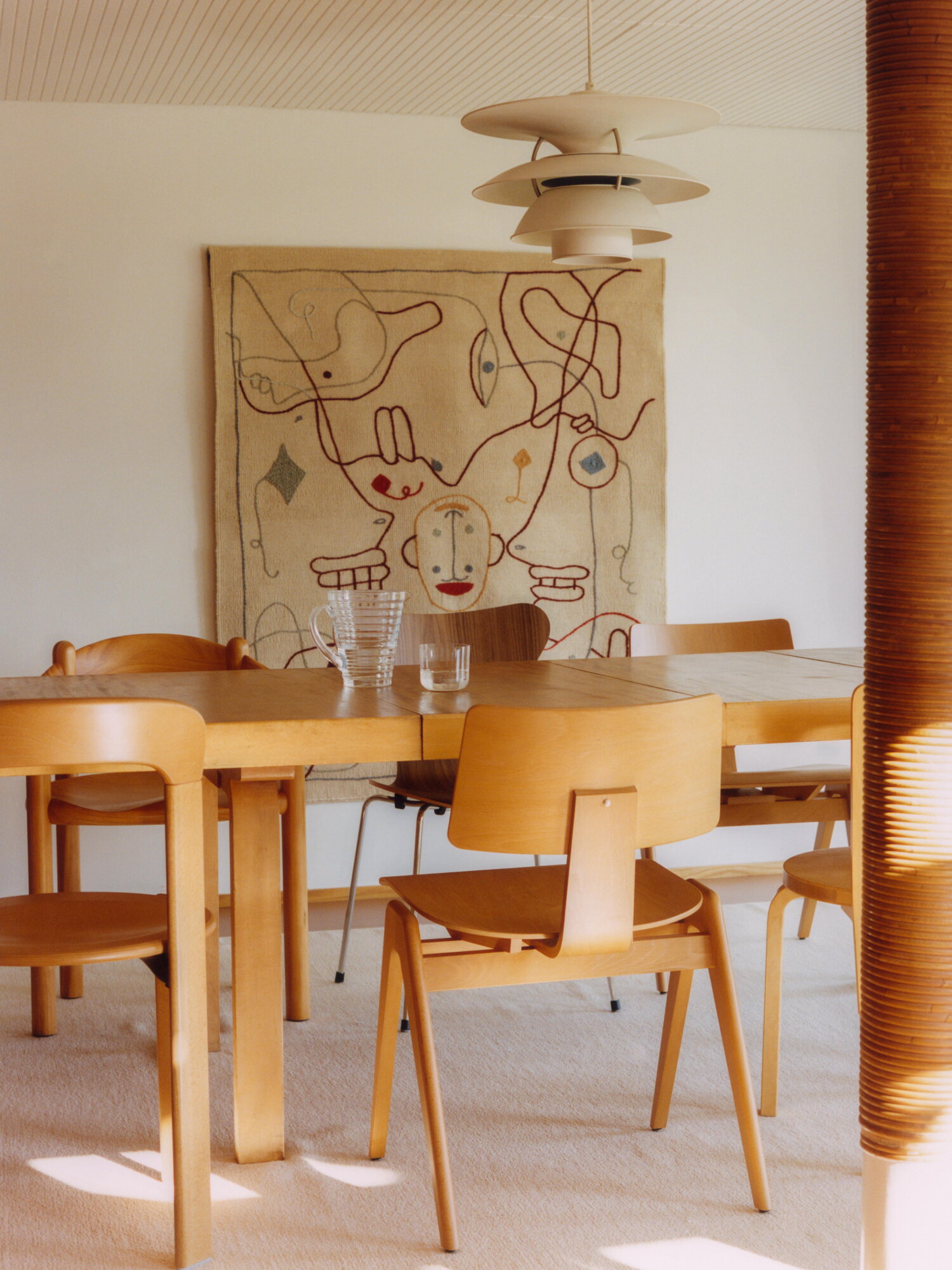

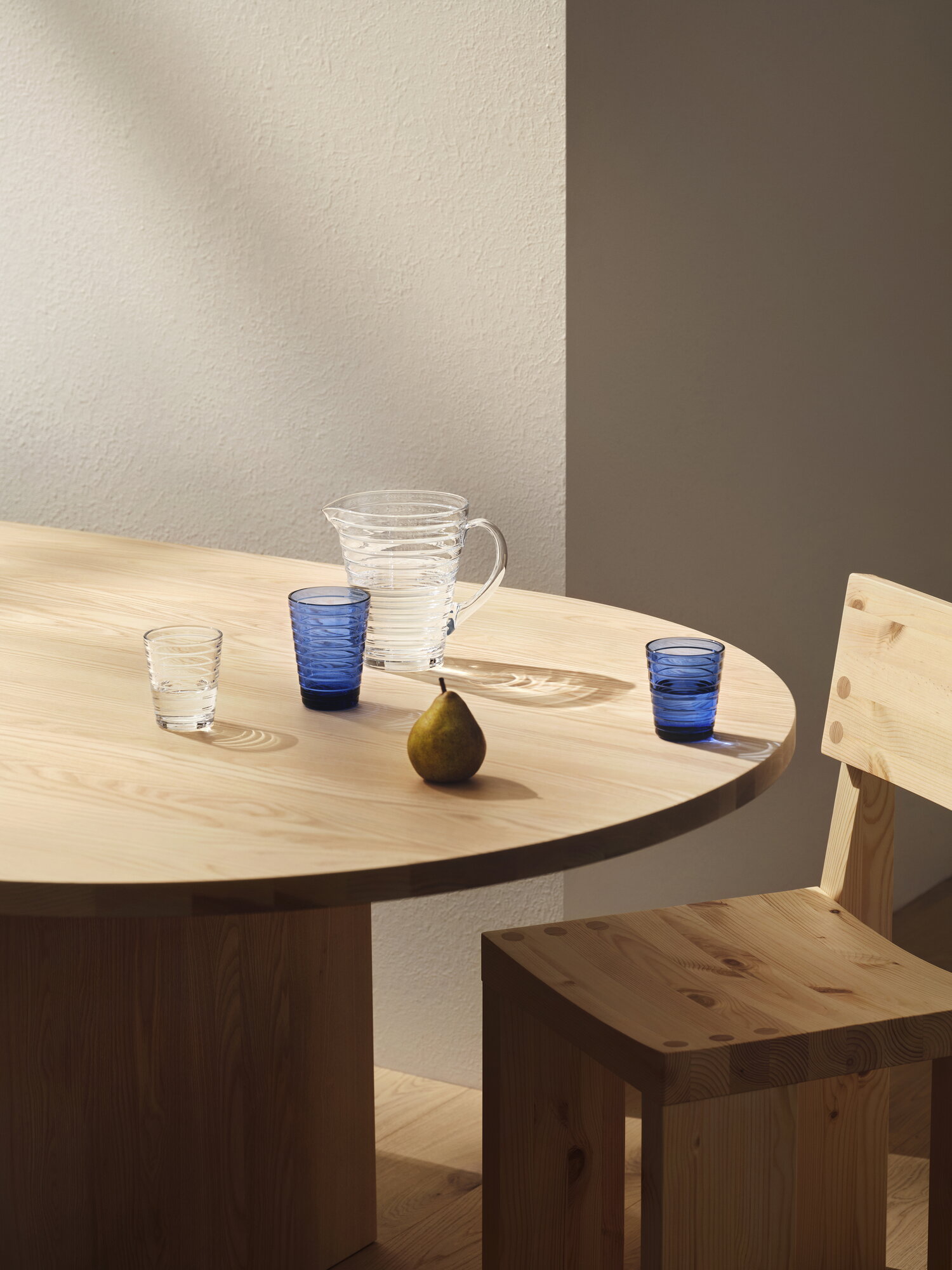
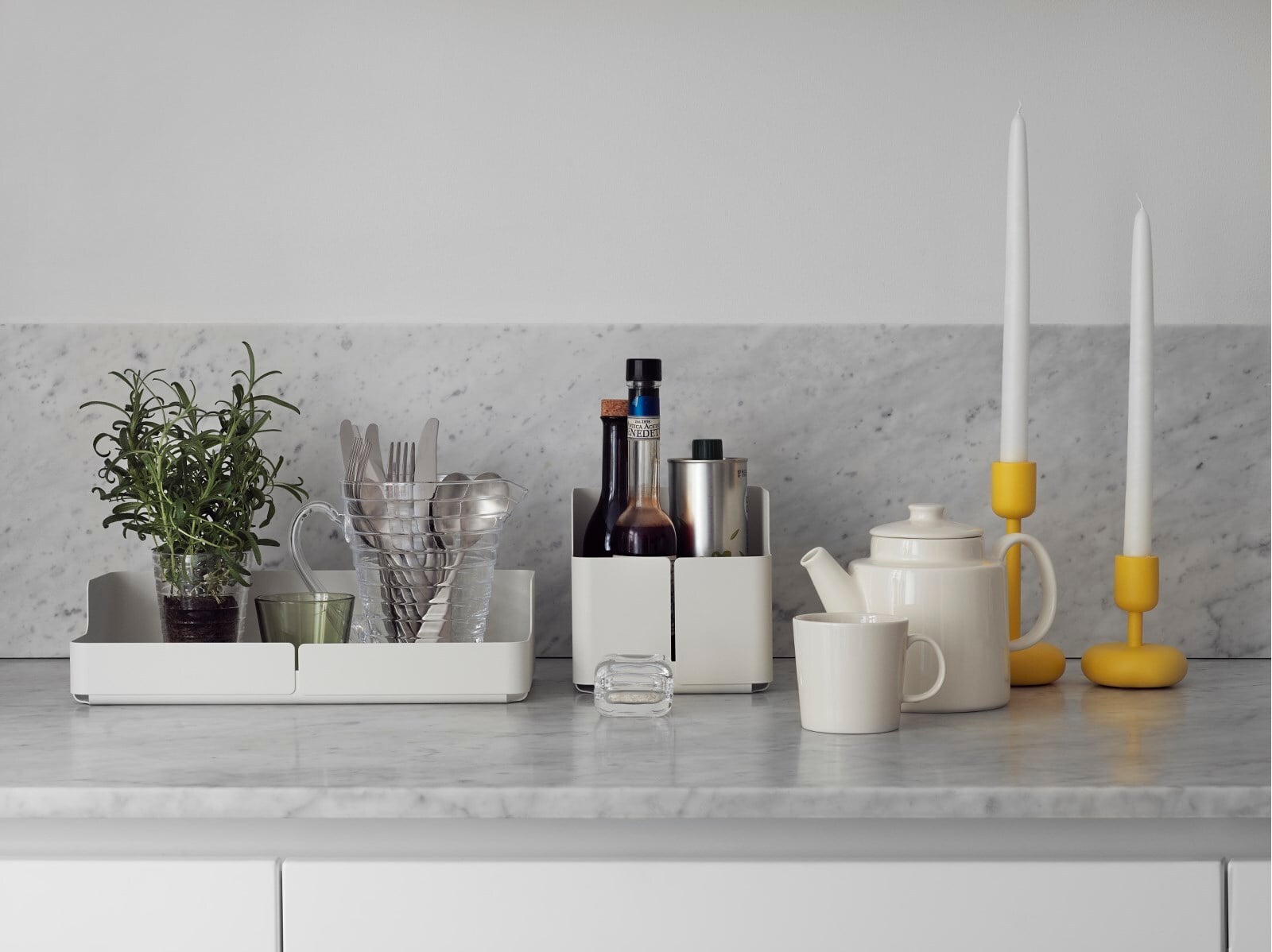


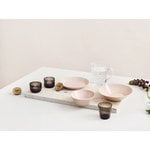







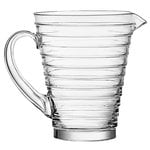
Aino Aalto pitcher 120 cl, clear
Description
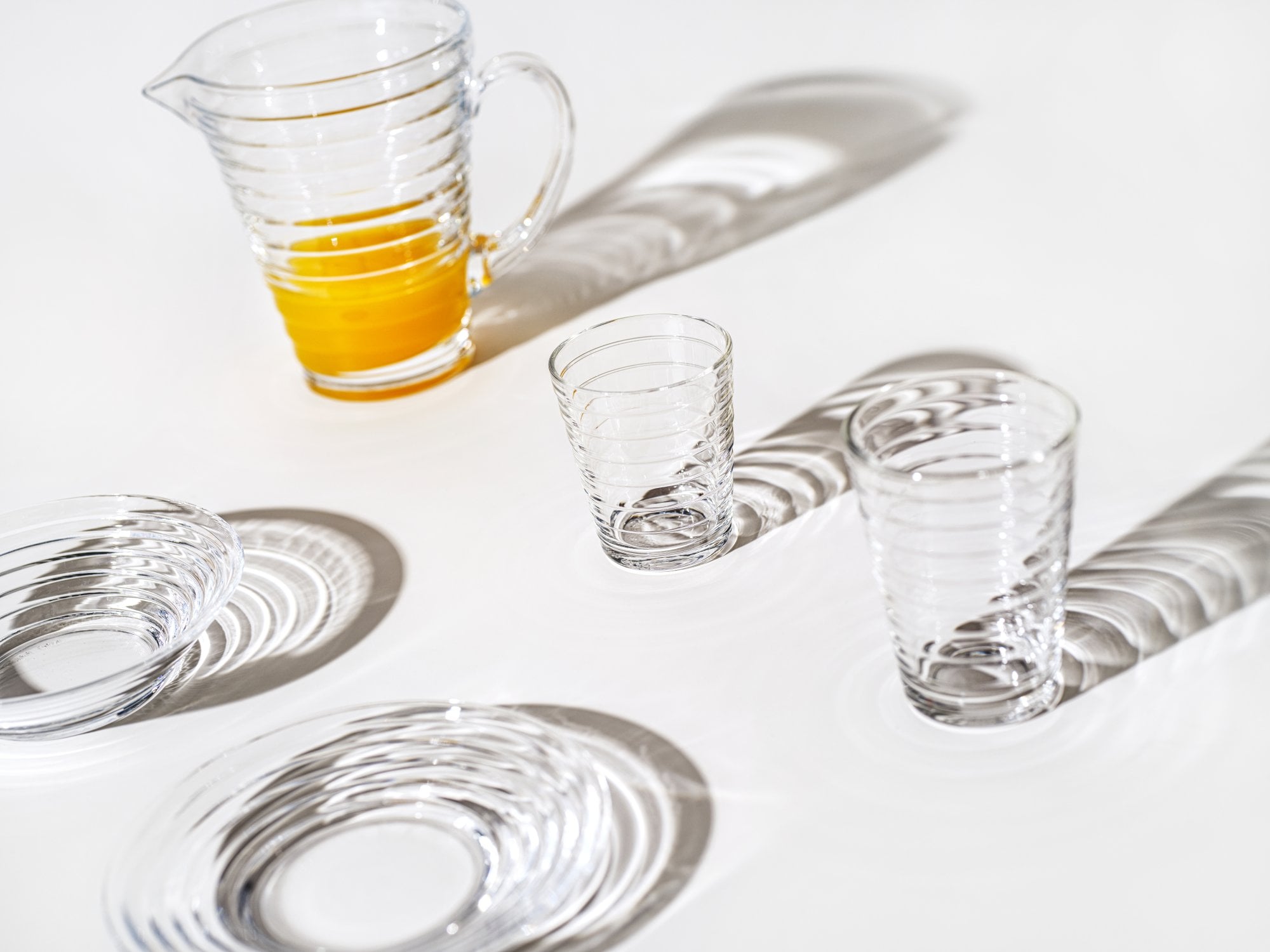
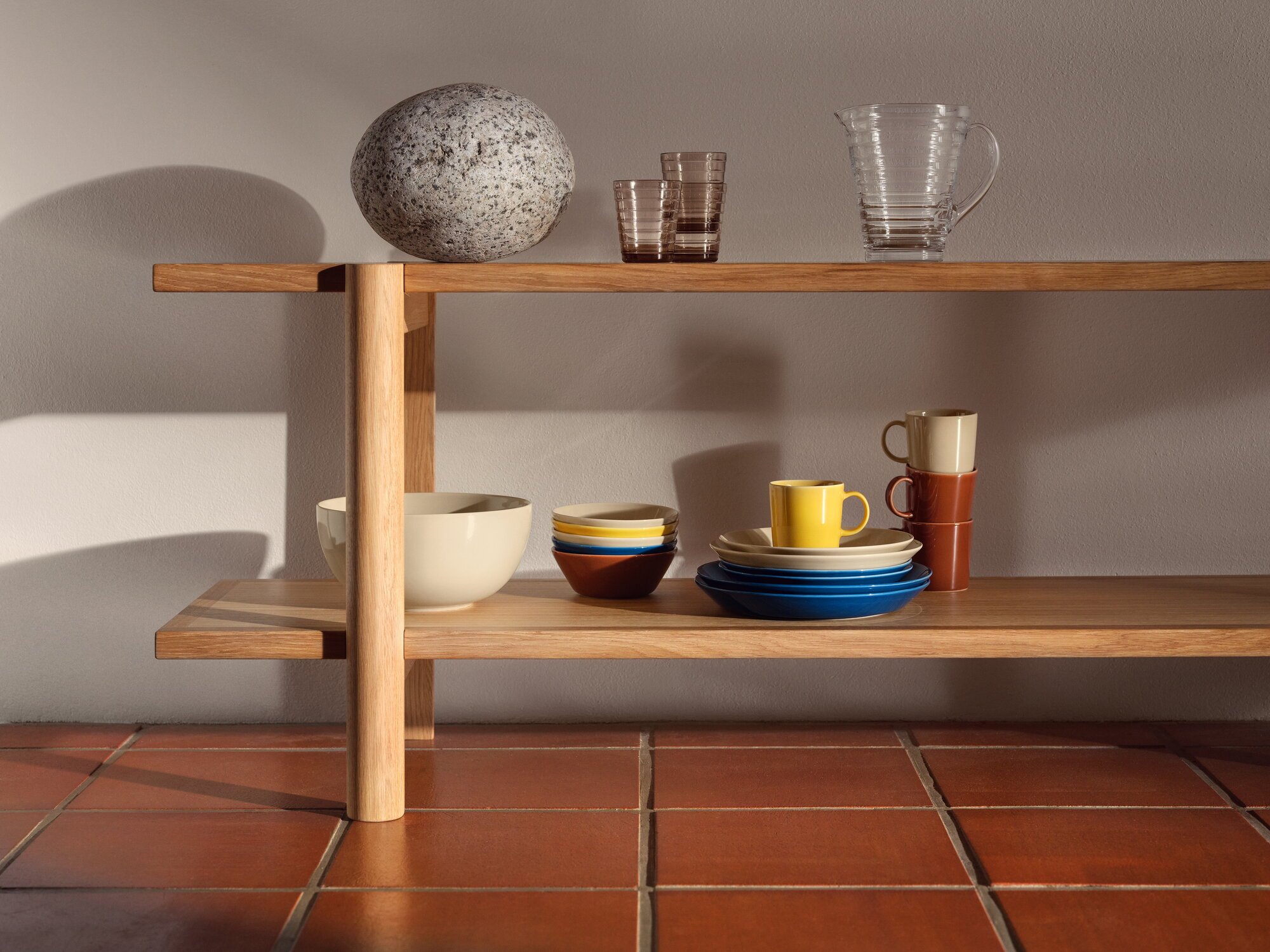
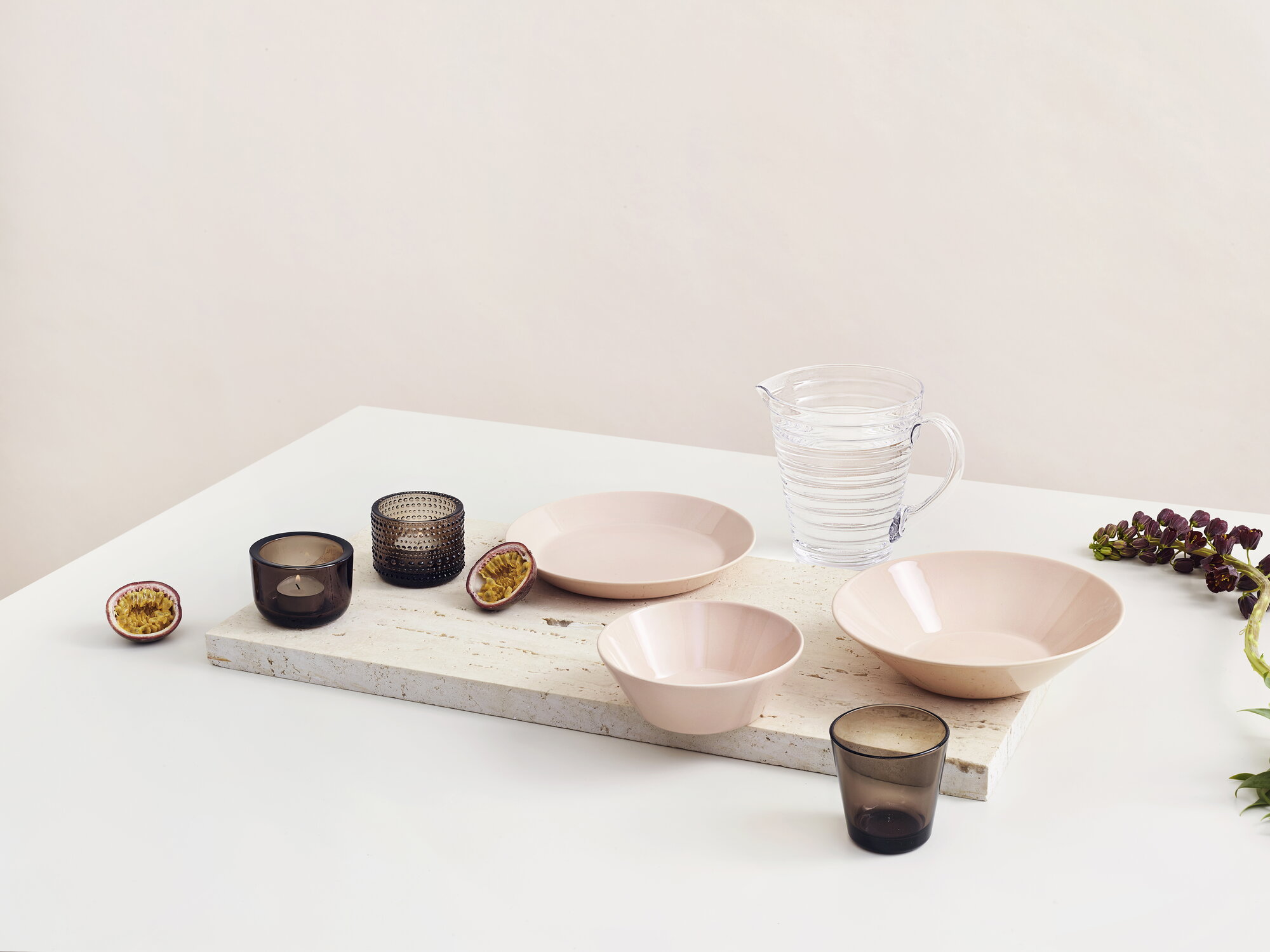
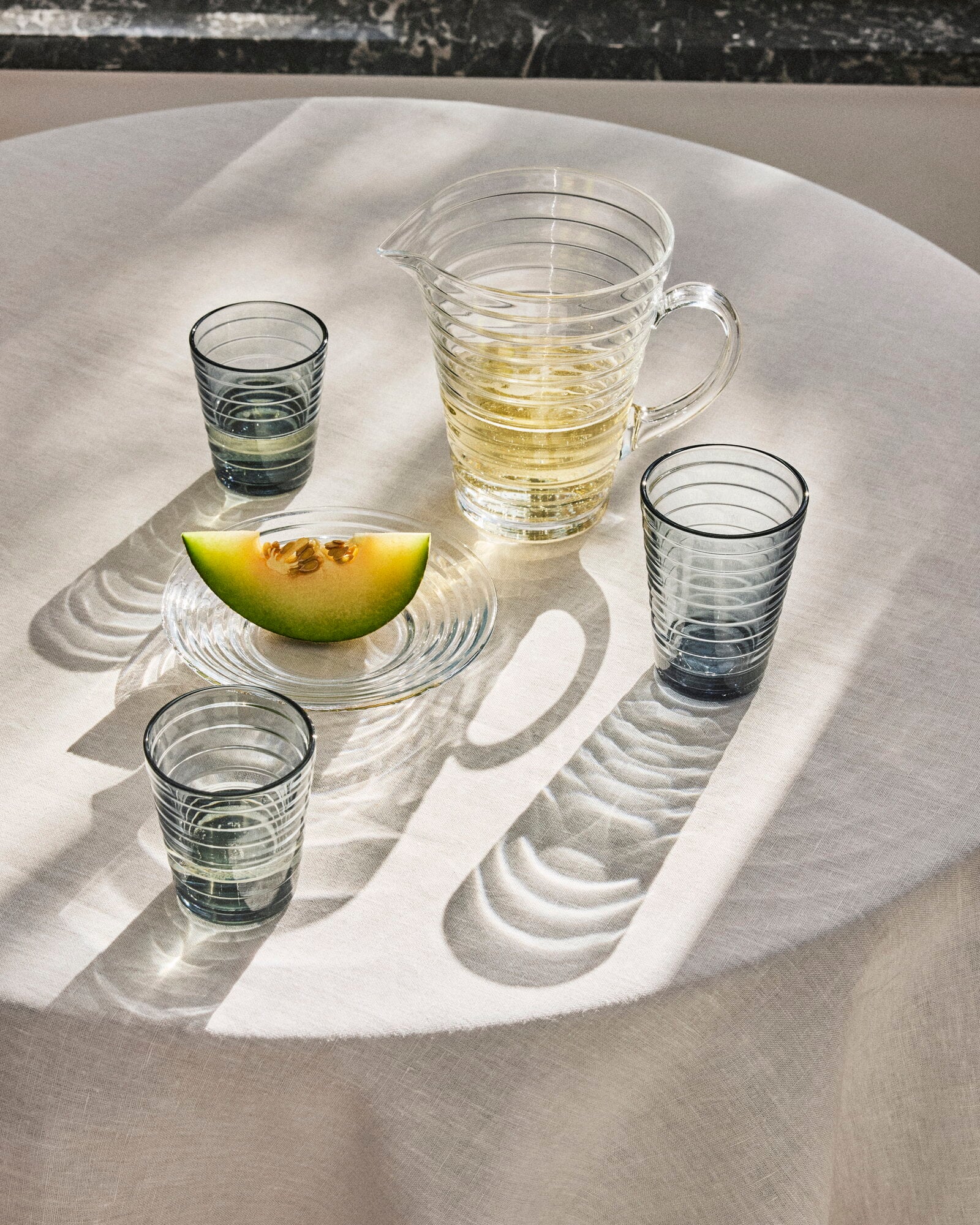
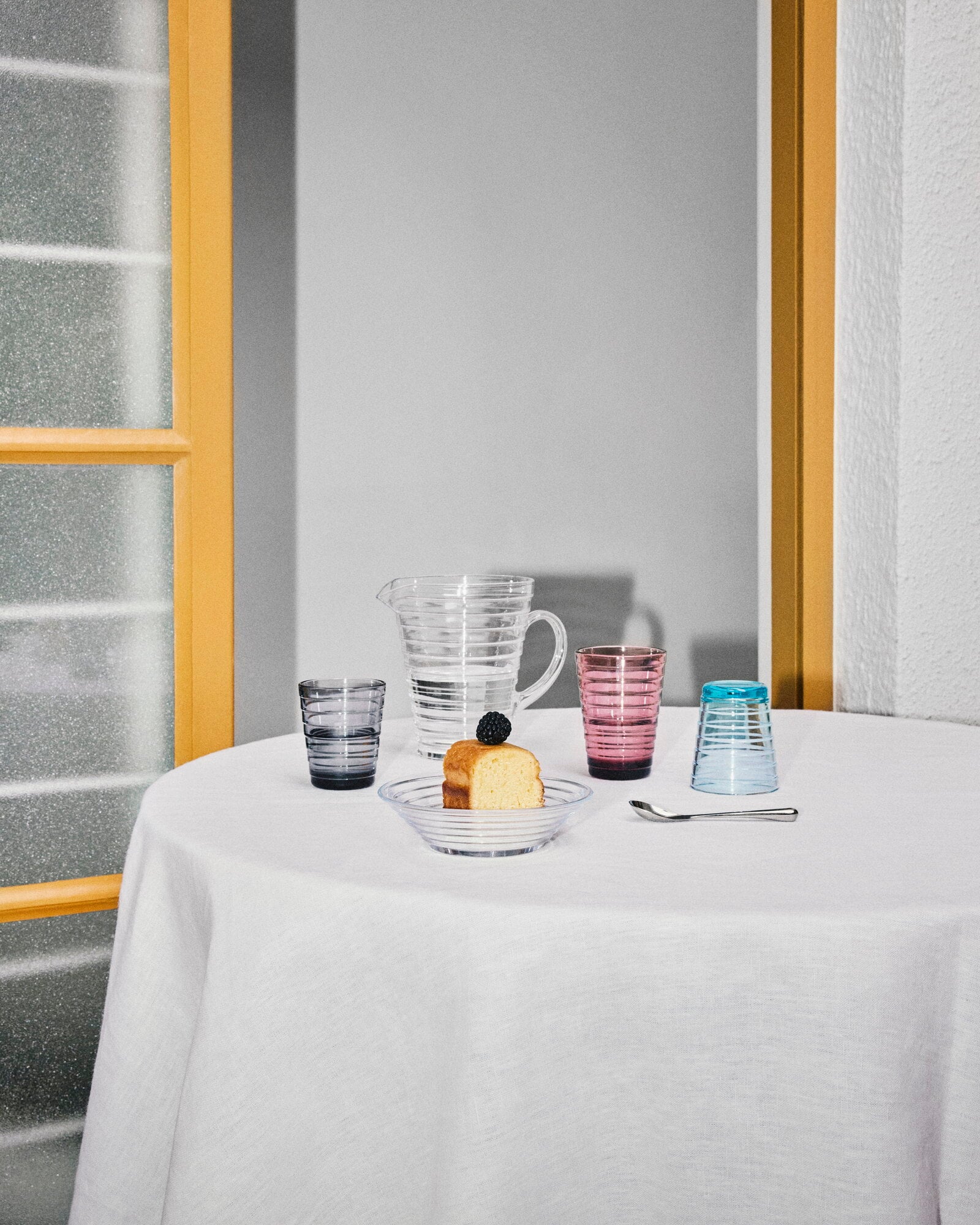
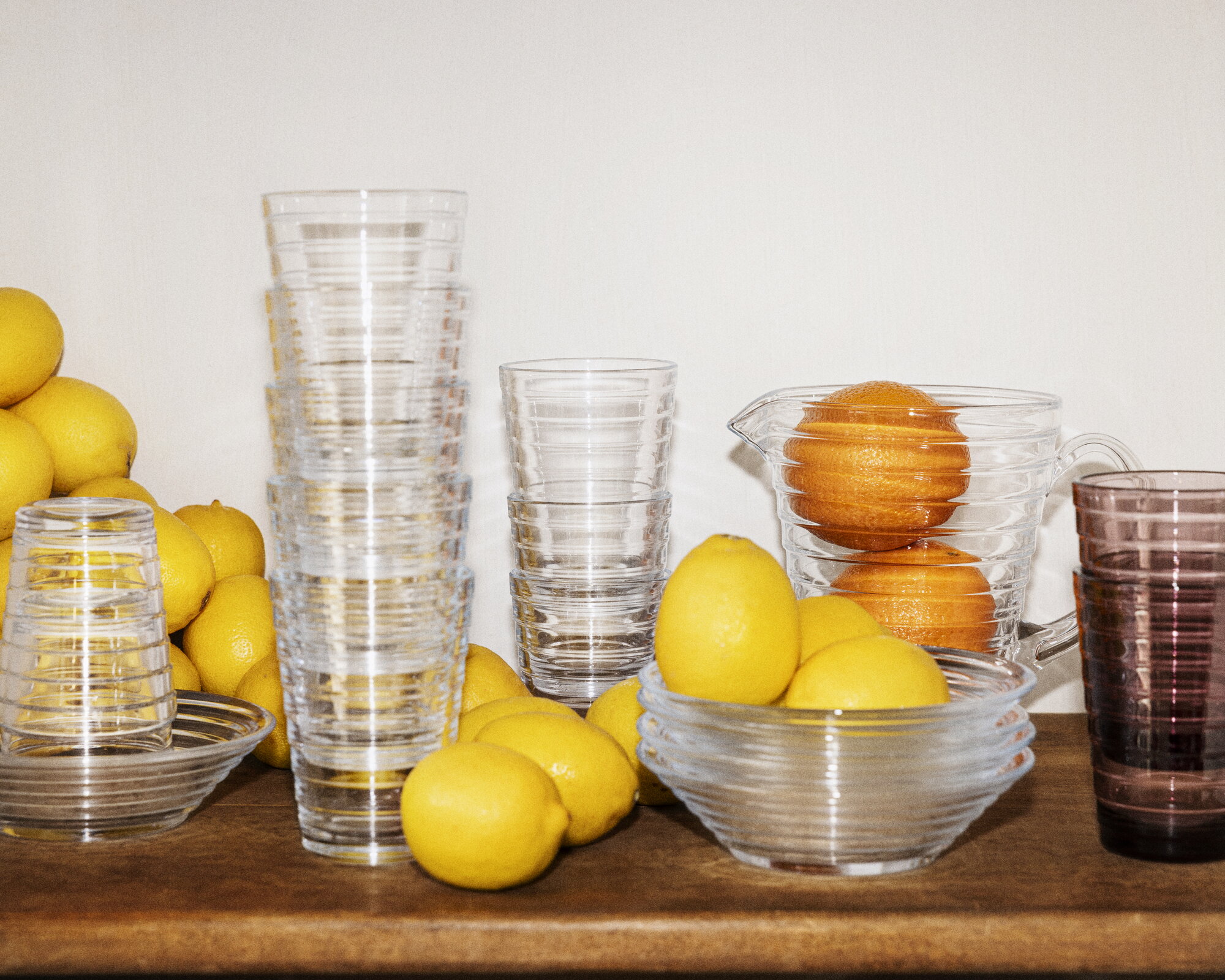
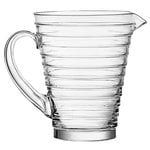
Iittala’s Aino Aalto pitcher has a simple, attractive design based on multifunctionality and stackability. Originally known as Bölgeblick, the pressed glassware collection was inspired by ripples in the water. The Aino Aalto collection won second prize in a design competition arranged by the Karhula-Iittala glass factory in 1932, and it has remained in Iittala’s production ever since. In the 1930s the collection challenged old habits with its radically new and functional form, but it has proven to be a true classic of modern Nordic design. The Aino Aalto glassware goes beautifully together with all the tableware collections by Iittala.
- Height: 6.77 in (17.2 cm)
- Capacity: 40.58 fl oz (120 cl)
- Material Glass
- Colour Clear
- Care instructions Handwash only
- Product ID: II000299

Aino Aalto (1894–1949) was a renowned Finnish architect and designer whose work blended functional thinking with everyday practicality. She qualified as an architect in the 1920s and worked closely with her husband Alvar Aalto, while also building a strong, independent career of her own. Aino Aalto is especially celebrated for her glass and interior design work – her glassware collections from the 1930s are considered iconic examples of early Nordic modernism, where clarity, simplicity and beauty meet.
Aino Aalto also played a pivotal role in the founding of Artek in 1935, where she worked as an interior architect and served as artistic director, helping to shape the brand’s enduring vision and aesthetic.
Aino Aalto: An early visionary of Nordic design
Aino Marsio-Aalto was a Finnish architect and designer whose work played a decisive role in the birth of modern Finnish design. Like her husband Alvar Aalto, she studied architecture at the Helsinki University of Technology, then known as the Helsinki Polytechnic. She began working at Alvar Aalto’s office in Jyväskylä in 1924, and the couple married later that same year.
This marked the beginning of a long and fruitful collaboration that extended from architecture to everyday objects. Among their most celebrated joint architectural projects are the Paimio Sanatorium, Villa Mairea in Noormarkku, and the Savoy Restaurant in Helsinki.
Aino Aalto and Artek
In 1935, Aino Aalto, Alvar Aalto, Maire Gullichsen and Nils-Gustav Hahl founded Artek, which has since become one of the most iconic Finnish design companies of all time. Aino Aalto’s influence at Artek was profound: alongside her design work, she also led the company from 1941 until 1949.
Aino Aalto’s distinctive touch is clearly visible in Artek’s early identity, where modern design was brought into everyday life. Her lighting, furniture and plant pots remain part of Artek’s collection to this day.
Aino Aalto as a glass designer
Aino Aalto is best known for the glassware series she designed in 1932, which is still in production at Iittala. She created the collection for a competition seeking a beautiful yet practical glassware set suitable for mass production. Inspired by ripples forming on the surface of water, the series attracted immediate international attention upon its launch. Originally known as Bölgeblick, the collection was awarded a gold medal at the Milan Triennale in 1936.
Aino Aalto’s glasses are equally at home in everyday table settings and festive occasions alike. Their elegant, timeless form continues to captivate decade after decade.
Who: Aino Aalto
- Finnish architect and designer (1894–1949).
- A key figure in the emergence of modern Finnish design.
- Co-founder of Artek and its first artistic director.
- Known for the Aino Aalto glassware series for Iittala, the Riihitie plant pots for Artek, and numerous collaborative projects with Alvar Aalto.
Design Stories: Read more and get inspired
- Aino Aalto was a strict functionalist, who aimed at a clear and simple style >
- Influential women in Scandinavian design – spotlight on four pioneers >
- Celebrating 90 years of Artek’s timeless design >
Would you like to explore Aino Aalto’s life and work in more depth? Discover books from our collection:
View all products5

Based on 1 reviews
-
A
Anonyymi | Verified Customer
Helsinki, FI

8 months ago
Ideas and inspiration
This is a carousel. Use Next and Previous buttons to navigate.