Harmony of light, shadow, and darkness – Wästberg’s lamps embrace the beauty of dimness
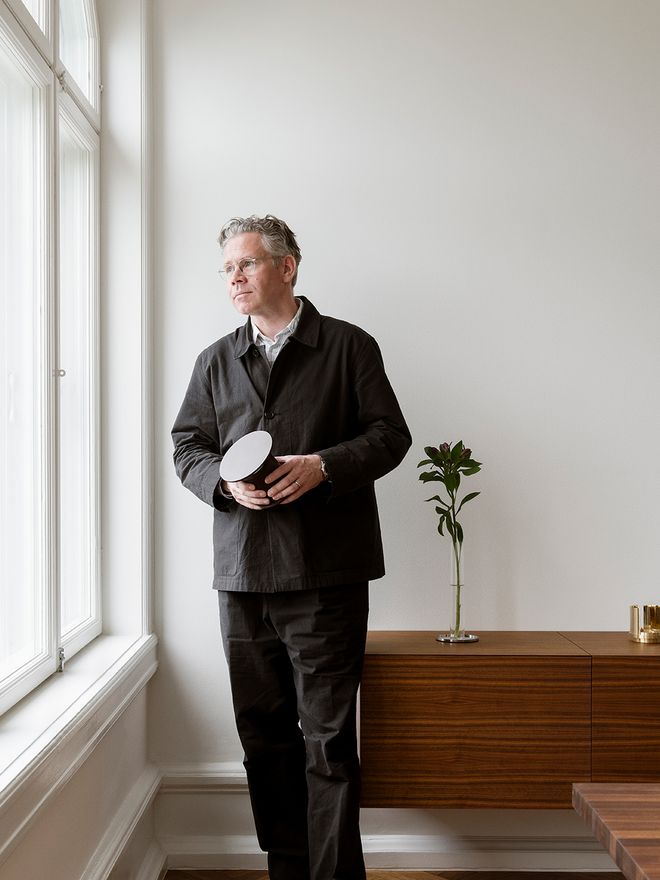
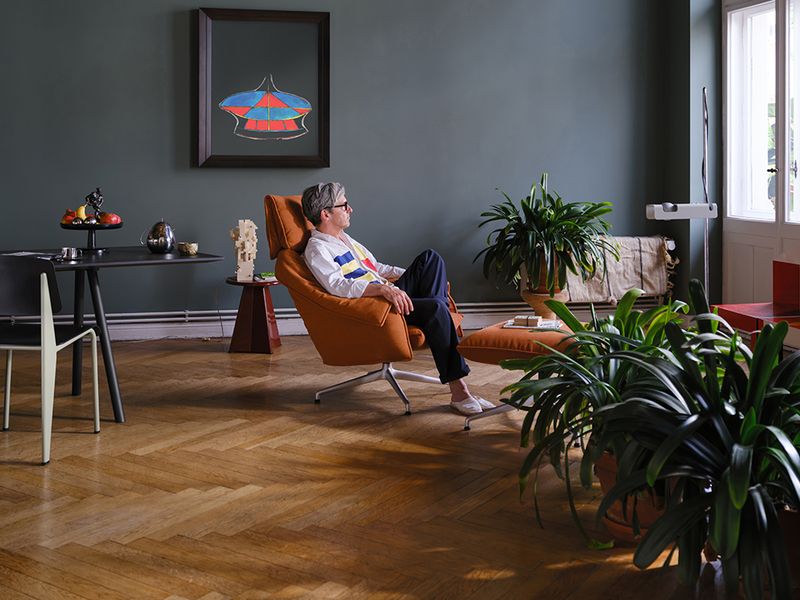
Magnus Wästberg is the founder and CEO of the Wästberg brand. According to him, good lighting is a balance of light, shadow, and darkness. The rechargeable w241 Faro lamp can also be used outdoors.
A MARBLE LAMP rests atop a sideboard, resembling a carefully crafted, heavy, and solid marble sculpture. The piece is stunning on its own, but when switched on, it reveals its delicate soul. Designed by John Pawson, the marble lamp has been meticulously carved so thin in certain areas that light gently shines through the stone, casting a soft glow over the surface of the sideboard.
The w223 Pawson lamp combines precisely refined – almost lyrical – design with a surprising light effect. This ambitious approach carries through to the other lamps showcased in the Swedish brand Wästberg’s Malmö showroom.
These lighting designs are the work of renowned names such as Inga Sempé, Tham & Widegård, Nendo, Claesson Koivisto Rune, David Chipperfield, and Ilse Crawford. It’s no surprise that Wästberg’s lamps have found their way into homes and public spaces alike, earning numerous design awards.
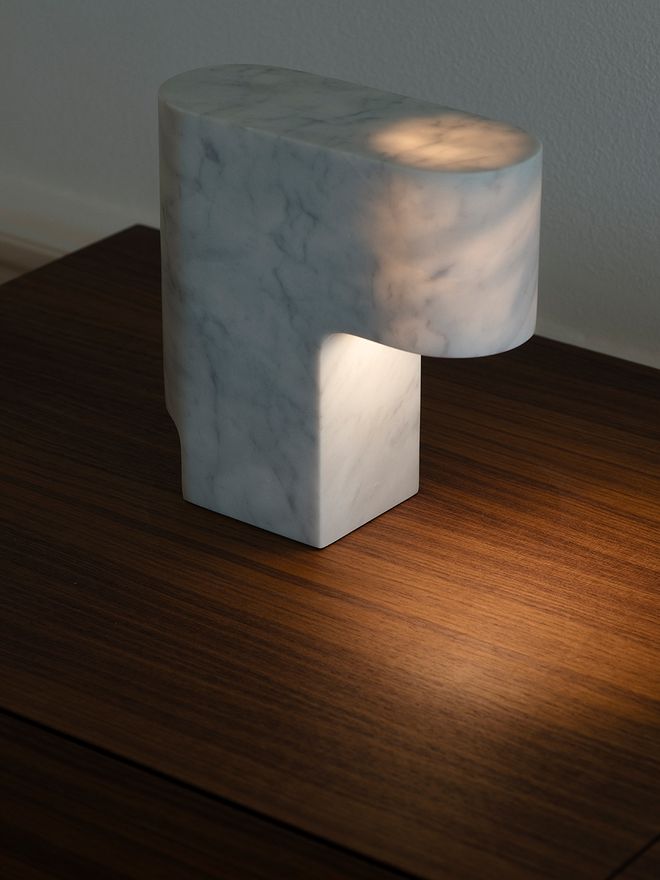
The w223 Pawson table lamp adds sculptural shapes and gentle light to any space. Designed by John Pawson, the table lamp is crafted from marble.
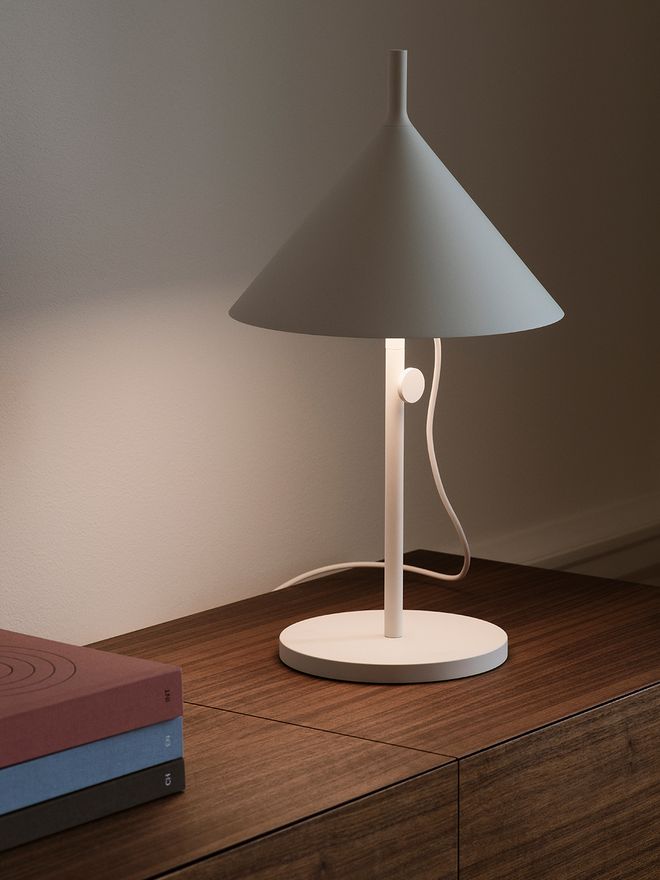
The w132 Nendo table lamp features a cone-shaped, matte aluminum shade mounted on a sturdy steel base.
THE WÄSTBERG BRAND first captured the design world’s attention at the 2008 Stockholm Furniture Fair, where the company’s founder, Magnus Wästberg, introduced its initial collection of four lamps.
Growing up surrounded by lighting, Wästberg founded his eponymous company that same year – despite having long sworn he wouldn’t follow in his father’s footsteps into the lighting industry.
“I studied business administration and worked in a management consultancy company for a few years after graduating, but I didn’t enjoy it. Instead, I found myself spending my time exploring architecture, design, and lighting, reading everything I could on the subjects. Eventually, I decided to follow my heart and change careers,” Wästberg shares.
Magnus Wästberg initially joined his father’s lighting company, gaining a comprehensive overview of the industry. However, he also began noticing flaws in both lighting design and planning. He wondered why spaces illuminated in strict accordance with existing recommendations and standards often felt harsh and unwelcoming to him.
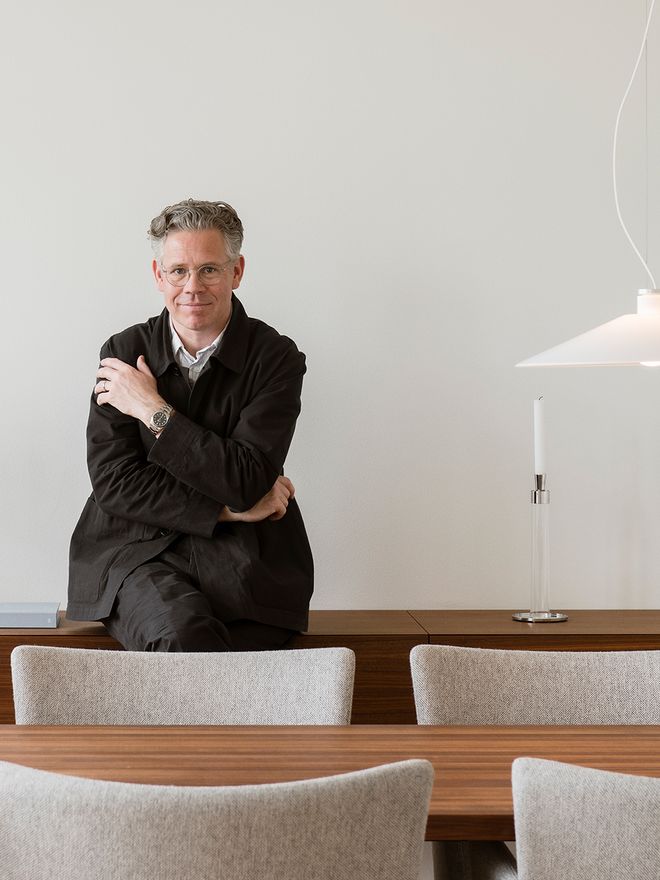
Magnus Wästberg shares that he grew up surrounded by lighting – his father owned a lighting company where Wästberg also worked as an adult before founding his own business.
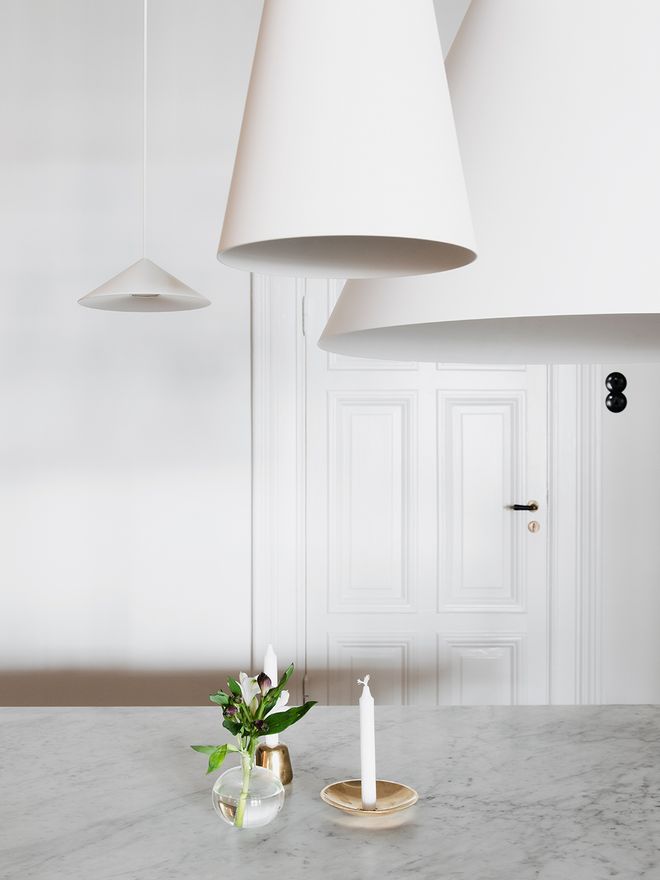
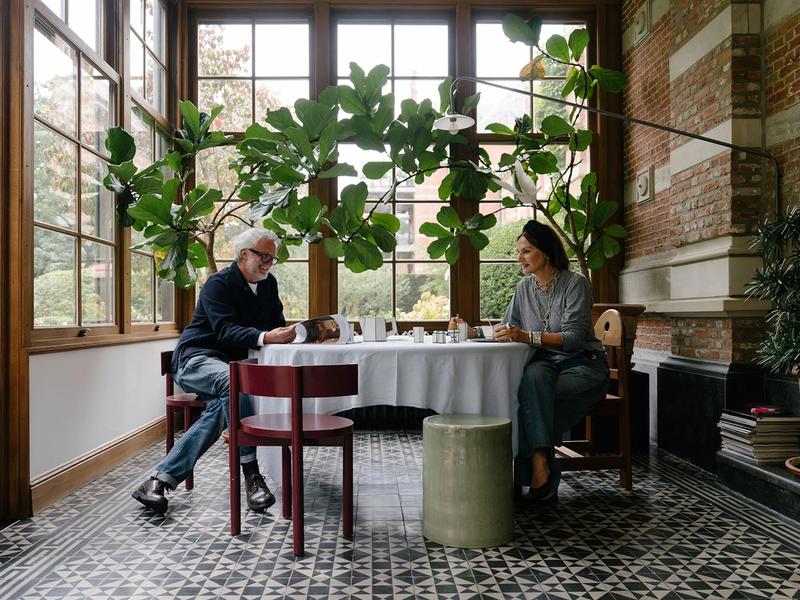
By combining different lamps, you can create intriguing atmospheres where brighter and dimmer areas alternate. The Holocene No. 6 candleholder was designed by Ilse Crawford.
WÄSTBERG NOTICED THAT the lighting industry focused exclusively on measurable, engineering-driven factors like luminous intensity and color temperature, while neglecting the psychological and emotional effects of light.
“Technology, including in the field of lighting, has evolved far faster than we humans have. In just a hundred years, electric light – and now electronic light – has transformed everyday life, surrounding us constantly with bright artificial lighting. But humans haven’t adapted at the same pace. There’s still a lot of the caveman in us, accustomed to the warm, dim, and communal glow of a campfire,” he explains.
“There’s still a lot of the caveman in us, accustomed to the warm, dim, and communal glow of a campfire.”
As lighting has become more powerful, Wästberg believes we’ve forgotten that spaces also need shadows and dimness to provide balance. According to him, humans don’t thrive in environments with high-powered, uniform, overhead lighting that cannot be adjusted by the user.
“A brightly lit space can make us feel exposed and vulnerable, even uncomfortable,” he explains.
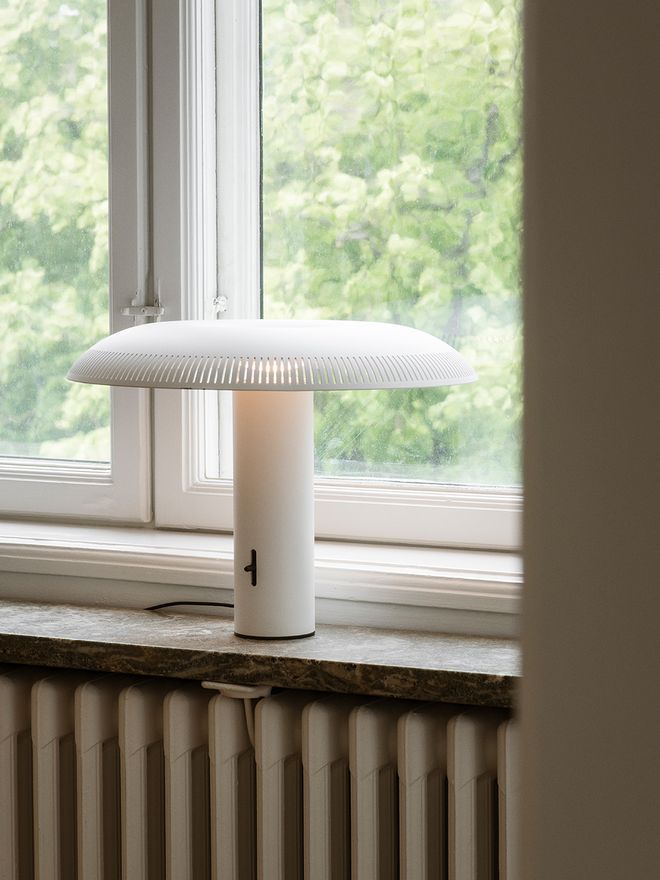
In Wästberg’s lamps, the design process begins with light – its ambiance and psychological impact. The w203 Ilumina table lamp, designed by Ilse Crawford, boasts a distinctive design inspired in particular by traditional library lamps.
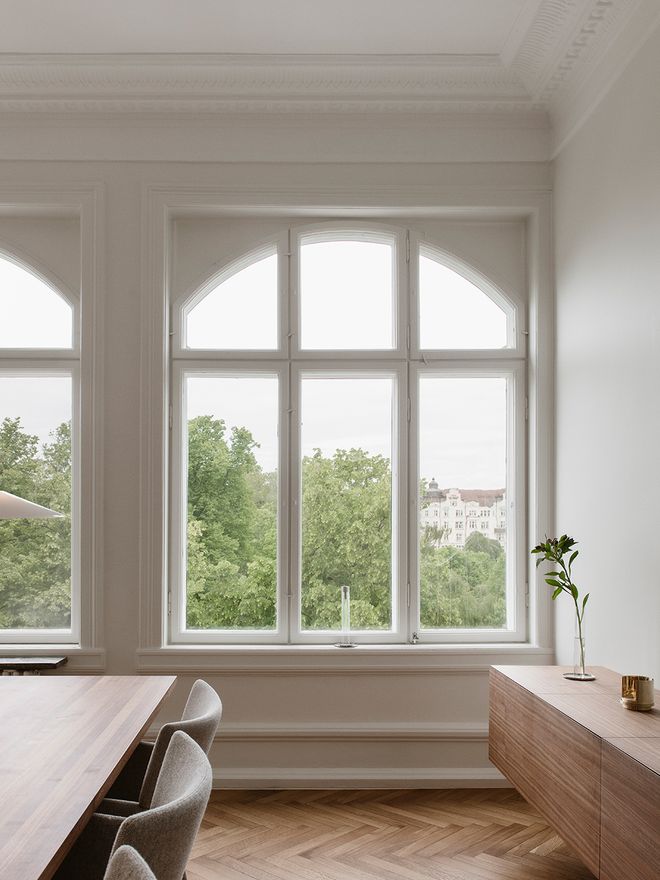
In Wästberg’s lamps, both the light and the lamp itself are carefully designed. On the windowsill and tabletop are the Holocene No. 7 candleholders, which can also be used as vases.
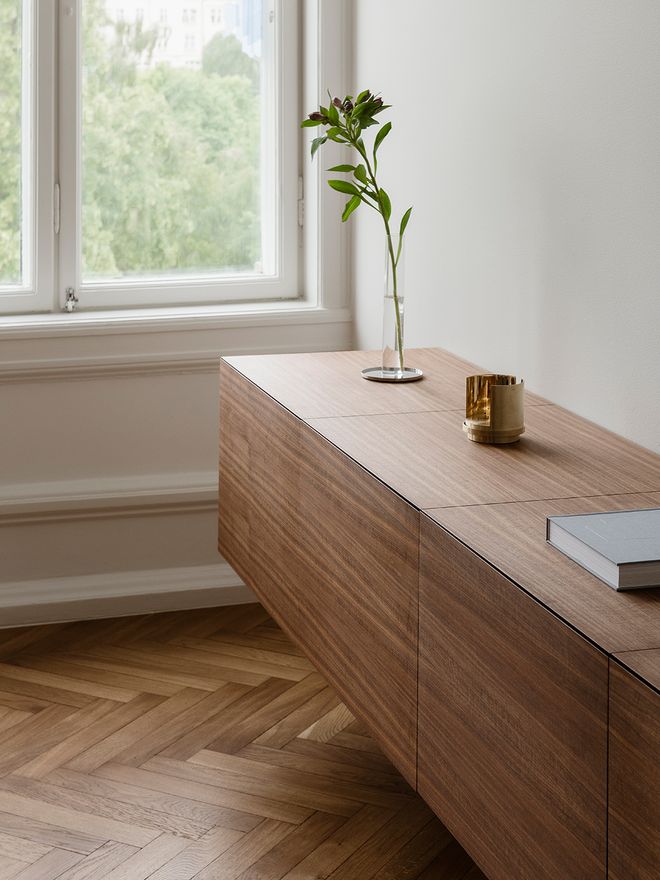
The brass Holocene No. 2 oil lamp was designed by David Chipperfield.
IN HIS OWN collection of lamps, Wästberg chose to focus on the atmosphere of light and the real needs of users. He strives to create lamps that balance both physical and emotional qualities.
“When we develop a new lamp, we always start with a clear and relevant purpose. How can we provide a holistic and relevant solution to a contemporary lighting problem, addressing both measurable and immeasurable values?” Wästberg reflects.
“The design process is all about achieving the best possible holistic result for the product, without taking shortcuts.”
Magnus Wästberg emphasizes the importance of close collaboration with designers throughout the entire development process. Early on, discussions play a crucial role in shaping the design.
“In the beginning, we focus solely on light. At that stage, we don’t think about the shape of the object, technical solutions, or those kinds of details. They usually emerge naturally during the process. It’s about achieving the best possible holistic result for the product, without taking shortcuts,” Wästberg explains.
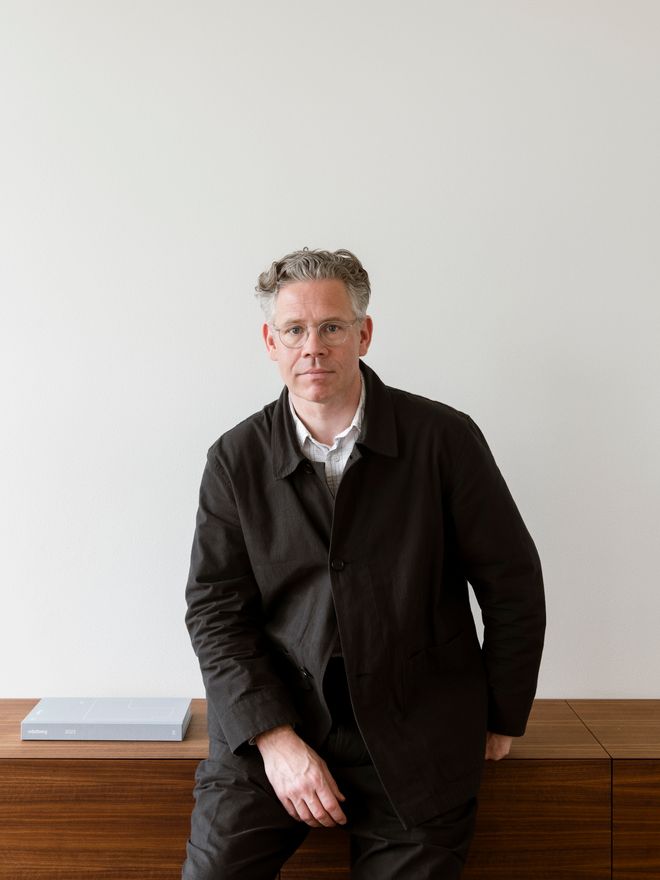
According to Wästberg, lighting should enhance well-being by creating suitable conditions both for social interaction and for retreating into solitude, fostering thought and creativity.
The finished lamps embody the qualities that Magnus Wästberg believes have been missing in modern lighting. Lamps in the Wästberg collection can be directed, adjusted, and dimmed – all wrapped in a sleek, minimalist design. The light is scaled to suit human needs.
See also:
Text: Anna-Kaisa Huusko Images: Niclas Mäkelä
Published on 13 Jan, 2025