Shaping the future of light – Alessandro Sarfatti on Astep’s vision and heritage
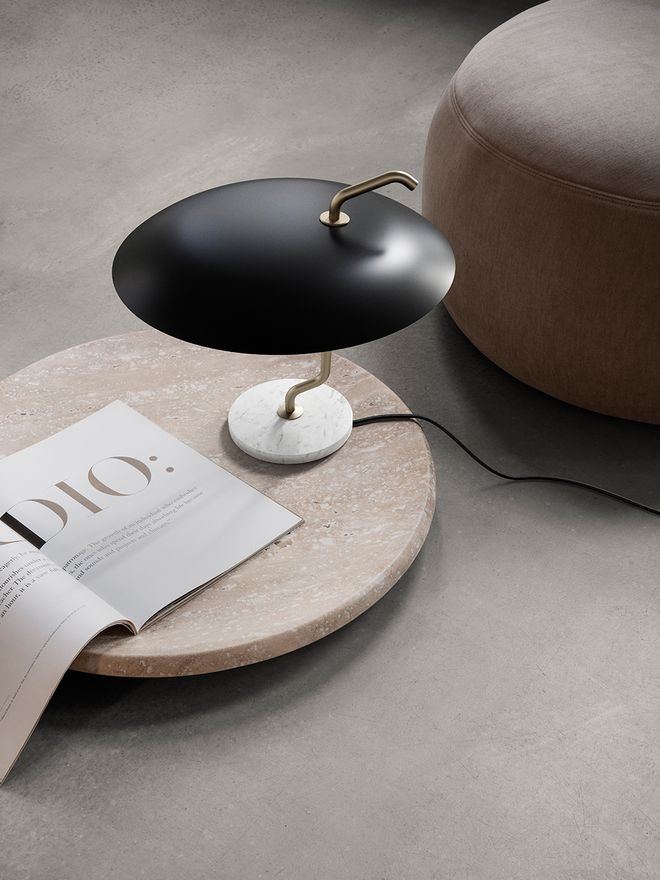
Astep's Model 537 table lamp is designer Gino Sarfatti's masterpiece from 1950.
WHEN ALESSANDRO SARFATTI founded the lighting design company Astep, he felt a certain pressure.
“Our first product was the Candela lamp, which is extremely complex – almost like a research project – though highly innovative. I wouldn’t have felt comfortable entering the market with just a shade and a lamp holder,” Sarfatti laughs.
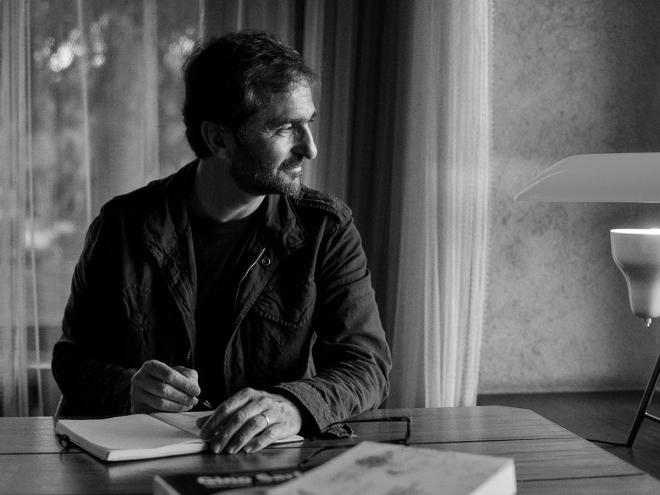
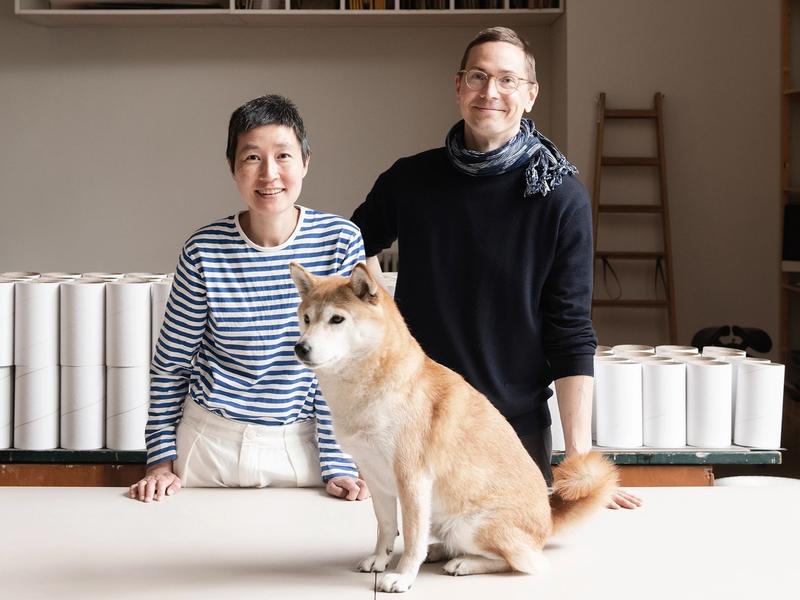
Alessandro Sarfatti founded Astep in Copenhagen in 2014.
That pressure stemmed from the legacy of his grandfather, Gino Sarfatti, and his father, Riccardo Sarfatti, both of whom founded highly respected lighting companies. Gino established the legendary Arteluce in 1939, while Riccardo launched Luceplan in 1978 – both of which have since been sold to new owners. Sarfatti says the weight of expectations eased once he realized that his grandfather’s, father’s, and his own company each represent their own era.
“My grandfather Gino focused on artisanal lighting. My father, on the other hand, had a more industrial approach and sought to make design more accessible beyond the realm of luxury. I believe that in my time, the key is to act with integrity – to take responsibility for what we do. What connects us is that I want to continue my father’s and grandfather’s ability to create timeless lighting.”
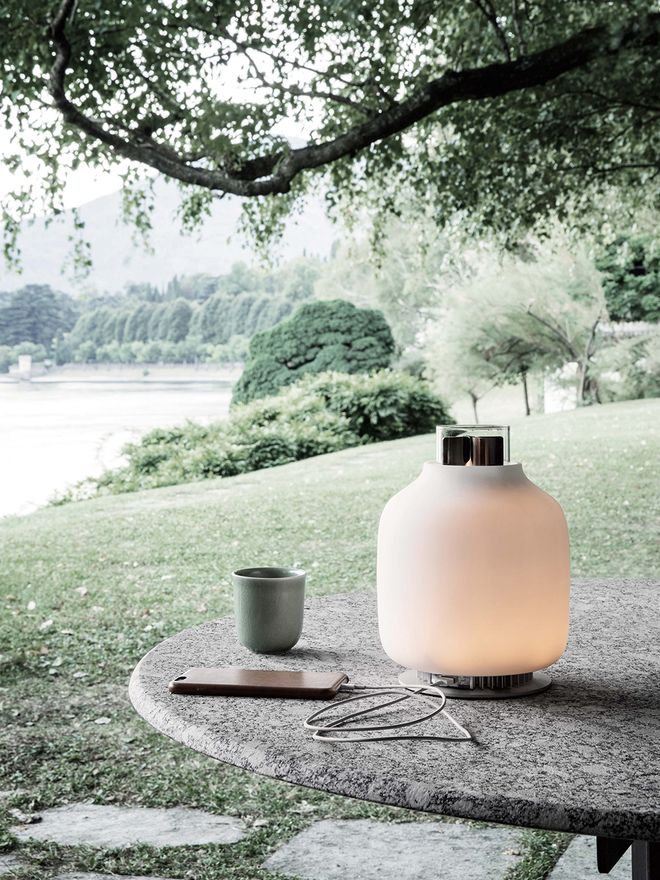
The innovative and ambitious Candela lamp was the first product launched under the Astep brand.
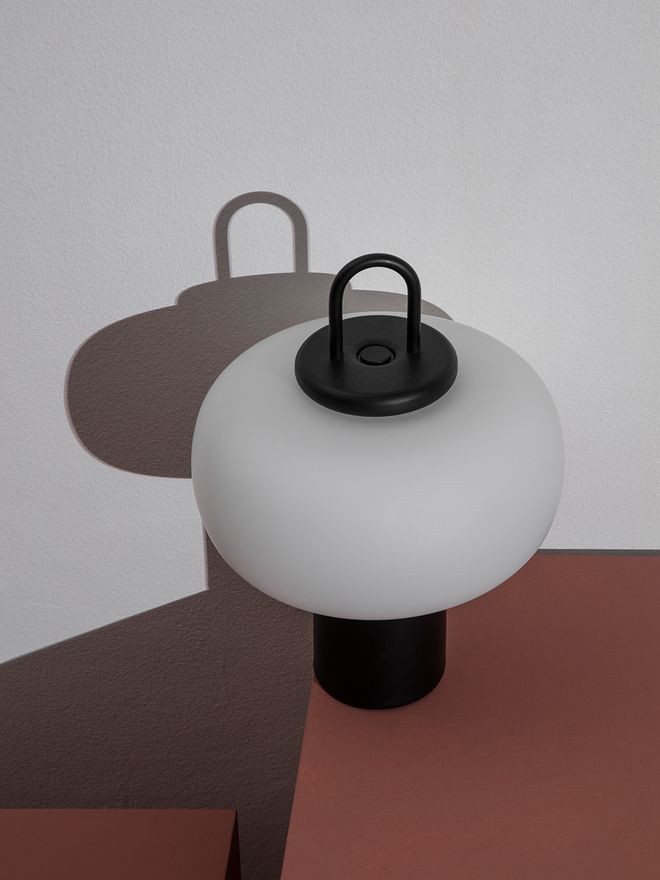
Designed by Alfredo Häberli, the portable Nox table lamp is a wireless light source that brings warmth and character to both indoor and outdoor spaces.
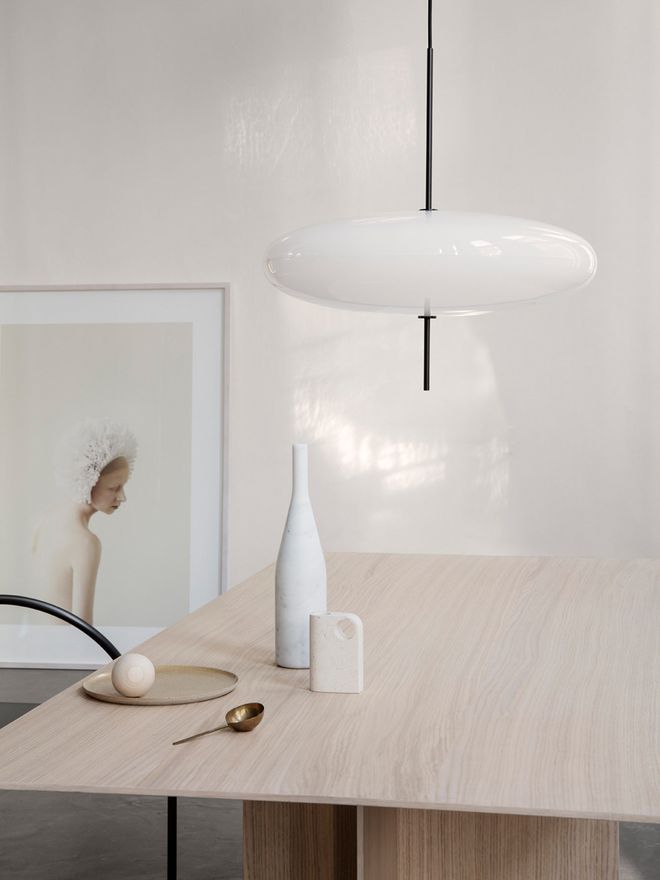
Designed by Gino Sarfatti in 1950 and made in Italy, the Model 2065 pendant light is a minimalist masterpiece.
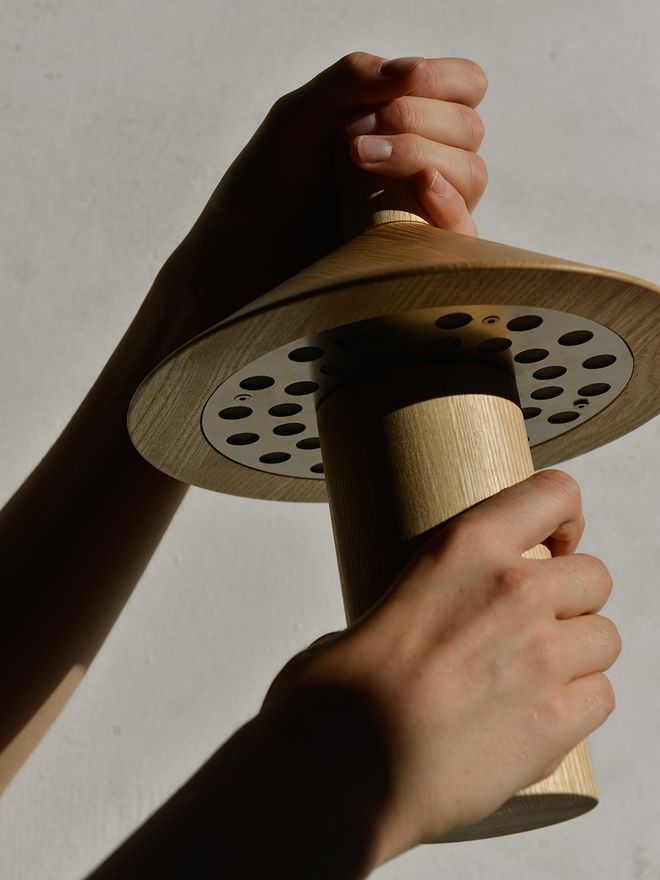
The Pepa table lamp was designed in ash wood, as there were very few portable wooden lamps on the market. It also features a unique magnetic dimming system, which is currently patent-pending.
The three guiding principles
Alessandro Sarfatti is originally from Italy, but Astep, founded in 2014, is a Danish company.
“The reason is a woman – and she’s Danish,” Sarfatti laughs, referring to his wife, whom he met when they were both working at Luceplan, the company founded by his father. “It’s interesting to bring together Italian lighting heritage and Danish business thinking within the company.”
At the core of Astep’s operations are three guiding principles: technology, good design, and responsibility. Sarfatti sees technology as a driver of innovation, while design is about framing the light source in the most functional and essential way possible. Astep’s collection merges the Sarfatti legacy – such as the lamps designed by his grandfather – with contemporary pieces by designers like Samuel Wilkinson and Alfredo Häberli. The collection also includes lighting by architects Vittoriano Viganò and Franco Albini, who collaborated with Gino Sarfatti in the 1950s and 1960s.
“It’s interesting to bring together Italian lighting heritage and Danish business thinking within the company.”
When discussing responsibility, Sarfatti prefers the word integrity – the commitment to following through on one’s words. This principle is clearly close to his heart and central to Astep’s operations. The company holds the demanding B Corp certification, which evaluates a business’s social and environmental responsibility. It takes a holistic approach to measuring a company’s positive impact across different areas, with the core idea of using business as a force for good as it grows and succeeds.
“I was an idealist when I was young. I wanted to change the world. Eventually, I realized that doing my work with quality, ethics, and the best possible intentions is, in a way, a form of changing the world. That’s why I wanted Astep to become a Benefit Corporation. I truly believe in this movement, as I like to call it. It’s a new and different way of running a business and positioning it within a capitalist world. It gives meaning to all of this.”
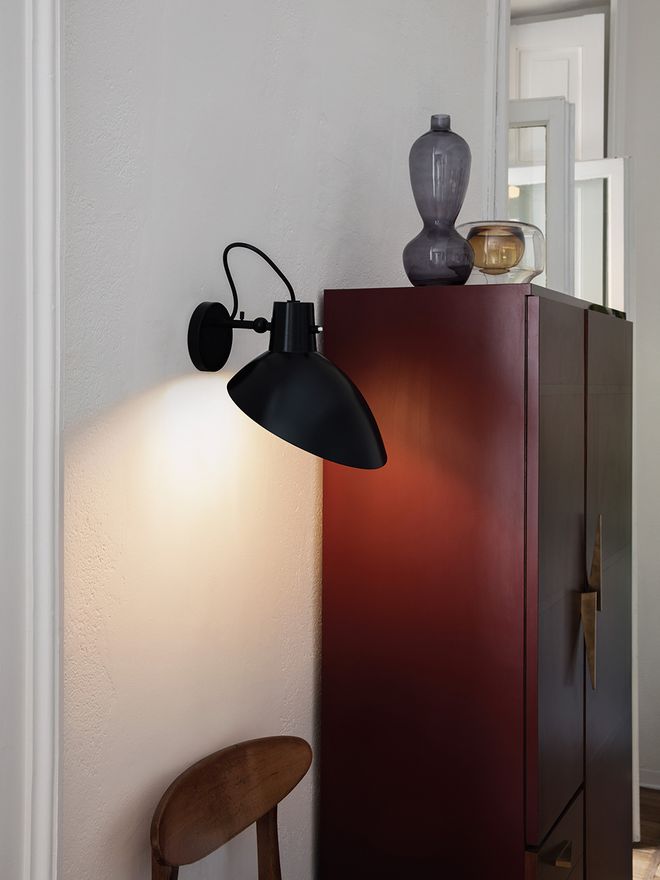
Designed by Vittoriano Viganò in 1951, the VV Cinquanta wall lamp features a sleek arm and a black aluminum shade that swivels and tilts, allowing light to be directed precisely where it’s needed.
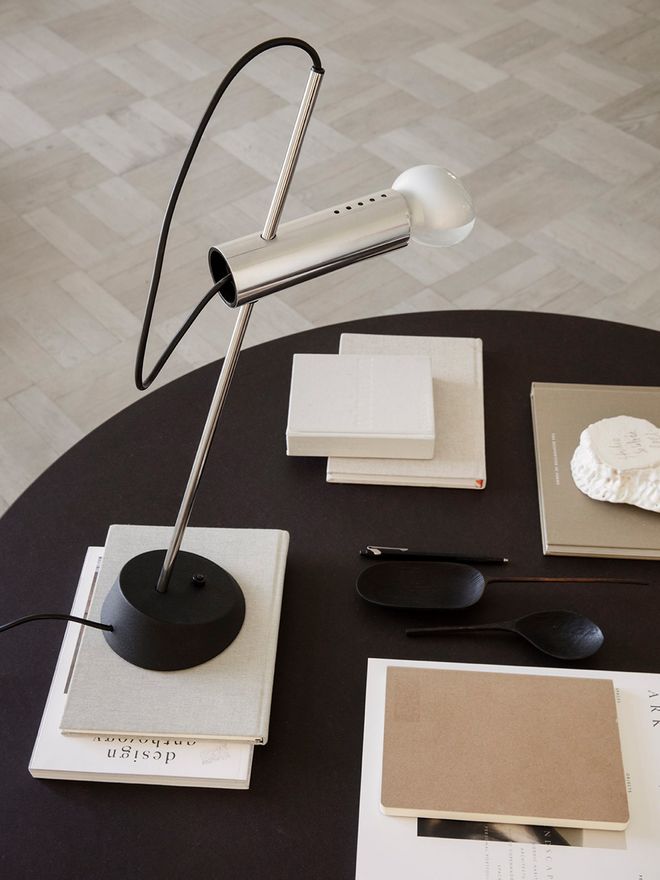
The Model 566 table lamp embodies the legendary lighting designer Gino Sarfatti’s signature straightforward style in its purest form.
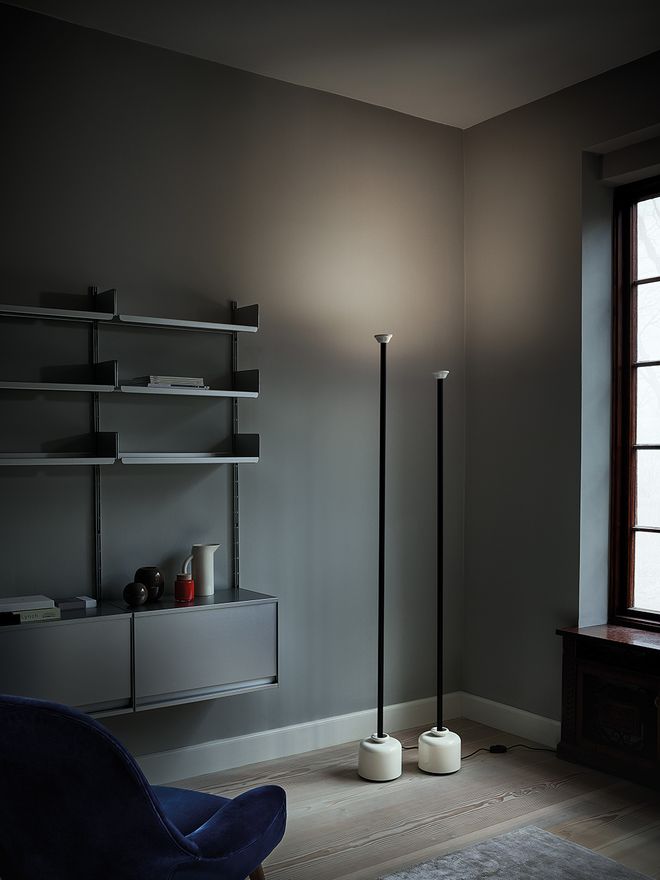
Originally designed by Gino Sarfatti in 1968, the Model 1095 floor lamp has been updated to suit contemporary lighting needs.
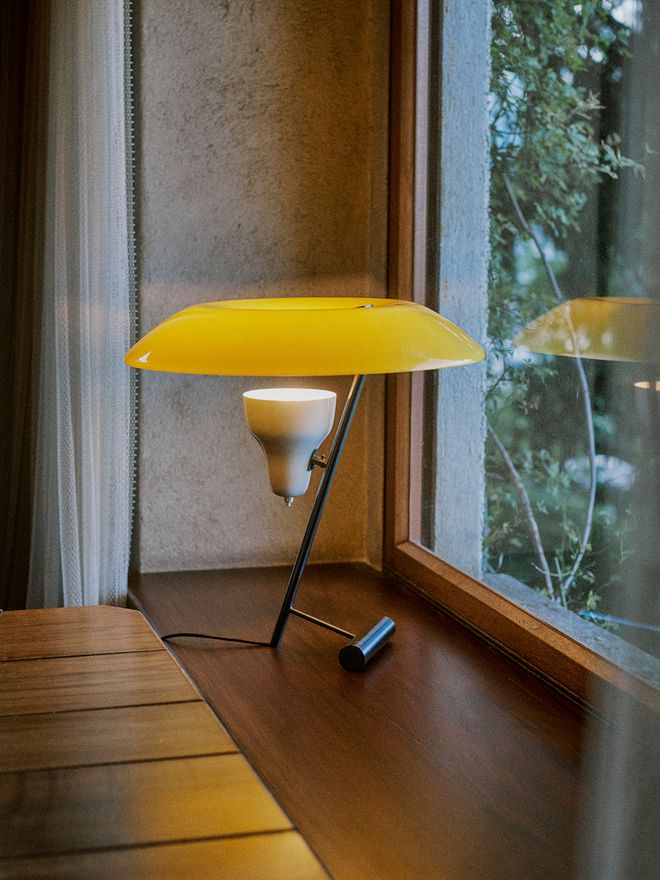
The Model 548 table lamp has been manufactured in Italy from top-quality materials.
One step at a time
It is remarkable that the Sarfatti family has seen three generations, each founding a new lighting design company rather than passing down a single business from one generation to the next. Alessandro Sarfatti believes that each of these companies has had its own distinct characteristics and that all have been meaningful in their respective eras.
“I see Astep evolving like a process of evolution,” Sarfatti reflects. “Both my grandfather and my father contributed to the lighting industry and business of their time, each taking a step forward. My hope is that ten or twenty years from now, Astep will also have taken steps forward in some way. That’s really what drives me.”
See also:
• More Astep designs at Finnish Design Shop >
Text: Katri Keihäri Images: Astep
Published on 31 Jan, 2025