Functionalist Hotel Vaakuna from the 1950s is filled with original lamps by Paavo Tynell
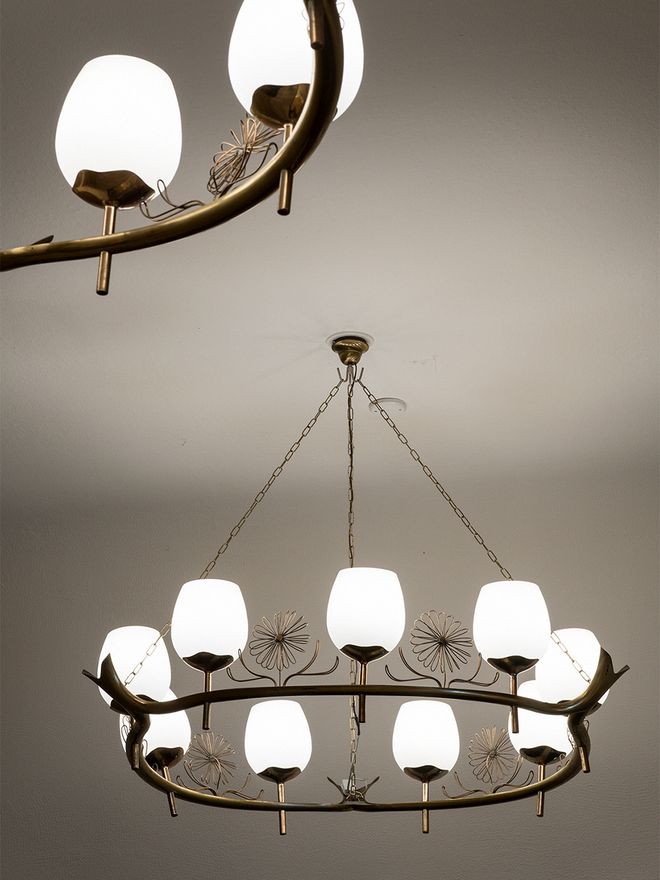
Hotel Vaakuna’s chandeliers are a great example of Paavo Tynell's style, in which romantic influences meet motifs from nature.
THE SOKOS BUILDING, lying between the Helsinki Railway Station and Restaurant Lasipalatsi, is one of the landmarks of downtown Helsinki. The first five floors house the Sokos department store, while the five top floors make up the Vaakuna hotel, part of the Sokos Hotel chain. The famous hotel restaurant and roof terrace are located on the top floor.
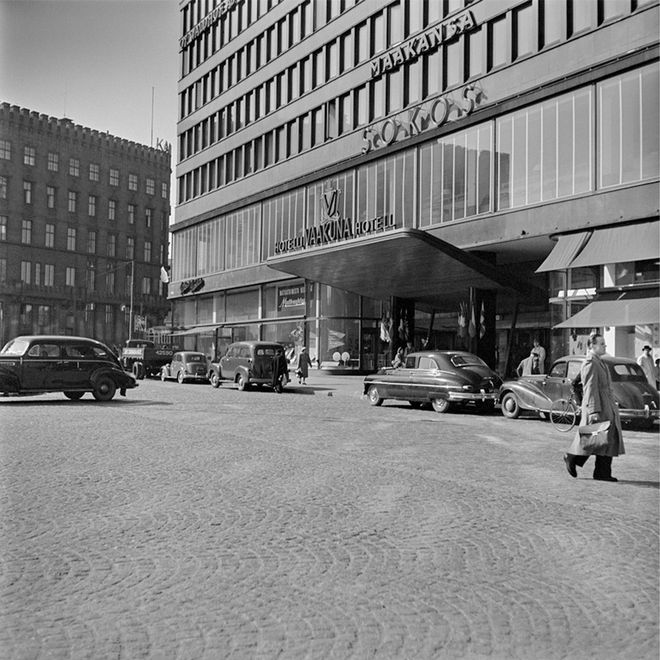
The entrance of Hotel Vaakuna in the opening year 1952. Image: Börje Dilén / Helsinki City Museum.
Designed by architect Erkki Huttunen, the Sokos building was supposed to be completed already for the 1940 Olympics, but due to the war, both the Olympics and the official opening ceremony were postponed until 1952. At the time of its completion, Vaakuna was the largest hotel in the Nordic countries, accommodating both Olympic visitors and members of the press from around the world.
Besides being responsible for the architecture, Erkki Huttunen was largely in charge of the furniture and even small interior decoration solutions. In addition, interior architect Runar Engblom contributed to the furniture design. When it came to lighting, designer Paavo Tynell was given completely free rein.
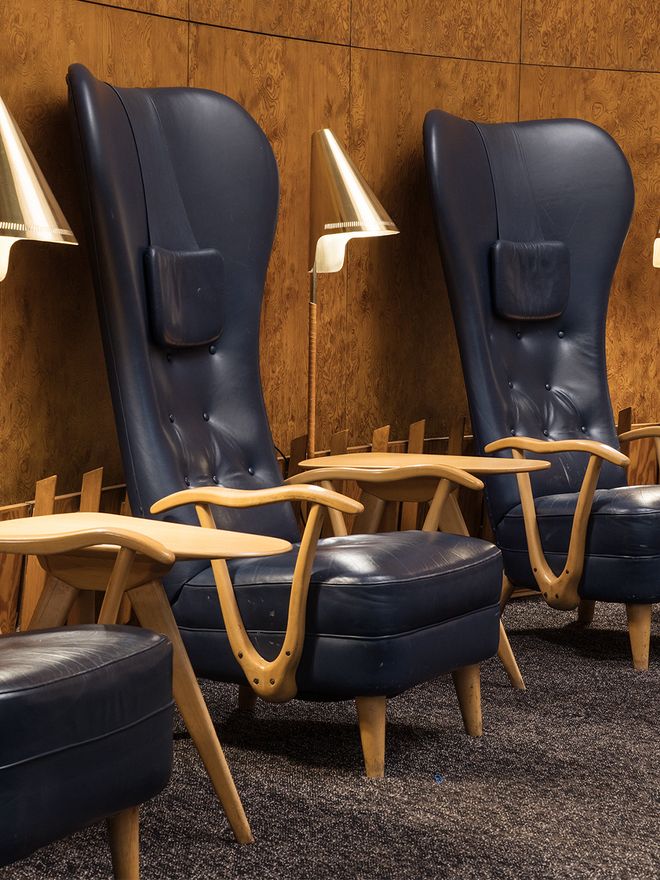
The high-back armchairs in the birch-paneled entrance hall are the work of interior architect Runar Engblom, and the brass floor lamps are by Paavo Tynell.
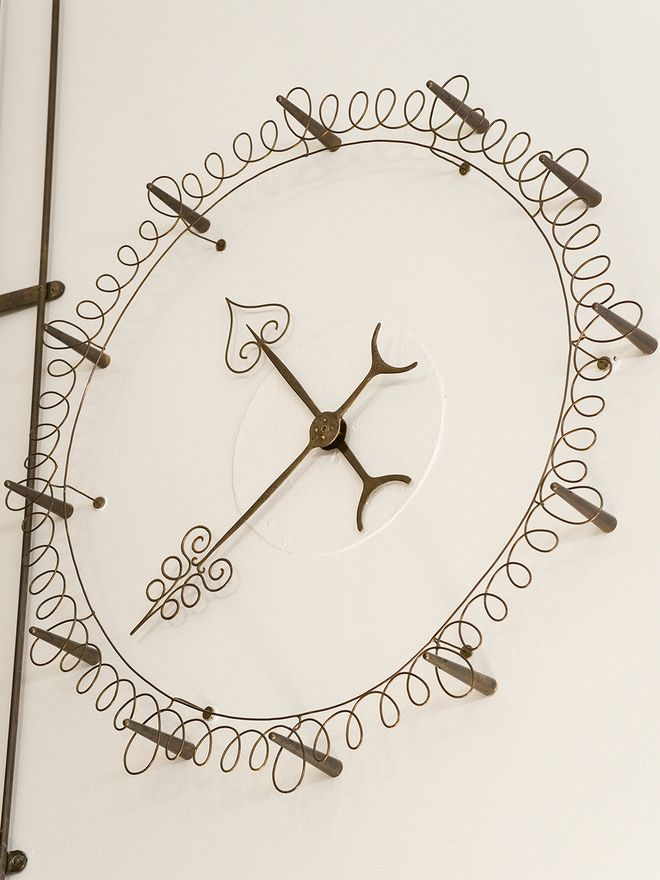
The interior’s airy, ornamental style also extends to smaller details, such as this wall clock.
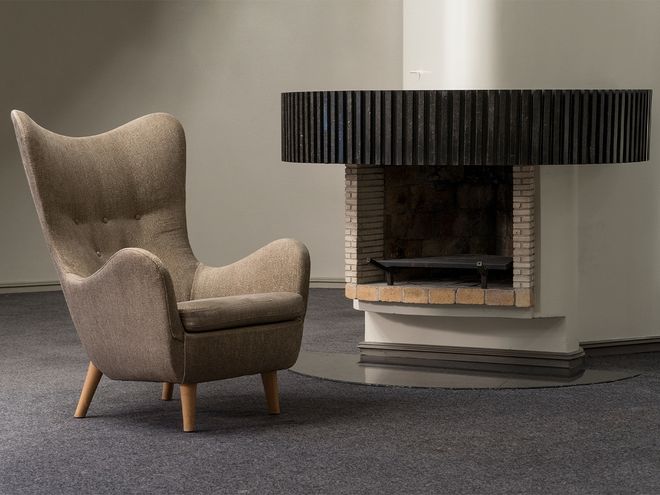
The clean lines typical of Nordic functionalism are visible in the fireplace at the upper floor lobby. The armchair is by Runar Engblom.
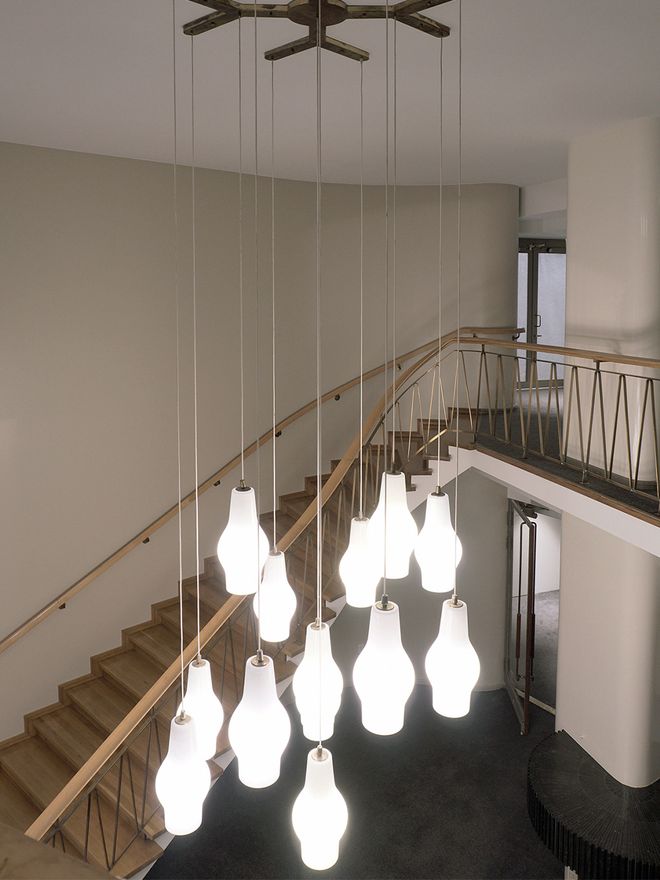
The top-floor lobby houses Tynell’s glass lamps attached to a snowflake pattern.
Functionalism and romanticism
In his time, Paavo Tynell was one of the most sought-after Finnish lighting designers for public spaces, and today his lamps fetch record sums at auctions. Hotel Vaakuna is one of the most important jobs he was commissioned to do, and also an exceptionally well-preserved example of his original interior decoration solutions.
The curved forms of the Sokos building and its clear, minimalistic aesthetics create a prime example of the Finnish functionalist architecture of its time. The interior, however, surprises with its abundant, romantic tones.
“The building’s general impression is functionalistic, but the interior is full of sensually romantic details typical of the reconstruction period. Tynell’s ornamental brass lamps were designed specifically for this hotel,” says publisher and antique dealer Ville Linna, well acquainted with Tynell’s work.
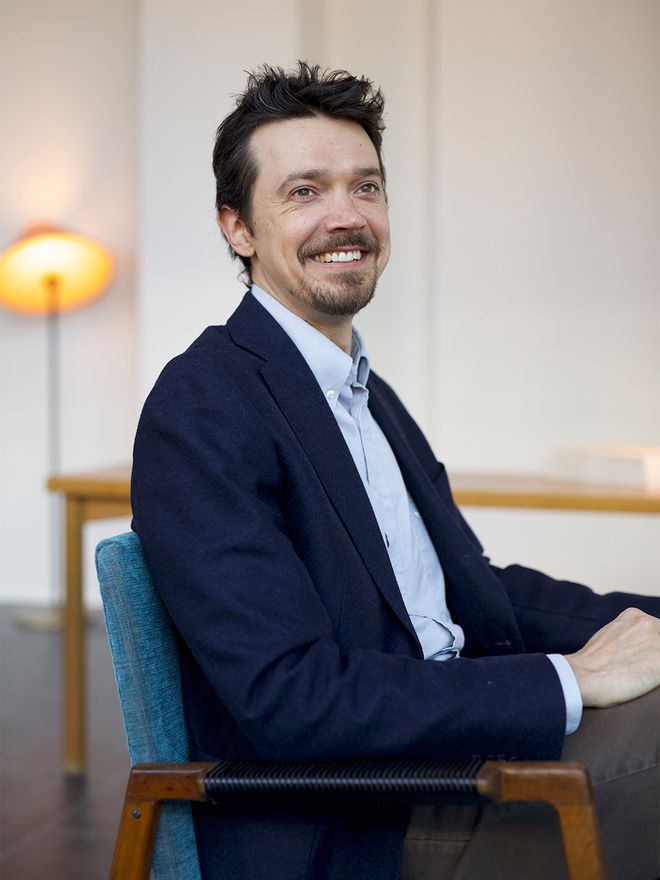
In his book Chasing Light: The Archival Photographs and Drawings of Paavo Tynell, Ville Linna provides a comprehensive overview of Paavo Tynell’s work.
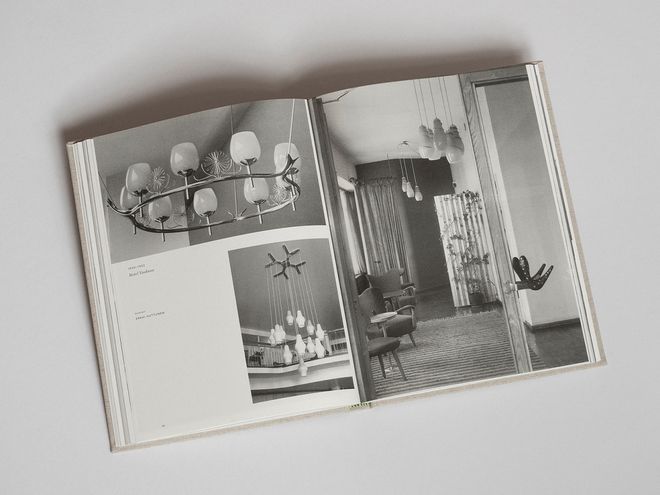
Hotel Vaakuna is one of the sites featured in Chasing Light. The book was awarded as the Most Beautiful Book of the Year 2020 by the Finnish Book Art Committee.
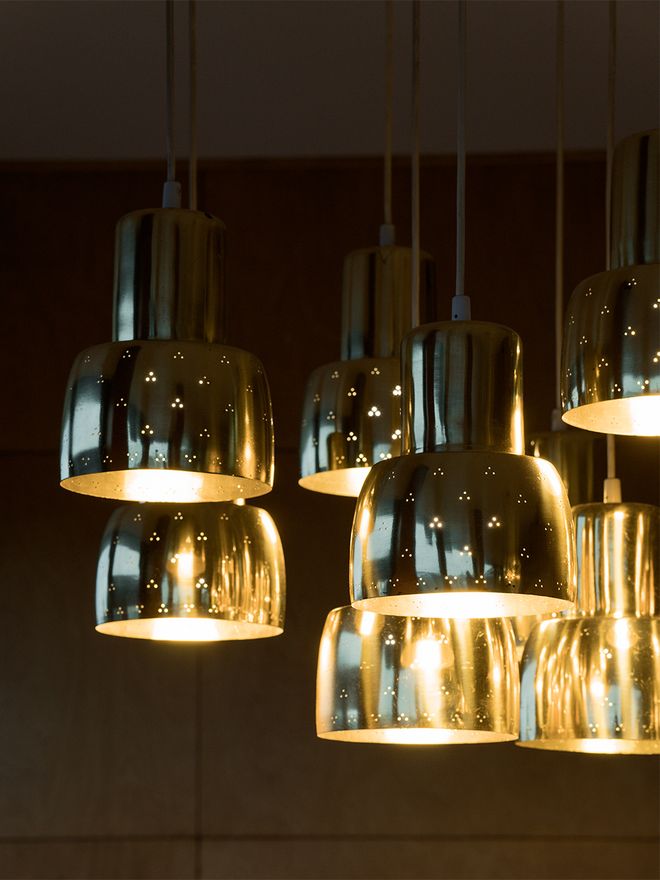
This brass chandelier has a perforated pattern very characteristic of Tynell.
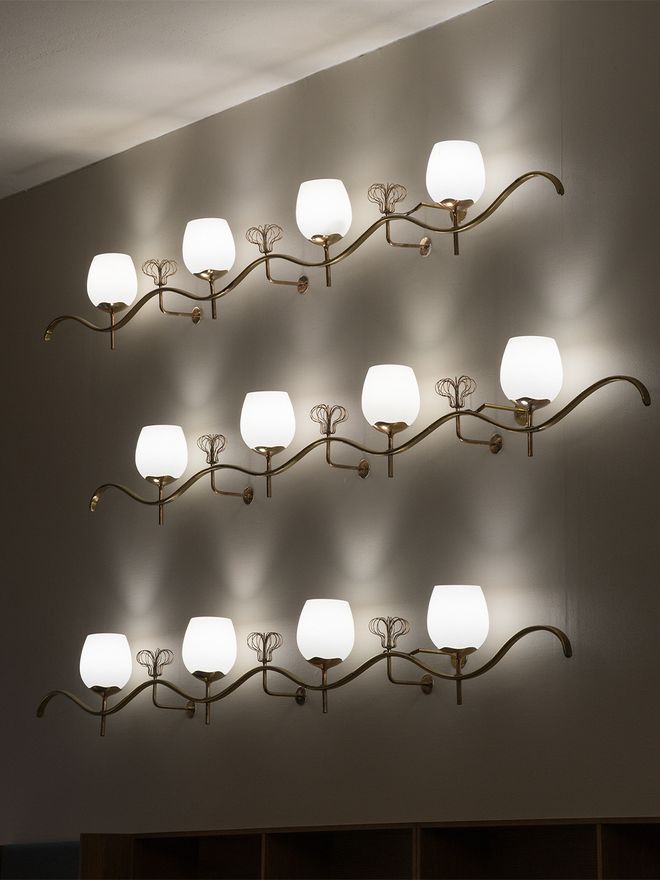
The ornamental theme of the chandeliers is also repeated in the wall lamps of the hotel lobby.
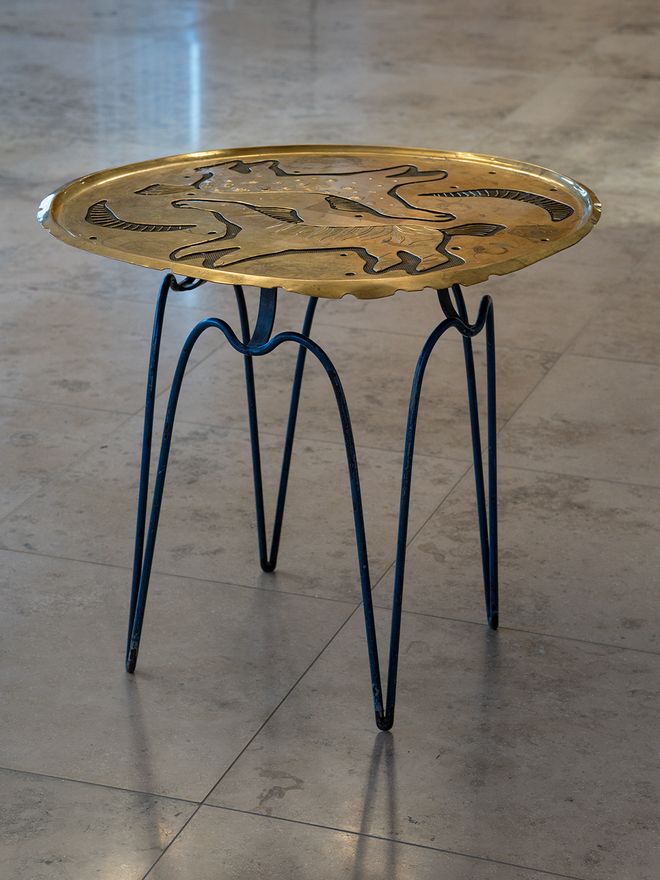
The small brass tables with animal-themed decorations were designed by Helena Tynell.
The original lamps in Vaakuna were made in the renowned industrial art company Oy Taito Ab, of which Tynell was a co-founder. The lamps represent an ornamental style with nature motifs, typical for Tynell’s production, especially in the 1940s. You can also find small animal-themed tables designed by his wife, Helena Tynell.
Vaakuna’s new glory
Standing at a prime location in downtown Helsinki, Hotel Vaakuna has accommodated a range of celebrities and dignitaries, such as US Secretary of State Henry Kissinger and Indian Prime Minister Jawaharlal Nehru. At the street-level shopping windows, fashion shows used to be organized for many years, often jamming up Helsinki's main street running past it.
Over the last few years, the almost 70-year-old hotel has been restored to new splendor in cooperation with the Finnish Heritage Agency. The restoration of the hotel rooms was completed in 2019. The aim was to preserve the 1950s spirit and the original designer furniture and lamps.
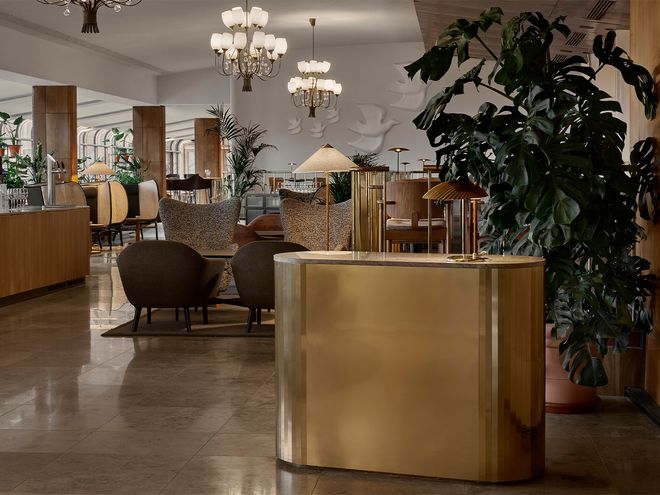
This glorious setting welcomes visitors to the restaurant 10. Kerros on the top floor. The interior of the restaurant was updated by interior design office Fyra.
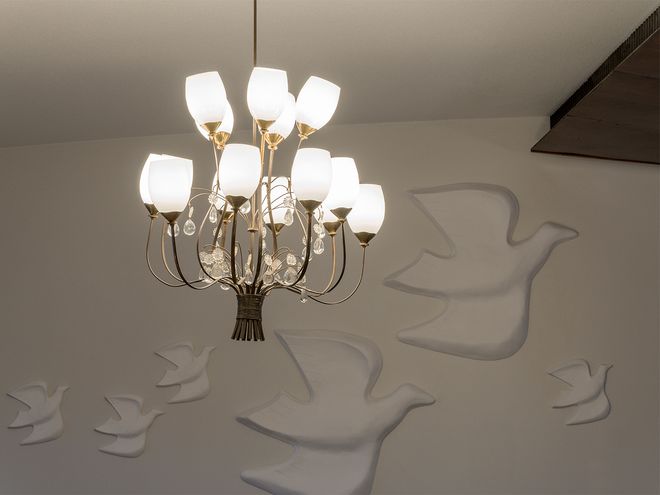
In addition to Tynell’s chandeliers, the restaurant is decorated with doves of peace by artist Gunnar Finn.
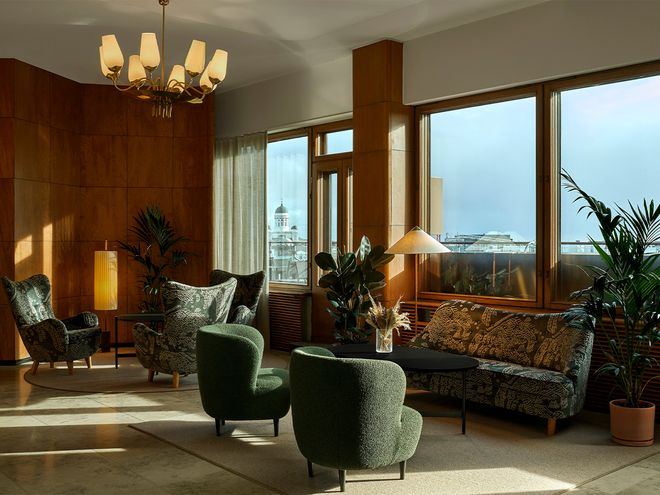
The lobby and rooftop terrace of the restaurant 10. Kerros offer magnificent views of the Helsinki city center.
The work also involved the reupholstery of 242 armchairs, and each of the hotel’s 340 rooms was adorned with a plaster relief of the peace doves of the lobby. New furniture was selected to fit in with the 1950s atmosphere.
“Today, Tynell’s original lamps can still be seen in the lobby and upstairs restaurant. There is still remarkably much left of this historically significant interior,” says Ville Linna.
Anyone interested in Tynell’s original work should definitely visit the hotel or the top-floor restaurant, and thanks to the renovation, his gorgeous lamps shine in Hotel Vaakuna even more brightly than before.
Original Sokos Hotel Vaakuna, Asema-Aukio 2, Helsinki
See also:
• Chasing Light: Archival Photographs and Drawings of Paavo Tynell >
• Lamps by Paavo Tynell >
• Paavo Tynell’s lamps can be found in surprising places – take a look at these 3 stunning sites >
Text: Nora Uotila Images: Jaana Maijala, Juuso Noronkoski, Sokos Hotels
Published on 9 Apr, 2021