Villa Skeppet: Alvar Aalto’s last private home is monumental yet intimate
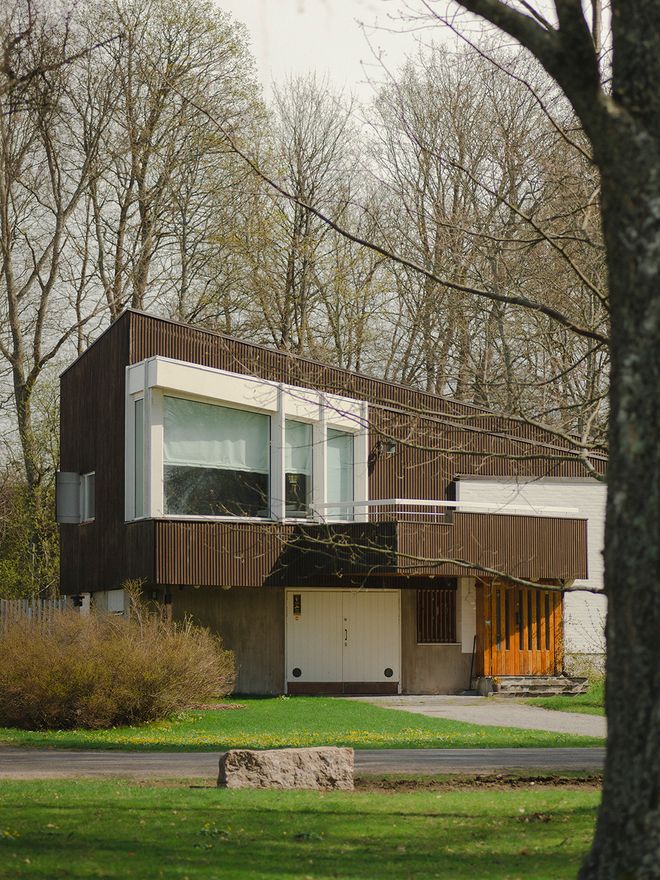
Alvar Aalto placed Villa Skeppet’s living room above the garage and gave the house a sloping roofline, allowing the building to rise above its surroundings as a landmark with a striking, stately silhouette.
What: Villa Skeppet
Located in Ekenäs, Western Uusimaa, Finland; served as the home of Göran and Christine Schildt
Completed in 1970, Villa Skeppet was the last private home designed by Alvar Aalto
Villa Skeppet has operated as a home museum since 2020
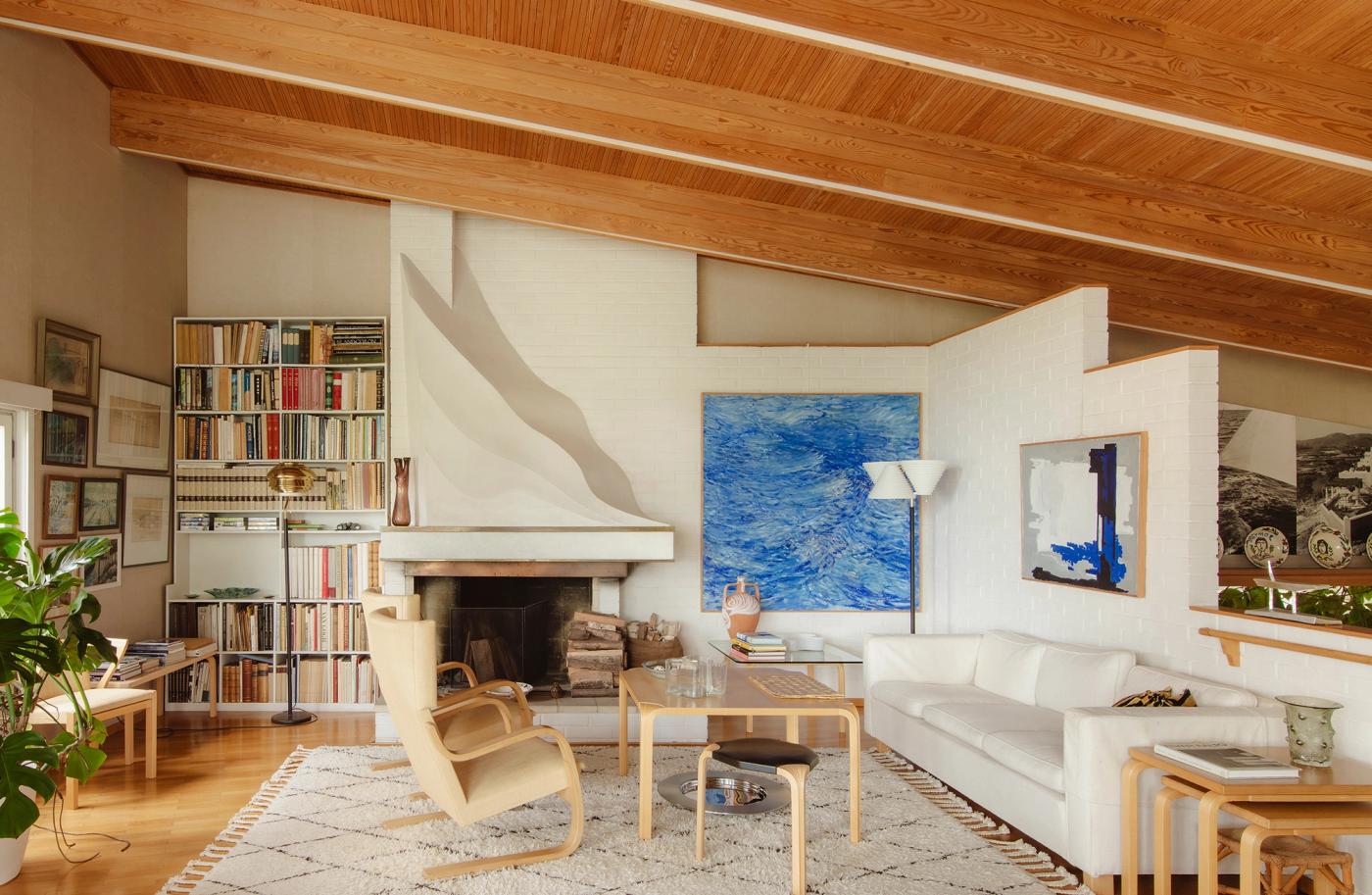
The living room is the house’s most striking space, positioned above the other rooms on the upper floor.
THE STORY OF Villa Skeppet begins in the 1960s. At the time, writer Göran Schildt (1917–2009) and his wife, Christine Schildt, were living between two countries: they spent their autumns and springs in Greece, in an old villa they had acquired on the island of Leros, while summers and winters brought them back to their native Finland.
In the late 1960s, the couple had to give up their home in Finland and began looking for a new base. It was then that Göran Schildt’s good friend, architect Alvar Aalto (1898–1976), offered to design a house for them.
“You spend too much time abroad. I’ll build you a house that will make you stay here in Finland,” Aalto explained.
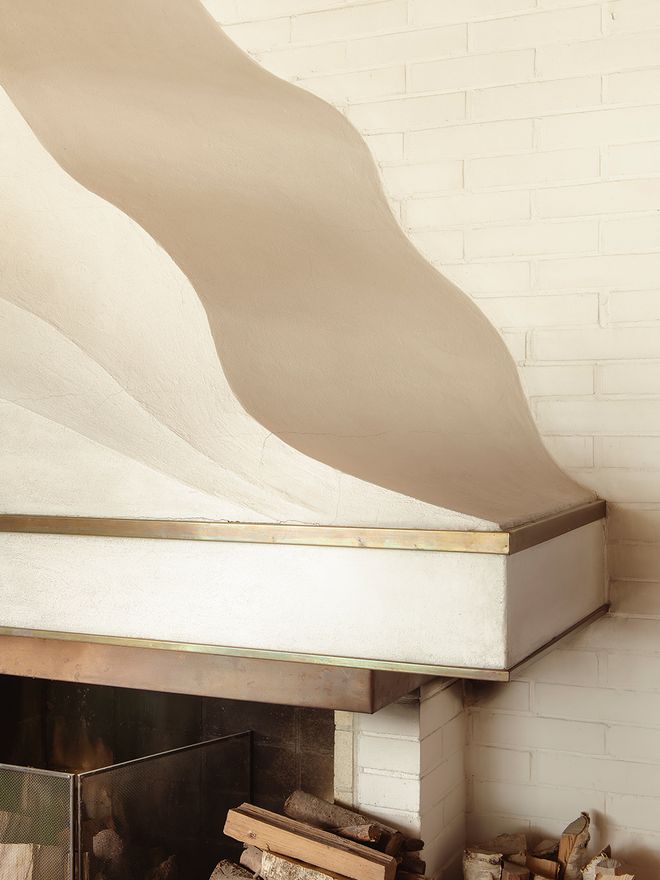
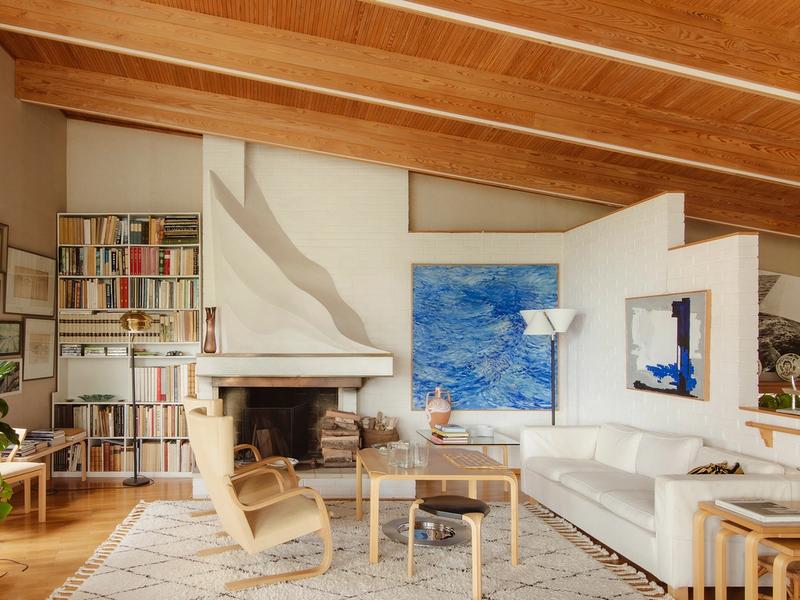
The focal point of the living room is a fireplace reminiscent of ocean waves. During the final stages of construction, Aalto himself picked up a trowel to complete the fireplace’s beautifully sculpted form.
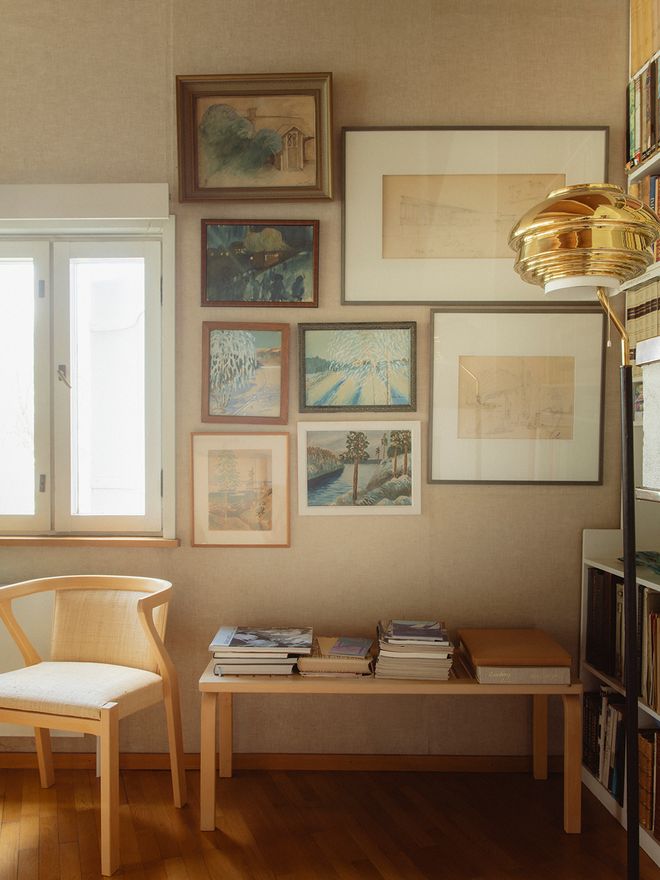
Displayed on the living room wall are artworks painted by Alvar Aalto between 1913 and 1917, during his youth. On the right is Artek’s A808 floor lamp with a brass shade.
Villa Skeppet is both grand in character and warmly intimate. It is a home where Alvar Aalto’s expressive architecture met the everyday life of its residents.
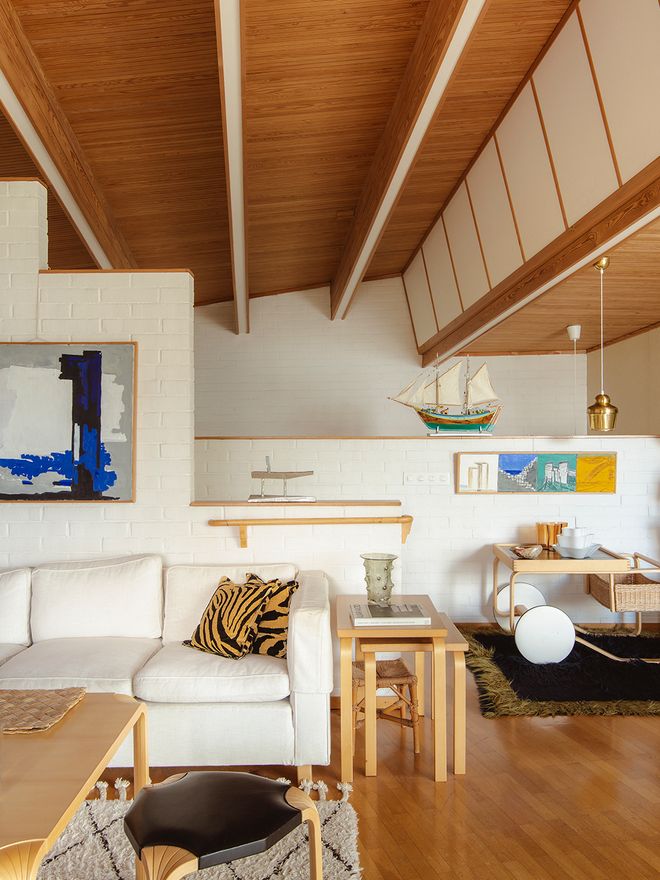
The living room opens directly onto the entrance hall, separated by a brick wall and railing that gradually rise in height. Above the sofa hangs an untitled painting by Alvar Aalto from 1962.
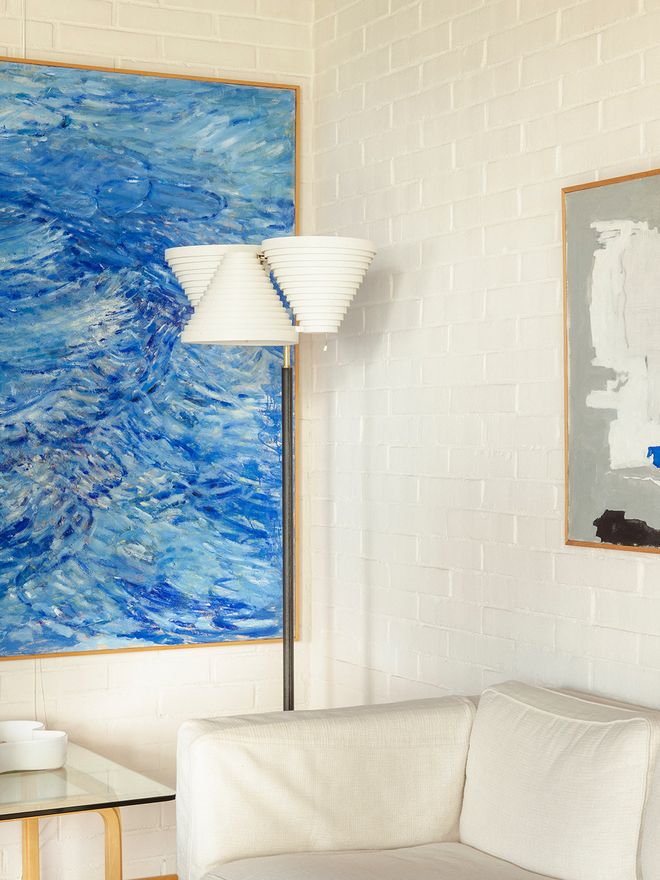
The seascape painting was created by the couple’s close friend, Italian painter Roberto Sambonet. The A809 floor lamp was originally designed for the Social Insurance Institution of Finland (Kela) building in 1959.
THE SCHILDTS PURCHASED a plot in Ekenäs, just over an hour from Helsinki. The site they found was close to the sea and only half a kilometer from the town center. Located beside a waterfront park, the plot offered a beautiful view of both the sea and the old, idyllic wooden town.
The couple hoped Aalto would design a small detached house suited to a childless couple, with a good workspace for a writer.
Aalto designed a house of around 200 square meters for the site, and it stood out among the neighboring buildings. Its sloping roofline had a sharp angle that seemed to reach toward the sky. To locals, it resembled the bow of a ship, and the house soon came to be called Skeppet – Swedish for “the ship” – a name that gradually became established.
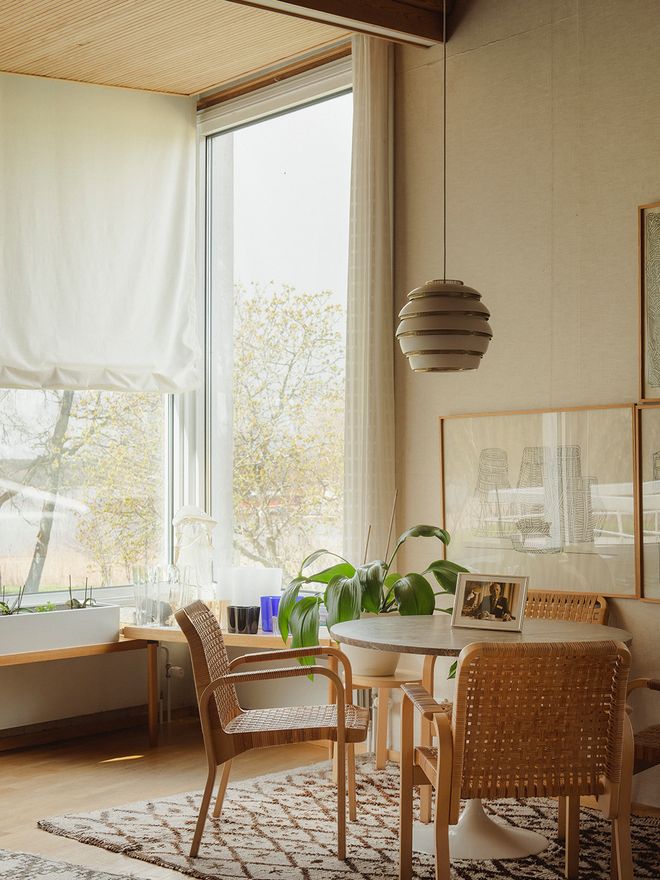
Next to the living room’s large picture window is a dining area. Surrounding the Tulip dining table designed by Eero Saarinen are Aalto’s Model 45 armchairs, while the A331 pendant lamp hangs above the table.
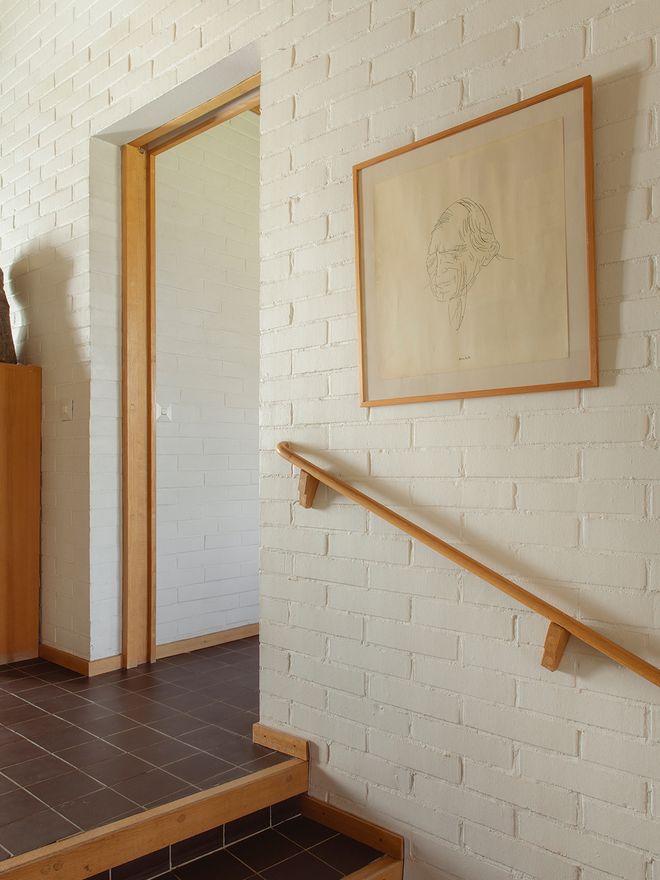
Aalto often liked to design buildings with spaces subtly staggered across different levels. On the wall is a drawing of Alvar Aalto by Roberto Sambonet.
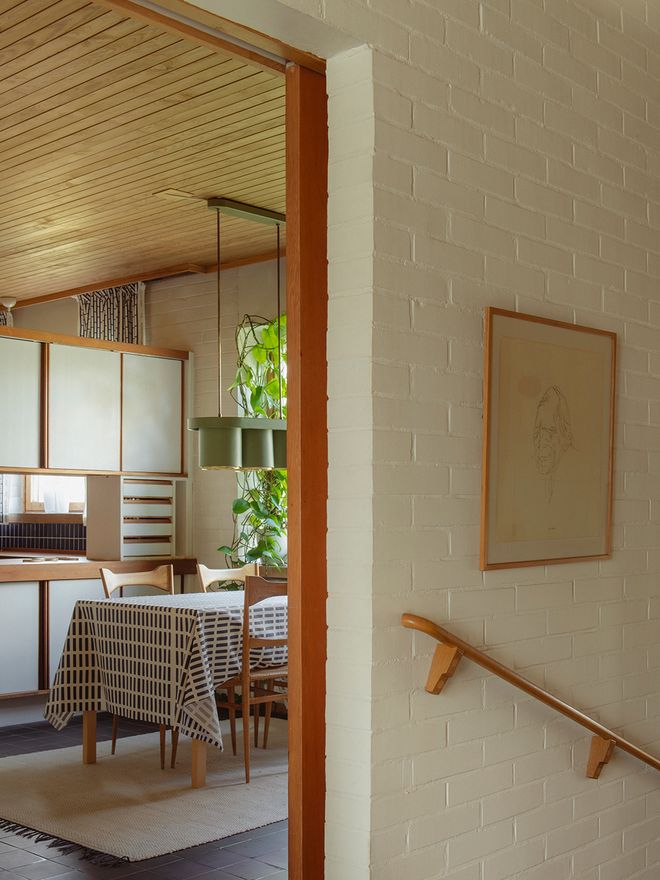
A view from the entrance hall toward the dining area and semi-open kitchen. The kitchen is separated from the hall by a wide wooden sliding door with a subtle touch of Japanese influence.
The house brings together Alvar Aalto’s architecture, the work of a writer, and the Schildts’ love of Mediterranean culture.
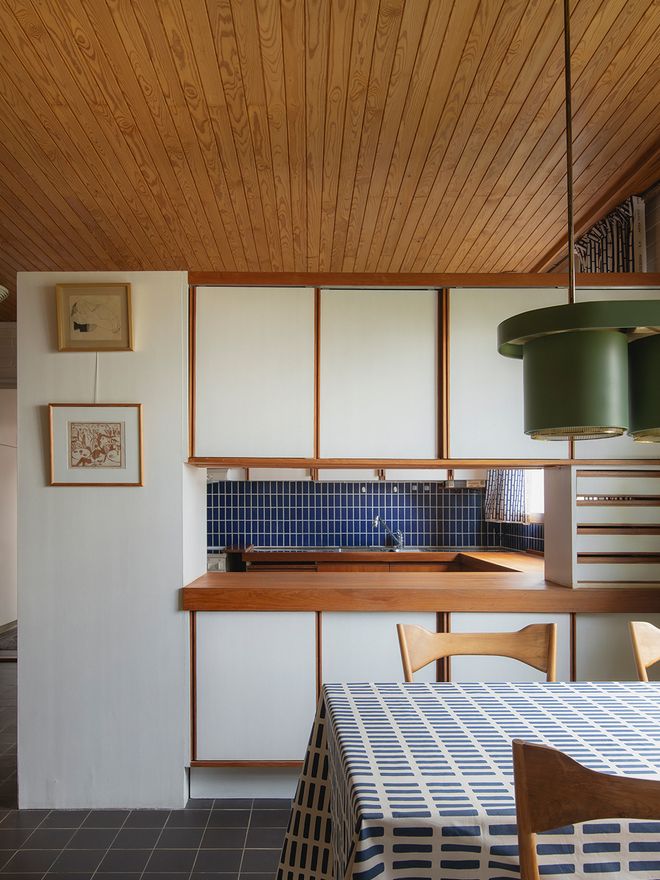
The kitchen is separated from the dining area by a semi-open cabinet structure with storage on both sides. Aino and Alvar Aalto favored this solution in their residential designs as early as the 1930s.
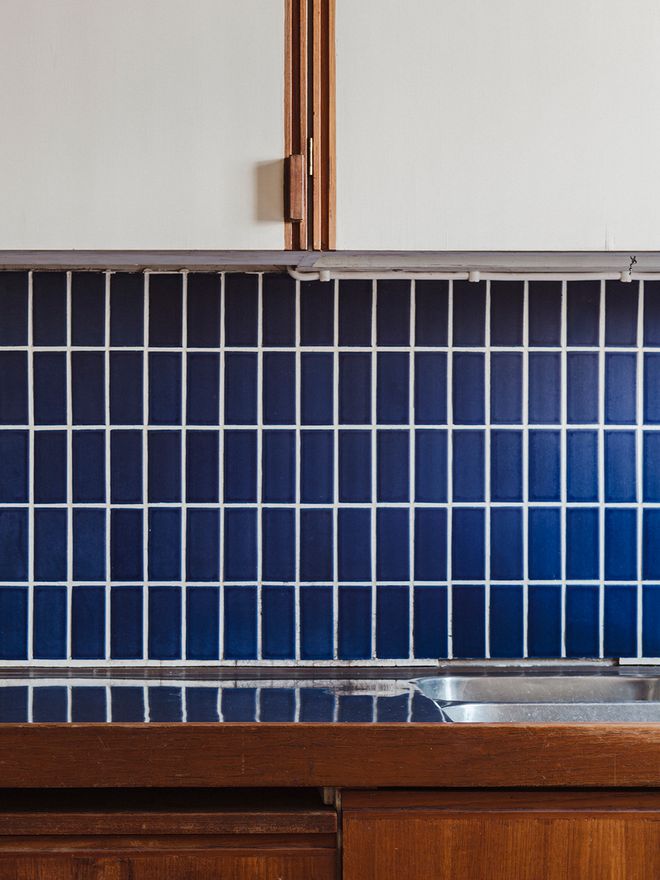
At the residents’ request, the tiles were finished in cobalt blue, a color Aalto often used in his other projects as well. The teak, blue tiles, and white surfaces create a beautiful combination.
AT VILLA SKEPPET, Aalto arranged the living spaces across two floors around an impressive central hall and its staircases. The ground floor housed the more everyday and practical rooms: the bedroom and dressing room, the kitchen and dining area, and, tucked away in a separate wing, a book-filled “writer’s chamber.”
The house’s most striking and spacious room, the living room, was placed ceremoniously one floor above, over the garage. The room’s strong character comes from its impressive wooden ceiling beams and a unique fireplace.
“Nor will we turn your living room into a ridiculous theater stage where you would be forced to perform as actors against your will. If we lift the living room up, above the garage, you can see the passersby, but they cannot see in,” Aalto explained his solution, according to Göran Schildt.
In addition to the main house, the complex included a separate sauna building attached to the side of the house, a storage building bordering the yard, and a free-form water lily pond.
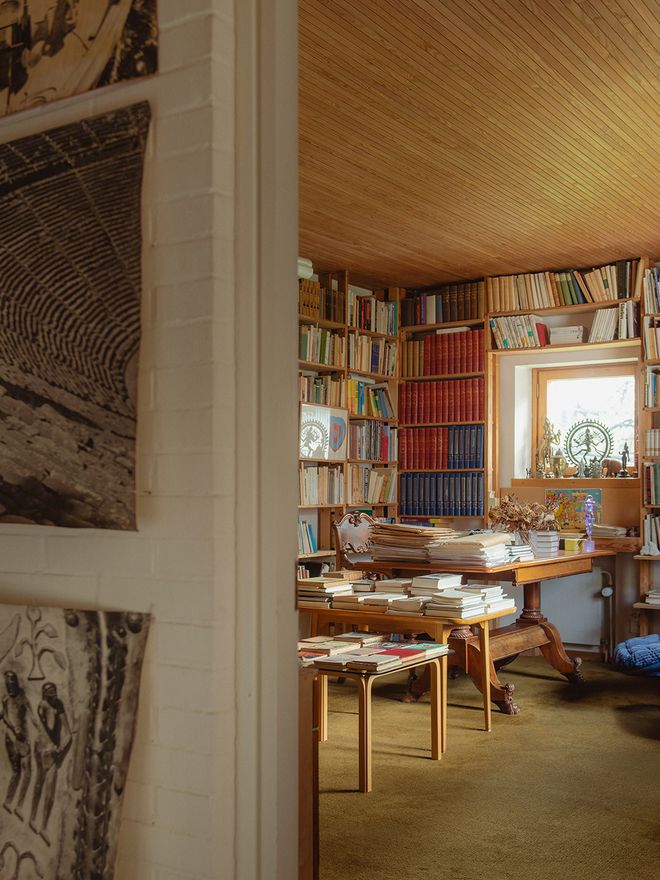
Writer Göran Schildt is best known for his biography of Alvar Aalto as well as his many books about sailing. His study is located in its own wing facing the backyard, with windows overlooking the lush garden.
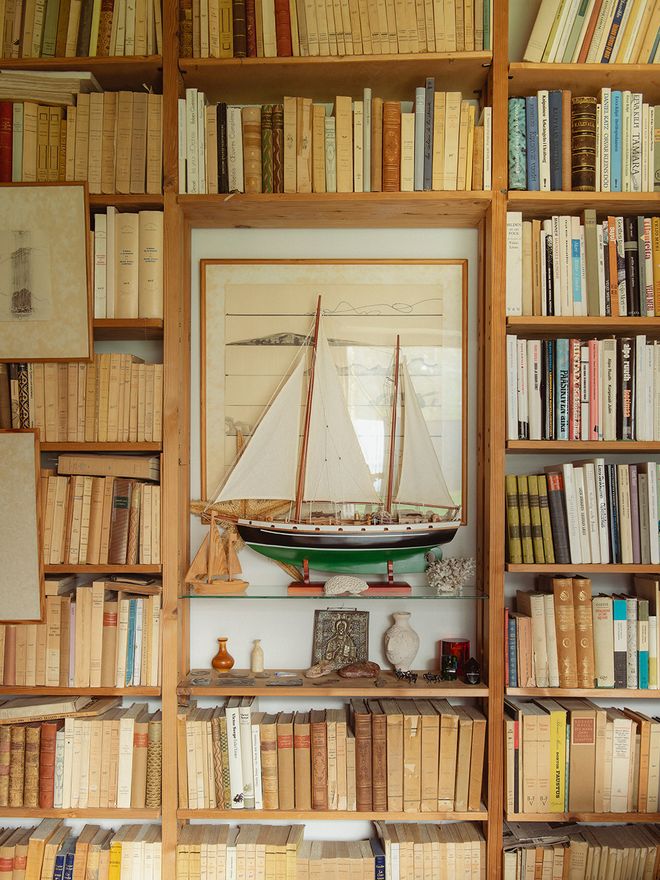
Among the books stands a scale model of the Schildts’ sailboat Daphne, aboard which they made numerous voyages across the Mediterranean. Between 1949 and 1987, Göran Schildt wrote ten books about the sailing journeys made on Daphne.
Alvar Aalto designed the house for his good friend, writer Göran Schildt.
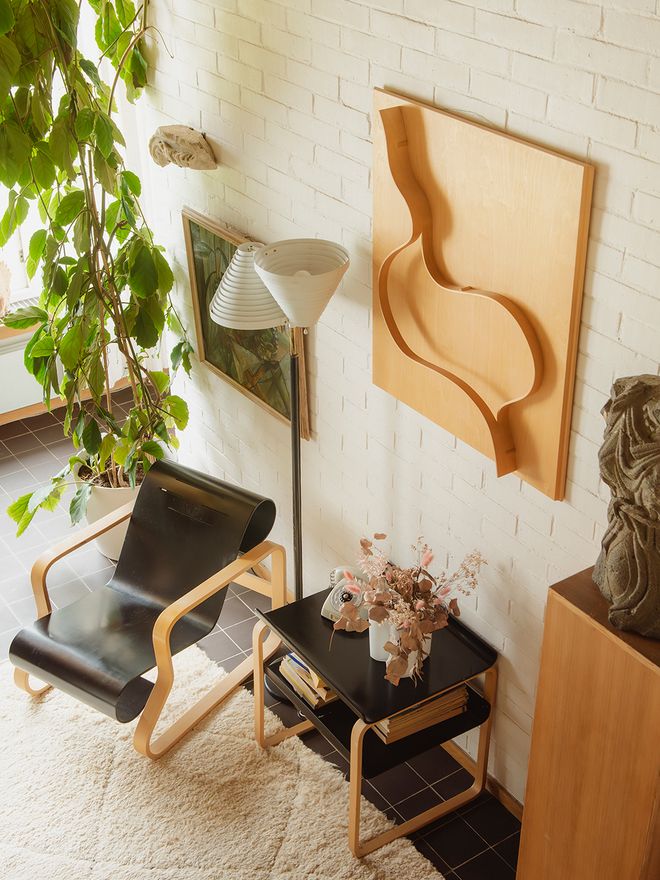
The spacious entrance hall opens directly onto the upstairs living room. From the hall, there is also direct access to the yard.
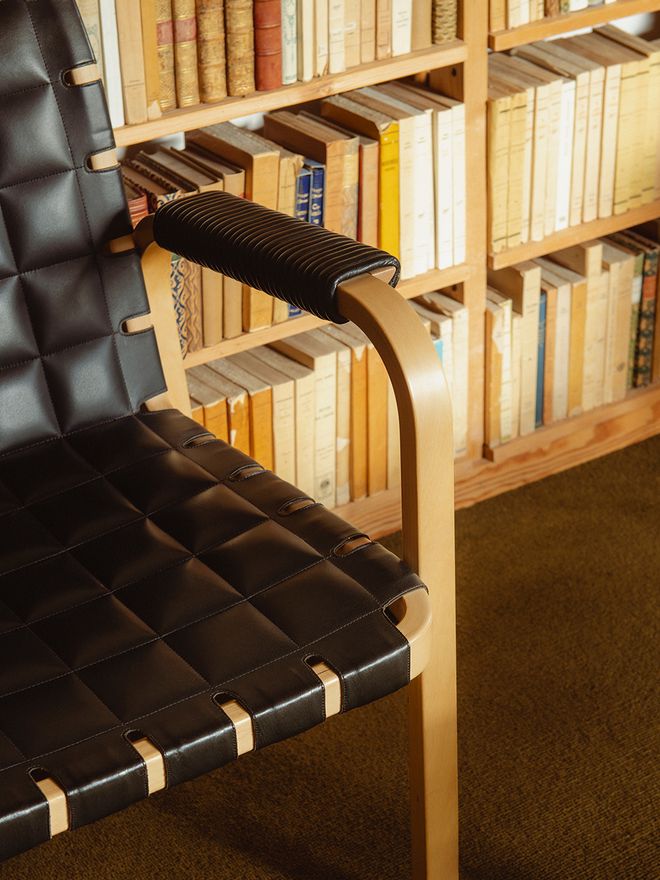
Almost all of the furniture and lighting at Villa Skeppet were designed by the Aaltos and come from Artek’s collection. In the library room, the leather-upholstered Armchair 45 serves as a lounge chair.
Beyond the architecture itself, Aalto’s touch can be seen in the house’s interiors and details. The most striking of these is the sculptural fireplace at the center of the living room. Aalto himself was on site, finishing its undulating surface by hand.
The interiors were designed by interior architect Sinikka Killinen, who worked at Artek’s drawing office. Almost all the furniture and lighting come from Artek’s collection. The house also features Aalto glassware and rare artworks from his youth, which Schildt had received from his friend.
Adding a deeply personal layer to Villa Skeppet’s atmosphere are the objects that belonged to its residents, reflecting their affection for art, books, sailing, and Mediterranean culture. The home is filled with fascinating details, rare objects, and references to the cultural history of antiquity.
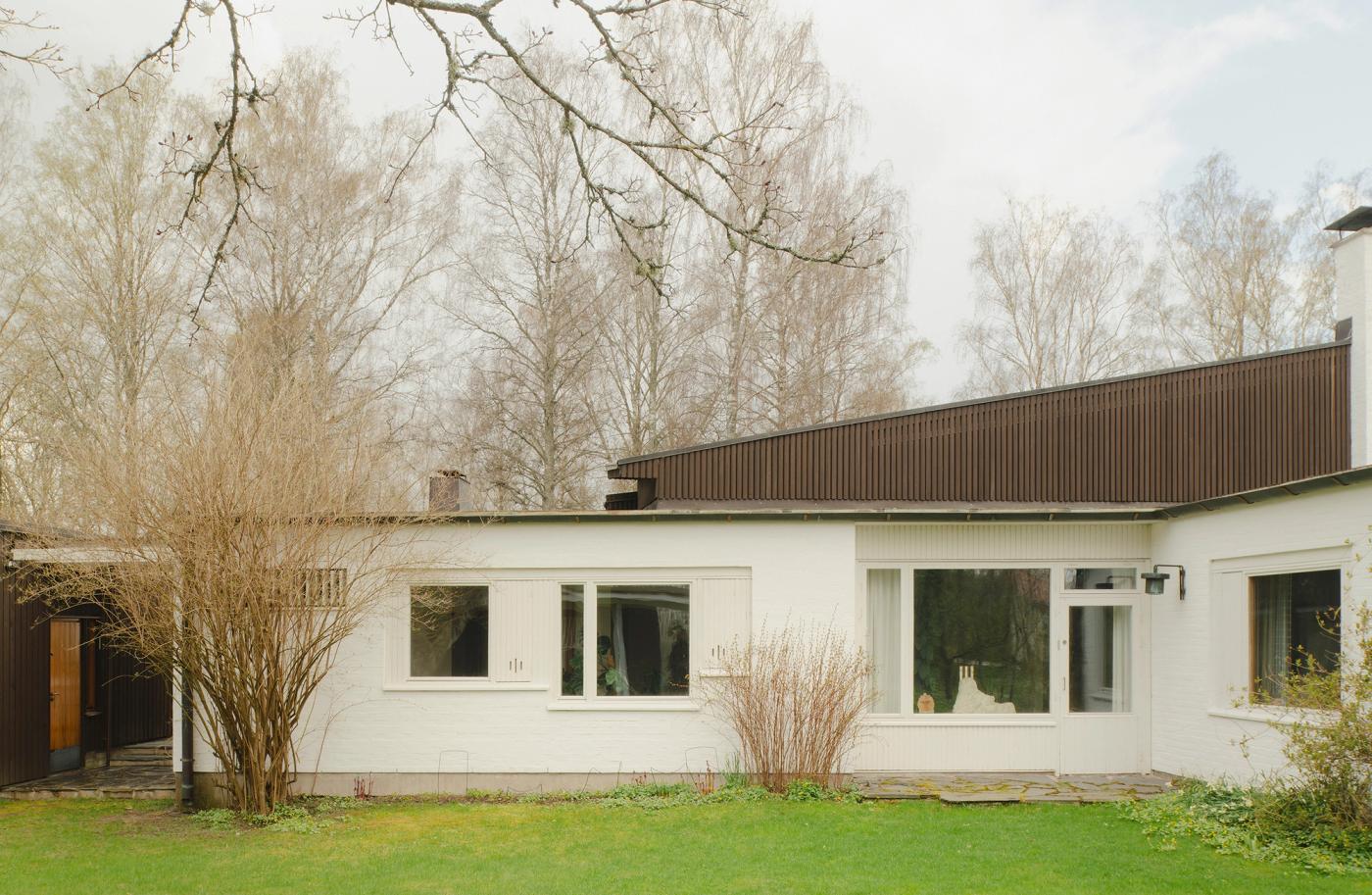
Villa Skeppet has an L-shaped floor plan. Together with the sauna, the yard’s storage building, and the water lily pond, the backyard forms a sheltered and inviting courtyard atmosphere.

Friends Alvar Aalto (left) and Göran Schildt photographed in 1954. Photo: The Society of Swedish Literature in Finland.
Completed in 1970, Villa Skeppet was Alvar Aalto’s final private house design. Private homes were relatively rare in Aalto’s career in general, designed mainly for his friends, as his office focused primarily on public buildings.
Yet in this, the smallest residential building of his career, Aalto managed to distill his architectural vision: Villa Skeppet is at once multifaceted, monumental, and deeply human — a home designed to meet the needs of everyday life.
In his original intention, however, Aalto did not quite succeed. Although the house became a cherished place for its owners, the couple did not end up spending more time in Finland after all. They lived at Villa Skeppet only for a few months in the summer and in the heart of winter. At other times, the mild climate of the Greek archipelago and the favorable winds of the Mediterranean won out.
Villa Skeppet can be visited on guided tours. It is worth booking in advance, as tours fill up quickly, especially in summer.
See also:
• All designs by Alvar Aalto >
Published on 26 May, 2026