This is a carousel of product images. Use the thumbnails or swipe to change the displayed image, and activate an image to open it full screen.
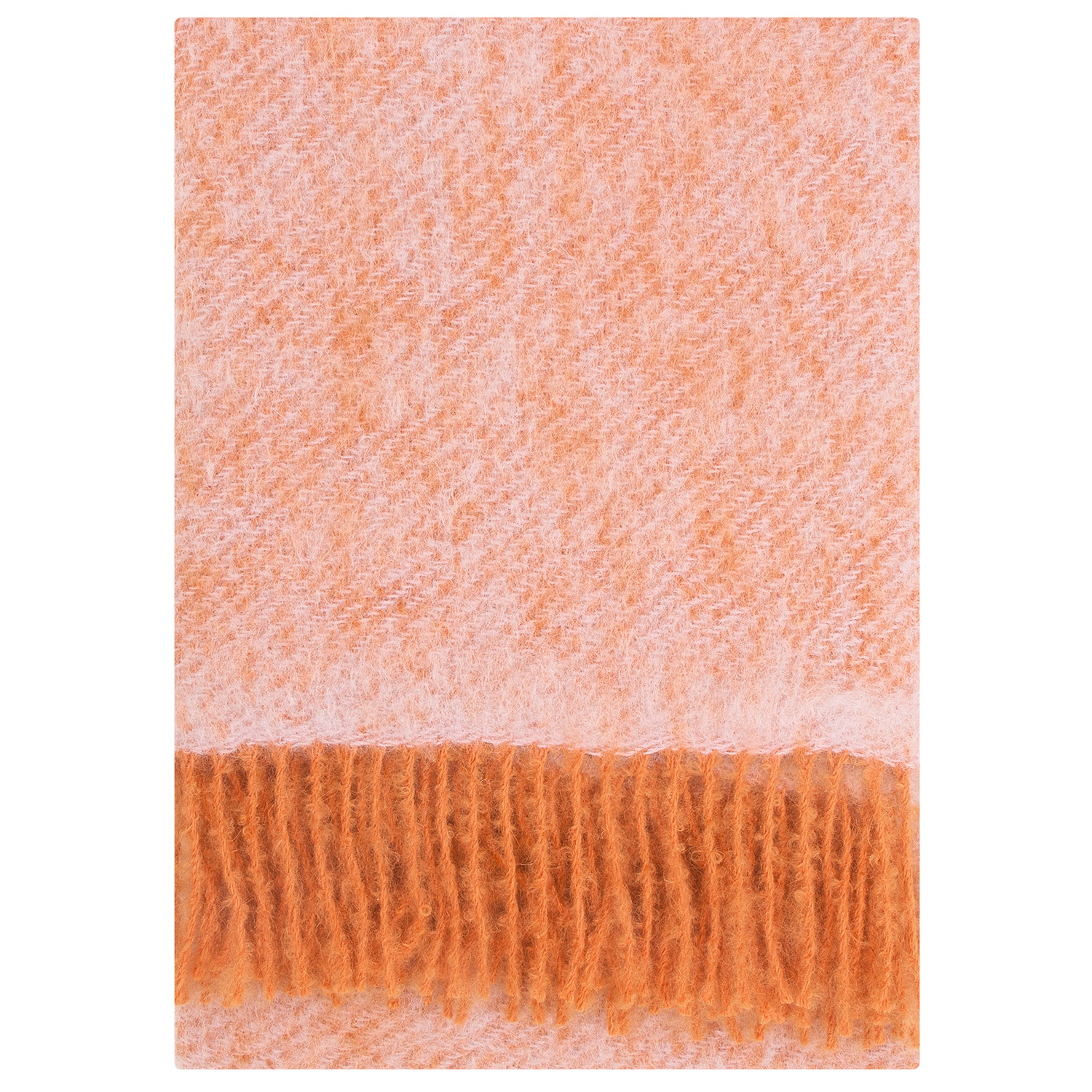
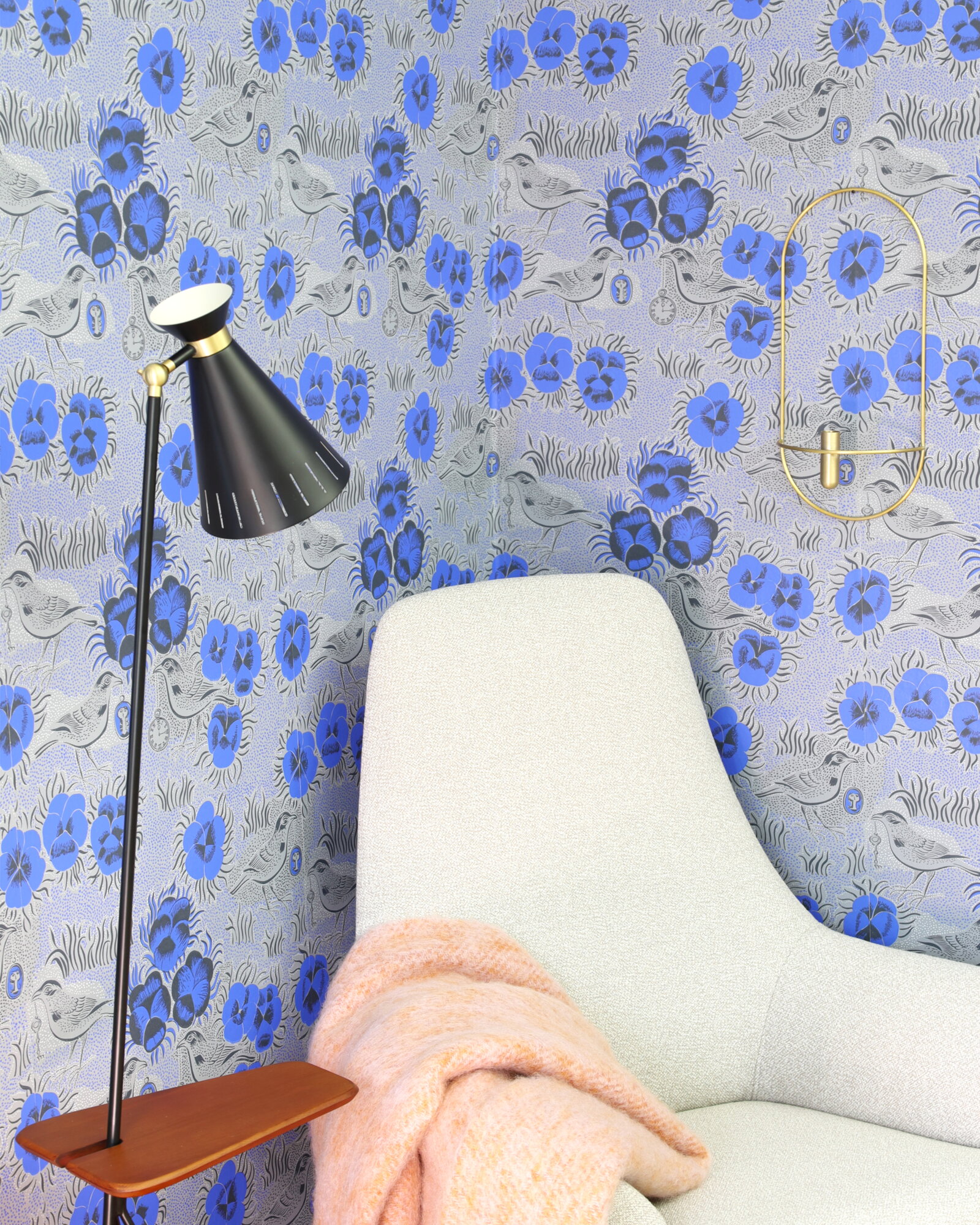
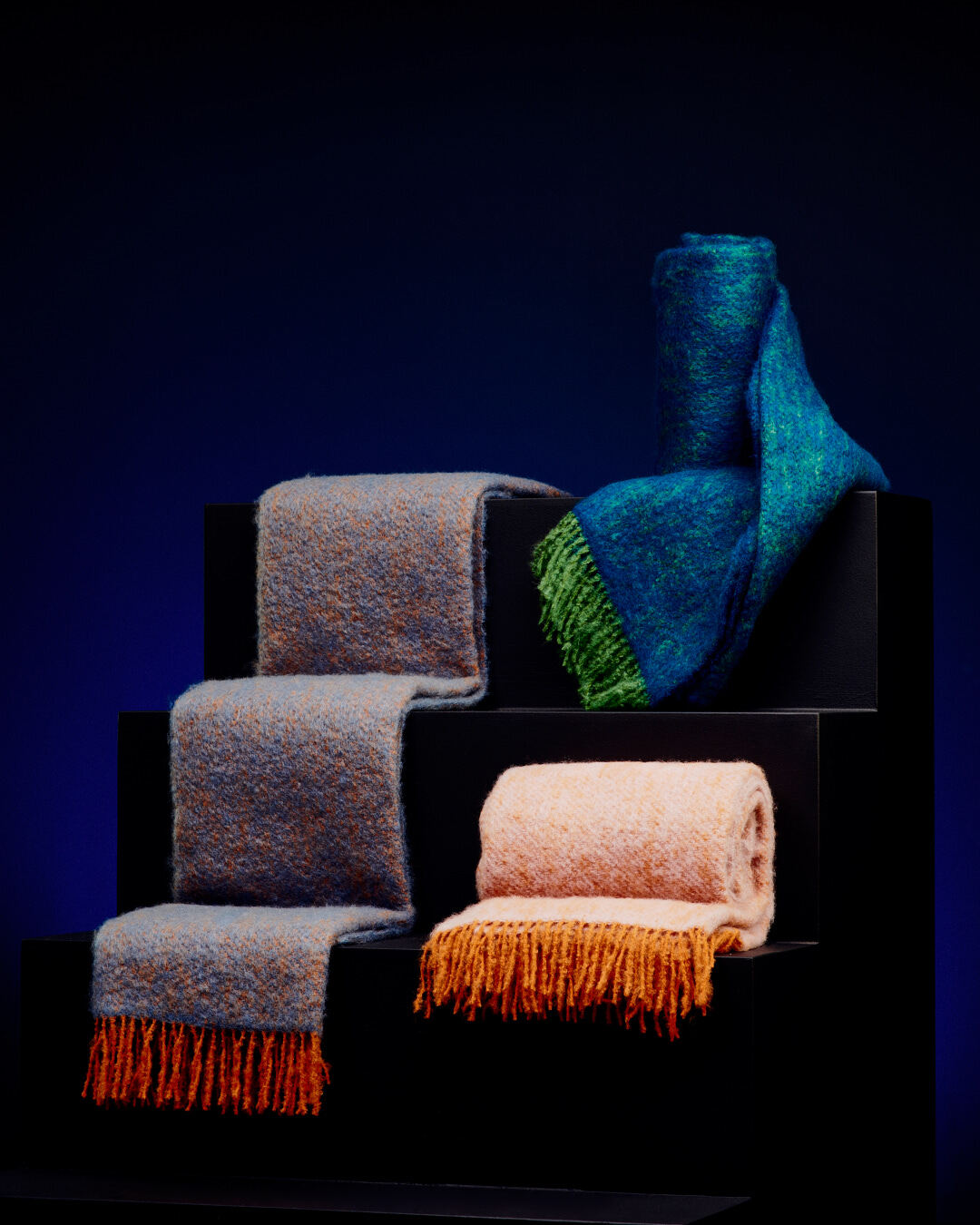
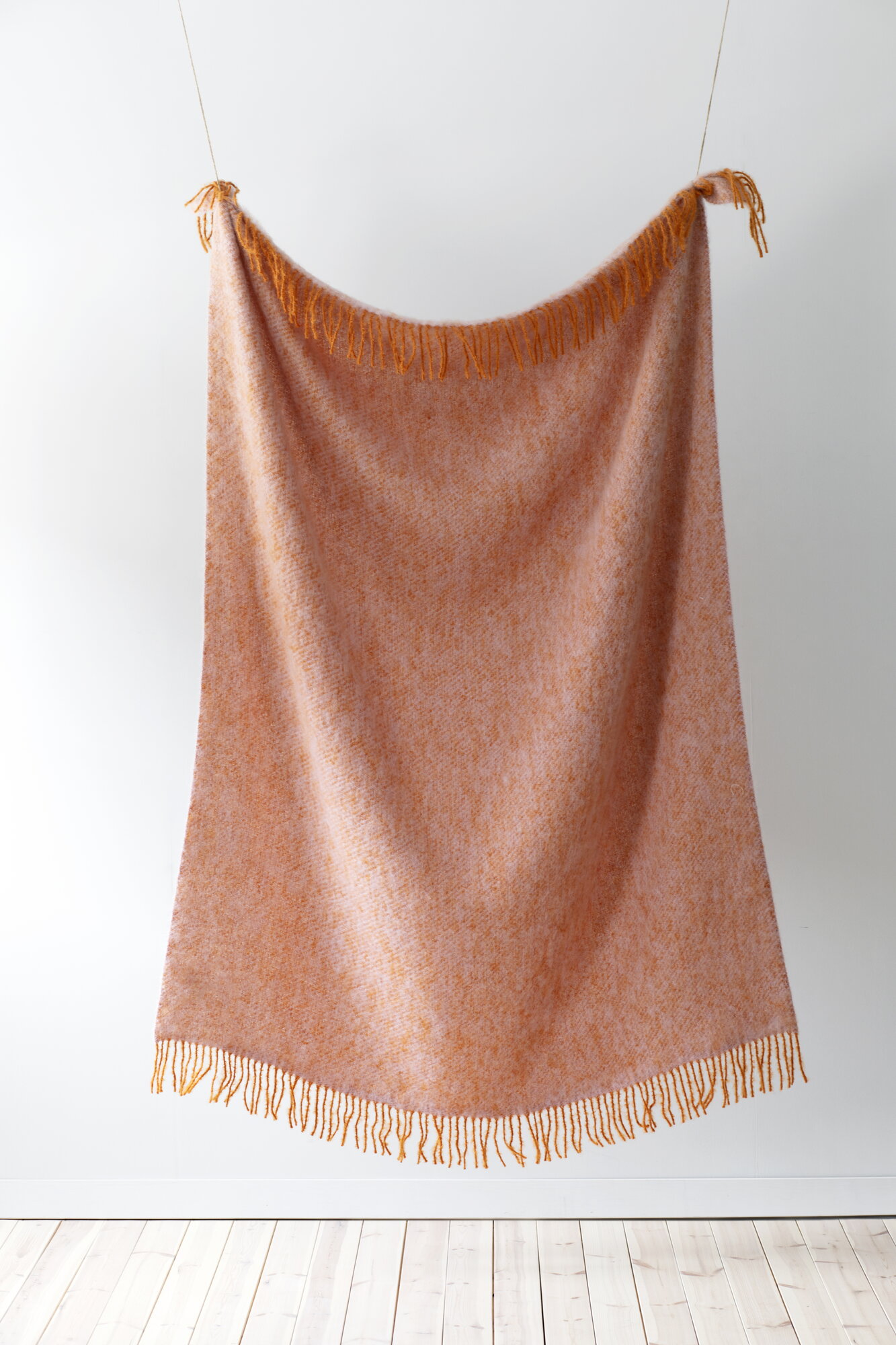

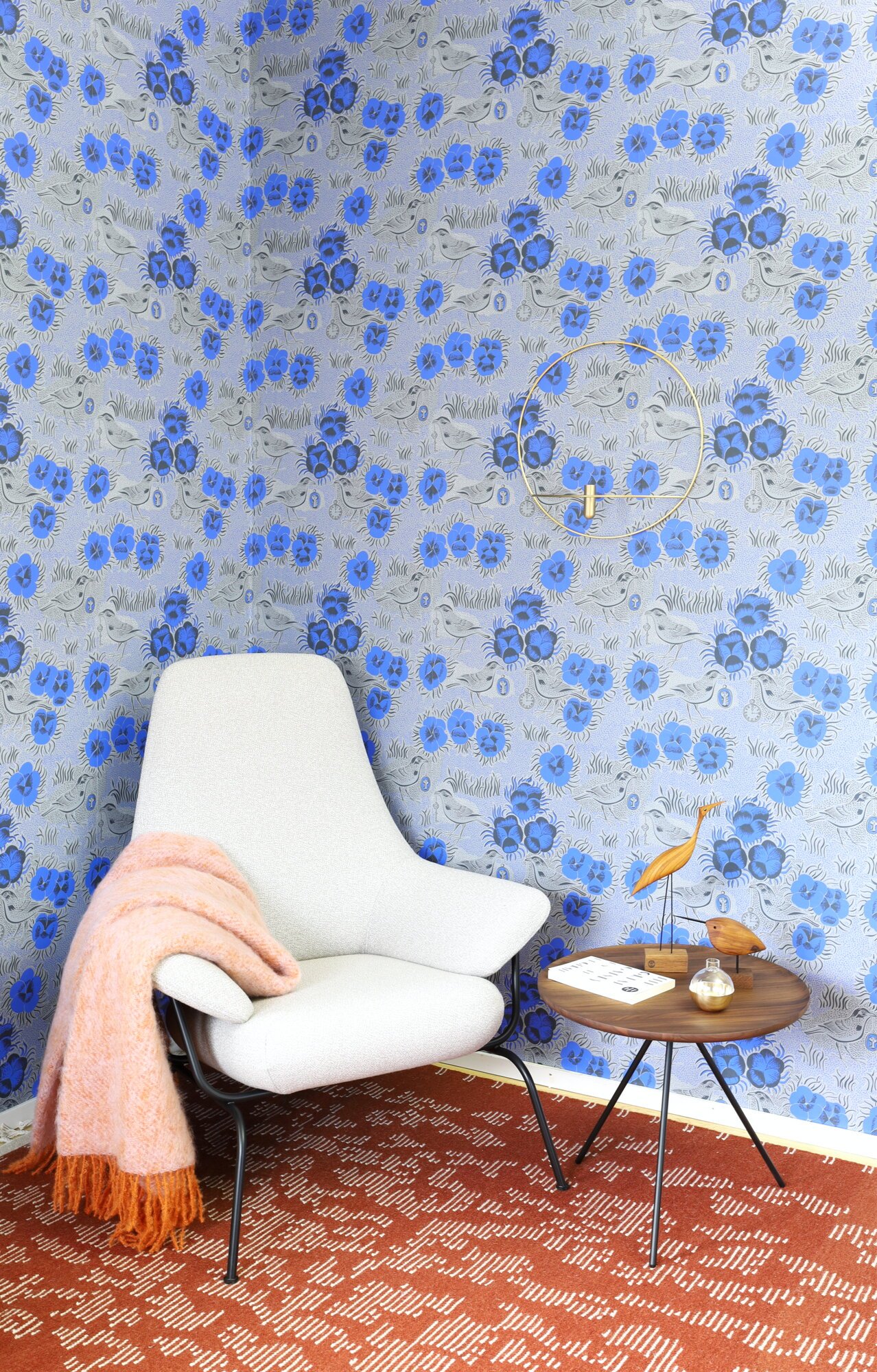


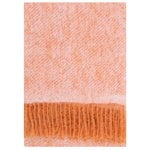

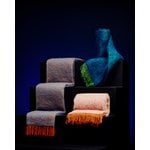
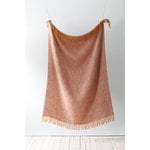
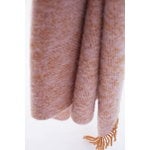
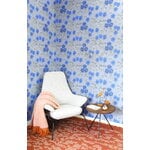
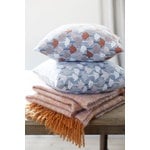
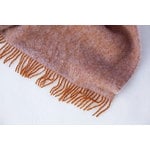
Revontuli mohair blanket, rust - rose
Description
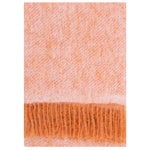
The Revontuli mohair blanket by Lapuan Kankurit is coloured in beautiful, rich tones inspired by the northern lights – Revontuli is Finnish for Aurora Borealis. The luxuriously soft mohair blanket, designed by Elina Helenius, is woven in two colours and has fringes on the edges. The Revontuli blanket is made of mulesing-free South African mohair and New Zeeland wool in a Lithuanian sewing company.
- Length: 170 cm
- Measurement details: Length: 170 cm + fringes
- Width: 130 cm
- Material 70% mohair wool, 30% pure new wool
- Colour Rust, rose
- Care instructions Only wash if textile is very dirty, otherwise hang outdoors in fresh air for a while. Brush the blanket every now and then gently with a fabric brush, following the grain of the wool. Hand wash at max. 30°C or dry clean.
- Product ID: LT100872

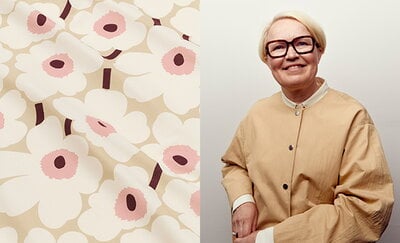
Elina Helenius (b. 1963) is a Finnish textile designer with a focus on surface, colour and pattern design. She graduated from the University of Art and Design Helsinki, Department of Textiles, in 1988. Helenius has worked widely in product design and product development, bringing Finnish design expertise to both domestic and international clients. Her collaborations include brands such as Aarikka, Adea, Doctor Design, Marimekko, Showroom Finland, and Lapuan Kankurit. Helenius has received recognition in several design competitions, and her work is featured in the collections of the Helsinki Design Museum, the Kyoto Textile Resource Center, and the Röhsska Museum of Fashion, Design and Decorative Arts in Gothenburg, Sweden.
The Product Sustainability Framework, our criteria of sustainable design, helps you find the most sustainable products in our selection. Read below which sustainability criteria this product has met.
-
 Equal opportunities for all employees
 -
Commitment to UN Global Compact, fair compensation for all employees
-
Corporate responsibility requirements defined and communicated for suppliers
-
Systematic work for improved inclusion and well-being in the workplace
-
Transparent supply chain
-
Suppliers' compliance to a code of conduct ensured
-
Direct suppliers audited and certified
-
Compliance to the UN Guiding Principles on Business and Human Rights ensured in the supply chain
-
Support for community involvement in the supply chain
-
Fair and resource-wise water-use in production
-
No incineration or landfilling of returned items
-
No use of endangered species as materials
-
No direct environmental emissions or waste (excl. GHGs) from production
-
The sustainability of direct suppliers' production is addressed and monitored
-
Production and material sourcing that respect biodiversity, animal rights, and natural ecosystems
-
Material-efficient and ecological packaging
-
Positive impact on nature’s well-being through operations that regenerate natural ecosystems
-
No potentially harmful chemicals used in own production
-
Company's direct greenhouse gas emissions identified and commitment to reduction
-
Product's carbon impact identified and commitment to reduction
-
Guidance on energy- and eco-efficient use of the product
-
Contribution to climate initiatives beyond the brand’s direct operations
-
100 % renewable energy in own production and operations
-
Low-carbon or compensated transportation
-
Carbon footprint of the product calculated and goals set to reduce it
-
Carbon neutral or carbon negative product
-
Sustainable and long-lasting material choices
-
No harmful or hazardous substances
-
Responsible raw material sourcing and production
-
Materials suited for circularity: monomaterials, recyclable finishings, renewable or recycled contents etc.
-
Ecological materials: natural, biodegradable, recyclable or recycled contents
-
Outstanding materials in terms of innovativeness, responsibility, sustainability and circularity: local production or sourcing, 100 % recycled content, C2C-certification etc.
-
High aesthetic quality promoting long-term use of the product
-
Technically durable product design and material choices
-
Design for enduring life-long quality
-
Design and support for product maintenance, repair and upgradability
-
Innovative circular design solutions: circular service system, resale platform, remanufacturing, collection of used products, etc.
Ideas and inspiration
This is a carousel. Use Next and Previous buttons to navigate.