







Trade & Contract Sales
If you are looking to purchase office furniture for your business, you can request a quote from Finnish Design Shop’s Contract Sales.
This is a carousel with auto-rotating slides. Activate the Pause button to stop rotation.
The following field filters products as you type; matching results appear below.
This is a carousel with auto-rotating slides. Activate the Pause button to stop rotation.
This is a carousel of product images. Use the thumbnails or swipe to change the displayed image, and activate an image to open it full screen.
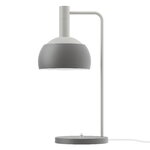
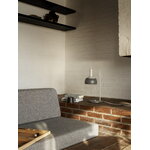
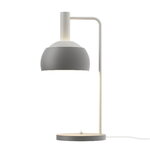
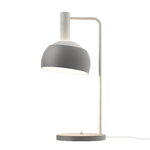
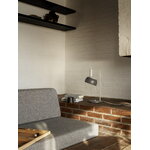
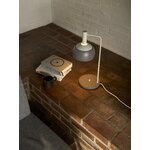
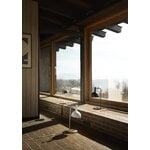
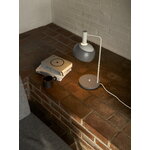
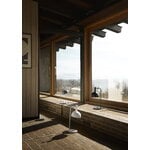
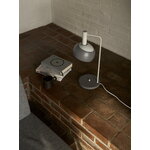
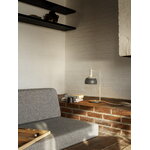
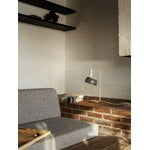
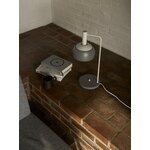
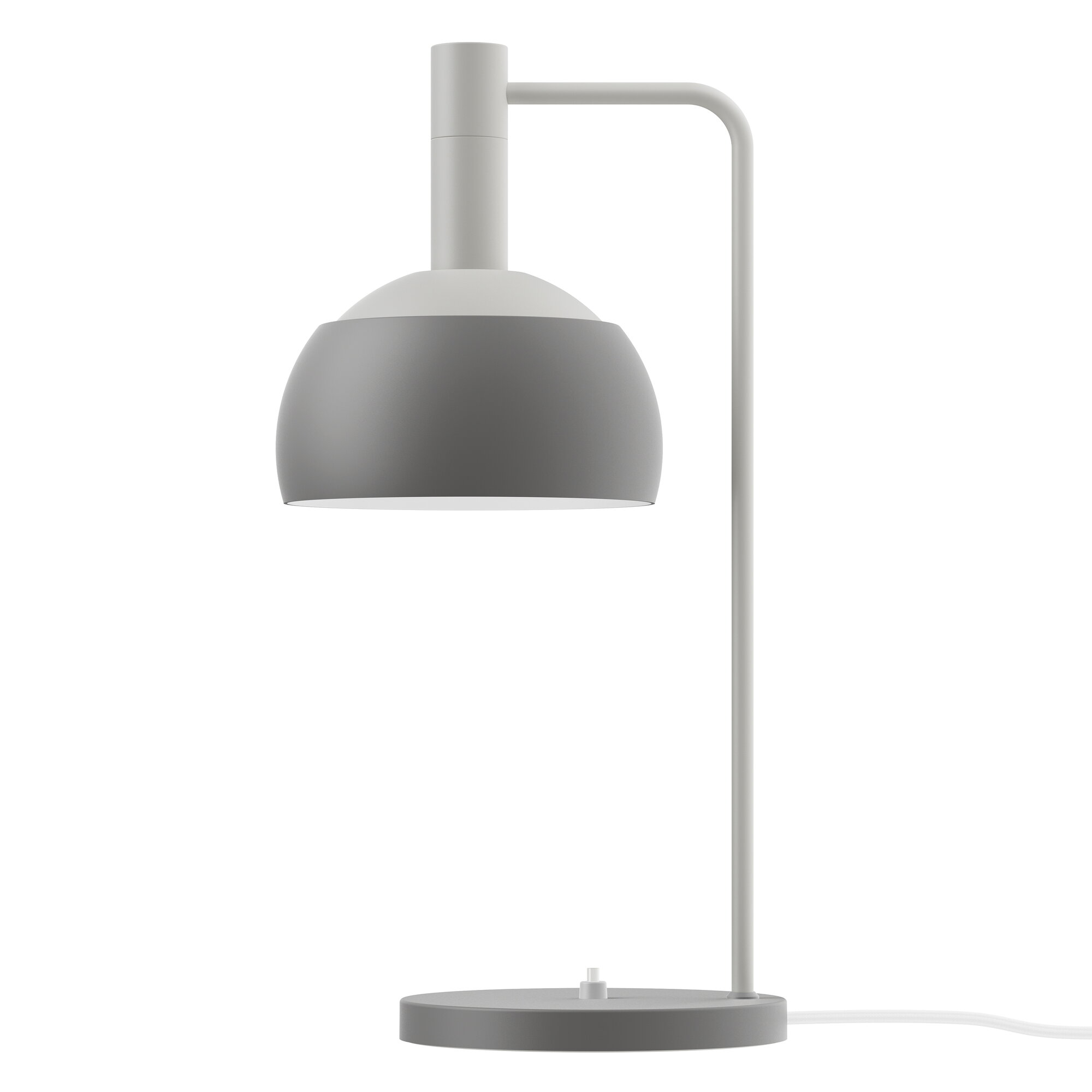
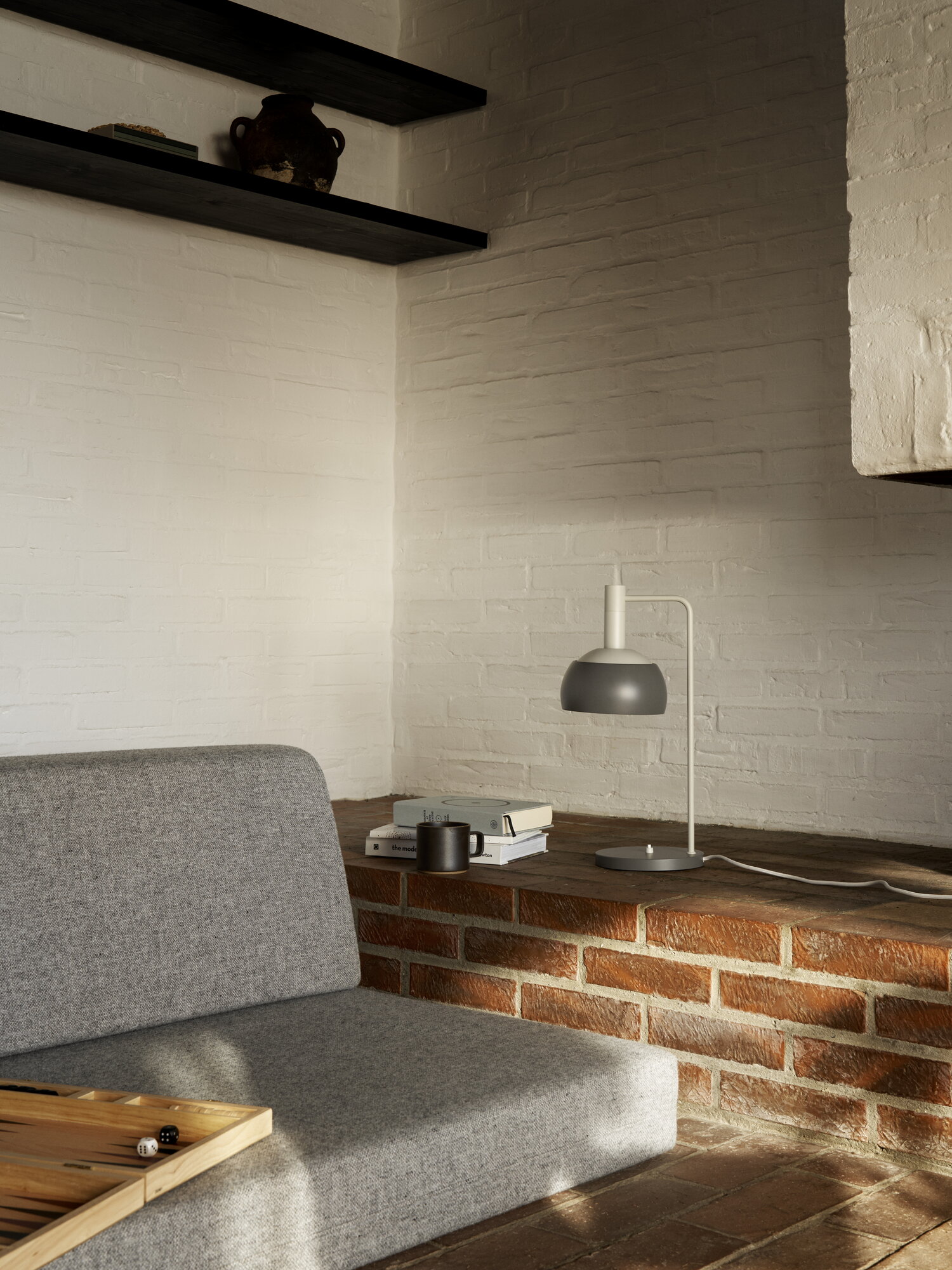
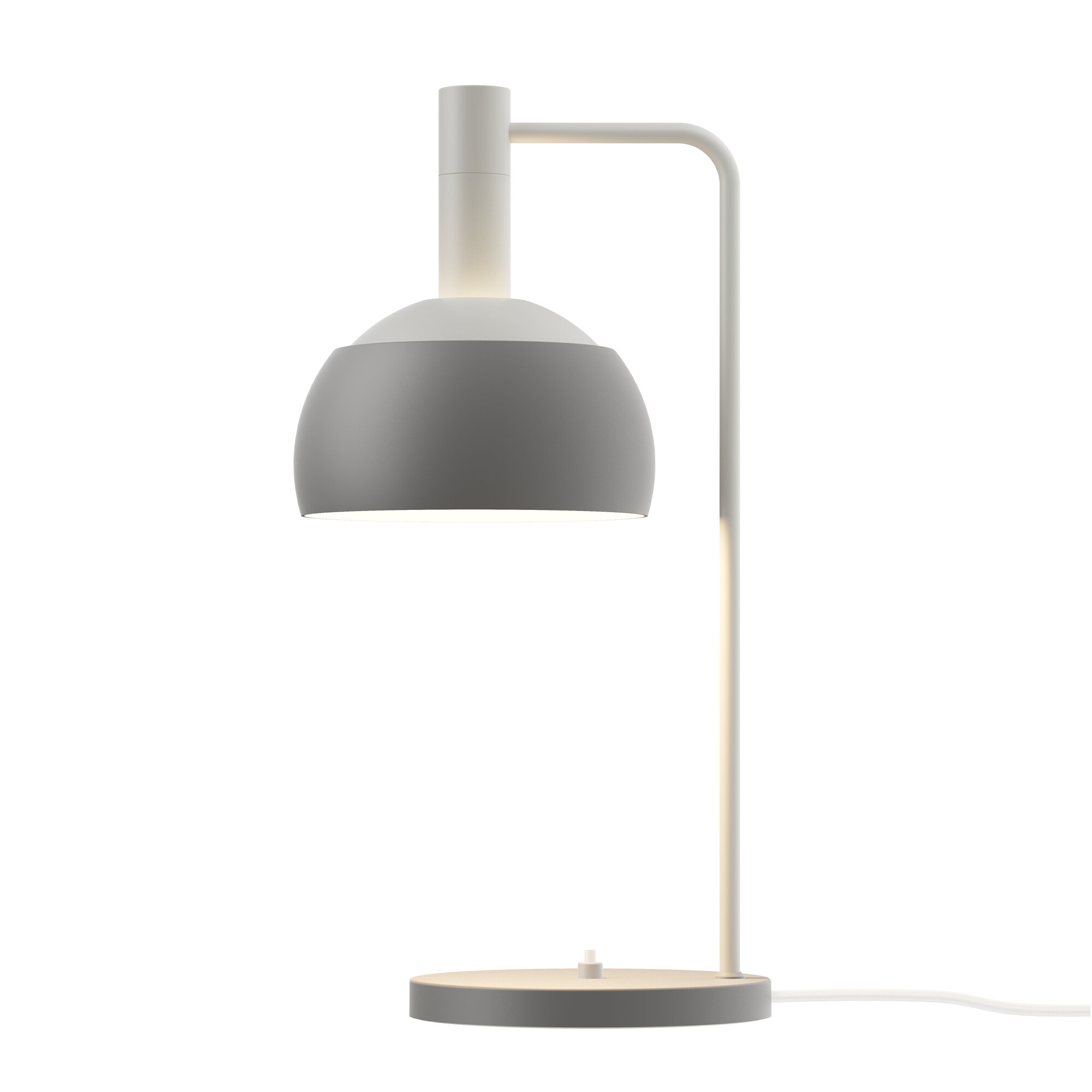
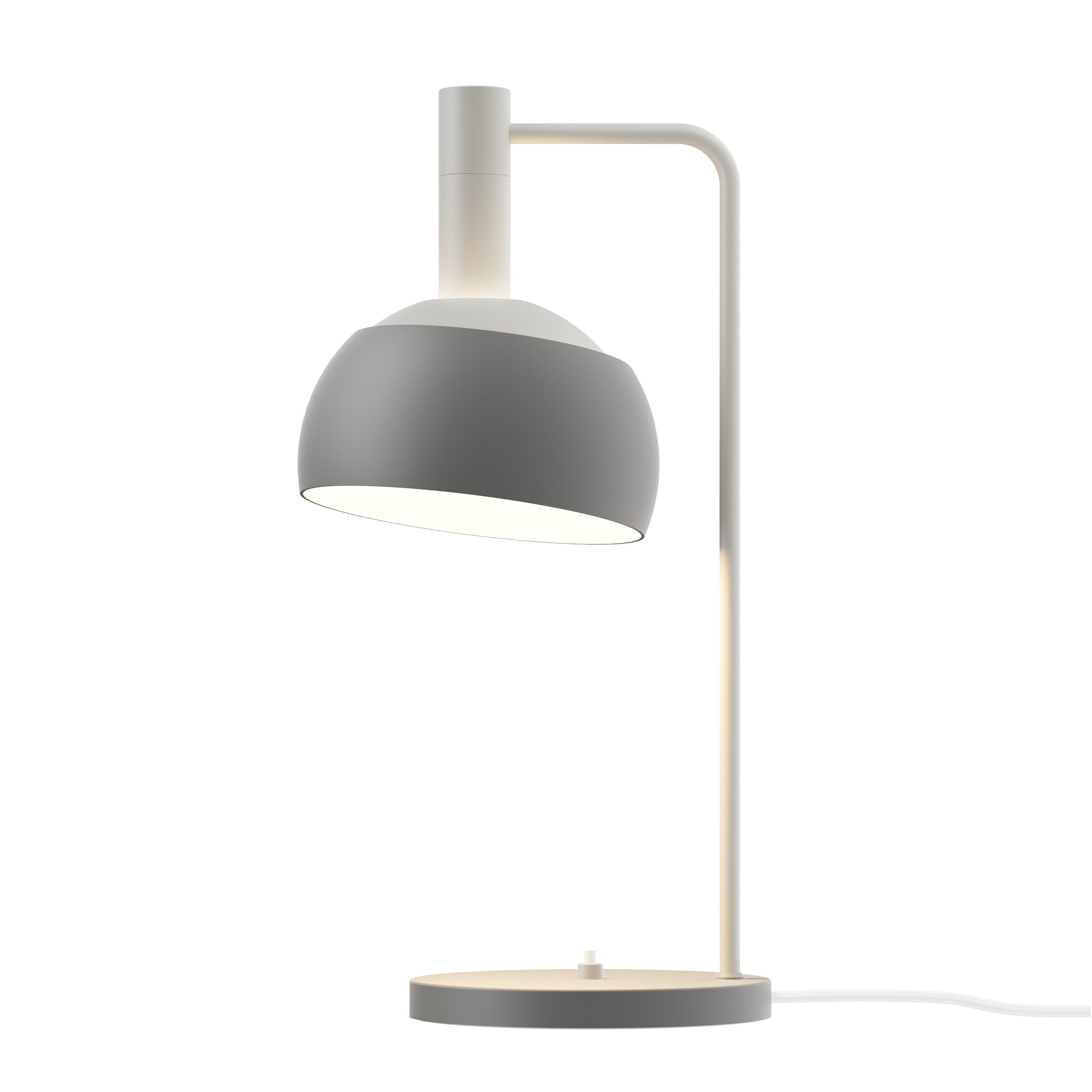
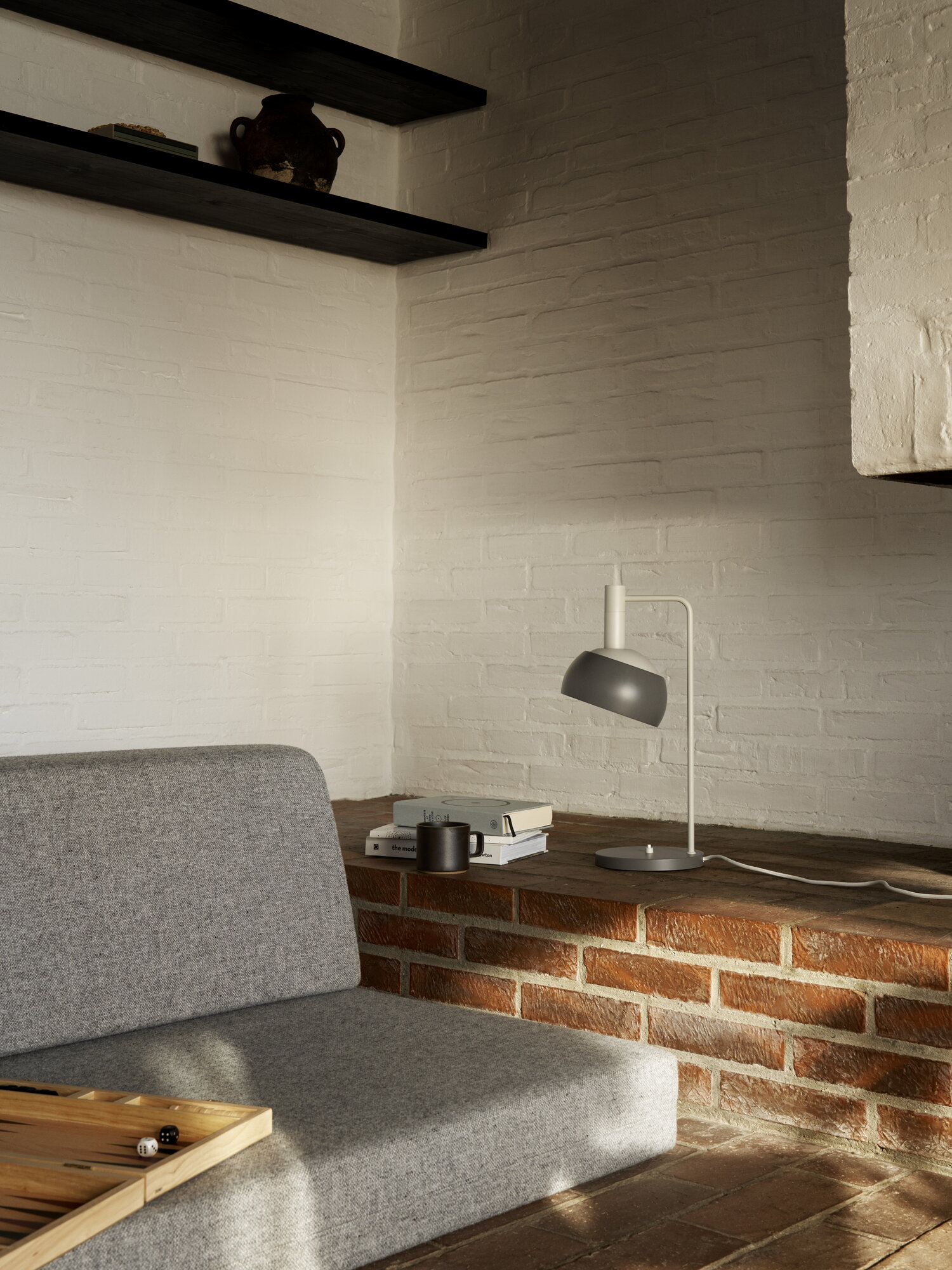
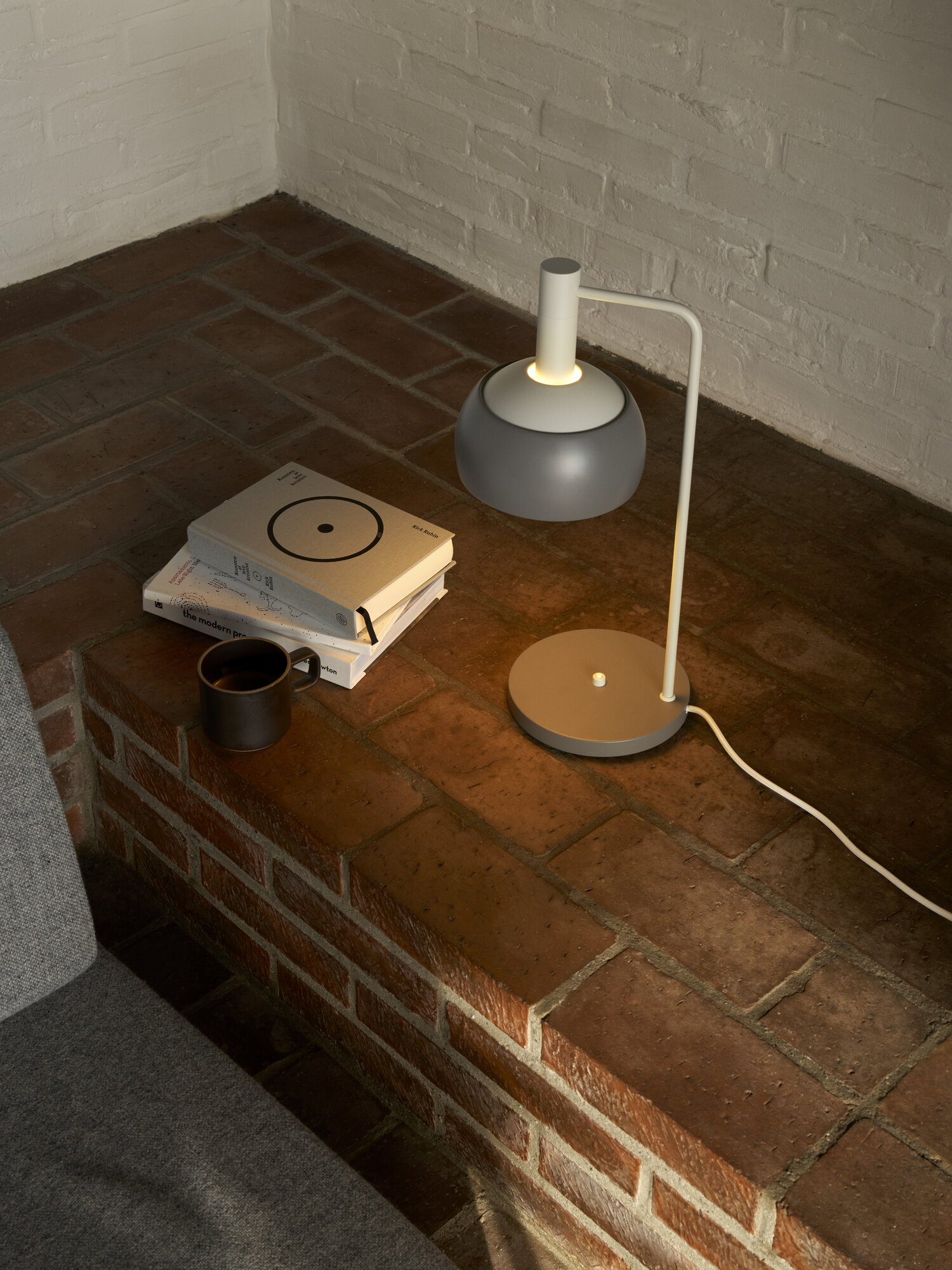
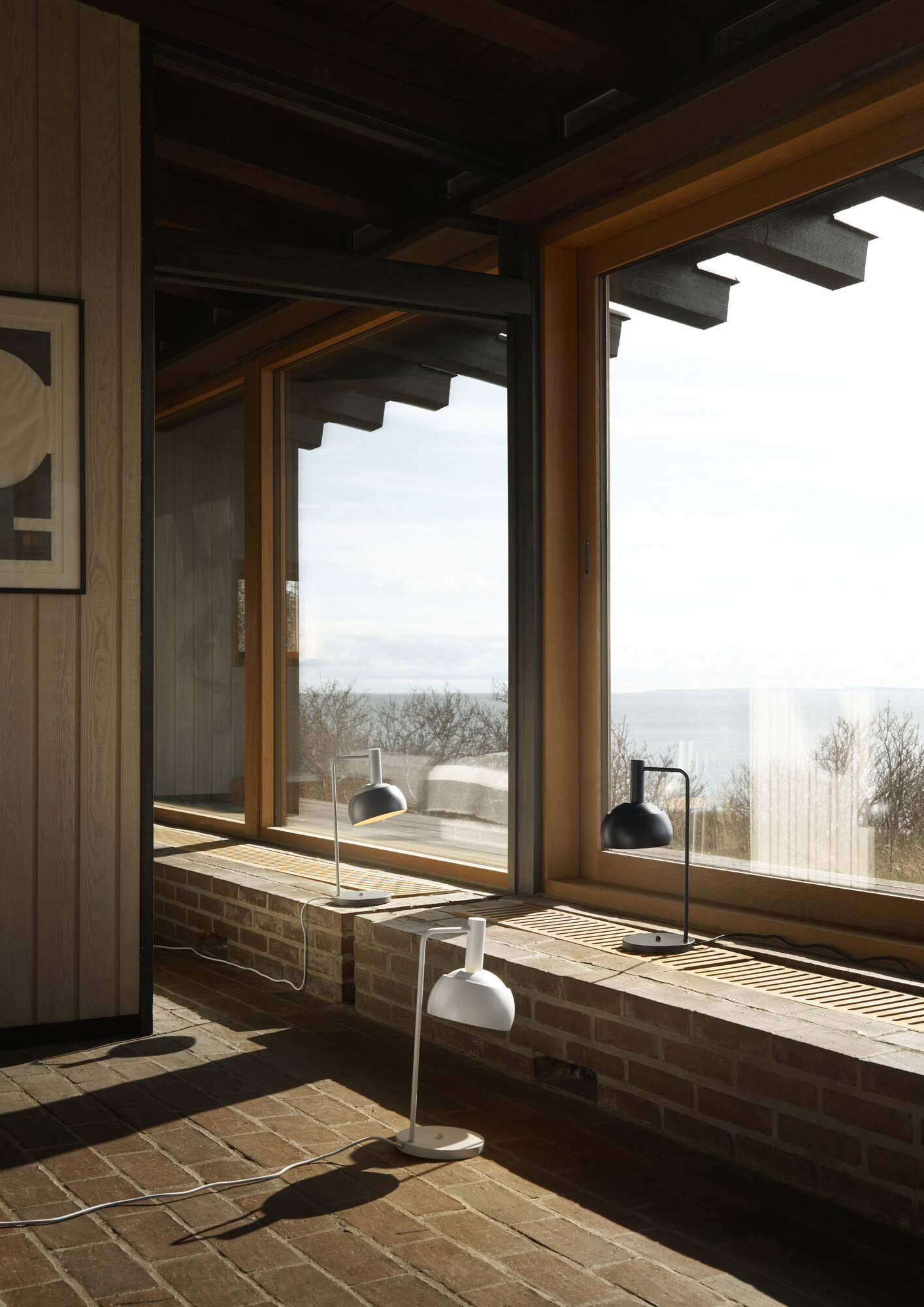
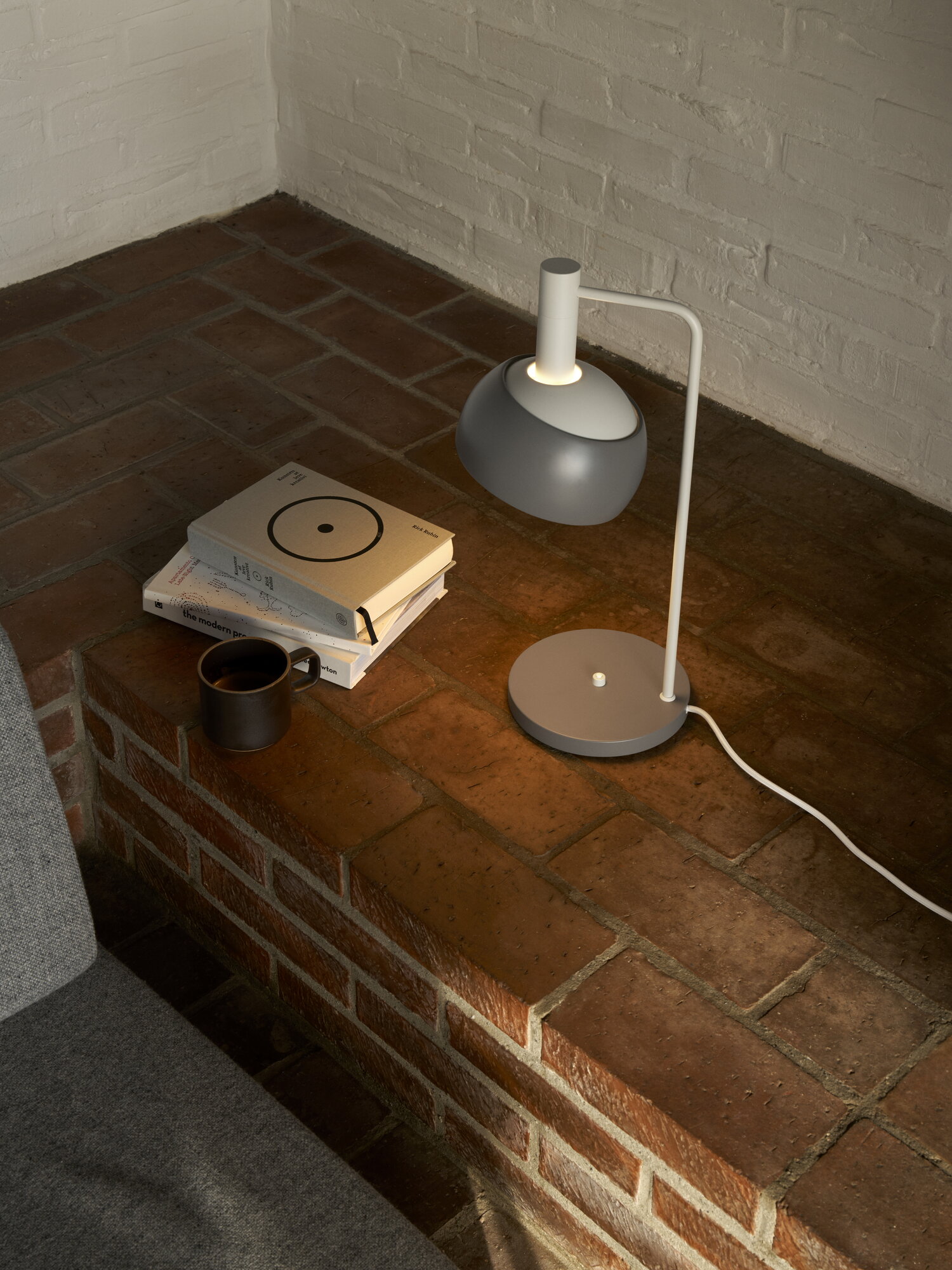
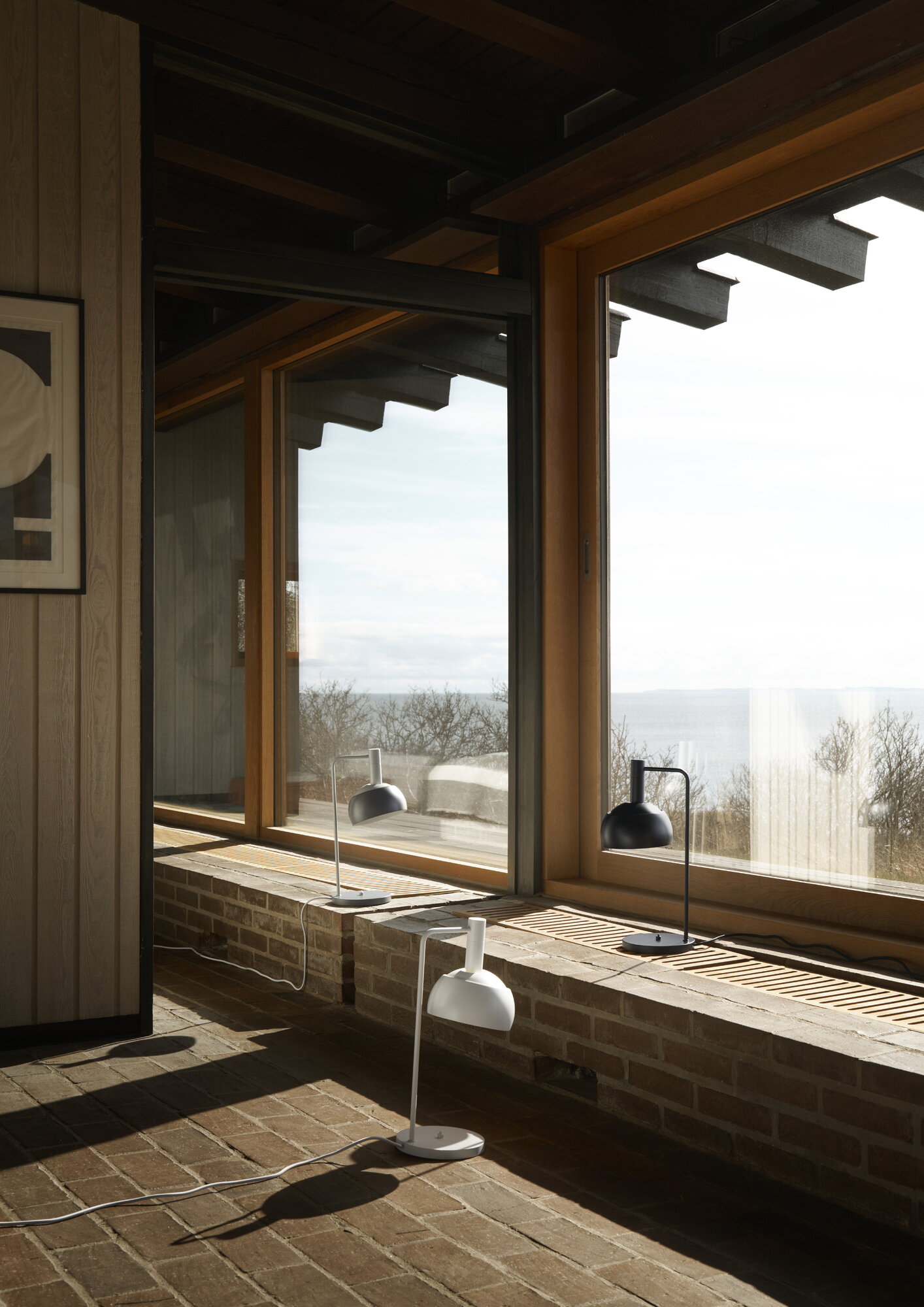
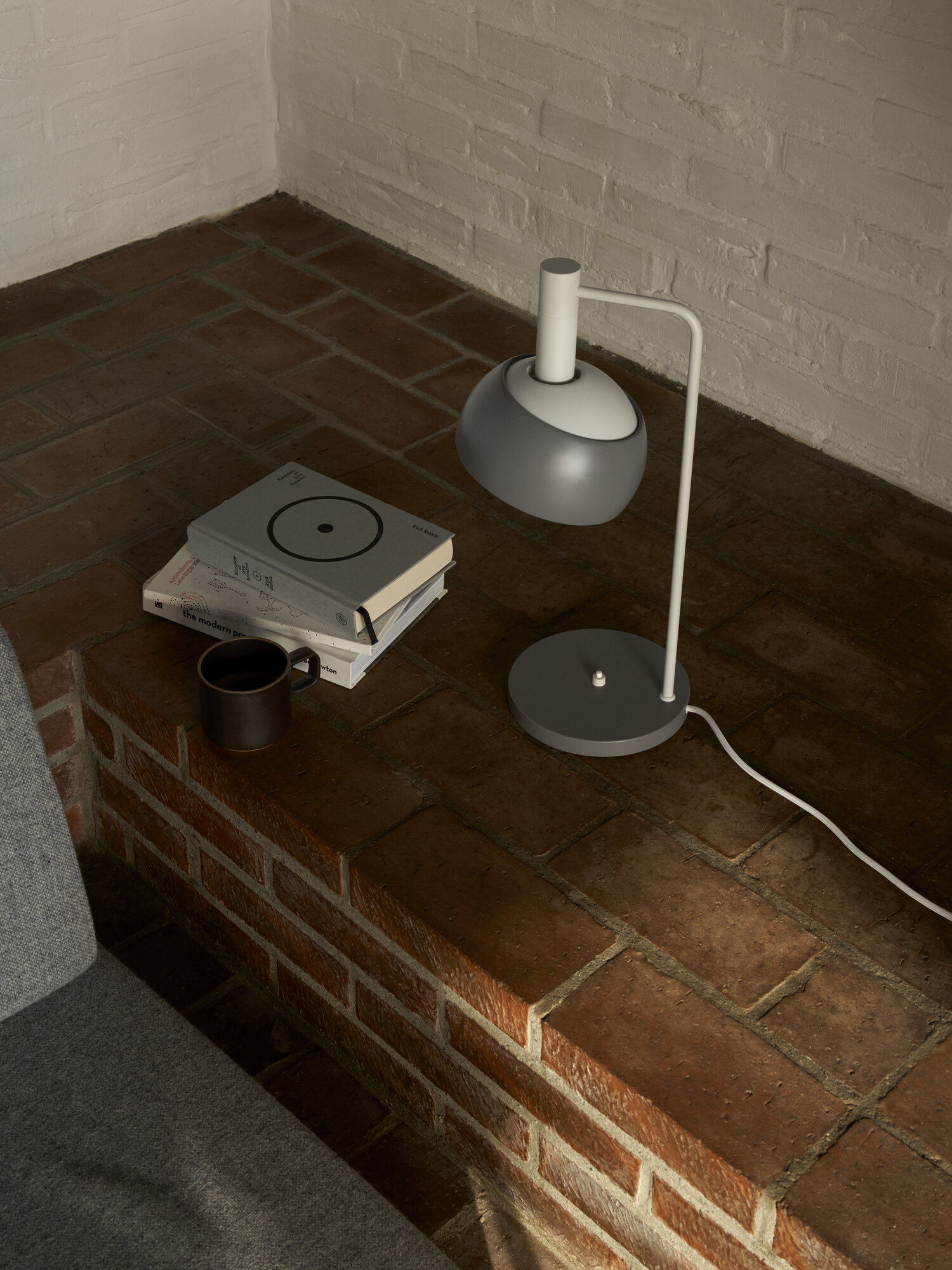
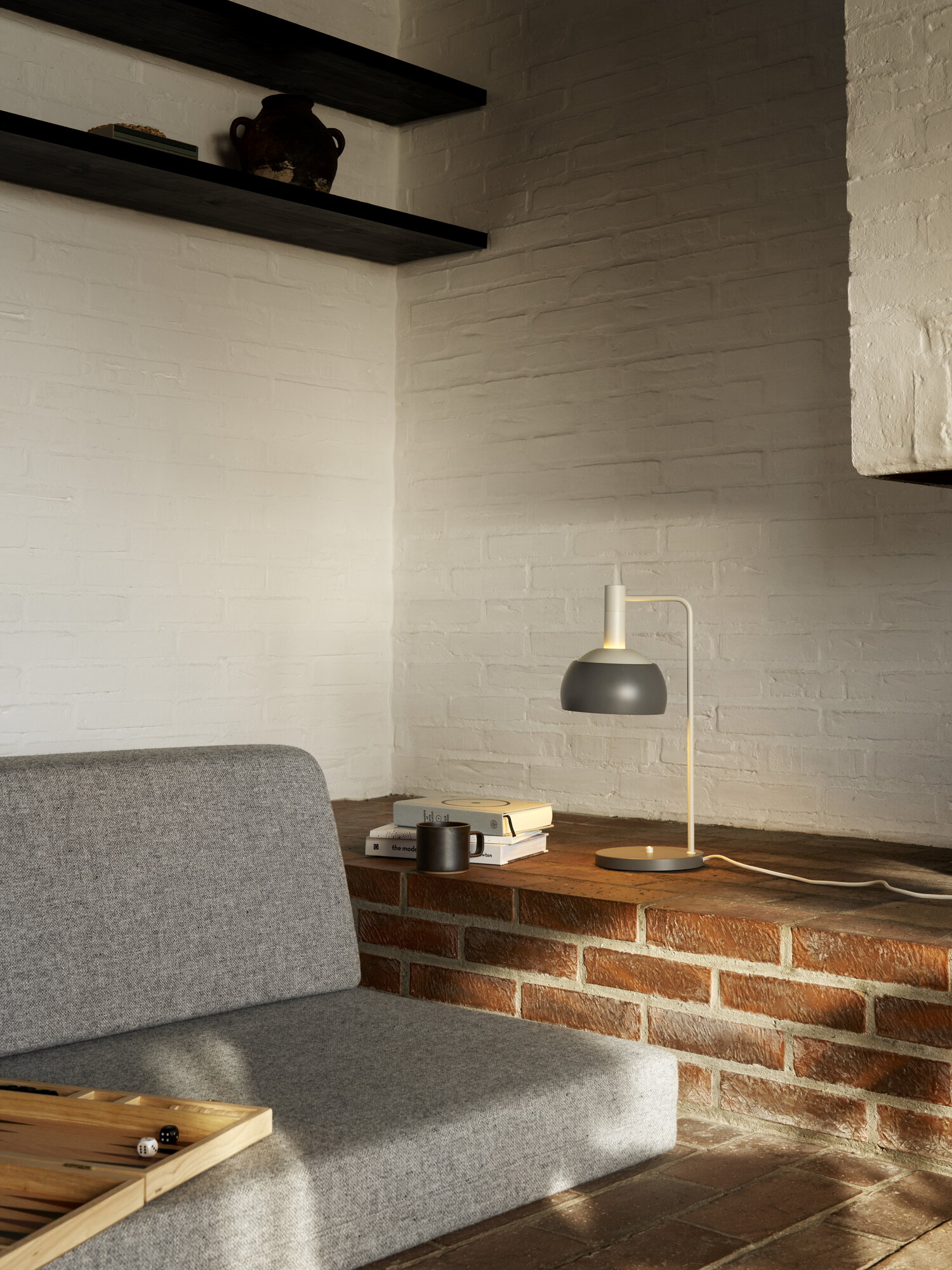
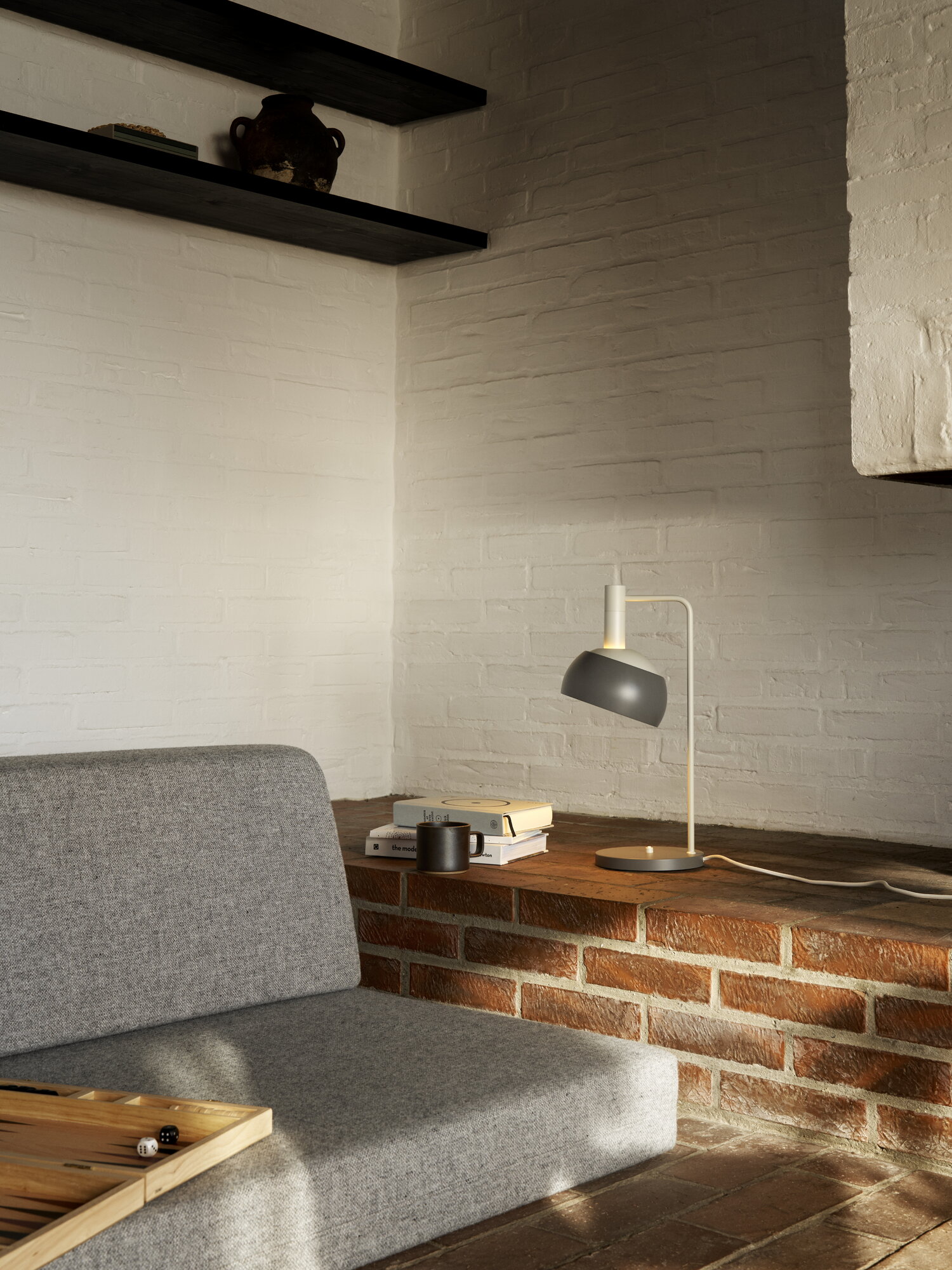
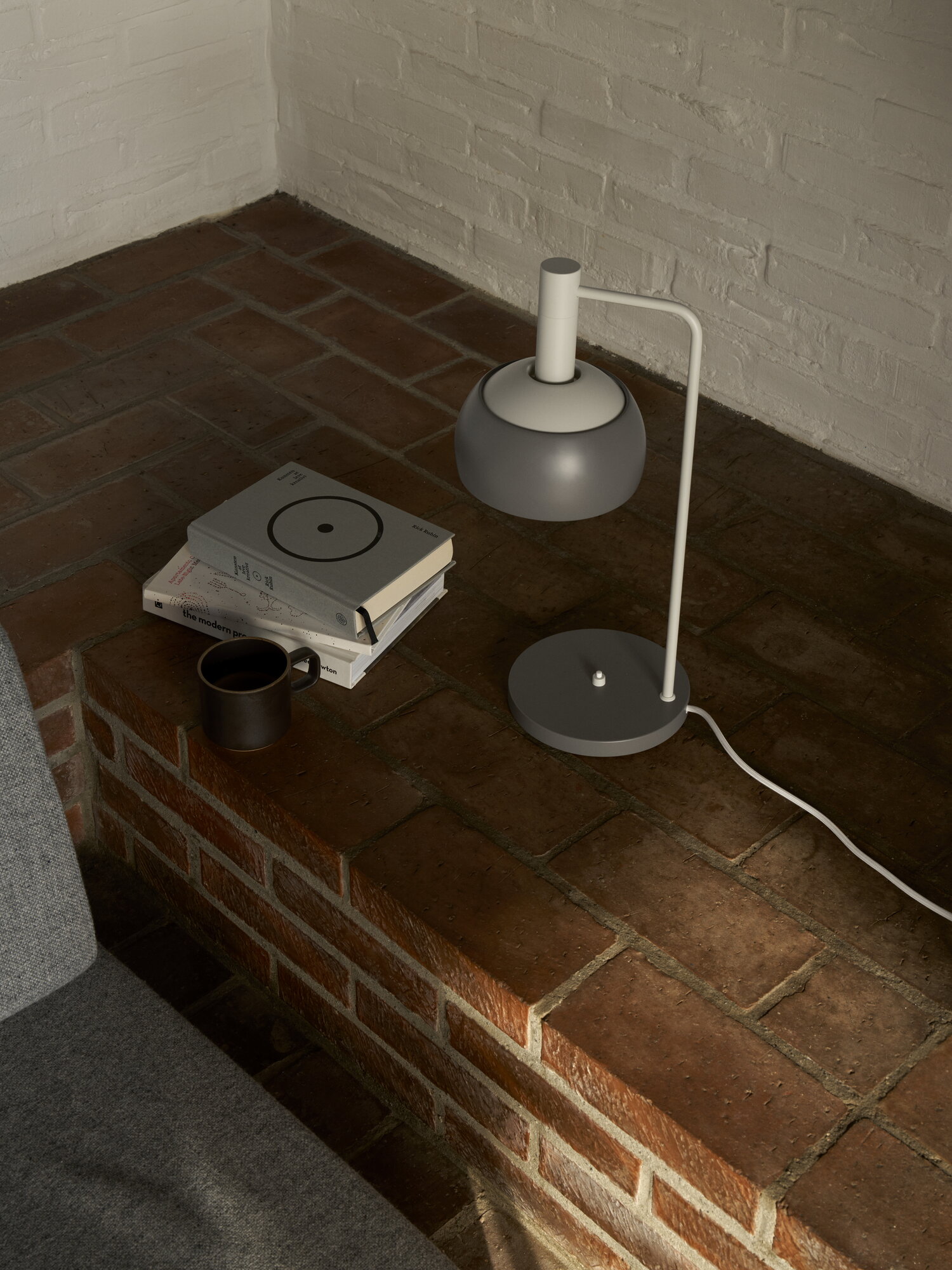
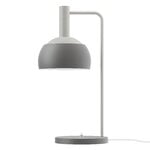
Louis Poulsen’s FJ Elements table lamp is one of the few lighting designs by Danish architect Finn Juhl. The master architect’s precise touch is reflected in the lamp’s clean geometric lines and its adjustable character: the shade consists of two interlinked parts, with the outer shade allowing you to direct the light exactly where you want it. An opening between the shade and the base also provides a soft upward glow, while a diffuser ensures a comfortable, glare-free illumination. The FJ Elements table lamp is a versatile choice for illuminating office desks, reading nooks, as well as bedside tables.
Originally designed by Finn Juhl in 1963, the FJ Elements lamps were reintroduced in Louis Poulsen’s collection in 2025. The name refers to Juhl’s original drawings, in which he explored the structure and proportions of the lamp through various elements. With its timeless Scandinavian aesthetic and functional approach, the Elements series remains a relevant and refined lighting solution for both private homes and public spaces.

Finn Juhl (1912–1989) was a Danish architect and industrial designer, widely regarded as one of the most iconic figures of 20th-century Danish modernism. As a designer, Juhl balanced bold, sculptural forms with functional minimalism.
His style was characterised by an organic design language and a generous use of wood, with a particular preference for darker timbers such as teak. Juhl is also known as one of the key figures who introduced Danish modern design to the United States in the 1940s.
Finn Juhl stands among the most influential figures in Danish design. He studied architecture at the Royal Danish Academy of Fine Arts under Kay Fisker and began his career while still a student in the office of architect Vilhelm Lauritzen.
As early as 1943, Juhl was awarded the prestigious Christian Frederik Hansen Medal for young architects, and in 1945 he established his own studio in Copenhagen. Although architecture formed the foundation of his training, Juhl is best remembered as a furniture and lighting designer who brought a new, sculptural dimension to the modernism of the 1940s and 1950s.
Unlike many of his contemporaries, Finn Juhl did not confine himself to strict functionalism. Instead, he approached furniture like a sculptor, shaping pieces into organic, flowing forms. He often spoke of “carrying” and “carried” elements – for instance, a chair seat might appear to float within its frame. These inventive structural solutions introduced a sense of lightness and challenged traditional cabinetmaking conventions.
Juhl refined the proportions of his furniture through a deep understanding of the human body and ergonomics. He demanded exceptional precision from manufacturers, ensuring that every joint felt as seamless as forms found in nature. This same philosophy extended to his lighting designs, including several classics created for Louis Poulsen.
By the mid-20th century, Juhl’s work had gained widespread acclaim in the United States, where Danish modern design truly came into its own. One of the highlights of his career was designing the interior of the Trusteeship Council Chamber at the United Nations Headquarters in New York between 1951 and 1952.
Throughout his career, Juhl received numerous prestigious awards, including three gold medals at the Milan Triennale in 1957 and the title of Honorary Royal Designer for Industry in 1978. He also served as a visiting professor in Chicago and played a key role in shaping the international reputation of Danish design.
This is a carousel. Use Next and Previous buttons to navigate.
If you are looking to purchase office furniture for your business, you can request a quote from Finnish Design Shop’s Contract Sales.


Please enable functional cookies to use this feature. You can change your cookie settings at any time.
