This is a carousel of product images. Use the thumbnails or swipe to change the displayed image, and activate an image to open it full screen.
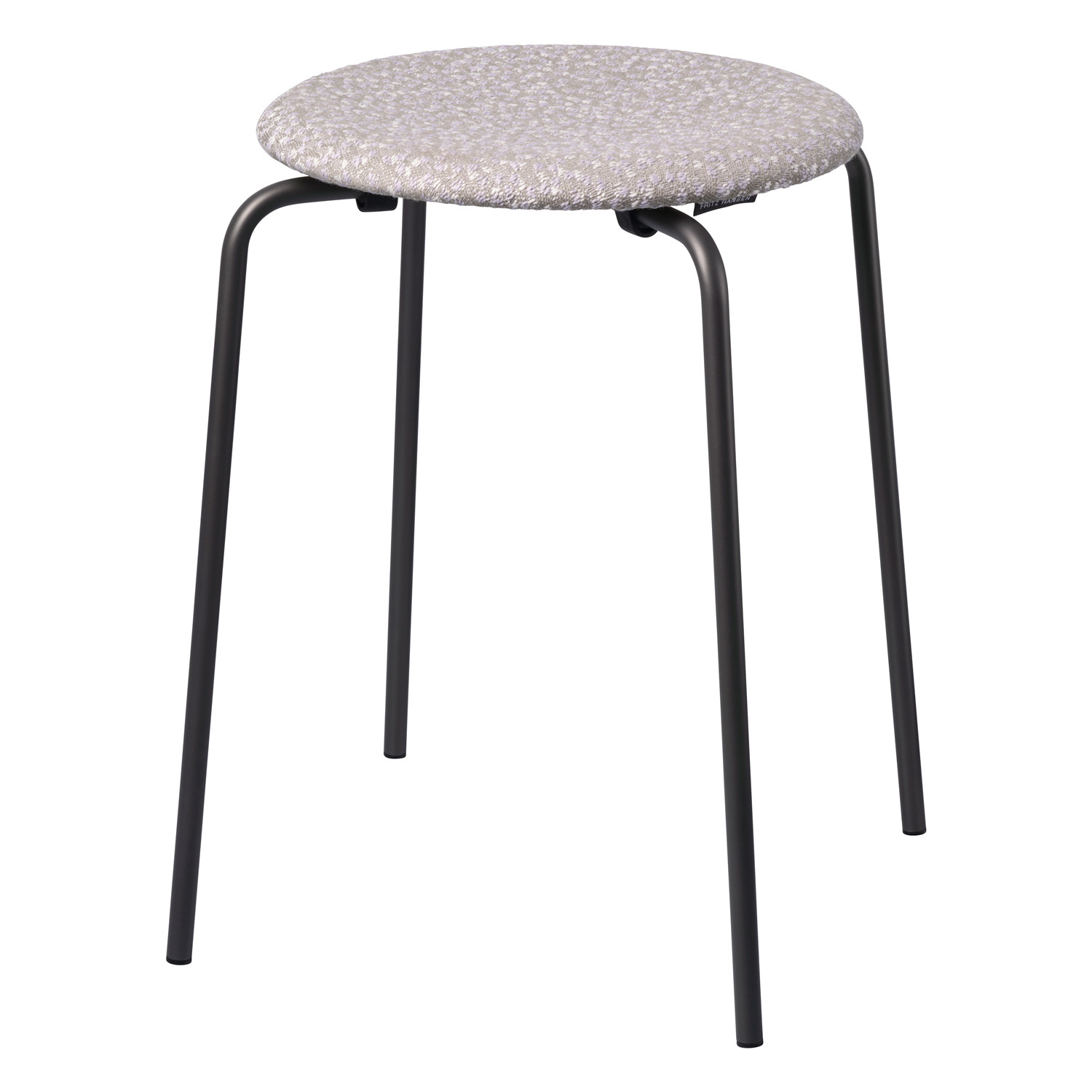
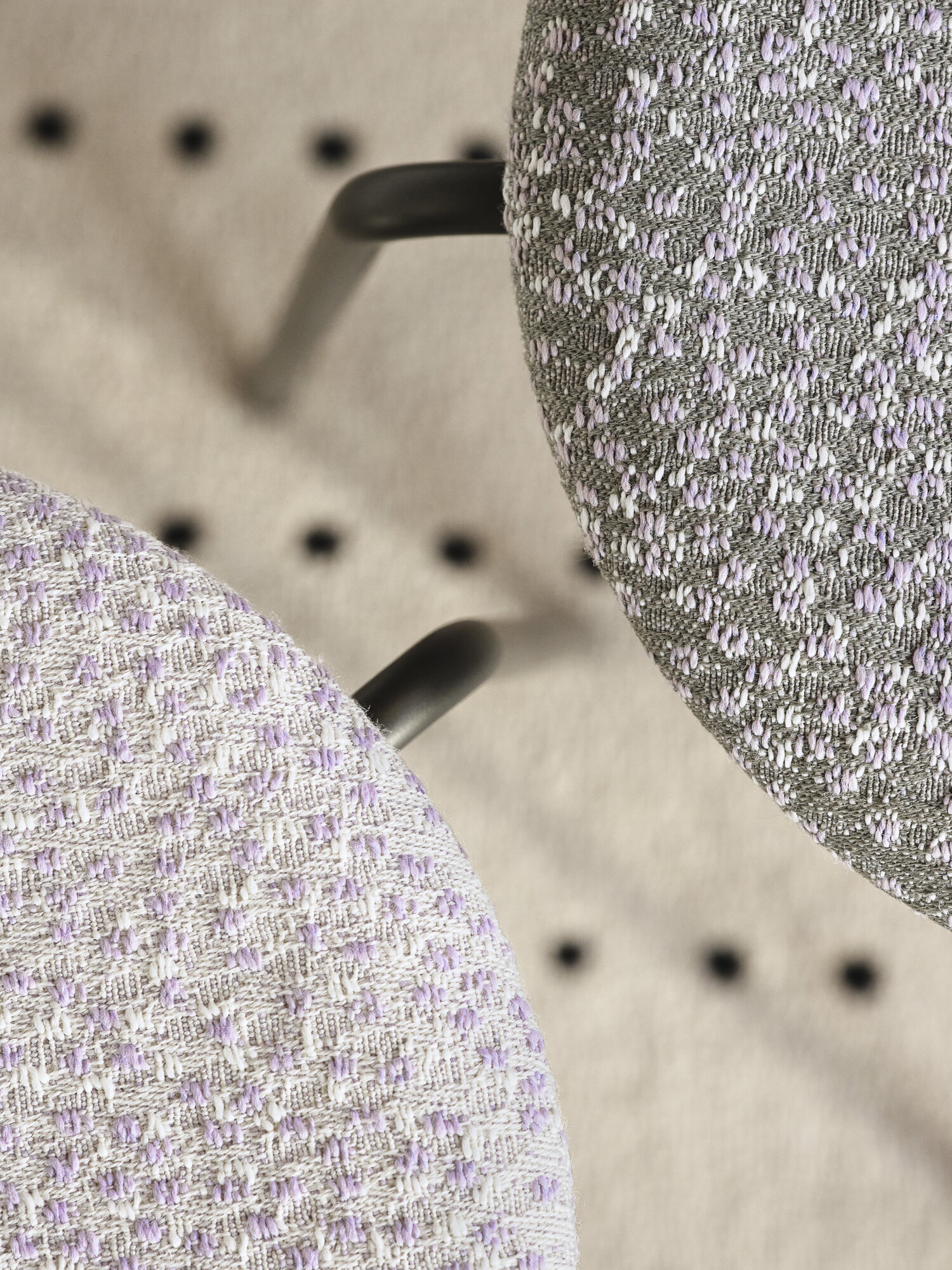
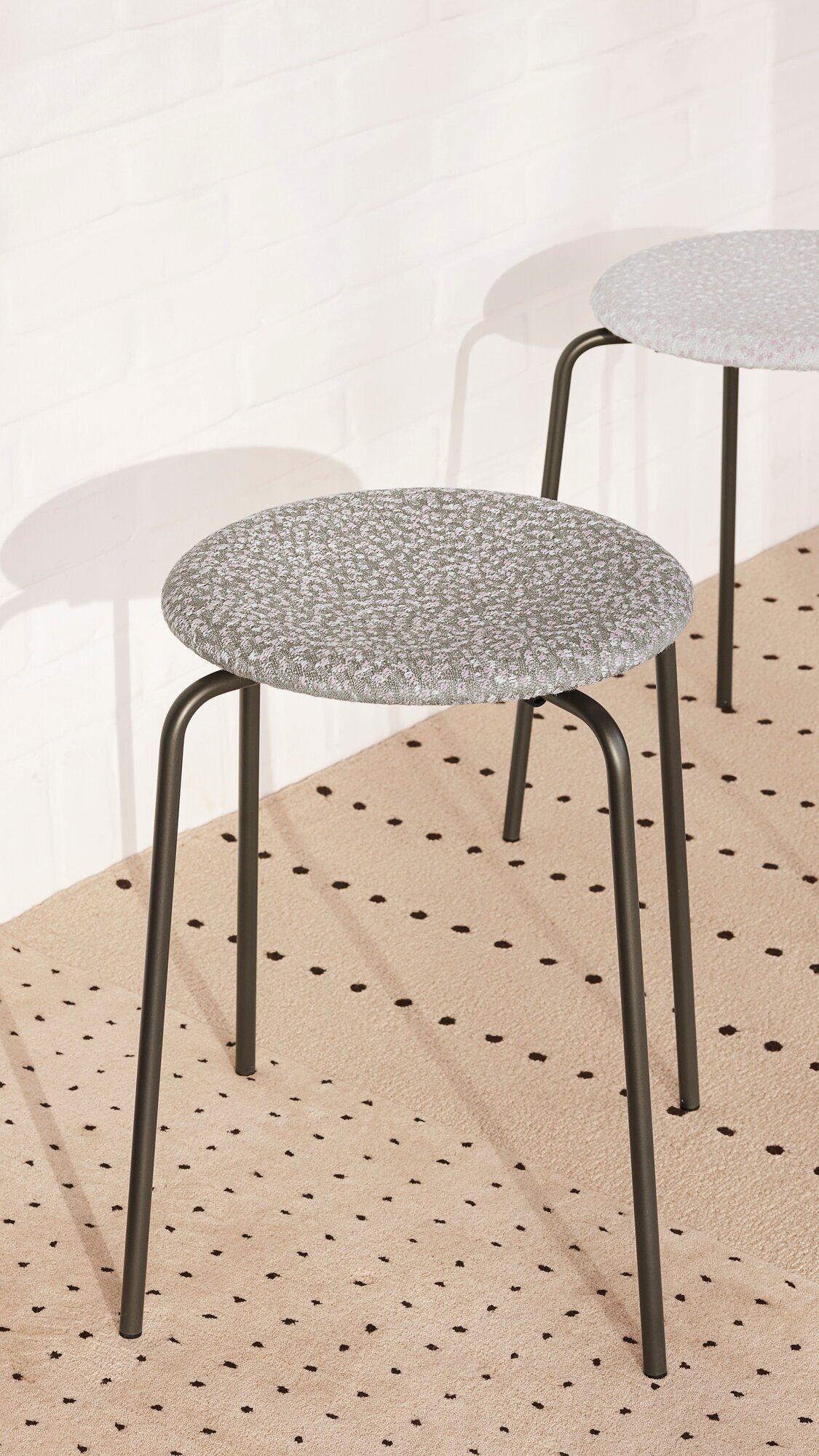
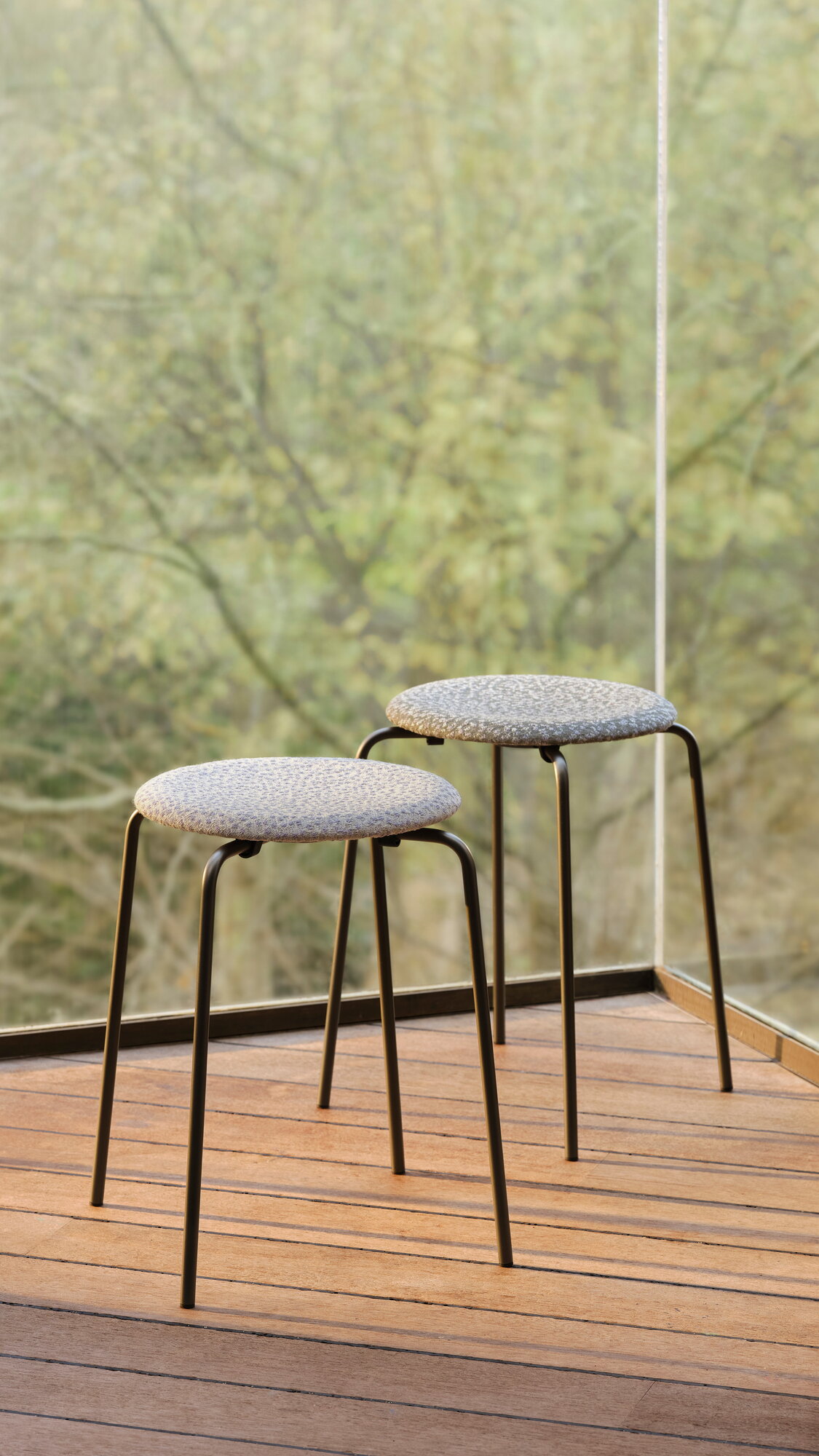
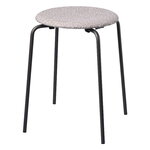
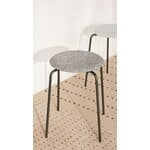
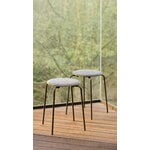
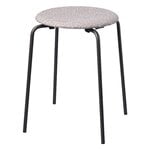
Dot stool, grey - beige - white - graphite
Description
Fritz Hansen’s Dot stool is a Danish design classic created by Arne Jacobsen in 1954, as he was in the process of designing the now legendary Ant chair for the company. Originally a three-legged stool, also known as model 3170, Dot was revitalized in 1970 and updated to a four-legged version. The multifunctional Dot stool can be used in the kitchen, hallway, home office, children's room, you name it. Due to its lightweight, stackable structure, the stool is easy to grab anytime an extra seat is needed.
- Height: 46 cm
- Diameter: 34 cm
- Colour Beige, white, grey
- Material Powder coated steel
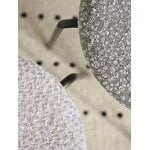
- Seat material Kvadrat Ria 241: 84% new wool worsted, 12% viscose, 4% nylon
- Stackable Yes
- Product ID: FHA840113

Arne Jacobsen (1902–1971) was a master of Danish modernism and one of the most influential designers of the 20th century. Trained as an architect at the Royal Danish Academy of Fine Arts in Copenhagen, Jacobsen built an extraordinary career in both architecture and design. He is especially celebrated for his sculptural furniture, where functionality, pared-back form and architectural thinking come together in a timeless whole.
His work also earned wide international acclaim. Over the course of his career, Jacobsen received numerous design awards, including the C. F. Hansen Medal and the Grand Prix at the Milan Triennale.
Arne Jacobsen: A visionary of Danish modernism
Arne Jacobsen, who graduated as an architect from the Royal Danish Academy of Fine Arts in Copenhagen in 1927, is undoubtedly one of the most influential Danish designers of all time.
Jacobsen’s furniture design was often closely intertwined with his architectural projects. Many of his iconic works were originally created as part of larger architectural environments, yet later rose to become independent design classics in their own right.
Design as an extension of architecture
One of Jacobsen’s most famous projects was the Royal Hotel in Copenhagen, which he designed down to the smallest detail. The project was extremely important to him, as it allowed him to put his vision of integrated design into practice – an approach where not only the building and its spaces are designed, but also every element related to the interior and the building’s use, forming a harmonious and unified whole.
The AJ lamps produced by Louis Poulsen, originally designed by Jacobsen for the Royal Hotel, are a fine example of the designer’s streamlined and elegant aesthetic. The cutlery designed for the hotel and produced by Georg Jensen remains popular to this day, and the famous Egg and Swan chairs were also originally created for the hotel’s public spaces.
International influence and a timeless legacy
Arne Jacobsen played a decisive role in the international breakthrough of Scandinavian design in the 1950s and 1960s. His pared-back yet expressive design language has remained relevant decade after decade, and many of the products he designed are still in production today.
One example is the Cylinda Line collection designed for Stelton in 1967. Since its introduction, the stainless steel tableware series has become an icon of Scandinavian design and is today included in the collections of several major museums.
Jacobsen’s legacy is also preserved by Fritz Hansen, with whom he collaborated closely for many years.
Who: Arne Jacobsen
- Danish architect and designer (1902–1971), one of the central figures of Nordic modernism.
- Trained as an architect; worked with buildings as well as furniture, lighting and everyday design objects.
- Known for a clean, streamlined aesthetic combining functionality, precise proportions and carefully chosen materials.
- In many projects, he designed not only the building but also the interiors and furnishings.
- Best-known designs include the Egg and Swan lounge chairs, the Series 7 chair (Fritz Hansen) and the AJ lamps (Louis Poulsen).
Read more on Design Stories
View all productsThe Product Sustainability Framework, our criteria of sustainable design, helps you find the most sustainable products in our selection. Read below which sustainability criteria this product has met.
-
 Equal opportunities for all employees
 -
Commitment to UN Global Compact, fair compensation for all employees
-
Corporate responsibility requirements defined and communicated for suppliers
-
Systematic work for improved inclusion and well-being in the workplace
-
Transparent supply chain
-
Suppliers' compliance to a code of conduct ensured
-
Direct suppliers audited and certified
-
Compliance to the UN Guiding Principles on Business and Human Rights ensured in the supply chain
-
Support for community involvement in the supply chain
-
Fair and resource-wise water-use in production
-
No incineration or landfilling of returned items
-
No use of endangered species as materials
-
No direct environmental emissions or waste (excl. GHGs) from production
-
Material-efficient and ecological packaging
-
No potentially harmful chemicals used in own production
-
The sustainability of direct suppliers' production is addressed and monitored
-
Production and material sourcing that respect biodiversity, animal rights, and natural ecosystems
-
Positive impact on nature’s well-being through operations that regenerate natural ecosystems
-
Company's direct greenhouse gas emissions identified and commitment to reduction
-
Product's carbon impact identified and commitment to reduction
-
Guidance on energy- and eco-efficient use of the product
-
Contribution to climate initiatives beyond the brand’s direct operations
-
Carbon footprint of the product calculated and goals set to reduce it
-
100 % renewable energy in own production and operations
-
Low-carbon or compensated transportation
-
Carbon neutral or carbon negative product
-
Sustainable and long-lasting material choices
-
No harmful or hazardous substances
-
Responsible raw material sourcing and production
-
Materials suited for circularity: monomaterials, recyclable finishings, renewable or recycled contents etc.
-
Ecological materials: natural, biodegradable, recyclable or recycled contents
-
Outstanding materials in terms of innovativeness, responsibility, sustainability and circularity: local production or sourcing, 100 % recycled content, C2C-certification etc.
-
High aesthetic quality promoting long-term use of the product
-
Technically durable product design and material choices
-
Design for enduring life-long quality
-
Design and support for product maintenance, repair and upgradability
-
Innovative circular design solutions: circular service system, resale platform, remanufacturing, collection of used products, etc.
Ideas and inspiration
This is a carousel. Use Next and Previous buttons to navigate.