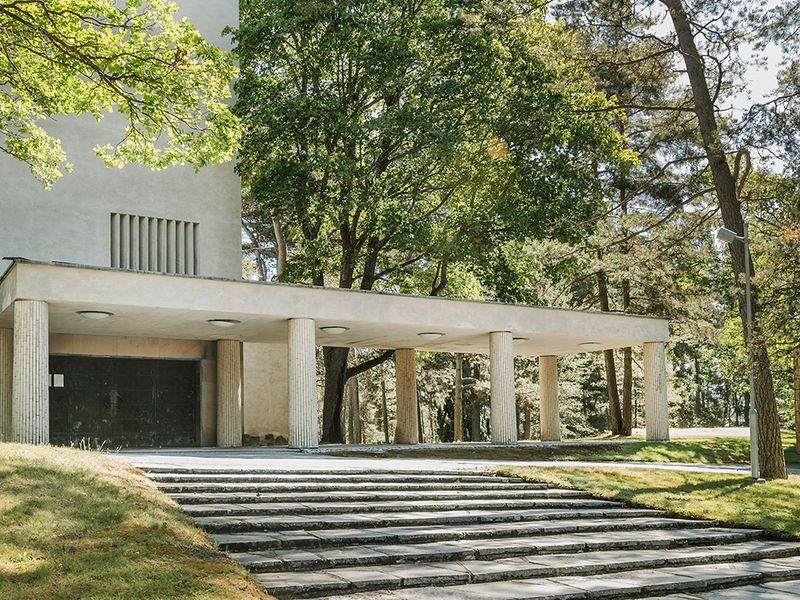
Kalevala Jewelry – a vibrant messenger of women’s rights and Finnish cultural heritage
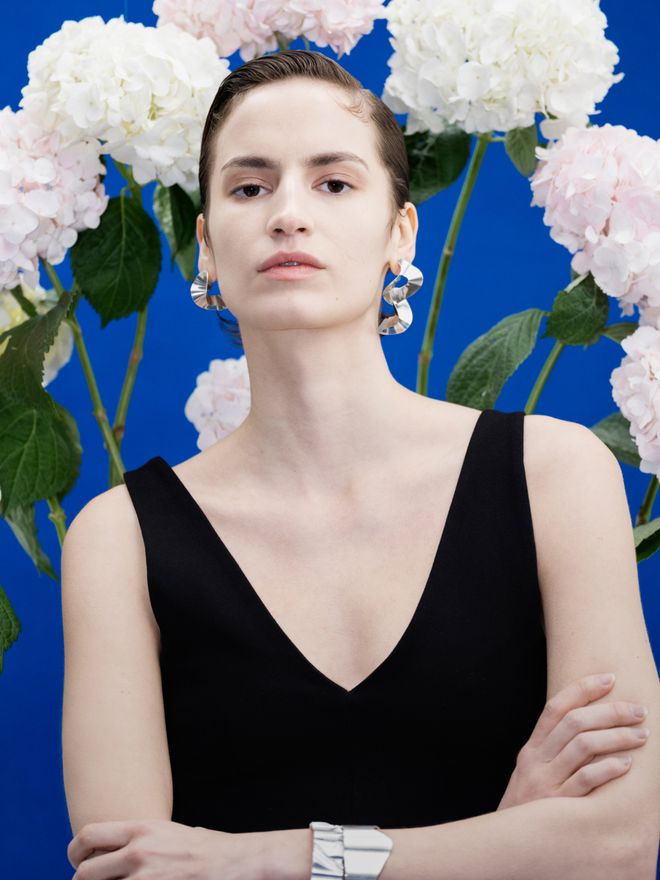
Kalevala Jewelry has celebrated Finnish cultural heritage in many ways for more than 90 years. A willingness to take a stand has been part of the company’s story from the very beginning.
THE STORY OF Kalevala Jewelry, Finland’s most recognised jewellery brand, begins in Helsinki in 1935. That year marked the 100th anniversary celebrations of the Kalevala, Finland’s national epic.
Among those attending the festivities was Elsa Heporauta – a writer, teacher, journalist and passionate cultural advocate. During the celebrations, she was deeply moved by a performance by women who carried on the tradition of Karelian runo singing, an ancient form of poetic storytelling from eastern Finland and Karelia.
Later, Heporauta described a powerful vision: an elderly woman appeared to her and asked a mysterious question – “Who will carry the Kalevala forward?”
The experience inspired her to imagine a monument dedicated to the women of the Kalevala tradition, and a committee of women from many different backgrounds was formed to realise the project. Eventually, an idea emerged: the monument could be funded through a jewellery collection inspired by ancient Finnish ornaments discovered in archaeological finds.
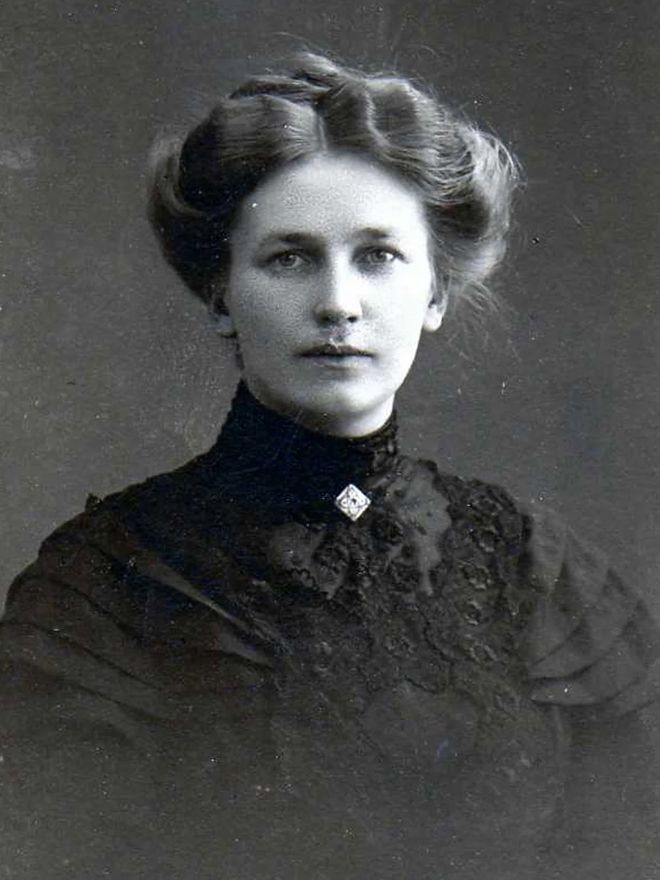
The founder of Kalevala Jewelry, Elsa Heporauta (1883–1960), was a true Renaissance figure of her time who devoted her life to educational and charitable work as well as to promoting Kalevala-inspired culture.
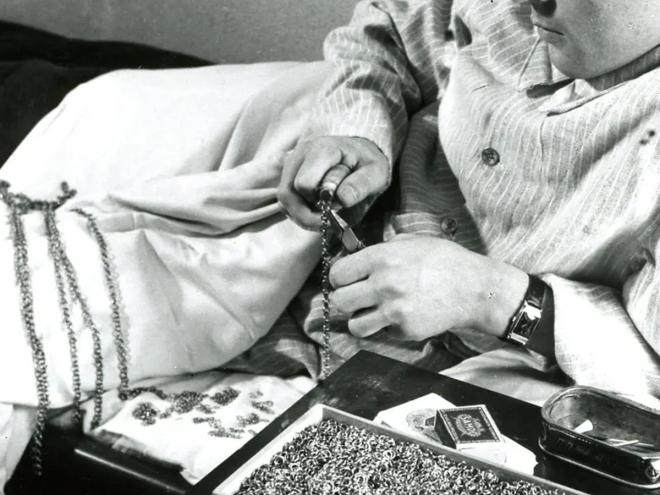
When the war broke out, war veterans were also employed at Kalevala jewellery making.
Released in 1937, the Kalevala jewellery collection quickly became a success. Yet the monument itself would have to wait. When the Second World War broke out, the funds raised for the statue were instead directed to help those in need. The committee supported children’s homes, temporary housing for refugees from Karelia, and so-called “mother homes” – places where mothers from large, low-income families could rest and recover.
Kalevala Jewelry was founded in 1941 to continue the committee’s work. At the same time, the Kalevala Women’s Association was established and remains the company’s owner today. The organisation promotes Finnish cultural heritage through events, lectures and grants.
After the war years, the monument was finally completed. In 1945, artist Eemil Halonen created a bronze sculpture titled Louhi, Mistress of the North, depicting a powerful female figure from the Kalevala mythology. Today, the statue can be found at the offices of the Kalevala Women’s Association in Helsinki.
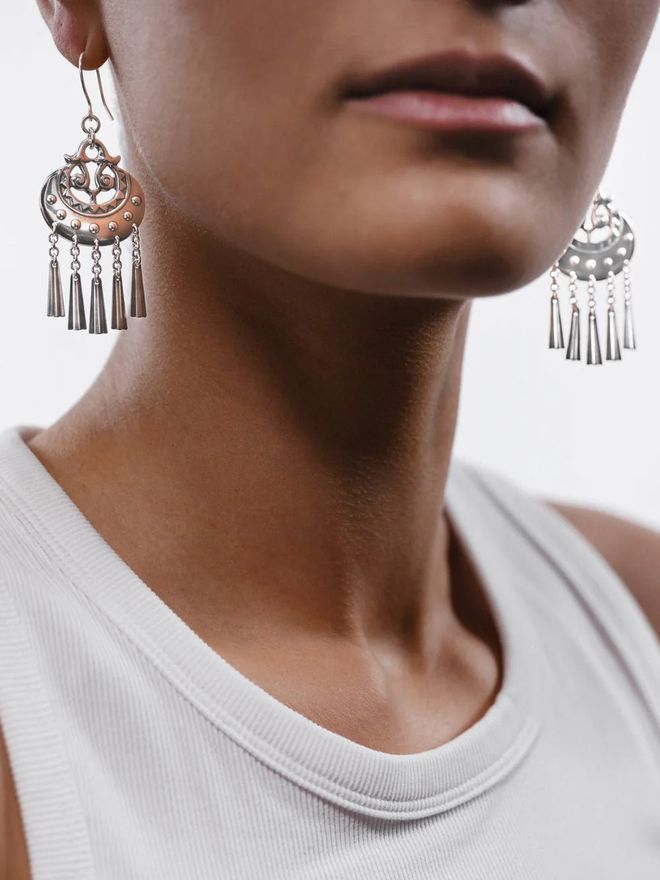
The first Kalevala pieces, based on ancient Finnish burial finds, were created by jewellery designer Germund Paaer. The beloved Kuutar design draws inspiration from Viking Age jewellery.
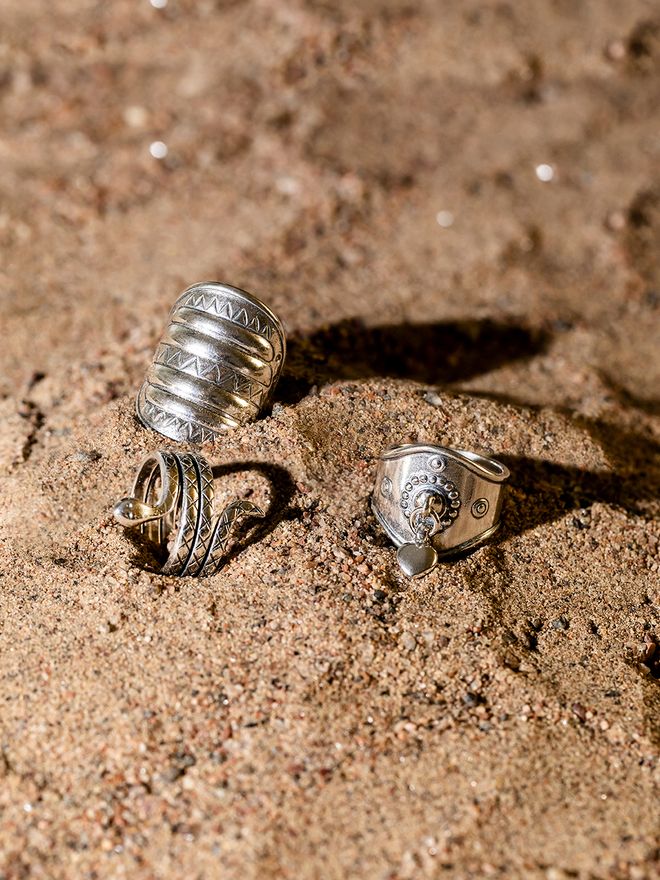
Paaer drew inspiration for the form of the still-produced Heart ring from his home region of Kihniö.
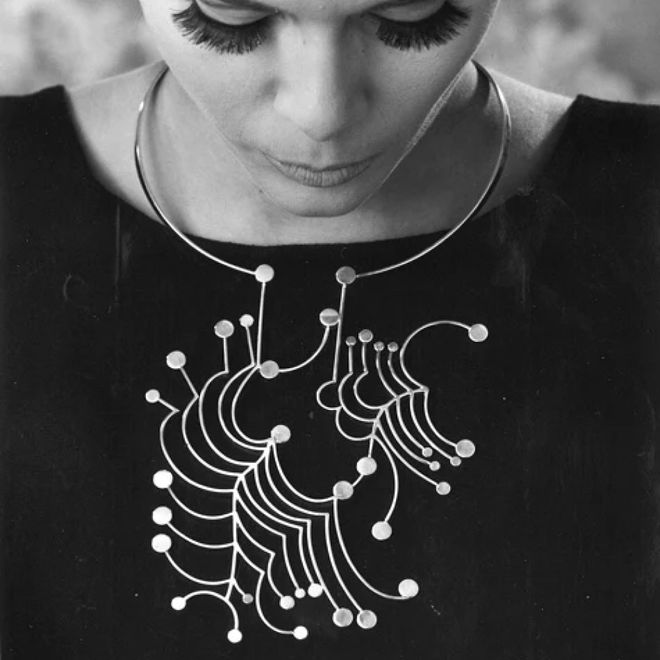
Paula Häiväoja, Kalevala Jewelry’s first female head designer, introduced a series of ultra-modern and imaginative silver jewellery pieces to the collection.
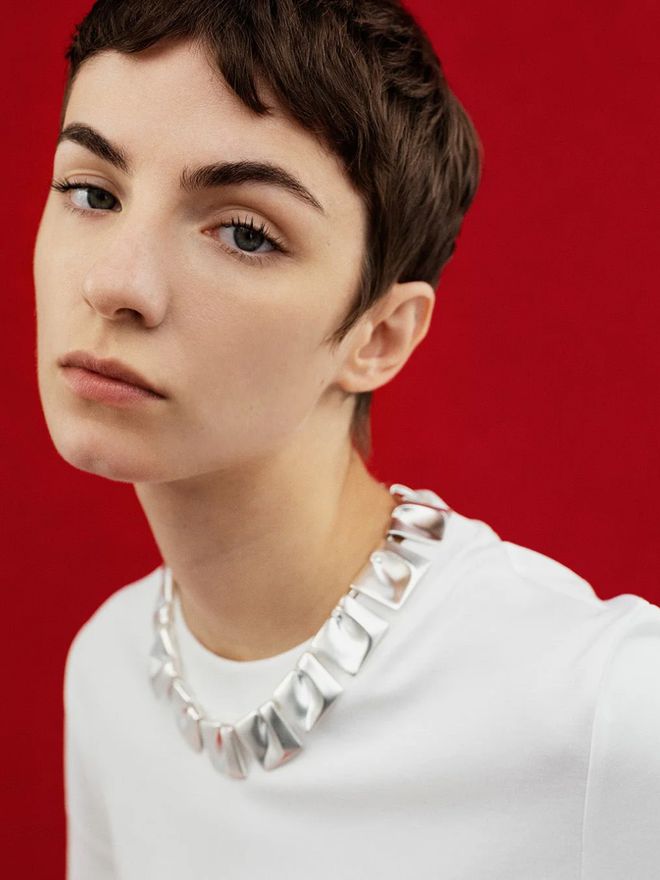
Björn Weckström’s Planetary Valleys necklace for Lapponia Jewelry appeared on Princess Leia in the first Star Wars film. Lapponia became part of Kalevala Jewelry in 2005.
Jewellery with a voice for equality
Kalevala Jewelry’s collections combine designs inspired by ancient Finnish ornaments with pieces that reflect the nature, society and cultural conversations of their own time. Women’s rights have remained an important thread throughout the decades.
Glass ceilings and stereotypes have been challenged within the company from the very beginning. The role of CEO has almost always been held by a woman, and in 1963, the company appointed its first female head designer: fashion artist Paula Häiväoja, known for her bold and futuristic style.
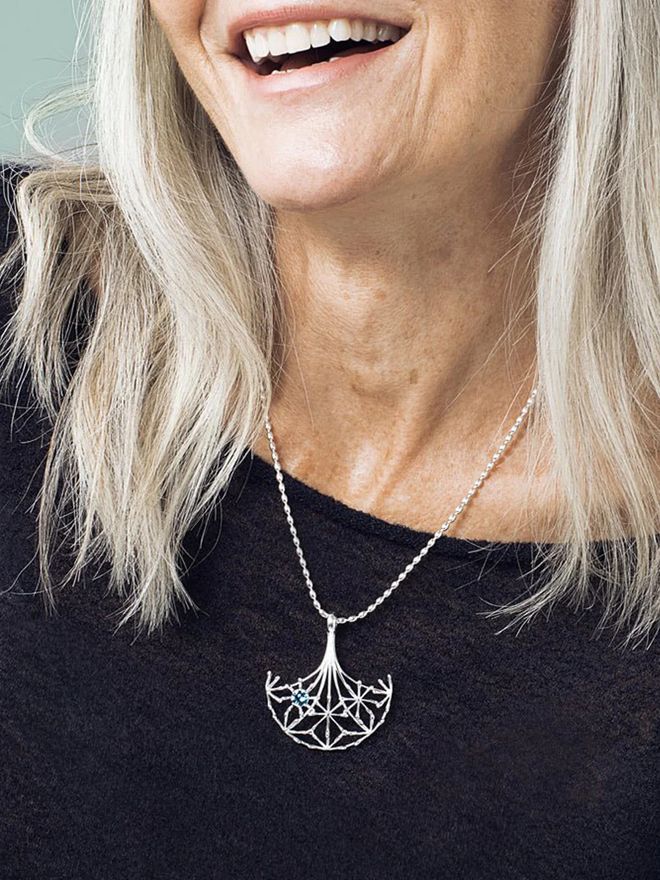
The Woman’s Voice jewellery designed by Kirsti Doukas celebrates the introduction of universal and equal suffrage in Finland in 1906.
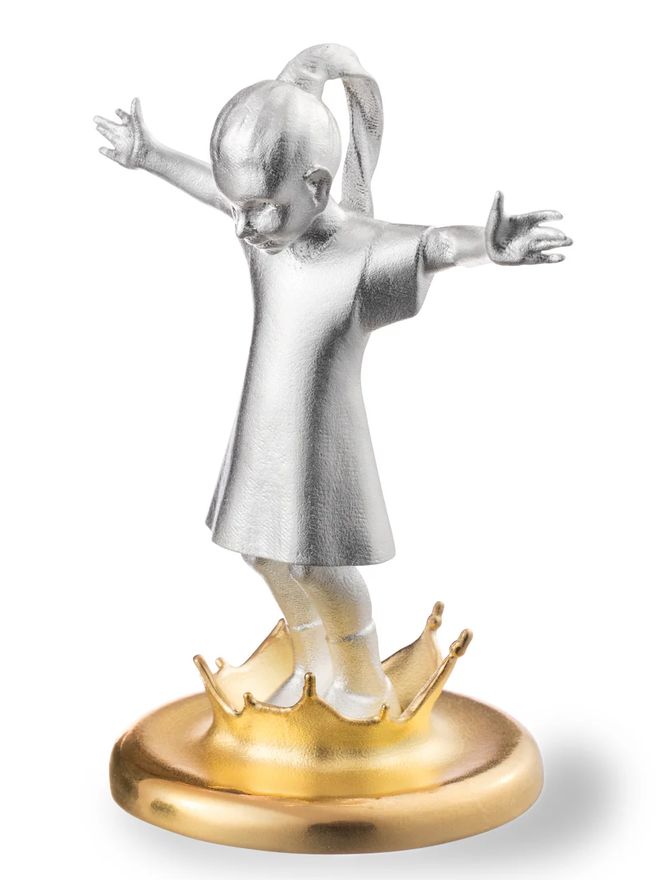
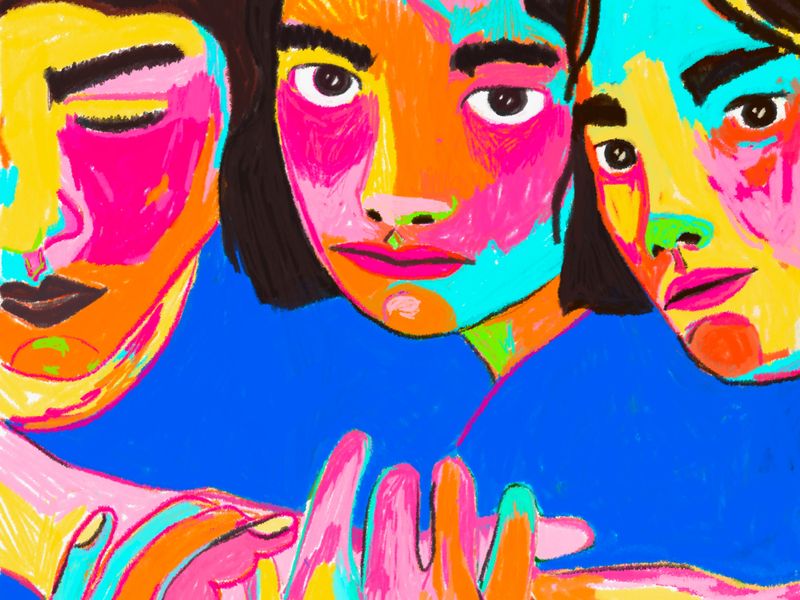
Designed by visual artist Kim Simonsson, Puddle Girl from 2017 splashes muddy water at the restrictive norms and stereotypes often associated with girls.
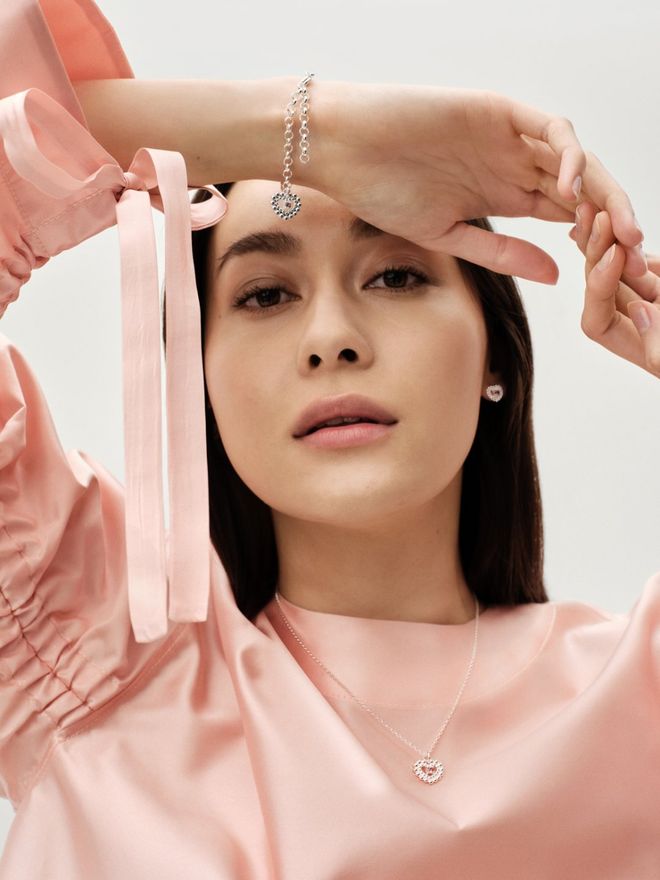
Kalevala Jewelry has participates in the Finnish Cancer Foundation’s Pink Ribbon campaign for cancer research with its own jewellery collections. The Circle of Light design by Tiina Arkko was the Pink Ribbon jewellery of 2025.
Among the best-known collections celebrating equality is the Woman’s Voice, released in 2006 to mark the 100th anniversary of women’s suffrage in Finland. Other striking designs include the Female Lion pendant, a reinterpretation of Finland’s heraldic lion, as well as the playful Puddle Girl and Spitting Girl pieces, which challenge traditional ideas of girlhood with a rebellious spirit.
Over the years, Kalevala Jewelry has also created jewellery honouring influential Finnish women. Dedicated pieces have celebrated figures such as equality pioneer Minna Canth, painter Helene Schjerfbeck and poets L. Onerva and Saima Harmaja.
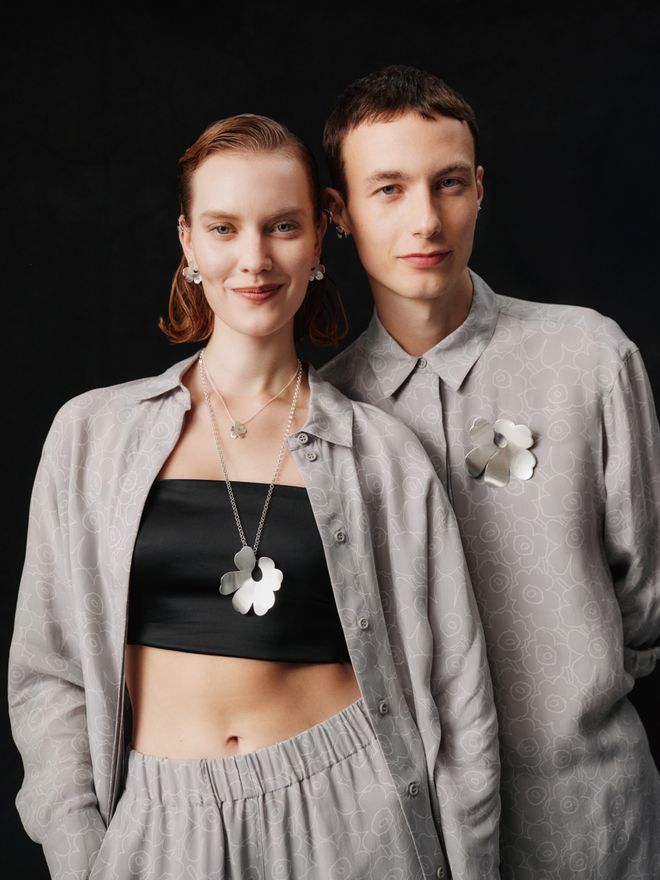
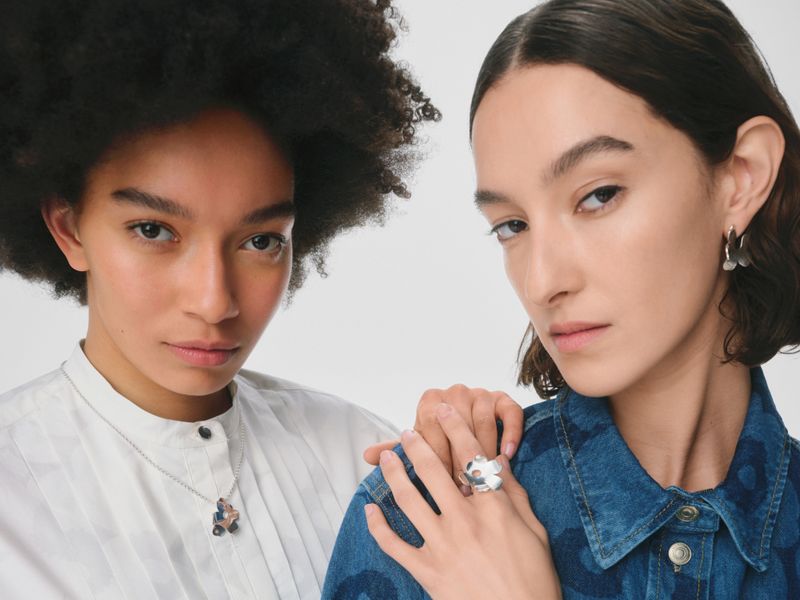
The Kalevala x Marimekko jewellery collection was launched to celebrate the 60th anniversary of Maija Isola’s iconic Unikko print.
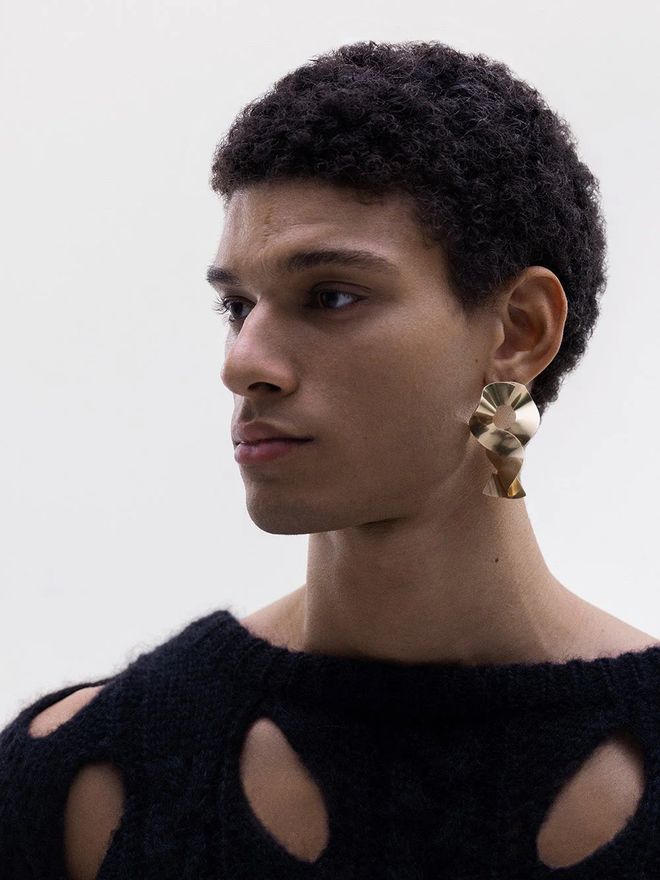
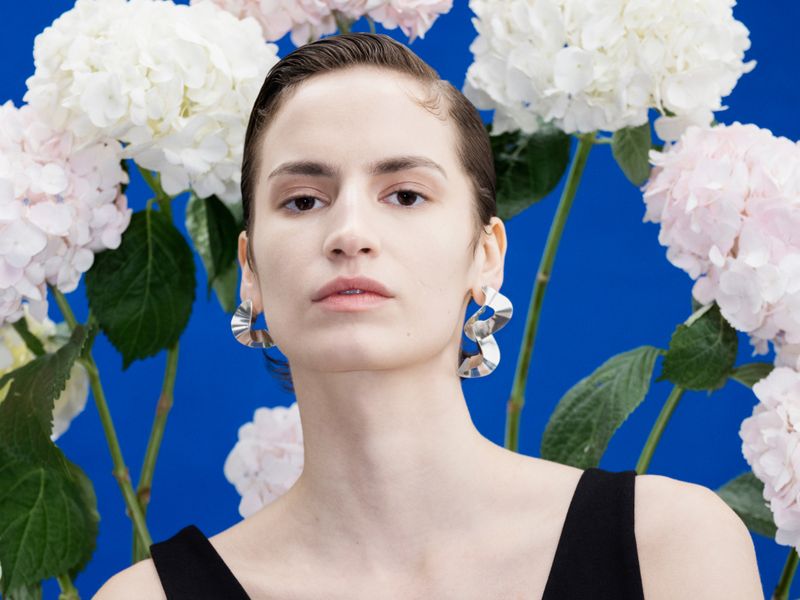
The Alluring collection by Juslin Maunula represents contemporary jewellery design inspired by architecture, fashion and sculpture.
Giving back, near and far
Today, Kalevala Jewelry aims to direct as much as one third of its annual profits towards charitable work and the well-being of its employees – both in Finland and beyond.
In 2020, the company founded the Kalevala Training Center in Kenya. The centre offers young women from disadvantaged backgrounds opportunities for vocational training and greater financial independence. So far, more than 600 students have graduated, and 78 percent have moved on to employment or further studies.
In 2022, Kalevala Jewelry began collaborating with Rusetti ry, Finland’s national association for women with disabilities. Together they launched vammaisettytöt.fi, the country’s first media platform created specifically for girls and women with disabilities.
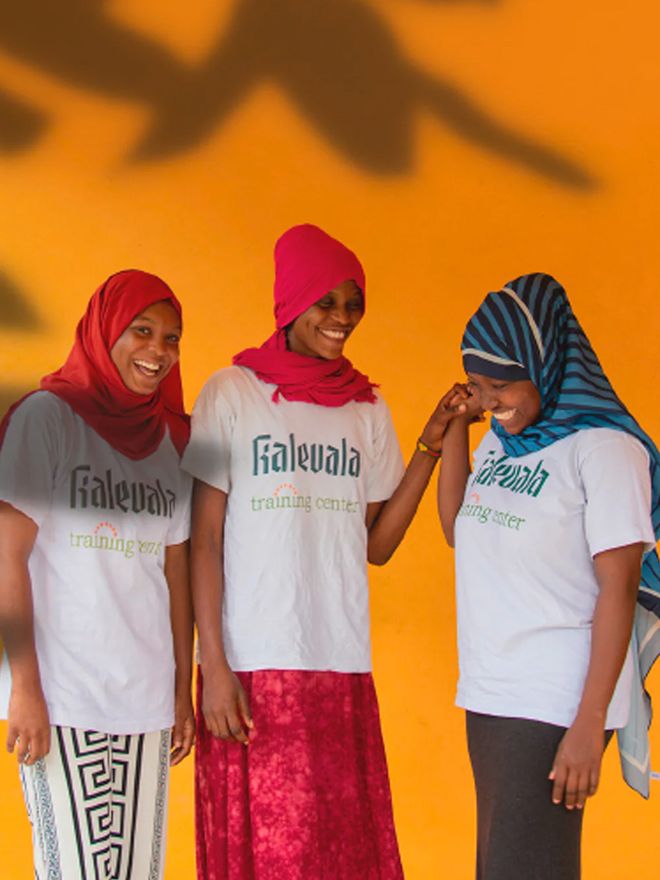
At the Kalevala Training Center, young Kenyan women can study information technology, hairdressing and dressmaking.
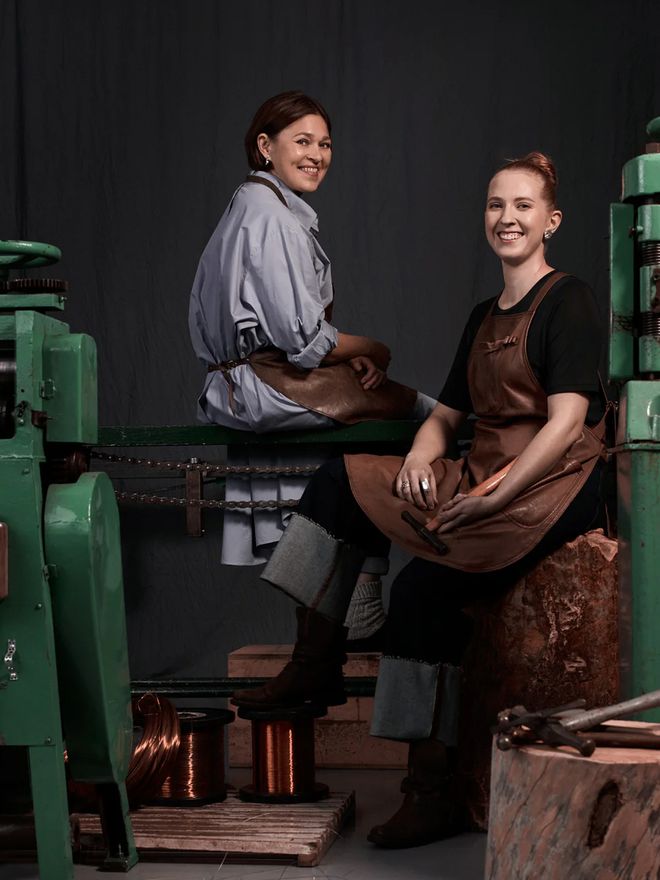
Based in Helsinki, Kalevala Jewelry is today Finland’s largest jewellery company and employer of goldsmiths.
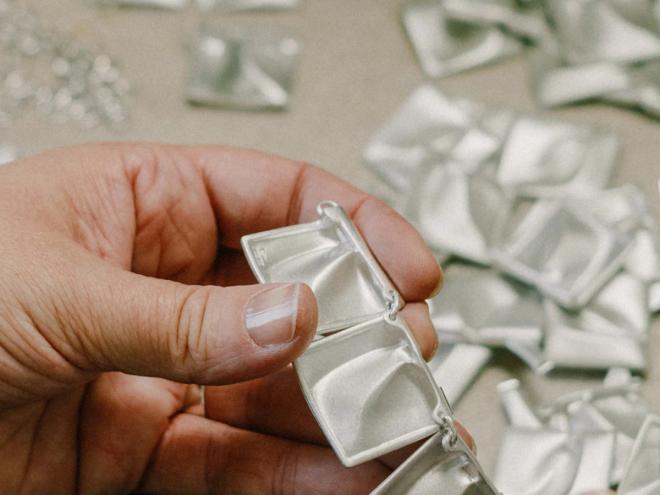
Many stages of production rely on meticulous craftsmanship. The gold and silver jewellery is made from recycled precious metals, and the bronze used is partly recycled as well.
All Kalevala jewellery is still made in Finland today, at the company’s modern factory in Helsinki, where around 80 jewellery professionals work together to craft each piece.
From there, the brand that grew into Finland’s largest jewellery company continues along the path first outlined by Elsa Heporauta – championing meaningful jewellery design, living cultural heritage and a bold, boundary-breaking vision of womanhood.
See also:
• Kalevala Jewelry at Finnish Design Shop >
• What’s new: Kalevala x Marimekko >
Images: Kalevala Jewelry
Published on 6 Mar, 2026