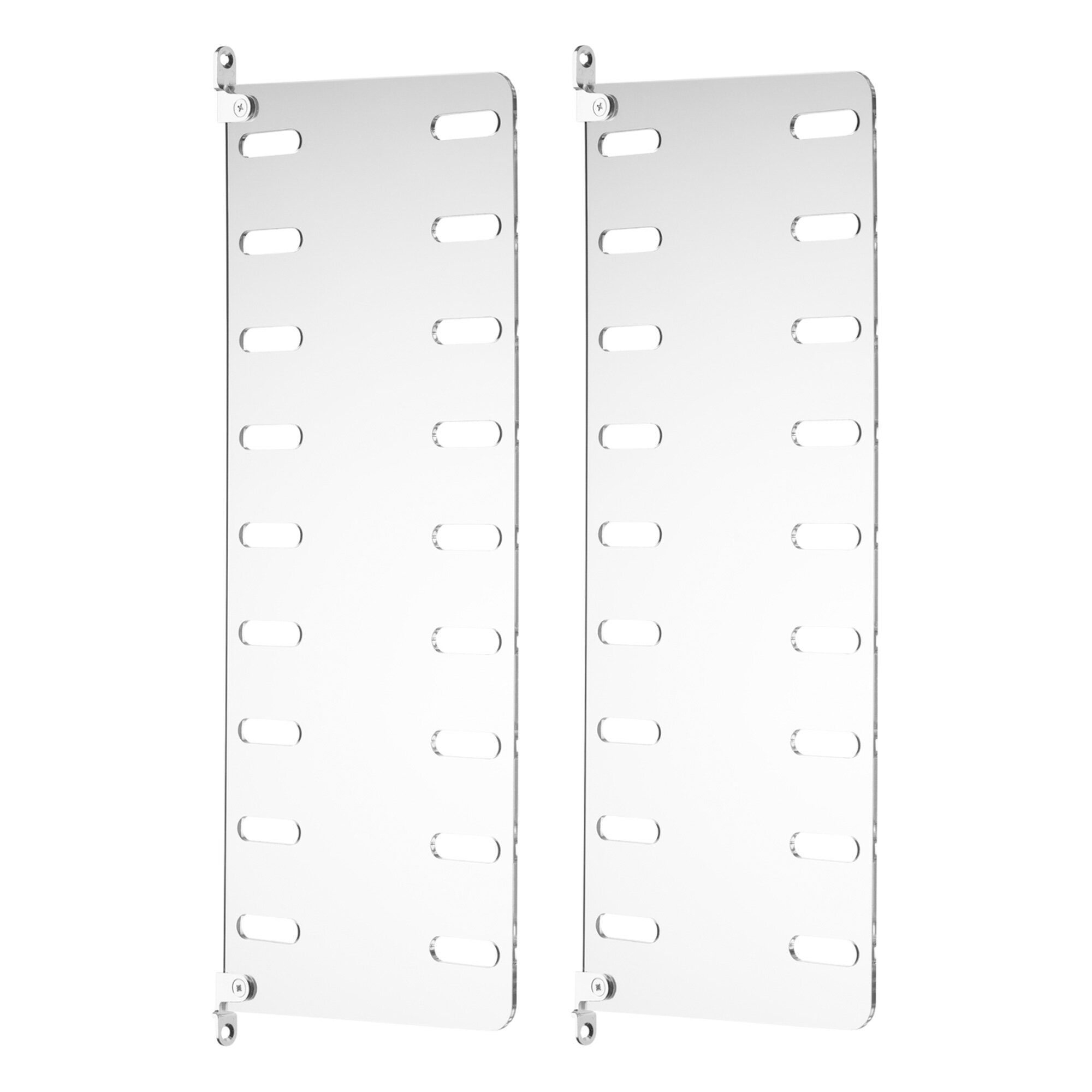
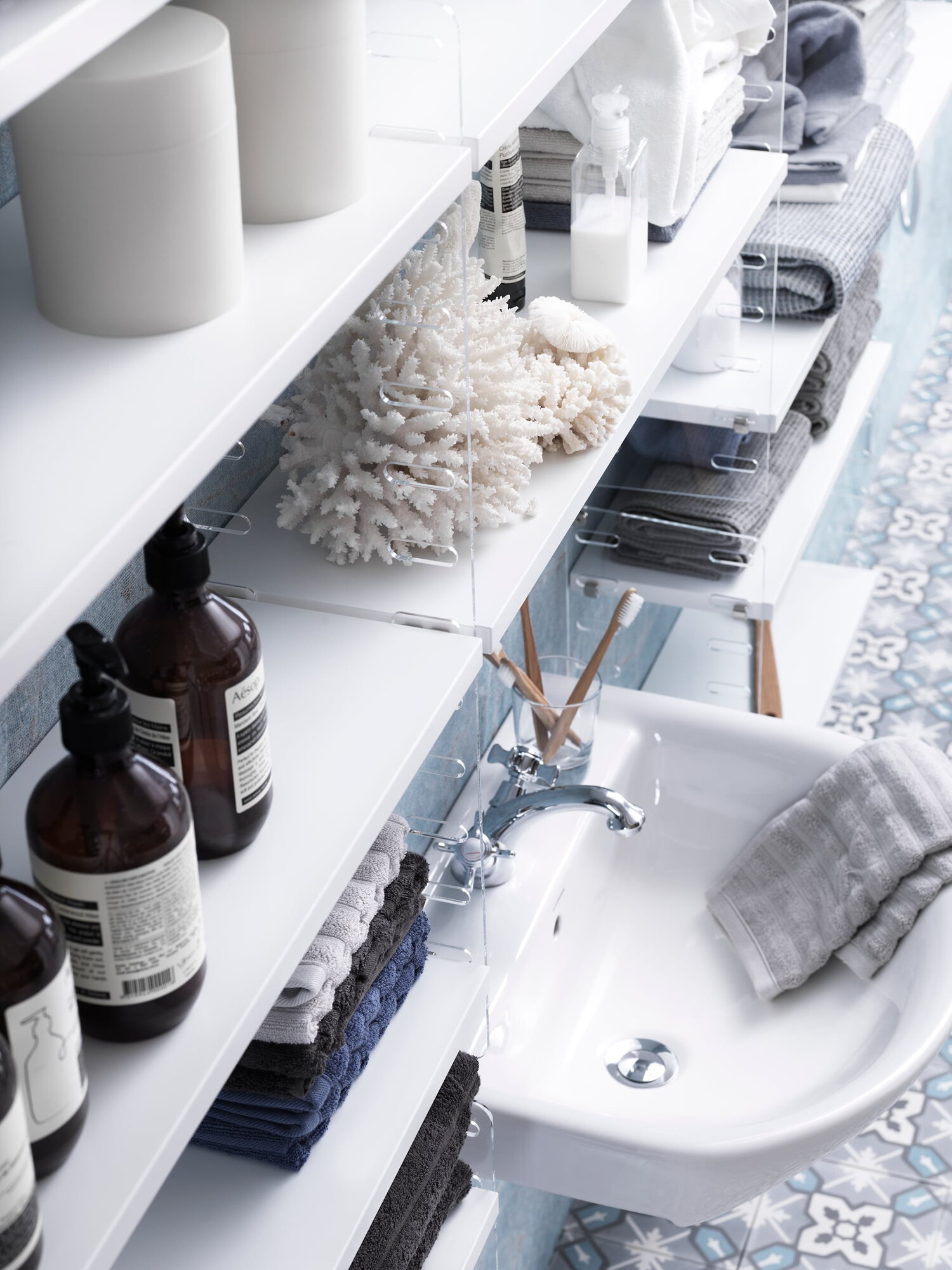
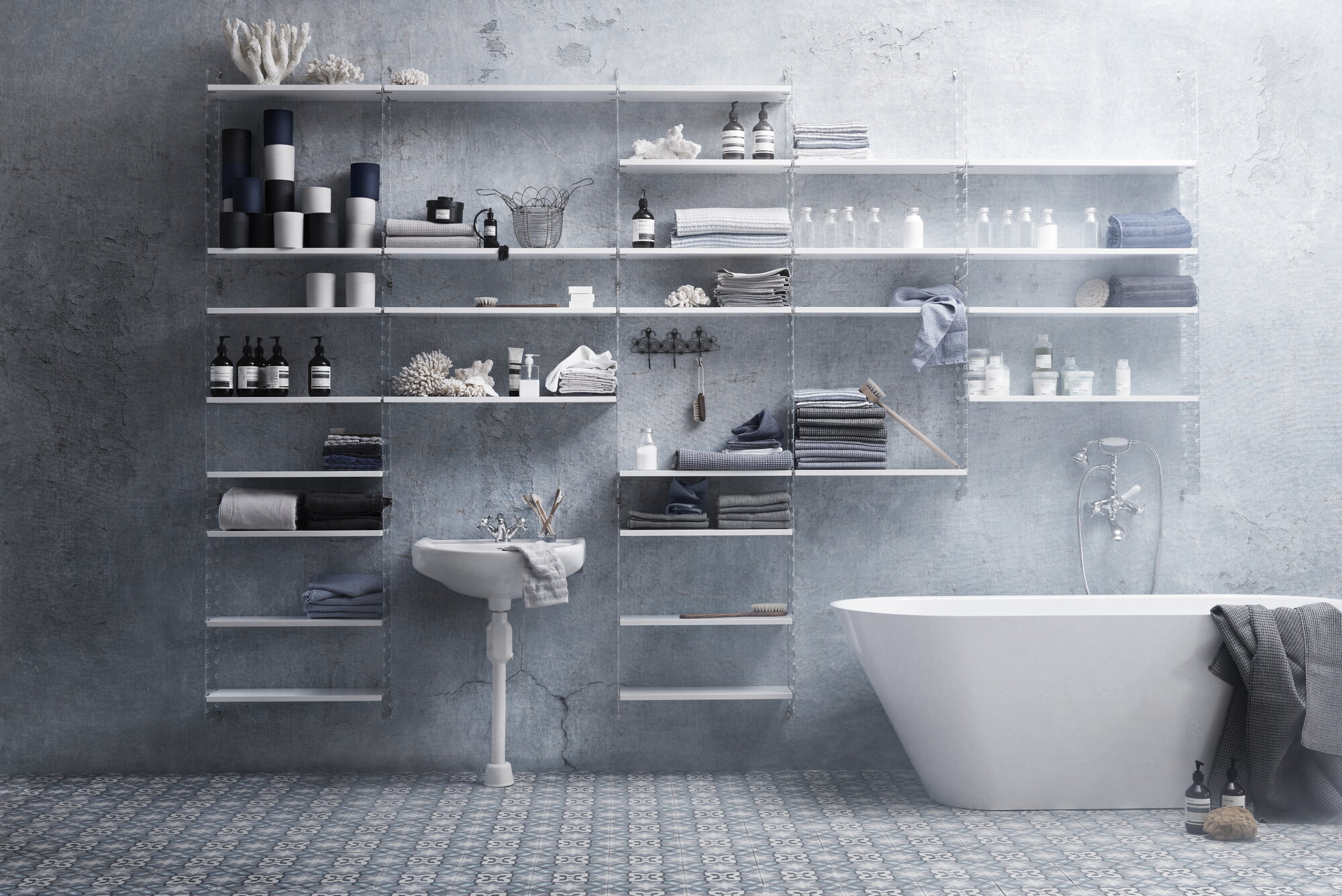
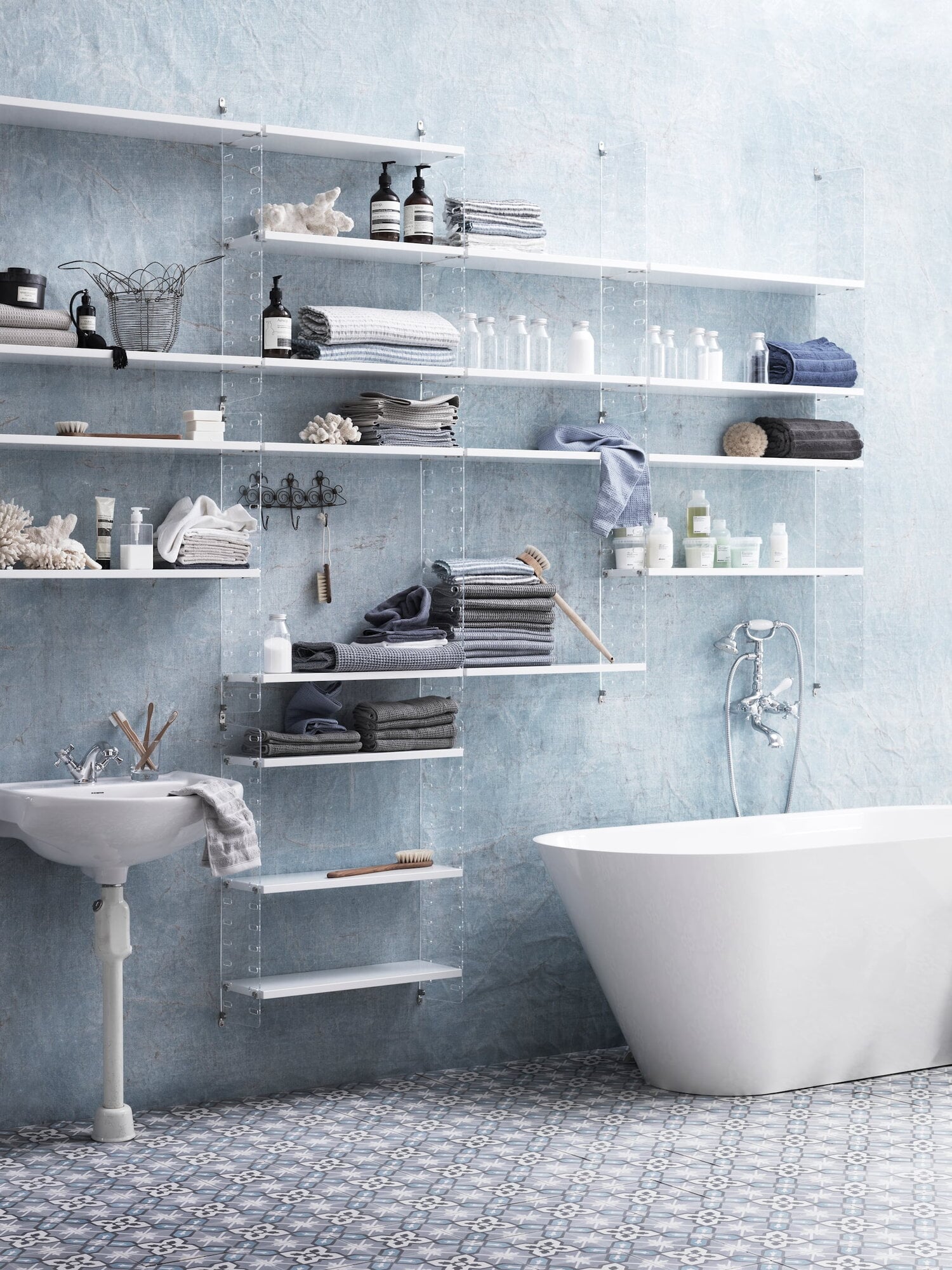
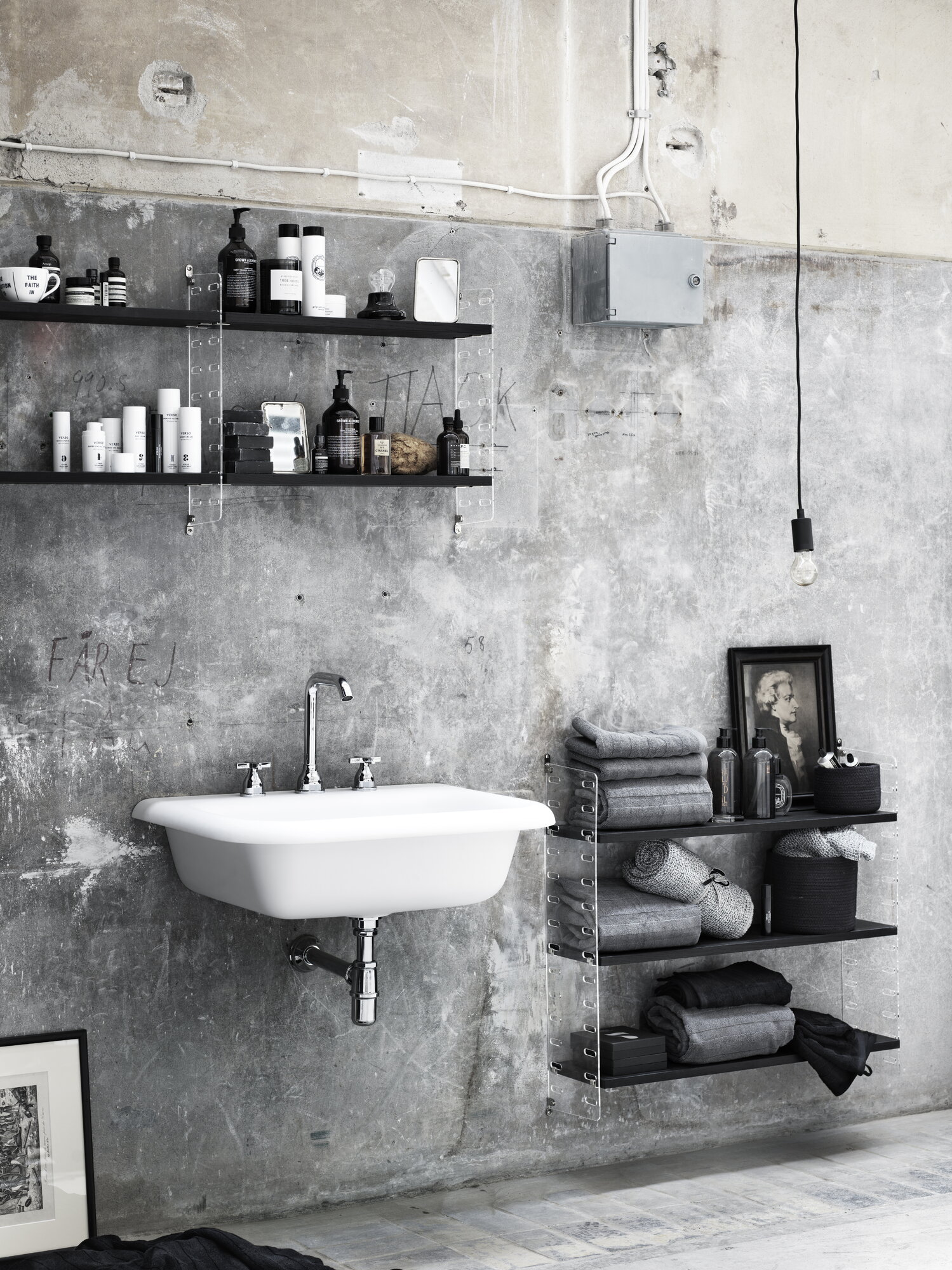
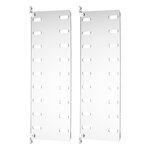
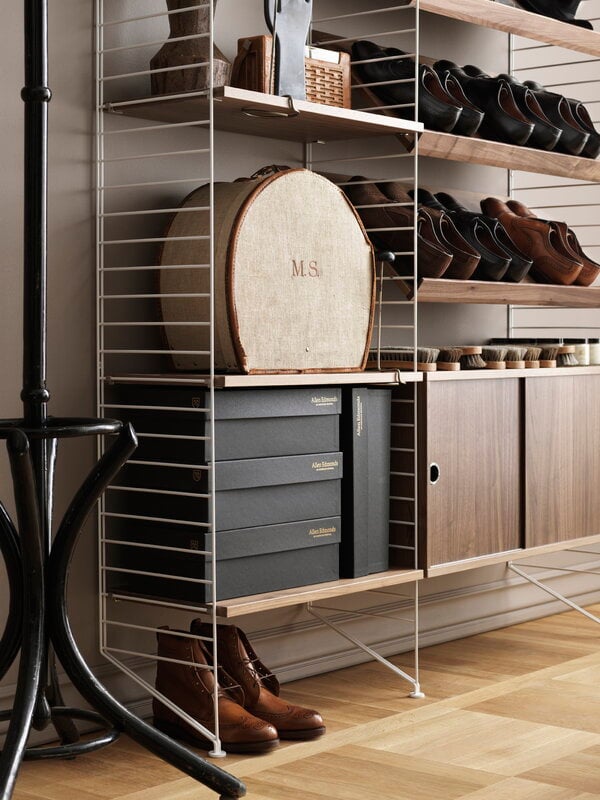
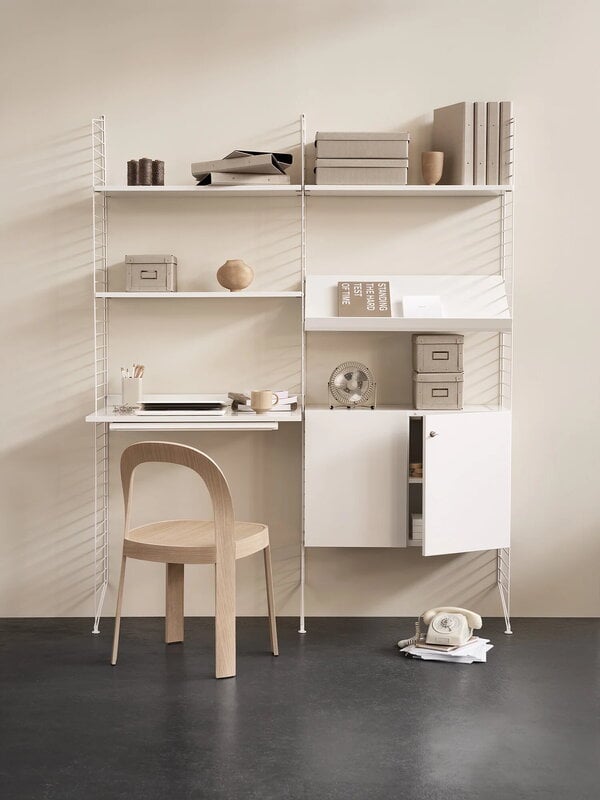
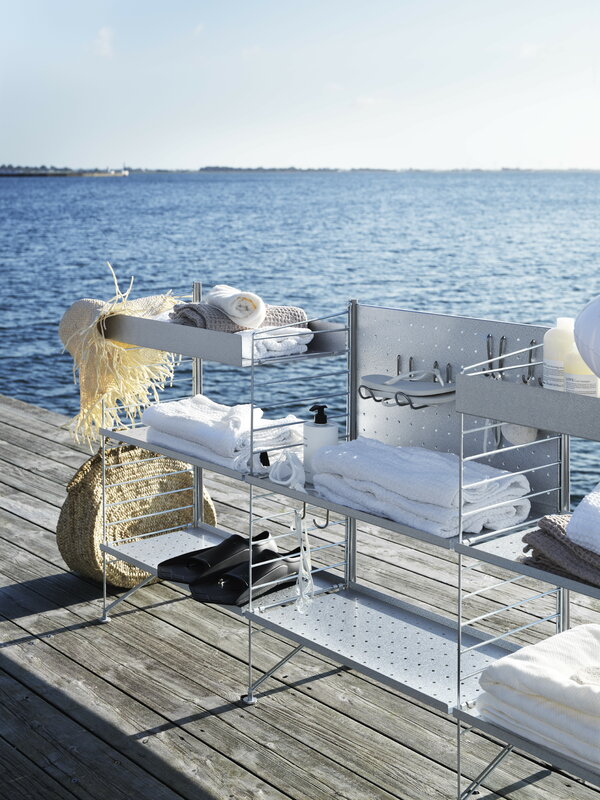
String Plex side panel is the core of the modular shelving system String Plex, designed by Nils Strinning in 1954. The clear plexiglass and laser-cut holes give the collection an extra light, airy appearance. The side panels can be combined with shelves and other parts of the String collection to form a shelving system that best suits your needs. The high-quality String products are manufactured in Sweden.
This is a carousel. Use Next and Previous buttons to navigate, or select a thumbnail to jump to a slide.
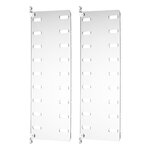
String Plex side panel 50 x 20 cm, 2-pack, clear
String Furniture
Description
String Plex side panel is the core of the modular shelving system String Plex, designed by Nils Strinning in 1954. The clear plexiglass and laser-cut holes give the collection an extra light, airy appearance. The side panels can be combined with shelves and other parts of the String collection to form a shelving system that best suits your needs. The high-quality String products are manufactured in Sweden.
- Depth: 20 cm
- Height: 50 cm
- Colour Clear
- Material Plexiglass
- Product ID: AK211379

Swedish architect Nils Strinning (1917–2006) was one of the designers who laid the foundation for what is now widely recognised as Scandinavian style. He rose to international fame in the 1940s with his design of the iconic String shelving system.
String was launched in 1949 as part of a design competition organised by the Swedish publishing house Bonnier, and it quickly became a classic of modern, functional design. Strinning’s work has received numerous accolades, including a gold medal at the Milan Triennale, and the String shelving system remains one of Sweden’s most iconic design exports.
This product doesn't have any reviews yet. Get your own piece of Nordic Happiness and be the first to review it!
The Product Sustainability Framework, our criteria of sustainable design, helps you find the most sustainable products in our selection. Read below which sustainability criteria this product has met.
-
 Equal opportunities for all employees
 -
Commitment to UN Global Compact, fair compensation for all employees
-
Corporate responsibility requirements defined and communicated for suppliers
-
Systematic work for improved inclusion and well-being in the workplace
-
Transparent supply chain
-
Suppliers' compliance to a code of conduct ensured
-
Compliance to the UN Guiding Principles on Business and Human Rights ensured in the supply chain
-
Support for community involvement in the supply chain
-
Direct suppliers audited and certified
-
Fair and resource-wise water-use in production
-
No incineration or landfilling of returned items
-
No use of endangered species as materials
-
No direct environmental emissions or waste (excl. GHGs) from production
-
Material-efficient and ecological packaging
-
No potentially harmful chemicals used in own production
-
The sustainability of direct suppliers' production is addressed and monitored
-
Production and material sourcing that respect biodiversity, animal rights, and natural ecosystems
-
Positive impact on nature’s well-being through operations that regenerate natural ecosystems
-
Company's direct greenhouse gas emissions identified and commitment to reduction
-
Product's carbon impact identified and commitment to reduction
-
Guidance on energy- and eco-efficient use of the product
-
Contribution to climate initiatives beyond the brand’s direct operations
-
Low-carbon or compensated transportation
-
Carbon footprint of the product calculated and goals set to reduce it
-
100 % renewable energy in own production and operations
-
Carbon neutral or carbon negative product
-
Sustainable and long-lasting material choices
-
No harmful or hazardous substances
-
Responsible raw material sourcing and production
-
Materials suited for circularity: monomaterials, recyclable finishings, renewable or recycled contents etc.
-
Outstanding materials in terms of innovativeness, responsibility, sustainability and circularity: local production or sourcing, 100 % recycled content, C2C-certification etc.
-
Ecological materials: natural, biodegradable, recyclable or recycled contents
-
High aesthetic quality promoting long-term use of the product
-
Technically durable product design and material choices
-
Design for enduring life-long quality
-
Design and support for product maintenance, repair and upgradability
-
Innovative circular design solutions: circular service system, resale platform, remanufacturing, collection of used products, etc.
This is a carousel. Use Next and Previous buttons to navigate.