This is a carousel of product images. Use the thumbnails or swipe to change the displayed image, and activate an image to open it full screen.
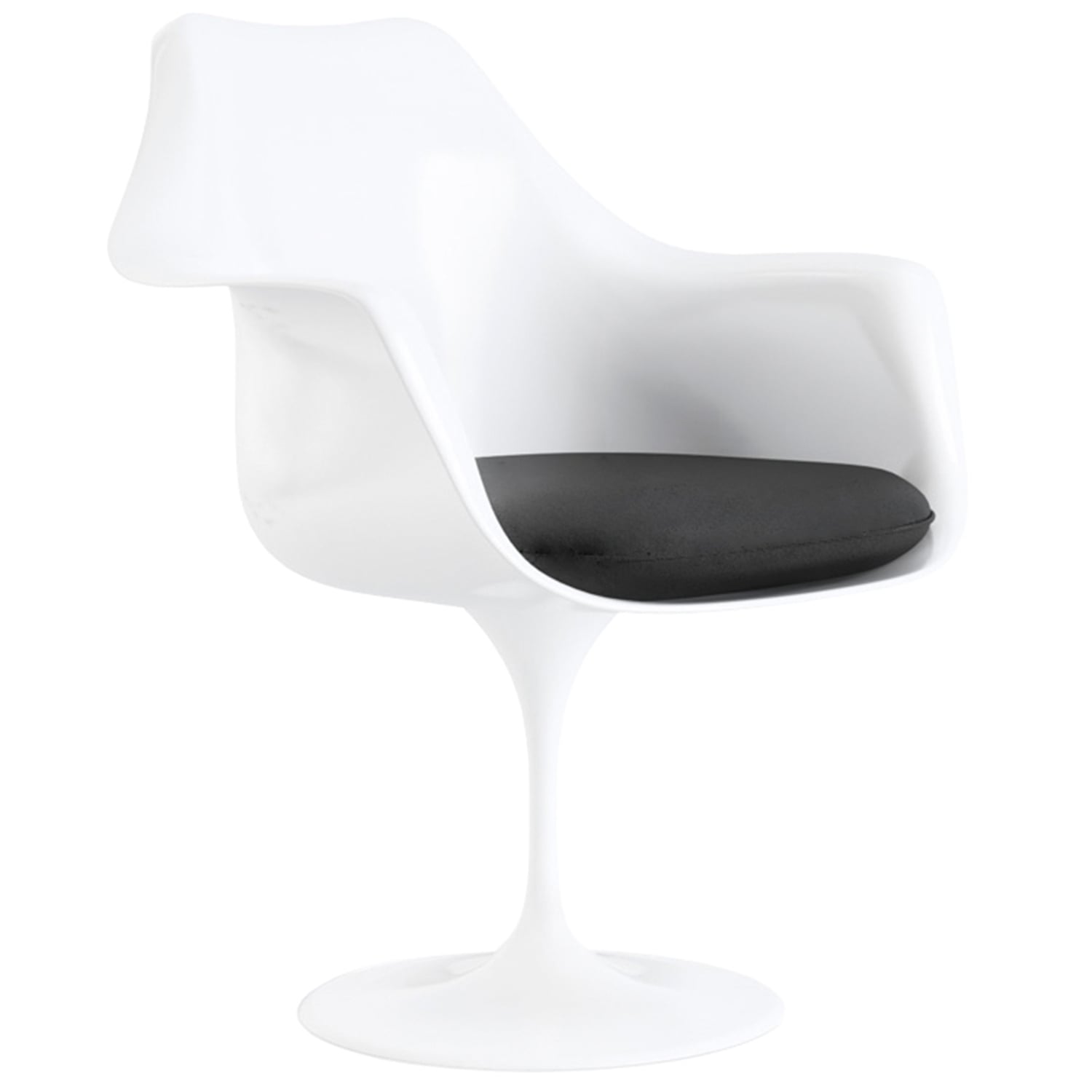
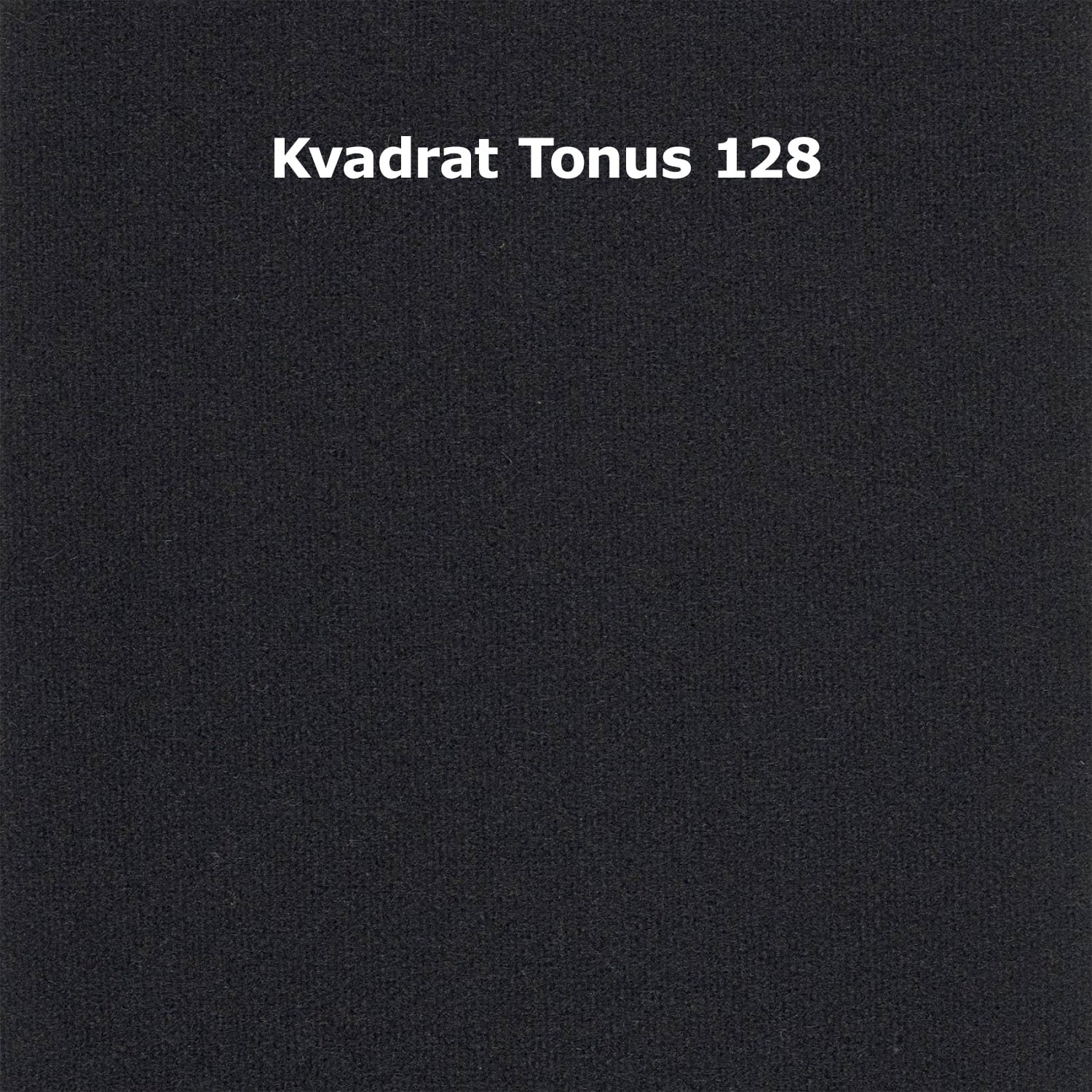
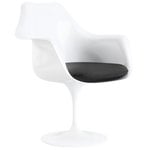

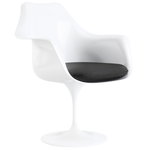
Tulip armchair, swivel base, white - Tonus 128
Description
The Tulip armchair by Eero Saarinen is one if the most well-known pieces of Finnish design. With a name inspired by the chair’s one-legged structure with an upholstered seat that resembles a flower, Tulip is not only a comfortable armchair but also an eye-catching design icon.
Saarinen designed the Tulip chair in 1955 and it became part of Knoll’s selection the following year. The chair is part of Saarinen’s Pedestal collection that consists of single-legged furniture created as a protest to the ”ugly, confusing, unrestful world” of traditional furniture legs. The iconic collection exudes an air of mid-century modernism that, to this day, feels fresh and original.
- Width: 68 cm
- Depth: 59 cm
- Height: 82 cm
- Colour White, black
- Frame material Moulded fibreglass with a reinforced plastic bonded finish
- Upholstery fabric Kvadrat Tonus 128: 90% New wool, 10% Helanca
- Abrasion resistance 100,000 Martindale
- Pilling 3
- Lightfastness 6-7
- Base material Cast aluminium, Rilsan coat finish
- Notes Armrest height 64 cm
- Product ID: AK150AS2K-C-T128-

Eero Saarinen (1910–1961) was a Finnish-American architect and designer, known as a pioneer of neo-futurist style and one of the most significant names in modern American architecture. Saarinen rose to fame in 1940 when he and Charles Eames won the Organic Design in Home Furnishings competition, organised by MoMA in New York. His design career continued with pieces such as the Tulip chair and the Womb chair, both now considered classics of modern design.
Among his best-known architectural works are Dulles International Airport in Washington D.C., the Gateway Arch in St. Louis, and the TWA Terminal at John F. Kennedy Airport in New York.
Eero Saarinen – pioneer of modern architecture and design
Eero Saarinen was born in 1910 in Kirkkonummi, Finland, into a creative household: his father was the architect Eliel Saarinen, his mother the textile artist Loja Saarinen. When Eero was 13, the family set sail for the United States and settled in Michigan. A passion for design revealed itself early – as a teenager, he won a Swedish chair design competition.
Saarinen went on to study sculpture in Paris, architecture at the Yale School of Architecture, and design at Michigan's Cranbrook Academy of Art, where he crossed paths with fellow design legend Charles Eames.
A visionary architect
Both Eero and his father Eliel taught at Cranbrook, and together with Robert Swanson they founded the firm Saarinen, Swanson and Associates. In 1950, Eero established his own studio in Michigan, where he worked prolifically for a decade until his untimely death.
His most celebrated architectural works include the TWA Flight Center at New York's JFK Airport, the Dulles International Airport terminal near Washington D.C., and the Gateway Arch in St. Louis – completed posthumously in 1965. Each of these projects combines structural daring with an organic sculptural language that broke decisively from the rigid geometry of conventional modernism.
A new chapter in furniture design
Alongside his architecture, Saarinen left a lasting mark on the world of furniture. In the 1940s, he and Charles Eames entered the Museum of Modern Art's "Organic Design in Home Furnishings" competition – and won.
His collaboration with Knoll produced some of the 20th century's most recognisable pieces: the Womb Chair, introduced in 1948, and the Tulip collection of 1956. With the Tulip series, Saarinen set out to solve what he called the "slum of legs" beneath a table – the result was a family of single-pedestal chairs and tables where form and structure merge into one clean, sculptural whole.
Eero Saarinen in brief
- Finnish-American architect and designer (1910–1961).
- Moved to the United States with his family in 1923; his father, Eliel Saarinen, was also an architect.
- Studied sculpture in Paris and architecture at Yale, graduating in 1934.
- Known for organic forms and material experimentation across both buildings and furniture.
- Notable works: Tulip chair (Knoll, 1956), TWA terminal in New York (1962), Gateway Arch in St. Louis (1965).
Read more in Design Stories
View all products
This product does not yet have a sustainability rating.
Learn more.
Ideas and inspiration
This is a carousel. Use Next and Previous buttons to navigate.